
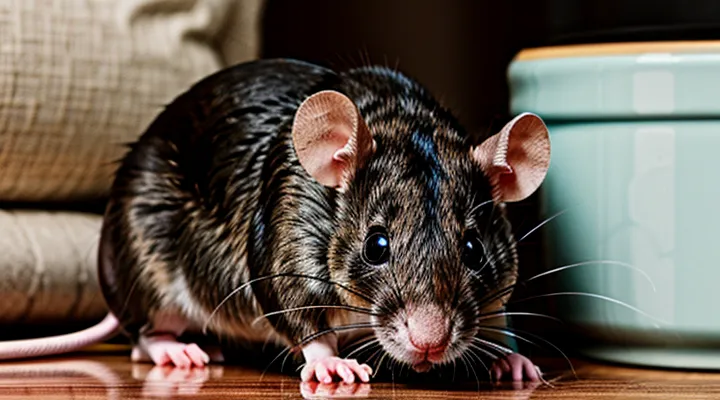
Understanding Rats as Pets
Rat Characteristics and Behavior
Size and Lifespan
Rats are considerably larger than mice. Adult fancy rats typically measure 20–25 cm from nose to tail base, with tails extending an additional 15–20 cm. Their body mass ranges from 300 to 500 g. In contrast, adult house mice average 7–10 cm in body length, tail 5–10 cm, and weigh 15–30 g. The size disparity influences enclosure dimensions, dietary requirements, and handling techniques.
Lifespan also differs markedly. Rats commonly live 2.5–3.5 years, with some individuals reaching up to 4 years under optimal care. Mice usually survive 1–2 years, rarely exceeding 2.5 years. Longevity is affected by genetics, diet, and environmental stability.
Key comparative points:
- Body length: rat ≈ 20–25 cm; mouse ≈ 7–10 cm
- Tail length: rat ≈ 15–20 cm; mouse ≈ 5–10 cm
- Weight: rat ≈ 300–500 g; mouse ≈ 15–30 g
- Typical lifespan: rat ≈ 2.5–3.5 years; mouse ≈ 1–2 years
These metrics assist prospective owners in evaluating space allocation, care commitment, and long‑term expectations for each species.
Social Needs and Intelligence
Rats thrive in groups; they establish hierarchies, groom each other, and seek companionship. Isolated individuals often exhibit stress signs such as excessive grooming, reduced appetite, or self‑injury. Providing a minimum of two rats satisfies their innate social drive and promotes natural behavior.
Mice also prefer conspecifics, forming loose colonies with dominant and subordinate members. Their social bonds are less intensive than rats’, yet solitary mice display heightened aggression and anxiety. Pairing or small groups of mice reduces these risks.
Both species demonstrate problem‑solving abilities. Rats navigate mazes, learn to manipulate levers, and can be trained to perform tricks using positive reinforcement. Their learning curves are rapid; they retain tasks for weeks after training.
Mice exhibit comparable learning in simple tasks, such as navigating T‑mazes and recognizing patterns. Their memory span is shorter, and they require more repetitions to achieve stable performance. Complex training, like clicker conditioning, yields limited results.
Implications for potential owners:
- Rats: require at least one companion, benefit from enrichment (toys, tunnels, puzzles), respond well to training, suitable for owners seeking interactive pets.
- Mice: need companionship but tolerate smaller enclosures, benefit from basic enrichment, limited trainability, appropriate for owners preferring low‑maintenance interaction.
Choosing between the two hinges on the owner’s capacity to provide social partners and enrichment that match each animal’s cognitive profile.
Nocturnal vs. Diurnal Activity
Rats are primarily crepuscular, with peak activity at dawn and dusk, while mice exhibit strong nocturnal tendencies, remaining most active throughout the night. Both species adjust their schedules to low‑light conditions, but mice maintain higher locomotor rates after sunset, whereas rats may show brief bursts of movement during early morning hours.
Owners who prefer daytime interaction will find rats more accommodating; they often respond to handling in the late morning and early evening. Mice, by contrast, become alert after dark and may be reluctant to engage when ambient light is bright. Consequently, lighting schedules influence the ease of observation and bonding.
Practical considerations for managing these rhythms include:
- Provide a dim, consistent light source during evening hours to support mouse activity without causing stress.
- Schedule feeding and enrichment sessions for rats in the early evening to align with their natural peaks.
- Use a quiet, low‑light environment at night to prevent disruption of mouse sleep cycles.
- Offer wheels, tunnels, and chew toys that can be accessed at any hour, allowing self‑stimulation regardless of the owner’s presence.
Understanding the distinct activity patterns of each rodent enables informed decisions about suitability as a companion, based on the owner’s daily routine and willingness to accommodate nocturnal or crepuscular behavior.
Rat Care Requirements
Housing Considerations
A suitable enclosure directly influences the health, activity level, and longevity of a pet rat or mouse.
- Minimum floor space: 2 sq ft per adult rat, 1 sq ft per adult mouse.
- Height: at least 12 in to accommodate climbing structures.
- Material: solid plastic or wire with a solid floor; avoid mesh bases that can cause foot injuries.
Bedding must absorb moisture, control odor, and be safe if ingested. Aspen shavings, paper-based products, or coconut fiber meet these criteria; avoid pine or cedar, which release respiratory irritants.
Enrichment items such as tunnels, chew blocks, and climbing ladders prevent boredom and promote natural behaviors. Position accessories at varying heights to encourage vertical movement.
Regular maintenance sustains hygiene: spot‑clean daily, replace soiled bedding weekly, and perform a full cage deep clean monthly. Use mild, unscented soap and rinse thoroughly to eliminate residue.
Temperature should remain between 65 °F and 78 °F; drafts and direct sunlight are detrimental. Provide a quiet, low‑traffic location to reduce stress.
By adhering to these specifications, owners create an environment that supports the well‑being of either species while facilitating observation and interaction.
Diet and Nutrition
A pet’s health hinges on proper diet; the nutritional profile of rats differs noticeably from that of mice, influencing suitability for owners.
Both species require a balanced mix of protein, fiber, fat, vitamins, and minerals. Commercially formulated rodent pellets supply the core nutrients, while fresh vegetables and occasional fruits add variety and moisture. Water must be available at all times in a leak‑proof bottle.
Rats tolerate a higher protein intake, typically 14–16 % of calories, and benefit from occasional hard‑boiled egg, low‑fat cheese, or cooked chicken. Their larger size allows a greater absolute amount of food, reducing the risk of under‑feeding. Fiber sources such as whole‑grain cereals and leafy greens support digestive health and prevent hairball formation.
Mice thrive on a lower protein level, around 12–14 % of calories, and require smaller portions. Excess protein can accelerate growth and shorten lifespan. Seeds, small pieces of cooked egg, and limited nuts provide supplemental protein. High‑fiber items like oat bran and shredded wheat aid gastrointestinal function; over‑feeding fruit may cause diarrhea.
Key nutritional distinctions:
- Portion size: Rats consume 2–3 times the volume of mice.
- Protein tolerance: Rats handle higher levels without adverse effects.
- Food variety: Mice need stricter control of sugary and fatty treats.
- Supplement needs: Rats benefit from occasional calcium sources; mice require careful monitoring of phosphorus balance.
Selecting a pet based on diet involves assessing the owner’s ability to provide appropriate portion sizes, monitor protein levels, and maintain a consistent supply of fresh produce. Rats demand larger quantities but are more forgiving of occasional dietary variation; mice require precise measurements and stricter adherence to low‑fat, low‑sugar regimes.
Health and Veterinary Care
Pet rats and pet mice present distinct health profiles that influence the level of veterinary attention required. Understanding species‑specific conditions enables owners to provide appropriate preventive care and to recognize early signs of illness.
Rats commonly develop respiratory infections, skin lesions, and dental problems. Their incisors grow continuously, demanding regular wear to prevent malocclusion. Tumors, particularly in the mammary glands and testes, appear with higher frequency in older individuals. Signs such as nasal discharge, sneezing, or weight loss warrant immediate veterinary evaluation.
Mice are prone to gastrointestinal stasis, ectoparasite infestations, and metabolic disorders such as fatty liver disease. They exhibit a higher incidence of spontaneous neoplasia in the liver and spleen. Subtle changes in activity level, coat condition, or fecal output often precede serious disease.
Veterinary care for both species includes routine examinations, vaccination where available, and parasite control. Preventive measures focus on housing hygiene, diet quality, and environmental enrichment.
- Annual physical examination by a small‑animal veterinarian experienced with rodents
- Dental assessment every six months for rats; monitoring of tooth length in mice
- Respiratory health screening during each visit, with chest auscultation and observation of breathing patterns
- Fecal analysis quarterly to detect gastrointestinal parasites or dysbiosis
- Vaccination against common rodent pathogens where licensed vaccines exist (e.g., rat coronavirus)
- Nutritional counseling to ensure balanced protein, fiber, and vitamin intake; avoidance of high‑fat treats that predispose to fatty liver
- Environmental sanitation: weekly cage cleaning, provision of fresh bedding, and regular replacement of water bottles to reduce bacterial growth
Early detection and species‑appropriate preventive protocols reduce morbidity and extend the lifespan of these small companions.
Training and Interaction
Rats demonstrate higher learning capacity than mice, responding reliably to clicker cues, target training, and simple obstacle courses. Their social nature encourages repeated sessions, allowing owners to shape behaviors such as leash walking, object retrieval, and trick performance. Mice learn basic operant tasks but require shorter, more frequent repetitions; complex sequences are rarely mastered.
Interaction with rats is characterized by prolonged handling, vocalizations that signal engagement, and willingness to explore shared spaces. They often seek eye contact and can be taught to come when called. Mice exhibit brief bouts of contact, display heightened startle responses, and prefer limited tactile exchange; they are more likely to retreat into tunnels or nesting material when approached.
Key considerations for prospective owners:
- Training duration: rats ≈ 15‑20 minutes per session; mice ≈ 5‑10 minutes.
- Reinforcement type: both respond to food rewards; rats also react to social praise.
- Environmental enrichment: rats benefit from climbing structures, wheels, and puzzles; mice require tunnels, nesting material, and chewable items.
- Handling frequency: daily handling builds trust in rats; mice tolerate handling 2‑3 times weekly without stress escalation.
Effective interaction hinges on recognizing species‑specific motivation. Consistent, low‑stress training sessions produce reliable obedience in rats, while incremental exposure and minimal restraint yield modest behavioral change in mice. Selecting the appropriate companion depends on the owner’s willingness to invest time in skill development and daily engagement.
Understanding Mice as Pets
Mouse Characteristics and Behavior
Size and Lifespan
Rats and mice differ markedly in physical dimensions and expected longevity, factors that influence suitability as companions.
-
Adult rats reach 9–11 inches (22–28 cm) in body length, excluding the tail, and weigh 300–500 g. Mice average 2–4 inches (5–10 cm) and 15–30 g. The size gap affects enclosure space, handling comfort, and dietary needs.
-
Typical rat lifespan ranges from 2 to 3 years, with some individuals living up to 4 years under optimal care. Mice generally live 1 to 2 years, rarely exceeding 2.5 years. Longer life expectancy in rats provides extended owner‑pet interaction.
These quantitative distinctions guide decision‑making: larger size demands more spacious housing and handling strength, while longer lifespan offers prolonged companionship.
Social Needs and Activity
Rats thrive on interaction with conspecifics; they form hierarchical groups, share grooming duties, and exhibit cooperative foraging. Single rats often display stress signals, such as excessive grooming or reduced appetite, indicating a need for companionship. Mice also live socially but maintain more rigid territorial boundaries; a pair may coexist peacefully, yet frequent aggression can arise if hierarchy is unclear.
Both species are highly active, requiring daily opportunities for exploration. Rats prefer complex tunnels, climbing structures, and chewable objects that mimic natural burrowing behavior. Mice favor dense bedding, wheel exercise, and vertical surfaces for climbing. Insufficient stimulation leads to stereotypic pacing, reduced weight gain, and heightened anxiety.
Owners must match pet selection with capacity for social and physical enrichment:
- Provide at least two rats of the same sex or a stable group to satisfy social hierarchy.
- For mice, maintain a small, compatible cohort; monitor interactions to prevent dominance fights.
- Install multi‑level habitats with tunnels, wheels, and chew toys; rotate items weekly to sustain novelty.
- Schedule daily handling sessions of 5–10 minutes per animal to reinforce trust and reduce fear responses.
- Observe behavior for signs of isolation stress (e.g., self‑mutilation in rats, excessive nesting in mice) and adjust group size or enrichment accordingly.
Choosing a rat emphasizes the need for a larger, cooperative group and more extensive environmental complexity, while a mouse demands careful management of territorial dynamics and provision of compact, high‑frequency activity zones. Both animals require consistent social contact and structured physical challenges to maintain health and well‑being.
Temperament and Handling
Rats display a calm disposition when accustomed to regular interaction. They often seek contact, tolerate extended handling sessions, and respond to gentle voice cues. Their larger size facilitates secure grasping, reducing the risk of accidental injury. Mice, by contrast, exhibit heightened alertness and a propensity to flee. Frequent handling can trigger stress responses, including rapid breathing and occasional biting. Their small stature demands precise finger placement to avoid crushing delicate limbs.
Effective handling practices differ between the two species. For rats, begin with slow hand movements, allow the animal to climb onto the palm, and support the hindquarters while lifting. Short, consistent sessions of five to ten minutes foster trust. For mice, use a cupped hand or a soft container to guide the animal, keeping the grip light and brief. Introduce a familiar scent—such as a dab of food‑grade oil—only after the mouse shows calm behavior.
Key considerations for temperament and handling:
- Social tolerance: Rats generally accept multiple handlers; mice may prefer a single familiar caregiver.
- Stress indicators: Rats show relaxed posture and grooming; mice display freezing, rapid tail flicks, or vocalizations.
- Training potential: Rats can learn simple tricks and respond to clicker cues; mice have limited capacity for conditioned tasks.
- Safety measures: Use a towel or small cage for initial mouse capture; support a rat’s body fully to prevent drops.
Choosing between the two depends on the owner’s willingness to invest time in gentle, species‑specific handling. Rats reward regular interaction with sociable behavior, while mice require minimal, careful contact to remain comfortable.
Mouse Care Requirements
Housing Considerations
Housing for small rodent companions requires attention to space, ventilation, and enrichment to prevent stress and disease.
- Enclosure size: Rats thrive in cages offering at least 2 sq ft of floor area per animal; mice need a minimum of 1 sq ft. Multi‑level designs increase usable space without enlarging the footprint.
- Bar spacing: Rat cages should have bars no wider than ½ inch to prevent escape; mouse cages can use ¼‑inch spacing.
- Substrate: Paper‑based or aspen bedding provides absorbency and low dust for both species; avoid pine or cedar, which release harmful oils.
- Nesting material: Provide shredded tissue or cotton for each animal; rats often construct larger nests, while mice use smaller, concealed bundles.
- Chew toys: Hard‑wood blocks, untreated wicker, and cardboard tunnels satisfy the constant gnawing instinct of both rodents; replace worn items regularly to maintain safety.
Temperature and humidity must remain within 65‑75 °F and 40‑60 % relative humidity. Position cages away from direct sunlight, drafts, and loud appliances. Regular cleaning schedules—partial spot cleaning daily and full substrate replacement weekly—reduce odor and pathogen buildup.
When comparing a rat and a mouse as a pet, the larger size of rats permits more spacious habitats and a broader selection of enrichment items, while mice require more compact setups but benefit from tighter group dynamics. Selecting the appropriate housing configuration aligns with the animal’s natural behavior and promotes long‑term health.
Diet and Nutrition
When evaluating a rodent as a companion, diet and nutrition determine health outcomes and influence the owner’s commitment. Rats and mice share basic requirements but differ in portion size, caloric density, and preferred food textures.
Rats need higher caloric intake because of larger body mass and greater activity levels. A typical adult rat consumes 15–20 % of its body weight in food daily, while a mouse consumes 8–12 %. Protein should represent 18–20 % of total calories for rats and 14–16 % for mice. Fiber improves gastrointestinal motility; include 3–5 % for rats and 2–4 % for mice. Essential fatty acids support skin and coat health; supply 2–4 % of calories in both species. Vitamins A, D, E, and B‑complex are required in similar amounts, but rats benefit from slightly higher vitamin C due to larger oxidative stress from activity.
Typical commercial rodent mixes meet these ratios, but supplementation enhances longevity:
- Fresh vegetables (broccoli, carrots, leafy greens) – 10–15 % of daily ration
- Small pieces of fruit (apple, berries) – occasional, <5 % to avoid excess sugar
- Protein treats (hard‑boiled egg, cooked chicken) – 1–2 % for rats, 0.5–1 % for mice
- Calcium source (plain yogourt, mineral block) – 0.5 % to prevent dental issues
Water must be available at all times; rats prefer larger bottles, mice tolerate droppers. Replace water daily to prevent bacterial growth.
Feeding schedules differ: rats thrive on two meals per day, allowing for larger portions and enrichment activities. Mice respond well to continuous access to a small amount of dry mix, supplemented with daily fresh produce. Overfeeding leads to obesity in both, but rats develop it more rapidly due to higher baseline intake.
In summary, a rat’s diet requires greater volume, higher protein, and more frequent meals, while a mouse’s regimen emphasizes small, frequent access to dry food with limited fresh additions. Aligning feeding practices with these distinctions supports optimal health for either pet.
Health and Potential Issues
Rats and mice present distinct health profiles that influence suitability as companion animals.
Rats typically live 2–3 years, mice 1–2 years; longevity affects frequency of veterinary visits and long‑term commitment. Both species are prone to respiratory infections caused by Mycoplasma pulmonis and Streptococcus spp., requiring prompt treatment with antibiotics and environmental control of humidity and dust.
Common health concerns differ in prevalence:
- Rats: adrenal tumors, mammary adenocarcinomas, dental overgrowth; regular examination of the oral cavity and palpation of the abdomen can detect early signs.
- Mice: skin lesions from mites, ear infections, subclinical lymphomas; weekly grooming checks and observation of ear posture help identify problems early.
Allergic reactions in humans arise from rodent dander and urine proteins. Sensitivity levels vary; individuals with known pet allergies should undergo a skin‑prick test before acquisition. Air filtration, frequent cage cleaning, and use of low‑dust bedding reduce allergen load for both species.
Nutritional deficiencies manifest as weight loss, poor coat condition, or skeletal abnormalities. Rats require a diet higher in protein and calcium than mice; a balanced commercial pellet supplemented with fresh vegetables meets nutritional needs. Mice thrive on a grain‑based mix with limited fat; over‑supplementation can lead to obesity and hepatic lipidosis.
Behavioral health is linked to environmental enrichment. Lack of stimulation results in stereotypic behaviors such as bar‑chewing in rats and repetitive circling in mice, which may progress to self‑injury. Providing chew toys, tunnels, and regular handling lowers stress indicators, including elevated cortisol levels.
Veterinary care for rodents differs from that of larger pets. Most practitioners limit procedures to physical exams, parasite screening, and emergency surgery; anesthesia protocols must account for high metabolic rates and susceptibility to hypothermia. Owners should locate a clinic experienced with exotic mammals and establish a schedule for annual health assessments.
In summary, rats present a higher incidence of neoplastic disease but benefit from a longer lifespan and greater tolerance of handling. Mice exhibit a broader range of parasitic and dermatological issues, require more frequent cage changes, and have a shorter life expectancy. Selecting the appropriate species demands evaluation of these health variables against the owner’s capacity for preventive care and monitoring.
Enrichment and Stimulation
Rats and mice require distinct enrichment strategies to maintain physical health and mental acuity. Rats thrive on complex, three‑dimensional environments; they explore tunnels, climb structures, and manipulate objects. Mice prefer confined, intricate spaces that encourage burrowing and foraging. Providing appropriate stimuli prevents stereotypic behaviors and supports natural instincts.
Key enrichment items for each species include:
-
Rats
• Large multi‑level cages with rope bridges and wooden platforms.
• Puzzle feeders that release treats after a series of manipulations.
• Safe chewable materials such as untreated wood blocks. -
Mice
• Deep bedding for nesting and digging.
• Small tunnels and hideaways that simulate underground habitats.
• Wheel with a diameter of at least 8 cm to accommodate their stride.
Regular rotation of toys and rearrangement of cage layout sustains interest. Interaction with humans—hand‑taming sessions lasting 5–10 minutes daily—adds social stimulation for both animals. Monitoring engagement levels helps identify overstimulation or boredom, allowing timely adjustment of the enrichment program.
Comparing Rats and Mice
Temperament and Interaction
Affection and Playfulness
Rats demonstrate strong social bonds with owners. They seek human interaction, respond to voice tones, and often follow caretakers around the enclosure. Consistent handling builds trust, leading to frequent grooming and cuddling sessions.
Mice display limited affection. They may tolerate brief contact but typically retreat when approached. Their natural wariness reduces opportunities for prolonged petting, making them less suitable for owners seeking constant closeness.
Playfulness distinguishes the two species clearly.
- Rats engage in complex games. They navigate tunnels, solve puzzles, and manipulate objects such as chew toys or treat-dispensing devices. Their curiosity drives repeated exploration, providing owners with observable entertainment.
- Mice exhibit brief bursts of activity. They sprint across wheels, explore small hideaways, and perform quick foraging runs. Their play cycles are short, and they quickly lose interest in static toys.
Overall, rats excel in delivering affectionate companionship and sustained interactive play, while mice offer occasional, fleeting interaction and rapid, short‑lived activity bursts.
Ease of Handling
Rats are larger than mice, allowing a firmer grip with minimal risk of slipping. Their pronounced scent glands produce a recognizable odor, which habituates owners quickly and reduces surprise reactions during handling. Muscular forepaws and a natural tendency to climb make them amenable to being lifted by the base of the tail and cradled in the hands. Mice, by contrast, are diminutive and prone to rapid, erratic movements. Their delicate bodies require gentle support, often limiting the duration of direct contact. Frequent attempts to grasp a mouse can result in tail injuries or escape attempts.
Both species benefit from gradual acclimation. Rats typically tolerate extended handling sessions after a few days of daily interaction, while mice often require shorter intervals to avoid stress. Social dynamics influence handling ease: rats form strong bonds with a single caretaker, facilitating predictable behavior; mice may display hierarchical aggression, complicating group handling.
Comparative points affecting handling comfort
- Size: rat ≈ 300 g, mouse ≈ 20 g – larger body simplifies lift.
- Grip security: rat tail thick, mouse tail thin – rat less likely to slip.
- Stress response: rat calms after 5–10 min, mouse may exhibit panic within minutes.
- Bite risk: rat bite force moderate, mouse bite small but can cause puncture if mishandled.
- Training potential: rats learn tricks and tolerate handling devices; mice limited to simple conditioning.
Overall, rats present fewer physical obstacles during routine manipulation, while mice demand more precise, brief contact to maintain welfare.
Suitability for Children
Rats generally exceed mice in size, making them easier for children to handle without risking accidental injury. Their longer lifespan, typically two to three years, provides a more sustained companionship, which aligns with the developmental needs of young owners.
Mice are smaller and more delicate; they require gentle handling and may be intimidating for younger children. Their average lifespan of one to two years offers a shorter period of interaction, potentially limiting the child’s sense of responsibility.
Key factors for evaluating a small rodent as a child‑friendly pet:
- Temperament: Rats display higher levels of sociability and are more likely to seek interaction, while mice tend to be more skittish.
- Care complexity: Rats need larger cages, more bedding, and a varied diet; mice require less space and simpler feeding routines.
- Allergy potential: Both species produce dander, but some children react more strongly to mouse allergens.
- Training capability: Rats can learn simple tricks and respond to clicker training, enhancing engagement; mice show limited trainability.
When safety is the primary concern, rats present a lower risk of bites due to their size and confidence. For families seeking minimal space and lower maintenance, mice may be appropriate if the child demonstrates sufficient gentleness and supervision.
Maintenance and Cost
Space Requirements
Rats require considerably more floor area than mice. A single adult rat thrives in a cage with a minimum interior footprint of 24 inches by 12 inches, while a pair needs at least 30 inches by 18 inches to allow for movement and enrichment. The cage should also provide vertical space; a height of 12–15 inches accommodates climbing structures and hammocks, which are essential for a rat’s natural behavior.
Mice occupy less space. An individual mouse can be comfortably housed in a cage measuring 10 inches by 10 inches, with a height of 8–10 inches. For a small group, a floor area of 15 inches by 15 inches is sufficient, provided the enclosure includes multiple levels to satisfy their instinct to explore.
Key considerations for both species:
- Minimum floor space per animal (rat ≈ 24 in², mouse ≈ 10 in²).
- Vertical dimension to support climbing and nesting.
- Adequate ventilation without drafts.
- Easy access for cleaning and routine health checks.
Selecting the appropriate cage size ensures the animal’s physical health, reduces stress, and supports natural activity patterns.
Food Expenses
When evaluating a companion rodent, the budget allocated for nutrition often determines long‑term feasibility. Rats and mice differ markedly in the quantity of food required and the variety of items that support optimal health.
Rats typically consume 20–30 g of dry pellets daily, supplemented with fresh vegetables two to three times per week. Assuming a 500‑g bag of quality pellets costs $4.50, the monthly expense for pellets alone averages $5.40. Adding a modest supply of carrots, leafy greens, and occasional fruit (≈ 150 g per week) contributes roughly $8–$10 per month. Total estimated food cost for a rat: $13–$15 per month.
Mice eat 3–5 g of pellets each day and require less frequent fresh produce. A 250‑g bag of mouse‑grade pellets priced at $3.00 provides enough for a month, while a small weekly portion of greens (≈ 30 g) adds about $2.50. Total estimated food cost for a mouse: $5–$6 per month.
Typical monthly food expenses
- Rat: $13–$15
- Mouse: $5–$6
These figures assume standard commercial diets and basic fresh additions. Specialty diets, organic produce, or premium brands will increase costs proportionally. The disparity in daily intake means that, on average, feeding a rat requires roughly double the budget allocated for a mouse.
Veterinary Costs
When evaluating a rodent companion, veterinary expenses represent a decisive factor. Rats and mice share many health‑care requirements, yet differences in body size, lifespan, and common ailments affect overall cost.
Routine care for both species includes a basic examination by a small‑animal veterinarian familiar with exotic pets. A standard check‑up typically ranges from $40 to $70. Rats, being larger, often tolerate handling better, reducing the time needed for examinations and slightly lowering labor charges.
Specific cost items:
- Preventive health – Parasite control (e.g., flea or mite treatments) costs $10‑$20 per dose; rats may need occasional deworming, while mice rarely require it.
- Illness treatment – Respiratory infections are frequent in mice and can demand antibiotics and supportive care, averaging $80‑$120 per episode. Rats experience similar conditions but may also develop skin tumors, which can increase treatment expenses to $150‑$250.
- Emergency care – Urgent visits carry a base fee of $60‑$90, plus diagnostics (blood work, radiographs) $30‑$70. Larger body mass allows rats to undergo more extensive imaging, potentially raising diagnostic fees.
- Specialist services – Access to a certified exotic‑animal practitioner adds $30‑$50 per consultation, a cost both owners should anticipate.
Long‑term budgeting should include an annual allocation of $150‑$250 for a rat and $120‑$200 for a mouse, covering routine examinations, preventive measures, and occasional minor treatments. Emergency incidents can add $200‑$400 in a single year, regardless of species. Accurate financial planning therefore hinges on recognizing these distinct expense patterns when deciding between the two rodents.
Health and Longevity
Common Health Problems
Pet rats and mice share many health challenges, making awareness of common conditions essential for responsible ownership. Both species are prone to respiratory infections, dental overgrowth, skin parasites, and gastrointestinal disturbances. Early detection and appropriate care reduce suffering and extend lifespan.
- Respiratory disease – often caused by Mycoplasma pulmonis; symptoms include sneezing, labored breathing, and nasal discharge.
- Dental problems – continuously growing incisors require constant wear; malocclusion leads to weight loss and difficulty eating.
- Skin mites and fleas – cause itching, hair loss, and secondary infections; infestations spread quickly in crowded cages.
- Gastrointestinal issues – include diarrhea from bacterial overgrowth or dietary imbalance; dehydration follows rapidly.
- Tumors – especially mammary or pituitary adenomas in older rats; mice develop lymphomas more frequently.
Preventive strategies focus on environmental hygiene, balanced nutrition, and routine health checks. Change bedding weekly, disinfect cages monthly, and provide chewable objects to maintain dental health. Offer a diet rich in fiber, low in excess sugars, and supplement with fresh vegetables. Quarantine new arrivals for at least two weeks to limit pathogen transmission.
Regular observation of behavior, weight, and coat condition alerts owners to emerging problems. At the first sign of respiratory distress, abnormal chewing, or persistent diarrhea, seek veterinary evaluation from a practitioner experienced with small rodents. Prompt treatment with appropriate antibiotics, dental filing, or antiparasitic medication improves outcomes.
Average Lifespan Comparison
When evaluating a rodent companion, lifespan directly influences long‑term commitment. Laboratory and pet‑care records indicate that domesticated rats commonly reach 2 to 3 years, with some individuals living up to 4 years under optimal conditions. Domestic mice usually survive 1 to 2 years, rarely exceeding 2.5 years even with meticulous care.
- Rat: average 2.5 years (range 2–4 years)
- Mouse: average 1.5 years (range 1–2.5 years)
Longer lifespan extends the period for social bonding, training, and health monitoring, while shorter lifespan reduces the duration of responsibility but may limit behavioral development. These figures should guide prospective owners in aligning expectations with the species’ biological limits.
Genetic Predispositions
Genetic makeup determines many aspects of a small rodent’s suitability as a companion. In rats, alleles linked to high social tolerance and problem‑solving ability create a species that readily bonds with humans and adapts to handling. Mutations in the MDR1 gene reduce susceptibility to certain neurotoxic agents, while the Rattus Nrf2 variant enhances resistance to oxidative stress, contributing to a relatively long lifespan for a pet rodent.
Mice carry a distinct set of genetic factors. The C57BL/6 background, common among laboratory strains, includes polymorphisms that predispose individuals to early‑onset renal disease and aggressive territorial behavior. Variants in the Htr1a receptor increase anxiety responses, making some mice less tolerant of frequent interaction. Conversely, the Apoe knock‑in allele can improve lipid metabolism, reducing the incidence of fatty liver disease in certain lines.
Key genetic predispositions relevant to pet ownership:
-
Health resilience
- Rats: robust DNA repair pathways, lower baseline tumor incidence.
- Mice: higher spontaneous tumor rates, frequent metabolic disorders.
-
Behavioral tendencies
- Rats: genes promoting social cohesion and exploratory drive.
- Mice: alleles associated with heightened stress reactivity and limited social play.
-
Lifespan potential
- Rats: average 2–3 years, extended by alleles supporting cardiovascular health.
- Mice: average 1.5–2 years, often shortened by genetic cancer susceptibility.
Understanding these hereditary differences enables prospective owners to match a species’ innate strengths and vulnerabilities with their capacity for care, housing, and interaction.
Making Your Decision
Lifestyle Compatibility
Time Commitment
Prospective owners must assess the daily and weekly time required to keep a rodent healthy and content.
Rats demand extensive social interaction; they thrive on multiple short sessions of handling, play, and enrichment each day. Mice are more independent, tolerating fewer, brief interactions without adverse effects.
Cage maintenance reflects species size and activity level. A rat’s larger enclosure accumulates greater waste, necessitating a thorough cleaning at least once a week, with spot cleaning of soiled areas daily. A mouse’s smaller habitat generates less debris, allowing for spot cleaning several times a week and a full clean every ten to twelve days.
Health monitoring differs in frequency and observation depth. Rats exhibit visible signs of illness early, requiring owners to conduct brief health checks—weight, fur condition, and activity level—daily. Mice conceal symptoms longer; a weekly assessment of similar parameters is sufficient, supplemented by periodic veterinary examinations.
Time‑commitment comparison
-
Social engagement
• Rat: 2–3 handling sessions (5–10 min each) daily
• Mouse: 1 short session (5 min) every 2–3 days -
Cleaning
• Rat: Daily spot cleaning; full cage change weekly
• Mouse: Spot cleaning 3–4 times weekly; full cage change every 10–12 days -
Health checks
• Rat: Brief daily observation, weekly weight measurement
• Mouse: Weekly observation, monthly weight measurement
Understanding these schedules enables informed decisions about which pet aligns with an owner’s available time.
Living Space
When deciding between a rat and a mouse as a companion animal, the amount of living space required is a primary factor. Both species thrive in cages that provide sufficient floor area, but their optimal dimensions differ.
- Rats need a minimum of 2 sq ft of floor space per individual; larger enclosures improve health and reduce stress.
- Mice require at least 1 sq ft per individual; overcrowding leads to aggression and compromised hygiene.
- Vertical space benefits both: rats appreciate climbing structures up to 12 inches high, while mice benefit from additional levels of 6–8 inches for exploration.
- Group housing is common for rats; a single cage must accommodate multiple animals without exceeding the floor‑space guideline. Mice also live socially, but the same floor‑space rule applies per mouse.
- Regular cleaning is essential; larger cages for rats hold more substrate, extending intervals between full cleanouts. Smaller mouse cages demand more frequent maintenance to prevent odor buildup.
Selecting an enclosure that meets these specifications ensures the animal’s physical well‑being and supports natural behaviors. Failure to provide adequate space increases the risk of health problems, behavioral issues, and reduced lifespan.
Noise Tolerance
Noise tolerance refers to the degree of sound a pet can produce without causing disturbance to its owner or household environment.
Rats emit low‑frequency vocalizations and occasional squeaks during play or stress. Typical peak levels range from 45 to 55 dB at a distance of one meter, comparable to normal conversation. Their vocalizations are brief and often accompany movement, allowing owners to anticipate periods of higher sound.
Mice generate higher‑pitched chirps and ultrasonic calls. Audible sounds usually reach 55 to 65 dB at one meter, similar to a busy office. Continuous rapid movement can increase overall noise, especially in multi‑mouse cages.
Practical considerations:
- Living in an apartment or shared dwelling favors the quieter profile of rats.
- Night‑time activity rises for both species, but mice maintain higher baseline noise after dark.
- Placement of the cage on a stable surface reduces transmission of vibrations that amplify sound.
Selecting a pet based on noise tolerance requires matching the animal’s acoustic output with the acoustic sensitivity of the living space.
Personal Preferences
Appearance and Size
Rats present a sturdy build with a broad head, rounded ears and a relatively short, hair‑covered tail. Their fur appears in a limited palette of colors—black, brown, white, or spotted—often with a glossy sheen. Adult body length typically ranges from 9 to 11 cm, while the tail adds another 7 to 9 cm; weight falls between 300 and 500 g.
Mice display a leaner silhouette, pointed snout, disproportionately large ears and eyes, and a long, hairless tail that matches the body in length. Coat colors include white, gray, brown and agouti, frequently with a softer texture. Body length measures 2 to 4 cm, tail length 2 to 4 cm, and adult weight is 15 to 30 g.
These dimensional contrasts affect enclosure space, handling comfort and visual impact, providing clear criteria for choosing between the two species as companion animals.
Interactive vs. Observational Pets
Rats and mice differ markedly in the degree of interaction they provide to owners. Rats respond to handling, learn tricks, and seek companionship, making them suitable for owners who want active engagement. Mice tend to remain in cages, explore briefly, and retreat quickly, offering limited direct contact.
Interactive characteristics:
- Frequent grooming of hands when held
- Ability to follow simple commands or navigate mazes
- Preference for social housing with familiar individuals
- Vocalizations that signal excitement or contentment
Observational characteristics:
- Activity primarily confined to wheel running and foraging
- Minimal tolerance for prolonged handling
- Preference for solitary or small-group environments with limited human interference
- Silent or subtle sounds that indicate stress or curiosity
Choosing between the two depends on whether the owner seeks a pet that initiates contact and participates in training, or one that can be watched while it explores its enclosure. The decision aligns with the owner’s lifestyle, time availability, and desired level of daily interaction.
Experience with Rodents
My experience with small‑mammal companions spans several years of keeping both rats and mice in controlled indoor environments. Direct observation of behavior, health maintenance, and owner interaction provides a reliable basis for evaluating each species as a pet.
Rats consistently demonstrate higher tolerance for handling. They adapt quickly to glove‑free contact, exhibit problem‑solving abilities, and maintain steady body weight when fed a balanced grain‑based diet. Their social nature encourages bonding with a single caretaker, reducing the need for multiple animals to achieve social fulfillment.
Mice display rapid activity cycles and a strong instinct to explore confined spaces. Their small size permits housing in limited areas, yet they require frequent enrichment to prevent stereotypic pacing. Reproduction rates are high; a single female can produce several litters annually, increasing population management demands.
Key comparative observations derived from hands‑on care:
- Handling comfort: Rats accept extended touch; mice often retreat after brief contact.
- Training potential: Rats learn simple tricks and respond to clicker cues; mice show limited trainability.
- Space requirements: Mice occupy less cage volume; rats need larger enclosures to accommodate climbing structures.
- Lifespan: Rats average 2–3 years; mice average 1.5–2 years, influencing long‑term commitment.
- Health monitoring: Both species are prone to respiratory infections, but rats exhibit clearer symptom presentation, facilitating early veterinary intervention.
These observations support a factual assessment of each rodent’s suitability for companionship, allowing prospective owners to align expectations with the species‑specific demands uncovered through practical experience.