
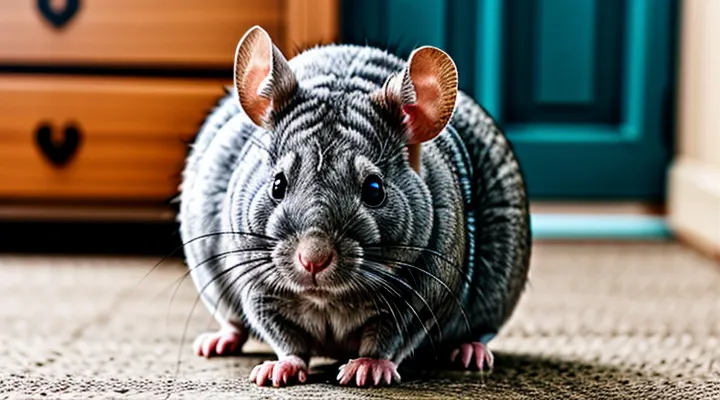
Introduction to Choosing a Pet Rodent
The Appeal of Small Pets
Small mammals attract owners who need compact companions, limited housing, and predictable maintenance. Their dimensions fit apartments, while their dietary requirements remain modest. Interaction with a diminutive animal delivers measurable stress reduction and routine structure.
Key characteristics that make miniature pets appealing include:
- Limited enclosure size; cages occupy less than one square meter.
- Short to moderate lifespan; rodents average two to three years, chinchillas reach fifteen.
- High activity levels; frequent exploration stimulates owner engagement.
- Social orientation; many species thrive on human contact or conspecific interaction.
When choosing between a rat and a chinchilla, consider distinct behavioral and care profiles. Rats display rapid learning, frequent handling tolerance, and require daily enrichment to prevent boredom. Chinchillas possess dense fur, require low‑humidity environments, and benefit from dust baths several times a week. Housing temperature ranges differ: rats tolerate 18‑26 °C, while chinchillas prefer cooler conditions below 24 °C. Dietary needs diverge as well; rats accept varied pellets and occasional fruit, whereas chinchillas rely on high‑fiber hay and specialized pellets.
Assessing space constraints, grooming demands, and interaction preferences clarifies which small mammal aligns with the owner’s lifestyle. The decision rests on matching these objective parameters to the desired companion experience.
Initial Considerations for Pet Ownership
When evaluating a small‑mammal companion, begin with a realistic appraisal of your living environment, daily schedule, and long‑term responsibilities. Space requirements differ markedly: rats thrive in cages as small as 2 sq ft, while chinchillas need multi‑level enclosures of at least 4 sq ft to accommodate climbing and dust‑bathing. Assess whether your home can provide the necessary ventilation, temperature stability (chinchillas prefer cooler conditions, 60‑70 °F), and protection from predators or escape routes.
Consider time investment. Rats are active during twilight hours and demand several short interaction sessions each day to maintain social bonds and mental stimulation. Chinchillas exhibit bursts of activity in the early evening and require regular dust‑bath sessions several times weekly; they also need daily handling to stay accustomed to human contact. Both species benefit from enrichment, but chinchillas demand more extensive chewing toys to prevent dental wear.
Health management varies. Rats have a lifespan of 2–3 years, are prone to respiratory infections, and need routine fur checks for tumors. Chinchillas live 10–15 years, are susceptible to heat stress and dental overgrowth, and require quarterly veterinary examinations specializing in exotic pets.
Financial implications include initial setup costs, ongoing food purchases, bedding, and veterinary care. Rats incur lower upfront expenses but higher veterinary frequency due to shorter lifespans. Chinchillas involve higher cage and accessory costs, yet veterinary visits are less frequent.
Key initial considerations
- Living space dimensions and climate control
- Daily interaction schedule and personal availability
- Species‑specific health risks and veterinary access
- Long‑term financial commitment
A systematic review of these factors will determine which small mammal aligns with your circumstances before proceeding to detailed care planning.
Rat Profile: A Detailed Look
Temperament and Socialization
Personality Traits
When selecting a small‑mammal companion, personality determines daily interaction quality and long‑term satisfaction.
Rats display a distinct set of behaviors:
- High sociability; they seek contact with owners and other rats.
- Advanced problem‑solving abilities; they navigate puzzles and learn tricks quickly.
- Strong curiosity; they explore new objects and environments eagerly.
- Vocal communication; they emit chirps, squeaks, and occasional teeth‑clicking to express excitement or discomfort.
- Affectionate bonding; they often follow owners, enjoy being handled, and may show grooming behavior toward humans.
Chinchillas exhibit contrasting characteristics:
- Notable independence; they prefer brief handling sessions and may retreat after prolonged contact.
- Gentle disposition; they move quietly, avoid aggressive biting, and typically remain calm when approached correctly.
- Low vocalization; they communicate primarily through soft squeaks and body language, resulting in a quieter household.
- Strong nocturnal activity; they are most active during evening hours, engaging in running, climbing, and dust‑bathing.
- Sensitive temperament; they react sharply to sudden movements or loud noises, requiring a stable, low‑stress environment.
Understanding these personality profiles helps match the animal’s typical behavior with the prospective owner’s lifestyle, handling preferences, and activity patterns.
Interaction with Humans
Choosing between a rat and a chinchilla involves evaluating how each species engages with people. Rats respond quickly to handling, exhibit curiosity, and can learn simple tricks. Their social nature encourages frequent eye contact and vocalizations that signal mood. Regular interaction reduces stress and strengthens the bond, but the animal requires daily out‑of‑cage playtime to stay mentally healthy.
Chinchillas display a more cautious demeanor. They prefer gentle, brief contact and often retreat to hide when startled. Socialization depends on gradual exposure to human scent and soft touch, with progress measured over weeks rather than days. Their vocal repertoire includes soft chirps and occasional squeaks, providing limited feedback compared to rats. Enrichment focuses on climbing structures and dust baths rather than direct handling.
Key considerations for human‑animal interaction:
- Handling frequency – Rats tolerate multiple short sessions daily; chinchillas accept a few brief interactions weekly.
- Training potential – Rats can master basic commands; chinchillas rarely perform tricks.
- Noise level – Rats emit audible squeaks; chinchillas are largely silent, producing occasional chirps.
- Stress indicators – Rats show agitation through rapid movements; chinchillas display stress by excessive grooming or refusing food.
Assess personal preferences for tactile engagement, patience for gradual bonding, and tolerance for vocal activity. The decision should align with the owner’s capacity to provide the interaction style each animal requires.
Care Requirements
Diet and Nutrition
When comparing a pet rat with a chinchilla, nutritional requirements differ markedly, influencing long‑term health and maintenance costs.
Rats thrive on a diet that balances protein, fiber, and fat.
- Commercial rodent blocks formulated for rats, providing 15–20 % protein and 5–7 % fat.
- Fresh vegetables such as carrots, broccoli, and bell peppers, offered in small portions daily.
- Small amounts of fruit (apple, banana) limited to two–three times per week to avoid excess sugar.
- Occasional protein treats—hard‑boiled egg, cooked chicken—limited to once a week.
- Unlimited supply of clean water and a separate source of fresh hay for chewing.
Chinchillas require a high‑fiber, low‑protein regimen to prevent dental overgrowth and gastrointestinal issues.
- Unlimited access to plain, unscented hay (timothy, orchard, or meadow) as the primary food source.
- Commercial chinchilla pellets containing 16–20 % fiber and less than 10 % protein.
- Infrequent treats (dried rose hips, small pieces of dried apple) no more than once a week.
- No fresh vegetables or fruits, which can cause digestive upset.
- Continuous availability of fresh water, preferably in a bottle to keep it clean.
Rats need higher protein and occasional fresh produce, whereas chinchillas depend almost entirely on hay and low‑protein pellets. Adjusting feeding plans to these specifications supports optimal weight, coat condition, and overall vitality for each species.
Housing Needs
Rats require a cage with a minimum floor area of 2 sq ft per animal; a multi‑level setup can increase usable space without enlarging the footprint. Wire floors should be avoided; solid flooring covered with paper‑based bedding provides comfort and reduces foot injuries. Ventilation must be adequate, but drafts should be prevented. Daily spot cleaning removes soiled bedding, while a full change is recommended weekly. Enrichment items such as tunnels, chew blocks, and climbing ladders should be secured to the cage to withstand active exploration.
Chinchillas thrive in a spacious enclosure of at least 4 sq ft of solid floor per individual. The cage should be made of metal with a fine mesh that prevents escape yet allows airflow. Dust‑free, low‑dust bedding (e.g., aspen shavings) is essential to avoid respiratory problems; it must be refreshed regularly. Temperature must remain between 60 °F and 70 °F; heating elements are discouraged because chinchillas are susceptible to heat stress. A full cage cleaning every two weeks, supplemented by daily removal of waste, maintains hygiene. Vertical space is critical; multiple levels, platforms, and a safe running wheel provide necessary exercise.
Key housing differences:
- Floor space: rats ≈ 2 sq ft; chinchillas ≈ 4 sq ft
- Floor type: rats need solid, absorbent; chinchillas need solid with low‑dust bedding
- Temperature range: rats tolerate 65‑80 °F; chinchillas require 60‑70 °F
- Cleaning frequency: rats weekly full change; chinchillas bi‑weekly full change
- Enrichment: both need climbing structures, but chinchillas benefit from higher platforms and a dust bath area
Meeting these specifications ensures each species remains healthy and exhibits natural behaviors.
Cage Size and Enrichment
When housing a rat, provide a minimum floor area of 2 sq ft (approximately 18 × 12 in). A solid‑bottom cage prevents foot injuries and maintains hygiene. Include multiple levels only if ramps are gentle and securely attached; otherwise, a single spacious tier is preferable. Essential enrichment items are chew blocks, tunnels, and climbing platforms. Rotate toys weekly to sustain interest and reduce boredom.
For a chinchilla, allocate at least 4 sq ft of floor space (about 24 × 18 in) and a height of 12 in to accommodate vertical activity. Use a metal mesh cage with bars no wider than ½ in to prevent escape. Provide a dust bath container, hanging chew sticks, and sturdy branches for climbing. Introduce novel objects such as cardboard tubes or puzzle feeders on a regular schedule.
Key considerations for both species:
- Secure locks on all doors to avoid escapes.
- Daily cleaning of food and water dishes; weekly full‑cage sanitation.
- Placement of the cage away from direct sunlight, drafts, and loud noises.
Adequate space and varied enrichment directly influence health, activity levels, and behavioral stability in both rodents.
Substrate and Accessories
When selecting a pet, the choice of bedding and supplemental items directly influences health, hygiene, and comfort. Rats require a substrate that absorbs moisture, controls odor, and prevents respiratory irritation. Ideal options include paper‑based bedding, aspen shavings, or kiln‑dried pine without aromatic oils. Avoid cedar and untreated pine, which release volatile compounds harmful to small mammals. Replace the bedding weekly, and spot‑clean daily to maintain a dry environment.
Chinchillas thrive on a dry, dust‑free substrate that mimics their native rocky habitats. Use plain, low‑dust wood shavings such as aspen, or a layer of clean, shredded paper. The substrate depth should be shallow—approximately one inch—to prevent foot injuries and reduce the risk of fungal growth. Regularly remove soiled material and replenish with fresh bedding.
Key accessories differ between the two species:
- Exercise wheels: Solid‑surface wheels for rats (diameter 10–12 inches) prevent tail and foot injuries; chinchillas benefit from larger, multi‑level wheels or running platforms that accommodate their powerful hind legs.
- Hideouts: Rats need enclosed tunnels or PVC tubes for burrowing behavior; chinchillas prefer open, ventilated houses with multiple chambers to explore.
- Chewing materials: Rats require safe wooden blocks or untreated cardboard to wear down continuously growing incisors; chinchillas need mineral chews and untreated wood to protect their teeth and satisfy gnawing instincts.
- Grooming tools: A soft brush assists in removing loose fur from rats, while a dust bath container with fine, calcium‑rich chinchilla dust is essential for coat maintenance.
- Water dispensers: Sipper bottles with stainless‑steel spouts deliver clean water to both animals; ensure the bottle is positioned low enough for rats to reach and high enough for chinchillas to avoid contamination.
By matching substrate characteristics and accessory selections to each species’ physiological needs, owners create environments that support longevity and well‑being.
Health and Lifespan
Common Health Issues
Rats commonly encounter respiratory infections, often caused by Mycoplasma pulmonis. Symptoms include nasal discharge, wheezing, and reduced activity. Prompt veterinary assessment and antibiotic therapy are essential to prevent pneumonia. Dental overgrowth occurs frequently; incisors must be trimmed regularly to avoid malocclusion, which can lead to difficulty eating and weight loss. Gastrointestinal problems, such as diarrhea or constipation, may result from dietary imbalances or stress. Parasites, including pinworms and mites, are detectable through fecal examination and require appropriate anti‑parasitic treatment.
Chinchillas are prone to dental disease, particularly overgrown cheek teeth. Continuous chewing on safe objects mitigates this risk; regular dental checks are advisable. Respiratory issues, especially bacterial bronchitis, present with sneezing, labored breathing, and lethargy; early antimicrobial intervention improves outcomes. Skin disorders, such as fur mites and fungal infections, manifest as hair loss or crusty lesions and demand topical or systemic medication. Gastrointestinal stasis can occur after abrupt diet changes; gradual transitions and high‑fiber hay support normal motility.
Effective prevention for both species includes:
- Balanced diet tailored to species‑specific nutritional needs.
- Routine veterinary examinations at least twice yearly.
- Clean, well‑ventilated housing with appropriate temperature and humidity control.
- Enrichment items that encourage natural chewing and activity.
Monitoring weight, behavior, and coat condition provides early indicators of health problems, allowing timely veterinary intervention.
Average Lifespan
Pet rats usually live 2 to 3 years. Some individuals reach 4 years when provided with a balanced diet, regular veterinary care, and a low‑stress environment. Factors that shorten lifespan include respiratory infections, poor nutrition, and genetic predisposition to tumors.
Chinchillas commonly reach 10 to 15 years. Exceptional cases report ages of up to 20 years under optimal husbandry, which includes a high‑fiber diet, dust baths for skin health, and protection from extreme temperatures. Early death often results from dental disease, obesity, or inadequate environmental enrichment.
- Rats: 2–3 years (maximum ≈ 4 years).
- Chinchillas: 10–15 years (maximum ≈ 20 years).
The disparity is substantial; chinchillas offer a decade‑plus longer commitment, while rats provide a shorter, more transient companionship.
Pros and Cons of Rat Ownership
Advantages of Keeping Rats
Rats make practical companions for owners seeking an intelligent, interactive pet. Their cognitive abilities enable problem‑solving and response to training, allowing owners to teach tricks, navigate mazes, and follow simple commands. This mental engagement reduces boredom for both animal and caretaker.
Their social nature fosters strong bonds. Rats thrive in pairs or small groups, displaying affection through grooming and gentle nibbling. Regular handling builds trust, and the species’ propensity for social interaction can alleviate loneliness in their human partners.
Key practical benefits include:
- Small enclosure requirements; a modest cage fits comfortably in apartments.
- Low feeding costs; a balanced diet consists mainly of commercially prepared pellets, occasional vegetables, and occasional treats.
- Minimal grooming; rats self‑clean, needing only occasional nail trims.
- Short lifespan (2–3 years); commitment remains manageable for owners hesitant about long‑term responsibilities.
- High trainability; clicker training and operant conditioning produce reliable responses within weeks.
- Health advantages for owners; routine interaction lowers stress hormones and promotes emotional well‑being.
Overall, rats provide an affordable, space‑efficient, and socially rewarding pet option, suitable for individuals and families alike.
Disadvantages of Keeping Rats
Rats present several practical challenges for owners. Their short lifespan, typically 2–3 years, demands frequent emotional adjustment and replacement, which can be distressing for families seeking long‑term companionship. High metabolic rates cause rapid weight loss if food intake declines, requiring meticulous monitoring of diet and portion sizes. Their innate curiosity leads to frequent escapes from cages, exposing them to predators, disease, and injury; secure enclosures and constant supervision become mandatory.
Health concerns add further burden. Rats are prone to respiratory infections, tumors, and skin conditions that often require veterinary intervention, increasing ongoing costs. Their scent glands emit strong odors that persist despite regular cleaning, necessitating specialized bedding and ventilation systems. Allergic reactions to rat dander affect a notable portion of the population, limiting household suitability.
Behavioral traits complicate care. Rats are nocturnal, producing noise and activity during nighttime hours, which may disrupt sleep patterns. Their social nature compels ownership of at least two individuals to prevent loneliness, doubling space and expense requirements.
Key disadvantages
- Short lifespan (2–3 years)
- Rapid weight fluctuations requiring precise feeding
- Frequent escape attempts demanding secure housing
- Susceptibility to respiratory, tumor, and skin illnesses
- Persistent odor from scent glands
- Potential for allergic reactions to dander
- Nocturnal activity that can disturb sleep
- Mandatory companionship, increasing space and cost
These factors collectively raise the complexity and responsibility of rat ownership compared with alternative small‑animal pets.
Chinchilla Profile: A Detailed Look
Temperament and Socialization
Personality Traits
Rats exhibit curiosity, sociability, and adaptability. They readily explore new environments, seek interaction with owners, and adjust quickly to changes in routine. Their intelligence supports problem‑solving tasks and responsiveness to training.
- Highly inquisitive, often investigating objects and spaces.
- Strong affinity for human companionship; enjoy handling.
- Quick to learn tricks and respond to cues.
- Comfortable with varied habitats; tolerate modifications.
Chinchillas display calmness, independence, and a preference for low‑stress settings. Their nocturnal nature leads to activity during evening hours, and they maintain a consistent temperament when provided with a stable environment.
- Generally reserved, requiring gentle, patient handling.
- Thrives on routine; sensitive to abrupt disturbances.
- Exhibits playful bursts, especially with climbing structures.
- Requires specific humidity and dust‑bathing conditions for well‑being.
Interaction with Humans
When deciding between a rat and a chinchilla as a companion animal, the nature of human interaction becomes a decisive factor.
Rats demonstrate a high tolerance for direct handling. They readily accept being held, respond to vocal cues, and can learn simple tricks such as navigating mazes or fetching small objects. Frequent contact reduces stress and reinforces the bond, making them suitable for owners who can allocate several short sessions each day.
Chinchillas exhibit a more reserved temperament. They prefer visual observation and gentle touch over prolonged holding. Excessive handling can trigger stress responses, so interaction should focus on offering enrichment items, allowing the animal to explore a secure play area, and providing brief, calm petting sessions. Their social needs are met largely through environmental stimulation rather than constant physical contact.
Key considerations for prospective owners:
- Handling frequency: rats → multiple daily sessions; chinchillas → short, infrequent sessions.
- Training potential: rats → high; chinchillas → limited to basic cue association.
- Stress sensitivity: rats → moderate; chinchillas → high, especially during handling.
- Enrichment focus: rats → interactive toys; chinchillas → climbing structures and dust baths.
Owners who value active, tactile engagement will find rats more compatible, whereas those who prefer low‑contact observation and a calm environment should lean toward chinchillas.
Care Requirements
Diet and Nutrition
Rats require a balanced diet that includes high‑quality rodent pellets as the foundation, supplemented with fresh vegetables, occasional fruit, and limited protein sources such as boiled egg or cooked lean meat. Pellets should contain at least 18 % protein and 4 % fat; excess fat can lead to obesity. Fresh produce must be washed, trimmed, and offered in small quantities to prevent digestive upset. Water should be available at all times in a bottle with a metal spout to avoid contamination.
Chinchillas thrive on a diet dominated by fiber‑rich, low‑fat hay and specially formulated chinchilla pellets. Pellets must provide 15–20 % protein and less than 4 % fat; they are designed to support continuous tooth wear. Fresh greens are acceptable in limited amounts, but sugary fruits and vegetables should be avoided because chinchillas have a low tolerance for carbohydrates. Unlimited access to dust‑free hay ensures proper gut motility and dental health; water should be supplied in a sipper bottle.
Key nutritional differences:
- Primary staple: pellets for rats, hay + pellets for chinchillas.
- Protein level: rats 18 % +; chinchillas 15–20 % (lower overall).
- Fat content: rats up to 4 %; chinchillas below 4 %.
- Carbohydrate tolerance: rats can handle moderate fruit; chinchillas require minimal carbs.
- Fiber requirement: chinchillas need continuous high‑fiber hay; rats benefit from occasional vegetable fiber.
Proper feeding schedules involve providing measured portions of pellets twice daily, refreshing water, and rotating fresh produce for rats; chinchillas should have constant hay, measured pellet servings once or twice daily, and sporadic vegetable treats. Monitoring body condition and adjusting portions prevents obesity in rats and weight loss in chinchillas.
Housing Needs
When assessing the living environment for a small‑rodent companion, spatial dimensions, substrate, ventilation, and temperature requirements diverge between rats and chinchillas.
-
Rats
• Minimum floor area: 2 sq ft (≈ 0.19 m²) per adult; larger for groups.
• Cage height: at least 12 in (30 cm) to accommodate climbing.
• Bedding: paper‑based or aspen shavings, changed weekly to control odor.
• Enrichment: tunnels, chew toys, and hideouts placed at varied heights.
• Ventilation: wire mesh sides with solid back to prevent drafts while allowing airflow.
• Temperature: 65‑78 °F (18‑26 °C); avoid extremes and direct drafts. -
Chinchillas
• Minimum floor area: 4 sq ft (≈ 0.37 m²) per adult; larger for pairs.
• Cage height: 18 in (45 cm) or more to support multi‑level platforms.
• Bedding: dust‑free, low‑dust substrate such as kiln‑fired clay pellets; replace regularly.
• Enrichment: multiple levels, solid chew blocks, dust‑bathing boxes, and hanging toys.
• Ventilation: solid walls with mesh panels; high airflow prevents humidity buildup.
• Temperature: 60‑70 °F (15‑21 °C); humidity below 50 % to prevent respiratory issues.
Choosing the appropriate housing depends on the animal’s size, activity pattern, and sensitivity to temperature and humidity. Ensure the enclosure meets or exceeds the listed specifications to promote health and natural behavior.
Cage Size and Enrichment
When evaluating a small mammal as a companion, cage dimensions and environmental enrichment determine health, activity levels, and longevity.
Rats require a minimum floor space of 2 sq ft per individual. A rectangular or modular cage with a solid base, smooth wire sides, and a height of at least 12 in allows climbing and tunneling. Recommended accessories include a nesting box, chewable tunnels, and a rotating wheel sized for rodents. Bedding should be absorbent and dust‑free; paper‑based or aspen shavings work well.
Chinchillas need at least 3 sq ft of floor area per animal, plus vertical space of 24 in or more to accommodate multiple levels. A cage with solid flooring prevents foot injuries; wire floors are unsuitable. Essential enrichment items are a dust‑bath container, wooden chew blocks, and platforms that enable vertical movement. Bedding consists of low‑dust hardwood shavings; pine or cedar must be avoided.
Key differences in cage and enrichment requirements:
- Floor space: Rats ≥ 2 sq ft; Chinchillas ≥ 3 sq ft.
- Height: Rats ≈ 12 in; Chinchillas ≥ 24 in.
- Floor type: Rats accept wire; Chinchillas require solid.
- Enrichment: Both need chew items, but chinchillas also need a dust bath and higher platforms.
- Bedding: Rats use paper/aspen; chinchillas need low‑dust hardwood.
Choosing between the two species hinges on available space and willingness to provide species‑specific enrichment. Adequate cage size and appropriate accessories are non‑negotiable for optimal welfare.
Dust Baths and Grooming
Dust baths are essential for chinchillas. Their dense fur traps oils and moisture; a mineral‑based dust bath removes debris without damaging the coat. A daily 10‑minute session in a shallow container prevents matting and reduces the risk of skin infections. The substrate must be unscented, fine‑grained, and kept dry to avoid respiratory irritation.
Rats do not require dust baths. Their softer fur is maintained through self‑grooming, which removes loose hair and distributes natural oils. Providing a clean environment, regular cage cleaning, and occasional grooming tools—such as a soft brush—supports coat health. A sand bath can be offered for enrichment, but it should be limited to a few minutes per week to prevent excessive moisture absorption.
Key grooming considerations:
- Frequency – Chinchillas: dust bath daily; rats: self‑groom multiple times per day, supplemental brushing weekly.
- Tools – Chinchillas: dust container, dust replenishment; rats: soft brush or grooming glove.
- Health checks – Inspect both species for bald patches, skin redness, or parasites during each grooming session.
- Environmental impact – Maintain low humidity in the enclosure; excess moisture compromises dust efficacy for chinchillas and can cause respiratory issues in rats.
Proper dust bathing and grooming directly affect skin integrity, thermal regulation, and overall wellbeing. Selecting a pet should factor in the owner’s willingness to perform daily dust bath maintenance for a chinchilla versus the lower grooming demand of a rat.
Health and Lifespan
Common Health Issues
When evaluating a small‑animal companion, health considerations are decisive. Both species present distinct medical challenges that influence long‑term care requirements.
Rats commonly experience:
- Respiratory infections such as Mycoplasma pulmonis, often manifested by nasal discharge and labored breathing.
- Skin lesions caused by bite wounds or aggressive grooming, which can progress to secondary bacterial infection.
- Tumors, particularly mammary adenomas in females, requiring regular palpation and early veterinary intervention.
- Dental overgrowth; incisors must be worn continuously, and insufficient gnawing leads to malocclusion and weight loss.
Chinchillas frequently encounter:
- Dental disease, especially overgrown incisors and premolars, resulting in difficulty eating and facial swelling.
- Gastrointestinal stasis, triggered by abrupt diet changes or stress, presenting as reduced fecal output and lethargy.
- Respiratory problems, including bacterial bronchopneumonia, aggravated by poor ventilation and dusty bedding.
- Dermatological issues such as fur loss and dermatitis, often linked to inadequate humidity or parasites.
Preventive strategies apply to both animals:
- Routine veterinary examinations every six months, including oral inspection and weight monitoring.
- Balanced diet tailored to species: high‑fiber pellets for rats, low‑fat, high‑fiber pellets for chinchillas, supplemented with appropriate fresh foods.
- Habitat management that ensures clean, dust‑free bedding, proper ventilation, and temperature stability.
- Enrichment that encourages natural chewing behavior, reducing dental complications.
Understanding these health patterns supports an informed decision and promotes responsible ownership.
Average Lifespan
Domestic rats typically live 2 to 3 years; well‑cared laboratory or pet strains may reach up to 4 years. Factors influencing length include genetics, diet, housing conditions, and veterinary care.
Chinchillas commonly achieve 10 to 15 years, with many individuals surviving 18 years or more when provided with proper nutrition, enrichment, and regular health checks. Longevity stems from their slow metabolism and robust skeletal structure.
Comparison
- Rats: 2–4 years
- Chinchillas: 10–20 years
The disparity highlights a substantial difference in expected commitment duration for prospective owners.
Pros and Cons of Chinchilla Ownership
Advantages of Keeping Chinchillas
Chinchillas offer several practical benefits for owners seeking a small, low‑maintenance companion. Their dense, soft fur produces minimal dander, reducing the risk of allergic reactions compared to many other rodents. The species’ natural tendency toward cleanliness results in low odor when housed in a properly ventilated enclosure.
A long lifespan distinguishes chinchillas from many alternative pets; healthy individuals often live 10–15 years, providing a stable, enduring presence. Their high activity level encourages mental stimulation, and the requirement for regular exercise can be satisfied with simple accessories such as wheel and climbing structures, eliminating the need for extensive space.
Key advantages include:
- Minimal shedding and low allergen output
- Extended lifespan relative to comparable small mammals
- Low odor when kept in a clean, well‑ventilated cage
- Compact housing requirements; a single enclosure suffices for most adults
- Natural curiosity that promotes interaction without aggressive behavior
- Efficient energy use; diet consists primarily of high‑fiber pellets and occasional treats, keeping feeding costs modest.
Disadvantages of Keeping Chinchillas
Chinchillas demand specific environmental conditions that many owners find difficult to maintain. Their natural habitat is cool and dry; temperatures above 75 °F (24 °C) can cause heat stress, requiring air‑conditioned spaces or constant ventilation. Failure to control temperature may lead to respiratory infections or fatal hyperthermia.
These rodents produce dense fur that traps dust and oils, necessitating regular dust‑bath sessions. The required mineral sand is costly, and insufficient bathing can result in skin irritation, fur matting, and parasite infestations. Over‑bathing or using inappropriate substrates can damage the coat and cause respiratory problems.
Dental health presents another challenge. Chinchillas’ incisors grow continuously and must be worn down by gnawing. Without constant access to safe chew toys, teeth may overgrow, leading to malocclusion, pain, and feeding difficulties that often require veterinary intervention.
Noise and odor contribute to household incompatibility. Chinchillas are nocturnal and can produce loud squeaks when startled, disturbing co‑habitants. Their urine and droppings emit a strong, musky smell; regular cleaning of cages and litter boxes is essential to prevent persistent odors and bacterial growth.
Financial considerations are significant. Initial costs include a secure, multi‑level cage, high‑quality bedding, dust, chew items, and a balanced diet rich in hay and specialized pellets. Ongoing expenses—veterinary care, grooming supplies, and replacement equipment—exceed those of many small pets.
The lifespan of a chinchilla often reaches 10–15 years, demanding long‑term commitment. Owners must plan for consistent care over many years, including contingency arrangements for relocation, illness, or end‑of‑life decisions.
Legal restrictions may apply in certain jurisdictions, where ownership is regulated or prohibited due to wildlife protection laws. Prospective keepers must verify local regulations before acquiring a chinchilla.
Key disadvantages
- Sensitive to heat; requires climate‑controlled environment.
- Mandatory dust‑bath routine; high ongoing cost for substrate.
- Continuous dental wear; risk of overgrowth without proper chew toys.
- Nocturnal vocalizations can disturb household.
- Strong odor; intensive cleaning needed.
- Higher initial and maintenance expenses than many small mammals.
- Long lifespan demands extended responsibility.
- Potential legal restrictions depending on region.
Direct Comparison: Rat Versus Chinchilla
Lifestyle and Compatibility
Time Commitment
When evaluating a small‑mammal companion, the daily and weekly time investment differs markedly between rats and chinchillas.
Rats require multiple short interaction periods each day. They thrive on handling, cage cleaning, and enrichment activities such as puzzle toys or tunnels. A typical routine includes:
- 10–15 minutes of direct handling, two to three times daily.
- 5–10 minutes for spot cleaning of waste and uneaten food.
- 15–20 minutes weekly for deep cage cleaning, substrate replacement, and equipment inspection.
Chinchillas demand fewer but longer sessions. Their dense fur makes grooming unnecessary, yet they need regular exercise and dust baths. A standard schedule involves:
- 20–30 minutes of supervised out‑of‑cage play, once or twice daily.
- 5 minutes for daily dust bath maintenance.
- 30–45 minutes weekly for thorough cage cleaning, including removal of shredded bedding and inspection of chew toys.
Overall, rats impose a higher frequency of short‑term engagements, while chinchillas require less frequent but more extended periods of supervised activity. Prospective owners should align these commitments with their personal availability to ensure consistent care.
Activity Levels
Rats exhibit high activity throughout the day, requiring multiple short play sessions and frequent exploration of their enclosure. Their natural behavior includes climbing, chewing, and rapid movement across wheels or tunnels. Owners must provide ample enrichment to prevent boredom and maintain physical health.
Chinchillas display bursts of intense activity, primarily during twilight hours. They prefer long periods of running on multi‑level wheels, jumping, and dust‑bathing. Their energy is concentrated in short, vigorous bouts followed by extended rest.
Key differences in activity patterns:
- Frequency: rats need constant stimulation; chinchillas concentrate activity into brief, intense intervals.
- Duration of bursts: rat play sessions last several minutes; chinchilla runs can exceed an hour when motivated.
- Preferred enrichment: rats favor tunnels, chew toys, and climbing structures; chinchillas require spacious wheels, platforms, and dust baths.
Choosing between the two species hinges on the owner’s ability to match these activity demands with daily schedules and available space.
Cost of Ownership
Initial Setup Costs
When evaluating the financial commitment of acquiring a small‑mammal companion, the first expense category is the initial setup. This includes housing, bedding, feeding equipment, and basic health supplies.
Rats
- Cage: Wire or plastic enclosure, 20 × 12 × 12 inches, $30‑$60.
- Bedding: Aspen shavings or paper pulp, 5 lb bag, $8‑$12.
- Food: Commercial pellet mix, 5‑lb bag, $10‑$15.
- Water bottle: Sipper with stainless‑steel tube, $5‑$8.
- Hideout and chew toys: Small wooden block or PVC tunnel, $5‑$10.
- Health starter kit: Nail clippers, grooming brush, basic first‑aid, $10‑$15.
Total approximate range: $68‑$120.
Chinchillas
- Cage: Multi‑level metal enclosure, minimum 24 × 24 × 30 inches, $120‑$180.
- Bedding: Dust‑free sand for bathing, 2‑lb bag, $12‑$18.
- Food: Specialized pellets, 5‑lb bag, $15‑$20.
- Water bottle: Heavy‑duty sipper, $8‑$12.
- Hideouts and chew items: Solid wood blocks, corncob, mineral chews, $15‑$25.
- Health starter kit: Nail clippers, grooming brush, dusting brush, $15‑$20.
Total approximate range: $185‑$275.
The disparity arises from the larger, more complex enclosure required for a chinchilla and the need for sand bathing material. Rats present a lower entry cost, while chinchillas demand a higher upfront investment to meet their specific environmental needs.
Ongoing Expenses
When budgeting for a small‑mammal companion, recurring costs dominate the financial picture. Food, bedding, routine veterinary care, and enrichment items must be supplied continuously, and the amounts differ noticeably between a rat and a chinchilla.
Rat
- Commercial rodent pellets: $10–$15 per month.
- Fresh vegetables and occasional treats: $5–$8 per month.
- Bedding (paper‑based or aspen): $8–$12 per month.
- Veterinary check‑ups (annual exam, vaccinations): $30–$50 per year.
- Toys and chew items: $5–$10 per month.
Chinchilla
- Specialized hay and high‑fiber pellets: $12–$18 per month.
- Supplemental nuts or dried fruits: $4–$6 per month.
- Dust bath substrate (chinchilla dust): $6–$9 per month.
- Bedding (soft, low‑dust): $10–$14 per month.
- Veterinary visits (annual exam, dental check, possible respiratory care): $50–$80 per year.
- Enrichment (multiple chew blocks, climbing structures): $8–$12 per month.
Overall, chinchilla ownership typically incurs higher monthly outlays for bedding, dust bath material, and veterinary care, while rat maintenance remains modest. Accurate cost projection should include these categories to avoid unexpected financial strain.
Suitability for Different Owners
Families with Children
When families with children compare a rat and a chinchilla, the decision hinges on safety, maintenance, and educational value.
Rats mature quickly, reach full size within a few months, and require daily interaction. Their short lifespan—approximately two to three years—provides a brief but intensive learning period about responsibility. Rats are social, tolerate gentle handling, and can be trained to perform simple tricks, which engages children in consistent care routines. Their cages occupy modest space; regular cleaning involves weekly removal of waste and replacement of bedding. Food consists of commercially prepared pellets supplemented with fresh vegetables, and water must be refreshed daily.
Chinchillas live longer, often eight to ten years, extending the duration of child‑pet bonding. Their dense fur makes them prone to overheating; environments must stay below 75 °F, and humidity should remain low. Handling requires careful technique because their delicate skin can be damaged by rough grip. They thrive in spacious enclosures with multiple levels for climbing, and dust baths are essential for coat maintenance. Food is limited to high‑fiber pellets and occasional treats; water is provided in a bottle that must be checked regularly. Cleaning involves full cage replacement every few weeks, which demands more time than rat care.
Key considerations for parents:
- Allergy risk: Rat fur and urine can trigger reactions; chinchilla dander is less common but still possible.
- Supervision: Rats tolerate brief, supervised handling; chinchillas require constant gentle handling to avoid injury.
- Noise: Rats emit squeaks, especially at night; chinchillas are quiet but may produce soft rustling sounds.
- Cost: Initial purchase price is comparable; long‑term expenses are higher for chinchillas due to larger cages, dust bath supplies, and veterinary care.
Families should match the pet’s care demands with the child’s age and the household’s capacity for routine maintenance. A rat suits younger children seeking frequent interaction and quick feedback, while a chinchilla fits older children ready for a longer‑term commitment and more structured care.
First-Time Pet Owners
First-time owners must evaluate health care, habitat, and social needs before committing to a small‑mammal companion. Rats require cages with solid flooring, regular cage cleaning, and a diet of high‑quality pellets, fresh vegetables, and occasional protein treats. Chinchillas need larger enclosures with multiple levels, dust baths for coat maintenance, and a diet focused on hay, pellets, and limited treats. Both species demand daily interaction to remain tame, but rats typically become comfortable with handling faster than chinchillas, which may need several weeks of gentle exposure.
- Lifespan: Rats live 2–3 years; chinchillas reach 10–15 years, influencing long‑term commitment.
- Space: Minimum rat cage size 18 × 12 × 12 inches; chinchilla enclosure should exceed 30 × 30 × 36 inches with vertical space.
- Noise: Rats emit soft squeaks; chinchillas produce occasional chirps, generally quieter.
- Cost: Initial setup for rats averages $150–$200; chinchillas require $300–$500 due to larger cages and dust bath equipment.
- Health monitoring: Rats show visible signs of illness quickly; chinchillas conceal symptoms, demanding regular veterinary checks.
Potential owners should match their lifestyle to these parameters. Limited living space, modest budget, and desire for a pet that bonds quickly align with rats. Ample room, willingness to invest in long‑term care, and preference for a quieter, longer‑lived companion favor chinchillas. Conducting a brief trial with each species, if possible, clarifies handling comfort and personal affinity before finalizing the decision.
Owners with Limited Space
When living space is limited, the physical footprint of a pet becomes a primary factor. Rats occupy a modest cage, typically 18 × 12 × 12 inches, which can fit on a bookshelf or under a desk. Their enclosure requires minimal floor area and can be stacked with other storage units if needed. Chinchillas need a larger, multi‑level habitat, often 24 × 24 × 36 inches, to accommodate climbing structures and a dust bath. The increased volume reduces the number of viable placements in compact apartments.
Maintenance demands differ in scale. Rats produce modest waste that can be managed with routine spot cleaning and weekly deep cleaning of a small cage. Chinchillas generate more bedding and require a dedicated dust bath, adding to the space needed for cleaning supplies and storage of extra substrate. The cumulative storage requirement for chinchilla accessories may exceed the capacity of a confined living area.
Consider noise and activity patterns. Rats are nocturnal but generally quiet; their movement produces soft rustling that rarely disturbs cohabitants. Chinchillas are also active at night and emit occasional high‑pitched squeaks when startled, which can be more noticeable in thin-walled apartments.
Key space‑related comparisons:
- Cage size: Rat – ≤ 0.02 m³; Chinchilla – ≥ 0.05 m³.
- Vertical space: Rat – minimal; Chinchilla – essential for climbing.
- Cleaning storage: Rat – small bag of bedding; Chinchilla – larger dust bath substrate and extra bedding.
- Noise level: Rat – low; Chinchilla – moderate when agitated.
For owners constrained by square footage, a rat presents a more compact, low‑maintenance option, while a chinchilla demands greater habitat volume, additional accessories, and careful placement to avoid noise transmission. The decision should align with the available floor area, storage capacity, and tolerance for nocturnal activity.
Making Your Decision
Factors to Weigh
When comparing a rat and a chinchilla as potential companions, several measurable criteria should guide the decision.
- Lifespan – Rats typically live 2–3 years, while chinchillas often reach 10–15 years, affecting long‑term commitment.
- Space requirements – Rats thrive in a modest cage with multiple levels; chinchillas need a larger enclosure with ample floor area for jumping and climbing.
- Dietary needs – Rats accept a varied diet of pellets, fresh vegetables, and occasional fruit. Chinchillas require a high‑fiber pellet regimen supplemented with limited hay and no fresh produce, due to sensitive digestive systems.
- Social interaction – Rats are highly sociable and benefit from daily handling; chinchillas are more solitary, tolerating brief interaction but often preferring limited direct contact.
- Handling tolerance – Rats usually enjoy being held and can be gently cupped. Chinchillas have delicate skin and a propensity to bite if restrained, making them better suited for observation rather than frequent handling.
- Odor and cleanliness – Rats produce a noticeable musky scent and may require more frequent cage cleaning. Chinchillas generate minimal odor, though their bedding must be changed regularly to prevent respiratory irritation.
- Cost – Initial purchase price for rats is generally lower; chinchilla acquisition and equipment costs are higher, especially for a spacious cage and dust bath supplies.
- Health considerations – Rats are prone to respiratory infections and tumors; chinchillas are susceptible to dental overgrowth and heat stress, requiring a cool, dry environment.
- Legal and housing restrictions – Some municipalities impose limits on exotic pets; verify local regulations before acquiring either animal.
Evaluating these factors against personal lifestyle, available space, and willingness to meet specific care demands will produce a reasoned choice between the two species.
Personal Preferences and Lifestyle
When deciding between a rat and a chinchilla, personal habits and living conditions determine suitability.
Rats thrive in environments where daily interaction is feasible. Their short lifespan and high activity level demand several minutes of handling each day. Owners who work from home or can allocate regular short sessions will meet these needs without difficulty.
Chinchillas require a stable, quiet setting with minimal temperature fluctuations. Their dense fur makes them sensitive to heat, so a climate‑controlled space is essential. Individuals who can maintain a cool room and provide dust baths several times a week create optimal conditions for these rodents.
Key lifestyle considerations include:
- Time availability – Rats need frequent, brief engagement; chinchillas benefit from longer, less frequent observation.
- Housing constraints – Rats fit comfortably in modest cages; chinchillas need larger enclosures with multi‑level platforms.
- Allergy concerns – Both species produce dander, but chinchilla fur is less likely to trigger common allergies.
- Noise tolerance – Rats emit occasional squeaks; chinchillas are generally silent but may vocalize when startled.
- Pet‑handling confidence – Rats tolerate gentle grasping; chinchillas prefer minimal handling and may stress if restrained.
Assessing these factors against one’s daily schedule, ambient temperature, and willingness to engage with the animal ensures a responsible selection that aligns with both personal preference and lifestyle.
Final Recommendation Guidelines
When deciding between a rat and a chinchilla as a companion, apply the following definitive criteria:
- Space requirements: Allocate at least 2 sq ft of floor area per rat; provide 4 sq ft for a chinchilla, plus a multi‑level cage for climbing and dust‑bathing.
- Lifespan: Expect 2–3 years for rats, 10–15 years for chinchillas; align with the owner’s long‑term commitment.
- Social interaction: Rats thrive on daily handling and group housing; chinchillas prefer limited handling, require visual and auditory enrichment, and may be kept singly or in small groups.
- Noise level: Rats produce occasional squeaks; chinchillas generate soft vocalizations and may emit high‑frequency sounds audible to sensitive listeners.
- Allergy potential: Both species shed dander; perform a brief exposure test if the owner has known sensitivities.
- Maintenance: Rats need weekly cage cleaning and fresh food; chinchillas require dust‑bath sessions several times weekly and more extensive cage cleaning due to larger size.
- Cost: Initial purchase, enclosure, and supplies for rats average $150–$250; chinchillas typically cost $250–$400, with higher ongoing expenses for bedding and enrichment items.
Finalize the choice by matching these factors to the prospective owner’s living environment, time availability, and commitment horizon. Select the animal whose profile best satisfies the compiled criteria, ensuring a sustainable and healthy pet relationship.