
Choosing the Perfect Name for Your Pet Rat
Factors to Consider When Naming
Rat Personality and Behavior
Rats exhibit distinct personality traits that influence both their suitability as pets and the names owners select. Recognizing these traits helps match a name to a rat’s character, reinforcing the bond between animal and caretaker.
Common behavioral patterns include:
- Exploratory drive – frequent investigation of new objects and environments; names such as Scout or Venture reflect this curiosity.
- Sociability – preference for group interaction and human contact; suitable names include Buddy, Harmony, or Clique.
- Territorial confidence – assertive defense of personal space; names like Guard, Monarch, or Titan convey authority.
- Playfulness – engagement in chase, tunnel, and puzzle activities; playful monikers such as Zippy, Jester, or Bounce are appropriate.
- Calm composure – low reactivity to stimuli, steady demeanor; tranquil names such as Sage, Whisper, or Ember suit this temperament.
Understanding a rat’s dominant trait enables owners to choose a name that mirrors behavior, reinforcing identity and facilitating training. For instance, a rat that routinely solves maze puzzles benefits from a name emphasizing intelligence, such as Cipher or Logic, which can serve as a verbal cue during enrichment sessions.
Consistent observation of daily routines reveals shifts in personality. Adjusting a name to reflect emerging traits—e.g., renaming an increasingly bold rat from “Mild” to “Blaze”—maintains relevance and supports positive reinforcement.
Physical Characteristics
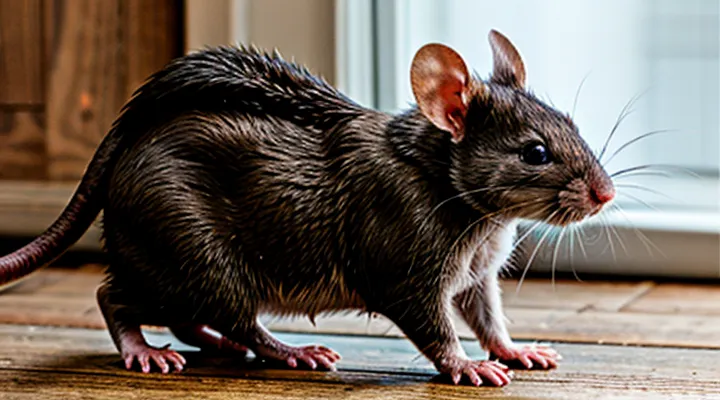
Rats display a range of physical traits that directly influence naming choices. Size varies from 5 inches to 12 inches in body length, with a proportionally long tail that can add another 5 to 7 inches. Weight typically falls between 150 grams and 500 grams, distinguishing dwarf varieties from standard specimens.
Coat coloration offers extensive options. Common hues include black, brown, white, and agouti, while patterned varieties feature hooded, sable, and brindle markings. Fur texture ranges from sleek to dense, with hairless strains presenting smooth skin. These visual cues often inspire names that reference color or pattern.
Facial features provide additional cues. Ear size spans from small, close‑to‑head ears in dwarf types to larger, more protruding ears in standard rats. Eye color can be pink, red, or dark brown, while whisker length and density differ among breeds. Names may reflect eye hue (“Ruby”) or ear shape (“Flap”).
Tail characteristics affect perception as well. Some rats possess a thin, hairless tail; others exhibit a thicker, fur‑covered tail. Length and flexibility can suggest movement‑related monikers such as “Slinky” or “Whisk”.
Skeleton structure influences posture. Straight‑backed individuals appear more upright, whereas those with a slight curvature suggest a relaxed demeanor. This physical stance can inspire names like “Stark” or “Mellow”.
Overall, each attribute—size, coat, facial details, tail, and posture—offers a concrete basis for selecting appropriate, memorable rat names.
Your Personal Preferences
Choosing a name for a pet rat hinges on the owner’s taste, the animal’s traits, and the intended tone of the name. Consider the following dimensions when forming a personal shortlist:
- Aesthetic appeal – Prefer names that sound pleasant to you; vowel‑rich options such as “Milo” or “Luna” often meet this criterion.
- Character reflection – Align the name with observable behavior, for example “Scout” for an inquisitive rat or “Whisker” for one with prominent facial hair.
- Cultural resonance – Draw from literature, mythology, or language that holds personal significance; “Athena,” “Gizmo,” or “Sora” may fit.
- Practicality – Select a name that is easy to pronounce and distinct from common commands, reducing confusion during training.
- Length and syllable count – Short, two‑syllable names typically elicit clearer vocal cues from the owner.
When narrowing choices, evaluate each candidate against these criteria and discard those that conflict with any personal priority. The resulting list will reflect a coherent naming strategy tailored to your individual preferences while remaining suitable for a rat companion.
Popular Rat Name Categories
Cute and Sweet Names
Gender-Neutral Cute Names
When selecting a name for a pet rat that works for any gender, prioritize brevity, phonetic clarity, and an endearing quality that reflects the animal’s playful nature. Short, two‑syllable options reduce the chance of mispronunciation and suit daily interaction.
Effective criteria include:
- Simple vowel‑consonant patterns that roll off the tongue.
- Positive connotations without referencing gender.
- Compatibility with common command tones (e.g., “Come, Pip!”).
Examples of gender‑neutral cute names:
- Pip
- Nix
- Miso
- Echo
- Sprout
- Pebble
- Zephyr
- Quinn
- Ember
- Pippin
Before finalizing, test the name by calling it aloud in the rat’s environment; observe response and comfort level. Adjust spacing or syllable emphasis if the animal appears unsettled. Consistency in usage reinforces recognition and strengthens the human‑rat bond.
Feminine Cute Names
When selecting a name for a female pet rat, prioritize memorability, ease of pronunciation, and a tone that matches the animal’s playful nature. The following list presents concise options that satisfy these criteria while maintaining a cute aesthetic.
- Milly – Soft syllables, easy recall.
- Poppy – Bright, floral association.
- Luna – Evokes nighttime calm.
- Nibbles – Direct reference to typical behavior.
- Coco – Warm, chocolate‑tone implication.
- Biscuit – Light, food‑related charm.
- Peaches – Gentle, fruit‑inspired feel.
- Muffin – Cozy, bakery connotation.
- Tilly – Compact, friendly sound.
- Dottie – Playful, pattern‑related hint.
Choosing a name from this collection aligns with the broader discussion of effective rat naming. Preference should be given to names that the owner can pronounce effortlessly and that the rat can associate with positive reinforcement during training sessions. Consistency in usage will reinforce recognition and strengthen the bond between caretaker and pet.
Masculine Cute Names
Choosing a name for a male rat involves balancing charm with clarity. A short, memorable word eases daily interaction and reduces the risk of mispronunciation. Consider cultural references, natural traits, or playful sounds that convey friendliness without sounding harsh.
- Milo
- Nico
- Baxter
- Finn
- Toby
- Jax
- Theo
- Rusty
- Oliver
- Ziggy
When selecting a name, evaluate the following criteria:
- Length: two‑syllable names are typically easy for both the owner and the animal to recognize.
- Sound: soft consonants (m, n, l, r) and vowel endings create a gentle impression.
- Uniqueness: avoid names common among other household pets to prevent confusion.
- Personality match: observe the rat’s behavior and choose a name that reflects its temperament, such as “Rusty” for a reddish coat or “Finn” for an adventurous spirit.
Consistency in usage reinforces the association. Repeating the chosen name during feeding, handling, and play sessions strengthens the rat’s response and supports training efforts.
Funny and Punny Names
Food-Inspired Funny Names
Choosing a rat name that references food adds humor and instantly conveys personality. The approach works well for pets with lively appetites or quirky habits, and the resulting monikers are easy to remember.
Popular food‑inspired funny names include:
- Cheddar – ideal for a light‑colored rat with a penchant for cheese.
- Biscuit – suits a small, fluffy animal that loves crumbly treats.
- Sushi – fits a sleek, dark‑fur rat with quick movements.
- Popcorn – appropriate for a lively rat that darts around the cage.
- Muffin – works for a round, cuddly specimen.
- Nacho – matches a bold, adventurous personality.
- Taco – suitable for a rat that enjoys a variety of flavors.
- Grapefruit – perfect for a bright, energetic pet with a zestful demeanor.
When selecting a food‑based name, follow these recommendations:
- Match the name to the rat’s appearance or behavior; visual cues reinforce the joke.
- Keep the name short, typically one or two syllables, to ensure ease of recall and clear vocalization.
- Avoid names that sound similar to commands (e.g., “Sit” or “Stay”) to prevent confusion during training.
- Verify that the name does not conflict with other household pets, reducing the risk of miscommunication.
- Test the name aloud; a clear, distinct sound aids both the owner and the rat in recognizing it.
Implementing food‑themed humor in rat naming creates memorable, entertaining identifiers while preserving practicality for daily interaction.
Pop Culture Parody Names
Pop‑culture parody names provide a witty avenue for naming pet rats, linking the animal’s mischievous image with recognizable media references. Selecting a name that echoes a well‑known character or title adds humor while ensuring the name remains memorable for both owner and audience.
- Chewbacca – evokes the beloved Star Wars co‑pilot; suitable for a larger, fluffy rat.
- Minnie – plays on the iconic Disney mouse, ideal for a petite, elegant female.
- Gandalf – references the wizard from Tolkien’s saga; works for a wise‑looking, grey‑coated male.
- Smeagol – another Tolkien nod, fitting a sneaky or timid rat.
- Yoda – concise, instantly recognizable; matches a small, green‑eyed rat.
- Hannibal – nod to the infamous fictional cannibal, perfect for a bold, assertive male.
- Pikachu – nod to the Pokémon mascot; suits a bright‑colored or energetic rat.
- Morpheus – from The Matrix, appropriate for a contemplative or sleek rat.
- Sherlock – evokes the detective’s keen observation; good for an inquisitive rat.
- Daenerys – draws from Game of Thrones, fitting a regal‑bearing female.
When applying parody names, prioritize clear pronunciation, avoid overly long titles, and ensure the reference aligns with the rat’s personality or appearance. This approach balances humor with practicality, resulting in names that amuse guests while serving the daily needs of pet care.
Unique and Exotic Names
Mythological Names
Mythological names offer distinctive character for pet rodents, drawing on legends that convey strength, cleverness, or mystique. Selecting a mythic moniker aligns a rat’s personality with archetypal qualities, enhancing the bond between owner and animal.
Effective choices satisfy three conditions: recognizability, phonetic ease, and thematic relevance. Names derived from well‑known deities, heroes, or creatures ensure immediate association, while short, vowel‑rich forms facilitate daily use. Aligning the name’s mythic attribute with the rat’s behavior reinforces the thematic link.
- Anansi – West African trickster spider, symbolizing cunning.
- Maui – Polynesian demigod known for clever feats, suitable for an inquisitive rat.
- Loki – Norse god of mischief, fitting for a playful, unpredictable pet.
- Cernunnos – Celtic horned deity of nature, appropriate for a brown‑fur rat.
- Rhea – Titaness mother of gods, ideal for a nurturing female.
- Kitsune – Japanese fox spirit, embodying intelligence and shape‑shifting.
- Baba Yaga – Slavic forest witch, resonant with a bold, nocturnal rat.
- Quetzalcoatl – Feathered serpent god, matching a sleek, agile specimen.
- Helios – Greek sun god, apt for a bright‑colored or energetic rat.
- Typhon – monstrous figure of chaos, suited to a particularly feisty individual.
When assigning a mythological name, verify pronunciation clarity for household members and consider the cultural origin to avoid misappropriation. Prioritize names that reflect observable traits, ensuring the designation remains meaningful as the rat matures. This approach yields a memorable, context‑rich identity that enhances both pet and owner experience.
Nature-Inspired Unique Names
Choosing a name for a pet rat that reflects natural elements adds character and memorability. Nature‑inspired names draw on flora, fauna, geological features, weather phenomena, and celestial bodies, providing a broad palette of distinctive options.
- Flora – Birch, Sage, Thistle, Fern, Cedar, Lotus, Juniper, Poppy, Willow, Orchid
- Fauna – Finch, Otter, Badger, Lynx, Sparrow, Mole, Puma, Wren, Gecko, Kestrel
- Geology – Pebble, Slate, Riverstone, Quartz, Canyon, Ember, Boulder, Drift, Silt, Gneiss
- Weather – Zephyr, Storm, Mist, Gale, Thunder, Frost, Drizzle, Hail, Aurora, Breeze
- Celestial – Nova, Orion, Luna, Comet, Sol, Eclipse, Nebula, Vega, Polaris, Starling
Each category supplies names that are both recognizable and uncommon for rodents, reducing the likelihood of duplication in pet‑owner communities. When selecting a name, prioritize clarity of pronunciation and the personal resonance of the natural reference. This approach ensures the rat’s identity remains unique while honoring the richness of the natural world.
International Names
Choosing a name for a pet rat that works across languages requires attention to pronunciation, meaning, and cultural resonance. A name that sounds natural in one tongue may be confusing or carry unintended connotations elsewhere. Prioritizing simple phonetics, short syllable counts, and neutral meanings reduces the risk of misinterpretation.
When selecting an international rat name, follow these criteria:
- Pronounceability – the name should be easy to articulate for speakers of major languages (English, Spanish, Mandarin, Arabic, etc.).
- Neutral semantics – avoid words that translate to offensive or negative concepts in any target language.
- Length – two to three syllables balance distinctiveness with ease of recall.
- Cultural flexibility – names derived from universal phenomena (nature, colors, celestial bodies) typically travel well.
Below are vetted suggestions organized by geographic origin, each meeting the outlined criteria:
- European‑inspired: Milo, Luna, Finn, Zara, Niko
- Asian‑inspired: Kiko, Mei, Tao, Sora, Yara
- African‑inspired: Kito, Nia, Zuri, Beni, Juma
- American‑inspired: Scout, Willow, Jasper, Rio, Nova
Test the chosen name by saying it aloud in different accents and observing the rat’s response. Consistency between owner comfort and animal recognition ensures the name functions effectively in an international setting.
Names Based on Rat Species or Breeds
Fancy Rat Names
Fancy rat names combine elegance with personality, creating memorable identifiers for pet rodents. Selecting a name that conveys sophistication enhances the bond between owner and animal while reflecting the pet’s distinctive traits.
When choosing a fancy name, prioritize clarity, distinctiveness, and relevance to the rat’s appearance or behavior. Avoid overly complex spellings that hinder pronunciation. Consider cultural references, literary figures, or aristocratic titles to achieve an upscale impression.
- Aurelia – evokes golden sheen, suitable for light‑colored coats.
- Baroness – conveys noble stature, ideal for a regal demeanor.
- Caspian – suggests exotic origins, fitting for adventurous spirits.
- Duchess – classic aristocratic title, works for refined temperaments.
- Ember – highlights reddish fur tones, adds a touch of fire.
- Gatsby – references literary elegance, perfect for charismatic rats.
- Luna – lunar elegance, appropriate for pale or silver markings.
- Marquise – conveys high rank, suitable for distinguished personalities.
- Ophelia – poetic resonance, matches gentle and graceful movements.
- Silas – timeless charm, fits sleek, dark‑coated individuals.
Maintain consistency by using the chosen name in daily interactions, veterinary records, and social media profiles. Record the name’s spelling and pronunciation to prevent variations. Regular reinforcement through positive reinforcement training solidifies the association, ensuring the name becomes an integral part of the rat’s identity.
Dumbo Rat Names
Dumbo rats, recognized for their oversized ears and gentle demeanor, merit names that highlight these traits while remaining practical for daily use. Choose a name that is short, easy to pronounce, and distinctive enough to avoid confusion with other pets.
When selecting a Dumbo‑inspired name, consider the following guidelines:
- Emphasize ear size: “Flap”, “Lobes”, “Aurora”.
- Reference softness: “Mellow”, “Puff”, “Silk”.
- Include playful references to elephants: “Tusker”, “Babar”, “Jumbo”.
- Use classic pet names with a twist: “Milo”, “Nora”, “Bix”.
Naming recommendations focus on clarity and personality. Avoid overly complex or ambiguous terms; prefer single‑syllable or two‑syllable options that can be called quickly. Verify that the chosen name does not resemble commands or other household members’ names to reduce training complications.
Hairless Rat Names
Hairless rats possess a sleek, furless coat that highlights their unique facial features and delicate skin. Their distinctive appearance often inspires owners to select names that reflect elegance, novelty, or the scientific curiosity surrounding these rodents.
- Elegant options: Silky, Quartz, Nimbus, Pearl, Frost
- Scientific references: Sphynx, Aegis, Helix, Neuron, Gene
- Playful choices: Whisper, Echo, Pixel, Zippy, Blink
- Mythic and literary: Selene, Orion, Athena, Gandalf, Puck
When choosing a name, consider the animal’s temperament, the owner’s personal interests, and the ease of pronunciation for daily use. Short, two‑syllable names tend to be more readily recognized by the rat, facilitating training and bonding. Avoid overly complex spellings that could cause confusion during veterinary visits or when registering the pet. Selecting a name that aligns with the rat’s visual traits—such as “Frost” for a pale coat or “Silky” for a smooth texture—enhances the connection between owner and companion.
Tips for Naming Multiple Rats
Themed Naming Pairs
Choosing complementary names for a pair of rats creates a cohesive identity and reinforces the bond between the animals. Paired names that share a common theme—such as mythology, cuisine, or literature—provide instant recognition and make daily interaction more engaging.
- Mythology: Apollo & Artemis, Thor & Loki, Hera & Zeus
- Cuisine: Basil & Thyme, Cinnamon & Nutmeg, Sushi & Ramen
- Literature: Darcy & Elizabeth, Sherlock & Watson, Gatsby & Daisy
- Colors: Ebony & Ivory, Scarlet & Azure, Slate & Pearl
- Science: Newton & Einstein, Curie & Hawking, Tesla & Darwin
When selecting a theme, consider the rats’ personalities, coat colors, and the owner’s interests. Consistency in structure—matching syllable count, similar phonetics, or parallel meanings—enhances recall and reduces confusion during training. Verify that each name is distinct enough to avoid overlap in vocal commands.
Applying a thematic framework simplifies the naming process, ensures balanced representation for both pets, and adds a layer of creativity to the ownership experience.
Contrasting Names
When choosing a name for a pet rat, contrast can highlight personality traits and make the name memorable. Pairing opposite qualities—soft versus sharp, classic versus quirky, or regal versus playful—creates a clear distinction that owners and visitors quickly recognize.
A contrasting approach often involves selecting one element that reflects the rat’s gentle nature and another that hints at its energetic side. This duality respects the animal’s intelligence while acknowledging its lively behavior.
Examples of effective contrasting names:
- Whisker & Spike – “Whisker” suggests delicate facial hairs; “Spike” conveys a bold edge.
- Milo & Chaos – “Milo” sounds calm and friendly; “Chaos” implies mischievous activity.
- Pearl & Rust – “Pearl” evokes purity; “Rust” adds a rugged, earthy feel.
- Silk & Bristle – “Silk” denotes smoothness; “Bristle” hints at a prickly temperament.
- Noble & Rascal – “Noble” conveys dignity; “Rascal” captures playful mischief.
To apply contrast effectively, follow these guidelines:
- Identify the rat’s dominant characteristic (e.g., calm, inquisitive, adventurous).
- Choose a primary name that mirrors that trait.
- Select a secondary name that represents the opposite or a complementary trait, ensuring both names are easy to pronounce and distinct.
- Test the pair by saying them aloud; clarity and rhythm reinforce recall.
- Avoid overly complex or similar-sounding names, which can cause confusion during training or veterinary visits.
Contrasting names serve both functional and aesthetic purposes. They aid in distinguishing individual rats in multi‑pet households, simplify communication with caregivers, and add a layer of personality that enriches the owner‑pet relationship. By balancing opposites, owners create a naming scheme that is both descriptive and engaging.
Alphabetical Naming
Alphabetical naming offers a systematic approach to selecting rat names, ensuring variety and ease of recall. By assigning each name to a distinct letter, owners can quickly reference a preferred option without ambiguity.
Implementing this method involves several practical steps:
- Choose a letter range that matches the number of rats in the household; for a single pet, any letter suffices, while multiple pets benefit from sequential letters (A‑B‑C, etc.).
- Select names that reflect the animal’s characteristics, breed, or personal significance while adhering to the chosen letter.
- Verify that each name is distinct in sound to prevent confusion during training or handling.
- Record the list in a simple document or note, facilitating future additions or replacements.
Examples of suitable names for each letter illustrate the range:
- A – Aspen, Atlas, Aurora
- B – Basil, Blitz, Bronte
- C – Cedar, Cinder, Cosmo
- D – Dax, Dottie, Draco
- E – Ember, Echo, Ezri
- F – Finn, Flora, Frost
- G – Gizmo, Greta, Gusto
- H – Hazel, Hugo, Haze
- I – Iggy, Iris, Indigo
- J – Juno, Jasper, Jinx
- K – Koda, Kiwi, Kismet
- L – Luna, Loki, Lark
- M – Milo, Mabel, Miro
- N – Nova, Nix, Nettle
- O – Olive, Orion, Oren
- P – Pepper, Pippin, Pax
- Q – Quill, Quasar, Quinn
- R – Rusty, Ruby, Rook
- S – Sable, Scout, Soren
- T – Tilly, Thor, Taro
- U – Uma, Ulric, Upton
- V – Vesper, Vinnie, Vega
- W – Willow, Wolf, Wren
- X – Xander, Xena, Xeric
- Y – Yara, Yogi, Yarrow
- Z – Zeke, Zara, Zephyr
When applying alphabetical naming, maintain consistency in spelling and pronunciation, and avoid overly complex or similar-sounding names that could hinder communication. This framework streamlines the naming process, supports clear identification, and adds an element of organization to pet ownership.
What to Avoid When Naming Your Rat
Overly Complicated Names
Overly complicated names for pet rats often hinder everyday interaction. Lengthy spellings, obscure references, or multi‑word constructions can confuse owners, visitors, and the animals themselves, leading to miscommunication and reduced bonding.
Typical problems include:
- Difficult pronunciation, especially for children or guests.
- High risk of truncation or mispronunciation in casual conversation.
- Increased likelihood of spelling errors on veterinary records.
- Potential for the name to dominate the rat’s personality description rather than complement it.
Effective naming practice emphasizes brevity and clarity:
- Limit the name to one or two syllables.
- Avoid uncommon or foreign words that lack immediate recognition.
- Choose sounds that are easy to call out across a room.
- Ensure the name is distinct from commands or everyday vocabulary.
Illustrative contrast:
- Overly complex: “Sir Reginald Archibald Whisker‑McFluffington III”
- Streamlined alternative: “Reg” or “Whisk”
By adhering to these guidelines, owners maintain ease of use while preserving individuality, ensuring that the rat’s name serves as a functional and enjoyable identifier.
Names That Are Too Similar to Commands
When naming a pet rat, selecting a name that resembles a command can create ambiguity during handling, feeding, or training. The animal may interpret the spoken word as an instruction, leading to hesitation or unintended behavior. This risk is especially high for short, monosyllabic names that share phonetic elements with common commands such as “come,” “stay,” “stop,” or “no.”
Typical problematic patterns include:
- Exact matches – “Come,” “Stay,” “Stop,” “No.”
- One‑letter differences – “Coby” (sounds like “come”), “Seth” (close to “stay”), “Nora” (similar to “no”).
- Suffix overlap – “Buddy” (ends with “-dy,” resembling “ready”), “Milo” (ends with “-lo,” akin to “let go”).
- Homophones – “Sew” (sounds like “so”), “Yell” (identical to the command “yell”).
To avoid confusion, follow these guidelines:
- Choose names with at least two syllables and distinct vowel–consonant patterns from common commands.
- Prefer names ending in consonants that differ from the final sounds of typical commands (e.g., “Milo” → “Milan”).
- Test the name by saying it aloud in a training context; if the rat pauses or reacts as if hearing a command, select an alternative.
- Maintain consistency in tone and pitch when using the name versus issuing commands, reinforcing the separation between identity and instruction.
By applying these criteria, owners can ensure clear communication, reduce misinterpretation, and strengthen the bond with their rat without compromising command clarity.
Offensive or Inappropriate Names
Choosing a name for a pet rat requires attention to cultural sensitivity and community standards. Offensive or inappropriate names can cause distress, reflect poorly on the owner, and may violate policies of shelters, veterinary clinics, or online forums.
Avoid names that contain:
- Racial, ethnic, or religious slurs.
- Explicit profanity or vulgar language.
- Sexual innuendo or graphic references.
- References to violence, weapons, or extremist ideologies.
When evaluating a potential name, apply these criteria:
- Does the term have a widely recognized negative connotation?
- Could the name be interpreted as harassment or hate speech?
- Is the name suitable for a public setting, such as a pet store or social media post?
If any answer is yes, reject the name.
Prefer neutral or positive options that highlight the rat’s traits, such as size, color, behavior, or literary references. Examples include “Whisker,” “Nimbus,” “Pippin,” or “Sable.”
Document the chosen name in the pet’s records to ensure consistency across veterinary visits and community interactions.
By adhering to these guidelines, owners maintain respect for themselves and others while fostering a welcoming environment for all rat enthusiasts.