
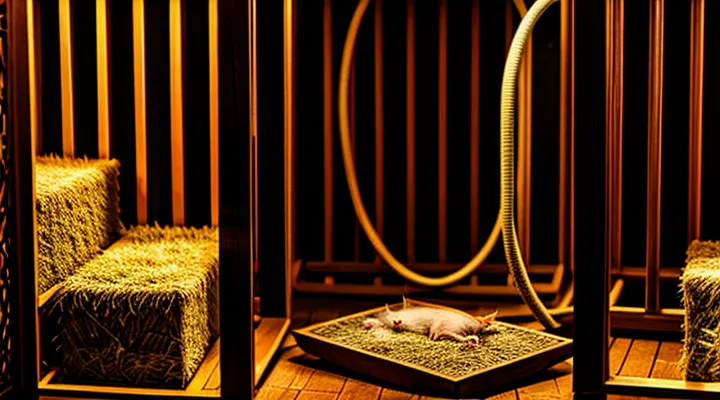
Understanding Rat Mazes: Benefits and Types
Why Use a Rat Maze?
Mental Stimulation and Enrichment
Rats thrive when their environment challenges their problem‑solving abilities. A well‑designed maze provides a series of decision points that compel the animal to navigate, remember routes, and adapt to new configurations. This continuous cognitive load prevents the development of stereotypic behaviors and supports neural plasticity.
When selecting a maze, prioritize models constructed from non‑toxic materials, with interchangeable sections that allow rapid reconfiguration. Commercial suppliers often offer modular kits; these enable owners to vary corridor lengths, dead‑ends, and reward zones without purchasing multiple distinct units. Verify that the product includes clear assembly instructions and dimensions compatible with the cage size.
Effective implementation follows a structured routine:
- Introduce the maze for short sessions (5–10 minutes) to gauge initial interest.
- Place a preferred treat at the terminal point to reinforce successful navigation.
- Rotate the layout after several trials to maintain novelty.
- Record completion times and error patterns to monitor progress and adjust difficulty.
- Clean all surfaces between uses to eliminate scent trails that could bias performance.
Consistent exposure to diverse maze configurations sustains mental engagement, reduces stress markers, and enhances overall welfare. Integrating these practices into daily husbandry yields measurable improvements in exploratory behavior and learning capacity.
Exercise and Physical Health
Rat mazes provide a controlled environment for rodents to perform locomotor tasks, directly influencing their cardiovascular and musculoskeletal condition. Regular navigation through a maze stimulates voluntary running, which raises heart rate, improves endurance, and supports weight management. Muscle groups involved in climbing, turning, and sprinting receive consistent activation, contributing to joint flexibility and bone density.
When selecting a maze, consider the following criteria:
- Material durability: stainless steel or high‑density plastic withstand repeated chewing and cleaning.
- Modularity: interchangeable sections allow progressive difficulty and varied movement patterns.
- Size compatibility: dimensions must accommodate the species’ average body length and stride.
- Visibility: transparent walls enable observation without disturbing the animal, reducing stress‑induced physiological changes.
Effective use requires establishing a schedule that balances activity with rest. A typical protocol includes:
- Acclimation: 2–3 days of free exploration without rewards to reduce anxiety.
- Training: 10‑15 minutes per session, three times daily, with food incentives placed at the goal.
- Monitoring: record latency, path length, and speed to assess fitness trends.
- Recovery: provide at least 12 hours of undisturbed cage time between sessions to prevent overexertion.
Consistent maze engagement improves aerobic capacity, lowers resting blood pressure, and enhances metabolic efficiency. Researchers can quantify these benefits through heart rate telemetry, grip strength tests, and body composition analysis, linking observable behavior to measurable health outcomes.
Behavioral Observation and Training
When selecting a maze for rodent research, prioritize modularity, durability, and accessibility of replacement parts. Commercial suppliers such as Bio‑Design, Med Associates, and custom‑fabrication workshops offer interchangeable components that accommodate both simple linear tracks and complex multi‑arm configurations. Verify that the vendor provides detailed specifications, including dimensions, material composition, and cleaning protocols, to ensure compatibility with existing housing systems and compliance with institutional animal‑care guidelines.
Effective behavioral observation relies on consistent environmental conditions. Position the maze within a low‑noise room, maintain constant lighting (preferably infrared for nocturnal activity), and calibrate temperature and humidity to the species’ comfort range. Install high‑resolution cameras above and beside the apparatus; synchronize video streams with event‑triggered sensors (e.g., infrared beam breaks) to capture locomotor patterns, decision points, and latency measures without manual interference.
Training protocols should follow a stepwise escalation:
- Acclimation – Allow the rat to explore the empty maze for 5–10 minutes over two consecutive sessions. Record baseline movement to establish individual activity levels.
- Shaping – Introduce a visible cue (e.g., a scented pellet) at the goal arm. Reinforce successful navigation with a small food reward, maintaining a fixed inter‑trial interval to prevent satiation.
- Criterion testing – Require the subject to locate the reward in at least 80 % of trials across three sessions before advancing to more complex patterns (e.g., alternating arm choice or delayed‑match‑to‑sample tasks).
Data analysis benefits from automated software such as EthoVision XT or ANY‑maze. Export raw coordinates, compute path efficiency, turn‑frequency, and error rates, then apply statistical models (ANOVA, mixed‑effects regression) to compare experimental groups. Document all parameters—maze dimensions, reward type, trial duration—in a standardized log to facilitate replication and meta‑analysis.
Regular maintenance prolongs experimental reliability. Disassemble the maze weekly, sterilize surfaces with an ethanol solution, inspect for wear on moving parts, and replace damaged sections promptly. Maintaining a calibrated, well‑documented system ensures that behavioral observation and training yield reproducible, high‑quality data for neuroscience and pharmacology investigations.
Types of Rat Mazes
Standard T-Mazes
Standard T‑mazes are compact, three‑arm structures used to assess spatial learning and decision‑making in rodents. The apparatus consists of a start arm, a choice point, and two goal arms that are identical in length and appearance. Construction materials typically include acrylic, polycarbonate, or wood, each offering durability and ease of cleaning. Transparent walls allow visual monitoring, while opaque inserts prevent external cues from influencing performance.
When sourcing a Standard T‑maze, consider the following options:
- Specialized laboratory equipment suppliers (e.g., Bio‑Serv, Med Associates) provide ready‑to‑assemble kits with interchangeable components.
- Online marketplaces (e.g., Amazon, eBay) list pre‑fabricated units; verify vendor reputation and product specifications before purchase.
- Custom fabrication workshops can produce mazes to precise dimensions, useful for experiments requiring modified arm lengths or additional sensors.
Effective use of a Standard T‑maze follows a reproducible protocol:
- Acclimation – Place the animal in the start arm for 5 minutes to reduce stress.
- Training trials – Conduct a series of forced‑choice runs, blocking one goal arm to teach the animal the location of a reward (usually a food pellet).
- Testing trials – Open both goal arms; record the animal’s first choice and latency to reach the reward.
- Data collection – Use video tracking software or infrared beam breaks to capture movement metrics; export data for statistical analysis.
- Maintenance – Clean the maze with mild detergent after each session; disinfect with 70 % ethanol to prevent contamination.
Key design considerations include maintaining equal lighting across arms, preventing scent trails by rotating the maze between sessions, and ensuring that reward placement is consistent. Incorporating modular inserts enables rapid conversion between T‑maze and other configurations, extending the utility of the equipment across multiple behavioral paradigms.
Y-Mazes
Y‑mazes are three‑arm mazes designed for assessing spatial memory and exploratory behavior in rodents. Each arm extends from a central hub, allowing rats to make a series of binary choices that generate a sequence of entries. The design eliminates visual cues from the environment, ensuring that performance reflects internal navigation strategies rather than external landmarks.
When acquiring Y‑mazes, consider the following reputable sources:
- Specialized laboratory equipment suppliers (e.g., Stoelting, Lafayette Instrument)
- Online scientific marketplaces (e.g., Fisher Scientific, Amazon Business)
- Custom manufacturers offering modular components for size or material adjustments
- Academic surplus programs that redistribute used but functional apparatus
Effective use of a Y‑maze follows a standard protocol:
- Clean the apparatus with a mild disinfectant and rinse thoroughly to remove residues.
- Place the maze on a level surface in a low‑noise room with controlled lighting.
- Acclimate each rat in the central hub for a brief period (30–60 seconds) before allowing free exploration.
- Record arm entries for a predetermined duration (typically 5–10 minutes) using video tracking software or manual tally sheets.
- Analyze the sequence of entries to calculate alternation percentage, a metric of working memory performance.
Maintenance requires regular inspection for wear, replacement of worn arms, and verification that the central hub remains free of cracks that could affect rat movement. Proper calibration of tracking equipment ensures data consistency across experimental sessions.
Radial Arm Mazes
Radial arm mazes consist of a central platform with multiple equally spaced arms extending outward. Each arm can be baited or left empty, allowing researchers to assess spatial memory, working memory, and reference memory in rodents.
-
Commercial suppliers:
• Bio‑Standard (USA) – catalog includes 8‑, 12‑, and 16‑arm configurations.
• Med Associates (USA) – offers modular units with interchangeable walls.
• TSE Systems (Germany) – provides stainless‑steel models for long‑term durability.
• Amazon and eBay – list third‑party kits, typically made of acrylic or wood, suitable for teaching labs. -
Custom fabrication:
• Local machine shops can produce mazes from acrylic, polycarbonate, or metal upon request.
• University engineering workshops often accept design files and fabricate prototypes for research groups.
When selecting a maze, evaluate material hardness, ease of cleaning, arm length (commonly 50‑100 cm), arm width (10‑15 cm), and the availability of interchangeable start boxes. Price ranges from a few hundred dollars for basic acrylic kits to several thousand for fully automated stainless‑steel systems.
Assembly requires aligning the central hub with each arm, securing fasteners, and verifying that arm entrances are unobstructed. After construction, clean all surfaces with a mild detergent, rinse thoroughly, and allow to dry before placing bedding. Calibration involves measuring arm lengths and confirming that the central platform is level to prevent bias.
Experimental protocol typically follows these steps:
- Habituation – allow the rat to explore the maze for 5–10 minutes without bait to reduce anxiety.
- Training – place food pellets at the end of designated arms; record entry sequence and latency.
- Testing – conduct multiple trials per session, alternating baited and unbaited arms to assess memory retention.
- Data acquisition – use infrared sensors or video tracking software to capture arm entries, time spent, and errors.
Consistent lighting, ambient noise control, and regular cleaning between subjects maintain experimental integrity. Proper documentation of maze specifications and trial parameters ensures reproducibility across studies.
Elevated Plus Mazes
Elevated plus mazes are open‑field structures with two opposing arms enclosed by walls and two opposing arms left open, mounted above the floor. The design exploits rodents’ natural aversion to open elevated spaces while allowing free exploration of enclosed sections, providing a reliable measure of anxiety‑related behavior.
Manufacturers specializing in laboratory animal equipment, such as Med Associates, Coulbourn Instruments, and Bio‑Sensing, list elevated plus mazes in their catalogs. Commercial options include stainless‑steel frames with interchangeable arm lengths, modular plastic kits for quick assembly, and custom‑fabricated units that accommodate specific cage dimensions. Pricing ranges from a few hundred dollars for basic plastic models to several thousand dollars for fully instrumented systems with integrated video tracking and data acquisition modules. Academic surplus auctions and scientific equipment resale platforms also provide used mazes at reduced cost, though verification of structural integrity is essential.
Proper use begins with acclimating rats to the testing room for at least 30 minutes to reduce novelty stress. Place the animal in the central junction, facing one of the enclosed arms, and record activity for a standard 5‑minute session. Automated tracking software can quantify time spent in open versus closed arms, number of entries, and total distance traveled. Data interpretation requires consistent lighting conditions, uniform arm height (typically 50 cm above the floor), and cleaning of the apparatus between trials to eliminate olfactory cues. Repeating sessions across multiple days improves reliability and enables assessment of pharmacological or genetic manipulations affecting anxiety‑like responses.
Custom-Built Mazes
Custom-built mazes provide precise control over layout, difficulty, and environmental conditions, enabling researchers to tailor experiments to specific behavioral objectives. Modular designs allow rapid reconfiguration, while fully integrated systems can incorporate sensors, lighting, and automated reward delivery.
When selecting a supplier, consider the following criteria:
- Proven experience in laboratory animal equipment manufacturing.
- Ability to produce mazes to exact dimensions and material specifications.
- Provision of documentation for cleaning, sterilization, and safety compliance.
- Warranty terms and after‑sales technical support.
Design specifications should address maze geometry, wall height, and surface texture. Materials such as high‑density polyethylene or anodized aluminum resist chewing and facilitate disinfection. Transparent sections can be incorporated for video monitoring without disturbing subjects. Adjustable partitions enable progressive difficulty adjustments within a single apparatus.
Installation procedures include:
- Verifying levelness of the work surface to prevent unintended gaps.
- Securing all connections according to the manufacturer’s torque recommendations.
- Calibrating embedded sensors before each trial series.
Routine maintenance involves weekly cleaning with laboratory‑grade detergents, monthly inspection for wear, and replacement of compromised components. Proper documentation of maze configuration and maintenance history supports reproducibility across experiments.
Acquiring Your Rat Maze: Purchase Options and DIY
Where to Buy Pre-Made Rat Mazes
Online Retailers Specializing in Pet Supplies
When searching for rat mazes, dedicated pet‑supply e‑commerce sites provide the most reliable inventory and detailed product data.
- Chewy.com: extensive catalog, customer reviews, expedited shipping, and a dedicated small‑animal section.
- Petco.com: frequent promotions, in‑stock guarantee, and a “Small Pets” filter that isolates maze options.
- PetSmart.com: price‑match policy, store‑pickup availability, and instructional videos linked to each listing.
- Amazon.com (Pet Supplies category): broad selection, third‑party sellers, Prime delivery, and user‑generated photos illustrating maze setup.
Specialty platforms focus exclusively on rodents and small mammals:
- SmallPetSelect.com – curated maze designs, bulk‑discount pricing, and a “How‑to‑use” guide attached to each product page.
- RodentGear.com – offers custom‑size mazes, material specifications, and downloadable assembly diagrams.
- ExoticPetSupply.com – carries premium mazes made of eco‑friendly plastics and provides a warranty against breakage.
When evaluating listings, verify the following criteria:
- Dimensions match cage size; allow at least 10 cm of clearance on all sides.
- Material safety: BPA‑free plastics or untreated wood.
- Included accessories: tunnels, ladders, or removable sections for cleaning.
- Return policy and customer support response time.
After purchase, assemble the maze according to the manufacturer’s instructions, secure it to the cage to prevent tipping, and introduce the rat gradually to avoid stress. Rotate maze components weekly to maintain environmental enrichment and encourage exploratory behavior.
Academic and Research Supply Companies
Academic and research supply firms provide ready‑to‑assemble rat maze systems for laboratories focused on behavioral neuroscience. These vendors typically stock standard mazes—such as T‑mazes, radial arms, and water mazes—alongside accessories for tracking, lighting, and data acquisition.
- Company A: Offers modular T‑maze kits, interchangeable walls, and integrated infrared sensors; ships worldwide with a 48‑hour turnaround for stocked items.
- Company B: Supplies full‑size radial arm mazes with automated reward dispensers; includes software for real‑time video analysis.
- Company C: Provides water maze platforms with temperature control, optional detachable walls for maze reconfiguration, and bulk discounts for institutional orders.
- Company D: Specializes in custom‑fabricated mazes, allowing researchers to specify dimensions, material, and sensor placement; prototyping completed within two weeks.
When selecting a supplier, verify that the product complies with institutional animal‑care guidelines, that parts are replaceable, and that technical support covers installation and calibration. Ordering typically involves online catalog selection, submission of a purchase request, and confirmation of shipping terms. Upon receipt, assemble according to the manufacturer’s manual, perform a dry run to confirm sensor functionality, and conduct a pilot trial to establish baseline performance before formal data collection. Regular cleaning and periodic sensor checks extend the lifespan of the equipment and maintain experimental consistency.
Specialty Pet Stores
Specialty pet retailers provide a focused selection of rat mazes, catering to owners who seek high‑quality, species‑appropriate enrichment equipment. These outlets typically stock modular designs, themed environments, and accessories such as climbing ladders, tunnels, and hide‑outs, all engineered to stimulate natural foraging behavior.
Key factors when evaluating a specialty store include:
- Inventory breadth: availability of multiple maze sizes and configurations.
- Staff knowledge: employees familiar with rodent behavior and capable of recommending suitable models.
- Product durability: construction from safe, chew‑resistant materials and compliance with animal‑health standards.
- Return and warranty terms: clear policies that protect against defects or mismatched dimensions.
The acquisition process should follow a systematic approach. Confirm current stock by phone or online catalog, compare unit prices across comparable retailers, and verify that the maze dimensions fit the intended cage or play area. When ordering remotely, request detailed measurements and material specifications to avoid incompatibility. Upon receipt, inspect for damage before assembly.
Effective use of a rat maze involves several procedural steps. Assemble according to manufacturer instructions, ensuring all connections are secure to prevent collapse during active exploration. Clean components with mild, non‑toxic soap and rinse thoroughly before first use. Position the maze within a well‑ventilated enclosure, away from direct sunlight and drafts, to maintain a stable microclimate. Rotate maze elements regularly to introduce novel challenges and sustain engagement, thereby enhancing the animals’ cognitive health.
Key Considerations When Purchasing
Material Durability and Safety
Durable construction protects the maze from frequent handling, cleaning, and the chewing behavior of rodents, while safety features prevent injury and health risks.
- Plastic (polypropylene, acrylic): high impact resistance, easy to sanitize, low odor; avoid low‑grade polymers that may crack under stress.
- Wood (hard‑wood, plywood with sealant): strong under load, natural texture encourages exploration; ensure surfaces are sanded smooth and finished with non‑toxic sealant to prevent splinters.
- Metal (aluminum, stainless steel): superior load‑bearing capacity, resistant to wear; select alloys without sharp burrs and apply a powder‑coat that meets food‑grade standards.
Safety considerations extend beyond material choice. Edges must be rounded or capped to eliminate pinch points. All components should be free of lead, phthalates, and other hazardous chemicals; manufacturers typically list compliance with ASTM F963 or EU REACH. Transparent sections should resist scratching, which can harbor bacteria, and connectors must lock securely to avoid accidental collapse during use.
When selecting a supplier, verify that the product includes a durability rating or warranty period, indicating confidence in long‑term performance. Look for independent test results confirming resistance to gnawing, UV exposure, and repeated disassembly. Documentation of third‑party safety certifications provides additional assurance.
Regular maintenance preserves both durability and safety. Rinse removable parts with mild detergent, avoid abrasive cleaners that degrade surface integrity, and inspect joints weekly for signs of fatigue. Replace worn components promptly to maintain structural stability and prevent harm to the animals.
Ease of Cleaning
When evaluating rat mazes for purchase, consider how quickly the unit can be cleaned after each session. Materials such as high‑density polyethylene, acrylic, or powder‑coated metal allow water‑based detergents to slide off without staining. Smooth interior surfaces prevent debris from adhering, reducing the time needed for scrubbing.
Key factors that influence cleaning efficiency:
- Removable sections: detachable walls or floors enable disassembly, so you can rinse each component separately.
- Rounded corners: eliminate crevices where waste accumulates, allowing a single pass with a brush or sponge.
- Drainage holes: built‑in channels direct liquid to a collection tray, preventing pooling and simplifying waste removal.
- Compatibility with dishwasher: some models are rated for top‑rack placement, eliminating manual washing altogether.
Maintenance routine recommended for most commercial mazes:
- Empty remaining food and bedding immediately after use.
- Rinse interior with warm water to loosen residue.
- Apply a mild, non‑abrasive cleaner; scrub only if visible buildup remains.
- Rinse thoroughly to remove detergent traces.
- Dry components with a clean cloth or air‑dry before reassembly.
Choosing a maze that integrates these design elements minimizes downtime between experiments, supports consistent animal welfare, and reduces labor costs for laboratory staff.
Size and Configurability
When selecting a rat maze, size determines the spatial challenges a rodent can encounter and influences the amount of floor space required in a laboratory or home setup. Standard dimensions range from compact 12 × 12 inch units suitable for single‑path designs to expansive 36 × 36 inch frames that accommodate multi‑branch configurations. Larger mazes permit longer run times and more complex decision points, while smaller models are ideal for limited bench space and quick behavioral assays.
Configurability defines how a maze can be altered to test different cognitive tasks. Most commercial systems feature interchangeable sections that connect via snap‑fit joints or modular rails. Typical options include:
- Straight corridors, T‑junctions, and cross‑junctions for linear or choice‑based tasks
- Removable walls to create dead‑ends or open fields on demand
- Adjustable heights of walls and ceilings to control vertical exploration
- Integrated sensor ports for video tracking or automated reward delivery
Some manufacturers provide software‑driven platforms where maze geometry can be reprogrammed without physical reconstruction, using motorized panels or magnetic tiles. This flexibility enables researchers to switch between spatial memory, anxiety, and problem‑solving protocols within a single apparatus, reducing equipment costs and experimental variability.
Price and Value
When evaluating rat mazes, consider the purchase price alongside the functional return. Entry‑level models typically range from $15 to $30, offering basic plastic construction, limited modularity, and a single‑layer design. Mid‑range options cost $35 to $70; they provide reinforced materials, interchangeable sections, and optional accessories such as ladders or tunnels. Premium systems exceed $80, featuring durable acrylic or metal frames, extensive modular libraries, and integrated reward dispensers.
Value derives from durability, adaptability, and educational utility. A low‑cost maze may suffice for short‑term experiments but can fracture under repeated use, increasing replacement expenses. Mid‑range designs balance sturdiness with flexibility, supporting varied configurations and extending lifespan to several years. High‑end units justify their price by reducing maintenance, enabling complex behavioral protocols, and delivering consistent performance across multiple research cycles.
Key price determinants include:
- Material quality (plastic vs acrylic vs metal)
- Number of interchangeable components
- Presence of built‑in reward systems
- Brand reputation and warranty coverage
- Availability of replacement parts
Assessing total cost of ownership against experimental requirements ensures an informed purchase that aligns budget constraints with desired research outcomes.
Building Your Own Rat Maze
Materials for DIY Mazes
When constructing a rat maze, select materials that balance durability, safety, and cost. Choose components that can be cleaned with mild detergent and disinfectant without degrading.
- Wood panels (plywood, MDF) – sturdy, easy to cut, inexpensive; seal edges to prevent splinters.
- Acrylic sheets – transparent, lightweight, resistant to moisture; use solvent cement for joints.
- PVC pipe and fittings – modular, smooth interior surfaces; suitable for curved pathways.
- Corrugated cardboard – affordable, readily available; reinforce with tape for repeated use.
- 3‑D‑printed PLA or PETG parts – customizable geometry; print with a high infill percentage for strength.
Material selection criteria:
- Structural integrity – support the animal’s weight and activity without warping.
- Non‑toxicity – avoid paints, glues, or finishes containing volatile organic compounds.
- Cleanability – surface should tolerate regular washing and sterilization.
- Size adaptability – allow adjustments to maze length, height, and complexity.
Procurement options include:
- Local hardware stores – stock lumber, acrylic, PVC, and adhesives.
- Online marketplaces (Amazon, eBay, specialized pet‑lab suppliers) – provide pre‑cut sheets and modular kits.
- 3‑D‑printing services – deliver custom components based on digital designs, often with rapid turnaround.
- Recycling centers – source cardboard and discarded plastic for low‑budget projects.
Assembly guidelines:
- Measure the intended floor area; cut panels to a minimum of 2 cm thickness to prevent bending.
- Join edges with wood glue or acrylic solvent, reinforcing with small brackets or zip ties for added stability.
- Smooth all interior surfaces using sandpaper (120‑grit) or a deburring tool to eliminate sharp edges.
- Apply a non‑toxic sealant or water‑based paint only on exterior surfaces; keep interior surfaces untreated to avoid chemical exposure.
- Test the completed maze with a dummy object to verify clearance and pathway continuity before introducing the animal.
Design Principles for Effective DIY Mazes
Effective DIY rat mazes require careful attention to dimensions, materials, layout, and maintenance. Accurate sizing ensures the maze accommodates the animal’s natural movement while preventing escape. Standard cage height of 12–15 cm and corridor width of 4–6 cm provide sufficient clearance without encouraging excessive climbing. Length of individual sections should not exceed 30 cm to maintain manageable construction and cleaning.
Material selection influences durability and hygiene. Non‑porous plastics, acrylic sheets, or coated plywood resist gnawing and simplify disinfection. Avoid untreated wood, which absorbs urine and harbors bacteria. When using adhesives, choose non‑toxic, quick‑setting glues that do not emit fumes.
Layout principles support cognitive challenge and behavioral observation:
- Modularity – design interchangeable segments that can be re‑arranged to create new paths.
- Visibility – incorporate transparent walls or overhead cameras to monitor navigation without disturbance.
- Reward zones – place food or enrichment items at dead‑ends to motivate exploration and provide measurable performance metrics.
- Safety – round all edges, eliminate sharp corners, and secure all joints to prevent injury.
- Cleaning access – integrate removable panels or hinged sections for rapid removal of waste and debris.
Consistency in lighting and background colors reduces stress and improves data reliability. Use low‑intensity, uniform illumination and neutral tones for walls. Regular inspection for wear, loose components, or gnaw marks prolongs maze lifespan and maintains experimental integrity.
Step-by-Step Construction Guide
Constructing an effective rat maze requires precise planning, reliable materials, and systematic assembly. Begin by defining the maze’s dimensions and complexity to match the intended experimental parameters. A typical laboratory maze measures 60 cm × 40 cm × 30 cm, with interchangeable sections for variable pathways.
- Design blueprint – Sketch the layout on graph paper or a digital CAD program, marking entry points, branching corridors, and reward zones. Include measurements for each wall segment and openings for observation windows.
- Material acquisition – Source high‑density polyethylene (HDPE) sheets, acrylic panels, or untreated plywood from scientific supply distributors or specialized hardware retailers. Purchase non‑toxic adhesives, stainless‑steel screws, and silicone sealant to ensure durability and animal safety.
- Cutting components – Use a table saw or CNC cutter to shape walls according to the blueprint. Verify each piece with a caliper; tolerance should not exceed ±1 mm to prevent gaps.
- Assembly of base frame – Align the perimeter pieces on a flat workbench, secure with corner brackets, and reinforce with cross‑bars at 20 cm intervals. Apply silicone to joints to create a watertight seal.
- Installation of interior walls – Insert modular partitions into pre‑drilled slots, fastening with stainless‑steel screws. Ensure removable sections are labeled for quick reconfiguration during trials.
- Integration of observation ports – Fit acrylic windows into designated openings, sealing edges with silicone to maintain structural integrity while providing clear sightlines.
- Addition of reward stations – Mount small platforms at designated endpoints, attaching food dispensers or water bottles with adjustable clamps. Verify that platforms are level to prevent accidental falls.
- Testing for safety – Conduct a visual inspection for sharp edges, loose hardware, and adhesive residue. Run a preliminary trial with a dummy object to confirm that the maze functions as intended and that all pathways are accessible.
- Documentation – Record dimensions, material batch numbers, and assembly dates in a lab log. Attach a schematic diagram to the maze for reference during future modifications.
Following this sequence yields a reproducible, adaptable rat maze suitable for behavioral studies and experimental consistency.
Effective Use of Rat Mazes: Setup, Training, and Maintenance
Setting Up Your Rat Maze
Choosing the Right Location
Choosing an appropriate location for a rat maze determines the reliability of behavioral data and the welfare of the subjects. The environment must provide stable temperature (20‑22 °C), consistent lighting cycles, and minimal external noise. Position the apparatus away from high‑traffic areas, ventilation ducts, and equipment that generates vibrations, as these factors can alter navigation patterns and stress levels.
When selecting a space, verify that the room meets the following criteria:
- Sufficient clearance of at least 30 cm on all sides for easy access and cleaning.
- Surfaces that are non‑reflective and easy to disinfect, such as sealed laminate or stainless steel.
- Availability of an isolated power source to prevent electrical interference with tracking systems.
- Ability to control humidity (40‑60 %) to avoid condensation on maze components.
Implementing these guidelines ensures that the maze operates under controlled conditions, producing reproducible results and supporting ethical standards in rodent research.
Introducing Your Rat to the Maze
Introducing a rat to a maze requires a systematic approach that minimizes stress and maximizes learning. Begin by selecting a quiet, temperature‑controlled area where the animal feels secure. Place the maze on a stable surface and allow the rat to observe it from a short distance for several minutes.
Prepare the environment:
- Remove extraneous odors and loud noises.
- Ensure the maze is clean and free of sharp edges.
- Provide a familiar scent (e.g., a piece of bedding) at the entrance.
Acclimation steps:
- Position the rat at the maze entrance and allow it to explore without any reward for 2–3 minutes.
- Gently guide the animal toward the first turn using a soft brush or a hand‑held cue, avoiding forceful handling.
- Introduce a small food incentive (a piece of fruit or a treat) at the maze’s exit to encourage forward movement.
- Repeat the exploration session three times per day, gradually extending the duration as the rat becomes comfortable.
Monitoring and adjustment:
- Observe the rat’s behavior for signs of anxiety, such as excessive grooming or freezing; reduce session length if needed.
- Record the time taken to reach the exit and note any hesitations; adjust maze complexity accordingly.
- Rotate the maze orientation after each successful run to prevent reliance on visual landmarks.
Consistent exposure, clear incentives, and careful observation create a reliable foundation for maze training, ensuring the rat engages with the apparatus confidently and safely.
Initial Exploration and Acclimation
When a new rat maze arrives, verify that all components match the supplier’s specifications. Inspect the frame for cracks, ensure the plastic or metal surfaces are smooth, and confirm that any removable sections fit securely. Record serial numbers and warranty information before proceeding to the next step.
Set up the maze in a quiet area of the animal facility, away from high‑traffic zones and loud equipment. Maintain a stable temperature (20‑24 °C) and humidity (40‑60 %). Position the maze on a level surface to prevent unintended tilting that could affect the animal’s navigation.
Acclimation follows a short, structured exposure schedule:
- Day 1: Place the rat in the maze for 2–3 minutes with the exit blocked; allow free exploration without reward.
- Day 2–3: Extend exposure to 5 minutes, introduce a familiar scent (e.g., bedding) to reduce stress.
- Day 4 onward: Add a modest food reward at the goal area, increase trial length gradually to 10 minutes, and monitor latency to reach the reward.
During each session, observe the animal for signs of anxiety (excessive grooming, freezing) and record path choices. Clean the maze with a mild disinfectant after every session, rinse thoroughly, and dry before the next use to prevent odor carry‑over that could bias performance.
Training Techniques and Activities
Lure and Reward Methods
Effective lure and reward protocols are critical for shaping rat behavior in maze environments. Proper selection of attractants and reinforcement schedules determines the speed of acquisition and the reliability of data.
- Food-based lures: commercial rodent pellets, flavored cereal bits, or small pieces of fruit. Choose items with high palatability and low odor persistence to prevent cross‑contamination between trials.
- Olfactory lures: synthetic pheromones, diluted vanilla extract, or diluted cheese scent. Apply sparingly to the entrance or target zone to create a localized cue without overwhelming the animal’s sensory system.
- Visual lures: brightly colored objects or LED lights placed near the goal. Use only when the maze material does not reflect excessive glare that could distract the subject.
Reward delivery must follow a predictable pattern to reinforce the desired path.
- Immediate reinforcement: dispense a food reward within one second of goal entry to strengthen the association.
- Fixed‑ratio schedule: provide a reward after a set number of successful runs, useful for maintaining motivation over extended sessions.
- Variable‑interval schedule: deliver rewards at irregular time intervals, reducing the risk of satiation and encouraging consistent performance.
When integrating lure and reward methods with a purchased maze, verify that the system allows for easy placement of attractants and for automated reward dispensing. Modular designs often include slots or clips for scent pads and ports for pellet dispensers. Ensure that the chosen maze model supports cleaning protocols that remove residual lures between subjects, preserving experimental integrity.
Scent Tracking Exercises
Scent tracking exercises enhance a rat’s ability to locate odor sources while navigating a maze, providing measurable data on olfactory acuity and decision‑making speed. Incorporating these drills into a maze system requires three components: a reliable scent delivery method, calibrated reward locations, and consistent recording procedures.
- Choose a volatile, non‑toxic compound such as vanilla extract, almond oil, or synthetic pheromones. Apply a fixed volume (e.g., 10 µL) to a cotton swab placed at the target compartment. Ensure the scent remains detectable for the duration of the trial without saturating the arena.
- Position the scented cue at varying distances from the start point to assess gradient detection. Alternate cue locations across sessions to prevent pattern learning.
- Use a food pellet or sucrose solution as the primary reward. Pair the reward with the scent in a 1:1 ratio for the first three trials, then remove the reward while maintaining the odor to test pure tracking ability.
Implementation steps:
- Prepare the maze by cleaning all surfaces to eliminate residual odors.
- Install a removable scent holder at the designated target zone.
- Introduce the rat at the start box, allow a 10‑second acclimation period, then release.
- Record the latency to reach the scented zone, path length, and number of errors (wrong turns).
- Repeat the trial with at least five repetitions per scent concentration to generate a performance curve.
Purchasing considerations:
- Select a maze supplier that offers modular designs with interchangeable scent ports; models with transparent walls simplify video tracking.
- Verify that the vendor provides documentation on material safety and cleaning protocols.
- Compare price per unit with the availability of spare parts, as frequent scent holder replacement can increase long‑term costs.
Data analysis focuses on correlation between scent intensity and navigation efficiency. Plotting latency against concentration reveals detection thresholds, while error rates indicate reliance on visual cues versus olfactory guidance. Consistent application of the outlined protocol yields reproducible results suitable for comparative studies across laboratories.
Problem-Solving Challenges
Problem‑solving challenges inherent to rodent labyrinths arise from the need to align experimental objectives with maze architecture, material quality, and data reliability. Researchers must translate behavioral hypotheses into spatial configurations that elicit measurable navigation patterns while preventing confounding variables such as unintended shortcuts or sensory cues.
Key purchasing challenges include:
- Verifying that the maze material resists gnawing and chemical degradation, ensuring longevity across repeated trials.
- Confirming dimensional tolerances match published standards, preventing size discrepancies that could alter movement speed or error rates.
- Assessing vendor support for custom modifications, which may be required for specialized tasks like multi‑level navigation or variable reward zones.
Setup challenges focus on precision and consistency:
- Calibrating entry and exit points to maintain uniform starting conditions for each subject.
- Integrating lighting and sound isolation systems that prevent external stimuli from influencing performance.
- Implementing automated tracking hardware that captures position data at sufficient resolution without introducing latency.
Data‑interpretation challenges demand rigorous methodological controls:
- Distinguishing between exploratory behavior and goal‑directed navigation through statistical thresholds defined a priori.
- Accounting for individual variability by applying mixed‑effects models that separate subject‑specific factors from experimental manipulations.
- Validating software algorithms against manual scoring to detect systematic biases in path detection.
Addressing these challenges requires systematic vendor evaluation, meticulous maze assembly, and robust analytical pipelines. Mastery of each component enhances the reliability of conclusions drawn from rodent navigation studies.
Ensuring Safety and Well-being
Supervision During Maze Sessions
Effective oversight during rat maze trials is essential for reliable results and animal welfare. Supervisors must verify that the apparatus is correctly assembled, ensuring all walls, platforms, and reward stations are securely fastened before each session. Continuous observation of the subject’s behavior allows immediate detection of stress indicators, such as excessive grooming, freezing, or erratic movements, prompting intervention before injury or data distortion occurs.
Key responsibilities include:
- Monitoring entry and exit points to prevent escape or unintended exposure to hazards.
- Recording latency, path length, and error frequency with calibrated software, guaranteeing accuracy and repeatability.
- Adjusting lighting and sound levels in real time to maintain consistent environmental conditions.
- Providing humane handling when the animal refuses to engage, including brief pauses or gentle guidance without influencing navigation decisions.
Documentation of each supervisory action supports transparent reporting and facilitates replication across laboratories. Regular training of personnel reinforces protocol adherence, reduces variability, and upholds ethical standards throughout maze experimentation.
Preventing Escape and Injury
When selecting a maze for laboratory rats, prioritize models constructed from sturdy, non‑porous materials such as anodized aluminum or high‑density polyethylene. These substances resist gnawing and limit the creation of hidden gaps through which animals could escape.
Secure entry points are essential. Choose mazes with lockable doors that engage with a single‑point latch or a keyed mechanism. Verify that the latch aligns flush with the door surface to prevent rodents from prying it open with their incisors.
To reduce injury risk, inspect the interior for protruding edges, sharp corners, or loose components. Rounded corners and smooth finishes eliminate points where paws or tails might become trapped. Ensure that any internal barriers are firmly anchored and cannot shift under the weight of a rat.
Maintain a stable environment by anchoring the entire apparatus to a solid workbench or cage rack. Use brackets or clamps rated for the maze’s weight, and verify that the setup does not wobble when an animal moves inside.
Implement regular monitoring procedures:
- Conduct a visual inspection before each session, checking for cracks, worn hinges, or compromised seals.
- Test door locks by applying gentle pressure from the inside to confirm resistance.
- Observe animals during the first few minutes of exposure to detect attempts to explore gaps or climb out.
Cleaning protocols should employ mild detergents and avoid abrasive scrubbers that could damage surfaces. After each cleaning cycle, dry the maze thoroughly to prevent rust or material degradation that might create escape routes.
By integrating robust construction, reliable locking systems, careful anchoring, and systematic inspections, researchers can effectively prevent rat escape and minimize the likelihood of injuries within maze experiments.
Maintaining Hygiene: Cleaning and Disinfection
Maintaining hygiene in rat mazes is essential for reliable experimental outcomes and animal welfare. Thorough cleaning removes food residue, urine, and feces that can alter scent cues and affect navigation performance. Disinfection eliminates pathogens that could spread between subjects or contaminate future trials.
A practical cleaning cycle includes three steps. First, dismantle removable components and soak them in warm water with a mild detergent for 10–15 minutes. Second, scrub surfaces with a non‑abrasive brush to release adherent debris, then rinse thoroughly to prevent detergent buildup. Third, apply an approved laboratory disinfectant—such as 0.5 % sodium hypochlorite or a quaternary ammonium solution—following the manufacturer’s contact time, and allow the maze to air‑dry before reassembly.
Materials compatible with repeated sanitation include high‑density polyethylene, acrylic, and stainless‑steel frames. Avoid porous plastics that retain moisture, as they hinder complete drying and promote microbial growth. Regular inspection of joints and seals identifies wear that could harbor contaminants.
Record each cleaning session in a logbook, noting the date, detergent concentration, disinfectant used, and any observed damage. Consistent documentation supports reproducibility and facilitates compliance with institutional animal care guidelines.
Advanced Maze Applications
Introducing Novelty and Complexity
Introducing innovative designs and elevated complexity in rodent maze systems transforms experimental outcomes. Advanced mazes incorporate modular components, variable pathways, and interchangeable obstacles, allowing researchers to adjust difficulty without reconstructing the entire apparatus. This flexibility supports longitudinal studies where cognitive load must evolve alongside subject training.
Purchasing considerations focus on material durability, modularity, and supplier support. Reputable vendors provide:
- Stainless‑steel frames resistant to corrosion and easy sterilization.
- Interlocking sections that enable rapid reconfiguration of corridor length, turn angles, and dead‑ends.
- Detailed assembly manuals and optional custom‑fabrication services.
Effective deployment requires systematic planning. Prior to installation, define the complexity gradient by mapping each segment’s decision point, reward location, and potential escape route. During trials, record navigation time, error frequency, and path preference to quantify learning curves. Adjust maze architecture incrementally, introducing new branches or altering barrier dimensions to sustain engagement and prevent habituation.
Integrating novelty and complexity aligns maze architecture with experimental goals, ensuring that behavioral data reflect genuine cognitive processes rather than simple habit formation.
Observing Cognitive Abilities
Laboratory rat mazes provide a controlled environment for assessing learning, memory, and problem‑solving. Selecting a suitable maze involves evaluating material durability, modularity, and compatibility with tracking equipment. Commercial suppliers such as Bio‑Design, Med Associates, and Maze Solutions offer ready‑to‑assemble models; price ranges reflect size, sensor integration, and customization options.
To obtain reliable data on cognitive performance, follow a systematic protocol:
- Acclimation: Allow subjects to explore the maze for 5–10 minutes without tasks to reduce anxiety.
- Baseline recording: Capture spontaneous locomotion using video tracking or infrared sensors; note entry latency and path length.
- Training phase: Introduce a reward (e.g., sucrose pellet) at a fixed location; repeat trials until success rate stabilizes above 80 %.
- Probe trials: Remove the reward and measure search patterns, hesitation time, and error frequency to gauge memory retention.
- Data analysis: Compute metrics such as percent correct choices, trial‑to‑criterion, and navigation efficiency; apply statistical tests (ANOVA, repeated‑measures) to compare groups.
Instrument selection influences observation quality. High‑resolution cameras paired with automated tracking software (e.g., EthoVision, ANY‑maze) deliver precise trajectory data and enable real‑time event marking. For electrophysiological correlation, choose mazes equipped with wired or wireless headstage ports.
Maintenance considerations include routine cleaning with mild disinfectant, inspection of hinges and sensor cables, and replacement of worn flooring to preserve consistent tactile cues. Documentation of maze configuration, reward schedule, and environmental variables (lighting, noise) ensures reproducibility across experiments.
By integrating appropriate purchase decisions with disciplined usage procedures, researchers can extract robust indicators of rat cognition, supporting investigations into neural mechanisms, pharmacological effects, and genetic influences.
Bonding and Interaction
Bonding between laboratory rats and the maze environment enhances data reliability. When a maze is introduced gradually, rats develop a sense of familiarity that reduces stress‑induced variability in performance metrics. Consistent handling protocols—steady voice, gentle guidance, and brief exposure before testing—strengthen this relationship, allowing researchers to attribute behavioral changes to experimental variables rather than anxiety.
Interaction within the maze itself shapes learning patterns. Incorporating tactile cues such as textured walls or removable barriers encourages active exploration, which in turn promotes neural plasticity. Providing intermittent rewards (e.g., small food pellets) at predetermined checkpoints reinforces goal‑directed behavior and solidifies memory traces. Repeated sessions that alternate between open‑field and confined sections prevent habituation and maintain engagement.
Practical steps for optimizing bonding and interaction:
- Establish a daily pre‑test routine lasting 5–10 minutes; include gentle handling and brief exposure to the maze without a task.
- Use consistent reward types and placement to create predictable reinforcement schedules.
- Rotate maze configurations weekly to introduce novelty while preserving core structural elements.
- Record physiological indicators (e.g., heart rate, corticosterone levels) to verify reduced stress across sessions.
Implementing these practices maximizes the quality of behavioral data and ensures that the maze serves as a stable platform for scientific inquiry.