
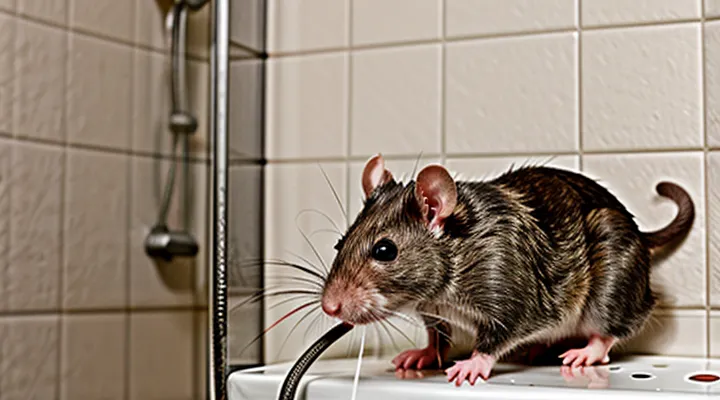
The Unexpected Encounter
The Initial Shock
The moment a rodent appears in a bathroom shower triggers a rapid surge of adrenaline, causing the heart rate to climb and breathing to become shallow. This physiological response prepares the body for immediate action, even though the threat is non‑lethal.
The brain registers the unexpected presence as a danger signal, activating the amygdala and releasing cortisol. The resulting emotional state includes heightened alertness, a brief freeze response, and an instinctive urge to flee or confront the intruder.
Typical manifestations of the initial shock include:
- Accelerated pulse
- Sharp intake of breath
- Muscular tension in the neck and shoulders
- Temporary loss of fine motor control
These reactions subside as the nervous system reassesses the situation, shifting from panic to a more measured evaluation of potential hazards. The initial shock therefore serves as a critical, short‑lived protective mechanism that transforms a surprising sight into a manageable risk assessment.
Common Reactions and Misconceptions
The appearance of a rodent in a bathroom shower generates immediate, intense responses. Observers often experience a blend of surprise and amusement, while others react with alarm and urgency.
- Immediate shock or laughter
- Rapid withdrawal from the water area
- Contact with pest‑control services
- Attempts to capture or chase the animal
- Reporting the incident to household members or authorities
Common misconceptions accompany these reactions. Many assume the creature poses no health threat because it is merely “wet,” overlooking the potential for disease transmission through saliva, urine, and feces. Some believe water will deter the animal, yet rodents can swim and remain active in wet environments. The notion that the event is a staged prank persists, despite lack of evidence. Finally, the idea that a single sighting indicates a widespread infestation often leads to either overreaction or complacency, depending on personal perception.
Accurate assessment requires distinguishing emotional impulse from factual risk, recognizing that a shower‑bound rodent can carry pathogens and that prompt, professional removal reduces both health hazards and psychological distress. «Unexpected bathroom visitor» encapsulates the core of public reaction, while clarification of these myths supports informed, appropriate action.
Understanding the Rodent Intruder
Identifying the Species
Norway Rat vs. Roof Rat
The Norway rat (brown rat) and the roof rat (black rat) differ markedly in morphology, habitat preference, and behavior relevant to a shower‑area encounter.
The Norway rat is larger, averaging 250‑300 g, with a robust body and short tail. It favors ground‑level environments such as basements, sewers, and outdoor burrows. Adaptations include strong jaws for gnawing and a tolerance for lower humidity. The roof rat is smaller, typically 120‑180 g, with a slender build and longer tail. It prefers elevated locations—attics, rafters, and tree canopies—and exhibits superior climbing ability.
Key distinctions impacting a bathroom incident:
- Climbing proficiency: Roof rats navigate vertical surfaces and narrow pipes more readily, increasing the likelihood of reaching showers and plumbing fixtures.
- Water tolerance: Norway rats survive short periods of submersion but avoid prolonged exposure; roof rats are more reluctant to enter wet areas, reducing the chance of direct contact with running water.
- Disease vectors: Both species transmit pathogens such as leptospira and hantavirus; the Norway rat carries a broader range of bacterial agents, while roof rats are more associated with viral infections.
- Reproductive rate: Norway rats produce larger litters (6‑12 offspring) with shorter gestation, leading to faster population growth in ground‑level infestations. Roof rats have smaller litters (5‑7) but can colonize high‑rise structures quickly due to their arboreal habits.
In a shower context, the roof rat’s climbing skill makes it the more probable intruder on elevated fixtures, whereas the Norway rat’s size and ground‑level habits suggest entry through floor drains or basement connections. Both species present health hazards; mitigation requires sealing entry points, maintaining dry environments, and employing traps appropriate to the target species.
Common Entry Points
Plumbing and Drains
The presence of a rodent in a bathroom shower creates immediate concerns for the integrity of the plumbing system. Rodents can gnaw through flexible hoses, copper pipes, and PVC fittings, leading to leaks that compromise water pressure and promote mold growth. Damage to seals and joints often results in slow seepage that accumulates in floor drains, creating a slipping hazard and providing a breeding ground for bacteria.
Key risks associated with such an incident include:
- Pipe perforation causing water loss and potential flooding.
- Contamination of wastewater lines with rodent saliva and droppings.
- Blockage of trap assemblies due to debris, reducing drainage efficiency.
- Corrosion acceleration where metal surfaces are exposed to urine and feces.
Mitigation measures focus on inspection, repair, and prevention. Professional plumbers should conduct a thorough examination of all visible and hidden components, replace compromised sections, and reinstall proper sealing. Installation of rodent‑proof vent caps and mesh screens on drain openings prevents re‑entry. Regular maintenance schedules that include camera‑assisted pipe inspections detect early signs of wear before failure occurs.
In addition to physical repairs, sanitation protocols are essential. Disinfecting affected areas with EPA‑approved agents eliminates pathogens. Proper disposal of contaminated materials, followed by thorough ventilation, reduces lingering odors and health hazards. Implementing these steps restores the functionality of the drainage network and eliminates the safety threat posed by the animal’s intrusion.
Structural Vulnerabilities
A rodent appearing in a bathroom shower signals a breach in the building envelope. The presence of a rat within a sanitary space indicates that protective barriers, water‑distribution components, and maintenance practices failed to prevent ingress.
Typical structural weaknesses include:
- Unsealed openings around drainpipes, overflow fittings, and shower valves.
- Gaps in wall sheathing or tile grout that permit rodent movement.
- Improperly routed vent stacks that intersect with crawl‑space access points.
- Aging or corroded pipe insulation that creates voids behind walls.
- Inadequate pest‑exclusion screens on external vents and utility penetrations.
These deficiencies allow animals to travel from concealed cavities into visible interior areas. Remediation requires sealing all pipe penetrations with appropriate caulking, inspecting and repairing grout lines, installing rodent‑proof vent covers, and conducting regular inspections of insulation integrity. Implementing these measures restores the barrier function of the plumbing system and reduces the likelihood of similar incidents.
The Laughable vs. The Alarming
Humorous Interpretations
Viral Videos and Social Media
The emergence of a rodent captured while bathing quickly attracted millions of views across multiple platforms. Viral dissemination relies on algorithmic amplification, user sharing, and comment engagement. Content that combines unexpected humor with potential danger triggers heightened audience reaction, prompting rapid spread.
Key mechanisms driving the phenomenon:
- Algorithmic prioritisation of high‑engagement clips, regardless of subject matter.
- Community-driven sharing through stories, reposts, and meme creation.
- Platform‑specific features such as short‑form loops and recommendation feeds that sustain view counts.
Consequences for public perception are twofold. On one side, comedic framing reduces perceived threat, encouraging casual discussion and parody. On the other, repeated exposure to unsafe household scenarios may desensitise viewers, diminishing awareness of actual hazards associated with wildlife intrusions.
Regulatory responses include:
- Content‑moderation policies that flag footage depicting animal cruelty or unsafe practices.
- Advisory labels warning viewers about potential health risks linked to rodent encounters.
- Removal or demotion of videos that violate community standards concerning pest control advice.
Data from analytics firms indicate that videos featuring unexpected animal behavior generate a 27 % higher average share rate than comparable human‑centric clips. The combination of shock value and humor thus represents a potent driver of virality, shaping both entertainment culture and public safety discourse.
Potential Dangers
Disease Transmission
Rodents entering residential bathrooms pose a direct risk of pathogen spread. Saliva, urine, and feces contain bacteria, viruses, and parasites that can contaminate water fixtures, towels, and skin surfaces during a shower. Contact with these contaminated materials may lead to infections such as leptospirosis, hantavirus pulmonary syndrome, salmonellosis, and rat‑borne rickettsial diseases.
Key transmission routes in a shower setting include:
- Direct skin contact with contaminated water or surfaces.
- Inhalation of aerosolized particles from droplet splashes.
- Ingestion of pathogens transferred to hands and then to the mouth.
- Secondary contamination of household items (e.g., towels, bath mats).
Preventive measures focus on eliminating rodent access and maintaining hygiene:
- Seal gaps around pipes, drains, and bathroom walls.
- Install traps or engage professional pest control.
- Regularly disinfect shower surfaces with EPA‑approved disinfectants.
- Replace or launder towels and bath linens after any suspected exposure.
Prompt medical evaluation is advised if symptoms such as fever, muscle aches, respiratory distress, or gastrointestinal upset appear after exposure. Early diagnosis and treatment reduce the likelihood of severe complications.
Structural Damage Indicators
A rodent discovered in a bathroom shower signals potential compromise of the building envelope. Presence of gnawed plumbing, exposed insulation, or displaced tiles indicates pathways for moisture infiltration and subsequent deterioration.
- Corroded or rusted metal fittings
- Cracked or missing grout between tiles
- Softened wood framing near the shower enclosure
- Visible droppings embedded in sealant joints
- Unusual odors suggesting mold growth behind walls
Each indicator reflects a specific failure mode. Corrosion reduces pipe strength, increasing leak risk. Cracked grout permits water seepage, accelerating substrate decay. Softened framing loses load‑bearing capacity, threatening structural stability. Embedded droppings reveal breach points where rodents can gnaw and create additional openings. Persistent odors confirm fungal colonisation, which degrades organic components and undermines material integrity.
Safety and Sanitation Measures
Immediate Actions
Securing the Area
Securing the area after a rodent sighting in a bathroom requires immediate containment and thorough decontamination. The primary objective is to eliminate health risks and prevent recurrence.
- Isolate the affected zone; restrict access with warning signs and physical barriers.
- Conduct a visual inspection of plumbing, drains, and surrounding surfaces to locate entry points.
- Remove all water sources and standing moisture; dry the environment to deter further infestation.
- Apply approved disinfectants to all surfaces, focusing on tiles, fixtures, and grout.
- Engage licensed pest‑control professionals to set traps, bait stations, and perform structural treatment.
- Document findings, actions taken, and follow‑up schedule; retain records for regulatory compliance.
After initial measures, implement preventive protocols: seal gaps in piping, install mesh screens over drains, and schedule routine inspections. Continuous monitoring confirms the effectiveness of the response and safeguards occupants from potential hazards.
Contacting Professionals
When a rodent appears in a bathroom shower, immediate professional assistance is essential to prevent health risks and property damage. Experts assess the situation, identify entry points, and implement safe removal and sanitation procedures.
Key actions when contacting specialists:
- Locate a licensed pest‑control service with experience in indoor infestations.
- Verify the provider’s certification and insurance coverage.
- Provide clear details: type of animal, location, time of sighting, and any observed damage.
- Request an on‑site inspection within 24 hours to evaluate the extent of the problem.
- Inquire about follow‑up treatments and guarantees against recurrence.
Municipal health departments can also be consulted for guidance on reporting requirements and potential violations of housing codes. Contractors specializing in plumbing and waterproofing may be needed to repair compromised seals or drainage systems that allowed access.
Document all communications, record dates and names of contacts, and retain invoices for future reference or insurance claims. Prompt professional intervention minimizes exposure to pathogens and ensures compliance with safety regulations.
Prevention Strategies
Sealing Entry Points
Sealing entry points is essential for preventing rodents from accessing bathroom fixtures. Small openings around pipes, vent stacks, and wall penetrations often serve as unnoticed pathways for rats. Identifying these gaps requires a systematic inspection of the shower enclosure, surrounding tiles, and adjacent cabinetry.
Key actions include:
- Installing steel‑wool or copper mesh around pipe sleeves before applying sealant.
- Applying silicone or polyurethane caulk to cracks in tile grout and around shower doors.
- Fitting expandable foam insulation in larger voids, then covering with a protective barrier.
- Securing gaps behind the vanity and under the sink with weather‑stripping or metal flashing.
Regular maintenance checks should verify the integrity of seals after cleaning cycles or plumbing work. Prompt repair of compromised areas eliminates the risk of rodents entering the shower space, thereby reducing health hazards and potential damage to plumbing components. «Effective sealing eliminates the primary route for infestation», reinforcing the preventive strategy.
Maintaining Hygiene
A rodent discovered in a bathroom shower creates a direct threat to personal cleanliness. Saliva, urine and fur can contaminate water, surfaces and towels, turning an ordinary routine into a potential source of infection.
Effective control requires immediate removal of the animal, thorough cleaning of all fixtures and replacement of any compromised textiles. Disinfection must target areas that contact skin, especially the showerhead, faucet handles and surrounding tiles.
Key actions for preserving hygiene include:
- Eliminate the rodent with traps or professional pest removal.
- Drain water, disassemble removable parts, and soak them in a solution of bleach (1 % concentration) for at least five minutes.
- Scrub tiles, grout and shower doors with an antimicrobial cleaner; rinse thoroughly.
- Launder towels, washcloths and bath mats at the highest temperature supported by the fabric.
- Inspect the plumbing for entry points; seal gaps with steel wool and caulk to prevent recurrence.
Regular inspection of bathroom integrity and prompt response to any signs of intrusion sustain a safe environment for daily washing. The practice of «Maintaining Hygiene» therefore hinges on swift eradication, comprehensive sanitation and preventive sealing.
Post-Incident Protocol
Cleaning and Disinfection
A rodent discovered in a bathroom shower introduces microbial contamination that demands immediate cleaning and disinfection. Contact with urine, feces, and saliva can spread bacteria such as Salmonella, Leptospira, and Staphylococcus aureus, while moisture facilitates pathogen survival on tile, grout, and faucet handles.
The response must follow a systematic protocol:
- Remove the animal using gloves and a sealed container; dispose of the carcass according to local regulations.
- Eliminate visible debris with disposable wipes; discard waste in a sealed bag.
- Apply an EPA‑registered disinfectant to all surfaces; ensure the product label specifies efficacy against rodent‑borne pathogens.
- Maintain the recommended contact time, typically 5–10 minutes, before wiping dry.
- Rinse fixtures with clean water to remove residual chemicals; dry thoroughly to prevent mold growth.
Preferred disinfectants include solutions containing quaternary ammonium compounds, hydrogen peroxide, or chlorine bleach at 1 % concentration. Labels often state: «Effective against bacteria, viruses, and fungi», confirming suitability for this scenario.
Preventive measures reduce recurrence risk: seal gaps around pipes, install mesh screens on vent openings, and schedule periodic inspections of bathroom plumbing. Regular maintenance of drainage systems further limits rodent access and minimizes contamination potential.
Long-Term Deterrents
Rats entering bathroom spaces create persistent health risks and structural damage. Effective long‑term deterrence requires integrated measures that address attraction sources, access points, and population control.
- Seal entryways: Install stainless‑steel mesh or cement‑based caulking around pipe penetrations, vent openings, and under‑sink gaps. Materials must resist gnawing and remain intact under moisture exposure.
- Reduce food and water availability: Eliminate standing water in shower trays, repair leaks promptly, and store toiletries in sealed containers. Regularly inspect drains for organic buildup that can serve as a food source.
- Habitat modification: Maintain a clean environment by removing clutter, trimming vegetation near the building, and ensuring that waste disposal areas are inaccessible to rodents.
- Professional monitoring: Engage licensed pest‑management services for quarterly inspections, bait station placement, and population assessments. Documentation of findings supports adaptive adjustments to the control program.
- Structural reinforcement: Apply rodent‑proof insulation and replace any compromised wood or drywall sections with materials that deter chewing.
Sustained implementation of these strategies minimizes re‑infestation risk and protects both occupants and plumbing infrastructure. «Prevention is more cost‑effective than reactive extermination», a principle widely endorsed by pest‑control authorities.