
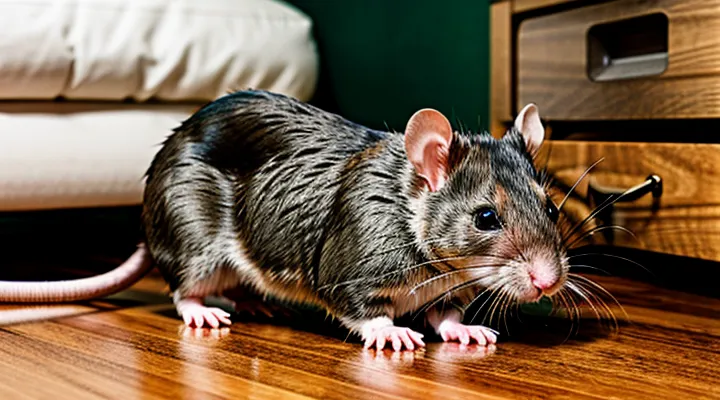
Recognizing a Cold in Your Rat
Common Symptoms
Nasal Discharge
Nasal discharge is a common indicator that a pet rat is experiencing a respiratory infection. The fluid may appear clear, mucoid, or purulent, and can range from a thin drip to a thick, crusty secretion. Persistent discharge often signals irritation of the nasal passages and may be accompanied by sneezing, snuffling, or difficulty breathing.
When the discharge is watery and intermittent, it usually reflects the early stage of an infection and may resolve with supportive care. Thick, yellow or green mucus suggests bacterial involvement and requires prompt veterinary assessment. Observe the following signs to determine the severity:
- Continuous dripping from one or both nostrils
- Crusting around the nose that impedes feeding
- Audible wheezing or labored breaths
- Lethargy, loss of appetite, or weight loss
Management focuses on maintaining a clean environment, providing humidified air, and ensuring adequate nutrition. Use a soft, damp cloth to gently wipe away crusts several times daily. A humidifier placed near the cage can loosen secretions and improve airflow. If the discharge persists beyond 48 hours, becomes colored, or is accompanied by the symptoms listed above, seek veterinary treatment. Antibiotics may be prescribed for bacterial infections, while anti-inflammatory agents can reduce swelling of the nasal passages.
Regular monitoring of nasal health, combined with prompt intervention at the first sign of abnormal discharge, reduces the risk of complications and supports a swift recovery for the affected rat.
Sneezing and Coughing
Sneezing and coughing are common indicators that a pet rat is battling a respiratory infection. Frequent, sharp sneezes often signal irritation of the nasal passages, while a dry, hacking cough points to involvement of the lower airway. Both symptoms may appear together or separately, and their presence warrants immediate attention to prevent progression to pneumonia.
Key observations include:
- Frequency: More than three sneezes or coughs per hour suggests a worsening condition.
- Sound quality: A high‑pitched, abrupt sneeze differs from a low, rattling cough; the latter usually indicates deeper lung involvement.
- Accompanying signs: Watery eyes, nasal discharge, reduced activity, and loss of appetite reinforce the diagnosis of a cold.
Environmental management reduces symptom severity. Keep the cage in a draft‑free area, maintain humidity between 45‑55 % using a humidifier, and ensure bedding is dust‑free. Regular cleaning eliminates pathogens and allergens that exacerbate irritation.
Nutritional support accelerates recovery. Offer high‑calorie, easily digestible foods such as soft fruits, boiled eggs, and fortified rat pellets. Hydration is critical; provide fresh water and consider adding unflavored electrolyte solution to encourage fluid intake.
Medical intervention may be necessary. Over‑the‑counter antihistamines (e.g., diphenhydramine) can lessen nasal inflammation, but dosage must follow veterinary guidelines. Antibiotics are indicated only when a bacterial component is confirmed; broad‑spectrum options like enrofloxacin are prescribed by a veterinarian after culture results.
Monitoring continues for at least seven days after symptoms subside. Record daily sneeze and cough counts, body temperature, and weight. Any resurgence of respiratory signs or a decline in weight requires prompt veterinary evaluation.
Labored Breathing
Labored breathing indicates that a rat’s airway is obstructed or inflamed, a common complication of upper‑respiratory infections. The condition manifests as rapid, shallow breaths, audible wheezing, or visible effort when the animal expands its chest.
Typical signs include nostril flaring, mouth breathing, audible crackles, and a tendency to rest in a hunched posture. The rat may appear fatigued and avoid activity that normally encourages movement.
Immediate actions:
- Keep the cage in a warm, draft‑free area (temperature 68‑74 °F, humidity 40‑60 %).
- Provide fresh, moist bedding to ease airway irritation.
- Offer water and soft foods to maintain hydration and nutrition.
- Monitor breathing frequency; record any changes.
Environmental measures:
- Replace cage filters daily to reduce dust and allergens.
- Limit handling to essential care to prevent stress‑induced respiratory strain.
- Use a humidifier or place a shallow dish of water near the cage to increase ambient moisture.
If breathing remains rapid, pauses longer than three seconds, or is accompanied by nasal discharge, blood, or loss of appetite, seek veterinary evaluation promptly. A veterinarian may prescribe antibiotics, bronchodilators, or supportive fluids, and will assess for secondary infections such as pneumonia.
Lethargy and Reduced Appetite
Lethargy and reduced appetite often signal that a pet rat is battling a respiratory infection. The animal may move slowly, hide more frequently, and show little interest in exploring its cage. Food intake can drop dramatically, sometimes to a few bites a day, which risks rapid weight loss and weakened immunity.
Prompt action can prevent complications. First, isolate the affected rat to limit exposure to other rodents. Keep the enclosure warm, dry, and free of drafts; a temperature of 70–75 °F (21–24 °C) supports recovery. Offer highly palatable, nutrient‑dense foods such as softened pellets, canned rabbit or mouse chow, and small pieces of fruit or vegetables softened with warm water. Frequent, small meals are more effective than a single large offering.
Hydration is critical. Provide fresh water in a low‑profile bottle to encourage drinking, and consider adding a few drops of unflavored electrolyte solution to the water. If the rat refuses to drink, gently syringe‑feed a mixture of water and warm, low‑fat milk replacer.
Monitor weight daily by weighing the rat on a small digital scale; a loss of more than 5 % of body weight within 24 hours warrants veterinary attention. Observe breathing for signs of congestion or wheezing, and watch for nasal discharge. If lethargy persists beyond 48 hours or appetite does not improve with supportive care, seek professional evaluation to rule out secondary infections or pneumonia.
Porphyrin Staining Around Eyes and Nose
Porphyrin staining appears as reddish‑brown crusts around a rat’s eyes and nose. The pigment is a normal secretion that protects the eyes, but increased production often signals irritation from a respiratory infection.
The stains are wet at first, then dry and harden. Fresh secretions may be thin and watery, while older deposits become thick, flaky, and darker. Noticing a sudden change in amount or consistency helps differentiate normal grooming from a health issue.
Effective management includes:
- Gentle removal with a warm, damp cotton swab; avoid harsh chemicals that could damage delicate skin.
- Increase ambient humidity (40‑60 %) using a humidifier or a shallow water dish with pebbles; moist air eases nasal passages and reduces excessive secretion.
- Keep the cage clean, eliminating dust and strong odors that exacerbate irritation.
- Monitor for additional symptoms such as sneezing, nasal discharge, or lethargy; these indicate a deeper infection requiring veterinary assessment.
- Provide a balanced diet rich in vitamin C and protein to support immune function during recovery.
Prompt cleaning and environmental adjustments alleviate discomfort and prevent secondary skin infections while the underlying cold resolves. If staining persists despite these measures, a veterinarian should evaluate for chronic sinusitis or ocular disease.
Immediate Care at Home
Creating a Comfortable Environment
Maintaining Optimal Temperature and Humidity
When a pet rat shows signs of a cold, the environment can significantly affect recovery. Maintaining a stable temperature and appropriate humidity reduces stress on the respiratory system and supports healing.
Ideal temperature for an adult rat ranges from 68 °F to 74 °F (20 °C‑23 °C). Temperatures below this range increase metabolic demand, while higher levels may cause overheating. Use a calibrated thermometer to monitor the cage and adjust heating sources—such as a low‑wattage ceramic heater or a warm water bottle wrapped in a towel—so the temperature stays within the target band.
Humidity should remain between 45 % and 55 % relative humidity. Dry air irritates nasal passages, whereas excess moisture encourages mold growth. A hygrometer provides real‑time readings. If humidity falls below the lower limit, introduce a small, clean dish of water or a humidifier set to a low output. If levels rise above the upper limit, improve ventilation by opening a portion of the cage lid or adding a breathable mesh panel.
Practical steps to achieve optimal conditions:
- Place the cage away from drafts, direct sunlight, and heating vents.
- Use a stable, insulated cage base to prevent cold spots on the floor.
- Check temperature and humidity twice daily; record values to identify trends.
- Adjust heating or humidifying devices in small increments; avoid sudden changes.
- Clean the cage regularly to prevent mold and bacterial buildup, especially in humid environments.
Consistent monitoring and modest adjustments create a comfortable microclimate that aids respiratory recovery and minimizes the risk of complications.
Providing a Clean Cage
A rat recovering from a respiratory infection requires an environment free of irritants and pathogens. Dirty bedding, lingering odors, and mold can exacerbate congestion and delay healing, making cage sanitation a critical component of care.
To achieve a hygienic enclosure, follow these steps:
- Remove the rat and place it in a temporary, safe carrier.
- Discard all used bedding, nesting material, and food remnants.
- Wash the cage, accessories, and water bottle with hot, soapy water; use a brush to scrub corners and grates.
- Rinse thoroughly to eliminate soap residue, then sanitize with a diluted bleach solution (1 part bleach to 30 parts water) or a pet‑safe disinfectant.
- Allow all items to air‑dry completely before reassembly.
- Refill the cage with fresh, low‑dust bedding and provide clean water and food.
Maintain this standard by performing a full clean weekly and spot‑cleaning daily: replace soiled bedding, wipe surfaces, and check for signs of moisture buildup. Regular ventilation reduces humidity, limiting fungal growth that can irritate the rat’s nasal passages.
Additional measures include using paper‑based bedding to minimize dust, positioning the cage away from drafts and direct sunlight, and monitoring the animal for any worsening of symptoms after each cleaning cycle. Consistent sanitation supports respiratory recovery and promotes overall well‑being.
Reducing Stress
A rat suffering from a respiratory infection experiences slower healing when stress levels rise. Elevated cortisol interferes with white‑blood‑cell activity, reduces appetite, and can aggravate nasal congestion. Managing stress therefore supports the immune response and promotes a smoother recovery.
- Keep the cage in a quiet area, away from loud appliances and foot traffic.
- Maintain a consistent daily schedule for feeding, cleaning, and interaction.
- Handle the animal gently, using slow movements and avoiding abrupt grabs.
- Provide soft, absorbent bedding and a secure hideout to encourage natural retreat behavior.
- Regulate ambient temperature between 18‑22 °C (64‑72 °F) and protect the enclosure from drafts.
- Limit exposure to unfamiliar scents or chemicals; use unscented cleaning products only.
- Reduce visual disturbances by covering part of the cage with a cloth or placing it behind a screen.
- Observe the rat for signs of anxiety—pacing, excessive grooming, or vocalization—and adjust the environment promptly.
Implementing these measures creates a calm setting that lessens physiological stress, thereby aiding the rat’s recuperation from a cold.
Nutritional Support
Offering Palatable Foods
When a pet rat experiences a respiratory infection, its appetite often wanes. Supplying highly appealing foods encourages fluid and nutrient intake, supporting recovery and preventing dehydration.
Choose items that are soft, aromatic, and easy to consume. Effective options include:
- Warmed, unsalted chicken broth (cooled to body temperature)
- Soft, cooked sweet potato, mashed
- Small pieces of cooked egg white, finely shredded
- Fresh, finely chopped parsley or cilantro for scent
- Low‑fat cottage cheese, offered in tiny portions
Preparation should enhance palatability without adding unnecessary additives. Warm foods slightly to release scent, blend with a few drops of broth to increase moisture, and present in a shallow dish to facilitate access.
Avoid foods high in sugar, salt, or fat, as well as dairy products that may trigger digestive upset. Monitor the rat’s response; discontinue any item that appears unappealing or causes adverse reactions. Consistent offering of these nutrient‑dense, easy‑to‑eat foods helps maintain energy levels while the respiratory condition resolves.
Ensuring Adequate Hydration
Adequate fluid intake is critical when a pet rat is battling a respiratory infection. Dehydration can worsen congestion, reduce appetite, and impede recovery, so monitoring water consumption should be a priority.
- Provide fresh, clean water at all times; replace it at least twice daily to prevent bacterial growth.
- Use a low‑profile water bottle with a stainless‑steel sipper to reduce spillage and encourage regular drinking.
- Add a few drops of unsalted chicken broth or a small amount of diluted electrolyte solution to increase palatability, but avoid sugary additives.
- Offer moist foods such as fresh cucumber slices, shredded carrots, or a small portion of unsweetened applesauce to supplement liquid intake.
- Observe the rat’s urine output and skin elasticity; reduced urine volume or skin that remains tented when gently lifted indicates insufficient hydration.
If the rat consistently refuses water or shows signs of severe dehydration—dry mouth, lethargy, or sunken eyes—consult a veterinarian promptly for possible subcutaneous fluids or other medical interventions.
Gentle Respiratory Support
Steam Inhalation (Supervised)
Steam inhalation can relieve nasal congestion in a sick rat when performed under constant supervision. Warm, moist air loosens mucus, improves breathing, and supports recovery, provided the method follows strict safety guidelines.
Prepare a shallow container with hot water, ensuring the temperature does not exceed 60 °C (140 °F) to avoid burns. Place the container on a stable surface inside the cage or a confined area where the rat cannot reach the water directly. Keep the rat on a secure platform nearby, such as a small, non‑slipping tray, so it remains within the vapor zone without contact with the liquid.
Steps for supervised steam treatment:
- Fill the container with fresh water and heat until gentle steam rises.
- Position the container so vapor fills the immediate environment but does not create excessive humidity.
- Observe the rat continuously; limit exposure to 5–7 minutes per session.
- After each session, dry the area and return the rat to a warm, dry space.
Precautions:
- Never leave the rat unattended; immediate removal is required if signs of distress appear.
- Do not use scented oils, chemicals, or essential oils, as they can irritate the respiratory tract.
- Verify that the cage’s ventilation remains adequate to prevent overheating.
- Consult a veterinarian before initiating steam therapy, especially for rats with severe respiratory infection or underlying health issues.
Regular, brief sessions combined with proper hydration and a balanced diet enhance the animal’s ability to clear nasal passages and regain normal activity levels.
Avoiding Irritants
Rats with respiratory infections react quickly to airborne irritants; exposure can increase nasal discharge, coughing, and fever.
- Smoke from cigarettes, incense, or heated tobacco products
- Strong fragrances such as essential oils, air fresheners, and scented cleaning agents
- Dust from bedding, wood shavings, or loose substrate
- Cold drafts from open windows, vents, or poorly insulated cages
- Chemical vapors from paints, solvents, or disinfectants
Maintain a stable, low‑odor environment. Choose paper‑based or dust‑free bedding, keep the cage away from doors and windows, and ventilate the room without creating breezes. Store cleaning supplies in sealed containers and use unscented, pet‑safe detergents.
Monitor the cage daily for signs of new odors or dust accumulation; replace bedding promptly and clean surfaces with a damp cloth rather than aerosol sprays.
By eliminating these irritants, the rat’s nasal passages stay clear, supporting faster recovery and reducing the risk of complications.
When to Seek Veterinary Attention
Signs Indicating Urgency
Severe Breathing Difficulties
When a pet rat develops a cold, severe breathing difficulties signal a potentially life‑threatening condition. Rapid, shallow breaths, audible wheezing, or open‑mouth respiration indicate that the airway is compromised and requires immediate attention.
First‑aid measures focus on clearing the nasal passages and supporting airflow:
- Place the rat in a warm, draft‑free environment; temperature should remain between 20‑22 °C (68‑72 °F).
- Gently wipe the nose and surrounding fur with a soft, damp cloth to remove mucus.
- Use a pediatric nasal aspirator or a small syringe without a needle to suction excess secretions carefully.
- Offer a small amount of warm, low‑salt broth to encourage hydration and thin mucus.
If the rat shows any of the following, contact a veterinarian without delay: cyanotic gums, inability to stay upright, prolonged gasping, or a sudden decline in activity. Professional treatment may involve oxygen therapy, bronchodilators, or antibiotics if a secondary bacterial infection is present.
Long‑term management includes maintaining optimal humidity (45‑55 % relative humidity) and providing a diet rich in vitamin C and protein to support immune function. Regular cleaning of the cage reduces pathogen load and minimizes the risk of respiratory complications.
Prolonged Anorexia or Dehydration
A rat battling a respiratory infection often loses appetite and may refuse water, leading to dangerous weight loss and fluid deficits. Prolonged anorexia reduces glycogen stores, impairs immune function, and accelerates muscle wasting. Dehydration compromises circulation, thickens mucus, and heightens fever risk. Immediate intervention prevents irreversible organ damage.
Key actions:
- Offer high‑calorie, easily digestible foods such as warm oatmeal, soft boiled egg, or commercial rat formula mixed with a few drops of water.
- Provide fresh water at room temperature; add a pinch of electrolyte powder if veterinary guidance permits.
- Warm the cage environment to 75‑80 °F (24‑27 °C) to reduce metabolic stress and encourage feeding.
- Monitor body weight daily; a loss exceeding 5 % of ideal weight warrants veterinary evaluation.
- If the rat refuses food for more than 24 hours, administer a syringe‑fed liquid diet (e.g., diluted kitten formula) in small, frequent volumes to avoid aspiration.
Veterinary support may include subcutaneous fluids, appetite stimulants, or antibiotics if secondary infection is suspected. Early detection of reduced intake, combined with proactive nutritional support, markedly improves recovery prospects for a sick rat.
Rapid Deterioration
A rat with a respiratory infection can shift from mild symptoms to severe illness within hours. Rapid deterioration manifests as sudden increase in nasal discharge, visible wheezing, labored breathing, and a noticeable drop in activity level. The animal may become unresponsive to handling, refuse food and water, and exhibit a temperature below the normal range of 99‑101 °F (37.2‑38.3 °C). Weight loss may be apparent after a single day of reduced intake.
When these indicators appear, immediate action is required:
- Isolate the affected rat to prevent stress on healthy companions.
- Measure body temperature with a digital rectal thermometer; record any deviation from normal.
- Provide a warm, quiet environment free of drafts.
- Offer easily digestible fluids, such as diluted electrolyte solution, using a syringe without a needle.
- Contact a veterinarian without delay; request an urgent appointment for respiratory assessment and possible antibiotic therapy.
Early veterinary intervention can halt progression, restore normal breathing, and prevent irreversible organ damage. Continuous observation for any recurrence of rapid decline remains essential during recovery.
Persistent Symptoms Despite Home Care
A pet rat that continues to sneeze, exhibit nasal discharge, or show reduced activity after several days of basic care may be experiencing a lingering respiratory infection. Persistent symptoms suggest that the illness has progressed beyond mild irritation and requires professional evaluation.
Key indicators that home remedies are insufficient include:
- Nasal mucus that is thick, colored, or foul‑smelling
- Persistent coughing or wheezing audible at rest
- Fever, identified by a temperature above 101 °F (38.3 °C) measured rectally
- Loss of appetite lasting more than 48 hours
- Rapid breathing or open‑mouth respiration
When these signs are present, immediate veterinary consultation is essential. Veterinarians can perform a thorough physical examination, obtain radiographs to assess lung involvement, and collect samples for bacterial culture or viral PCR testing. Targeted antimicrobial therapy, anti‑inflammatory medication, and supportive care such as fluid therapy may be prescribed based on diagnostic results.
While home care—humidified environment, warm bedding, and gentle feeding—remains valuable, it should complement, not replace, veterinary intervention for unresolved symptoms. Monitoring the rat’s condition closely and documenting changes in behavior, temperature, and respiratory patterns will aid the clinician in tailoring treatment and improving the likelihood of recovery.
What to Expect at the Vet
Diagnosis and Examination
Observe the rat’s breathing pattern, nasal discharge, and activity level. A sudden increase in respiratory rate, clear or cloudy mucus from the nostrils, and reduced grooming indicate a possible upper‑respiratory infection.
A thorough physical examination includes:
- Palpation of the thorax to assess lung sounds.
- Visual inspection of the eyes and ears for secondary infections.
- Measurement of body temperature with a rectal probe; normal range is 99–101 °F (37.2–38.3 °C).
Laboratory diagnostics may be required to confirm the condition:
- Nasal or oropharyngeal swabs for bacterial culture and sensitivity.
- Complete blood count to detect leukocytosis or anemia.
- Chest radiographs to identify pneumonia or sinusitis.
Distinguish a simple cold from more severe illnesses such as bacterial pneumonia, Mycoplasma infection, or allergic rhinitis by correlating clinical signs with test results. Persistent fever, blood in nasal secretions, or rapid weight loss suggest the need for targeted antimicrobial therapy and supportive care.
Medication Options
Rats suffering from upper‑respiratory infections display symptoms such as sneezing, nasal discharge, and reduced activity. Prompt treatment reduces discomfort and prevents complications.
Therapeutic choices fall into three categories: symptomatic relief, antimicrobial therapy, and supportive care. Selection depends on severity, pathogen identification, and veterinary assessment.
- Saline nasal drops – isotonic solution applied twice daily clears congestion; no prescription required.
- Bronchodilators (e.g., albuterol inhalation) – low‑dose aerosol reduces airway resistance; administer via a small nebulizer chamber for 1–2 minutes.
- Antibiotics (e.g., enrofloxacin, doxycycline) – prescribed after bacterial culture or when secondary infection is suspected; typical dosage ranges from 5‑10 mg/kg once daily for 7–10 days.
- Anti‑inflammatory agents (e.g., meloxicam) – low‑dose oral tablets alleviate pain and swelling; limit to 0.1 mg/kg every 24 hours, not exceeding five days.
- Vitamin C supplements – water‑soluble powder added to drinking water at 100 mg/L supports immune function; monitor intake to avoid gastrointestinal upset.
Veterinary guidance is essential before initiating any drug. Dosages must be calculated per kilogram of body weight, and all medications should be administered with a syringe or dropper designed for small rodents. Observe the animal for adverse reactions such as lethargy, loss of appetite, or respiratory distress, and report findings to the veterinarian immediately.
Follow-Up Care
When a pet rat recovers from an upper‑respiratory infection, continued attention is essential to prevent relapse and to support full healing. Follow‑up care focuses on observation, environment management, nutrition, and veterinary review.
Observe the animal closely for at least two weeks after the acute symptoms subside. Record any recurrence of sneezing, nasal discharge, lethargy, or loss of appetite. Note changes in breathing rate or the appearance of wheezing, as these may indicate lingering inflammation.
Maintain optimal housing conditions. Keep the cage clean, dry, and well‑ventilated; replace bedding weekly to reduce dust and mold. Ensure the temperature remains stable between 68‑75 °F (20‑24 °C) and avoid drafts that could irritate the respiratory tract.
Support nutrition with high‑quality, easily digestible food. Offer fresh vegetables, a balanced pellet diet, and occasional protein treats. Provide fresh water at all times; consider a water bottle with a drip‑free nozzle to prevent contamination.
Schedule a veterinary check‑up within 7‑10 days of symptom resolution. The veterinarian can perform a physical exam, listen for abnormal lung sounds, and, if needed, request a chest X‑ray or culture to confirm that the infection has cleared.
Follow‑up actions:
- Record daily observations of respiratory signs.
- Clean and disinfect the cage each week.
- Monitor temperature and humidity levels.
- Adjust diet to include soft, nutrient‑dense foods.
- Attend the post‑recovery veterinary appointment and follow any prescribed medication regimen.
Preventing Colds in Rats
Optimal Cage Environment
Proper Ventilation
Proper ventilation is critical for a rat recovering from a respiratory infection. Stagnant air encourages bacterial growth and impedes the animal’s ability to clear mucus, prolonging symptoms and increasing the risk of secondary complications.
Maintain airflow without creating drafts that could chill the pet. Recommended practices include:
- Position the cage in a well‑ventilated room, preferably near a window that can be opened for fresh air several times a day.
- Use a cage with breathable wire sides and a solid back; avoid completely sealed enclosures.
- Install a small, low‑noise fan at a safe distance to circulate air, ensuring the airflow does not blow directly on the rat.
- Keep the room temperature stable between 65–75 °F (18–24 °C) to prevent the animal from becoming cold while the air moves.
Monitor humidity levels; ideal range is 40‑60 % relative humidity. If humidity rises, introduce a dehumidifier or increase ventilation to prevent excess moisture, which can worsen nasal congestion.
Regularly inspect the cage for signs of mold, mildew, or stale odors. Replace bedding frequently and clean the enclosure with a mild, pet‑safe disinfectant to maintain a healthy environment.
Regular Cleaning and Disinfection
Regular cleaning and disinfection are essential components of caring for a rat suffering from a respiratory infection. Maintaining a hygienic environment reduces pathogen load, supports the animal’s immune response, and prevents secondary complications.
A clean cage limits the spread of bacteria and viruses that aggravate nasal congestion and coughing. Remove all waste, uneaten food, and soiled bedding daily. Replace bedding with fresh, low‑dust material to minimize irritants that can worsen breathing difficulties.
Disinfection should follow each thorough cleaning. Use a rodent‑safe disinfectant—such as a diluted solution of quaternary ammonium compounds or a 10 % bleach solution—applied to all non‑porous surfaces, including cage walls, food dishes, water bottle tops, and accessories. Allow the disinfectant to remain in contact for the manufacturer‑specified dwell time, then rinse thoroughly with water and let surfaces air‑dry before re‑adding fresh bedding.
To ensure consistency, adopt a schedule:
- Daily: Spot‑clean waste, replace food, refresh water.
- Every 2–3 days: Remove all bedding, wash cage components with mild detergent, rinse.
- Weekly: Perform full disinfection of cage and accessories, dry completely, reinstall fresh bedding.
Ventilation complements cleaning efforts. Position the cage in a well‑ventilated area, avoiding drafts directly on the rat. Adequate airflow disperses airborne particles and lowers humidity, both of which help alleviate congestion.
When selecting cleaning products, verify that they are non‑toxic to rodents. Avoid ammonia‑based cleaners, strong fragrances, and alcohol‑based solutions, as these can irritate the respiratory tract.
By adhering to a disciplined cleaning routine and using appropriate disinfectants, owners provide a supportive environment that assists a sick rat in recovering more quickly and reduces the risk of infection spread to other pets.
Appropriate Bedding Materials
When a pet rat experiences nasal congestion, the environment must support recovery. Bedding directly influences temperature regulation, humidity, and respiratory comfort, making material selection a critical aspect of care.
Natural fibers such as shredded paper, unbleached cotton, and soft wood shavings (e.g., aspen) provide low dust levels and moderate insulation. These options maintain warmth without trapping moisture, reducing the risk of secondary infections. Avoid pine and cedar, whose aromatic oils irritate sensitive airways and increase respiratory strain.
Key characteristics for suitable bedding include:
- Minimal dust production to prevent inhalation of particulates.
- High absorbency to keep the enclosure dry and limit mold growth.
- Soft texture that prevents skin irritation and allows the rat to nest comfortably.
- Non‑toxic composition free from chemical additives or strong fragrances.
For rats battling a cold, layering a thin base of paper bedding with a small amount of soft cotton fleece offers both dryness and warmth. Replace soiled sections daily to maintain hygiene and monitor humidity levels; ideal range falls between 40‑60 % to discourage bacterial proliferation.
When selecting bedding, prioritize products labeled “dust‑free” or “low‑dust” and verify that manufacturers test for respiratory safety. Combining appropriate material with regular cleaning creates a supportive environment that aids recovery and promotes overall well‑being.
Dietary and Nutritional Considerations
Balanced Diet
A rat battling a respiratory infection requires nutrient‑dense food to support immune function and tissue repair. Provide a diet that supplies adequate protein, essential fatty acids, vitamins, and minerals while maintaining proper hydration.
- Protein sources: cooked chicken breast, boiled egg, low‑fat cottage cheese; aim for 15‑20 % of daily caloric intake.
- Fat sources: small amounts of unsalted sunflower or flaxseed oil; supply omega‑3 fatty acids for anti‑inflammatory effects.
- Vitamins and minerals: fresh leafy greens (kale, romaine), carrots, bell pepper; supplement with a rodent‑specific multivitamin if intake is limited.
- Fiber: high‑quality hay, shredded wheat, or oat bran; promotes gut motility and prevents constipation during reduced activity.
- Water: fresh, clean water at all times; consider warm water to ease nasal congestion.
Feed small, frequent meals to prevent digestive overload. Warm the food slightly to enhance aroma and encourage eating. Monitor portion sizes to avoid obesity, which can impair respiratory recovery. Record daily intake and adjust quantities based on weight changes and activity level.
If appetite declines sharply or weight loss exceeds 5 % of body weight within a few days, consult a veterinarian promptly. Nutritional support combined with appropriate medical care accelerates recovery and reduces the risk of complications.
Vitamin Supplements (if recommended by a vet)
Vitamin supplements may support a rat recovering from a respiratory infection, but only under veterinary guidance. A veterinarian can assess nutritional status, identify deficiencies, and prescribe appropriate formulations.
Common supplements recommended for convalescing rats include:
- Vitamin C – antioxidant that may aid immune function; dosage typically 10–20 mg per kilogram of body weight daily, divided into two feedings.
- B‑complex vitamins – support metabolism and energy levels; often provided as a liquid additive at 0.5 ml per 100 g of food.
- Vitamin E – protects cell membranes from oxidative damage; administered at 5 mg per kilogram of body weight once daily.
Key considerations:
- Dosage accuracy – excessive vitamins can cause toxicity; measurements must follow the veterinarian’s prescription.
- Formulation type – liquid drops or water‑soluble powders are easier to incorporate into a rat’s diet than tablets.
- Interaction with medication – supplements may alter the effectiveness of antibiotics or other treatments; confirm compatibility with the prescribing vet.
- Monitoring – observe appetite, activity, and any signs of gastrointestinal upset; report changes promptly.
Implementing supplements without professional advice risks imbalance and may hinder recovery. Always obtain a written recommendation, adhere to the prescribed schedule, and re‑evaluate the rat’s condition during follow‑up visits.
Stress Reduction
Adequate Space
Providing a rat with sufficient space is critical when it is battling a respiratory infection. A larger enclosure reduces stress, improves air circulation, and limits the buildup of humidity that can exacerbate nasal congestion.
The cage should allow at least 500 cm² of floor area per adult rat. This measurement ensures the animal can move freely, stretch, and adopt comfortable postures without crowding. If multiple rats share the enclosure, increase the total area proportionally.
Key considerations for adequate space include:
- Ventilation: Position the cage where gentle airflow passes without creating drafts. Open the top or side panels for fresh air, but keep the temperature stable between 18‑22 °C.
- Bedding depth: Use a shallow layer (2–3 cm) of absorbent, dust‑free material such as paper bedding. Excessive bedding can retain moisture and hinder breathing.
- Separate sick rat: If other rats are present, isolate the ill individual in a clean, spacious secondary cage. The isolation cage must meet the same floor‑area requirement to prevent regression.
- Cleaning schedule: Remove soiled bedding daily and disinfect the enclosure weekly. A clean environment reduces pathogen load and maintains optimal air quality.
Monitoring the rat’s behavior will reveal whether the space is sufficient. Signs of restlessness, attempts to escape, or persistent wheezing indicate the need for a larger or better‑ventilated enclosure. Adjust the setup promptly to support recovery.
Enrichment and Socialization
When a pet rat shows signs of a cold—nasal discharge, sneezing, reduced activity—its environment and social contacts become critical to recovery. Enrichment supplies mental stimulation that encourages normal breathing patterns and reduces stress‑induced immune suppression. Provide a rotating selection of chew toys, tunnels, and climbing structures; replace items every few days to maintain novelty. Ensure items are made of safe, untreated wood or chew‑grade plastic, and clean them regularly to prevent bacterial buildup.
Social interaction supports emotional well‑being and helps the rat maintain normal body temperature. If the rat lives with companions, monitor group dynamics closely; isolate only if aggressive behavior threatens the sick individual. For solitary rats, increase human contact by offering gentle handling sessions of 5–10 minutes, twice daily. Use calm voice and slow movements to avoid startling the animal.
Nutrition complements enrichment and socialization. Offer fresh vegetables, high‑protein pellets, and occasional treats that require manipulation, such as small pieces of fruit attached to a twig. This encourages foraging behavior while delivering essential nutrients for immune function.
A consistent routine reinforces security. Keep lighting, temperature, and feeding times stable; sudden changes can exacerbate respiratory symptoms. Maintain cage humidity at 40–50 % to keep nasal passages moist, using a small, regulated humidifier if the air is dry.
Regular veterinary checks remain indispensable. A professional can assess the severity of the infection, prescribe appropriate antibiotics, and advise on any adjustments to enrichment or social practices needed for optimal recovery.
Quarantine for New Rats
Quarantining newly acquired rats protects an already ill pet from additional pathogens and allows early detection of respiratory issues. Isolate the newcomer in a separate cage for at least fourteen days; this period matches the incubation window for common viral and bacterial agents that cause sneezing, nasal discharge, and lethargy in rodents.
- Place the quarantine cage in a quiet area away from the primary enclosure to reduce stress.
- Provide fresh bedding, food, and water daily; replace them entirely every three days to maintain hygiene.
- Monitor temperature and humidity; keep conditions between 68‑72 °F and 45‑55 % relative humidity to support respiratory health.
- Observe the rat for signs of congestion, wheezing, or abnormal behavior; record findings and consult a veterinarian if symptoms appear.
- After the isolation period, conduct a health check with a vet before integrating the rat into the main habitat.
Maintaining strict separation during quarantine minimizes the risk of transmitting infections to a pet already battling a cold, ensuring both animals recover safely.