
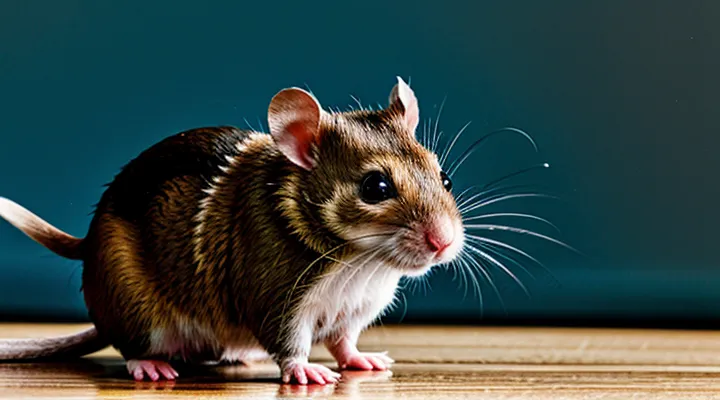
Understanding Rat and Hamster Biology
Genetic Compatibility: A Fundamental Hurdle
Chromosomal Differences
Rats possess 42 chromosomes organized into 21 homologous pairs, while the most common hamster species carries 44 chromosomes arranged in 22 pairs. This numerical disparity creates a fundamental barrier to meiotic pairing, because homologous chromosomes must align precisely for successful recombination and segregation.
Key chromosomal incompatibilities include:
- Pairing mismatch: The extra hamster chromosome lacks a rat counterpart, leading to unpaired segments during meiosis.
- Centromere variation: Rat and hamster centromeres differ in size and protein composition, which disrupts kinetochore attachment.
- Repetitive DNA content: Hamster genomes contain higher proportions of satellite repeats, interfering with chromosome condensation in hybrid cells.
- Sex chromosome divergence: Rat X and Y chromosomes share limited homology with hamster sex chromosomes, increasing the risk of aneuploid gametes.
These factors limit the viability of embryos derived from rat‑hamster fertilization attempts. Experimental interventions—such as chromosome engineering, induced polyploidy, or the use of embryonic stem cells—to reconcile the disparity have produced only transient cellular fusion without stable offspring.
Consequently, chromosomal incompatibility defines the primary constraint on creating a functional rat‑hamster composite. Overcoming this obstacle would require extensive genomic manipulation beyond current routine techniques.
Reproductive Barriers
The feasibility of combining rat and hamster genomes is limited primarily by reproductive barriers that prevent successful fertilization and development. These barriers fall into two categories: pre‑zygotic mechanisms that block mating or gamete interaction, and post‑zygotic mechanisms that impede embryo viability.
Pre‑zygotic obstacles include:
- Species‑specific pheromonal cues that discourage inter‑species courtship.
- Incompatible sperm‑egg recognition proteins, leading to failure of sperm binding or penetration.
- Divergent timing of estrous cycles, reducing the likelihood of simultaneous receptivity.
Post‑zygotic obstacles arise after fertilization. Chromosomal disparity is a central factor: rats possess 42 autosomes and a distinct sex chromosome system, whereas hamsters have 44 autosomes with different centromere structures. This mismatch disrupts meiotic pairing, causing aneuploidy in hybrid embryos. Additionally, divergent imprinting patterns and regulatory RNA networks generate transcriptional incompatibilities that trigger early embryonic arrest. Mitochondrial–nuclear mismatches further compromise cellular metabolism, often leading to developmental failure before implantation.
Overall, the combination of species‑specific gamete incompatibility, chromosomal misalignment, and regulatory discordance establishes robust barriers that make the production of a viable rat‑hamster hybrid highly improbable.
Species-Specific Traits
Physiological Discrepancies
Rats and hamsters exhibit distinct metabolic rates, with rats maintaining a higher basal oxygen consumption per gram of tissue. This difference translates into divergent energy demands, affecting growth curves and dietary requirements in any combined organism.
- Cardiovascular architecture: rat heart mass constitutes roughly 0.5 % of body weight, whereas hamster heart mass is approximately 0.8 %. Consequently, blood pressure regulation mechanisms operate on separate set points, influencing perfusion efficiency across mixed tissues.
- Thermoregulation: rats possess a well‑developed brown adipose tissue layer that supports rapid heat production; hamsters rely more on behavioral huddling and lower basal metabolic heat. The disparity creates conflicting signals for hypothalamic temperature control.
- Reproductive endocrinology: rat estrous cycles last four days, driven by a pronounced luteinizing hormone surge; hamster cycles extend to eight days with a flatter hormonal profile. Synchronization of gamete maturation would be inherently unstable.
- Digestive physiology: rat intestines contain a higher proportion of villi surface area, enabling faster nutrient absorption; hamster intestines favor slower transit times, altering microbiome composition and fermentation patterns.
Neurotransmitter distribution further separates the species. Rats exhibit elevated cortical dopamine turnover, supporting heightened exploratory behavior, while hamsters show greater serotonergic activity linked to anxiety modulation. The imbalance could produce unpredictable behavioral phenotypes in a hybrid.
Collectively, these physiological gaps impose stringent constraints on the feasibility of merging rat and hamster genetic material. Successful integration would require extensive genetic editing to reconcile metabolic, cardiovascular, thermoregulatory, reproductive, and neurochemical systems.
Behavioral Divergence
The hybrid offspring of a rat and a hamster exhibit a distinct behavioral profile that diverges from the parent species in several measurable dimensions.
Locomotor activity differs markedly. Rats typically demonstrate sustained exploration across large arenas, while hamsters display confined, repetitive patterns. Hybrid individuals show intermediate range use, yet their movement speed exceeds that of hamsters and falls short of rat averages. This pattern suggests a recalibrated balance between exploratory drive and territorial restraint.
Feeding behavior also separates from parental norms. Rats prefer opportunistic foraging with high caloric intake, whereas hamsters favor hoarding and selective nibbling. Hybrids consume comparable quantities to rats but allocate a portion of food to storage, indicating a blended strategy that may affect metabolic studies.
Social interaction presents another axis of divergence. Rat colonies establish hierarchical structures with frequent grooming exchanges; hamsters are largely solitary, engaging in aggressive territorial defense. Hybrid subjects display limited aggression, engage in brief affiliative contacts, and avoid establishing dominant hierarchies. This ambiguous social stance could complicate group‑based behavioral assays.
Reproductive cues illustrate further variation. Rat mating cycles are continuous, while hamster estrus is seasonal. Hybrids exhibit irregular estrous patterns, with occasional spontaneous ovulation unrelated to photoperiod cues. Consequently, breeding programs must accommodate unpredictable timing.
Key implications for research:
- Behavioral assays must be calibrated to capture intermediate activity levels.
- Nutritional protocols should account for mixed foraging‑hoarding tendencies.
- Social housing designs need flexibility to prevent stress from undefined hierarchy formation.
- Reproductive scheduling requires frequent monitoring to identify fertile windows.
Understanding these behavioral divergences is essential for interpreting experimental outcomes and for assessing the feasibility of this cross‑species model in neuroscience, pharmacology, and genetics.
Theoretical Hybridization Pathways
Advanced Genetic Engineering Techniques
Gene Editing Technologies (e.g., CRISPR)
Gene‑editing platforms, especially CRISPR‑Cas systems, provide the primary tools for constructing a rodent hybrid that combines rat and hamster traits. Precise DNA cleavage, programmable guide RNAs, and homology‑directed repair enable the introduction, deletion, or replacement of genes that govern size, metabolism, reproductive cycles, and disease susceptibility. By delivering Cas9 ribonucleoproteins into zygotes of either species, researchers can synchronize developmental timing and promote the expression of cross‑species alleles, facilitating the generation of viable interspecific embryos.
Potential advantages
- Targeted modification of growth‑regulating genes can produce offspring with intermediate body mass, useful for pharmacological dosing studies.
- Editing of immune‑related loci allows the creation of a model that exhibits combined pathogen responses, expanding the range of infectious disease research.
- Integration of reporter constructs into conserved loci enables real‑time imaging of neural activity across both genetic backgrounds.
- Multiplexed editing reduces the number of breeding cycles required to combine multiple traits, accelerating experimental timelines.
Technical constraints
- Divergent chromosomal architecture between rats and hamsters leads to mismatched recombination hotspots, lowering the efficiency of homology‑directed repair.
- Off‑target cleavage rates increase when guide RNAs are designed against conserved sequences with subtle mismatches, raising the risk of unintended phenotypic effects.
- Embryo viability drops sharply after simultaneous editing of essential developmental genes, necessitating careful selection of target loci.
- Regulatory frameworks for transgenic mammals differ across jurisdictions, limiting the transfer of hybrid lines between research institutions.
Effective use of CRISPR and related editing methods thus expands the capacity to engineer a rat‑hamster composite model while imposing clear molecular and ethical boundaries that must be addressed in experimental design.
Somatic Cell Nuclear Transfer (Cloning)
Somatic cell nuclear transfer (SCNT) provides a direct route to generate genetically identical individuals by inserting a donor nucleus into an enucleated oocyte. The technique has been employed to produce rodents, livestock, and primates, establishing a platform for precise genetic manipulation.
In the context of a rat‑hamster cross‑species hybrid, SCNT offers a method to combine rat nuclear DNA with hamster cytoplasmic factors. The process involves three critical stages: (1) extraction of a rat somatic cell nucleus, (2) removal of the hamster oocyte’s genetic material, and (3) fusion of the nucleus with the enucleated hamster egg, followed by activation and implantation. Successful execution yields embryos that carry rat nuclear genome while retaining hamster mitochondrial DNA and cytoplasmic environment.
Potential advantages include:
- Precise control over nuclear genotype, facilitating targeted studies of rat genes in a hamster cellular context.
- Ability to bypass sexual incompatibility barriers that prevent natural fertilization between the two species.
- Creation of clonal lines for reproducible phenotypic analysis.
Limitations are evident:
- Incomplete epigenetic reprogramming often leads to developmental arrest or abnormal gene expression.
- Mitochondrial‑nuclear incompatibility can impair cellular metabolism and reduce embryo viability.
- Low efficiency; successful births represent a small fraction of reconstructed embryos.
- Regulatory and ethical considerations restrict extensive experimentation, especially for interspecies applications.
Overall, SCNT represents a powerful but technically demanding approach to explore the feasibility of rat‑hamster hybrids, providing insight into cross‑species genomic integration while highlighting intrinsic biological constraints.
Ethical and Societal Considerations
Animal Welfare Concerns
The creation of a rat‑hamster crossbreed raises immediate animal‑welfare issues that must be addressed before any experimental or commercial application proceeds.
- Physiological stress: combining two species with divergent metabolic rates can cause chronic cortisol elevation, impaired thermoregulation, and reduced immune competence.
- Genetic incompatibility: hybrid embryos often exhibit chromosomal mismatches, leading to developmental arrest, malformations, or post‑natal lethality.
- Pain and discomfort: surgical procedures required for embryo transfer or gene editing introduce acute nociception; inadequate analgesia prolongs recovery and compromises normal behavior.
- Housing requirements: rats and hamsters differ in space preferences, nesting material, and social structure; a shared enclosure may increase aggression, cannibalism, or solitary stress.
Regulatory bodies typically classify such interspecies projects under high‑impact research, demanding Institutional Animal Care and Use Committee (IACUC) approval, comprehensive risk assessments, and justification of scientific benefit relative to animal cost. Ethical review must consider the probability of suffering versus the novelty of the hybrid model.
To mitigate welfare concerns, investigators should adopt the following practices:
- Conduct pilot studies on each parent species to establish baseline health metrics before hybrid attempts.
- Implement refined surgical protocols with multimodal analgesia and postoperative monitoring for at least 72 hours.
- Design enrichment‑rich, species‑specific housing that allows separate micro‑environments within a shared cage, reducing competition for resources.
- Establish humane endpoints based on objective criteria such as weight loss exceeding 15 % of baseline, persistent lethargy, or unmanageable pain scores.
Adherence to these measures ensures that the pursuit of a rodent hybrid does not compromise the fundamental standards of animal welfare.
Public Perception and Acceptance
Public sentiment toward the rat‑hamster crossbreed hinges on visual appeal, perceived utility, and ethical framing. Survey data indicate a split between curiosity‑driven interest and aversion rooted in animal‑welfare concerns. Media coverage amplifies this divide, with sensational headlines prompting immediate emotional reactions, while scientific articles present measured assessments that foster measured acceptance.
Key determinants of societal approval include:
- Aesthetic perception – Unusual morphology triggers either fascination or disgust, influencing willingness to support research.
- Perceived benefits – Claims of biomedical value, such as novel disease models, raise pragmatic endorsement when substantiated by peer‑reviewed evidence.
- Ethical narrative – Framing the hybrid as a responsibly managed experiment reduces moral resistance; conversely, portrayal as “designer pets” heightens criticism.
- Regulatory clarity – Transparent licensing procedures and oversight bodies provide reassurance, whereas ambiguous legislation fuels skepticism.
- Cultural context – Societies with a history of animal experimentation display higher tolerance, whereas regions emphasizing animal rights exhibit stronger opposition.
Education initiatives that present empirical findings and clarify welfare protocols can shift attitudes from reactive judgment to informed evaluation. Community engagement programs, including open lab tours and public forums, have demonstrated measurable increases in acceptance metrics when paired with transparent risk communication.
Overall, public acceptance is not static; it responds to the balance of demonstrable scientific merit, ethical stewardship, and clear regulatory frameworks. Effective outreach that addresses aesthetic concerns, articulates tangible benefits, and upholds rigorous welfare standards is essential for fostering a supportive environment for the hybrid’s development.
Potential Outcomes and Applications
Biological Research Insights
Understanding Gene Function
Understanding gene function is essential for evaluating the feasibility of a rat‑hamster crossbreed and for defining its biological constraints. Precise identification of each gene’s contribution to phenotype enables prediction of traits that may emerge from the hybrid genome. Functional annotation, loss‑of‑function studies, and rescue experiments provide the data needed to assess compatibility between murine and hamster alleles.
Key experimental approaches include:
- CRISPR‑mediated knockout of target genes in embryonic stem cells derived from each species, followed by phenotypic assessment in chimeric embryos.
- RNA interference or antisense oligonucleotides to transiently suppress gene expression during early development.
- Single‑cell transcriptomics to map expression patterns across divergent cell lineages and to detect misregulation caused by interspecies promoter interactions.
- Comparative proteomics to verify that orthologous proteins retain proper folding and interaction networks in the hybrid context.
Data generated from these methods reveal which developmental pathways tolerate genetic mixing and which are disrupted by incompatibility. For example, genes governing immune tolerance often exhibit species‑specific regulation; their misexpression can trigger autoimmunity in the hybrid. Conversely, conserved metabolic enzymes generally function across both genomes, supporting viable hybrid metabolism.
The overall assessment of gene function therefore delineates the realistic scope of a rat‑hamster hybrid. Genes with high evolutionary conservation expand the range of attainable traits, while divergent regulatory elements impose limits that must be addressed through precise genetic engineering or selective breeding strategies.
Disease Modeling Opportunities
The rat‑hamster hybrid presents a unique combination of rodent genetic backgrounds, merging the rapid breeding cycle of rats with the metabolic resilience of hamsters. This convergence yields an organism whose genome accommodates targeted manipulations while maintaining physiological parameters relevant to human disease.
Genetic tractability enables precise insertion of disease‑associated alleles, and the hybrid’s intermediate size facilitates surgical and imaging procedures that are challenging in smaller rodents. Consequently, the model supports investigations that require both high‑throughput screening and detailed phenotypic analysis.
Disease modeling opportunities
- Metabolic syndromes: dual‑organism metabolism allows replication of obesity, type 2 diabetes, and lipid dysregulation.
- Neurodegenerative conditions: compatible brain architecture permits expression of human‑derived neurotoxic proteins and longitudinal behavioral testing.
- Infectious disease studies: susceptibility to a broader range of pathogens, including zoonotic viruses, enhances vaccine and antiviral development.
- Oncology: hybrid tumors retain heterogeneity, supporting evaluation of targeted therapies and immunotherapies.
- Immunology: combined immune repertoires provide a platform for autoimmunity and allergy research.
Limitations arise from the hybrid’s novel genotype, which can introduce variability in phenotype expression and complicate cross‑laboratory reproducibility. Ethical review processes may require additional justification, and regulatory frameworks for mixed‑species organisms remain under development.
Future work should prioritize standardized breeding protocols, comprehensive genomic characterization, and integration of multi‑omics data to maximize the hybrid’s translational relevance while mitigating methodological uncertainties.
Limitations of Hybrid Organisms
Viability and Longevity Challenges
The creation of a rat‑hamster hybrid confronts fundamental biological barriers that limit both the success of embryogenesis and the expected lifespan of any viable offspring. Genetic divergence between the two species produces incompatibilities in chromosome pairing, leading to high rates of early embryonic arrest. Even when implantation occurs, abnormal mitotic segregation frequently results in developmental malformations that compromise organ function.
Metabolic disparity further reduces longevity prospects. Rats possess a basal metabolic rate approximately 30 % higher than hamsters, while hamster thermoregulation relies on distinct hormonal pathways. Hybrids inherit mismatched endocrine signals, causing chronic stress on cardiovascular and renal systems. Immunological mismatch triggers persistent inflammation, accelerating tissue degeneration and shortening survival time.
Key challenges to viability and longevity include:
- Incompatible chromosome structure causing meiotic failure
- Elevated embryonic mortality due to abnormal cell division
- Dysregulated metabolic pathways leading to organ overload
- Persistent immune activation resulting in systemic inflammation
- Shortened telomere maintenance, reducing cellular replication capacity
Addressing these obstacles would require extensive gene‑editing interventions, precise hormonal modulation, and controlled environmental conditions, yet current evidence suggests that inherent species differences impose a hard ceiling on both the birth rate and the expected lifespan of such hybrids.
Reproductive Sterility
Reproductive sterility is a defining characteristic of most rat‑hamster hybrids, limiting their capacity to propagate beyond the initial generation. Genetic incompatibilities between the two species disrupt meiotic pairing, resulting in malformed gametes or complete arrest of spermatogenesis and oogenesis. Chromosomal differences—Rattus norvegicus possesses 42 autosomes while Mesocricetus auratus has 44—prevent homologous alignment, a prerequisite for viable meiotic division.
Key mechanisms underlying sterility include:
- Chromosomal missegregation: Unequal chromosome numbers cause aneuploid gametes that fail to fertilize or develop.
- Epigenetic incompatibility: Species‑specific imprinting patterns clash, leading to aberrant gene expression in germ cells.
- Hormonal dysregulation: Divergent endocrine feedback loops impair gonadal maturation and gamete release.
Experimental attempts to restore fertility—such as induced pluripotent stem cell derivation or targeted genome editing—have achieved limited success. Manipulating single genes involved in meiosis can produce morphologically normal gametes, yet functional competence remains absent in most cases. The prevailing consensus holds that sterility constitutes a practical barrier to establishing a self‑sustaining rat‑hamster lineage.
Unforeseen Biological Consequences
The creation of a rat‑hamster crossbreed introduces biological variables that standard laboratory models do not predict. Genetic recombination between distant rodent lineages can generate unstable chromosomes, leading to mosaicism and unpredictable phenotypic expression.
- Chromosomal breakage and translocations increase mutation rates, potentially compromising cell viability.
- Hybrid immune systems may recognize self‑derived proteins as foreign, triggering auto‑immune reactions.
- Reproductive cycles become irregular; gamete formation often fails, reducing fertility and causing sterility in subsequent generations.
- Neurological development diverges from parental patterns, producing atypical stress responses and altered circadian rhythms.
- If released, escaped individuals could compete with native species, disrupting local rodent population dynamics.
Experimental protocols must incorporate longitudinal genomic monitoring, immunophenotyping, and reproductive assays to detect these effects early. Mitigation strategies include backcrossing to stabilize genomes and establishing containment facilities that prevent accidental escape. Continuous risk assessment is essential to prevent inadvertent ecological or health consequences.
Broader Implications for Hybridization Studies
Advancements in Interspecies Genetics
Recent progress in interspecies genetics relies on precise genome‑editing platforms, notably CRISPR‑Cas systems capable of targeting orthologous loci across divergent rodent genomes. Coupled with high‑efficiency embryo aggregation, these tools permit the introduction of rat‑specific alleles into hamster blastocysts and vice versa, establishing a genetic bridge between the two species.
- CRISPR‑mediated knock‑in of rat genes into hamster embryonic stem cells, preserving regulatory context.
- Somatic cell nuclear transfer using hybrid nuclei to generate viable embryos with mixed parental genomes.
- Single‑cell RNA sequencing of chimeric embryos, revealing transcriptional compatibility zones.
- Organoid co‑culture techniques that test cross‑species cell–cell interactions before in‑vivo implantation.
These methodologies reduce historical barriers such as divergent chromosome numbers and epigenetic incompatibility. Nonetheless, fundamental constraints persist. Divergent imprinting patterns often trigger developmental arrest, while species‑specific immune responses can reject hybrid cells. Ethical frameworks restrict extensive manipulation of vertebrate embryos, limiting large‑scale experimentation.
The combined advances expand the feasibility of creating a rat‑hamster composite organism for biomedical research. Potential outcomes include novel disease‑model systems that integrate rat‑derived neuronal pathways with hamster metabolic profiles, and refined drug‑screening platforms that exploit hybrid physiology. Continued refinement of genome‑editing precision and embryonic culture conditions will determine the ultimate scope of viable cross‑species constructs.
Ethical Frameworks for Synthetic Biology
The creation of a rat‑hamster hybrid raises complex moral questions that intersect with the broader discipline of synthetic biology. Ethical assessment must balance scientific ambition with obligations toward animal welfare, environmental safety, and societal trust.
Key ethical frameworks applicable to this case include:
- Utilitarian evaluation – measures benefits such as potential medical breakthroughs against harms to the organisms and ecological risks.
- Deontological principles – emphasize duties to respect the intrinsic value of sentient beings, prohibiting actions that treat animals merely as means to an end.
- Virtue‑oriented approach – calls for responsible conduct by researchers, fostering qualities such as humility, prudence, and compassion.
- Precautionary principle – advises restraint when scientific uncertainty about long‑term impacts remains high, mandating thorough risk assessments before proceeding.
- Regulatory compliance – requires adherence to national and international statutes governing genetic manipulation, including institutional review boards, biosafety committees, and animal‑care guidelines.
Implementation strategies derived from these frameworks involve:
- Conducting independent ethical reviews that integrate scientific data with stakeholder perspectives.
- Establishing transparent reporting mechanisms for experimental outcomes and adverse events.
- Enforcing strict containment protocols to prevent accidental release into wild populations.
- Providing ongoing training for personnel on humane handling and ethical decision‑making.
- Engaging public discourse to gauge societal values and inform policy adjustments.
Collectively, these measures create a structured moral architecture that guides the responsible exploration of interspecies genetic engineering while safeguarding ethical standards.