
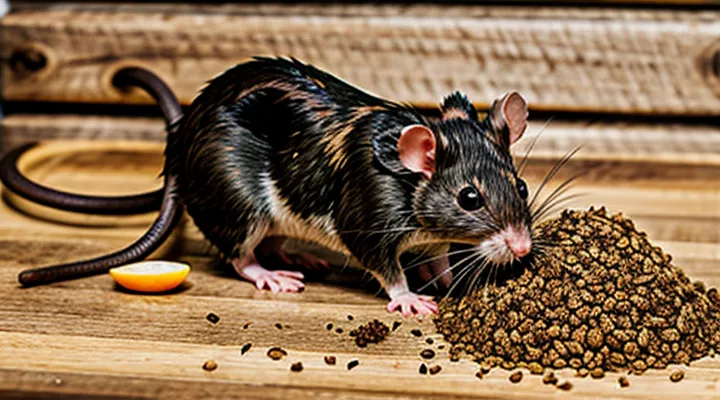
Understanding Your Rat's Nutritional Needs
Essential Nutrients for Rats
Protein Requirements
Rats need a diet that supplies sufficient high‑quality protein to support growth, tissue repair, and metabolic functions. Adult laboratory rats typically require 14–16 % protein on a dry‑matter basis, while growing juveniles may need 18–20 % to sustain rapid development. Protein levels below these ranges can lead to stunted growth, reduced reproductive performance, and weakened immune response.
When evaluating a product, verify the declared protein content and confirm that it reflects the dry‑matter percentage, not the moisture‑adjusted figure. Accurate labeling ensures that the animal receives the intended amount of amino acids per gram of food.
Key factors influencing protein quality include:
- Amino‑acid profile – Presence of essential amino acids such as lysine, methionine, and tryptophan in proportions matching rat nutritional requirements.
- Digestibility – Protein sources that are readily broken down and absorbed, typically indicated by high apparent digestibility scores (≥85 %).
- Source diversity – Combination of animal‑derived proteins (e.g., egg white, whey) and plant‑derived proteins (e.g., soy, peas) reduces the risk of deficiencies and balances anti‑nutritional factors.
Common protein ingredients suitable for rat diets:
- Egg white powder – high lysine content, excellent digestibility.
- Whey protein concentrate – rich in branched‑chain amino acids, fast absorption.
- Soy isolate – complete amino‑acid profile, low fat.
- Pea protein – moderate digestibility, lower allergen potential.
If a product lists multiple protein sources, assess the proportion of each to ensure the overall amino‑acid balance meets the rat’s needs. Supplementation with isolated amino acids is unnecessary when the primary protein mix is formulated correctly.
Monitoring the animal’s condition—body weight, coat quality, and activity level—provides practical feedback on whether the protein provision is adequate. Adjust the diet composition promptly if any signs of deficiency or excess appear.
Fat Requirements
Rats need dietary fat to supply energy, support cell membrane integrity, and enable absorption of fat‑soluble vitamins. Adult laboratory rats typically require 5–10 % of their total caloric intake from fat; juvenile rats may need slightly higher percentages to sustain rapid growth.
Essential fatty acids cannot be synthesized by rats and must be provided in the diet. Linoleic acid (omega‑6) and α‑linolenic acid (omega‑3) are the primary requirements. Adequate ratios of omega‑6 to omega‑3, commonly between 5:1 and 10:1, promote healthy inflammatory responses and cardiovascular function.
Common fat sources for rat feed include:
- Soybean oil – high in linoleic acid, inexpensive, stable at room temperature.
- Flaxseed oil – rich in α‑linolenic acid, sensitive to oxidation, best stored cold.
- Fish oil – provides long‑chain omega‑3 fatty acids (EPA, DHA), potent, used in small amounts.
- Lard – saturated and monounsaturated fats, supports energy density, limited essential fatty acids.
When formulating a rat diet, calculate total fat calories, verify the presence of both essential fatty acids, and maintain the recommended omega‑6/omega‑3 ratio. Regular analysis of feed composition ensures that fat levels remain within the target range and that the product stays nutritionally balanced.
Carbohydrate Requirements
Rats require a steady supply of carbohydrates to maintain energy levels, support brain function, and facilitate the synthesis of glycogen stores. Adult laboratory rats typically consume 10–15 % of their total caloric intake from carbohydrates, which translates to approximately 30–45 g of digestible carbs per kilogram of body weight per day. Juvenile rats exhibit a slightly higher proportion, up to 20 % of calories, to accommodate rapid growth.
Key considerations when evaluating carbohydrate content in a rat diet:
- Digestibility: Prefer complex carbohydrates such as wheat, barley, and corn that are readily broken down in the small intestine. Simple sugars (e.g., sucrose, fructose) should be limited to prevent metabolic imbalances.
- Fiber balance: Include insoluble fiber (e.g., cellulose) to promote gastrointestinal motility, while ensuring soluble fiber (e.g., oat β‑glucan) does not exceed 5 % of the diet to avoid excessive fermentation.
- Glycemic impact: Select carbohydrate sources with moderate glycemic indices to sustain stable blood glucose levels; avoid high‑glycemic ingredients that may cause spikes.
- Nutrient synergy: Ensure carbohydrate sources are paired with adequate protein, fat, vitamins, and minerals to achieve a complete nutritional profile.
Monitoring the carbohydrate proportion relative to total energy intake helps prevent obesity, hypoglycemia, and related health issues. Adjust formulations based on the specific strain, activity level, and life stage of the rats to achieve optimal metabolic performance.
Vitamins and Minerals
Vitamins and minerals are indispensable components of a balanced diet for pet rats. Adequate levels support growth, reproduction, immune function, and skeletal health. When evaluating commercial rat foods, verify that the label lists specific vitamins and minerals with quantities expressed per kilogram of product.
Key vitamins include:
- Vitamin A (retinol): essential for vision and epithelial integrity.
- Vitamin D3 (cholecalciferol): regulates calcium absorption and bone mineralization.
- Vitamin E (tocopherol): protects cell membranes from oxidative damage.
- Vitamin K: required for blood clotting processes.
- B‑complex vitamins (B1, B2, B3, B5, B6, B7, B9, B12): facilitate energy metabolism, nervous system function, and red blood cell formation.
Critical minerals comprise:
- Calcium and phosphorus: must be present in a ratio close to 1:1 to prevent skeletal deformities.
- Magnesium: co‑factor for enzymatic reactions and nerve transmission.
- Potassium and sodium: maintain fluid balance and nerve excitability.
- Iron: necessary for hemoglobin synthesis.
- Zinc, copper, and selenium: support immune response and antioxidant defenses.
Deficiency signs manifest as:
- Dull fur, weight loss, or stunted growth (vitamin A, zinc).
- Skeletal abnormalities, tremors, or seizures (vitamin D, calcium, phosphorus).
- Anemia, lethargy, or reduced appetite (iron, B‑vitamins).
Bioavailability influences effectiveness; chelated minerals and stabilized vitamin forms are more readily absorbed. Products that undergo heat processing may degrade heat‑sensitive vitamins; choose formulas that list added antioxidants or vitamin preservation methods.
To ensure nutritional adequacy:
- Compare declared vitamin and mineral concentrations against established rodent dietary guidelines.
- Confirm the presence of both macro‑ and trace elements in appropriate ratios.
- Prefer foods that guarantee minimal nutrient loss through packaging and storage conditions.
A diet meeting these criteria provides rats with the essential micronutrients required for optimal health and performance.
Foods to Avoid
Harmful Ingredients
When evaluating rodent feed, the presence of certain compounds can compromise health, reduce lifespan, and impair growth. Recognizing these substances enables owners to eliminate risks and maintain optimal wellbeing for their pets.
Common harmful ingredients include:
- Artificial colors (e.g., Red 40, Yellow 5) – May cause allergic reactions and stress the liver.
- Synthetic preservatives (BHA, BHT, ethoxyquin) – Linked to oxidative damage and potential carcinogenic effects.
- High levels of simple sugars – Promote obesity, dental disease, and metabolic disorders.
- Excessive salt – Can lead to hypertension and renal strain.
- Corn gluten meal – Low in essential amino acids, may result in protein deficiency.
- Soy protein isolate – Contains phytoestrogens that interfere with hormonal balance.
- Trans fats – Increase inflammation and cardiovascular risk.
To avoid these components, read ingredient lists carefully, prioritize products that list whole grains, vegetables, and high‑quality animal proteins first, and select brands that disclose nutritional analysis without reliance on vague terms such as “natural flavors” or “proprietary blend.” Choosing feed free from the items above supports robust health and reduces the likelihood of diet‑related ailments.
Unsuitable Food Types
Rats require diets that supply protein, fiber, and essential vitamins while avoiding substances that can cause digestive upset, toxicity, or long‑term health problems. Certain food categories consistently prove harmful and should be excluded from any rat feeding regimen.
- Chocolate and cocoa products – contain theobromine, which is toxic to rodents.
- Citrus fruits – high acidity can irritate the gastrointestinal tract.
- Sugary snacks (candies, pastries, soda) – provide empty calories and promote obesity and dental disease.
- Salty foods (chips, pretzels, processed meats) – excess sodium leads to dehydration and kidney strain.
- Raw or undercooked beans – contain hemagglutinin, a potent toxin that can cause severe gastroenteritis.
- Dairy items (milk, cheese) – many rats lack lactase, resulting in diarrhea and nutrient malabsorption.
- Processed human junk food (fast‑food fries, seasoned nuts) – includes unhealthy fats, artificial additives, and high levels of sodium.
Feeding these items can result in immediate symptoms such as vomiting, diarrhea, or lethargy, and may contribute to chronic conditions like liver disease, obesity, or renal failure. Selecting only nutritionally balanced, rat‑specific products eliminates these risks and supports optimal growth and longevity.
Types of Commercial Rat Food
Pelleted Diets («Blocks» or «Kibble»)
Advantages of Pelleted Diets
Pelleted diets provide a consistent nutrient profile that eliminates the variability found in mixed or loose feeds. Each pellet contains precisely measured amounts of protein, fat, fiber, vitamins, and minerals, ensuring that every bite meets the dietary requirements of laboratory and pet rats alike.
Key advantages include:
- Uniform nutrition – identical composition in every pellet prevents deficiencies and excesses.
- Reduced waste – pellets are less likely to be scattered, limiting contamination and spoilage.
- Ease of handling – bulk storage and automated dispensing simplify feeding routines.
- Improved digestibility – extrusion process enhances nutrient absorption and supports gut health.
- Stable shelf life – low moisture content inhibits mold growth and preserves vitamin potency.
The controlled formulation of pelleted feeds also supports accurate experimental data in research settings, where diet‑induced variability can compromise results. By delivering a reliable, hygienic, and nutritionally complete source, pelleted diets represent a practical choice for anyone seeking optimal rat nutrition.
Disadvantages of Pelleted Diets
Pelleted diets are a common commercial option for laboratory and pet rats, yet they present several drawbacks that can affect health and behavior.
- Limited texture variety – Uniform, hard pellets reduce opportunities for natural gnawing, potentially leading to dental wear or inadequate enamel maintenance.
- Reduced fiber diversity – Pellets often contain a single source of fiber, which may not support optimal gut microbiota balance and can cause digestive irregularities.
- Potential nutrient imbalances – Formulations may over‑emphasize protein or fat to meet caloric targets, risking obesity, renal strain, or metabolic disturbances.
- Decreased enrichment – Absence of foraging challenges eliminates a source of mental stimulation, increasing the risk of stereotypic behaviors and stress.
- Limited ingredient transparency – Manufacturers sometimes use proprietary blends, making it difficult to identify allergens or low‑quality components.
These factors suggest that reliance solely on pelleted products may compromise the nutritional adequacy and welfare of rats, encouraging supplementation with complementary foods that restore texture, fiber variety, and enrichment.
Seed Mixes and Muesli
Why Seed Mixes are Often Inadequate
Rats require a balanced diet that supplies adequate protein, essential fatty acids, vitamins, and minerals. Seed mixes, despite their popularity, frequently fail to meet these requirements.
Most commercial seed blends consist primarily of grains and oilseeds, which supply high carbohydrate levels but limited protein. Protein content often falls below the 15‑20 % recommended for adult rats, leading to muscle loss and reduced immune function. Fat sources in seed mixes are typically low in omega‑3 fatty acids, a nutrient critical for neurological development and skin health.
Vitamins and minerals are another weak point. Seed mixes rarely include fortified ingredients, resulting in insufficient calcium, phosphorus, and vitamin D. Deficiencies in these nutrients can cause bone demineralization and metabolic disorders. Additionally, the high fiber content of many seeds may interfere with nutrient absorption, especially when the fiber is insoluble.
Specific shortcomings of typical seed blends include:
- Protein < 15 % of total weight
- Omega‑3 fatty acids < 0.5 %
- Calcium‑to‑phosphorus ratio far from the ideal 1:1–1.5:1
- Absence of added vitamin A, D, and E
- Excessive soluble fiber leading to reduced mineral uptake
Rats fed exclusively on seed mixes often develop weight fluctuations, dental wear, and reduced reproductive performance. Incorporating formulated rat pellets, fresh vegetables, and occasional protein treats corrects these imbalances and promotes long‑term health.
Risks of Selective Eating
Selective feeding in rats poses significant health threats when owners prioritize preferred flavors over balanced nutrition. A narrow diet often lacks essential vitamins, minerals, and macronutrients, leading to:
- Vitamin A deficiency, causing poor vision and skin lesions.
- Calcium‑phosphorus imbalance, increasing the risk of bone demineralization and fractures.
- Inadequate protein intake, resulting in stunted growth and impaired immune response.
- Excessive carbohydrate concentration, promoting obesity and metabolic disorders.
Even when a favored product appears palatable, its composition may omit critical trace elements such as zinc or selenium, which support enzymatic activity and antioxidant defenses. Chronic omission of these micronutrients compromises organ function and reduces lifespan.
Behavioral patterns reinforce selective eating. Rats quickly reject unfamiliar textures, limiting exposure to diverse food sources that could correct nutritional gaps. Introducing variety through gradual mixing of approved formulations mitigates aversion while ensuring comprehensive nutrient coverage.
Owners should evaluate product labels for complete nutrient profiles rather than relying on flavor cues. A balanced rat diet requires proportional representation of protein, fat, fiber, vitamins, and minerals. Failure to meet these standards through selective consumption escalates the probability of disease, developmental abnormalities, and premature mortality.
Supplementing Commercial Diets
Fresh Fruits and Vegetables
Fresh fruits and vegetables provide essential vitamins, minerals, and dietary fiber that support the health of pet rats. These nutrients complement protein sources and help maintain digestive regularity, immune function, and dental health.
When selecting produce, prioritize items that are pesticide‑free, firm, and free of mold or bruises. Wash each piece thoroughly under running water, then peel or trim any inedible skins. Remove seeds from fruits such as apples and grapes, as they can pose choking hazards or contain toxic compounds.
Recommended varieties include:
- Carrots, sliced thinly for easy chewing
- Bell peppers, any color, diced
- Blueberries, offered whole in small quantities
- Spinach, lightly wilted to reduce oxalic acid content
- Zucchini, cut into bite‑size cubes
Portion control matters; a typical adult rat should receive no more than 10–15 % of its daily caloric intake from fresh produce. Overfeeding can lead to diarrhea or obesity. Introduce new items gradually, monitoring for signs of intolerance such as loose stool or reduced appetite.
Store fruits and vegetables in the refrigerator’s crisper drawer, separated from other foods to prevent cross‑contamination. Discard any leftovers after 24 hours to avoid spoilage and bacterial growth. Regularly rotating the selection ensures a broader nutrient profile and keeps the diet engaging for the animal.
Lean Proteins
Lean proteins supply the amino acids rats need for tissue repair, growth and metabolic functions. High‑quality protein sources deliver these nutrients without excessive fat, supporting a balanced diet while preventing obesity‑related health issues.
When evaluating protein products, consider the following criteria:
- Crude protein percentage of 15 %–25 % on a dry‑matter basis.
- Source identification (e.g., poultry, fish, egg, soy) with proven digestibility.
- Fat content not exceeding 5 % of the dry weight.
- Absence of added sugars, artificial flavors, or excessive sodium.
- Manufacturing standards that guarantee freshness and microbial safety.
Common lean protein options suitable for rats include:
- Cooked chicken breast, skinless and unseasoned.
- Boiled turkey meat, trimmed of visible fat.
- Egg white, fully cooked without oil.
- Low‑fat cottage cheese, plain and unsalted.
- Defatted soy isolate, incorporated into a grain‑free mix.
Integrating lean proteins effectively requires measured portions and regular scheduling. Offer 1–2 g of cooked meat per 100 g of body weight each day, divided into two feedings. Ensure proteins are cooled to room temperature before presentation to avoid burns. Store prepared portions in airtight containers, refrigerate for up to three days, and discard any leftovers beyond this period.
By adhering to these guidelines, caretakers can provide rats with protein that meets nutritional needs while minimizing excess calories and potential contaminants.
Occasional Treats
Occasional treats can enhance a rat’s diet when they complement the primary nutrition plan. Treats should be low‑calorie, free of artificial additives, and offered sparingly to prevent nutrient imbalance.
Suitable treat options include:
- Small pieces of fresh fruit such as apple or banana (remove seeds and core).
- Tiny portions of vegetables like carrot, broccoli, or leafy greens.
- Unsalted, unflavored nuts in very limited quantities (e.g., almonds, walnuts).
- Commercially formulated rat treats that list natural ingredients and contain no added sugars.
When integrating treats, follow these guidelines:
- Limit treats to no more than 5 % of total daily intake.
- Introduce new items one at a time, observing the rat for any digestive upset.
- Store fresh treats in the refrigerator and discard leftovers after 24 hours.
- Ensure the primary diet remains balanced, providing protein, fiber, and essential vitamins.
Regular monitoring of weight and overall health confirms that occasional treats support enjoyment without compromising nutritional standards.
Key Factors in Choosing Rat Food
Ingredient List Analysis
Identifying Quality Protein Sources
When selecting a protein component for a rodent diet, focus on digestibility, amino‑acid profile, and source purity. High digestibility ensures the animal extracts the maximum amount of nutrients from each gram of feed, while a balanced amino‑acid spectrum supplies essential building blocks for growth, tissue repair, and immune function. Purity reduces the risk of contaminants such as heavy metals, mycotoxins, or excessive fiber that can impair absorption.
Key indicators of a quality protein source include:
- Animal‑derived meals (e.g., chicken, turkey, fish): contain complete amino‑acid sets, high biological value, and are readily assimilated.
- Egg white powder: offers a superior lysine‑rich profile, minimal fat, and low allergen potential.
- Soy isolate: provides a plant‑based complete protein with low anti‑nutritional factors; processing removes most phytates.
- Pea protein concentrate: delivers a balanced amino‑acid composition, especially arginine and branched‑chain amino acids, with limited allergenicity.
- Insect meals (e.g., black soldier fly larvae): present a sustainable option, high protein content, and favorable chitin levels that support gut health.
Evaluate each candidate against laboratory‑verified metrics such as crude protein percentage, true digestibility (measured by ileal or fecal assays), and the presence of limiting amino acids. Prefer products that list a guaranteed analysis and include third‑party testing results. Avoid feeds where protein content is derived from low‑quality fillers or where the source is ambiguous, as these often mask suboptimal nutrition.
By applying these criteria, pet owners and breeders can ensure that the protein component of a rat’s diet meets the physiological demands of the species, promoting robust health and optimal performance.
Recognizing Healthy Fats
Healthy fats supply essential fatty acids, support cell membranes, and aid vitamin absorption in rats. Adequate inclusion prevents skin dryness, promotes reproductive health, and contributes to energy balance.
Signs of beneficial fats include:
- Presence of omega‑3 (EPA, DHA) and omega‑6 (linoleic acid) in known ratios.
- Inclusion of medium‑chain triglycerides from coconut or palm kernel oil.
- Absence of trans‑fatty acids and minimal saturated fat from animal sources.
Common rat‑friendly sources:
- Flaxseed oil – rich in alpha‑linolenic acid, a plant‑based omega‑3.
- Fish oil – provides EPA and DHA, highly bioavailable.
- Sunflower or safflower oil – supply omega‑6 with a favorable profile.
- Chia seeds – deliver omega‑3 and fiber when ground.
When reviewing commercial products, examine the ingredient list for the items above and verify that the fat content ranges between 5 % and 12 % of total calories. Prefer formulations that specify “cold‑pressed” or “extra‑virgin” to ensure minimal oxidation. Avoid products that list hydrogenated oils, shortening, or excessive animal fat, as these indicate unhealthy fat composition.
Avoiding Fillers and By-Products
Choosing a rat diet free of unnecessary additives safeguards health and promotes optimal growth. Fillers increase bulk without providing nutrients, while by‑products often indicate low‑quality processing. Both can impair digestion, reduce nutrient absorption, and increase the risk of obesity or metabolic disorders.
Common fillers include:
- Cornmeal and wheat bran used solely for texture
- Soy hulls that contribute fiber without essential amino acids
- Rice hulls and cellulose powders that inflate volume
Typical by‑products to avoid are:
- Meat meal derived from unspecified animal parts
- Rendered fats lacking clear source information
- Hydrolyzed proteins with ambiguous composition
Effective label evaluation follows these steps:
- Examine the ingredient list; prioritize whole grains, legumes, and identified protein sources.
- Verify that the first three ingredients constitute the majority of the formula.
- Confirm the absence of terms such as “by‑product” or “fillers” in the nutritional summary.
- Cross‑reference the product with reputable veterinary nutrition guidelines before purchase.
Nutritional Guarantees and Labels
Understanding Crude Protein, Fat, and Fiber Percentages
Crude protein indicates the proportion of nitrogen‑containing compounds that supply essential amino acids for growth, tissue repair, and immune function. In rodent diets, values between 14 % and 18 % meet the needs of adult rats, while breeding or growing individuals benefit from 18 %–22 %. Protein sources such as soy, wheat gluten, and animal meal provide a complete amino acid profile; their inclusion should be evident on the label.
Crude fat represents the energy‑dense component that supports thermoregulation, hormone synthesis, and absorption of fat‑soluble vitamins. A fat content of 3 %–6 % supplies sufficient calories without promoting excessive weight gain. Products that list vegetable oils, animal fats, or lard as primary fat sources usually deliver stable energy levels.
Crude fiber measures indigestible plant material that promotes gastrointestinal motility and fecal bulk. Rats require modest fiber to prevent constipation and maintain a healthy gut microbiome. Acceptable ranges fall between 2 % and 5 %; higher values may reduce digestible energy, while lower values can lead to dry stools.
When evaluating a product, compare these percentages against the following criteria:
- Protein ≥ 14 % for adults; ≥ 18 % for breeding or juveniles.
- Fat ≥ 3 % and ≤ 6 % to balance energy and body condition.
- Fiber ≥ 2 % and ≤ 5 % to support digestive health.
A balanced formulation aligns with the animal’s life stage, activity level, and health status. Labels that present the three percentages side by side enable quick assessment; discrepancies such as high fiber with low protein often signal a formulation aimed at weight control rather than optimal nutrition. Choose products where protein, fat, and fiber collectively meet the outlined ranges, ensuring a diet that sustains growth, reproduction, and overall well‑being.
Importance of Vitamin and Mineral Fortification
Vitamin and mineral fortification enhances the nutritional completeness of rodent diets, compensating for gaps that arise from ingredient variability and storage loss. Fortified formulas provide consistent levels of micronutrients that support growth, reproduction, and immune competence, reducing the risk of deficiency‑related disorders.
Key micronutrients and their physiological roles include:
- Vitamin A – maintains visual acuity and epithelial integrity.
- Vitamin D – regulates calcium absorption, essential for skeletal development.
- Vitamin E – protects cell membranes from oxidative damage.
- B‑complex vitamins (B1, B2, B6, B12, niacin, folic acid) – facilitate energy metabolism and neural function.
- Vitamin C – contributes to collagen synthesis and antioxidant defense.
- Calcium – required for bone mineralization and muscle contraction.
- Phosphorus – partners with calcium to form hydroxyapatite, the mineral matrix of bone.
- Magnesium – co‑factor for enzymatic reactions and nerve transmission.
- Iron – essential for hemoglobin formation and oxygen transport.
- Zinc – supports enzymatic activity, wound healing, and immune response.
When evaluating fortified products, follow these steps:
- Verify the label lists specific vitamin and mineral concentrations; avoid generic “added nutrients” statements.
- Compare declared amounts with established dietary recommendations for laboratory rats, ensuring each nutrient meets or exceeds the minimum requirement without surpassing safe upper limits.
- Check for bioavailability indicators, such as chelated minerals or inclusion of carrier substances that improve absorption.
- Assess product stability by reviewing expiration dates and storage conditions; micronutrient degradation can compromise efficacy.
Selecting a diet that integrates a balanced spectrum of fortified vitamins and minerals guarantees that rats receive the micronutrient support necessary for optimal health and experimental reliability.
Brand Reputation and Reviews
Researching Reputable Manufacturers
When selecting a rat food product, verifying the credibility of the manufacturer reduces the risk of nutritional deficiencies and hidden contaminants. Begin by confirming that the company holds industry‑recognized certifications such as ISO 9001 for quality management or GMP (Good Manufacturing Practice) compliance. These certifications indicate adherence to standardized production protocols and regular audits.
Key verification steps include:
- Review the ingredient list for full disclosure; reputable producers detail each component, including source and processing method.
- Examine third‑party laboratory results that confirm nutrient levels and absence of heavy metals, pesticides, or mycotoxins.
- Assess the company’s track record: years in operation, documented product recalls, and transparency in addressing any issues.
- Analyze consumer feedback on independent platforms; consistent positive ratings and detailed experiences support reliability.
- Verify the availability of a customer service channel that can answer specific formulation questions and provide batch‑specific testing data.
Finally, compare multiple manufacturers using the same criteria to identify the most trustworthy supplier. Consistent compliance with certification standards, transparent ingredient reporting, and documented third‑party testing collectively signal a manufacturer capable of delivering a nutritionally sound rat diet.
Consulting Other Rat Owners
When evaluating a rat’s diet, insights from experienced owners provide practical benchmarks that laboratory data alone cannot supply. Direct communication with fellow caretakers uncovers real‑world feeding patterns, product tolerances, and long‑term health outcomes.
Key steps for effective peer consultation:
- Identify active communities on platforms such as specialized forums, social‑media groups, or local pet‑store bulletin boards.
- Initiate discussions by presenting the rat’s age, weight, activity level, and any known sensitivities.
- Request detailed feedback on specific brands, ingredient lists, and observed results, including growth rates and coat condition.
- Share trial results promptly; document changes in appetite, stool consistency, and behavior to enrich the collective knowledge base.
Evaluating peer feedback requires critical filtering. Prioritize experiences from owners with rats of similar breed and health status, and corroborate anecdotal claims with nutritional labels that list protein, fat, fiber, and vitamin content. Disregard recommendations lacking clear evidence or those based on unverified sources.
Integrating peer advice with scientific guidelines streamlines the selection of a balanced rat diet, reduces trial‑and‑error periods, and fosters a supportive network that benefits all participants.
Transitioning to a New Diet
Gradual Introduction Methods
When a new diet is added, rats may reject unfamiliar flavors or experience digestive upset. Introducing a nutritious product slowly minimizes stress and encourages acceptance.
- Begin with a small portion (5–10 % of the daily ration) mixed into the current feed.
- Maintain the mixture for 2–3 days, observing consumption and stool consistency.
- Increase the proportion by 10 % every few days, never exceeding a complete switch within two weeks.
During the transition, record any signs of reduced appetite, abnormal droppings, or lethargy. If issues arise, pause the increase and revert to the previous ratio until the rat stabilizes.
A final blend of the new formula should match the original caloric and fiber content, ensuring balanced nutrition without overloading the animal’s system. Consistent monitoring and incremental adjustments guarantee a smooth shift to a healthier diet.
Monitoring Your Rat's Health and Weight
Monitoring a rat’s health and weight is essential for evaluating the suitability of its diet. Regular weighing establishes a baseline and reveals trends that indicate over‑ or under‑nutrition. Use a digital scale with 0.1 g precision; record weight at least once a week for juveniles and bi‑weekly for adults.
Assess body condition by feeling the ribs, spine, and hips. A thin rat shows prominent bones with minimal muscle cover, while a overweight rat has a rounded abdomen and reduced bone definition. Combine visual assessment with weight data to determine whether dietary adjustments are needed.
Track food intake to identify preferences and potential deficiencies. Measure the amount offered each day, note leftovers, and calculate average consumption per gram of body weight. Adjust portion sizes when weight deviates more than 5 % from the target range.
Schedule periodic health checks with a veterinarian familiar with rodents. Exams should include:
- Dental evaluation – overgrown incisors affect chewing efficiency and nutrient absorption.
- Skin and fur inspection – glossy coat and intact skin reflect adequate nutrition.
- Respiratory and gastrointestinal observation – sneezing, nasal discharge, or abnormal stool indicate health issues that may require dietary reformulation.
Maintain a log that includes date, weight, body‑condition score, food quantity, and any health observations. An organized record enables swift identification of patterns and supports informed decisions when selecting or modifying the rat’s diet.
Recognizing Dietary Problems
Choosing a rat diet without monitoring health indicators can lead to nutritional deficiencies or excesses. Early detection of dietary problems relies on observable changes in behavior, physical condition, and waste output.
Typical signs of imbalance include:
- Weight loss or rapid gain beyond normal growth curves
- Dull, brittle fur or loss of coat sheen
- Decreased activity, lethargy, or abnormal aggression
- Frequent diarrhea, soft stools, or unexplained constipation
- Dental wear, overgrowth, or malocclusion
Laboratory analysis of feed composition provides objective data. Verify that protein, fat, fiber, and micronutrient levels match the species‑specific requirements outlined by veterinary nutrition guidelines. Compare label values with independent test results; discrepancies may indicate substandard formulation.
When a problem is identified, adjust the ration by incorporating complementary foods that address the deficit. Gradual transition prevents gastrointestinal upset. Document the response over a two‑week period to confirm improvement before finalizing the diet plan.
DIY Rat Food Considerations
Advantages of Homemade Diets
Homemely prepared rat meals give owners direct control over ingredient quality. Selecting fresh vegetables, whole grains, and lean protein eliminates the uncertainty associated with commercial formulas, which often contain preservatives and filler substances.
A balanced homemade diet can be tailored to the specific nutritional needs of individual rats. Adjustments for age, activity level, or health conditions—such as dental wear or obesity—are straightforward when the recipe is crafted by the caretaker.
Cost efficiency is another benefit. Purchasing staple items in bulk and preparing meals at home typically reduces per‑serving expenses compared to premium packaged products.
Key advantages include:
- Precise nutrient ratios, ensuring adequate protein, fiber, and essential vitamins.
- Absence of artificial colors, flavors, and excess sodium.
- Immediate assessment of freshness; spoiled components can be discarded before feeding.
- Flexibility to incorporate seasonal produce, enhancing dietary variety.
- Transparent sourcing, allowing verification of ingredient origin and safety.
Overall, a DIY approach empowers rat owners to provide a nutritionally sound, economical, and customizable feeding regimen that aligns with the animal’s health objectives.
Challenges and Risks of Homemade Diets
Homemakers often assume that preparing rat meals from scratch guarantees optimal nutrition, yet this approach introduces several measurable difficulties. Precise nutrient ratios for rats are narrowly defined; deviations can cause deficiencies or excesses that affect growth, reproduction, and immune function. Calculating and sourcing each vitamin, mineral, and amino acid requires detailed knowledge of laboratory‑derived dietary standards, which most hobbyists lack.
Common sources of error include:
- Inconsistent protein quality; plant‑based proteins may lack essential amino acids required by rodents.
- Variable calcium‑phosphorus balance; excess calcium or insufficient phosphorus can lead to skeletal abnormalities.
- Uncontrolled fat content; high saturated fat increases the risk of hepatic lipidosis.
- Hidden toxins; certain vegetables contain oxalates or alkaloids that are harmless to humans but toxic to rats.
- Inadequate fiber; insufficient roughage disrupts gastrointestinal motility and microbiome stability.
Risk assessment extends beyond nutrient composition. Homemade recipes often omit trace elements such as selenium or copper, which are critical for enzymatic processes. Storage practices can introduce mold or bacterial growth, creating acute poisoning hazards. Moreover, batch‑to‑batch variability makes it difficult to monitor long‑term health outcomes, forcing owners to rely on frequent veterinary evaluations rather than predictable dietary performance.
Ensuring a Balanced Homemade Recipe
A balanced homemade diet for pet rats must contain protein, fat, fiber, vitamins and minerals in proportions that mirror their natural intake. Protein sources such as cooked chicken, boiled egg, or low‑fat cottage cheese should provide 15–20 % of the total caloric content. Essential fatty acids are supplied by small amounts of unsalted nuts, seeds or a drizzle of fish oil, limited to 2–3 % of the diet to prevent obesity. Fiber, crucial for gastrointestinal health, comes from finely chopped vegetables (broccoli, carrots, spinach) and whole‑grain cereals, comprising 30–35 % of the mixture. Calcium and phosphorus balance is achieved with a pinch of powdered bone meal or a commercial mineral supplement, ensuring a 1.2 : 1 ratio. Vitamin supplementation should include A, D, E and B‑complex, either through a fortified rat vitamin mix or occasional inclusion of liver and yolk.
Key steps for preparation:
- Cook all animal proteins thoroughly; avoid seasoning, salt or sauces.
- Steam or blanch vegetables to improve digestibility; cool before mixing.
- Combine dry ingredients (cereals, seeds, powder supplements) in a separate bowl.
- Blend wet and dry components until a cohesive but not overly moist texture is achieved.
- Portion the final mixture into daily servings; store leftovers in a sealed container in the refrigerator for no more than 48 hours.
Monitoring rat health includes weekly weight checks and observation of coat condition, activity level and stool consistency. Adjust protein or fiber ratios if weight gain exceeds 5 % of ideal body mass or if fecal output indicates digestive upset. Regular veterinary assessment confirms that micronutrient levels remain within safe limits.