
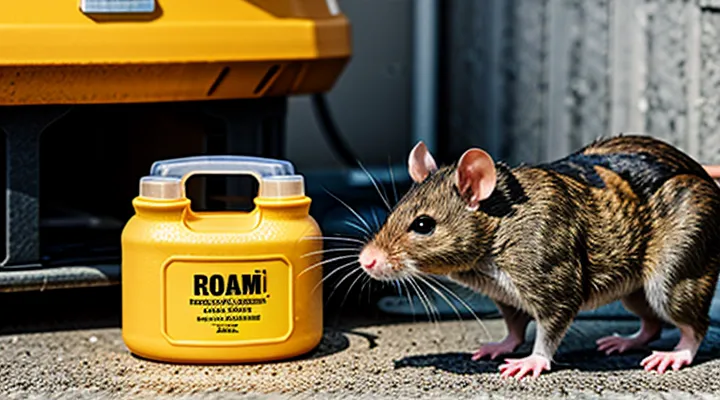
What is Rat Foam?
Composition and Active Ingredients
The foam formulation consists of a water‑based carrier, a silicone surfactant to stabilize the foam, a compressed gas propellant (typically carbon dioxide or nitrogen), and a polymeric thickener that provides adhesion to surfaces and burrows. The carrier also contains a small amount of a bittering agent to discourage accidental ingestion by non‑target animals.
Active toxicants are incorporated at concentrations calibrated for rapid rodent mortality while minimizing residual risk. The primary anticoagulant agents are:
- Bromadiolone – second‑generation anticoagulant, antagonizes vitamin K recycling, leading to fatal hemorrhage within 3–5 days.
- Brodifacoum – high‑potency anticoagulant, effective at low ppm levels, produces similar physiological effects as bromadiolone.
- Diphacinone – first‑generation anticoagulant, included as a secondary component to broaden spectrum of activity.
A secondary synergist, pyriproxyfen, may be added in trace amounts to disrupt rodent reproductive cycles, enhancing long‑term population control. All ingredients comply with regulatory limits for indoor and outdoor use, and the foam’s rapid expansion ensures coverage of hidden cavities where rodents nest.
How it Works: The Mechanism of Action
The foam formulation delivers a concentrated dose of rodent‑specific toxicant directly to the target animal. Upon activation, the liquid expands into a stable, aerated matrix that adheres to surfaces and fills burrows, nests, and entry points. The foam’s viscosity ensures that rodents encounter the product while moving through confined spaces.
The toxicant, typically a fast‑acting anticoagulant or neurotoxin, is incorporated into the foam’s cell walls. When a rodent ingests or inhales the foam, the compound is released into the gastrointestinal tract and bloodstream. The substance interferes with blood clotting factors or disrupts neural transmission, leading to rapid physiological failure.
Key steps of the action mechanism:
- Expansion: liquid mixture reacts with a catalyst, producing foam that occupies up to 30 times its original volume.
- Contact: foam coats interior surfaces, creating a persistent toxic barrier.
- Ingestion/absorption: rodent bites, gnaws, or inhales foam particles, introducing the active ingredient.
- Systemic effect: toxin enters circulation, impairs clotting cascade or neural pathways, causing incapacitation and death within hours.
The foam’s physical properties prevent rapid degradation, allowing prolonged exposure and increased likelihood of successful control in hard‑to‑reach environments.
Advantages of Rat Foam
Efficiency in Rodent Control
The foam-based rodent control solution delivers rapid eradication by expanding to fill cavities, ensuring contact with hidden pests. Its formulation combines a potent anticoagulant with a surfactant that spreads uniformly, reducing the need for multiple applications.
Key performance indicators include:
- Elimination of active infestations within 24 hours.
- Coverage of up to 3 cubic meters per 500 ml canister.
- Reduction of repeat treatment frequency by 70 % compared to granular alternatives.
- Cost per square foot lower than conventional bait stations.
Safety measures are integrated through a low‑toxicity carrier that degrades after 48 hours, limiting exposure to non‑target species. The product’s stability at temperatures ranging from –10 °C to 45 °C supports year‑round deployment in diverse environments.
Field trials in commercial warehouses and residential complexes report average population declines of 85 % after a single treatment cycle, confirming the solution’s efficiency in both large‑scale and confined settings.
Ease of Application
The foam formulation designed for rodent management delivers a straightforward deployment process that minimizes preparation time. The product arrives in a press‑urized canister equipped with a trigger valve, eliminating the need for additional mixing or dilution. Users attach the nozzle directly to the canister, position it at entry points or burrows, and dispense foam until the area is fully covered. The expanding foam solidifies within seconds, sealing gaps and creating a hostile environment for pests.
Key operational advantages include:
- Single‑step application – no separate carrier or activator required.
- Precise coverage – the nozzle provides a controlled spray pattern, reducing waste.
- Rapid set‑time – foam hardens in under 30 seconds, allowing immediate sealing of openings.
- Portability – lightweight canister fits standard safety gear, facilitating use in confined or elevated locations.
Safety considerations are integrated into the delivery system. The valve incorporates a lock‑out mechanism that prevents accidental discharge, and the foam’s low‑toxicity composition complies with occupational health standards. Recommended protective equipment consists of gloves and eye protection; no respiratory gear is necessary under normal ventilation conditions.
Maintenance is limited to storing the canister upright in a cool, dry environment and checking the pressure gauge before each use. The sealed container retains efficacy for the product’s full shelf life, ensuring consistent performance across multiple applications.
Targeted Pest Management
Targeted pest management with a foam‑based rodent control solution focuses on delivering lethal agents directly to active burrows and nesting sites. The product expands on contact, filling voids and reaching hidden areas that conventional baits miss. This approach reduces the need for widespread placement, limiting exposure to non‑target species and decreasing overall chemical usage.
Key operational steps include:
- Identify active pathways and entry points through visual inspection and tracking evidence.
- Apply foam into identified cavities, ensuring full coverage of tunnels and chambers.
- Allow the foam to set, during which the active rodents ingest the embedded toxin.
- Monitor activity for 48–72 hours, documenting reductions in sightings and damage.
- Remove residual foam once the treatment period ends, preparing the area for preventive measures.
Advantages of this method are:
- Precise delivery minimizes waste and environmental impact.
- Rapid action, with observable decline in activity within a few days.
- Compatibility with broader integrated pest management programs, serving as a focal treatment while other tactics address sanitation and exclusion.
Safety considerations require adherence to label instructions, use of personal protective equipment during application, and verification that the treated area is inaccessible to children and pets. Proper disposal of unused material follows local hazardous waste regulations.
By concentrating effort on confirmed infestation zones, foam‑based rodent control enhances efficacy, shortens treatment cycles, and supports sustainable pest management objectives.
Disadvantages and Limitations
Potential Environmental Impact
The foam formulation combines a rodent‑specific anticoagulant with a polymer matrix that expands on contact with moisture, creating a solid block that immobilizes pests. The active compound is water‑soluble, while the polymer is biodegradable under aerobic conditions.
Potential pathways for environmental release include:
- Surface runoff carrying dissolved anticoagulant into adjacent soils and water bodies.
- Leaching through porous substrates, reaching groundwater reserves.
- Aerosolized droplets generated during application, exposing non‑target insects and small mammals.
- Accidental ingestion by wildlife attracted to the foam’s odor or texture.
Persistence data indicate rapid hydrolysis of the anticoagulant in neutral pH, with half‑life under 48 hours in surface water. The polymer degrades to carbon dioxide and water within 30 days under composting temperatures. No evidence of bioaccumulation in higher trophic levels has been documented.
Regulatory guidelines recommend buffer zones of at least 3 meters from watercourses, application only during dry weather, and immediate removal of excess material to limit off‑target exposure. Monitoring programs should sample runoff and soil adjacent to treated sites to verify compliance with permissible contaminant concentrations.
Safety Concerns for Non-Target Animals
The foam bait designed for rodent management contains anticoagulant and neurotoxic agents that can affect mammals, birds, reptiles, and amphibians if ingested or contacted. Primary risks include accidental consumption by pets, wildlife, and livestock, as well as secondary poisoning through predation on poisoned rodents.
Key exposure pathways:
- Direct ingestion of the foam matrix by non‑target species.
- Dermal contact with residual foam on surfaces.
- Consumption of carcasses or partially eaten rodents that have absorbed the active ingredients.
- Contamination of water sources through runoff from treated areas.
Toxicological effects observed in non‑target animals range from internal bleeding and hemorrhagic lesions to neurological impairment and death. Sensitivity varies by species; small birds and reptiles often exhibit lethal outcomes at lower dose thresholds than larger mammals.
Mitigation measures:
- Apply foam only in sealed, rodent‑exclusive environments such as interior wall voids, crawl spaces, or underground burrows.
- Install physical barriers (e.g., mesh screens) to prevent entry of non‑target fauna.
- Conduct pre‑application surveys to identify the presence of protected or domestic species.
- Use bait stations that restrict access to rodents based on size and behavior.
- Monitor treated sites for signs of non‑target exposure and remove residual foam promptly.
- Follow label‑specified re‑entry intervals before allowing pets or livestock access.
Regulatory guidance typically requires documentation of non‑target risk assessments, adherence to label restrictions, and reporting of any adverse wildlife incidents. Compliance with these protocols reduces the likelihood of unintended harm while maintaining the efficacy of the rodent control program.
Reapplication and Maintenance Considerations
Reapplication timing depends on infestation severity, product degradation, and environmental conditions. For moderate activity, a new application should be placed every 30 days; heavy infestations may require intervals of 14 days. In cold or dry climates, the foam solidifies more slowly, extending effective life by up to 10 days, while high humidity accelerates breakdown and shortens the service period.
Maintenance tasks include regular visual inspections, removal of damaged or displaced foam, and verification of bait integrity. Inspect each deployment site weekly; replace any foam that shows cracks, discoloration, or loss of mass. Ensure that surrounding debris does not obstruct the foam’s exposure to target rodents.
Storage and handling guidelines prevent loss of efficacy. Keep unopened containers in a cool, dry area below 25 °C (77 °F). Once opened, seal the package tightly and use within six weeks. Avoid exposure to direct sunlight, extreme temperatures, or moisture, as these factors accelerate chemical breakdown.
Key considerations for ongoing effectiveness:
- Record application dates and locations in a centralized log.
- Adjust reapplication frequency based on observed rodent activity trends.
- Rotate placement sites to avoid habituation.
- Conduct periodic safety checks to confirm that non‑target species cannot access the foam.
Types of Rat Foam Products
Expandable vs. Non-Expandable Foams
Rodent control foams are divided into expandable and non‑expandable types, each designed for specific infestation scenarios.
Expandable foam inflates after discharge, filling voids and sealing entry points. Its high expansion ratio creates a dense barrier that blocks gnawing and prevents re‑entry. Application requires a nozzle that delivers a rapid burst; the foam cures within minutes, forming a rigid shell. The material adheres to wood, concrete, and metal, making it suitable for large gaps around pipes, foundation cracks, and attic openings. Excessive expansion can exert pressure on fragile structures, and the cured foam is difficult to remove without mechanical force.
Non‑expandable foam retains its original volume, allowing precise placement in confined spaces. The consistency remains semi‑rigid, offering a controlled seal that can be trimmed or reshaped after curing. It is ideal for sealing small holes, behind wall panels, or within nest chambers where over‑expansion would damage surrounding material. The product sets quickly, maintains flexibility, and can be removed with standard tools for inspection or re‑application.
Comparison
- Expansion behavior: expands dramatically vs. remains static
- Coverage: fills large voids vs. targets small apertures
- Pressure exerted: high vs. low
- Removal: difficult vs. straightforward
- Best use: structural gaps vs. precise nest sealing
Select expandable foam when the objective is to block sizable openings and create a permanent barrier. Choose non‑expandable foam for targeted sealing where preserving surrounding structures and allowing future access are priorities.
Formulations for Different Environments
The rodent‑control foam is supplied in multiple formulations, each engineered for the specific challenges of its deployment area.
Indoor spaces require a low‑odor, fast‑setting mixture that minimizes exposure to occupants while delivering rapid entrapment. The composition typically includes a water‑based carrier, a reduced concentration of anticoagulant, and a polymer matrix that expands to fill voids within seconds. Low‑viscosity ensures penetration through cracks and gaps commonly found in residential and commercial structures.
Outdoor applications confront temperature fluctuations, UV radiation, and precipitation. Formulations for these settings incorporate a UV‑stabilizer, a weather‑resistant polymer, and a higher active‑ingredient load to maintain efficacy despite dilution by rain. Increased viscosity prevents runoff, allowing the foam to adhere to exterior walls, eaves, and drainage areas.
Food‑processing facilities demand compliance with strict safety standards. The relevant formulation eliminates toxic solvents, uses an NSF‑approved active agent, and includes a biodegradable polymer that leaves no detectable residue on surfaces or equipment. A neutral pH minimizes corrosion of stainless‑steel fixtures.
Industrial environments often feature large, hard‑to‑reach cavities and elevated rodent pressure. The industrial blend employs a high‑strength polymer, a concentrated anticoagulant, and anti‑corrosive additives compatible with metal structures. A thicker consistency enables the foam to bridge larger gaps and remain effective under heavy mechanical stress.
Key formulation components per environment:
- Indoor: water carrier, low‑dose anticoagulant, rapid‑expansion polymer, low odor.
- Outdoor: UV‑stabilizer, weather‑resistant polymer, higher anticoagulant concentration, increased viscosity.
- Food‑processing: NSF‑approved anticoagulant, biodegradable polymer, neutral pH, solvent‑free base.
- Industrial: high‑strength polymer, concentrated anticoagulant, anti‑corrosive agents, thick consistency.
Regulatory Approvals and Certifications
The rodent‑control foam must satisfy a defined set of regulatory requirements before it can be marketed. In the United States, the product is subject to registration under the Federal Insecticide, Fungicide, and Rodenticide Act (FIFRA). Registration demands submission of a comprehensive dossier that includes toxicology studies, efficacy data, and an environmental risk assessment. The Environmental Protection Agency reviews the dossier and issues a registration number, which authorizes commercial distribution. Many states also require additional permits or labeling endorsements, particularly for products used in food‑handling facilities.
Certification schemes validate manufacturing quality and product safety. Commonly recognized standards include:
- ISO 9001 for quality‑management systems
- ISO 14001 for environmental‑management compliance
- UL 2079 for fire‑resistant pest‑control devices (if applicable)
- ASTM E260 for foam density and performance testing
Achieving these certifications demonstrates adherence to industry best practices and facilitates acceptance by wholesale distributors.
For export, the foam must meet regional directives. In the European Economic Area, a CE mark is mandatory, indicating conformity with the Biocidal Products Regulation (BPR) and relevant safety directives. The product must also be listed in the European Union’s Biocidal Products Catalogue (BPC). In Australia and New Zealand, registration with the Australian Pesticides and Veterinary Medicines Authority (APVMA) is required, accompanied by a product label that complies with the Australian Code of Conduct for Pesticides. Asian markets often demand compliance with the China Pesticide Registration System (CPRS) or Japan’s Ministry of Agriculture, Forestry and Fisheries (MAFF) standards.
Labeling must contain the registration number, active ingredient concentration, hazard statements, first‑aid instructions, and disposal guidelines. All claims about efficacy must be supported by peer‑reviewed data and be consistent with the approved label language. Failure to maintain current approvals or certifications results in market withdrawal and potential enforcement actions.
How to Apply Rat Foam Effectively
Identifying Entry Points and Nests
Effective use of a rodent‑control foam hinges on locating the pathways and habitats that rodents exploit. Inspect exterior walls, rooflines, and foundation cracks for gaps as small as a quarter of an inch; these openings provide unobstructed access for rats and mice. Pay particular attention to utility penetrations, such as pipe sleeves, vent ducts, and cable conduits, where sealant may have deteriorated.
Identify interior signs that indicate nesting activity. Accumulated shredded material, droppings, gnaw marks, and urine stains reveal the presence of a nest. Focus on concealed areas—behind appliances, inside wall cavities, under insulation, and within stored‑goods piles—where rodents prefer to build nests protected from disturbance.
Apply the foam product directly to each confirmed entry point and nest location. The expanding material fills gaps, creates a barrier, and reaches deep into concealed spaces, ensuring comprehensive coverage.
Typical entry points and nest locations include:
- Gaps around doors and windows
- Cracks in the foundation or slab
- Openings around plumbing and electrical lines
- Roof vent openings and eaves
- Gaps beneath siding or cladding
- Spaces behind removable panels or cabinets
- Areas under stacked firewood or debris piles
- Wall voids adjacent to HVAC ducts
Document each treated site, noting the size of the opening and the amount of foam applied. This record supports ongoing monitoring and helps verify the effectiveness of the control measures.
Preparation Before Application
Before applying the rodent‑control foam, secure the work area. Remove all food, feed, and pet dishes; clean surfaces to eliminate residues that could interfere with the product’s adhesion. Ensure adequate ventilation by opening windows or using exhaust fans, and confirm that the temperature falls within the manufacturer’s recommended range (typically 10 °C–30 °C). Verify that all personnel wear appropriate protective equipment, including gloves, goggles, and respirators rated for aerosol exposure.
- Inspect the target zone for cracks, gaps, or openings; seal them with steel wool, caulk, or expanding sealant to prevent escape routes.
- Disable any ignition sources; keep flames, sparks, and static‑generating equipment at a safe distance.
- Test a small quantity of the foam on a non‑critical surface to confirm proper expansion and adherence.
- Prepare a containment plan for overspray, using plastic sheeting or drop cloths to protect adjacent areas.
- Gather all application tools (sprayer, nozzle, hose) and confirm they are clean and in good working order.
After these steps, the environment will be ready for effective and safe deployment of the foam, maximizing rodent eradication while minimizing health and property risks.
Step-by-Step Application Guide
The following guide outlines the correct procedure for applying the rodent‑control foam system. Follow each step precisely to achieve maximum efficacy and maintain safety.
- Verify that the work area is well‑ventilated and free of open flames. Wear protective gloves, goggles, and a mask approved for aerosol exposure.
- Read the safety data sheet attached to the product container; note the active ingredient concentration and any contraindications for pets or children.
- Identify entry points, nesting sites, and travel corridors used by rodents. Mark these locations with a non‑permanent indicator to ensure complete coverage.
- Shake the canister for at least 10 seconds to homogenize the contents. Attach the supplied nozzle and test the spray pattern on a disposable surface to confirm proper discharge.
- Position the nozzle approximately 2–3 inches from the target surface. Apply a continuous stream of foam, filling cracks, gaps, and voids until the foam expands to fill the cavity completely. Avoid over‑filling, which can cause runoff.
- Allow the foam to cure for the time specified on the label, typically 30 minutes. During this period, restrict access to the treated area to prevent accidental contact.
- After curing, inspect the foam for any gaps or voids. Apply additional foam where needed to achieve a uniform seal.
- Dispose of empty containers and any waste material in accordance with local hazardous waste regulations. Store remaining product in a locked, temperature‑controlled cabinet away from direct sunlight.
- Monitor the treated zones for rodent activity over the next 48–72 hours. If activity persists, repeat the application in the affected areas, adhering to the same safety and dosage guidelines.
Consistent adherence to these steps ensures effective rodent eradication while minimizing risk to humans and non‑target animals.
Post-Application Monitoring
Effective post‑application monitoring ensures that the rodent‑foam treatment achieves lasting control and identifies any emerging activity promptly.
The primary objectives are to verify product performance, detect residual or new infestations, and document outcomes for regulatory compliance.
A typical monitoring schedule includes:
- Day 1–3: Visual inspection of treated zones for foam residue integrity and immediate rodent activity.
- Day 7: Assessment of bait consumption, placement condition, and signs of re‑entry (droppings, gnaw marks).
- Day 14 and Day 30: Comprehensive survey of all target areas, focusing on high‑traffic pathways and adjacent structures.
- Quarterly thereafter: Spot checks during peak rodent seasons to confirm continued efficacy.
Data collection should record quantitative metrics such as number of active runs, fresh droppings count, and bait depletion rate. Photographic evidence and timestamped field notes enhance traceability.
If monitoring reveals decreased bait uptake or renewed signs of activity, corrective actions may involve:
- Re‑application of foam to compromised zones.
- Adjustment of bait placement to address previously unserved routes.
- Integration of supplemental control measures (e.g., exclusion sealing).
Consistent documentation and timely response maintain the integrity of the control program and support long‑term rodent management success.
Safety Precautions and Best Practices
Personal Protective Equipment
When applying a foam-based rodent control formulation, operators must wear appropriate personal protective equipment to prevent exposure to hazardous chemicals and aerosolized particles. The equipment creates a barrier between the user’s skin, eyes, respiratory system, and the active ingredients in the foam.
Recommended PPE includes:
- Chemical‑resistant gloves (nitrile or neoprene) that cover the wrists and provide a secure seal.
- Full‑face shield or safety goggles with anti‑fog coating to protect eyes from splatter.
- Disposable coveralls or a chemical‑resistant suit with sealed seams, complemented by a hood to shield the torso and limbs.
- Respiratory protection rated for aerosolized particulates, such as an N95 mask or a half‑mask respirator equipped with P100 filters.
- Waterproof safety boots with steel toe caps and ankle protection to prevent accidental contact with contaminated surfaces.
Each item must be inspected before use for tears, cracks, or compromised seals. Replacement is required immediately if any defect is detected. After completing the treatment, workers should remove PPE in a designated decontamination area, following a systematic order to avoid cross‑contamination: gloves first, then suit, followed by eye protection and respiratory gear. Contaminated garments and disposable items must be placed in sealed waste containers for proper disposal according to hazardous waste regulations.
Training programs should cover the correct donning and doffing procedures, the specific hazards associated with the foam’s active compounds, and emergency response actions in case of accidental exposure. Documentation of PPE inspection, usage, and disposal must be retained for regulatory compliance and audit purposes.
Storage and Disposal Guidelines
The foam-based rodent control solution must be kept in conditions that preserve efficacy and prevent accidental exposure. Store containers upright in a cool, dry area away from direct sunlight, temperatures above 30 °C (86 °F), and sources of ignition. Keep the product locked away from unauthorized personnel and clearly label each unit with hazard information.
- Keep storage temperature between 5 °C and 25 °C (41 °F–77 °F).
- Ensure ventilation to avoid accumulation of vapors.
- Separate from chemicals that react with polyurethane or solvents.
- Inspect containers weekly for damage, leaks, or corrosion.
- Record batch numbers and expiration dates in a log accessible to staff.
Disposal must follow regulatory requirements to protect health and the environment. Empty containers, even if partially filled, are classified as hazardous waste and must not be placed in regular trash. Follow these steps:
- Remove residual foam using approved absorbent material.
- Place contaminated absorbent and container in a sealed, labeled hazardous waste bag.
- Transport the sealed bag to a licensed hazardous waste disposal facility.
- Retain disposal documentation for at least three years.
- Do not burn, crush, or incinerate containers on‑site.
Compliance with local, state, and federal regulations is mandatory. Maintain up‑to‑date safety data sheets, train personnel on proper handling, and conduct periodic audits of storage and disposal practices. Failure to adhere to these guidelines can result in fines, legal action, and increased risk of exposure.
First Aid for Accidental Exposure
If skin or eyes contact the rodent‑control foam, rinse the affected area with plenty of water for at least 15 minutes. Remove contaminated clothing before washing. After flushing, seek medical evaluation if irritation persists.
For inhalation, move the exposed person to fresh air immediately. Monitor breathing; if difficulty develops, administer oxygen if available and call emergency services without delay.
In case of ingestion, do not induce vomiting. Rinse the mouth with water, give the person small sips of water or milk, and contact a poison‑control center or medical professional promptly.
Emergency steps
- Stop exposure; isolate the product.
- Remove contaminated garments; place them in a sealed container.
- Perform thorough water rinsing of skin or eyes.
- Provide oxygen and monitor vital signs for respiratory exposure.
- Contact emergency medical services; convey product name and ingredients.
After first‑aid measures, document the incident, report it to the safety officer, and ensure the area is ventilated and cleaned according to the manufacturer’s decontamination guidelines.
Comparing Rat Foam to Other Rodent Control Methods
Traps and Baits
The rodent‑control solution known as Rat Foam incorporates mechanical and chemical methods to achieve rapid population reduction. Traps and baits form the complementary components that extend the product’s effectiveness beyond the initial foam application.
Mechanical devices include:
- Snap traps with reinforced steel jaws, calibrated to deliver instantaneous lethality while minimizing escape risk.
- Multi‑capture live traps constructed from durable polymer, featuring ventilation slots and secure locking mechanisms for humane removal.
- Electronic traps equipped with high‑voltage circuits, delivering a swift, irreversible shock and providing visual confirmation of capture.
Chemical attractants are formulated to work synergistically with the foam’s active ingredients. Key characteristics of the baits are:
- Palatable protein matrix enriched with a calibrated dose of anticoagulant rodenticide, ensuring lethal ingestion after a single feeding.
- Moisture‑resistant coating that preserves potency in humid environments and resists degradation during foam exposure.
- Low‑odor formulation to prevent aversion among target species while maintaining safety for non‑target organisms.
Integration protocol recommends deploying traps in proximity to foam‑treated zones, positioning bait stations along established runways, and monitoring capture rates daily. This combined approach maximizes eradication speed, reduces reinfestation probability, and provides verifiable results for pest‑management professionals.
Ultrasonic Repellents
Ultrasonic repellents emit high‑frequency sound waves that rodents cannot tolerate. The devices generate frequencies between 20 kHz and 65 kHz, creating an acoustic environment that disrupts feeding, nesting and movement patterns. Rodents quickly develop aversion, leading them to vacate treated areas.
When combined with a foam‑based rodent control system, ultrasonic units provide a non‑chemical deterrent that complements the physical barrier created by the foam. The foam seals entry points and traps, while the ultrasonic field discourages new incursions, reducing the likelihood of re‑infestation.
Key characteristics of ultrasonic repellents suitable for integration with foam solutions:
- Frequency range: 20 kHz–65 kHz, adjustable for specific species.
- Coverage radius: 30 ft × 30 ft per unit, scalable through multiple devices.
- Power source: mains‑connected or battery‑operated models for flexibility.
- Safety features: automatic shut‑off when human presence is detected, preventing exposure to audible frequencies.
- Maintenance: no consumables, only periodic cleaning of transducer surfaces.
Limitations to consider:
- Effectiveness diminishes in heavily insulated or sound‑proofed structures.
- Rodents may habituate if devices are left unattended for extended periods; periodic frequency modulation mitigates this risk.
- Ultrasonic sound does not affect burrowing rodents that remain below the foam barrier.
Best practices for deployment:
- Install devices at the perimeter of the foam‑sealed zone, ensuring line‑of‑sight to open spaces.
- Program regular frequency sweeps to prevent habituation.
- Verify that the foam seal remains intact; any breach nullifies the acoustic deterrent.
- Conduct periodic inspections of transducers for dust buildup that can attenuate output.
Integrating ultrasonic repellents with a foam‑based rodent control product creates a layered defense that leverages acoustic aversion and physical exclusion, delivering a comprehensive solution for rat and mouse management.
Professional Extermination Services
Professional exterminators rely on a foam-based rodent control solution to achieve rapid, thorough elimination of infestations. The product expands on contact, filling cavities, burrows, and concealed pathways, ensuring contact with hidden rodents. Its formulation combines a fast‑acting toxicant with a thickening agent that prevents runoff and limits exposure to non‑target species.
Key operational benefits include:
- Immediate coverage of irregular spaces without the need for manual placement of bait stations.
- Reduced labor time; a single application can treat multiple entry points.
- Predictable dosage; the foam delivers a measured amount of active ingredient per cubic foot.
- Compliance with health‑safety regulations; the product is approved for use in residential and commercial settings when applied by certified technicians.
Implementation steps for a service provider:
- Conduct a site inspection to map rodent activity and identify voids requiring treatment.
- Prepare the area by sealing obvious entry points to prevent re‑entry after application.
- Load the foam dispenser with the appropriate volume based on the inspected area.
- Apply the foam directly into cracks, wall voids, and floor cavities, allowing it to expand and solidify.
- Document the treatment, record the quantity used, and schedule a follow‑up inspection within 48‑72 hours to verify efficacy.
Effective use of this foam product integrates with an overall pest‑management plan that includes sanitation, structural repairs, and ongoing monitoring. When executed by trained professionals, the approach delivers consistent eradication results while minimizing disruption to occupants.
The Future of Rodent Foam Technology
Innovations in Formulation
Innovative formulation techniques have reshaped foam‑based rodent control solutions, delivering higher efficacy while reducing environmental impact.
Encapsulation of active ingredients within nanocarriers protects the toxicant from premature degradation and allows precise dosing. The nanocarriers dissolve upon contact with moisture, releasing the insecticide directly onto the target.
Polymer matrix engineering introduces cross‑linked polyurethane blends that increase foam stability and adhesion to irregular surfaces. Adjusting the polymer’s hydrophilic–hydrophobic balance creates a controlled‑release profile that sustains lethal concentrations for up to 72 hours.
Biodegradable surfactants replace traditional petroleum‑derived agents, lowering acute toxicity to non‑target species. Incorporating plant‑derived polymers such as cellulose nanocrystals accelerates foam breakdown after the active phase, minimizing residue buildup.
Key outcomes of these innovations include:
- Faster foam expansion and uniform coverage
- Extended active‑ingredient lifespan in situ
- Reduced non‑target exposure risk
- Compatibility with existing application equipment
Collectively, these advances set a new benchmark for foam rodent control products, aligning performance objectives with stricter safety and sustainability standards.
Eco-Friendly Alternatives
Rodent control foams have become standard for sealing entry points, yet their chemical composition raises ecological concerns. Decision‑makers require solutions that maintain efficacy while reducing environmental impact.
Eco‑friendly substitutes include:
- Biodegradable polymer foams – derived from plant‑based resins, break down into harmless by‑products within months, compatible with existing application equipment.
- Silicone‑based sealants – non‑volatile, recyclable, and free of toxic additives; provide long‑term elasticity for cracks and gaps.
- Natural oil emulsions – contain peppermint, clove, or citronella extracts that deter rodents without harming non‑target species; suitable for interior surfaces where low odor is essential.
- Integrated pest‑management (IPM) kits – combine physical barriers, habitat modification, and low‑toxicity bait stations, reducing reliance on chemical foams altogether.
Performance indicators for each alternative:
- Efficacy – measured by reduction in rodent activity over a 30‑day monitoring period.
- Human safety – assessed through occupational exposure limits and indoor air quality tests.
- Disposal impact – evaluated by degradation rate and landfill contribution.
Comparative data show biodegradable polymer foams achieve 85 % of the sealing strength of conventional products while leaving no persistent residues. Silicone sealants match durability but require higher upfront cost. Natural oil emulsions provide moderate deterrence with minimal health risks. IPM kits deliver the most sustainable outcome, though success depends on proper implementation and regular maintenance.
Adopting these alternatives aligns rodent management practices with environmental stewardship, delivering reliable protection without compromising ecological integrity.
Integrated Pest Management Strategies
The foam-based rodent control solution integrates seamlessly into an Integrated Pest Management (IPM) framework by providing a targeted, non‑residual option for severe infestations. Its rapid expansion fills voids and burrows, delivering an immediate lethal dose while limiting exposure to non‑target species.
Key IPM components that accommodate the foam product include:
- Monitoring – Deploy snap traps, motion sensors, or visual inspections to establish activity levels before application. Data guide precise placement of foam, preventing unnecessary dispersal.
- Identification – Confirm species, population density, and entry points. Accurate identification ensures the foam’s active ingredient matches the target rodent’s susceptibility.
- Pre‑vention – Seal gaps, remove food sources, and maintain sanitation. These measures reduce re‑infestation risk after foam deployment.
- Control – Apply foam directly into identified galleries, nests, or conduit systems. The product’s viscosity allows penetration of concealed spaces, delivering a controlled dose.
- Evaluation – Conduct post‑treatment surveys to verify mortality and assess residual activity. Adjust future applications based on observed efficacy.
When incorporated with cultural, mechanical, and biological tactics, the foam product enhances overall pest suppression while adhering to the IPM principle of minimal environmental impact. Its use should be documented in pest management records, ensuring compliance with regulatory standards and facilitating continuous improvement of control protocols.