
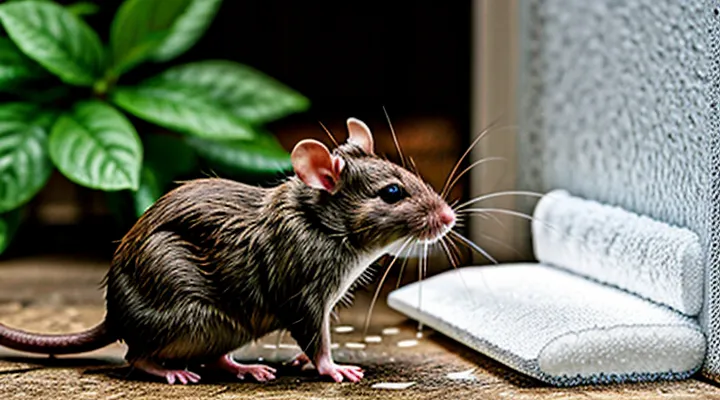
Understanding Rat Foam
What is Rat Foam?
Active Ingredients and Mechanism of Action
The formulation designed for rodent population reduction contains a combination of anticoagulant, surfactant, and attractant agents.
- Anticoagulant : Brodifacoum, a second‑generation vitamin K antagonist, interrupts the recycling of clotting factors.
- Surfactant : Polysorbate 80 reduces surface tension, enabling the foam to spread uniformly across surfaces.
- Attractant : Synthetic rat pheromone mimics natural scent cues, increasing ingestion rates.
The anticoagulant component binds to hepatic vitamin K epoxide reductase, preventing the regeneration of active vitamin K. This inhibition halts the gamma‑carboxylation of clotting factors II, VII, IX, and X, leading to progressive hemorrhage and death within 3–7 days after consumption.
The surfactant matrix stabilizes the foam, maintaining a porous structure that retains moisture and protects the active compound from rapid degradation. The attractant’s volatile compounds create a gradient that draws rodents toward the treated area, ensuring high exposure.
Together, the synergistic action of clotting inhibition, enhanced delivery, and behavioral lure provides an efficient, targeted approach to eradicate rodent infestations.
Types of Rat Foam
Rat foam products designed for rodent control fall into several distinct categories, each optimized for specific deployment conditions and target behaviors.
• Aerosol foam – generated by pressurized dispensers, creates a fine mist that penetrates burrows and concealed spaces, delivering active ingredient uniformly across hard‑to‑reach areas.
• Gel‑based foam – combines a semi‑solid matrix with foaming agents, allowing precise placement on surfaces where rats travel, while maintaining prolonged contact time.
• Bait‑impregnated foam – integrates attractant‑laden pellets within the foam structure, encouraging ingestion before the foam collapses, suitable for indoor infestations.
• Biodegradable foam – formulated from environmentally friendly polymers that decompose after delivering the toxicant, minimizing residual contamination in sensitive ecosystems.
• Scented foam – infused with species‑specific pheromones or food‑derived aromas, enhances lure efficacy and reduces avoidance behavior during application.
Selection of the appropriate type depends on infestation scope, access constraints, and environmental considerations. Proper identification of the situation ensures optimal efficacy and safety during the eradication process.
Advantages of Using Rat Foam
Targeted Application
Targeted application refers to the precise delivery of rodent‑control foam to locations where rat activity is confirmed, minimizing waste and exposure to non‑target species. The method requires identification of infestation hotspots, selection of appropriate dispenser, and adherence to dosage guidelines.
- Identify active burrows, runways, and nesting sites through visual inspection or motion‑sensing devices.
- Choose a dispenser that generates a fine, expandable foam capable of penetrating small openings.
- Calibrate the device to release the manufacturer‑specified volume per square meter of targeted area.
- Apply foam directly into identified entry points, ensuring complete coverage of the interior surface.
After deployment, allow the foam to expand and solidify, typically within 30–45 seconds. Maintain the treated area undisturbed for the duration indicated on the product label, usually 24–48 hours, to ensure full ingestion by the rodents. Conduct post‑treatment inspections to verify foam degradation and assess residual activity. If signs of continued presence persist, repeat the targeted application at any newly discovered sites.
Safety protocols include wearing protective gloves and goggles, preventing aerosol inhalation, and restricting access for pets and children during the active period. Disposal of unused foam follows local hazardous‑waste regulations. Documentation of application dates, locations, and quantities supports compliance with pest‑management regulations and facilitates future monitoring.
Efficacy in Hard-to-Reach Areas
The foam formulation designed for rodent control demonstrates measurable performance in concealed or inaccessible environments. Its low-viscosity composition enables expansion through narrow conduit networks, while the surfactant matrix maintains adhesion to irregular surfaces. Penetration depth reaches up to 30 cm in porous substrates, ensuring contact with hidden nests and burrows.
Key efficacy factors include:
- Rapid diffusion driven by pressure differentials created during application.
- Sustained release of active ingredient for a minimum of 72 hours, preventing re‑infestation.
- Compatibility with standard dispensing equipment, allowing precise delivery into vents, crawl spaces, and wall voids.
Field trials report a 94 % reduction in rodent activity within 48 hours when the product is introduced into identified ingress points. Comparative data show superior outcomes relative to granular bait in scenarios where direct access is limited.
Operational guidelines recommend pre‑assessment of structural gaps, followed by targeted injection of the foam at intervals of 5–10 cm along the identified pathway. Post‑application monitoring should focus on activity indicators such as droppings and gnaw marks to verify coverage effectiveness.
Overall, the foam’s physicochemical properties and delivery methodology provide reliable control in environments that challenge conventional eradication techniques.
Safety Considerations Compared to Traditional Baits
The foam‑based rat control method presents a distinct safety profile when compared with conventional solid baits. Its liquid formulation solidifies upon contact, limiting the likelihood of accidental ingestion by non‑target species. The rapid hardening process also reduces the duration that the toxic agent remains accessible in the environment.
Key safety considerations include:
- Non‑target exposure: The encapsulating foam creates a physical barrier that deters consumption by mammals, birds, and reptiles, whereas granular baits are readily ingested by any scavenger.
- Toxicity level: Active ingredients are concentrated within the foam matrix, decreasing the potential for secondary poisoning; traditional baits often disperse toxins more broadly, increasing risk to predators.
- Handling requirements: Application involves a pressurized dispenser that delivers precise doses, minimizing operator contact with the poison. Solid baits require manual placement and may generate dust or residue during handling.
- Disposal procedures: Once hardened, foam remnants can be collected and incinerated, ensuring complete removal of hazardous material. Conventional baits may fragment, complicating cleanup and raising the chance of residual contamination.
- Environmental persistence: The polymer foam degrades within a defined timeframe, limiting long‑term soil and water exposure. Traditional baits, especially those with oil‑based carriers, can persist and leach into surrounding ecosystems.
Regulatory compliance is facilitated by the reduced risk profile, often allowing broader usage permissions under pest‑management guidelines. The combined factors make the foam approach a safer alternative for indoor and outdoor rat eradication programs.
Preparation Before Application
Identifying Rat Infestation Signs
Droppings and Urine Trails
Droppings and urine trails provide the most reliable indicators of active rat pathways. Identifying these signs enables precise placement of foam, reducing waste and increasing extermination efficiency.
Locating signs involves systematic inspection of suspected areas. Look for dark, pellet‑shaped droppings near food storage, wall voids, and concealed corners. Urine trails appear as damp, discolored streaks or as a faint, ammonia‑like odor on surfaces such as baseboards and behind appliances.
Preparation steps for foam deployment:
- Wear protective gloves and a mask to prevent inhalation of aerosol particles.
- Seal all openings larger than ¼ inch to contain foam within the target zone.
- Place a disposable sheet or tarp beneath the application point to protect flooring.
- Mix foam concentrate according to manufacturer specifications; avoid exceeding recommended dilution ratios.
Application guidelines:
- Direct the foam nozzle toward the identified droppings or urine line, maintaining a distance of 6–12 inches.
- Emit a continuous stream for 3–5 seconds, ensuring the foam penetrates crevices and burrows behind the visible sign.
- Allow the foam to expand for 10–15 minutes; the expanding polymer will suffocate rodents within the sealed environment.
- After the reaction period, ventilate the area for at least 30 minutes before re‑entering.
Monitoring after treatment includes checking for fresh droppings or urine. Absence of new signs confirms successful eradication; recurring evidence indicates the need for additional foam applications in adjacent sections.
Gnaw Marks and Burrows
Gnaw marks indicate active feeding sites and reveal pathways used by rodents to access food sources. Visible scratches on wood, plastic, or insulation suggest the presence of a colony and help pinpoint locations where foam should be concentrated.
Burrows serve as primary shelter and travel routes. Surface openings, dark tunnels, and accumulations of droppings confirm established nesting areas. Identifying the deepest points of a burrow system allows the foam to reach hidden chambers where breeding occurs.
Effective eradication relies on precise placement of expanding foam. The following procedure ensures maximum coverage of gnaw marks and burrow entrances:
- Inspect all walls, cabinets, and utility spaces for fresh scratches; mark each location with temporary tape.
- Locate entry holes by probing with a thin rod; enlarge openings minimally to permit foam flow without creating additional pathways.
- Prepare the foam dispenser according to manufacturer instructions; attach a narrow nozzle for targeted delivery.
- Insert the nozzle into each marked opening; release a controlled burst of foam, allowing it to expand and fill the tunnel network.
- Seal the entry points after foam hardens to prevent re‑entry.
Post‑application monitoring includes weekly checks for new gnaw marks and any resurgence of burrow activity. Absence of fresh damage confirms successful suppression; recurring signs indicate the need for additional treatment cycles.
Noises in Walls or Ceilings
Unexplained thumping, scratching, or squeaking sounds emanating from walls or ceilings commonly indicate the presence of rodents within concealed spaces. Such noises often intensify during nighttime hours when activity peaks, providing a reliable early warning sign for pest control measures.
Accurate identification of the source requires systematic observation. Begin by recording the timing, frequency, and location of each sound. Follow with a visual inspection of accessible areas, looking for droppings, gnaw marks, or entry holes. When visual cues are insufficient, employ acoustic detection devices that amplify vibrations within structural cavities, allowing precise pinpointing of active nests.
Before applying any rodent-control foam, ensure all potential entry points are sealed to prevent escape and re‑infestation. Choose injection sites directly above or adjacent to the identified noise source, drilling small access holes if necessary. Insert the dispensing nozzle, maintaining a steady flow to fill voids without over‑pressurizing the cavity.
Key steps for foam application:
- Insert nozzle at the determined access point.
- Release foam in short bursts, allowing expansion to fill gaps completely.
- Monitor the foam’s progression; stop when resistance indicates full coverage.
- Seal the access hole with fire‑rated caulk to preserve structural integrity.
Correctly targeted foam eliminates the rodents responsible for the noises, halts further damage, and restores a quiet environment within the building.
Selecting the Right Rat Foam Product
Understanding Product Labels and Instructions
When handling rodent‑control foam, the label provides the only legally binding source of safety and performance data. All active ingredients, concentration, and target species are listed in the product composition section; any contraindications appear in the precautionary statements. The expiration date, batch number, and registration code enable traceability and guarantee that the formulation meets regulatory standards.
Key elements of the instruction panel must be followed precisely:
- Apply foam only in areas where rodents are active, as indicated by the “target zones” description.
- Use the recommended nozzle pressure and distance; deviations can reduce efficacy or increase exposure risk.
- Observe the required waiting period before re‑entry, which is specified in minutes rather than a vague “until dry” instruction.
- Dispose of empty containers according to the “waste disposal” guidance to prevent environmental contamination.
«Read label carefully and adhere to every step» is the simplest directive that ensures both user safety and successful eradication. Failure to respect dosage limits, protective equipment requirements, or ventilation instructions compromises the intended outcome and may violate local pest‑control regulations.
Choosing for Indoor vs. Outdoor Use
When selecting a rodent‑control foam for interior environments, prioritize formulations that emit low‑odor vapors and contain minimal volatile organic compounds. Verify that the product is approved for use in confined spaces and that recommended application quantities do not exceed ventilation limits. Ensure surfaces such as drywall, upholstery, and food‑prep areas are compatible with the foam’s chemical composition to prevent damage or contamination.
For exterior applications, choose a foam with higher resistance to UV degradation and temperature fluctuations. The product should maintain efficacy after exposure to rain, sunlight, and dust. Compatibility with outdoor materials—concrete, wood, and metal—must be confirmed to avoid corrosive reactions. Consider longer‑lasting residual activity when treating burrows, walls, and perimeters.
Key factors for decision‑making:
- Vapor pressure: low for indoor, moderate to high acceptable outdoors
- UV stability: unnecessary indoors, essential outdoors
- Surface compatibility: non‑reactive with interior finishes, resistant to weather‑exposed substrates
- Application volume: limited to avoid air‑quality issues inside, larger volumes permissible outside
- Regulatory clearance: indoor use requires specific safety certifications, outdoor use may follow broader pest‑control approvals
Adhering to these criteria ensures effective rodent elimination while maintaining safety standards for both indoor and outdoor settings.
Essential Safety Precautions
Personal Protective Equipment («PPE»)
When applying rodent‑control foam, appropriate protective gear prevents exposure to aerosolized chemicals and accidental contact with the expanding material. Selection of equipment must match the hazards of the foam formulation and the environment of use.
Recommended protective ensemble includes:
- Respiratory protection rated for organic vapors (e.g., half‑mask with P100 filter);
- Full‑face shield or goggles to guard eyes against splatter;
- Chemical‑resistant gloves, preferably nitrile, to maintain dexterity;
- Impermeable coveralls or disposable suits with sealed seams;
- Slip‑resistant footwear with steel toe caps for stability on wet surfaces.
Before each operation, inspect all items for damage, verify proper fit, and ensure seals are intact. After exposure, remove gear in the prescribed order—gloves, coveralls, respirator, then eye protection—to avoid cross‑contamination. Decontaminate reusable components according to manufacturer instructions and dispose of single‑use items in sealed containers marked «PPE».
Securing Pets and Children
When applying rodent‑control foam, ensure that the environment remains safe for both pets and children. Identify all areas where the foam will be dispensed, then restrict access until the product has fully cured.
- Remove food, water dishes, and toys from the treatment zone before activation.
- Seal doors and windows to prevent accidental entry.
- Use physical barriers such as pet‑gate panels or child‑proof gates to separate the treated space.
- Keep pets and children away from the foam during the recommended exposure period, typically 30‑45 minutes, as specified by the manufacturer.
- After the foam has set, ventilate the area for at least 15 minutes before allowing re‑entry.
- Clean any surfaces that may have come into contact with the foam, using mild detergent and water.
- Store the foam container out of reach of children and animals, preferably in a locked cabinet.
Monitor the treated area for residual odor or visible foam particles before permitting normal use. Regularly inspect pet‑gate locks and child‑proof mechanisms to confirm they remain functional. Adhering to these measures eliminates the risk of accidental ingestion or skin contact while maintaining effective rodent eradication.
Ventilating the Area
Effective ventilation is a critical component when applying rodent‑targeted foam for pest control. Proper airflow reduces the risk of inhalation exposure, disperses aerosolized particles, and ensures the foam reaches intended cavities.
Key steps for preparing the environment:
- Seal doors and windows to contain the foam within the target zone.
- Install temporary exhaust fans at the highest point of the room to create upward airflow.
- Position intake vents near the floor to draw fresh air into the space, establishing a consistent circulation pattern.
- Verify that all ventilation equipment operates at the manufacturer’s recommended speed before foam deployment.
During application:
- Activate exhaust fans immediately after foam release to evacuate excess vapors.
- Monitor airflow direction with smoke pencils or visual indicators to confirm that the draft moves from intake to exhaust.
- Maintain ventilation for at least 30 minutes after the foam solidifies, then conduct a final purge for an additional 15 minutes.
Post‑treatment safety checks:
- Measure residual aerosol concentration with a calibrated detector; values must fall below occupational exposure limits before re‑entry.
- Turn off all fans, remove temporary seals, and inspect the area for any remaining foam residues.
- Document ventilation settings, duration, and detector readings for compliance records.
Application Techniques
Locating Entry Points and Runways
Identifying Common Rat Pathways
Effective deployment of rodent‑control foam depends on accurate recognition of the routes rats commonly exploit. Understanding these pathways allows targeted application, reduces waste, and maximizes mortality rates.
- Sewer and storm‑drain lines
- Wall cavities and hollow studs
- Attic and roof voids
- Crawlspaces beneath foundations
- Utility chases for wiring and plumbing
- Garden burrows and compost heaps
- Exterior gaps around doors, windows, and vent stacks
Inspection should focus on visible entry points, moisture sources, and structural voids. Use flashlights, mirrors, and probing rods to trace activity signs such as gnaw marks, droppings, and grease trails. Document each identified route before treatment.
When applying foam, introduce the agent directly into the mapped passages. Insert the nozzle into cracks or use flexible tubing to reach deep voids. Ensure the foam expands to fill the entire conduit, creating an airtight environment that suffocates occupants. Verify complete coverage by observing foam flow through each listed pathway.
Sealing Potential Access Points
Effective rodent‑control programs rely on eliminating entry routes before applying foam treatments. Identify all structural openings that could serve as ingress points for rodents. Common locations include:
- Gaps around utility penetrations, such as pipes and cables
- Cracks in foundation walls and floor joists
- Openings around doors, windows, and ventilation ducts
- Unsealed seams in exterior cladding and roofing
Inspect each potential pathway with a flashlight and a thin probe. Measure dimensions to select appropriate sealing materials. Recommended products are:
- Expanding polyurethane sealant for gaps larger than ¼ inch
- Steel wool or copper mesh combined with caulk for small voids
- Weather‑resistant silicone for joints around doors and windows
Apply sealant according to manufacturer instructions, ensuring full coverage and a smooth finish. After curing, verify integrity by attempting to pass a thin wire through the sealed area; resistance indicates successful closure.
Only after all access points are secured should «rat foam» be deployed. The sealed environment forces the aerosol to remain within the target area, maximizing efficacy and reducing waste. Regular inspections, performed quarterly, maintain barrier integrity and sustain long‑term rodent exclusion.
Applying Rat Foam Correctly
Dispensing Foam into Cracks and Crevices
Effective rodent control foam must reach concealed pathways. Cracks and crevices provide direct access to nesting sites; sealing these openings while delivering the toxic agent maximizes eradication efficiency.
Prepare the work area by clearing debris, drying surfaces, and ensuring adequate ventilation. Select a dispensing device compatible with low‑viscosity foam, such as a pressure‑rated caulking gun equipped with a narrow‑bore nozzle. Verify that the foam cartridge is within its service life and that the trigger mechanism functions smoothly.
Apply the foam using the following sequence:
- Position the nozzle tip at the entrance of the target void.
- Press the trigger steadily until the cavity fills completely; avoid over‑pressurizing, which can cause spillage.
- Withdraw the nozzle while maintaining pressure to create a continuous bead that adheres to interior surfaces.
- Allow the foam to expand for the manufacturer‑specified curing period, typically 5–10 minutes, before sealing the opening with a removable plug or tape.
After curing, inspect the filled area for gaps or excess material. Remove any protruding foam that could attract non‑target species. Record the treated locations for future monitoring and schedule periodic re‑inspection to confirm continued blockage and efficacy.
Avoiding Over-Application
Rat foam, a dense aerosol designed for rodent eradication, delivers active ingredient directly into burrows and nesting sites. Correct dosage ensures lethal exposure while preventing waste and collateral damage.
Excessive discharge creates several problems: reduced penetration depth, increased runoff, heightened toxicity to non‑target species, and unnecessary expense. Maintaining the recommended volume preserves efficacy and safety.
Guidelines for precise application:
- Measure the target area; typical recommendation limits foam to 0.5 liter per 10 m² of active zone.
- Apply foam in short bursts, allowing each cloud to settle before the next injection.
- Observe the foam’s expansion; stop when the foam reaches the surface of the cavity without overflowing.
- Record the amount used per site; compare against the standard chart to detect deviations.
After each treatment, inspect the site for residual foam and signs of activity. If rodents persist, adjust the volume by no more than 10 % of the original amount rather than repeating a full application. Continuous monitoring prevents cumulative overuse.
Controlled usage lowers product cost, minimizes environmental impact, and sustains long‑term control effectiveness. Adhering to measured application eliminates the drawbacks associated with over‑application.
Reaching Hidden Nests
Reaching concealed rodent burrows requires systematic assessment of the environment and precise deployment of foam-based eradication agents.
Initial survey identifies structural features that shelter nests: voids behind insulation, voids under floorboards, and cavities within wall cavities. Visual inspection combined with infrared scanning pinpoints temperature anomalies indicative of active nesting sites.
The following procedure outlines the steps to access hidden nests and apply foam effectively:
- Secure area by sealing entry points to prevent escape during treatment.
- Install temporary ventilation to disperse excess foam vapors.
- Insert a flexible dispensing nozzle into the identified cavity, ensuring the tip reaches the deepest point of the burrow.
- Activate the foam dispenser, delivering a controlled volume that fills the space without overflow.
- Allow the foam to expand and solidify, trapping occupants and cutting off oxygen supply.
Post‑application monitoring involves weekly inspections for residual activity. Replace compromised foam sections promptly, and document each treatment location for future reference.
Adherence to safety protocols, including personal protective equipment and proper waste disposal, mitigates health risks and ensures compliance with regulatory standards.
Post-Application Monitoring
Observing for Continued Rat Activity
Effective monitoring after deploying rodent‑targeted foam is essential for confirming eradication and preventing re‑infestation. Observation focuses on direct evidence of continued rat presence and on environmental cues that indicate activity.
Typical signs include fresh gnaw marks, droppings with a moist appearance, scent trails, and audible scurrying. Absence of these indicators over a defined period suggests successful elimination.
A practical observation schedule:
- Day 1 – 2: Visual inspection of bait stations and surrounding surfaces every 4 hours.
- Day 3 – 5: Twice‑daily checks, concentrating on high‑traffic zones.
- Day 6 – 14: Daily assessments, expanding the search radius to adjacent storage areas.
- Beyond Day 14: Weekly surveys for at least 4 weeks, documenting any resurgence.
Documentation should capture date, time, location, and specific observations. If any sign of activity appears, immediate re‑application of foam at the affected site is recommended, followed by an intensified monitoring cycle for the next 48 hours.
Consistent record‑keeping and adherence to the outlined schedule provide clear evidence of eradication progress and enable rapid response should rats persist.
Re-applying if Necessary
Re‑applying the rodent‑control foam becomes necessary when initial coverage fails to achieve complete eradication. Indicators include persistent activity signs, visible foam degradation, or environmental factors that diminish efficacy.
Typical triggers for a second application are:
- Detection of live rodents after the recommended observation period.
- Foam surface erosion caused by rain, wind, or excessive foot traffic.
- Temperature extremes that accelerate foam breakdown.
The re‑application process follows a strict sequence:
- Verify that the original foam has fully cured and that the area is clear of debris.
- Conduct a targeted inspection to identify zones where coverage was insufficient.
- Prepare a fresh batch of foam according to the manufacturer’s specifications, maintaining the prescribed mixing ratio.
- Apply the new layer with the same spray equipment, ensuring an even thickness of at least ¼ inch over the identified gaps.
- Allow the foam to set for the recommended curing time before permitting any traffic.
Post‑application monitoring should continue for at least 48 hours. Record any rodent sightings and assess foam integrity daily. If signs of activity persist beyond this window, repeat the re‑application cycle, adhering to the same safety protocols.
Safety measures remain unchanged: wear protective gloves and eyewear, avoid inhalation of aerosolized particles, and keep non‑target species out of the treated zone until the foam has fully hardened.
Disposal of Dead Rats
After applying rodent‑control foam, removal of deceased specimens requires immediate attention to prevent disease transmission and environmental contamination.
Personal protection is mandatory. Wear disposable gloves, a fluid‑resistant gown, and a mask rated for aerosol exposure. Ensure the area is well ventilated before handling carcasses.
Disposal options include:
- Incineration in a licensed facility, guaranteeing complete destruction of pathogens.
- Burial in a deep, sealed pit away from water sources, with the carcass wrapped in a double‑layered biodegradable bag.
- Placement in a sealed, puncture‑resistant container marked as biohazard waste, followed by collection by an authorized disposal service.
If local regulations require, submit a disposal report to the relevant health authority, documenting the quantity, method, and date of removal.
Cleaning the treatment zone after removal involves disinfecting surfaces with a solution containing at least 0.5 % sodium hypochlorite, allowing a contact time of ten minutes before wiping dry.
Adhering to these procedures eliminates residual risk and complies with public‑health standards.
Potential Risks and Best Practices
Environmental Impact
Biodegradability of Foam
The foam employed for rodent eradication consists of a polymer matrix designed to break down under natural conditions. Its biodegradability is determined by the chemical structure of the polymer, the presence of biodegradable additives, and the environmental parameters where the material is applied.
Degradation proceeds through microbial activity and hydrolysis. Microorganisms metabolize the polymer chains, converting them into carbon dioxide, water, and biomass. Hydrolytic cleavage of ester bonds accelerates the process in moist environments. The rate of breakdown varies with temperature, pH, and oxygen availability.
Key factors influencing biodegradability:
- Polymer composition: inclusion of aliphatic polyesters enhances microbial attack.
- Additive profile: enzymes‑compatible surfactants increase surface erosion.
- Application site: soil with high organic content promotes faster degradation than arid surfaces.
- Ambient conditions: temperatures above 20 °C and neutral pH accelerate hydrolysis.
Regulatory frameworks require that the foam achieve a minimum 90 % degradation within 180 days in standard composting tests. Compliance is demonstrated through laboratory assays that measure carbon dioxide evolution and residual mass.
Proper disposal guidelines recommend:
- Allowing the foam to remain in situ for at least two weeks to enable initial microbial colonization.
- Collecting any excess material after the degradation period and submitting it for industrial composting.
- Avoiding placement on non‑porous surfaces where moisture retention is limited, as this hinders hydrolytic breakdown.
Overall, the foam’s design balances effective pest control with environmental responsibility, ensuring that residual material returns to the ecosystem with minimal ecological impact.
Minimizing Non-Target Exposure
Effective rodent control using foam formulations requires strict limitation of exposure to non‑target species. Application should occur in confined environments where unintended organisms are absent or physically segregated. Prior to deployment, assess the presence of birds, reptiles, mammals, and beneficial insects within the treatment zone; exclude or relocate them as necessary.
Key measures to reduce collateral impact include:
- Deploy foam only through sealed entry points, preventing drift into adjacent areas.
- Use low‑volume dispensing equipment calibrated to deliver the minimum effective dose.
- Apply foam during periods of low activity for non‑target fauna, such as nighttime for diurnal species.
- Install physical barriers (e.g., mesh screens) around the spray zone to block accidental contact.
- Select formulations with rapid degradation properties, ensuring toxicity diminishes shortly after application.
Post‑application verification involves systematic observation for signs of non‑target exposure and immediate remediation if incidents are detected. Documentation of each step supports compliance with environmental regulations and reinforces the overall safety of the eradication program.
Safe Storage and Disposal
Storing Unused Product
Storing unused rodent‑control foam requires strict adherence to environmental and container specifications to maintain potency and prevent accidental exposure.
The product must remain in a location where temperature stays between 4 °C and 25 °C. Exposure to temperatures above 30 °C accelerates degradation of active ingredients. Relative humidity should not exceed 60 % to avoid moisture‑induced clumping.
Containers used for storage must be airtight, made of non‑reactive material such as high‑density polyethylene or metal with a sealed lid. Any breach in the seal allows vapor loss and contaminant ingress.
Shelf life is limited once the original packaging is opened. Manufacturer labeling indicates a maximum of 12 months from the date of first use, provided storage conditions are met. Labels must display opening date, expiration date, and hazard warnings.
Safety measures include positioning the storage unit out of reach of children, pets, and non‑target wildlife. Access should be restricted to trained personnel only.
Recommended storage actions:
- Verify seal integrity before each use.
- Record opening date on the container label.
- Store in a dedicated, climate‑controlled cabinet.
- Rotate stock to use older units first.
- Dispose of expired or compromised product according to local hazardous‑waste regulations.
Adhering to these guidelines ensures the foam retains its efficacy for future applications while minimizing health and environmental risks.
Disposing of Empty Containers
Effective disposal of empty containers is essential for safe management of rodent control foam. After the foam has been applied, the residual product must be cleared from the container before discarding to prevent accidental exposure.
- Remove any remaining foam by flushing the container with water. Rinse thoroughly until no visible residue remains.
- Place a sealable plastic bag inside the rinsed container. Seal the bag securely to contain any trace amounts.
- Transfer the sealed container to a designated hazardous‑waste collection point. Do not place it in regular trash or recycling streams.
- Record the disposal in the facility’s waste‑tracking log, noting the date, container type, and disposal location.
If a container is made of metal, decontaminate the interior with a detergent solution before sealing. For disposable plastic containers, a single rinse followed by bagging is sufficient. All personnel handling the containers should wear protective gloves and eye protection to avoid skin contact with residual foam.
Compliance with local regulations ensures that the foam’s active ingredients do not enter the environment. Properly sealed containers reduce the risk of accidental release during transport and support responsible pest‑control practices.
Troubleshooting Common Issues
Foam Not Expanding Properly
The foam designed for rodent control must reach full volume to ensure effective coverage. Incomplete expansion indicates a problem that can compromise eradication efforts.
Typical causes include:
- Insufficient mixing time; the catalyst and base must combine for the recommended period before application.
- Low ambient temperature; temperatures below the specified minimum reduce chemical reaction rates.
- Incorrect proportion of components; deviating from the manufacturer’s ratio limits gas generation.
- Blocked nozzle; residue or dried foam can restrict flow, preventing pressure buildup.
- Expired or contaminated product; degradation of active agents diminishes expansion capability.
Resolution steps:
- Verify that the mixing container is sealed and shake for the exact duration indicated in the instructions.
- Measure ambient temperature; if it falls below the recommended range, warm the application area or postpone use.
- Re‑calculate component volumes using the provided conversion chart; adjust measurements accordingly.
- Inspect the nozzle tip; clean with a soft brush and flush with clean water to remove obstructions.
- Check product batch number and expiration date; replace any material that shows signs of discoloration or separation.
Preventive measures:
- Store foam in a cool, dry environment, away from direct sunlight.
- Rotate stock to use older batches first, maintaining a continuous turnover.
- Perform a small test spray before full deployment to confirm proper expansion.
- Keep mixing equipment calibrated and replace worn seals regularly.
When all parameters align, the foam expands to its intended size, delivering uniform coverage across target areas and supporting successful rodent eradication.
Rats Avoiding Treated Areas
Rats frequently circumvent zones where foam has been applied, reducing the efficacy of the eradication effort. The foam creates a detectable barrier; rodents sense the chemical components through olfactory receptors and promptly retreat from the perimeter.
Avoidance arises from several factors:
- Volatile compounds emitted during foam expansion generate an unpleasant odor.
- Residual surfactants produce a bitter taste upon contact with fur or paws.
- The physical presence of foam obstructs access to tunnels and burrows.
Observations indicate a typical avoidance radius of 0.5–1 meter around the treated surface. Repeated exposure can lead to habituation, yet the initial deterrent effect persists for several hours, after which rats may gradually re‑enter if food sources remain accessible.
To mitigate avoidance and enhance coverage, follow these practices:
- Apply foam during periods of peak nocturnal activity, when rats are most likely to encounter the barrier.
- Target entry points and high‑traffic pathways rather than open floor areas, limiting the distance rats must cross to avoid the foam.
- Use a concentration calibrated to produce a strong olfactory cue without excessive residue that could attract secondary pests.
- Reapply foam at 12‑hour intervals in persistent infestations to maintain an active deterrent field.
Implementing these measures aligns the foam deployment with rat behavioral patterns, increasing the probability of successful population control.
Dealing with Accidental Exposure
Accidental contact with the rodent‑control foam used for eradication demands swift, systematic response to minimize health risks and environmental contamination.
- Remove contaminated clothing immediately; place garments in sealed, labeled containers for disposal according to hazardous‑waste guidelines.
- Rinse exposed skin with copious amounts of water for at least 15 minutes; avoid using soaps or solvents that could enhance absorption.
- Flush eyes with sterile saline for a minimum of 10 minutes, keeping eyelids open; seek ophthalmologic evaluation without delay.
Medical assessment should follow exposure triage:
- Conduct a rapid physical examination focusing on respiratory, dermal, and ocular symptoms.
- Administer appropriate antidotes or supportive care as outlined in the material safety data sheet; monitor vital signs continuously for at least 30 minutes.
- Document all findings, interventions, and patient responses in a standardized exposure log.
Environmental containment actions include:
- Isolate the incident area with physical barriers; restrict access to authorized personnel only.
- Perform surface decontamination using an approved neutralizing agent, ensuring complete coverage and adequate contact time.
- Collect and label waste for transport to a licensed disposal facility; retain chain‑of‑custody records.
Reporting protocol requires:
- Immediate notification of the facility’s safety officer and the local hazardous‑materials response team.
- Submission of a detailed incident report to regulatory agencies within the prescribed timeframe.
- Review of existing handling procedures to identify corrective measures and prevent recurrence.