
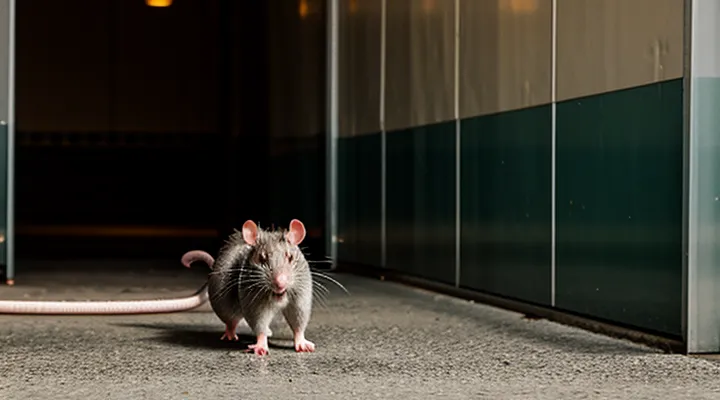
Understanding Rat Behavior: Circling and Rolling
Introduction to Unusual Rat Movements
Unusual locomotor patterns in laboratory and wild rodents include repetitive circular trajectories and lateral body rotations that place the animal on its side. These behaviors differ from typical exploratory or escape movements and often appear in confined environments, after exposure to novel stimuli, or during periods of heightened arousal.
Common categories of atypical rat movement are:
- «circling»: continuous, often clockwise or counter‑clockwise rotation around a fixed point;
- «side‑rolling»: sustained rolling onto the lateral flank while maintaining forward progression;
- «zigzagging»: abrupt changes in direction that create a serpentine path;
- «repetitive pacing»: back‑and‑forth travel along a narrow corridor without clear goal orientation.
The occurrence of such patterns provides insight into underlying neural circuits, vestibular function, and stress responses. Quantitative analysis of trajectory curvature, angular velocity, and body posture enables researchers to differentiate between motor hyperactivity, sensory‑motor integration deficits, and pharmacologically induced dyskinesia. Consequently, systematic observation of these movements supports the development of behavioral assays that reflect central nervous system integrity and the efficacy of experimental interventions.
The Phenomenon of Circling and Rolling
The phenomenon of rodents repeatedly moving in circles and subsequently rolling onto their side represents a distinct behavioral pattern observed in laboratory and wild settings. Researchers describe it as a stereotyped response that manifests under specific physiological or environmental conditions.
Key factors contributing to this behavior include:
- Vestibular impairment, which disrupts balance and triggers compensatory circling movements.
- Neurological disorders, such as lesions in the basal ganglia, that alter motor control pathways.
- Environmental stressors, including overcrowding, inadequate enrichment, or sudden changes in lighting, prompting repetitive locomotion.
- Exploratory drives, where animals test spatial boundaries and assess surface textures through rotational motion.
- Reproductive cues, particularly during estrus, that can amplify activity levels and result in side‑lying postures.
The occurrence of circling and rolling serves as an indicator of animal welfare status. Persistent expression may signal underlying pathology or suboptimal housing, prompting adjustments in husbandry practices. In experimental contexts, quantifying the frequency and duration of these actions provides valuable data for assessing the impact of pharmacological agents or genetic modifications on motor function.
Physiological Causes of Circling and Rolling
Neurological Disorders
Inner Ear Infections
Inner ear infections constitute a common medical condition that can provoke abnormal locomotor patterns in rodents. Inflammation of the vestibular apparatus disrupts equilibrium perception, leading to persistent turning motions and lateral recumbency. Pathogenic agents, such as Streptococcus spp. or Pseudomonas spp., invade the tympanic cavity, produce purulent exudate, and compromise the semicircular canals. The resulting vestibular dysfunction manifests as asymmetrical head positioning, loss of balance, and compulsive rolling onto the affected side.
Typical clinical indicators of otic involvement include:
- Persistent head tilt toward the infected ear
- Nystagmus with slow phase directed opposite the lesion
- Unsteady gait and frequent circling in the direction of the lesion
- Reluctance to navigate vertical surfaces or climb
Prompt diagnosis relies on otoscopic examination, cytological analysis of ear swabs, and, when necessary, imaging studies to assess middle‑ear pathology. Therapeutic protocols emphasize antimicrobial therapy tailored to culture results, anti‑inflammatory agents to reduce edema, and supportive care to maintain hydration and nutrition. Early intervention mitigates the progression of vestibular deficits and reduces the likelihood of chronic circling or side‑rolling behavior.
Brain Tumors and Lesions
Brain tumors and focal lesions disrupt neural circuits that coordinate locomotion and postural stability. Damage to the vestibular nuclei, cerebellar vermis, or basal ganglia impairs balance and generates asymmetric motor output, which manifests as persistent circling or rolling onto one side.
Common intracranial pathologies associated with this phenotype include:
- Gliomas infiltrating the midbrain or cerebellum, producing unilateral ataxia and rotational bias.
- Meningiomas compressing the fourth ventricle, leading to hydrocephalus‑related gait disturbances.
- Ischemic infarcts in the striatum, causing dopaminergic imbalance and repetitive turning.
- Traumatic contusions affecting the vestibular nuclei, resulting in persistent side‑leaning.
Neurophysiological studies demonstrate that lesions in these regions alter firing patterns of proprioceptive and vestibular afferents, reducing corrective reflexes. Consequently, the animal adopts a stereotyped circular trajectory and may roll onto the compromised side to minimize discomfort or maintain equilibrium. Monitoring these behaviors provides a non‑invasive indicator of underlying cerebral pathology in experimental rodent models.
Stroke and Cerebrovascular Accidents
Stroke and cerebrovascular accidents represent acute disruptions of cerebral blood flow that can produce focal neurological deficits. In laboratory rodents, interruption of perfusion to the basal ganglia, thalamus, or vestibular nuclei frequently manifests as unilateral motor bias, causing the animal to turn repeatedly toward the affected side. The same vascular insult may impair postural control, leading to prolonged lateral recumbency.
Ischemic injury to the striatum compromises dopaminergic pathways that regulate movement symmetry. Damage to the nigrostriatal tract diminishes inhibitory output, resulting in exaggerated turning behavior. Hemorrhagic lesions in the cerebellum interfere with balance circuitry, prompting the animal to roll onto its side and remain there.
Key pathological features associated with these motor abnormalities include:
- Infarction of the middle cerebral artery territory, producing contralateral circling.
- Thalamic hemorrhage, generating ipsilateral postural collapse.
- Cerebellar ischemia, leading to loss of righting reflex and side‑lying posture.
- Diffuse microvascular injury, causing generalized motor incoordination.
Recognition of stroke‑related motor patterns in rodents assists in evaluating experimental models of cerebrovascular disease and in interpreting behavioral outcomes that might otherwise be attributed to unrelated causes.
Genetic Predispositions
Genetic predispositions shape the propensity of rodents to exhibit repetitive circling and lateral rolling behaviors. Specific allelic variations affect neural circuitry governing motor planning, vestibular processing, and stress reactivity, thereby increasing the likelihood of such movements.
Key genetic contributors include:
- Mutations in the Dcdc2 gene, linked to abnormal neuronal migration and altered locomotor patterns.
- Polymorphisms in the Nrxn1 locus, associated with synaptic connectivity deficits that manifest as stereotyped motor sequences.
- Variants of the Htr1a serotonin receptor gene, influencing serotonergic tone and modulating anxiety‑related motor output.
- Altered expression of the Gad1 gene, impacting GABAergic inhibition and facilitating excessive turning motions.
Epigenetic mechanisms further modulate these genetic effects. DNA methylation changes in promoter regions of motor‑control genes correlate with heightened circling frequency, while histone acetylation patterns affect the transcriptional activity of vestibular balance regulators.
Environmental interactions amplify or mitigate genetic risk. Exposure to enriched environments can normalize gene expression profiles, reducing the intensity of rolling episodes. Conversely, chronic stress elevates cortisol levels, which interact with susceptible genotypes to exacerbate the behavior.
Overall, a convergence of hereditary variants, epigenetic modifications, and external conditions determines the expression of repetitive circling and side‑rolling in rats. Understanding these genetic foundations informs experimental design and therapeutic strategies aimed at mitigating maladaptive motor patterns.
Nutritional Deficiencies
Rats that exhibit persistent circling or adopt a lateral rolling posture often display underlying metabolic imbalances. Deficiencies in essential nutrients disrupt neural transmission, muscle coordination, and vestibular function, creating a propensity for repetitive turning movements and side‑lying postures.
Key nutritional gaps associated with these behaviors include:
- Thiamine (vitamin B1) shortage, leading to peripheral neuropathy and impaired proprioception.
- Cobalamin (vitamin B12) insufficiency, causing demyelination of spinal pathways and loss of balance.
- Calcium and vitamin D deficits, weakening skeletal support and reducing postural stability.
- Magnesium scarcity, interfering with neuromuscular excitability and increasing tremor frequency.
Mechanistic links arise from compromised neurotransmitter synthesis, altered ion channel activity, and degeneration of cerebellar circuits. The resulting motor dysfunction manifests as stereotyped circling or an inability to maintain a prone orientation, prompting the animal to roll onto its side for temporary equilibrium.
Diagnostic protocols prioritize serum analysis of the aforementioned micronutrients, supplemented by behavioral observation scales that quantify turning frequency and duration of side‑lying episodes. Targeted dietary remediation—balanced rodent chow enriched with the identified vitamins and minerals—typically reduces abnormal locomotor patterns within weeks. In severe cases, parenteral supplementation may be required to restore neurophysiological integrity promptly.
Environmental and Stress-Related Factors
Stress and Anxiety Responses
Overcrowding
Overcrowding in laboratory rat colonies creates persistent competition for limited resources, elevating baseline stress levels. High density reduces individual access to food, water, and nesting material, forcing frequent encounters with conspecifics that can trigger aggressive or submissive postures.
Elevated stress correlates with the emergence of repetitive locomotor patterns, including persistent circling and side‑rolling. These movements serve as displacement activities, allowing rats to channel excess arousal when environmental demands exceed coping capacity.
Key mechanisms linking crowding to stereotypic locomotion:
- Sensory overload – continuous proximity to other animals produces uninterrupted tactile and olfactory stimulation, which dampens normal exploratory behavior and redirects motor output toward repetitive circuits.
- Social hierarchy disruption – limited space prevents stable dominance structures, leading to chronic uncertainty and heightened vigilance that manifest as circling bouts.
- Restricted nesting – insufficient bedding forces rats to occupy suboptimal positions, encouraging side‑rolling as a compensatory postural adjustment.
- Reduced environmental enrichment – lack of objects for manipulation intensifies the need for self‑generated stimulation, expressed through stereotypic locomotion.
Mitigation strategies focus on density management and environmental enhancement. Recommended actions include maintaining cage occupancy below 10 rats per 0.05 m², providing multiple nesting sites, and installing rotating enrichment devices to diversify sensory input. Monitoring behavioral baselines before and after adjustments enables quantification of the impact on circling and rolling frequencies.
Unfamiliar Surroundings
Rats often exhibit rapid circling and lateral rolling when placed in environments that lack familiar cues. This response reflects an immediate assessment of spatial uncertainty and a need to gather tactile and olfactory information.
Key drivers of the behavior include:
- Exploration of perimeter to locate boundaries and escape routes.
- Activation of vestibular and somatosensory systems to recalibrate orientation.
- Release of stress‑related neurotransmitters that increase motor activity.
- Attempt to establish a temporary refuge by testing surface stability.
Observing these patterns assists researchers and caretakers in evaluating the animal’s comfort level, adjusting enclosure design, and minimizing unnecessary stress during handling.
Social Isolation
Social isolation constitutes a potent stressor that can alter motor patterns in laboratory rodents. When individuals are deprived of conspecific contact, neuroendocrine pathways shift, leading to heightened arousal and repetitive locomotor sequences. Experimental groups housed alone for extended periods display a marked increase in circular trajectories and lateral rolling motions compared to socially enriched cohorts.
The underlying mechanisms involve dysregulation of dopaminergic signaling within the basal ganglia and exaggerated activation of the hypothalamic‑pituitary‑adrenal axis. Elevated corticosterone levels correlate with the emergence of stereotyped turning and side‑rolling, suggesting that isolation‑induced anxiety amplifies motor output through mesolimbic circuits. Concurrently, reduced social grooming diminishes tactile feedback, removing inhibitory cues that normally suppress excessive locomotion.
Key observations from controlled studies:
- Isolated rats exhibit a 30‑45 % rise in the frequency of complete circles per observation interval.
- Rolling bouts, defined as sustained sideward rotations lasting more than five seconds, occur twice as often in solitary housing.
- Pharmacological blockade of dopamine D2 receptors attenuates both circling and rolling, confirming neurotransmitter involvement.
Interpretation of these data underscores social deprivation as a primary driver of the described motor phenomena. Mitigation strategies, such as pair housing or environmental enrichment, consistently reduce the prevalence of these behaviors, reinforcing the link between social context and locomotor regulation. «Isolation‑induced alterations in neural circuitry manifest directly in observable circling and rolling patterns, providing a reliable behavioral index of social stress».
Pain and Discomfort
Injury-Related Behaviors
Rats that exhibit persistent circling or roll onto their side often do so as a direct response to physical trauma. The behavior serves as a compensatory mechanism when normal locomotor pathways are compromised.
Common injury types associated with this pattern include:
- Traumatic brain injury affecting vestibular or cerebellar function;
- Spinal cord lesions that disrupt proprioceptive feedback;
- Severe peripheral nerve damage, particularly to the hindlimbs;
- Musculoskeletal fractures or dislocations that limit weight‑bearing capacity;
- Chronic joint degeneration causing pain‑induced postural adjustments.
Observation of the animal’s gait, balance, and posture provides essential clues. A sudden onset of circular movement after a known impact strongly suggests an acute neurological insult, whereas gradual development may indicate progressive musculoskeletal degeneration. Palpation of the spine and limbs, combined with imaging when available, confirms the underlying lesion.
Intervention focuses on stabilizing the injury and mitigating pain. Immediate steps involve:
- Immobilization of fractures or dislocations;
- Administration of analgesics and anti‑inflammatory agents;
- Physical therapy to restore proprioceptive input;
- Monitoring for secondary complications such as pressure sores caused by prolonged side‑lying.
Successful resolution of circling and side‑rolling behavior typically follows effective treatment of the primary injury, underscoring the importance of rapid identification and targeted care.
Internal Organ Issues
Rats that repeatedly circle and roll onto their side often exhibit underlying pathology affecting internal organs. Internal organ dysfunction can generate discomfort, pain, or metabolic imbalance that manifests as abnormal locomotor patterns.
Common medical conditions linked to this behavior include:
- «gastrointestinal distress» such as bloating, obstruction, or severe colic, which creates abdominal pressure and induces compulsive movement.
- «hepatic disease» leading to toxin accumulation, hepatic encephalopathy, and altered neural signaling.
- «cardiac insufficiency» causing reduced perfusion, fatigue, and a tendency to adopt a recumbent posture.
- «respiratory compromise» including pneumonia or pleural effusion, resulting in labored breathing and a need to reposition for easier airflow.
- «renal failure» with electrolyte disturbances and uremic encephalopathy, prompting restlessness and side‑lying attempts.
- «abdominal pain» from inflammation, infection, or trauma, which may trigger repetitive circling as a coping mechanism.
Veterinarians assess these possibilities through physical examination, imaging, and laboratory analysis. Identifying the specific organ involvement enables targeted treatment, which often resolves the circling and rolling pattern.
Behavioral Explanations and Learned Responses
Stereotypical Behaviors
Compulsive Repetitive Movements
Compulsive repetitive movements in rats manifest as persistent circular locomotion or lateral rolling, often observed in laboratory settings. These behaviors indicate an underlying alteration of normal motor patterns and are frequently recorded as stereotypic responses.
- Neurological dysregulation: lesions or dysfunction in basal ganglia circuits generate involuntary, looping trajectories.
- Elevated anxiety: heightened stress levels provoke self‑stimulating motor loops as a coping mechanism.
- Environmental monotony: lack of enrichment encourages repetitive patterns to compensate for sensory deprivation.
- Social isolation: absence of conspecific interaction triggers self‑directed motor activity.
- Pharmacological influence: exposure to psychostimulants or neurotoxic agents amplifies stereotypy intensity.
Each factor contributes to the emergence of compulsive circling and side‑rolling, reflecting an adaptive, yet maladaptive, response to internal and external pressures. Understanding these drivers informs experimental design, welfare considerations, and interpretation of behavioral data.
Self-Soothing Mechanisms
Rats often exhibit repetitive circular locomotion and lateral rolling when they seek to modulate internal states. These actions constitute self‑soothing mechanisms that serve multiple physiological and psychological functions.
- «Thermal regulation»: body rotation and side‑lying increase surface exposure, facilitating heat dissipation during hyperthermia.
- «Vestibular stimulation»: rhythmic turning activates inner‑ear receptors, producing a calming sensory feedback loop.
- «Neurochemical adjustment»: repetitive motion triggers release of endogenous opioids and dopamine, lowering anxiety markers.
- «Grooming facilitation»: rolling spreads saliva and scent glands, promoting hygienic maintenance while providing tactile comfort.
- «Stress buffering»: patterned movement engages the hypothalamic‑pituitary‑adrenal axis, attenuating cortisol spikes.
Collectively, these mechanisms enable rats to regain equilibrium after environmental perturbations, maintain homeostasis, and reduce arousal without external intervention.
Play and Exploration
Rats frequently display rapid circular movements and lateral rolling, especially when interacting with novel objects or conspecifics. These actions are not random; they reflect intrinsic motivations that drive the animal’s engagement with its surroundings.
Play provides a context in which such locomotor patterns emerge. The behavior offers:
- Repetitive, high‑intensity movement that enhances muscular coordination.
- Opportunities for reciprocal interaction, strengthening social bonds.
- Immediate sensory feedback from tactile and vestibular cues, reinforcing motor learning.
Exploration also contributes to the emergence of circling and rolling. When a rat encounters an unfamiliar environment, it:
- Scans perimeters to assess spatial layout, using circular trajectories to cover ground efficiently.
- Tests stability by rolling onto its side, evaluating surface texture and incline.
- Integrates olfactory and auditory information while maintaining locomotor momentum, facilitating rapid assessment of potential resources or threats.
Research indicates that these behaviors serve dual functions. For instance, a study notes «Rats engage in spontaneous locomotor patterns during play that mirror exploratory tactics», highlighting the overlap between the two motivational domains. Consequently, circling and side‑rolling represent adaptive strategies that support both social enrichment and environmental mastery.
Learning and Conditioning
Rats frequently display repetitive circling and side‑rolling, behaviors that can be interpreted through the principles of learning and conditioning.
Classical conditioning links a neutral stimulus—such as a specific environmental cue—to the motor pattern of circling. Repeated pairings cause the cue to elicit the movement without direct provocation, indicating that the behavior functions as a conditioned response.
Operant conditioning shapes the frequency of rolling through reinforcement contingencies. Positive reinforcement (e.g., access to food after a roll) increases the likelihood of the action, whereas punishment (e.g., aversive stimulus following a turn) reduces its occurrence. Variable‑ratio schedules produce persistent circling, reflecting the high resistance to extinction typical of such reinforcement patterns.
Observational learning contributes when naïve rats witness conspecifics performing the motions. The observed actions serve as a model, enabling the observer to acquire the behavior without direct reinforcement.
Key mechanisms influencing circling and rolling:
- Association of specific cues with motor patterns (classical conditioning)
- Reinforcement or punishment contingent on the behavior (operant conditioning)
- Replication of observed actions from peers (social learning)
Understanding these learning processes clarifies why the behaviors emerge, persist, or diminish under varying experimental conditions.
Differentiating Causes and Diagnostic Approaches
Observation and Behavioral Analysis
Observation and behavioral analysis of rats displaying repetitive circling and lateral rolling provides direct insight into underlying motivations. Precise video recording, high‑resolution tracking software, and controlled arena lighting enable quantification of movement patterns without external interference.
Key factors identified through systematic observation include:
- Vestibular disruption, evidenced by repeated turning toward the impaired ear and subsequent side‑lying posture.
- Stress‑induced stereotypy, marked by consistent looping trajectories when exposure to novel environments exceeds coping capacity.
- Neurological anomalies, such as lesions in the basal ganglia, correlated with abrupt changes from locomotion to rolling.
- Social isolation, reflected in heightened self‑directed motion in the absence of conspecific cues.
Interpretation of these behaviors relies on correlating physiological measurements—e.g., otolith function tests, cortisol levels, and neuroimaging findings—with the recorded locomotor data. Consistency across multiple subjects strengthens the inference that each factor contributes uniquely to the observed circling‑and‑rolling phenotype.
Veterinary Examination and Diagnostics
Physical Assessment
Physical assessment of rodents exhibiting persistent circling and lateral rolling provides essential data for interpreting underlying causes. Observation begins with posture analysis: note body alignment, symmetry of limb extension, and any deviation from normal gait. Palpation of the vertebral column and pelvic region identifies pain points, muscular tension, or spinal misalignment. Joint range of motion should be measured in forelimbs and hindlimbs, recording restrictions or hyperflexion that could contribute to abnormal locomotion.
Neurological examination follows. Reflex testing (e.g., paw withdrawal, righting reflex) determines integrity of peripheral pathways. Vestibular function is evaluated through balance tests on a rotating platform, noting latency and duration of corrective movements. Sensory assessment includes response to tactile and thermal stimuli, revealing possible peripheral neuropathy.
Cardiovascular and respiratory parameters are recorded to exclude systemic conditions that may manifest as motor disturbances. Pulse rate, blood pressure, and respiratory rhythm are measured at rest and during brief activity, ensuring values remain within species‑specific norms.
Laboratory analysis supports the physical findings. Blood samples are screened for electrolyte imbalances, metabolic disorders, and markers of inflammation. Imaging studies—radiography or computed tomography—visualize skeletal structures, detecting fractures, degenerative changes, or spinal compression.
A concise checklist for practitioners:
- Posture and gait observation
- Palpation of spine and pelvis
- Joint range‑of‑motion measurement
- Reflex and vestibular testing
- Sensory response evaluation
- Cardiovascular and respiratory monitoring
- Blood chemistry panel
- Radiographic or CT imaging
«Thorough physical assessment clarifies whether circling and side‑rolling stem from musculoskeletal injury, neurological impairment, or systemic disease», enabling targeted intervention and reducing the risk of misinterpretation of behavioral signs.
Imaging Techniques
Imaging methods provide objective quantification of rotational and lateral rolling behaviors in rodents, enabling correlation of movement patterns with underlying neural and physiological mechanisms.
High‑speed video capture records millisecond‑scale limb trajectories. Frame rates of 500 fps or greater resolve rapid turns and body flexion. Overhead and lateral viewpoints generate complementary perspectives; synchronized multi‑camera setups facilitate three‑dimensional reconstruction of the animal’s axis of rotation.
Infrared illumination permits observation in dim or nocturnal conditions without disrupting natural activity. Thermal cameras detect surface temperature gradients that accompany muscular exertion during sustained circling, offering indirect assessment of metabolic load.
Magnetic resonance imaging delivers volumetric maps of brain structures implicated in motor control. Functional MRI, combined with task‑related stimulation, reveals activation patterns associated with repetitive turning. Diffusion tensor imaging characterizes white‑matter integrity in pathways governing spatial orientation.
Ultrasound biomicroscopy visualizes internal organ displacement during side‑lying postures. Doppler flow measurements capture circulatory changes that accompany prolonged rolling, supporting evaluation of cardiovascular stress.
Automated analysis pipelines extract quantitative indices such as angular velocity, turn frequency, and roll duration. Statistical modeling integrates multimodal datasets, producing comprehensive profiles of behavioral phenotypes and their physiological correlates.
Laboratory Tests
The observed circling and side‑rolling behavior in laboratory rodents demands objective physiological data. Laboratory assays provide measurable parameters that distinguish vestibular dysfunction, neurological impairment, and pharmacological effects.
Key tests include:
- Vestibular function assessment through rotarod and balance‑beam performance, quantifying latency to fall and deviation from a straight path.
- Neurological examination employing open‑field locomotion tracking, gait analysis, and electromyography to detect abnormal muscle activation patterns.
- Pharmacological screening using dose‑response curves for agents that modulate dopamine, serotonin, and acetylcholine pathways, revealing drug‑induced motor alterations.
- Metabolic profiling via blood chemistry panels and plasma electrolyte measurement, identifying systemic disturbances that may influence motor control.
- Imaging techniques such as magnetic resonance imaging and computed tomography, visualizing inner‑ear structures and central nervous system lesions.
Data from these assays enable correlation between physiological anomalies and the specific motor pattern, supporting precise etiological interpretation.
Management and Treatment Strategies
Addressing Underlying Medical Conditions
The observed circling and lateral rolling behavior in rats often signals an underlying medical problem. Identifying and treating the root cause prevents misinterpretation of the behavior as purely environmental or psychological.
Common physiological contributors include:
- Vestibular dysfunction caused by inner‑ear infection, trauma, or age‑related degeneration.
- Central nervous system lesions such as brain tumours, encephalitis, or stroke.
- Spinal cord compression from intervertebral disc disease or vertebral malformations.
- Metabolic imbalances, notably hypoglycaemia, electrolyte disturbances, or hepatic encephalopathy.
- Pain syndromes resulting from musculoskeletal injury or dental disease.
Diagnostic protocol should progress from non‑invasive to targeted examinations:
- Complete physical examination with emphasis on otic and neurological assessment.
- Blood panel evaluating glucose, electrolytes, liver enzymes, and inflammatory markers.
- Imaging studies (radiography, MRI, CT) to detect structural abnormalities.
- Otoscopic inspection and, if indicated, culture of ear exudate.
- Cerebrospinal fluid analysis when infectious or inflammatory CNS disease is suspected.
Therapeutic measures correspond to the identified condition:
- Antimicrobial or antifungal agents for infectious vestibular disease.
- Anti‑inflammatory drugs and corticosteroids for immune‑mediated CNS disorders.
- Surgical decompression for spinal compression or tumor removal.
- Corrective dietary supplementation and fluid therapy for metabolic disturbances.
- Analgesics and supportive care for pain‑related causes.
Routine monitoring of gait, balance, and rolling frequency provides objective data on treatment efficacy. Adjustments to medication dosage or surgical plan should follow documented changes in behavior. Early intervention based on precise medical evaluation reduces the likelihood of chronic dysfunction and improves overall welfare.
Environmental Enrichment
Social Interaction
Rats frequently display repetitive circling and side‑rolling movements, a pattern that frequently emerges during encounters with conspecifics. The phenomenon often coincides with attempts to establish or maintain social bonds, convey dominance, or signal distress.
Key social functions associated with this locomotor pattern include:
- Assertion of hierarchical status through exaggerated movement;
- Transmission of olfactory and tactile cues that reinforce group cohesion;
- Initiation of affiliative contact by drawing the attention of nearby individuals.
Underlying mechanisms involve synchronized activation of the limbic system and motor circuits, heightened sensitivity to pheromonal signals released during close contact, and increased proprioceptive feedback when the animal adopts a lateral posture. Visual exposure to a rolling peer can trigger mirror‑neuron responses, encouraging replication of the behavior within the group.
Interpretation of the behavior requires observation of the surrounding social environment. Isolated individuals rarely exhibit prolonged circling, whereas group‑housed subjects demonstrate frequent bouts aligned with moments of collective activity. Consequently, experimental designs that neglect «Social Interaction» risk misattributing the behavior to purely physiological causes.
Stimulating Activities
Rats that repeatedly circle and roll onto their side display a pattern frequently linked to inadequate environmental stimulation, sensory monotony, or neurological imbalance. Providing targeted enrichment reduces the frequency of such movements and promotes healthier locomotor patterns.
- Complex chew toys that require gnawing and manipulation
- Multi‑level cage structures encouraging vertical and horizontal exploration
- Puzzle feeders presenting timed foraging challenges
- Regular introduction of novel scents to activate olfactory pathways
- Varied substrate textures for tactile feedback
- Interactive auditory stimuli such as soft natural sounds
- Structured social sessions with compatible conspecifics
- Scheduled gentle handling sessions that incorporate brief obstacle courses
Consistent implementation of these activities creates a dynamic habitat, thereby diminishing repetitive circling and side‑rolling behaviors.
Behavioral Therapy and Training
Rats that repeatedly turn in circles and roll onto their side display a pattern frequently linked to heightened stress, neurological imbalance, or inadequate environmental stimulation. The behavior serves as a reliable indicator of underlying welfare concerns, prompting targeted intervention.
Behavioral therapy for this condition centers on modifying external conditions and reinforcing adaptive responses. Core principles include enrichment of the cage environment, systematic desensitization to stressors, and operant conditioning using positive reinforcement. These elements aim to replace repetitive motor patterns with functional activities.
Practical training measures comprise:
- Installation of varied foraging devices and climbing structures to promote natural exploration.
- Scheduled, gentle handling sessions that establish predictable human interaction.
- Delivery of food rewards contingent on cessation of circling episodes, reinforcing alternative behaviors.
- Gradual introduction of novel stimuli (e.g., new textures, sounds) with controlled exposure durations to reduce fear responses.
- Routine health assessments to identify physiological contributors such as vestibular disorders or pain.
Successful application of these strategies typically yields a measurable decline in circular locomotion, increased engagement with enrichment items, and stabilized activity rhythms, reflecting improved overall welfare.
Nutritional Adjustments
Rats that display repetitive circling or roll onto their side often reveal underlying metabolic disturbances. Nutrient intake directly modulates neural excitability, muscle tone, and vestibular function, all of which can manifest as the described locomotor patterns.
Key dietary modifications that mitigate these behaviors include:
- Increase of omega‑3 fatty acids to support membrane stability and reduce neuroinflammation.
- Supplementation with B‑vitamins, particularly B1 (thiamine) and B6 (pyridoxine), to enhance neurotransmitter synthesis.
- Adjustment of calcium‑phosphorus ratio to prevent hypocalcemia‑induced muscle tremors.
- Reduction of simple sugars to avoid hyperglycemia‑related osmotic stress on the central nervous system.
- Implementation of consistent feeding times to stabilize circadian rhythms and prevent stress‑induced motor anomalies.
Effective implementation requires regular monitoring of body weight, blood chemistry, and behavioral patterns. Adjustments should be introduced gradually, allowing physiological adaptation while observing any reduction in circling or side‑rolling episodes. Continuous evaluation ensures that nutrient levels remain within optimal ranges, thereby supporting neurological health and minimizing aberrant motor activity.
Prevention and Welfare Considerations
Optimal Housing Conditions
Optimal housing for laboratory rats must provide stability, hygiene, and environmental enrichment to minimize abnormal circling and side‑rolling behaviors that can indicate stress or neurological discomfort. Consistent temperature (20‑24 °C) and humidity (40‑60 % RH) reduce thermoregulatory strain, while regular cleaning prevents pathogen buildup that may provoke agitation.
Space allocation influences locomotor patterns. Each adult rat requires a minimum of 0.5 m² floor area, with vertical enrichment (shelves, tunnels) that encourages natural exploration and reduces repetitive movements. Bedding should be absorbent, dust‑free, and changed weekly to maintain comfort and prevent respiratory irritation.
Key elements of an optimal cage system:
- Solid, non‑slippery flooring to allow secure footing.
- Nesting material (e.g., shredded paper) refreshed every 2–3 days.
- Light‑dark cycle of 12 hours, with dim lighting during the dark phase.
- Noise levels below 40 dB to avoid auditory stress.
- Controlled airflow without drafts, ensuring fresh air exchange of at least 15 L/min per cage.
Implementing these conditions creates a stable environment that supports normal motor activity and diminishes the incidence of circling and side‑rolling episodes.
Regular Health Checks
Regular health examinations supply objective data that clarify abnormal locomotor patterns observed in laboratory rats.
Key health indicators include:
- Body‑weight trajectories
- Dental wear and alignment
- Musculoskeletal condition
- Neurological reflex integrity
- Parasite and pathogen presence
Early identification of physiological anomalies prevents erroneous attribution of circling or side‑rolling to purely behavioral causes.
Recommended assessment schedule:
- Visual inspection each week
- Comprehensive physical exam monthly
- Hematology, biochemistry, and imaging quarterly
Systematic recording of findings establishes a reliable baseline, improves reproducibility of experimental results, and upholds ethical standards in animal research.
Early Intervention for Behavioral Changes
Early detection of repetitive circling and side‑rolling in rodents signals a shift in neural or vestibular function. Prompt assessment distinguishes transient responses from emerging maladaptive patterns, enabling targeted corrective measures before consolidation.
Intervention strategies focus on three domains:
- Environmental enrichment: varied textures, climbing structures, and rotating objects disrupt stereotyped trajectories, encouraging exploratory locomotion.
- Sensory modulation: calibrated auditory or vibratory stimuli recalibrate vestibular input, reducing compulsive turning.
- Pharmacological adjustment: low‑dose antagonists of dopaminergic overactivity, administered under veterinary supervision, attenuate hyperkinetic circuits.
Implementation timeline emphasizes action within 24–48 hours of behavior onset. Monitoring protocols record frequency, angular velocity, and duration of episodes, providing quantitative benchmarks for treatment efficacy. Adjustments follow a stepwise escalation: enrichment → sensory modulation → pharmacology, preserving minimal intervention intensity.
Outcome metrics include reduction of episode count by ≥50 % within one week and restoration of normal exploratory patterns as measured by open‑field tracking. Consistent application of these measures curtails progression toward chronic motor stereotypy, supporting overall welfare and experimental reliability.