
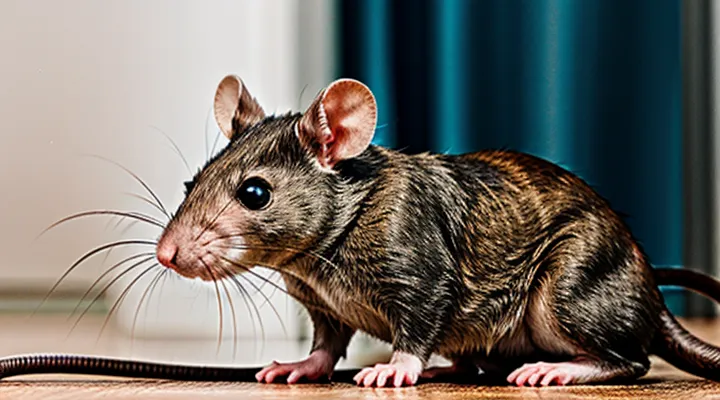
Recognizing Choking in Rats
Signs and Symptoms of Choking
Behavioral Indicators
Rats that cannot breathe properly exhibit distinct changes in behavior that signal a life‑threatening airway blockage. Recognizing these signs enables immediate intervention and improves the chance of survival.
- Sudden cessation of normal activity; the animal becomes immobile or collapses.
- Inability or reluctance to eat, drink, or chew, even when food is presented.
- Gasping or labored breathing with audible wheezing, stridor, or high‑pitched noises.
- Excessive drooling or frothing around the mouth, indicating an obstructed passage.
- Pawing at the mouth or throat, often accompanied by frantic head shaking.
- Loss of balance, unsteady gait, or inability to right itself when placed on its back.
- Pale or bluish discoloration of the ears, tail, and mucous membranes, reflecting reduced oxygenation.
- Unresponsive to gentle tactile stimulation; the rat shows no reaction to handling.
These behavioral cues appear rapidly after the obstruction occurs and may progress within minutes. Immediate assessment of each indicator guides the caregiver in executing emergency measures, such as clearing the airway or seeking veterinary assistance without delay.
Physical Indicators
When a rat experiences airway obstruction, observable signs appear rapidly. Recognizing these physical cues enables timely intervention and improves the chance of survival.
- Sudden silence or inability to emit vocalizations
- Labored, noisy breathing (gurgling or high‑pitched wheeze)
- Open mouth with extended neck, throat visibly strained
- Inability to swallow saliva; drooling or foam at the mouth
- Loss of posture, collapse, or unsteady gait
- Cyanotic coloration of the gums, tongue, or extremities
- Lack of response to tactile stimulation; reduced reflexes
Immediate assessment should focus on confirming airway blockage through these indicators before applying emergency clearing techniques. Prompt action based on the observed signs reduces the risk of hypoxia and fatal outcomes.
Differentiating Choking from Other Conditions
Respiratory Distress
Respiratory distress in a choking rat occurs when the airway is partially or completely blocked, preventing adequate oxygen intake and carbon‑dioxide elimination. The condition progresses rapidly, and failure to restore airflow can lead to hypoxia, organ failure, and death.
Typical indicators include audible wheezing or rattling, rapid shallow breathing, cyanotic mucous membranes, loss of balance, and unresponsiveness. Palpating the chest may reveal reduced or absent airflow, and the rat may exhibit frantic attempts to clear the obstruction.
Immediate actions
- Secure the rat on a stable surface, hold the head gently tilted back to open the airway.
- Perform a visual inspection of the oral cavity; remove visible foreign material with tweezers or a blunt probe, avoiding deeper penetration.
- Apply a gentle back‑blow: hold the rat upside down, support the thorax, and deliver a swift, controlled tap between the shoulder blades.
- If the obstruction persists, execute a brief abdominal thrust: place fingers just below the rib cage, compress upward and forward to increase intrathoracic pressure.
- Re‑inspect the mouth after each maneuver; repeat steps 2‑4 until the airway clears or the rat becomes unresponsive.
If the rat stops breathing, initiate rescue breathing: seal the snout and gently inflate the lungs with a small syringe (0.5 ml) of room‑temperature air, delivering one breath every 3–4 seconds. Continue until spontaneous breathing resumes or professional veterinary assistance arrives.
After the airway is cleared, monitor respiratory rate, coloration, and behavior for at least 30 minutes. Provide a warm, quiet environment, and offer water once the rat is stable. Seek veterinary evaluation to rule out residual injury or aspiration pneumonia.
Other Medical Emergencies
When a rat experiences an airway blockage, the immediate focus is on clearing the obstruction, but other medical conditions may arise simultaneously or subsequently. Prompt recognition and treatment of these additional emergencies can prevent deterioration and improve outcomes.
Common concurrent emergencies include severe bleeding, traumatic injury, seizures, and anaphylactic reactions. Each requires a distinct response that can be executed without delaying the primary choking intervention.
- Apply direct pressure to any visible wound to control hemorrhage; use sterile gauze and maintain pressure until bleeding stops or professional help arrives.
- If the rat shows signs of trauma such as limpness, bruising, or broken bones, immobilize the affected area with a soft splint and avoid unnecessary movement.
- Observe for involuntary muscle contractions or loss of consciousness that suggest a seizure; if observed, protect the animal’s head, keep the airway clear, and administer a low dose of a benzodiazepine only under veterinary guidance.
- Watch for rapid swelling, hives, or respiratory distress indicating an allergic reaction; administer an appropriate dose of epinephrine if prescribed and call a veterinarian immediately.
After addressing any secondary emergency, reassess the rat’s vital signs—heart rate, respiratory rate, and mucous membrane color—to ensure stability before transporting to professional care. Document the sequence of events, interventions performed, and the animal’s response for accurate handover to the veterinarian.
Immediate Emergency Steps
Assessing the Situation
Safety Precautions
When a rodent shows signs of airway obstruction, immediate action must be taken while maintaining a safe environment for both the animal and the handler. Prior to any intervention, assess the surrounding area for hazards such as sharp objects, chemicals, or unstable surfaces that could cause injury.
Wear appropriate personal protective equipment: disposable gloves, eye protection, and a mask if aerosolized particles are present. Ensure hands are clean and dry to improve grip and reduce the risk of slipping during maneuvers. Use a stable, non‑slippery surface—preferably a padded tray or a clean countertop—to prevent the rat from falling or sustaining additional trauma.
Limit exposure to stressors that could exacerbate the choking episode. Keep the animal calm by speaking softly and minimizing sudden movements. Avoid excessive force that might damage delicate tissues; apply only the pressure necessary to clear the obstruction.
Key safety precautions:
- Verify that the workspace is well‑lit and free of clutter.
- Prepare a clean, shallow container of warm water for post‑rescue cleaning of the animal.
- Have a first‑aid kit and a veterinarian contact number readily available.
- Dispose of any used gloves or materials in a sealed bag to prevent contamination.
- Document the incident, including the steps taken and any observations, for future reference and veterinary follow‑up.
Initial Observation
Observe the animal immediately. Look for abrupt cessation of normal breathing, silent coughs, or gagging sounds. Note any pawing at the mouth, drooling, or attempts to swallow without success. A rat that collapses, exhibits a hunched posture, or displays rapid, shallow breaths is likely experiencing an airway blockage.
Check responsiveness. Gently tap the snout and observe eye movement. A lack of reaction suggests the obstruction is severe and requires urgent intervention. Record the time of onset; a delay beyond a few minutes reduces the chance of successful relief.
Identify visible obstruction. If the mouth is open, use a bright light to examine the oral cavity for foreign material such as seed hulls, bedding fibers, or food particles. Do not insert fingers blindly; only remove objects that are clearly visible and reachable without causing additional trauma.
First Aid Techniques for Choking Rats
The "Swing" Technique
The “Swing” technique is a rapid maneuver designed to dislodge an obstructing object from a rat’s airway when choking threatens its life. The method relies on generating a sudden, forceful motion that creates enough pressure change to expel the blockage without causing spinal injury.
- Secure the rat by holding its body gently but firmly with one hand, supporting the thorax and preventing escape.
- With the other hand, grasp the base of the tail or a hind‑leg, ensuring the grip does not compress the spine.
- Lift the animal slightly off the ground, then swing it forward in a controlled arc, releasing the grip at the apex of the motion so the rat lands on a soft surface.
- Observe the mouth and nostrils for expelled material; repeat the swing up to three times if the airway remains obstructed.
- After each attempt, assess breathing by listening for air movement and feeling for chest rise. If normal respiration does not resume, proceed to the next emergency measure, such as back‑blows or abdominal thrusts.
The technique must be executed swiftly, with the rat’s head positioned downward during the swing to use gravity in conjunction with the motion. Proper handling minimizes risk of additional trauma while maximizing the chance of clearing the obstruction.
Gentle Abdominal Thrusts (Heimlich Maneuver Adaptation)
Rats may experience sudden airway obstruction that requires immediate intervention. Traditional abdominal thrusts for humans are too forceful for small mammals; a modified, gentle technique provides the necessary pressure while minimizing injury.
The adaptation involves the following procedure:
- Secure the rat on a firm, flat surface with its back against your palm. Keep the head slightly elevated to prevent aspiration.
- Locate the area just below the rib cage, approximately one‑half inch behind the sternum. Use the pads of two fingers rather than a clenched fist.
- Apply a quick, upward thrust of about 1 – 2 mm, delivering a brief, controlled pressure. Release immediately after the motion.
- Repeat the thrust up to five times if the airway remains blocked, observing for any signs of expulsion or improvement in breathing.
After successful clearance, monitor respiration for at least several minutes. If the rat shows persistent distress, abnormal sounds, or fails to resume normal breathing, seek veterinary assistance without delay. Avoid excessive force; the goal is to generate enough intra‑abdominal pressure to dislodge the obstruction without damaging internal organs.
Mouth-to-Snout Resuscitation (If Necessary)
When a rat cannot breathe after a blockage, mouth‑to‑snout breaths may be required to restore oxygen flow. First, confirm that the animal is unresponsive and that no visible object can be removed safely. If the airway remains obstructed, proceed with rescue ventilation.
- Position the rat on its back with the head slightly extended.
- Gently open the mouth using a fingertip to pull the lower jaw downward.
- Form a tight seal over the nostrils with the thumb and index finger of one hand.
- Deliver a slow, steady puff of air—approximately 0.1 ml—into the nasal passages.
- Observe for chest expansion; a visible rise indicates successful ventilation.
- If the chest does not rise, repeat the breath up to three times, reassessing after each attempt.
After each set of breaths, attempt to clear the obstruction again by gently sweeping the snout with a soft, blunt instrument. If the rat regains normal breathing, keep it warm and monitor for delayed complications. If no improvement occurs after several ventilation cycles, seek veterinary assistance immediately.
What Not to Do
Avoid Blind Finger Sweeps
When a rodent’s airway is blocked, the first instinct is often to insert a finger and sweep blindly. This action can push the obstruction deeper, damage delicate oral tissues, and compromise any chance of a successful rescue. The narrow oral cavity of a rat leaves little room for maneuver, making a blind sweep especially hazardous.
Instead of a blind sweep, follow these precise actions:
- Open the mouth gently by applying steady pressure to the lower jaw, using the thumb and forefinger to create a small gap.
- Visualize the interior with a flashlight; if the foreign object is visible, grasp it with fine forceps or tweezers, avoiding excessive force.
- If the object cannot be seen, perform a controlled back thrust: hold the rat’s body upright, support the head, and deliver a single, firm push toward the back of the throat. This maneuver leverages the natural cough reflex without inserting a finger.
- Assess breathing immediately after the thrust. If airflow returns, monitor the animal; if not, repeat the back thrust once more before seeking veterinary assistance.
Avoiding blind finger sweeps preserves airway integrity and maximizes the likelihood of dislodging the blockage safely.
Do Not Induce Vomiting
When a rat experiences airway blockage, forcing it to vomit can worsen the situation. The act pushes stomach contents upward, increasing the likelihood that material will enter the trachea and lungs, leading to aspiration pneumonia or fatal respiratory failure. Additionally, the force required to induce emesis may cause trauma to the esophagus and surrounding structures, compounding the emergency.
Instead of attempting to empty the stomach, follow these immediate actions:
- Open the rat’s mouth carefully; remove any visible foreign object with tweezers or forceps, avoiding deep penetration.
- Perform a series of gentle back blows: hold the animal upright, support the thorax, and strike between the shoulder blades with the heel of your hand.
- If the obstruction persists, administer abdominal thrusts: position the rat on its back, place a finger just below the rib cage, and apply quick inward pressure toward the spine.
- Re‑evaluate the airway after each maneuver; if the rat regains normal breathing, monitor closely for delayed complications.
Inducing vomiting is contraindicated because it introduces additional hazards without addressing the primary blockage. Prompt mechanical clearance of the airway and careful monitoring remain the only effective emergency measures.
Post-Choking Care and Prevention
Veterinary Consultation
When to Seek Immediate Veterinary Care
When a rat cannot breathe because of an obstruction, prompt veterinary intervention can be the difference between recovery and fatality. Immediate care is required if any of the following conditions appear.
- No audible breathing or only faint, irregular sounds.
- Cyanosis: gums, tongue, or skin turning pale, gray, or bluish.
- Rapid heart rate exceeding 600 beats per minute, detectable by palpation of the femoral pulse.
- Unconsciousness lasting more than a few seconds despite attempts to clear the airway.
- Persistent choking noises after three attempts at manual removal.
- Swelling, bleeding, or visible foreign material lodged in the oral cavity that cannot be extracted safely at home.
If a rat shows one or more of these signs, transport to an emergency veterinary clinic without delay. Delay reduces the likelihood of successful resuscitation and increases the risk of permanent organ damage. Veterinarians possess equipment for endotracheal intubation, suction, and oxygen therapy, which are unavailable in typical home settings.
Even if the rat appears to recover after initial first‑aid measures, schedule a veterinary examination within the next few hours to confirm airway integrity and assess for secondary complications such as aspiration pneumonia. Immediate professional assessment ensures comprehensive treatment and maximizes the chance of full recovery.
Follow-up Examination
After a rat has been rescued from an airway obstruction, a systematic follow‑up examination determines the animal’s prognosis and identifies secondary injuries.
First, assess the rat’s general condition. Observe posture, responsiveness, and gait. Record respiratory rate, heart rate, and mucous membrane color. Any deviation from normal parameters warrants immediate veterinary attention.
Second, inspect the oral cavity and pharynx. Use a light source and gentle retraction to look for bruising, swelling, or residual foreign material. Remove debris only with sterile instruments; avoid excessive manipulation that could cause further trauma.
Third, evaluate the thorax. Palpate for rib fractures or crepitus. Listen for abnormal breath sounds such as wheezes or crackles that may indicate aspiration pneumonia. If auscultation reveals abnormalities, arrange radiographic imaging.
Fourth, monitor for delayed complications. Keep the rat under observation for at least 24 hours, checking temperature, hydration status, and stool consistency every few hours. Note any signs of dysphagia, coughing, or lethargy.
Fifth, plan supportive care. Provide easy‑to‑chew food, fresh water, and a warm, quiet environment. Administer prophylactic antibiotics only if infection risk is evident, following dosage guidelines for rodents.
Finally, document findings. Record vital signs, examination results, and any interventions performed. This record assists future care decisions and facilitates communication with veterinary professionals if escalation becomes necessary.
Preventing Future Choking Incidents
Diet Modification
Dietary adjustments reduce the likelihood of choking incidents in laboratory and pet rats and support rapid recovery when obstruction occurs.
- Provide food with uniform texture; avoid large, hard pieces that can become lodged in the oral cavity or esophagus.
- Offer softened pellets or mash, especially for older or dentally compromised animals.
- Introduce high‑moisture treats (e.g., soaked vegetables) to facilitate swallowing.
- Eliminate whole seeds, nuts, and dried fruits that require extensive chewing.
Regular monitoring of feed consistency allows early detection of texture changes caused by moisture loss or clumping. Replace stale feed promptly to prevent hard fragments.
Supplementary feeding with gelatinous or pureed diets supplies necessary nutrients while minimizing obstruction risk.
When a choking event is suspected, immediate steps include:
- Position the rat upright, supporting the head to keep the airway open.
- Perform gentle back blows to expel the foreign material.
- If obstruction persists, administer a brief, controlled abdominal thrust.
After successful clearance, evaluate the recent diet. Adjust feed composition to the guidelines above and observe the animal for signs of residual irritation or respiratory distress. Continuous diet management forms a critical component of both prevention and post‑emergency care for rodent choking emergencies.
Environmental Enrichment
Providing rats with a varied, safe environment lowers the chance that they will ingest unsuitable objects that can block the airway. Appropriate chew toys, textured tunnels, and regularly rotated items keep the animals occupied and discourage them from gnawing on bedding, cords, or food packaging that could become lodged in the trachea.
When a rat shows signs of choking—silent struggle, pawing at the mouth, or sudden collapse—immediate action is required:
- Secure the animal on a flat surface, gently restraining the head to prevent further aspiration.
- Open the mouth using a thumb and forefinger placed on either side of the lower jaw; apply slight pressure to expose the oral cavity.
- Scan for visible obstruction; if a piece of material is seen, remove it with tweezers or a blunt probe, avoiding deep insertion.
- If no object is visible, perform a back thrust: hold the rat upright, place a thumb against the lower abdomen, and deliver a quick, firm upward pressure to expel the blockage.
- After the airway clears, keep the rat warm, monitor breathing, and contact a veterinarian promptly.
Enrichment continues to aid recovery by reducing stress, promoting normal respiration, and encouraging natural grooming behaviors that help clear residual debris. Regular assessment of enrichment items for size, durability, and material safety ensures that the environment remains beneficial without introducing new choking hazards.
Supervised Feeding
Supervised feeding minimizes the risk of choking in pet rats by ensuring that each bite is monitored and that food items are appropriate in size and texture. The caretaker should present only soft, appropriately sized pieces, avoiding whole seeds, nuts, or large chunks that could obstruct the airway.
Key practices for supervised feeding:
- Offer food on a flat surface where the rat cannot gulp large portions.
- Break dry foods into pieces no larger than a pea.
- Observe the rat’s chewing pattern; intervene if the animal appears to struggle.
- Limit the feeding session to a few minutes to maintain vigilance.
If a choking event occurs despite supervision, immediate actions are required:
- Remain calm and secure the rat in a gentle grip, head tilted slightly upward.
- Perform a quick abdominal thrust: place fingers just behind the ribcage, apply firm upward pressure to expel the obstruction.
- If the blockage persists, repeat the thrust up to three times, checking the mouth each time for visible objects.
- Should the rat become unresponsive, initiate cardiopulmonary resuscitation: deliver two breaths by gently blowing into the nostrils while keeping the airway open, followed by chest compressions at a rate of 120 per minute.
After the airway is cleared, monitor breathing and heart rate for at least ten minutes. Offer a small amount of water to assess swallowing ability, then resume normal feeding only after confirming that the rat can chew without difficulty. Document the incident and adjust future feeding protocols to eliminate the offending food type.