
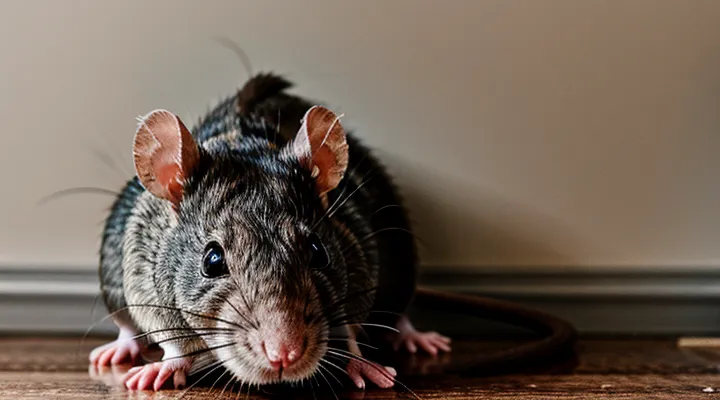
The Normal Respiratory System of Rats
Obligate Nasal Breathers
Rats are obligate nasal breathers; their anatomy directs airflow exclusively through the nostrils. The nasal passage houses olfactory receptors, filtration mechanisms, and humidification structures that are essential for normal respiration. When a rat resorts to mouth breathing, it signals obstruction, inflammation, or neurological impairment of the nasal tract.
Typical causes include:
- Nasal discharge or crusting blocking the nostrils
- Dental malocclusion pressing against the palate
- Upper respiratory infections causing swelling
- Trauma to the nasal bones or septum
- Neurological disorders affecting nasal muscle control
Immediate actions focus on restoring nasal airflow and preventing secondary complications:
- Examine the nostrils for visible blockage; remove debris with a damp cotton swab, avoiding deep insertion.
- Assess dental alignment; overgrown incisors may be trimmed by a qualified veterinarian.
- Provide a humidified environment; place a shallow water dish near the cage or use a low‑intensity humidifier for several hours.
- Monitor temperature and humidity; maintain ambient conditions between 68–75 °F and 40–60 % relative humidity to reduce mucosal drying.
- If discharge persists, collect a sample for laboratory analysis and consult a veterinarian for targeted antimicrobial therapy.
- Observe for signs of distress—rapid breathing, lethargy, or weight loss—and seek professional care promptly.
Long‑term management includes regular cage cleaning to prevent dust accumulation, routine health checks for dental wear, and vaccination against common respiratory pathogens. Maintaining unobstructed nasal passages aligns with the rat’s obligate nasal breathing physiology and reduces the likelihood of mouth breathing episodes.
The Role of the Diaphragm
When a rat resorts to oral respiration, the diaphragm’s activity becomes a primary factor in maintaining adequate ventilation. The muscle separates the thoracic and abdominal cavities; its contraction lowers intrathoracic pressure, drawing air into the lungs. Efficient diaphragmatic movement compensates for reduced nasal airflow and supports oxygen delivery to tissues.
Key considerations for supporting diaphragmatic function in this situation:
- Ensure the rat’s environment is warm and humid to prevent airway drying, which can impede diaphragmatic efficiency.
- Provide a low‑stress setting; anxiety raises sympathetic tone, limiting diaphragmatic excursion.
- Offer soft, easily ingestible food to avoid excessive abdominal strain that may restrict diaphragm movement.
- Monitor for signs of fatigue such as shallow breaths or prolonged pauses; intervene with gentle respiratory support if needed.
If oral breathing persists, evaluate underlying causes—nasal obstruction, infection, or anatomical anomalies—and treat accordingly. Addressing these factors reduces the diaphragm’s workload and promotes a return to normal nasal ventilation.
Potential Causes of Mouth Breathing
Respiratory Infections
Mouth breathing in a rat often signals respiratory distress, frequently caused by an infection. Recognizing this sign enables prompt intervention and reduces the risk of severe illness.
Common respiratory pathogens include:
- Sendai virus and rat coronavirus (viral agents)
- Streptococcus pneumoniae, Pasteurella multocida (bacterial agents)
- Mycoplasma pulmonis (atypical bacteria)
Typical manifestations are nasal discharge, sneezing, audible wheezing, reduced activity, and weight loss. When these signs appear, immediate measures should focus on isolation, environmental assessment, and supportive care.
First response actions
- Separate the affected animal from the colony.
- Verify cage temperature (20‑24 °C) and humidity (40‑60 %).
- Provide a humidified environment, such as a shallow water dish or a misting device.
- Administer sterile saline drops to the nostrils to clear mucus.
- Ensure free access to fresh water and high‑calorie food.
Diagnostic approach
- Conduct a physical examination, noting respiratory rate and effort.
- Perform otoscopic inspection for ear involvement.
- Obtain radiographs to detect lung infiltrates.
- Collect nasal swabs for bacterial culture and PCR testing for viral agents.
Therapeutic guidelines
- Initiate antimicrobial therapy guided by culture results; empiric coverage may include doxycycline for Mycoplasma and enrofloxacin for bacterial pneumonia.
- Consider antiviral agents only under veterinary direction.
- Use anti‑inflammatory medication (e.g., meloxicam) to reduce airway swelling.
- Provide subcutaneous fluids if dehydration is evident.
- Monitor weight, temperature, and breathing frequency at least twice daily.
Preventive strategies
- Quarantine all new arrivals for a minimum of two weeks.
- Maintain strict cage hygiene, removing soiled bedding and disinfecting surfaces weekly.
- Control ambient humidity to prevent drying of the respiratory mucosa.
- Avoid drafts and sudden temperature fluctuations.
- Schedule regular health examinations and vaccinate against available pathogens when indicated.
Timely identification of mouth breathing, combined with systematic assessment and targeted treatment, minimizes morbidity and supports rapid recovery in affected rodents.
Mycoplasmosis
Mycoplasmosis is a bacterial infection caused by Mycoplasma spp., frequently affecting laboratory and pet rats. The pathogen colonizes the respiratory epithelium, producing inflammation, mucus accumulation, and nasal congestion. When nasal passages become obstructed, rats resort to oral respiration to obtain sufficient oxygen.
Observing a rat that consistently breathes through its mouth signals possible respiratory compromise. Immediate assessment should include:
- Visual inspection for nasal discharge, sneezing, or nasal flaring.
- Palpation of the thorax for abnormal sounds.
- Collection of nasal swabs for polymerase chain reaction (PCR) or culture to confirm Mycoplasma presence.
- Radiographic evaluation to detect lung infiltrates or sinus blockage.
Confirmed mycoplasmosis warrants antimicrobial therapy. Tetracycline-class agents (e.g., doxycycline) administered at 10 mg/kg orally twice daily for 14 days effectively reduce bacterial load. Supportive measures include:
- Maintaining ambient temperature above 20 °C to lessen metabolic demand.
- Providing humidified air to ease mucosal drying.
- Ensuring ample hydration and nutrient-rich food to support immune function.
Preventive strategies focus on biosecurity and environmental control. Regular cage cleaning, quarantine of new arrivals for at least 30 days, and routine health monitoring limit pathogen introduction. Vaccination options are limited; therefore, early detection and prompt treatment remain the primary defenses against mycoplasmosis‑induced mouth breathing in rats.
Bacterial Infections
Mouth breathing in rats often signals an infection of the upper respiratory tract. Bacterial pathogens such as Streptococcus spp., Klebsiella spp., and Pseudomonas spp. colonize the nasal passages and sinuses, producing mucus that obstructs normal airflow and forces the animal to inhale through the mouth.
Clinical indicators include nasal discharge, sneezing, audible wheezing, and a visibly open mouth while at rest. Rapid breathing, reduced activity, and loss of appetite frequently accompany the condition, reflecting systemic involvement.
Prompt intervention reduces the risk of pneumonia and septic complications. Recommended actions are:
- Separate the affected rat from the colony to prevent transmission.
- Contact a qualified veterinarian for a definitive diagnosis and culture‑sensitivity testing.
- Administer prescribed antibiotics according to the veterinarian’s schedule; complete the full course regardless of symptom improvement.
- Provide a warm, low‑stress environment with high humidity to ease nasal congestion.
- Maintain strict cage hygiene: clean bedding daily, disinfect surfaces with a rodent‑safe sanitizer, and replace food and water containers regularly.
- Monitor temperature and weight daily; seek immediate veterinary attention if deterioration occurs.
Preventive measures include regular health screenings, quarantine of new arrivals for at least two weeks, and ensuring adequate ventilation to lower bacterial load in the habitat.
Viral Infections
Mouth breathing in a rat often signals a respiratory disturbance, and viral pathogens are frequent culprits. Common viral agents include Sendai virus, rat coronavirus, and hantavirus, each capable of inflaming the upper airway, increasing mucus production, and reducing nasal airflow. Infection can progress rapidly, leading to secondary bacterial invasion and systemic illness if left untreated.
Effective response requires prompt identification and supportive care:
- Isolate the affected animal to prevent transmission to cage mates.
- Conduct a veterinary examination; diagnostic tests may involve PCR panels or serology to pinpoint the virus.
- Administer humidified oxygen or place the rat in a warm, moist environment to ease airway obstruction.
- Provide fluid therapy to counter dehydration caused by fever and reduced intake.
- Initiate antiviral medication only when a specific virus is confirmed and a licensed treatment exists; otherwise, focus on symptomatic relief.
- Maintain strict hygiene: disinfect cages, replace bedding, and wash hands after handling.
Monitoring continues for at least 48 hours after symptom resolution. Persistent respiratory signs, weight loss, or lethargy warrant additional veterinary assessment, as chronic viral infection can compromise immunity and predispose the rat to further complications.
Environmental Factors
Mouth breathing in rats often signals an unsuitable environment. Elevated temperature, low humidity, poor ventilation, and dusty bedding increase respiratory stress and encourage oral respiration. High ambient heat forces the animal to seek cooler air through the mouth, while dry air dries nasal passages, reducing their ability to filter and humidify inhaled air. Inadequate airflow allows ammonia and other irritants to accumulate, further compromising nasal function.
To correct environmental conditions, apply the following measures:
- Maintain room temperature between 65 °F and 75 °F (18 °C–24 °C). Use a thermostat or climate‑controlled enclosure to prevent overheating.
- Keep relative humidity at 40 %–60 %. Employ a humidifier in dry climates or a dehumidifier in overly moist settings.
- Ensure continuous fresh‑air exchange. Install vent fans or provide multiple air holes in the cage, and clean them regularly.
- Choose low‑dust, absorbent bedding such as paper or aspen. Replace bedding weekly to limit particulate buildup.
- Monitor ammonia levels with a test strip; keep concentrations below 25 ppm by cleaning droppings daily and using an appropriate substrate.
- Position cages away from direct sunlight, drafts, and heating vents to avoid temperature spikes or rapid cooling.
By stabilizing temperature, humidity, and air quality, the rat’s nasal passages remain functional, reducing the need for mouth breathing and supporting overall respiratory health.
Poor Air Quality
Rats switch to oral respiration when the air they inhale contains irritants, high levels of dust, or insufficient oxygen. Contaminated environments increase nasal passage resistance, forcing the animal to draw air through the mouth.
Signs of inadequate air quality include frequent mouth‑breathing, sneezing, nasal discharge, and reduced activity. Persistent symptoms may indicate chronic exposure to pollutants such as ammonia, mold spores, or smoke.
- Replace bedding with low‑dust, absorbent material; change it daily.
- Ensure ventilation by opening windows or installing a fan that circulates fresh air without creating drafts.
- Install an air purifier equipped with HEPA and activated‑carbon filters; maintain filter replacement schedule.
- Eliminate sources of combustion fumes, scented candles, or strong cleaning agents from the enclosure.
- Monitor temperature and humidity; keep humidity between 40‑60 % to prevent mold growth.
- Conduct regular air‑quality checks using a portable sensor that measures particulate matter (PM2.5), ammonia, and carbon dioxide levels.
After implementing these measures, observe the rat for a return to nasal breathing within 24–48 hours. If mouth‑breathing persists, consult a veterinarian to rule out infection or anatomical obstruction. Continuous assessment of the enclosure’s air conditions helps maintain respiratory health and prevents relapse.
Allergens
Mouth breathing in rats often signals irritation of the upper respiratory tract. Allergens are a common trigger; dust, pollen, mold spores, and rodent bedding particles can inflame nasal passages, forcing the animal to inhale through the mouth. Persistent mouth breathing may lead to dehydration, reduced oxygen exchange, and secondary infections, so identifying and eliminating allergenic sources is essential.
Environmental control reduces exposure. Remove loose bedding and replace it with low‑dust, hypoallergenic alternatives such as paper‑based products. Clean cages weekly with a mild, fragrance‑free disinfectant; rinse thoroughly to prevent residue buildup. Keep the enclosure away from windows, vents, and heating units that draw in outdoor pollen or indoor dust. Maintain humidity between 40 % and 60 % to discourage mold growth.
Dietary considerations also influence allergen load. Avoid treats containing nuts, seeds, or grain powders that can become airborne. Provide fresh, washed vegetables in a separate container to limit contamination of the primary food bowl. Monitor for signs of food‑related reactions, such as sneezing or nasal discharge, and adjust the menu accordingly.
When environmental measures do not resolve mouth breathing, veterinary assessment is required. A veterinarian may perform nasal cytology or allergy testing, prescribe antihistamines, or recommend corticosteroid therapy. Follow dosage instructions precisely; abrupt discontinuation can exacerbate inflammation.
Practical steps for owners:
- Inspect bedding weekly; replace if clumped or dusty.
- Vacuum the room with a HEPA filter to capture airborne particles.
- Wash hands and sanitize surfaces before handling the rat.
- Record any changes in behavior, breathing pattern, or discharge; share observations with the veterinarian.
Effective allergen management restores nasal airflow, reduces stress, and supports overall health in rats prone to mouth breathing.
Physical Obstructions
Mouth breathing in rats often signals a blockage in the upper airway. Identifying and removing the obstruction prevents respiratory distress and supports normal oxygen exchange.
Typical physical barriers include:
- Nasal cavity debris such as dust, bedding fibers, or dried food particles.
- Enlarged nasal turbinates or swollen mucosa caused by infection or allergy.
- Dental malocclusion that forces the snout into an abnormal position.
- Tumors or polyps within the nasal passages or sinuses.
- Foreign objects lodged in the nostrils or pharynx.
To address these issues:
- Conduct a visual inspection of the nose and surrounding area; clear visible debris with a soft, damp cotton swab.
- Evaluate dental alignment; trim overgrown incisors if necessary, following veterinary guidelines.
- Apply a humidifier to the cage to reduce mucosal swelling and facilitate mucus drainage.
- Administer saline nasal drops (sterile, isotonic) to loosen secretions, observing for any adverse reaction.
- Schedule a veterinary examination for persistent breathing difficulties, suspected tumors, or severe inflammation; diagnostic imaging may be required.
- Maintain a clean environment: replace bedding regularly, provide low-dust food, and limit exposure to strong odors or irritants.
Prompt removal of physical obstructions restores nasal airflow, reduces stress on the respiratory system, and promotes overall health in the animal.
Tumors
Mouth breathing in rats often signals an obstruction in the upper respiratory tract. One common cause is a neoplastic growth within the nasal passages, oral cavity, or pharynx. Tumors of epithelial origin, such as squamous cell carcinoma, and mesenchymal tumors, such as fibrosarcoma, can expand enough to block normal airflow, forcing the animal to inhale through the mouth.
Typical indicators of a tumor‑related breathing problem include persistent open‑mouth posture, audible wheezing, reduced activity, and visible swelling or ulceration around the snout or mouth. Palpation may reveal a firm mass, while progressive weight loss often accompanies chronic respiratory compromise.
To evaluate a suspected tumor, follow these steps:
- Conduct a thorough physical examination, noting any asymmetry or lesions.
- Obtain radiographs or a CT scan of the skull to visualize soft‑tissue and bony involvement.
- Perform a fine‑needle aspirate or biopsy of the mass for histopathological confirmation.
- Assess blood work for anemia or inflammatory markers that may influence treatment planning.
Treatment options depend on tumor type, size, and location:
- Surgical excision offers the best chance of cure for localized masses, provided critical structures are spared.
- Radiation therapy can reduce tumor volume when surgery is infeasible or as an adjunct to resection.
- Chemotherapy is reserved for malignant, metastatic, or rapidly proliferating tumors, often in combination with other modalities.
Prompt identification and intervention improve respiratory function and overall prognosis. Regular monitoring of breathing patterns, coupled with immediate veterinary assessment at the first sign of abnormal mouth breathing, is essential for early tumor detection and effective management.
Foreign Objects
When a rat resorts to oral respiration, a common cause is the presence of a foreign object obstructing the nasal passages. Objects such as bedding fibers, food particles, or small toys can become lodged in the nasal cavity, forcing the animal to breathe through its mouth.
Immediate actions
- Observe the rat for signs of distress: rapid breathing, nasal discharge, or audible wheezing.
- Gently restrain the rat to prevent injury.
- Inspect the nostrils with a bright light; look for visible debris.
- If an object is seen, use fine tweezers or a blunt probe to extract it carefully, avoiding damage to delicate tissues.
- After removal, monitor breathing for at least ten minutes; normal nasal respiration should resume.
If the obstruction is not visible
- Perform a gentle nasal flush with sterile saline using a small syringe; introduce the fluid at the nostril opening to dislodge hidden particles.
- Seek veterinary assistance promptly; professional tools may be required to clear deeper blockages.
Preventive measures
- Choose bedding materials that produce minimal dust and small fibers.
- Keep food dishes free of loose crumbs that could be inhaled.
- Remove small toys or accessories that can break apart.
- Conduct regular health checks to detect early signs of nasal irritation.
Prompt identification and removal of foreign material restores normal breathing and reduces the risk of secondary infections.
Cardiovascular Issues
When a rat resorts to mouth breathing, the first concern is the potential impact on the cardiovascular system. Oral respiration often signals inadequate oxygen delivery to tissues, prompting the heart to increase rate and contractility to compensate for hypoxia. Persistent tachycardia can strain myocardial tissue, elevate blood pressure, and predispose the animal to arrhythmias. Additionally, chronic hypoxemia may trigger sympathetic overactivation, leading to vasoconstriction and reduced peripheral perfusion.
To address these cardiovascular risks, follow a structured approach:
- Assess vital signs – measure heart rate, respiratory rate, and blood pressure; compare values with species‑specific normal ranges.
- Provide supplemental oxygen – deliver humidified oxygen via a small cage mask or chamber to raise arterial oxygen saturation and reduce cardiac workload.
- Monitor cardiac rhythm – use a non‑invasive ECG monitor; watch for irregularities such as premature beats or conduction blocks.
- Identify underlying causes – examine nasal passages, oral cavity, and thoracic cavity for obstruction, infection, or trauma that may force mouth breathing.
- Treat the primary condition – administer appropriate antibiotics, anti‑inflammatory agents, or surgical intervention as indicated.
- Support circulatory function – if hypotension or shock develops, consider fluid therapy with isotonic crystalloids; avoid excessive volume that could overload the heart.
- Re‑evaluate regularly – repeat cardiovascular assessments every 30 minutes during the acute phase and adjust treatment based on trends.
Prompt correction of hypoxia reduces sympathetic drive, stabilizes heart rate, and prevents long‑term damage to myocardial tissue. Failure to intervene may result in progressive cardiac dysfunction, impaired organ perfusion, and increased mortality. Continuous observation and rapid response are essential for preserving cardiovascular health in rats exhibiting mouth breathing.
Stress and Pain
Mouth breathing in rats often signals heightened stress and underlying pain. The act increases carbon‑dioxide loss, disrupts normal oxygen balance, and can amplify anxiety behaviors. Recognizing this pattern enables timely intervention before physiological deterioration occurs.
Stress amplifies pain perception through sympathetic activation, which raises heart rate and muscle tension. In rodents, chronic mouth breathing creates a feedback loop: stress triggers shallow breaths, which reduce oxygen delivery, intensifying discomfort and prompting further stress. Breaking this cycle requires both environmental and medical measures.
Practical steps to alleviate stress‑related mouth breathing and associated pain:
- Ensure a quiet, low‑light enclosure to minimize sudden stimuli.
- Provide soft bedding and hideouts to encourage natural resting positions.
- Maintain ambient temperature between 20‑24 °C to prevent thermoregulatory distress.
- Offer chewable enrichment (e.g., wooden blocks) to reduce oral tension and promote nasal airflow.
- Monitor for signs of respiratory infection; administer veterinary‑prescribed antibiotics or anti‑inflammatories if needed.
- Conduct gentle handling sessions daily to habituate the animal to human presence, lowering cortisol levels.
When medical evaluation confirms pain sources such as dental overgrowth or musculoskeletal strain, targeted treatment—analgesics, dental trimming, or physiotherapy—restores comfortable nasal breathing. Regular health checks, combined with stress‑reduction strategies, prevent mouth breathing from becoming a chronic indicator of suffering.
Dental Problems
When a rat resorts to oral respiration, the dental arch is often the first system to show stress. Continuous mouth opening stretches the temporomandibular joint, alters bite alignment, and encourages abnormal tooth wear. Over‑growth of incisors, malocclusion, and enamel erosion become common, especially if the animal cannot close its jaws properly.
Typical dental complications include:
- Protruding incisors that scrape against the palate, causing ulceration.
- Uneven wear patterns that shorten the chewing surface and impair food processing.
- Periodontal inflammation from dried oral tissues, which can progress to infection.
Intervention strategies focus on restoring normal breathing and protecting the teeth:
- Examine the nasal passages for obstruction; clear mucus, treat infections, or remove foreign bodies.
- Provide a humidified environment to keep oral tissues moist and reduce stress on the jaw.
- Trim overgrown incisors with a specialized rodent dental file, checking for symmetry after each session.
- Offer chew toys and high‑fiber diet to promote natural tooth wear and maintain proper occlusion.
Prompt correction of mouth‑breathing and diligent dental care prevent progressive damage and support overall health in rats.
Recognizing the Signs
Visible Symptoms
Mouth breathing in rats manifests through several observable signs. The animal’s nostrils may appear collapsed or partially blocked, while the mouth remains open for extended periods, especially during rest. The tongue often protrudes slightly, and the whisker pads can look dry or reddened due to reduced nasal airflow.
Additional visual cues include:
- Rapid, shallow breaths visible at the mouth edges.
- Nasal discharge that is thin, clear, or tinged with blood.
- Darkening of the fur around the snout and cheeks, indicating irritation.
- Reduced activity levels and a tendency to stay in one spot, reflecting compromised oxygen intake.
These symptoms provide immediate evidence that a rat is relying on oral respiration and require prompt assessment of underlying causes such as nasal obstruction, infection, or environmental stressors. Immediate veterinary consultation is advisable to prevent progression to respiratory distress.
Open-Mouth Breathing
Open‑mouth breathing in rats indicates compromised nasal airflow or respiratory distress. Common triggers include nasal congestion from infections, allergic reactions, dental malocclusion, or environmental irritants such as dust and strong odors. Persistent mouth breathing can lead to dehydration of oral tissues, reduced oxygen intake efficiency, and increased susceptibility to secondary infections.
Assessment should begin with a visual inspection of nasal passages for discharge, swelling, or foreign material. Palpation of the facial bones helps detect dental overgrowth that may obstruct the airway. Auscultation of thoracic sounds identifies abnormal respiratory patterns, while a gentle temperature check rules out fever that often accompanies infection.
Intervention follows a stepwise protocol:
-
Environmental control
- Maintain humidity between 45–55 % to keep nasal membranes moist.
- Eliminate drafts, strong scents, and excessive dust.
- Provide clean bedding and regular cage cleaning.
-
Medical treatment
- Administer appropriate antibiotics or antifungal agents if microbial infection is confirmed.
- Use saline nasal drops to reduce congestion.
- Apply analgesics for pain associated with dental issues.
-
Dental management
- Perform regular trim of incisor and molar crowns to prevent overgrowth.
- Schedule veterinary dental cleaning if malocclusion persists.
-
Supportive care
If symptoms do not improve within 24–48 hours, reevaluate the diagnosis and consider advanced imaging or referral to a specialist. Prompt correction of open‑mouth breathing restores normal oxygenation, protects oral health, and reduces the risk of chronic respiratory complications.
Labored Breathing
When a rat relies on oral ventilation and exhibits effortful inhalation, the condition signals respiratory distress. The animal may display rapid, shallow breaths, audible wheezing, or visible contraction of neck muscles. These signs demand immediate assessment of environmental and health factors.
Potential contributors include nasal blockage from debris, dental overgrowth impeding airflow, infectious agents, or exposure to irritants such as dust or ammonia. Underlying cardiac or pulmonary disease can also manifest as labored respiration. Identifying the root cause guides appropriate intervention.
Recommended actions:
- Isolate the rat in a clean, well‑ventilated cage with low humidity.
- Examine the nasal passages for obstructions; gently clear any visible debris.
- Inspect teeth for overgrowth; trim only if qualified or seek professional assistance.
- Reduce stressors: limit handling, maintain stable temperature, and eliminate strong odors.
- Provide fresh, high‑quality water and a balanced diet to support immune function.
- Contact a veterinarian promptly; request a full respiratory examination, possible imaging, and targeted treatment such as antibiotics, bronchodilators, or supportive oxygen therapy.
Continuous monitoring is essential. Record breathing rate, effort, and any changes in behavior. If symptoms worsen or fail to improve within a few hours, emergency veterinary care is mandatory.
Nasal Discharge
Nasal discharge in a rat that is breathing through the mouth usually signals an obstruction or irritation of the upper airway. When the nasal passages cannot convey sufficient airflow, the animal resorts to oral respiration, and excess fluid accumulates as a visible exudate.
Common origins of the discharge include bacterial or viral infections, allergic reactions to bedding or feed, foreign particles lodged in the nasal cavity, and dental disease that impinges on the sinus passages. Environmental factors such as low humidity or dusty enclosures exacerbate the condition.
To evaluate the problem, follow these steps:
- Observe the color, consistency, and amount of the secretion. Clear, watery fluid suggests irritation or allergy; yellow or green material indicates infection.
- Gently examine the nostrils for swelling, crusting, or visible debris.
- Collect a small sample with a sterile swab for laboratory culture if infection is suspected.
- Consider radiographic or endoscopic imaging to detect deeper blockages or dental involvement.
Treatment actions:
- Improve cage humidity to 50‑60 % using a safe humidifier or a water dish with a shallow tray of clean water.
- Clean the nasal area with a warm, sterile saline solution applied with a fine pipette; repeat twice daily until discharge diminishes.
- Administer appropriate antibiotics based on culture results; for empirical therapy, choose a broad‑spectrum agent safe for rodents.
- Provide antihistamines or corticosteroids only under veterinary guidance when allergy is identified.
- Address dental problems promptly; extraction or correction of overgrown incisors often resolves secondary sinus congestion.
Preventive measures:
- Use low‑dust bedding such as paper or aspen shavings.
- Keep the enclosure free of strong odors and chemicals.
- Perform regular health checks, focusing on respiratory signs and dental alignment.
- Maintain consistent temperature and humidity levels to reduce mucosal dryness.
Hunched Posture
A hunched posture in a rodent often signals compromised airway function. When the spine curves forward, the thoracic cavity narrows, limiting lung expansion and encouraging oral respiration. This position also places pressure on the diaphragm, reducing tidal volume and increasing the effort required to draw air through the mouth.
The posture interferes with normal nasal airflow by altering nasal passage alignment and reducing nasal mucosa contact, which can exacerbate mouth breathing. Over time, the combination of reduced oxygen intake and increased stress on respiratory muscles may lead to chronic hypoxia and secondary health issues.
Observable indicators include:
- Rounded back with shoulders pulled forward
- Elevated head position to facilitate mouth intake
- Visible effort when inhaling, such as flared nostrils or rapid chest movements
- Decreased activity levels and lethargy
Interventions to correct the posture and support nasal breathing:
- Adjust cage design to encourage upright stance; provide ramps and platforms that require the animal to stretch the spine.
- Introduce soft bedding that allows the animal to lie flat without sinking into a curl.
- Perform gentle manual stretching twice daily, guiding the spine into a neutral alignment while supporting the thorax.
- Ensure ambient humidity remains between 50‑60 % to keep nasal passages moist and reduce the need for oral intake.
- Administer a short course of a veterinary‑approved nasal decongestant if congestion is present, under professional supervision.
Preventive measures focus on environment and nutrition. Maintain stable temperature, avoid drafts, and supply a balanced diet rich in omega‑3 fatty acids to reduce inflammatory responses in the respiratory tract. Regular health checks will detect early signs of postural deviation, allowing prompt correction before mouth breathing becomes habitual.
Behavioral Changes
When a rat resorts to mouth breathing, its routine often shifts. Owners should monitor activity patterns, feeding habits, and social interactions to identify stressors that may trigger the change.
Key behavioral adjustments to implement:
- Relocate the cage to a quiet, low‑traffic area to reduce anxiety.
- Provide a stable temperature (20‑24 °C) and maintain humidity around 50 % to ease respiratory effort.
- Offer fresh, soft food and water at the same time each day to encourage regular intake.
- Introduce enrichment items (tunnels, chew blocks) gradually, avoiding sudden additions that could disturb the animal’s sense of security.
- Limit handling to brief, calm sessions; excessive contact can elevate respiratory rate.
Observe the rat for signs of improvement: steady nasal airflow, normal grooming, and consistent exploration. If mouth breathing persists despite these modifications, veterinary assessment is required.
Lethargy
A rat that shows lethargy while primarily using its mouth for respiration is likely experiencing compromised oxygen intake. Reduced activity, sluggish movements, and a lack of responsiveness often signal that the animal’s airway is obstructed or that the respiratory muscles are fatigued.
Lethargy in this situation may stem from:
- Nasal congestion or blockage preventing normal airflow.
- Upper‑respiratory infection causing inflammation of the nasal passages.
- Environmental stressors such as high temperature, low humidity, or poor ventilation.
- Underlying systemic illness that impairs the animal’s ability to maintain normal metabolic rates.
Immediate measures focus on stabilizing breathing and preventing further decline:
- Relocate the rat to a quiet, temperature‑controlled area (18‑22 °C) with fresh, filtered air.
- Gently clear any visible nasal discharge using a sterile, damp cotton tip.
- Provide supplemental oxygen via a small, low‑flow device (1–2 L/min) placed a few centimeters from the cage opening.
- Ensure constant access to clean water and a small amount of easily digestible food to counteract dehydration and energy loss.
- Monitor respiratory rate and heart rhythm every 5–10 minutes; record any changes.
If lethargy persists beyond 30 minutes despite these interventions, seek veterinary evaluation. Diagnostic steps typically include:
- Physical examination focusing on the nasal cavity, throat, and thorax.
- Radiographic imaging to identify obstructions, pneumonia, or fluid accumulation.
- Blood work to assess oxygen saturation, infection markers, and metabolic status.
Treatment may involve antimicrobial therapy for bacterial infections, anti‑inflammatory medication to reduce swelling, and supportive care such as fluid therapy and continued oxygen supplementation. Prompt professional attention improves the likelihood of full recovery and prevents long‑term respiratory complications.
Loss of Appetite
Mouth breathing in rats often indicates compromised airway function, which can quickly reduce interest in food. The reduced intake is not merely a temporary hesitation; it reflects physiological stress that may worsen dehydration and weight loss.
When a rat stops eating, observe the following signs: nasal discharge, audible wheezing, rapid shallow breaths, drooling, and a dull coat. Combine visual checks with a brief physical examination—gently palpate the throat for swelling and monitor body temperature for abnormal drops.
To address loss of appetite linked to oral respiration, follow these actions:
- Isolate the affected rat in a quiet, warm enclosure to limit stress.
- Ensure fresh, high‑quality water is always available; add a few drops of electrolyte solution if dehydration appears likely.
- Offer soft, aromatic foods such as plain oatmeal, warmed mashed pumpkin, or a small amount of baby formula to encourage intake.
- Maintain optimal humidity (50‑60 %) using a humidifier or a shallow water dish to ease breathing.
- Clean the cage daily, removing dust, bedding fragments, and strong scents that may irritate the nasal passages.
- Schedule a veterinary examination within 24 hours; request a respiratory assessment, possible radiographs, and a review of potential infections or allergic reactions.
Prompt intervention prevents secondary complications and supports recovery of normal feeding behavior.
Reduced Activity
Mouth breathing in rats often signals respiratory distress, and a noticeable decline in activity can be a direct consequence. Reduced locomotion, diminished grooming, and slower response to stimuli indicate that the animal is conserving energy to cope with compromised oxygen intake.
When activity drops, immediate measures focus on stabilizing the respiratory environment and supporting physiological needs:
- Ensure the cage is well‑ventilated but free of drafts; optimal airflow reduces the effort required for breathing.
- Maintain ambient temperature between 20‑24 °C (68‑75 °F) to prevent additional metabolic strain.
- Provide fresh, easily accessible water; hydration assists mucosal lubrication and aids airway clearance.
- Offer soft, high‑energy food that requires minimal chewing, facilitating nutrient intake without excessive exertion.
- Limit handling to essential checks; excessive disturbance can elevate stress hormones and worsen breathing patterns.
If the rat shows persistent lethargy beyond several hours, or if additional signs such as nasal discharge, cyanosis, or rapid shallow breaths appear, veterinary evaluation is required. Diagnostic steps may include thoracic radiography, pulse oximetry, and microbiological testing to identify underlying infections or anatomical blockages.
Long‑term management includes:
- Regular monitoring of weight and activity levels to detect early regression.
- Environmental enrichment that encourages gentle movement without overexertion, such as low‑profile tunnels.
- Periodic assessment of air quality, ensuring low ammonia concentrations to prevent airway irritation.
Prompt response to reduced activity mitigates the risk of secondary complications and supports recovery of normal breathing patterns.
Immediate Actions and First Aid
Creating a Conducive Environment
Mouth breathing in a pet rodent often signals compromised air quality, inadequate humidity, or stress. Establishing a habitat that supports nasal respiration reduces the likelihood of oral breathing and promotes overall health.
A stable environment requires precise control of temperature, humidity, ventilation, and enrichment. Maintain cage temperature between 18‑24 °C; avoid drafts that force the animal to inhale through the mouth. Keep relative humidity at 45‑55 % using a hygrometer and a water‑filled ceramic dish; dry air irritates nasal passages, while excess moisture encourages mold growth.
Ventilation must balance fresh air exchange with protection from drafts. Install a low‑speed fan or use a cage with built‑in airflow vents; replace filters weekly to prevent dust accumulation. Choose bedding that is low‑dust, absorbent, and non‑allergenic—paper‑based or aspen shavings meet these criteria better than pine or cedar.
Enrichment items should not obstruct airflow. Position tunnels, chew toys, and shelters away from vents to keep the breathing zone clear. Regular cleaning—removing waste and soiled bedding at least twice weekly—prevents ammonia buildup, a common irritant that triggers mouth breathing.
Key actions
- Monitor temperature and humidity with calibrated devices.
- Use low‑dust, absorbent bedding; replace it regularly.
- Ensure continuous, gentle air exchange without direct drafts.
- Clean cage and accessories frequently to control ammonia levels.
- Arrange enrichment to preserve unobstructed airflow.
By adhering to these parameters, the cage becomes a setting where nasal breathing is natural, reducing stress and supporting the rodent’s respiratory health.
Maintaining Optimal Temperature
Mouth‑breathing in rats often signals respiratory distress, and temperature fluctuations can worsen the condition. Elevated heat increases metabolic demand, while excessive cold reduces immune efficiency; both factors can aggravate airway inflammation and impair recovery.
The ideal ambient temperature for an adult laboratory rat lies between 20 °C and 24 °C (68 °F–75 °F). Juvenile or compromised individuals benefit from the higher end of this range. Humidity should remain around 45 %–55 % to prevent mucosal drying without encouraging bacterial growth.
Practical steps to maintain the target climate:
- Place the cage in a location free from direct sunlight, drafts, and heating vents.
- Use a digital thermostat to monitor ambient temperature continuously; set alarms for deviations of ±1 °C.
- Install a low‑noise fan or a small heater with a built‑in thermostat to correct temperature drift.
- Verify bedding material does not retain excessive moisture; replace damp bedding promptly.
- Conduct daily visual checks for signs of overheating (panting, lethargy) or chilling (shivering, curled posture) and adjust environmental controls accordingly.
Consistent temperature regulation reduces stress on the respiratory system, supports immune function, and creates conditions that facilitate effective treatment of mouth‑breathing episodes.
Ensuring Proper Humidity
Mouth breathing in a pet rat often signals inadequate moisture in the environment. Low humidity can dry nasal passages, forcing the animal to inhale through the mouth, which may lead to respiratory irritation.
- Keep cage humidity between 45 % and 55 % using a calibrated hygrometer for monitoring.
- Place a shallow water dish with a clean, refillable sponge or a commercially available reptile misting bowl inside the enclosure.
- Mist the bedding lightly once or twice daily; avoid saturating the substrate to prevent mold growth.
- Add a humidifier set to a low output near the cage; ensure the device runs on a timer to maintain consistent levels.
- Replace dry bedding promptly; use materials such as paper-based pellets that retain moisture better than wood shavings.
Regularly check the hygrometer readings, especially during seasonal changes, and adjust the misting schedule or humidifier settings accordingly. Maintaining appropriate moisture reduces the likelihood of mouth breathing and supports overall respiratory health.
Minimizing Stress
When a rodent begins to breathe through its mouth, anxiety often intensifies the respiratory disturbance. Elevated cortisol levels can increase airway resistance, delay recovery, and mask underlying pathology. Immediate attention to stressors therefore becomes a critical component of any intervention plan.
Effective stress mitigation includes the following actions:
- Quiet, predictable enclosure – place the cage in a low‑traffic area, maintain a consistent light‑dark cycle, and eliminate sudden noises.
- Gentle handling protocol – approach the animal slowly, use cupped hands, and limit handling sessions to the minimum required for assessment or treatment.
- Environmental enrichment – provide nesting material, chewable objects, and hiding shelters to encourage natural behaviors and reduce vigilance.
- Temperature regulation – keep ambient temperature within the species‑specific comfort range; overheating can trigger rapid breathing and agitation.
- Health monitoring – conduct regular physical examinations, screen for dental overgrowth, upper‑respiratory infections, and nasal obstruction, all of which can provoke mouth breathing and associated stress.
- Pharmacologic support – when behavioral measures fail, administer anxiolytic agents prescribed by a veterinarian, ensuring dosage follows current dosing guidelines.
Implementing these measures systematically lowers physiological stress, improves airway function, and creates conditions conducive to accurate diagnosis and effective treatment.
Observing and Documenting Symptoms
When a rodent exhibits oral respiration, systematic observation is essential for accurate assessment and timely intervention. Begin by noting the frequency and duration of mouth‑breathing episodes. Record the time of day, environmental temperature, and any recent changes in housing conditions that could influence airway patency.
Document accompanying signs that may indicate underlying pathology. Typical indicators include nasal discharge, sneezing, audible wheezing, nasal flaring, lethargy, reduced food intake, and changes in posture such as a hunched back. Capture each symptom with a timestamp, severity rating (e.g., mild, moderate, severe), and any observable progression over successive observations.
Maintain a concise log that includes:
- Date and time of observation
- Duration of mouth‑breathing per episode
- Presence of nasal discharge (color, consistency)
- Respiratory sounds (wheezing, crackles)
- Behavioral changes (activity level, grooming)
- Environmental variables (temperature, humidity, cage enrichment)
- Interventions applied (humidifier use, enclosure cleaning, veterinary consultation)
Consistent record‑keeping enables pattern recognition, supports differential diagnosis, and provides veterinarians with reliable data for treatment planning.
Veterinary Diagnosis and Treatment
Veterinary Examination
Mouth breathing in a pet rat signals potential respiratory distress and warrants immediate veterinary assessment. The clinician must determine whether the symptom reflects infection, obstruction, environmental irritation, or systemic disease.
A thorough examination begins with a focused history: recent temperature changes, cage ventilation, exposure to dust or chemicals, changes in diet, and prior illnesses or treatments. This information guides the physical evaluation and diagnostic plan.
The physical inspection includes:
- Observation of respiratory rate and effort, noting any flaring nostrils or audible sounds.
- Palpation of the thorax for tenderness, asymmetry, or fluid accumulation.
- Auscultation of lung fields to detect crackles, wheezes, or diminished breath sounds.
- Examination of the oral cavity for dental overgrowth, foreign bodies, or swelling.
- Assessment of mucous membrane color and capillary refill time to evaluate oxygenation.
Diagnostic tools may involve:
- Radiographs of the thorax and skull to identify pneumonia, masses, or skeletal abnormalities.
- Hematology and biochemistry panels to detect infection, inflammation, or organ dysfunction.
- Nasal or tracheal swabs for microbial culture when infectious agents are suspected.
- Endoscopic examination if obstruction or masses are not visible externally.
Based on findings, treatment protocols can include antimicrobial therapy, environmental modifications, analgesia, or surgical intervention. Continuous monitoring of respiratory parameters ensures response to therapy and informs any necessary adjustments.
Physical Assessment
Physical assessment of a rodent exhibiting oral respiration begins with observation of respiratory pattern. Note frequency, depth, and rhythm; compare to normal rodent rate (80–150 breaths per minute). Record any irregularities such as tachypnea, shallow breaths, or pauses.
Inspect the oral cavity for obstruction, discharge, or inflammation. Gently open the jaw to evaluate teeth alignment, presence of foreign material, and mucosal integrity. Palpate the neck for enlarged lymph nodes or tracheal deviation.
Auscultate thorax using a pediatric stethoscope. Identify abnormal sounds—wheezes, crackles, or diminished breath sounds—across all lung fields. Document side‑to‑side differences.
Measure oxygen saturation with a pulse oximeter adapted for small mammals. If saturation falls below 95 %, consider supplemental oxygen via a mask or flow‑through chamber.
Assess circulatory status: check capillary refill time (≤2 seconds normal), mucous membrane color, and heart rate (300–500 bpm typical). Abnormal findings may indicate hypoxia or systemic compromise.
Collect baseline temperature; hypothermia can exacerbate respiratory distress. Use a rectal probe calibrated for rodents.
If assessment reveals obstruction, clear the airway with sterile saline irrigation or gentle suction. For signs of infection or inflammation, initiate appropriate antimicrobial therapy based on culture results. Provide warmth, humidified air, and monitor parameters every 15–30 minutes until normal breathing resumes.
Document all findings, interventions, and response trends in the animal’s record. Continuous reassessment is essential to detect deterioration promptly.
Auscultation
Auscultation provides immediate information about respiratory function in a rat that has shifted to oral breathing. The technique involves placing a small stethoscope or a pediatric diaphragm on the thoracic wall and listening for airflow, breath sounds, and abnormal noises.
Normal breath sounds are soft, low‑frequency rustles synchronized with each inhalation and exhalation. Increased intensity or harsh, high‑pitched wheezes suggest airway obstruction, while absent sounds may indicate severe respiratory depression.
When auscultating a mouth‑breathing rat, follow these steps:
- Position the animal in dorsal recumbency to expose the thorax.
- Use a thin‑walled stethoscope; apply gentle pressure to avoid distress.
- Move the diaphragm systematically from the cranial to caudal thorax on both sides.
- Record the rate, rhythm, and quality of sounds; note any crackles, wheezes, or silence.
- Compare findings with baseline recordings if available.
Abnormal findings guide immediate interventions. Detectable wheezes or crackles warrant supplemental oxygen and possible bronchodilator therapy. Silent lungs demand rapid assessment of airway patency, potential intubation, and emergency veterinary care. Regular auscultation tracks treatment response and helps prevent progression to hypoxia.
Diagnostic Tests
Mouth breathing in a rat signals potential respiratory distress, requiring prompt diagnostic evaluation to identify underlying causes. Immediate assessment focuses on confirming airway obstruction, infection, or systemic disease that may impair normal nasal airflow.
- Physical examination – visual inspection of nasal passages, auscultation of lung sounds, and assessment of mucous membrane color and capillary refill time.
- Radiography – lateral and ventrodorsal chest X‑rays reveal pulmonary infiltrates, pleural effusion, or foreign bodies; skull views assess sinus or nasal cavity abnormalities.
- Pulse oximetry – non‑invasive measurement of arterial oxygen saturation provides real‑time data on hypoxemia severity.
- Complete blood count (CBC) – detects leukocytosis or anemia, indicating infection or chronic disease.
- Serum biochemistry – evaluates organ function, electrolyte balance, and inflammatory markers such as C‑reactive protein.
- Microbial culture – nasal swab or tracheal aspirate isolates bacterial or fungal pathogens for targeted antimicrobial therapy.
- Bronchoscopy – endoscopic visualization of the airway permits direct sampling and removal of obstructive material when indicated.
Interpretation of test results guides therapeutic decisions. Radiographic evidence of pneumonia, combined with elevated white blood cell count and positive culture, warrants appropriate antibiotics. Normal blood work with low oxygen saturation suggests a mechanical obstruction; surgical correction or removal of debris may be necessary. Continuous monitoring of pulse oximetry and clinical signs ensures rapid response to any deterioration.
X-rays
When a rat breathes primarily through its mouth, clinicians often consider thoracic radiography to identify underlying causes. X‑ray imaging reveals skeletal, pulmonary, and soft‑tissue abnormalities that may impede nasal airflow or compromise respiratory function.
Key diagnostic insights obtained from a lateral and ventrodorsal chest X‑ray include:
- Nasal cavity obstruction (polyps, tumors, foreign bodies)
- Maxillary or sinus disease affecting airflow
- Tracheal collapse or stenosis
- Pulmonary infiltrates suggestive of infection or edema
- Cardiac enlargement that can alter breathing patterns
Interpretation guidelines:
- Position the rat in a restrained but humane stance to obtain clear images without motion blur.
- Use low‑dose settings appropriate for small mammals to minimize radiation exposure.
- Examine bone windows for fractures or deformities of the nasal bones and skull.
- Assess soft‑tissue windows for fluid accumulation, masses, or asymmetry in lung fields.
- Compare heart silhouette dimensions to established species‑specific norms.
If radiographs reveal a treatable lesion, targeted interventions may include surgical removal of obstructive material, antimicrobial therapy for infection, or supportive care for cardiac disease. When imaging shows no structural abnormality, environmental factors such as humidity, temperature, and bedding should be optimized, and the rat’s health monitored for progression.
Blood Tests
Mouth breathing in rodents often signals respiratory distress, metabolic imbalance, or systemic infection. Blood analysis provides objective data to identify underlying causes and guide interventions.
Key laboratory evaluations include:
- Complete blood count (CBC) to detect anemia, leukocytosis, or eosinophilia indicative of infection or inflammation.
- Serum biochemistry panel assessing electrolytes, renal function (BUN, creatinine), hepatic enzymes (ALT, AST), and glucose levels to reveal metabolic derangements.
- Arterial blood gas (ABG) measurement for pH, PaO₂, PaCO₂, and lactate, clarifying the severity of hypoxia and acid‑base status.
- C-reactive protein (CRP) or serum amyloid A (SAA) as acute‑phase markers of inflammation.
- Specific pathogen PCR or serology when infectious agents are suspected.
Interpretation must consider species‑specific reference ranges and the animal’s clinical presentation. Elevated white‑cell counts with neutrophilia suggest bacterial pneumonia; hypercapnia and low pH on ABG confirm respiratory acidosis. Electrolyte disturbances, such as hypokalemia, may contribute to respiratory muscle weakness. Prompt integration of these results with physical examination and imaging enables targeted therapy, including antimicrobial selection, supportive oxygen delivery, and correction of metabolic imbalances.
Nasal Swabs
Nasal swabs provide a direct method for identifying respiratory pathogens that may cause a rat to resort to oral breathing. By obtaining a sample from the nasal cavity, veterinarians can confirm infections such as Mycoplasma pulmonis, Streptococcus, or viral agents, allowing targeted treatment rather than empirical medication.
The swabbing procedure should follow these steps:
- Restrain the rat gently but securely to prevent injury.
- Use a sterile, fine‑tip swab designed for small mammals.
- Insert the swab 2‑3 mm into each nostril, rotate gently for 5‑10 seconds to collect epithelial cells and mucus.
- Place the swab immediately into transport medium and keep it refrigerated until laboratory analysis.
- Label the sample with species, age, and clinical signs for accurate interpretation.
Laboratory results guide the next actions. If bacterial growth is detected, prescribe an appropriate antibiotic based on sensitivity testing. For viral detection, consider supportive care and isolation to limit spread. Absence of pathogens does not exclude structural issues; imaging or endoscopic evaluation may be required to assess nasal obstruction, foreign bodies, or anatomical malformations.
Monitoring after intervention is critical. Re‑evaluate breathing patterns daily, and repeat nasal swabbing if symptoms persist or worsen. Consistent documentation of findings ensures effective management and reduces the risk of chronic respiratory distress in the animal.
Treatment Options
Mouth breathing in a rat signals respiratory distress and requires prompt intervention. Identify the underlying cause—upper‑airway obstruction, infection, environmental stress, or dental disease—before selecting a remedy.
- Environmental modification: lower ambient temperature, reduce drafts, and maintain humidity between 45‑55 % to ease airway irritation.
- Humidified oxygen therapy: deliver warm, moist oxygen via a small cage‑compatible diffuser for 10–15 minutes, monitoring respiratory rate and effort.
- Nasal decongestion: apply a few drops of sterile saline to each nostril twice daily; avoid vasoconstrictive sprays.
- Dental assessment: examine incisors for overgrowth; trim with a proper rodent dental cutter if excessive, preventing oral obstruction.
- Antibiotic treatment: if bacterial infection is suspected, administer a veterinarian‑prescribed broad‑spectrum antibiotic (e.g., enrofloxacin) at the recommended dosage for 5–7 days.
- Anti‑inflammatory medication: use a low‑dose corticosteroid or non‑steroidal anti‑inflammatory drug under veterinary guidance to reduce airway swelling.
- Fluid support: provide subcutaneous lactated Ringer’s solution (1 ml per 10 g body weight) if dehydration is present, supporting mucosal moisture.
- Stress reduction: limit handling, provide hiding places, and ensure a quiet environment to prevent exacerbation of respiratory effort.
After implementing the chosen measures, re‑evaluate the rat every 2–4 hours. Persistent mouth breathing, cyanosis, or lethargy warrants immediate veterinary consultation.
Antibiotics
Mouth breathing in a rat often signals an upper‑respiratory infection that may involve bacteria. Antibiotic therapy becomes necessary only after bacterial involvement is confirmed or strongly suspected; viral or allergic causes do not respond to such drugs.
Appropriate antibiotics for rodents include:
- Enrofloxacin: 10 mg/kg once daily, administered orally or subcutaneously.
- Trimethoprim‑sulfamethoxazole: 30 mg/kg twice daily, oral suspension.
- Doxycycline: 5 mg/kg once daily, oral gavage.
- Gentamicin (injectable): 5 mg/kg once daily, reserved for severe cases.
Selection should follow culture and sensitivity results whenever feasible. Broad‑spectrum agents are acceptable for emergency treatment but must be narrowed once laboratory data are available.
Administer the chosen drug for a minimum of 7–10 days, extending to 14 days for chronic infections. Observe the animal for signs of gastrointestinal upset, loss of appetite, or changes in renal function; adjust dosage or switch agents if adverse reactions appear.
Veterinary assessment is essential before initiating therapy. A professional will evaluate clinical signs, perform diagnostic imaging, and may collect nasal or tracheal swabs to identify the pathogen. Self‑prescribing antibiotics risks resistance and may worsen the condition.
Anti-inflammatories
When a rat resorts to mouth breathing, inflammation of the upper airway often contributes to the condition. Reducing swelling can restore nasal airflow and improve respiratory comfort.
Common anti‑inflammatory agents used in small‑animal practice include:
- Non‑steroidal anti‑inflammatory drugs (NSAIDs) such as meloxicam or carprofen; oral administration at 0.1 mg/kg (meloxicam) or 2 mg/kg (carprofen) once daily provides analgesic and anti‑edematous effects.
- Corticosteroids like dexamethasone or prednisolone; injectable dexamethasone at 0.2 mg/kg every 24 hours or oral prednisolone at 0.5 mg/kg twice daily offers rapid reduction of mucosal inflammation.
- Topical anti‑inflammatories formulated for veterinary use, applied directly to the nasal passages with a fine‑mist spray; concentrations of 0.5 % to 1 % are typical.
Dosage must be calculated on a per‑kilogram basis; an adult laboratory rat averages 250–300 g, so precise measurement with a calibrated syringe is required. Overdose of NSAIDs can cause renal toxicity, while prolonged corticosteroid therapy may suppress immune function; therefore, treatment duration should be limited to the minimum effective period.
Monitoring includes:
- Observation of breathing pattern every 2–4 hours.
- Assessment of nasal discharge and mucosal color during gentle handling.
- Weekly weight checks to detect potential fluid retention or catabolism.
If improvement is not evident within 48 hours, reassess the underlying cause—such as bacterial infection, foreign body, or tumor—and consider adjunctive antibiotics or imaging. Veterinary consultation remains the definitive step before initiating any anti‑inflammatory regimen.
Nebulization
Mouth breathing in rats often indicates respiratory distress, nasal blockage, or infection. Rapid, shallow breaths may reduce oxygen intake and exacerbate illness. Prompt intervention can prevent deterioration.
Nebulization delivers aerosolized medication directly to the lower airways, improving ventilation and reducing inflammation. It is suitable for small mammals when administered with appropriate equipment and dosage.
Key considerations for nebulizing a rat:
- Use a pediatric or veterinary‑grade ultrasonic or jet nebulizer calibrated for low flow rates (0.5–1 mL/min).
- Select a sterile, isotonic solution such as saline, bronchodilator (e.g., albuterol), or mucolytic (e.g., N‑acetylcysteine) based on veterinary prescription.
- Place the rat in a confined, well‑ventilated chamber that prevents escape but allows unrestricted movement of the head.
- Administer the aerosol for 5–10 minutes, monitoring respiratory rate and effort every minute.
- Observe for signs of distress, such as increased agitation or cyanosis; discontinue treatment immediately if they appear.
- After nebulization, provide a warm, humid environment to support airway clearance and prevent drying of the mucosa.
Safety measures:
- Verify that the nebulizer is free of residual medication from previous sessions.
- Ensure the chamber material does not absorb aerosol, which could reduce dose delivery.
- Maintain hygiene by cleaning and disinfecting all components after each use.
Effective nebulization can alleviate mouth breathing, restore normal respiration, and support recovery when combined with veterinary assessment and treatment of the underlying cause.
Oxygen Therapy
When a rat resorts to oral respiration, oxygen therapy becomes a primary intervention to restore adequate blood‑gas exchange. Supplemental oxygen raises the partial pressure of oxygen in the alveoli, counteracting hypoxemia caused by inefficient nasal airflow.
Administering oxygen should follow a systematic approach:
- Place the animal in a calm, temperature‑controlled environment to reduce metabolic demand.
- Deliver oxygen via a small‑volume flowmeter set to 1–2 L/min, using a mask or a clear chamber that allows visual monitoring of breathing patterns.
- Observe the respiratory rate, depth, and effort; a shift from labored mouth‑breathing to smoother nasal breaths indicates improvement.
- Maintain therapy for 15–30 minutes, then reassess arterial oxygen saturation (if a pulse oximeter is available) before weaning off supplemental flow.
Concurrent measures support the effectiveness of oxygen therapy:
- Inspect nasal passages for obstructions, debris, or inflammation; clear any blockage gently with saline irrigation.
- Ensure the rat’s hydration status is optimal; administer isotonic fluids subcutaneously if dehydration is suspected.
- Evaluate for underlying conditions such as upper respiratory infection, dental malocclusion, or environmental irritants; treat these according to veterinary protocols.
If the rat fails to respond within the initial treatment window, consider escalating care: increase oxygen flow incrementally, provide humidified oxygen to ease mucosal irritation, or refer to a veterinary specialist for advanced respiratory support. Prompt, targeted oxygen supplementation, combined with elimination of nasal impediments, restores normal breathing mechanics and prevents secondary complications.
Surgical Interventions
Mouth breathing in rats often signals upper airway obstruction, severe dental malocclusion, or traumatic injury. When conservative measures fail, surgical correction becomes necessary to restore nasal airflow and prevent secondary complications such as hypoxia, weight loss, and respiratory distress.
Surgical options are selected based on the underlying cause:
- Partial maxillectomy – removal of obstructive bone or tumor tissue from the hard palate to reopen nasal passages. Indicated for neoplastic growths or severe osteomyelitis.
- Dental correction (mandibular or maxillary realignment) – trimming overgrown incisors, adjusting malocclusion, or installing orthodontic appliances. Essential for chronic malocclusion that impedes nasal breathing.
- Septoplasty or turbinate reduction – reshaping or excising deviated nasal septum or hypertrophic turbinates to eliminate physical blockage. Applied when structural abnormalities are identified via imaging.
- Tracheostomy – creation of a temporary or permanent airway in the cervical trachea. Reserved for irreversible upper airway collapse or when other procedures cannot guarantee adequate ventilation.
Preoperative preparation includes:
- Complete physical examination and radiographic assessment to identify obstruction source.
- Stabilization of hydration and electrolyte balance; administration of analgesics and antibiotics as prophylaxis.
- Anesthetic plan tailored to the rat’s size and health status, typically using inhalant agents with careful monitoring of respiratory parameters.
Postoperative management focuses on:
- Maintaining a humidified environment to support mucosal healing.
- Providing soft, nutritionally balanced food to reduce chewing stress on repaired structures.
- Monitoring for signs of infection, bleeding, or recurrent airway compromise; immediate intervention required if respiratory rate exceeds normal limits or if the animal exhibits distress.
Complications may involve postoperative infection, dehiscence of surgical sites, or persistent obstruction necessitating revision surgery. Early detection and prompt corrective action reduce morbidity and improve long‑term respiratory function.
Prevention and Long-Term Care
Optimal Cage Hygiene
Mouth breathing in rats frequently signals respiratory irritation, which often originates from inadequate cage conditions. Maintaining a clean environment reduces dust, ammonia, and pathogen buildup, directly supporting healthy airway function.
- Remove soiled bedding daily; replace with low‑dust, absorbent substrate such as paper‑based pellets.
- Clean food dishes and water bottles with hot, soapy water at least twice weekly; rinse thoroughly to prevent residue.
- Disinfect the cage interior weekly using a diluted veterinary‑grade disinfectant; rinse and dry completely before reassembly.
- Provide adequate ventilation by positioning the cage away from enclosed spaces and ensuring airflow through the room’s ventilation system.
- Inspect and replace any torn or mold‑prone accessories promptly; damaged items can harbor bacteria and increase airborne irritants.
Regular monitoring of humidity levels, keeping them between 40‑60 %, prevents excessive moisture that fuels mold growth. A schedule that combines daily spot cleaning with weekly deep sanitation creates a stable, low‑irritant environment, reducing the likelihood that a rat will resort to mouth breathing as a coping mechanism.
Balanced Nutrition
Mouth breathing in rats often signals respiratory or dental distress, which can be aggravated by inadequate nutrition. A diet that supplies essential nutrients supports tissue repair, immune function, and proper oral development, reducing the likelihood that a rat will rely on oral respiration.
Key nutritional components for respiratory health include:
- Protein: 18‑20 % of the diet, from high‑quality sources such as boiled eggs, cooked lean meat, or commercial rat pellets labeled “high protein.”
- Calcium and phosphorus: Ratio of 1.2 : 1, obtained from powdered calcium supplements, plain yogurt, or fortified pellets, to maintain dental integrity.
- Vitamin C: 10‑15 mg per kilogram of body weight, provided by fresh bell peppers, broccoli, or a low‑dose supplement, to aid mucosal healing.
- Omega‑3 fatty acids: 1 % of total calories, from flaxseed oil or fish oil, to reduce inflammation in the airway lining.
- Adequate hydration: Fresh water changed daily; consider adding a small amount of electrolyte solution if the rat shows signs of dehydration.
Practical feeding regimen:
- Offer fresh pellets twice daily, measured according to the rat’s weight (approximately 5 g per 100 g body mass).
- Supplement each meal with a portion of fresh vegetables rich in vitamin C and calcium; limit to 10 % of total intake to avoid digestive upset.
- Provide a small protein treat (e.g., a boiled egg quarter) no more than three times per week.
- Add a calibrated dose of omega‑3 oil to the water bottle once weekly, mixing thoroughly.
- Monitor body condition and adjust portions to maintain a lean but muscular silhouette.
Consistent application of this balanced diet, combined with regular veterinary checks, helps stabilize respiratory function and prevents the progression of mouth breathing in rats.
Regular Veterinary Check-ups
Mouth breathing in rats often signals respiratory distress, dehydration, or underlying illness. Early detection through scheduled veterinary examinations can prevent escalation and improve outcomes.
Routine examinations should include:
- Physical assessment of nasal passages, throat, and lungs for congestion, discharge, or swelling.
- Evaluation of hydration status by checking skin elasticity and mucous membrane moisture.
- Measurement of body temperature and weight to identify fever or weight loss.
- Diagnostic imaging or laboratory tests when clinical signs suggest infection, pneumonia, or cardiac issues.
Veterinarians can recommend preventive measures such as environmental humidity control, proper cage ventilation, and diet adjustments to support respiratory health. Consistent appointments enable timely intervention, reduce the risk of chronic conditions, and ensure the rat’s overall wellbeing.
Stress Reduction Strategies
Mouth breathing in rats frequently indicates respiratory distress, which can elevate cortisol levels, impair immune function, and alter normal activity patterns. Reducing physiological stress mitigates these effects and supports recovery of nasal airflow.
- Maintain optimal humidity (50‑70 %) to keep nasal passages moist and reduce irritation.
- Provide low‑profile bedding free of dust and strong scents; replace it weekly to prevent allergens.
- Ensure ambient temperature stays between 18 °C and 24 °C, avoiding sudden fluctuations that provoke thermoregulatory stress.
- Offer fresh, high‑quality water and a balanced diet rich in omega‑3 fatty acids; these nutrients help reduce inflammation of the upper airway.
- Limit handling to brief, calm interactions; use gentle restraint techniques to prevent panic‑induced hyperventilation.
- Schedule a veterinary examination within 48 hours to identify underlying infections, anatomical blockages, or dental issues that may force oral respiration.
After implementing these measures, observe the rat for changes in breathing pattern, activity level, and grooming behavior. A return to nasal breathing, steadier heart rate, and normal social interaction signal effective stress mitigation. If mouth breathing persists despite environmental and nutritional adjustments, pursue targeted medical treatment as directed by a veterinarian.