
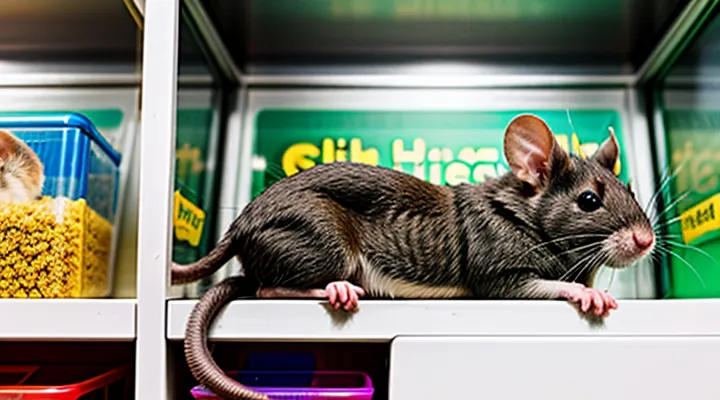
Why Pet Store Rats Might Bite
Stress and Fear in a New Environment
A rat bite in a pet retailer triggers acute stress for the bitten individual and witnesses. The unfamiliar setting amplifies fear, raising heart rate, breathing, and muscle tension. Immediate physiological responses can obscure judgment, making rapid, orderly action essential.
First‑aid measures must be executed before anxiety escalates:
- Stop bleeding with firm pressure using a clean cloth.
- Clean the wound with mild soap and water; avoid harsh antiseptics that may irritate tissue.
- Apply a sterile bandage to limit exposure.
- Contact a healthcare professional within two hours to assess infection risk and receive tetanus or rabies prophylaxis if indicated.
- Document the incident, including time, location, and details of the animal, for store records and medical follow‑up.
Managing fear after the bite requires both mental and environmental strategies. Encourage the affected person to:
- Practice controlled breathing: inhale for four seconds, hold for four, exhale for six.
- Focus attention on tangible objects (e.g., a nearby counter) to ground perception.
- Receive reassurance from trained staff who explain the steps being taken and outline safety protocols.
Pet store operators should minimize stress triggers by:
- Maintaining quiet, well‑lit areas away from high‑traffic zones.
- Providing clear signage about animal handling procedures.
- Conducting regular staff training on bite prevention and emergency response.
These actions reduce the impact of stress and fear, promote swift medical care, and help restore confidence in the retail environment.
Unfamiliar Handling and Interaction
When a customer or employee encounters a rat bite in a pet store, the initial reaction often involves unfamiliar handling of the animal and unexpected interaction. This lack of familiarity can increase the risk of injury, delay proper care, and expose the bite site to infection.
The first priority is to secure the animal safely. Use thick gloves or a sturdy container to prevent additional bites. Place the rat in a secure cage away from other animals and people. Avoid direct contact with hands until protective equipment is applied.
Next, address the wound promptly:
- Apply pressure with a clean cloth to stop bleeding.
- Rinse the bite with running water for at least 30 seconds.
- Disinfect with an antiseptic solution such as povidone‑iodine or chlorhexidine.
- Cover with a sterile dressing.
After initial care, document the incident. Record the date, time, location in the store, identity of the animal, and any observable health issues. This information assists veterinary assessment and regulatory reporting.
Consult a medical professional without delay. A healthcare provider will evaluate the need for tetanus prophylaxis, rabies risk assessment, and possible antibiotic therapy. Provide the animal’s health records, including recent vaccinations and veterinary examinations.
Finally, review store protocols. Implement training that covers proper handling techniques, use of personal protective equipment, and emergency response procedures. Conduct regular drills to ensure staff familiarity with bite management and reduce future incidents.
Immediate Actions After a Rat Bite
First Aid for the Wound
When a rat bite occurs in a retail animal environment, immediate wound management reduces infection risk and limits tissue damage. Clean the area promptly, then assess severity before proceeding with treatment.
First‑aid steps
- Wash hands thoroughly with soap and water.
- Apply sterile saline or clean running water to the bite for at least 30 seconds, removing visible debris.
- Pat the skin dry with a sterile gauze pad; avoid rubbing.
- Cover the wound with a sterile, non‑adhesive dressing.
- Apply gentle pressure if bleeding persists, using a clean cloth or bandage.
- Administer a tetanus booster if the victim’s immunization is outdated or unknown.
- Record the incident details—date, time, rat identification, and bite location—for store documentation and veterinary follow‑up.
After initial care, direct the injured person to a medical professional within 24 hours. The clinician may prescribe antibiotics targeting common rodent pathogens, such as Streptobacillus moniliformis and Leptospira spp. Monitor the wound daily for redness, swelling, or pus; report any worsening signs immediately. Maintaining proper hygiene and prompt reporting safeguards both the customer’s health and the store’s compliance with animal‑handling regulations.
Assessing the Severity of the Bite
When a rat bite occurs in a retail environment, the first priority is to determine how serious the injury is. Immediate visual inspection reveals the depth of the puncture, the amount of tissue loss, and whether the wound is actively bleeding. Deep punctures that penetrate muscle or expose bone demand urgent medical attention, while shallow scratches may be managed with basic first‑aid. Observe the animal’s behavior; signs of severe pain, swelling, or inability to use the affected limb suggest a more serious injury.
Key factors for assessing severity include:
- Depth and size – deeper, wider wounds increase infection risk.
- Bleeding – profuse or persistent bleeding indicates vascular involvement.
- Location – bites near joints, eyes, or major nerves require specialist evaluation.
- Patient response – dizziness, nausea, or fever signal systemic reaction.
- Rat condition – evidence of disease in the animal (e.g., visible sores) raises concern for zoonotic transmission.
If any of these indicators are present, professional medical care should be sought without delay. Otherwise, clean the area with antiseptic, apply a sterile dressing, and monitor for changes over the next 24‑48 hours.
When to Seek Medical Attention
Recognizing Signs of Infection
A rat bite acquired in a retail animal environment requires immediate attention to potential infection. Early identification of bacterial involvement prevents complications and guides timely treatment.
Typical indicators of infection at the wound site include:
- Redness extending beyond the bite margins
- Swelling that increases rather than diminishes within 24‑48 hours
- Warmth felt on palpation compared with surrounding tissue
- Purulent discharge or foul odor from the puncture
- Persistent or worsening pain despite initial cleaning
- Fever, chills, or malaise accompanying the local reaction
Additional systemic signs may emerge if the pathogen spreads:
- Elevated heart rate or rapid breathing
- Enlarged lymph nodes near the bite area
- Skin rash or joint pain indicating a broader immune response
When any of these symptoms appear, the following actions are advised:
- Re‑clean the wound with antiseptic solution and apply a sterile dressing.
- Contact a veterinary or medical professional without delay; provide details of the bite, the animal’s health status, and observed symptoms.
- Follow prescribed antibiotic therapy exactly as instructed, completing the full course even if improvement occurs early.
- Monitor the wound daily for changes; document size, color, and exudate to report to the caregiver.
- Report the incident to the store management to ensure proper sanitation and to assess the need for additional preventive measures.
Prompt recognition of infection signs and swift medical intervention are essential to mitigate tissue damage, systemic illness, and potential zoonotic transmission.
Potential Risks: Tetanus and Other Diseases
A rat bite in a retail animal shop carries immediate medical concerns beyond the wound itself. The most urgent threat is tetanus, a bacterial infection that can develop within days after the injury. Prompt administration of tetanus toxoid, or tetanus immune globulin if the victim’s immunization status is uncertain, prevents the toxin from affecting the nervous system.
Other pathogens transmitted by rat saliva, blood, or contaminated fur include:
- Rat‑bite fever (Spirillum minus or Streptobacillus moniliformis): causes fever, rash, arthritis; requires antibiotic therapy.
- Leptospirosis (Leptospira spp.): may lead to kidney or liver failure; treated with doxycycline or penicillin.
- Salmonellosis (Salmonella enterica): produces gastrointestinal symptoms; managed with rehydration and, if severe, antibiotics.
- Hantavirus (various strains): can cause hemorrhagic fever with renal syndrome; no specific antiviral, supportive care essential.
- Plague (Yersinia pestis): rare but possible; early doxycycline or streptomycin reduces mortality.
Immediate actions after a bite should include thorough irrigation of the wound with soap and water, evaluation of tetanus immunization, and consultation with a healthcare professional to assess the need for prophylactic antibiotics and disease‑specific testing. Documentation of the incident and the animal’s health status assists clinicians in selecting appropriate interventions.
Communicating with Pet Store Staff
Reporting the Incident
When a rat bite occurs in a retail animal environment, immediate documentation and notification are essential to protect public health and ensure regulatory compliance.
First, preserve the victim’s details: name, contact information, date and time of the bite, and precise location within the store. Record the animal’s identification, health status, and any observable behavior preceding the incident. Collect witness statements, noting each witness’s name and their account of events.
Next, inform store management without delay. Provide a concise written report that includes all gathered information, photographs of the wound (if consent is given), and a description of the rat involved. Management must forward the report to the appropriate health authority, typically the local department of health or animal control agency, within the timeframe mandated by local statutes.
Finally, retain copies of all documentation for at least the period required by law. Store policies should require periodic review of incident reports to identify patterns and implement preventive measures.
Inquiring About the Rat's Health History
When a rat bite occurs in a retail environment, the animal’s medical background provides essential clues about infection risk and appropriate treatment. Knowing whether the rat has been vaccinated, treated for parasites, or shown signs of illness helps determine the likelihood of zoonotic disease transmission and informs the urgency of medical intervention.
Key information to request from the store staff includes:
- Vaccination records, especially for diseases such as Leptospira or hantavirus‑related illnesses.
- Recent health assessments, including any observed respiratory or skin conditions.
- History of antibiotic or antiparasitic treatments within the past month.
- Details of the rat’s housing conditions, such as cleanliness of cages and frequency of bedding changes.
- Any quarantine period the animal has undergone before being placed on the sales floor.
After obtaining the health history, compare the data with standard clinical guidelines. If the rat lacks up‑to‑date vaccinations or shows recent illness, seek immediate medical evaluation for the bite wound. Document the information provided, retain copies of records, and report the incident to local animal health authorities if the store cannot supply satisfactory documentation. This systematic approach minimizes health hazards and supports informed decision‑making for both the victim and the establishment.
Preventing Future Bites
Proper Handling Techniques
A rat bite in a pet shop requires immediate, controlled action to protect the victim and prevent further incidents. The staff member who encounters the injury must stay calm, assess the situation quickly, and follow established protocols.
First, isolate the animal. Place the rat in a secure container to stop movement and reduce stress. Then, attend to the wound: apply gentle pressure with a clean gauze pad to stop bleeding, elevate the affected area if possible, and avoid probing the bite with fingers or tools. After initial first aid, cleanse the site with mild antiseptic solution and cover it with a sterile dressing.
Next, document the event and notify supervisory personnel. Record the rat’s identification, the time of the incident, and any observable behavior that may have contributed to the bite. Submit the report to the store’s health‑safety officer and, if required, to local animal control agencies.
Finally, arrange professional medical evaluation. Encourage the victim to seek immediate care from a qualified health provider, who can assess infection risk, administer tetanus prophylaxis, and consider rabies testing if indicated.
Proper handling techniques
- Secure the animal in a lockable, ventilated carrier before any further manipulation.
- Use disposable gloves and protective clothing to prevent contamination.
- Employ a calm, slow approach when restraining the rat; avoid sudden movements that may trigger aggression.
- Apply a gentle, firm grip behind the forelimbs, supporting the body without compressing the spine.
- Release the animal only after the wound is treated and the victim is safely removed from the area.
Consistent adherence to these procedures minimizes health hazards, preserves animal welfare, and maintains a safe environment for both staff and customers.
Educating Pet Store Visitors
Pet stores must convey clear guidance to customers who encounter rodents, especially when a bite occurs. Staff should provide written signage that outlines immediate actions, contact information for veterinary assistance, and the location of the nearest medical facility. Visual cues—such as icons depicting a bandage and a phone—enhance comprehension for all visitors.
When a bite is reported, the following protocol should be followed:
- Clean the wound with mild soap and running water for at least 30 seconds.
- Apply a sterile dressing and secure it with an adhesive bandage.
- Encourage the visitor to seek professional medical evaluation within 24 hours, emphasizing the risk of infection and potential need for tetanus or rabies prophylaxis.
- Record the incident in the store’s safety log, including date, time, animal involved, and witness statements.
Education materials must stress preventive behavior: avoid handling rodents without supervision, wash hands after contact, and respect cage barriers. Staff training programs should include role‑playing scenarios to reinforce the response sequence and to ensure consistent delivery of information to every patron.