
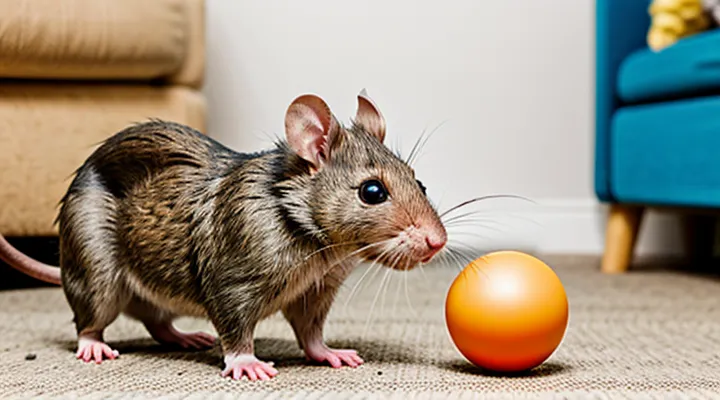
The Appeal of «Rat Balls»
Why Rodents Need Exercise
Rodents possess a high metabolic rate that demands regular physical activity to maintain cardiovascular health, muscle tone, and optimal body weight. Without sufficient movement, they experience elevated stress hormones, reduced immune function, and a higher incidence of obesity‑related disorders.
Active locomotion stimulates natural foraging and exploration behaviors, preventing the development of stereotypic patterns such as excessive chewing or repetitive pacing. Engagement in varied movement also enhances neural plasticity, supporting learning capacity and reducing anxiety.
When selecting a toy for an energetic rodent, consider the following criteria to satisfy exercise requirements while ensuring safety:
- Size appropriate to the animal’s body, preventing choking or entrapment.
- Durable, non‑toxic material that withstands vigorous chewing and rolling.
- Design that encourages climbing, pushing, or manipulating, promoting full‑body activity.
- Absence of small detachable parts that could be ingested.
A toy meeting these standards provides the necessary outlet for the animal’s innate drive to move, thereby supporting overall health and minimizing behavioral problems.
The Benefits of «Rat Balls» for Rat Health
Physical Stimulation
Physical stimulation is a primary factor when evaluating any interactive device for highly active rodents. A well‑designed play sphere should encourage natural locomotion, promote muscular development, and provide continuous sensory feedback without causing strain.
Key attributes that ensure effective physical engagement include:
- Diameter appropriate to the animal’s size – a ball that is too small restricts movement and may force the rodent into an uncomfortable posture; a diameter of 10–12 cm accommodates most adult rats and mice while allowing full stride cycles.
- Low‑friction interior surface – smooth, non‑abrasive lining reduces resistance, enabling the animal to maintain momentum with minimal effort.
- Balanced weight distribution – evenly dispersed mass prevents wobbling, which could lead to uneven muscle loading or loss of control.
- Ventilation openings – strategically placed mesh or perforations supply fresh air, supporting sustained activity and preventing overheating during prolonged exercise.
Material selection directly influences stimulation quality and safety. Transparent polycarbonate offers durability and visual inspection of the interior, while food‑grade silicone inserts add gentle tactile variation that stimulates the rodent’s whiskers and paws. Avoid hard plastics that may crack under repeated impact, as fragments pose ingestion hazards.
Maintenance procedures reinforce the physical benefits. After each session, rinse the interior with warm water and mild soap, then dry thoroughly to prevent mold growth that could compromise the animal’s respiratory health. Replace worn liners or textured inserts promptly to preserve consistent stimulation.
By focusing on these parameters, caretakers can provide a robust, movement‑centric toy that fulfills the energetic needs of rodents while minimizing risk of injury or stress.
Mental Enrichment
Mental enrichment is essential for active rodents, providing stimulation that reduces boredom and prevents the development of repetitive behaviors. When evaluating a play ball, consider the following mental benefits:
- Puzzle elements such as removable compartments or hidden treats encourage problem‑solving.
- Varied textures inside the sphere create tactile challenges that engage the animal’s sense of touch.
- Adjustable difficulty levels allow gradual skill development, keeping the animal motivated over time.
A safe toy must also meet physical standards. The material should be non‑toxic, resistant to chewing, and free of sharp edges that could injure delicate paws or teeth. Transparency or clear sections enable the owner to monitor the rodent’s activity without opening the ball, ensuring continuous observation of behavior.
Rotation time should be limited to avoid fatigue. Sessions of 10‑15 minutes, repeated two to three times daily, provide sufficient mental stimulation while preventing exhaustion. After each use, inspect the ball for wear, cracks, or loose parts; replace any compromised component promptly.
Incorporating mental enrichment into the daily routine of an energetic rat enhances overall welfare, complements physical exercise, and supports natural foraging instincts. Selecting a ball that integrates cognitive challenges with robust safety features fulfills both mental and physical needs effectively.
Understanding Potential Risks
Common Dangers of Unsuitable «Rat Balls»
Poor Ventilation and Oxygen Deprivation
When selecting a rolling toy for an energetic rodent, assess the enclosure’s airflow. Enclosed play areas that lack adequate ventilation can quickly reduce oxygen levels, especially if the animal is confined for extended periods. Low oxygen concentration leads to rapid fatigue, impaired coordination, and, in severe cases, respiratory distress.
Manufacturers often design hollow or perforated shells to promote air exchange. Evaluate the following features before purchase:
- Presence of ventilation holes or mesh panels on the toy’s surface.
- Size of openings that allow airflow without permitting escape.
- Materials that do not obstruct gas diffusion, such as breathable plastics or untreated wood.
Avoid toys with solid, airtight shells, as they create a sealed micro‑environment. Even with a well‑ventilated design, limit play sessions to 10–15 minutes and monitor the rodent for signs of breathlessness. Regularly inspect the toy for blocked vents caused by debris or nesting material, and clean any obstructions promptly. This approach minimizes the risk of oxygen deprivation while preserving the intended exercise benefits.
Injuries from Improper Construction
Improper construction of activity balls for small rodents can cause serious injuries. Sharp edges may cut delicate paws or facial skin, leading to infection. Loose or poorly secured seams can open during vigorous play, allowing the animal to become entangled or to ingest fragments, which can obstruct the digestive tract. Inadequate weight distribution creates wobbling that forces a rat to overextend limbs, increasing the risk of fractures or dislocations. Small detachable components, such as decorative beads or plastic caps, present choking hazards if swallowed.
To avoid these problems, evaluate each toy against the following criteria:
- Seam integrity: stitches or welds must be continuous, without gaps that can separate under stress.
- Surface finish: all contact areas should be smooth, with no protruding fibers or rough spots.
- Material safety: use non‑toxic, BPA‑free plastics or untreated hardwood that will not splinter.
- Size appropriateness: interior diameter must allow free movement without forcing the rodent into a cramped position.
- Component security: decorative elements must be permanently fixed or omitted entirely.
When a ball meets these standards, the likelihood of injuries from construction flaws diminishes significantly, ensuring a safer play environment for active rats.
Stress and Anxiety
Stress and anxiety frequently arise in active rodents when environmental enrichment is inadequate or unsafe. A poorly designed play ball can trigger heightened cortisol levels, leading to reduced appetite, altered grooming patterns, and diminished exploration. Recognizing these physiological and behavioral indicators allows owners to intervene before chronic distress develops.
Key characteristics of a low‑stress toy include:
- Smooth, non‑sharp edges that prevent mouth injuries and reduce fear responses.
- Transparent or lightly tinted material that permits visual monitoring, decreasing uncertainty.
- Appropriate diameter relative to the animal’s size; a ball that is too small restricts movement, while an oversized one hinders voluntary control.
- Secure, chew‑resistant closure that eliminates the risk of escape, thereby avoiding panic‑induced frantic attempts to flee.
When introducing a new ball, observe the rodent for at least 15 minutes. Absence of frantic darting, vocalizations, or excessive grooming suggests the toy does not provoke acute anxiety. Conversely, repeated attempts to exit the ball, prolonged immobility, or excessive scent marking indicate heightened stress and necessitate replacement with a more suitable option.
Maintenance practices further mitigate anxiety. Regular cleaning removes residual odors that can become stressors. Inspecting the ball for cracks or loosened seams prevents sudden failures that might startle the animal. Rotating multiple toys reduces habituation, maintaining novelty without overwhelming the rodent’s coping capacity.
By adhering to these criteria, owners provide a safe, engaging environment that supports psychological well‑being while satisfying the natural urge for active play.
Identifying Harmful Materials
When evaluating a ball intended for energetic rodents, the first step is to verify that no toxic substances are present in the construction. Manufacturers may use inexpensive polymers or additives that can leach hazardous chemicals into the animal’s environment.
Key materials to avoid include:
- Polyvinyl chloride (PVC) containing phthalates, which can disrupt endocrine function.
- Polycarbonate or other plastics with bisphenol A (BPA), a known disruptor of hormonal balance.
- Soft metals such as zinc or lead, often found in cheap metal cores or decorative elements; ingestion can cause organ damage.
- Heavy‑metal‑based pigments, especially bright red, yellow, or green colors that may contain cadmium or chromium.
- Low‑grade rubber or latex that releases volatile organic compounds (VOCs) when warmed by the animal’s body heat.
Additional red flags are strong chemical odors, a tacky surface that softens with temperature, or visible cracks that expose inner layers. Products that list “food‑grade silicone,” “natural wood,” or “non‑toxic, BPA‑free polymer” are generally safer choices. Always cross‑reference ingredient lists with reputable safety databases before purchase.
Key Criteria for a Safe «Rat Ball»
Size and Dimensions
Appropriate Diameter for Different Rat Breeds
Choosing a ball that fits a rat’s size reduces the risk of injury and ensures comfortable movement. Diameter recommendations differ among common rat varieties.
- Standard Fancy Rats (Rattus norvegicus, adult weight 300‑500 g): 5‑6 cm interior diameter. Larger balls may allow excessive rolling speed; smaller balls can cause cramped posture.
- Dwarf Varieties (e.g., Fancy Dwarf, 200‑300 g): 4‑5 cm interior diameter. A tighter fit supports natural posture while preventing the animal from slipping out.
- Juvenile Rats (under 8 weeks, 100‑200 g): 3.5‑4.5 cm interior diameter. Smaller dimensions accommodate developing limbs and encourage safe exploration.
- Large Breeds (e.g., “Giant” or heavily muscled individuals, 500‑700 g): 6‑7 cm interior diameter. Sufficient clearance prevents compression of the spine and limbs.
Select balls made from clear, non‑toxic plastic with smooth interior surfaces. Verify that the ball rolls freely on a flat surface before introducing it to the rat. Regularly inspect for cracks or sharp edges that could compromise safety.
Ensuring Ample Internal Space
When evaluating a spherical toy for active rodents, the internal cavity must accommodate the animal’s body without restriction. An inadequate interior can cause stress, impede movement, and increase the risk of injury.
- Measure the toy’s internal diameter; it should exceed the rodent’s length by at least 2 cm to allow free turning.
- Verify that the interior is smooth and free of protrusions that could trap fur or limbs.
- Ensure the material retains shape under the animal’s weight, preventing collapse of the cavity.
- Check for ventilation openings that do not compromise the overall volume but provide airflow.
A spacious interior promotes natural exploratory behavior, reduces the likelihood of the rodent becoming stuck, and supports safe, vigorous play. Selecting a ball that meets these dimensional criteria directly contributes to the pet’s well‑being.
Material Safety
Non-Toxic Plastics and Metals
When selecting a toy for an energetic rodent, the material composition determines health risk. Non‑toxic plastics and metals provide durability without leaching harmful substances, making them suitable for chewing and gnawing.
Safe plastics meet criteria such as absence of phthalates, BPA, PVC, and heavy‑metal stabilizers. Look for certifications like FDA‑approved food‑grade polymer or EU REACH compliance. Common options include:
- High‑density polyethylene (HDPE) – resistant to cracking, low chemical migration.
- Polypropylene (PP) – heat‑stable, free of plasticizers.
- Tritan™ copolyester – BPA‑free, transparent, impact‑resistant.
Non‑toxic metals must be corrosion‑resistant and free of lead, cadmium, or nickel alloys that can cause toxicity through ingestion or skin contact. Preferred choices are:
- Stainless steel (grade 304 or 316) – inert, easy to sterilize.
- Anodized aluminum – sealed surface prevents leaching.
- Brass with lead‑free alloy – durable, low friction.
Manufacturers should provide material safety data sheets (MSDS) and conduct migration testing under simulated chewing conditions. Verify that the product passes ISO 22000 or similar food‑contact standards before purchase.
Avoiding Chewing Hazards
When selecting a play sphere for an active rodent, the primary concern is the risk of the animal chewing through the toy and ingesting harmful fragments. Materials such as untreated wood, soft plastics, or loosely bonded fabrics can break under persistent gnawing, creating sharp pieces that may damage the digestive tract. Opt for products fabricated from high‑density polyethylene, reinforced silicone, or stainless‑steel mesh, all of which resist penetration and retain structural integrity.
Safety assessment should include the following criteria:
- Material certification – Verify that the manufacturer provides evidence of non‑toxic, BPA‑free composition.
- Wall thickness – Minimum of 3 mm for plastic shells; thicker walls reduce the likelihood of puncture.
- Joint construction – Welded or snapped‑together seams must be seamless to the touch; any visible gaps indicate potential failure points.
- Surface finish – Smooth, rounded edges prevent accidental cuts; abrasive textures are unnecessary for chewing stimulation.
Regular observation of the toy’s condition is essential. If any cracks, fraying, or discoloration appear, remove the sphere immediately and replace it with a verified safe alternative. Maintaining a rotation of toys reduces prolonged stress on a single item, decreasing the probability of material fatigue.
By adhering to these specifications, owners can provide engaging exercise equipment while eliminating the hazards associated with rodent chewing.
Ventilation Design
Optimal Airflow for Respiration
When evaluating toys for energetic rodents, the ventilation properties of the toy’s interior directly affect the animal’s breathing comfort. Adequate airflow prevents carbon dioxide buildup and maintains oxygen levels within the range required for normal respiration.
Key airflow considerations:
- Vent size: Openings should be no smaller than 2 mm in diameter to allow unrestricted gas exchange while preserving structural integrity.
- Vent distribution: Uniform placement of vents around the toy’s surface eliminates stagnant zones and promotes even air circulation.
- Material permeability: Use porous, non‑toxic plastics or natural fibers that allow passive diffusion of gases without releasing harmful particles.
- Airflow resistance: The total resistance should stay below 0.5 Pa·s·m⁻³ to avoid excessive breathing effort during vigorous activity.
Testing protocols:
- Place the toy in a sealed chamber equipped with a CO₂ sensor and an O₂ monitor.
- Introduce a rodent and record gas concentrations over a 30‑minute session.
- Verify that CO₂ never exceeds 0.5 % and O₂ remains above 19 % throughout the test.
By adhering to these specifications, manufacturers ensure that the toy supports healthy respiration while providing the stimulation required for active small mammals.
Preventing Overheating
When evaluating a rolling toy for an active rodent, temperature control is a primary safety factor. Excess heat can cause stress, dehydration, or injury, especially in confined plastic shells that retain warmth.
Materials with high thermal conductivity, such as food‑grade silicone or perforated polycarbonate, disperse body heat more effectively than solid acrylic. Transparent designs with multiple ventilation holes allow air exchange and reduce internal temperature spikes. Avoid toys that are fully sealed or composed of low‑melting‑point polymers.
Limit continuous play sessions to intervals that prevent the animal’s core temperature from rising above normal levels. A practical guideline is to restrict use to 10‑15 minutes for small rats and up to 20 minutes for larger species, followed by a cooling period. Observe the animal for signs of panting, lethargy, or excessive drooling, which indicate overheating.
Environmental conditions also influence toy temperature. Place the ball on a cool surface, away from direct sunlight, heating vents, or radiators. Ambient room temperature should remain within the species‑specific comfort range (generally 18‑24 °C or 64‑75 °F). If the room temperature exceeds this range, consider using a fan‑cooled enclosure or a heat‑absorbing mat beneath the toy.
Key preventative measures
- Choose toys with at least 20 % surface perforation.
- Verify that the material is rated for temperatures above 40 °C (104 °F).
- Conduct a pre‑use temperature check with a digital probe; the surface should be no more than 2 °C above ambient.
- Implement timed play cycles and enforce rest periods.
- Store the toy in a shaded, well‑ventilated area when not in use.
By adhering to these specifications, owners can minimize the risk of overheating while providing a stimulating, safe activity for their rodent companions.
Construction and Durability
Smooth Edges and Seams
When evaluating a ball toy for an active rodent, inspect the perimeter for any protruding points. A toy with fully rounded edges prevents accidental cuts to delicate paws and whiskers. Verify that the outer surface transitions smoothly into the interior cavity; abrupt changes often indicate manufacturing defects that could snag fur or skin.
Check the seams that join the halves of the ball. Ideal designs use either seamless molding or welded joints that are flush with the surrounding material. If seams are visible, they should be covered by a thin layer of plastic, leaving no exposed stitching or glue lines. This reduces the risk of the animal chewing through and injuring itself.
Key inspection points:
- Edge radius of at least 2 mm, ensuring a gentle curve.
- Seam thickness no greater than 0.5 mm, with a uniform finish.
- Absence of sharp ridges or burrs after cleaning.
- Material consistency across the joint, indicating proper bonding.
A toy that meets these criteria minimizes the likelihood of injuries while allowing the rodent to roll and explore safely.
Secure Latches and Doors
Secure latches and doors are essential components of any rodent play enclosure, preventing escape and limiting exposure to hazardous environments. A reliable locking system protects active rats from slipping out of a ball or climbing structure while allowing caregivers easy access for cleaning and observation.
Key attributes of effective latches and doors include:
- Material durability – stainless steel or reinforced polymer resists gnawing and corrosion.
- Locking mechanism – snap‑fit, cam, or slide locks that engage with a single motion reduce the risk of accidental release.
- Seal integrity – overlapping flanges or gasketed edges eliminate gaps where a rodent could squeeze through.
- Size compatibility – latch dimensions must align with the enclosure’s opening to avoid misalignment and stress points.
- Ease of operation – lever or push‑button designs enable quick opening without excessive force, minimizing handling stress.
Testing procedures verify performance under realistic conditions. Apply a steady pull of at least 5 kg to the latch to confirm resistance, then introduce a chew test using a standard rodent chew block for a 24‑hour period. Inspect hinges and fastening screws for wear after each test cycle; replace any component showing deformation or loosening.
Maintenance routines sustain security. Disassemble the latch weekly, clean with mild soap and warm water, and dry thoroughly before reassembly. Perform a visual inspection of the door frame for cracks or splintered edges, and substitute any worn part immediately. Record inspection dates in a log to track component lifespan.
Choosing enclosures equipped with robust, tested latches and doors reduces escape incidents and extends the functional life of rodent play equipment, ensuring a safe environment for energetic small mammals.
Resistance to Gnawing
When evaluating play balls for energetic rodents, resistance to gnawing determines whether the toy remains intact and safe during prolonged use. Materials that rodents cannot easily chew through reduce the risk of broken pieces and potential ingestion of fragments.
Hard plastics such as polycarbonate or high‑density polyethylene provide a smooth surface that resists bite marks. Natural fibers, including untreated sisal, are unsuitable because they invite chewing and quickly deteriorate. Composite shells that combine a rigid outer layer with a flexible interior balance durability and comfort without encouraging gnawing.
Key criteria for selecting a gnaw‑resistant ball:
- Material hardness rating of at least 70 on the Shore D scale.
- Absence of soft seams, glue lines, or fabric inserts.
- Certified non‑toxic composition, verified by independent laboratory testing.
- Surface finish free of micro‑cracks that could be exploited by incisors.
Choosing a toy that meets these specifications ensures the rodent can engage in natural play behaviors while the enclosure remains free of hazardous debris.
Alternatives and Supplements to «Rat Balls»
Supervised Free-Roam Time
Supervised free‑roam sessions are essential when evaluating a play ball for active rodents. During these periods the animal can explore the toy’s interior, test its durability, and reveal any potential hazards such as sharp edges, loose seams, or small openings that could lead to escape or injury. Observation should be continuous; any signs of distress, excessive chewing, or attempts to exit the ball must prompt immediate removal.
Key practices for safe supervised sessions:
- Place the rat ball on a non‑slippery surface and allow the rodent to enter voluntarily.
- Keep the enclosure within sight at all times; a clear line of sight prevents unnoticed damage.
- Limit each session to 10‑15 minutes initially, extending only after the animal demonstrates comfort and the toy shows no wear.
- Inspect the ball after every use for frayed material, broken clips, or punctures. Replace or discard any compromised component promptly.
- Record observations—behavioral responses, chewing patterns, and escape attempts—to inform future toy selection.
Implementing these controls provides reliable data on the ball’s safety, ensures the rodent’s well‑being, and supports informed purchasing decisions for durable, secure play accessories.
Enrichment Toys and Cages
Chew Toys
Chew toys are essential for active rodents because they satisfy the natural urge to gnaw, protect teeth, and provide mental stimulation. Safe chew toys must meet specific criteria:
- Made from non‑toxic, untreated wood, natural fibers, or food‑grade silicone.
- Free of small detachable parts that can be swallowed.
- Sized appropriately for the animal’s body length; the toy should be large enough to prevent choking but small enough for the rodent to manipulate.
- Structured without sharp edges or rough surfaces that could damage gums.
- Easy to clean, either by hand washing or dishwasher‑safe materials, to prevent bacterial buildup.
When evaluating a chew toy, examine the ingredient list for chemicals such as BPA, phthalates, or artificial dyes. Verify that the manufacturer provides safety certifications or compliance with pet‑product standards. Test durability by applying moderate pressure; a quality toy will resist breaking while allowing the animal to wear down the material gradually.
Regularly inspect the toy for wear, cracks, or splintering. Replace any item that shows signs of damage to avoid injury. Rotate a selection of chew toys to keep the rodent engaged and to prevent overuse of a single piece, which can lead to excessive wear.
Choosing chew toys that adhere to these guidelines supports dental health, reduces destructive behavior, and enhances overall well‑being for energetic small mammals.
Tunnels and Mazes
Tunnels and mazes provide essential enrichment for energetic rodents, encouraging natural foraging and exploration while supporting physical health. When evaluating these structures for safety, concentrate on material durability, interior dimensions, and maintenance requirements.
- Constructed from non‑toxic, chew‑resistant plastics or untreated hardwood; avoid painted or varnished surfaces that may chip or release chemicals.
- Diameter large enough for the animal to pass without squeezing; a minimum of 2 inches (5 cm) accommodates most adult rats and mice.
- Smooth interior walls prevent abrasions; any seams should be tightly sealed to eliminate gaps where paws could become trapped.
- Modular sections allow reconfiguration, promoting mental stimulation and preventing monotony.
Cleaning protocols influence long‑term safety. Choose designs that disassemble easily, enabling thorough washing with mild soap and hot water. Ensure that all joints are free of sharp edges that could injure delicate fur or skin.
Ventilation must not be compromised; perforated panels or mesh inserts maintain airflow while restricting escape. Verify that any mesh is made from stainless steel or reinforced polymer to resist gnawing.
Finally, assess the toy’s stability on the cage floor. A weighted base or non‑slip rubber feet keep the structure steady during vigorous activity, reducing the risk of collapse.
By applying these criteria, tunnels and mazes become reliable, secure accessories that complement a well‑chosen activity ball for active rodents.
Foraging Toys
Foraging toys provide mental stimulation and physical activity for energetic rodents, complementing the safety criteria outlined for selecting appropriate play objects. They encourage natural digging and searching behaviors while keeping the animal occupied.
Key safety considerations for foraging toys include:
- Material safety: Use non‑toxic, chew‑resistant plastics, untreated wood, or natural fibers without pesticides or chemicals.
- Size and shape: Ensure openings are large enough for the rodent to manipulate but too small for ingestion of parts; avoid sharp edges.
- Durability: Select toys that withstand repeated gnawing and do not fragment into hazardous shards.
- Cleaning ease: Choose designs that can be disassembled or have smooth surfaces for regular sanitization without damaging the toy.
- Secure fastening: Verify that any lids, tunnels, or compartments lock firmly to prevent accidental release of small components.
When integrating foraging toys into a rodent’s environment, position them alongside other enrichment items to create a varied play area. Rotate toys regularly to maintain novelty and reduce the risk of boredom‑related stress. Monitoring the animal’s interaction with the toy allows early detection of wear or damage, ensuring prompt replacement before hazards develop.