
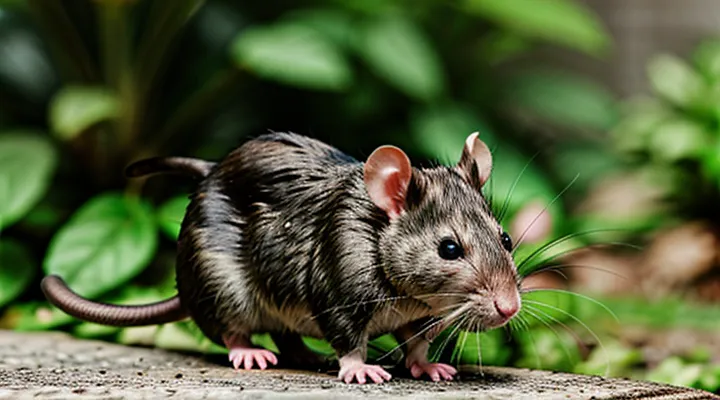
Understanding Rat Asthma
What is Rat Asthma?
Causes and Triggers
Rat asthma is a chronic inflammatory disease affecting the lower airways of laboratory and pet rodents. The condition develops when the respiratory system encounters specific irritants or when intrinsic factors predispose the animal to hyper‑responsiveness.
Common causes include:
- Genetic susceptibility that amplifies immune reactions in the pulmonary tissue.
- Persistent bacterial, viral, or fungal infections that damage airway epithelium.
- Chronic exposure to high concentrations of airborne particulates, such as dust from bedding or feed.
- Prolonged contact with volatile compounds, notably ammonia from urine accumulation.
- Recurrent stressors that alter neuro‑immune pathways and increase airway reactivity.
Triggers that can precipitate an acute episode in a rat already sensitized to asthma are:
- Sudden spikes in ambient dust or dander levels.
- Release of strong odors from cleaning agents, disinfectants, or scented products.
- Inhalation of cigarette smoke or other combustion by‑products.
- Rapid temperature or humidity fluctuations within the housing environment.
- Introduction of mold spores or pollen during seasonal changes.
Identifying and eliminating these causative agents and triggers is essential for effective management and for reducing the frequency of exacerbations.
Symptoms and Diagnosis
Respiratory distress in laboratory and pet rats often indicates an asthmatic condition that requires prompt identification. Recognizing the clinical picture enables timely therapeutic intervention and reduces morbidity.
- Labored breathing with audible wheeze
- Rapid, shallow respiration (tachypnea)
- Nasal flaring or open-mouth breathing
- Coughing or honking sounds during exhalation
- Reduced activity and reluctance to move
- Cyanotic or pale mucous membranes in severe cases
Diagnosis relies on systematic observation and objective testing. Physical examination confirms the presence of abnormal respiratory sounds and evaluates severity. Imaging and laboratory techniques provide definitive evidence.
- Thoracic radiography to detect bronchial thickening, hyperinflation, or infiltrates
- Computed tomography for detailed airway assessment when radiographs are inconclusive
- Pulmonary function testing (e.g., whole-body plethysmography) to quantify airway resistance
- Blood gas analysis to identify hypoxemia or hypercapnia
- Bronchoalveolar lavage cytology to detect eosinophilic inflammation or infectious agents
Combining clinical signs with these diagnostic tools establishes a reliable basis for managing asthmatic episodes in rats.
Treatment Approaches for Rat Asthma
Veterinary Consultation and Diagnosis
Veterinary consultation for suspected respiratory disease in rats begins with a detailed client interview that records clinical signs, housing conditions, diet, and recent exposures. The practitioner observes the animal for audible wheezing, labored breathing, nasal discharge, and changes in activity or weight. Physical examination includes auscultation of the thorax, palpation of the cervical lymph nodes, and assessment of mucous membrane color.
Diagnostic procedures commonly employed are:
- Radiographic imaging of the thorax to identify bronchial thickening, hyperinflation, or infiltrates.
- Hematologic analysis to detect eosinophilia or inflammatory markers.
- Microbiological sampling of nasal or tracheal secretions for bacterial culture and viral PCR.
- Bronchoscopy with lavage when equipment and patient size permit, providing direct visualization and fluid for cytology.
The veterinarian integrates these findings to differentiate asthma from infectious pneumonia, allergic rhinitis, or cardiac disease. Accurate identification of the underlying cause guides selection of bronchodilators, anti‑inflammatory agents, and environmental modifications that constitute the preventive component of care.
Medical Treatments
Bronchodilators
Bronchodilators are pharmacologic agents that relax airway smooth muscle, thereby increasing airflow in rats suffering from bronchoconstriction. Their primary therapeutic objective is rapid reversal of bronchial narrowing, which contributes to the alleviation of wheezing and dyspnea during asthmatic episodes.
In experimental rodent models, the most frequently employed bronchodilators include:
- Short‑acting β2‑adrenergic agonists (e.g., albuterol, terbutaline) administered via inhalation or intraperitoneal injection.
- Muscarinic antagonists (e.g., ipratropium bromide) delivered by nebulization.
- Phosphodiesterase‑4 inhibitors (e.g., roflumilast) given orally to sustain bronchodilation through cyclic AMP elevation.
Dosage regimens are calibrated according to body weight and severity of airway obstruction. For instance, albuterol is commonly used at 0.5–2 mg kg⁻¹ via nebulization, producing peak bronchodilation within 5–10 minutes. Repeated dosing may be required to maintain airway patency during prolonged attacks.
Adverse effects observed in rats encompass tachycardia, tremor, and, at high concentrations, paradoxical bronchospasm. Monitoring heart rate and locomotor activity helps differentiate therapeutic benefits from systemic stimulation. Combining bronchodilators with anti‑inflammatory agents such as corticosteroids reduces the required dose and mitigates side‑effect risk.
Preventive strategies incorporate scheduled low‑dose bronchodilator administration to blunt airway hyperreactivity before allergen exposure. Prophylactic inhalation of a β2‑agonist 30 minutes prior to known triggers has demonstrated a 40 % reduction in bronchoconstriction severity in controlled studies.
Effective asthma management in rats therefore relies on judicious selection of bronchodilator class, precise dosing, and integration with anti‑inflammatory therapy to achieve both acute relief and long‑term airway stability.
Corticosteroids
Corticosteroids are the primary anti‑inflammatory agents used to control bronchial hyper‑responsiveness in laboratory rats with asthma‑like symptoms. They suppress cytokine production, reduce eosinophil infiltration, and stabilize airway epithelium, leading to rapid improvement in respiratory function.
Effective delivery methods include oral gavage, intraperitoneal injection, and inhalation via nebulization. Choice of route depends on experimental design, required plasma concentrations, and the severity of airway inflammation. Inhalation provides localized action with minimal systemic exposure, while systemic administration ensures uniform distribution in severe models.
Typical regimens for common corticosteroids are:
- Prednisone: 1–5 mg kg⁻¹ day⁻¹, oral; taper after 7–10 days to avoid adrenal suppression.
- Dexamethasone: 0.1–0.5 mg kg⁻¹ day⁻¹, intraperitoneal; maintain for 3–5 days in acute exacerbations.
- Fluticasone propionate: 0.5–2 µg kg⁻¹ per nebulization session; repeat twice daily for chronic management.
Monitoring parameters include pulmonary resistance measured by plethysmography, blood glucocorticoid levels, and histological assessment of airway remodeling. Adjustments to dosage should be based on these objective metrics rather than subjective observation.
Long‑term prevention strategies incorporate low‑dose maintenance corticosteroids combined with environmental controls such as reduced allergen exposure and humidity regulation. Periodic assessment of adrenal function and bone density is required to mitigate potential adverse effects associated with prolonged therapy.
Antibiotics (for secondary infections)
Antibiotics become necessary when bacterial complications accompany respiratory distress in rats. Secondary infections may arise from opportunistic pathogens that colonize inflamed airways, exacerbate bronchoconstriction, and increase mortality risk.
Indications for antimicrobial therapy include confirmed bacterial culture, marked leukocytosis, fever, or rapid clinical deterioration despite bronchodilator and anti‑inflammatory treatment. Empirical use is justified only after assessing these criteria.
Commonly employed agents cover typical gram‑negative and gram‑positive organisms found in rodent respiratory tracts:
- Enrofloxacin – broad‑spectrum fluoroquinolone, effective against Pseudomonas, Escherichia coli, and Staphylococcus spp.
- Trimethoprim‑sulfamethoxazole – combines bacteriostatic and bactericidal activity, suitable for Haemophilus and Streptococcus infections.
- Amoxicillin‑clavulanic acid – β‑lactamase inhibitor combination, addresses β‑lactamase‑producing strains such as Klebsiella.
Dosage regimens follow manufacturer recommendations adjusted for body weight (e.g., enrofloxacin 10 mg/kg subcutaneously once daily). Treatment duration typically spans 5‑7 days, extending to 10‑14 days for deep‑seated infections confirmed by culture.
Risks include gastrointestinal disturbance, alteration of normal flora, and selection of resistant strains. Regular monitoring of clinical signs, weight, and, when feasible, repeat cultures mitigates adverse outcomes. Adjustments based on susceptibility testing preserve efficacy.
Preventive strategies reduce reliance on antimicrobials: maintain optimal housing ventilation, implement strict quarantine for new arrivals, provide balanced nutrition, and ensure routine vaccination against common respiratory pathogens. Early detection of asthma symptoms and prompt anti‑inflammatory management diminish the likelihood of bacterial superinfection.
Supportive Care
Oxygen Therapy
Oxygen therapy delivers supplemental oxygen to rats experiencing bronchoconstriction and inflammation, restoring arterial oxygen saturation and alleviating hypoxemia. The approach is based on increasing the partial pressure of oxygen in inhaled air, which expands the diffusion gradient across the alveolar membrane and improves gas exchange despite narrowed airways.
Administration methods include:
- Nasal cannula: Small-diameter tubing placed in the nostrils, providing 30–40 % FiO₂ at flow rates of 0.5–1 L/min. Suitable for awake animals during short‑term interventions.
- Oxygen chamber: Enclosed environment with controlled oxygen concentration (40–60 %). Allows continuous delivery for prolonged treatment and is useful for groups of animals.
- Mask ventilation: Tight‑fitting mask delivering 60–100 % FiO₂ with positive pressure. Reserved for severe episodes requiring rapid reversal of hypoxemia.
Typical dosing parameters:
- Initiate therapy when arterial oxygen tension falls below 80 mmHg.
- Maintain SpO₂ above 92 % throughout the acute phase.
- Taper oxygen concentration as clinical signs improve, usually within 24–48 hours.
Benefits of supplemental oxygen include:
- Immediate correction of hypoxemia, reducing respiratory muscle fatigue.
- Stabilization of blood pH by preventing respiratory acidosis.
- Support for concurrent pharmacologic agents (e.g., bronchodilators, corticosteroids) by ensuring adequate tissue oxygenation.
Potential complications:
- Hyperoxia: Prolonged exposure to >70 % FiO₂ may generate reactive oxygen species, exacerbating airway inflammation.
- Barotrauma: Excessive positive pressure during mask ventilation can cause alveolar rupture.
- Mucosal drying: High flow rates may desiccate nasal passages, increasing susceptibility to secondary infection.
Preventive considerations incorporate oxygen therapy into a broader management plan:
- Use low‑flow oxygen during periods of heightened allergen exposure to maintain baseline oxygenation.
- Incorporate intermittent oxygen bursts in housing systems with controlled ambient oxygen levels, reducing chronic hypoxemic stress.
- Monitor environmental humidity and temperature to mitigate mucosal irritation while delivering oxygen.
Regular assessment of arterial blood gases, pulse oximetry, and respiratory rate guides adjustments, ensuring that oxygen therapy remains effective without inducing adverse effects.
Humidification
Humidification improves respiratory comfort in laboratory rats by maintaining airway moisture and reducing irritant particle deposition. Adequate ambient humidity (45‑55 % relative humidity) prevents the drying of bronchial mucosa, which can exacerbate bronchoconstriction and trigger asthma-like episodes.
-
Therapeutic benefits:
- Increases mucociliary clearance, facilitating removal of inflammatory secretions.
- Lowers airway resistance during acute attacks, allowing faster response to bronchodilators.
- Reduces the frequency of spontaneous wheezing episodes in sensitized rodents.
-
Preventive measures:
- Continuous monitoring of humidity levels with calibrated hygrometers.
- Integration of ultrasonic humidifiers in cage ventilation systems to avoid temperature fluctuations.
- Regular cleaning of humidifier reservoirs to prevent microbial growth that could aggravate airway inflammation.
Research indicates that consistent humidification, combined with controlled allergen exposure, diminishes the severity of experimental asthma in rats. Adjusting humidity parameters should be part of any comprehensive protocol aimed at managing respiratory disease in rodent models.
Prevention Strategies for Rat Asthma
Environmental Control
Dust Reduction
Dust particles are primary irritants that trigger bronchoconstriction and inflammation in rodent respiratory systems. Reducing ambient dust directly lowers the frequency and severity of asthma episodes, supporting both therapeutic outcomes and preventive measures.
Effective dust control relies on three operational layers:
- Environmental sanitation: Daily removal of bedding debris, feed spillage, and cage wall litter using low‑dust materials and vacuum systems equipped with HEPA filters.
- Air filtration: Installation of inline filters on ventilation ducts, maintaining a minimum efficiency of 99 % for particles ≤5 µm. Replace filters according to manufacturer schedules to prevent saturation.
- Material selection: Preference for paper‑based bedding, low‑dust chew toys, and pellet diets formulated without fine powders. Eliminate wood shavings or straw that generate high‑volume particulates.
Monitoring dust concentration provides feedback for adjustment. Deploy portable particle counters in housing rooms, record readings hourly, and keep levels below 0.5 mg/m³. Correlate data with clinical observations of respiratory rate and wheeze frequency to assess intervention efficacy.
Integrating these practices into standard husbandry protocols minimizes exposure, reduces reliance on pharmacological bronchodilators, and contributes to long‑term respiratory health in laboratory rats.
Allergen Management
Effective allergen management is essential for controlling asthma in rats. Reducing exposure to airborne irritants lowers airway inflammation and improves clinical outcomes. Implementing comprehensive environmental controls, dietary adjustments, and regular health monitoring creates a stable respiratory environment.
Key practices include:
- Selecting low‑dust bedding such as paper or wood shavings; avoid corn‑based or aromatic substrates.
- Maintaining humidity between 40 % and 60 % and temperature within the species‑specific range to prevent mold growth.
- Using high‑efficiency particulate air (HEPA) filtration in cages and housing rooms; replace filters according to manufacturer guidelines.
- Conducting weekly cleaning of cages, food trays, and water bottles with non‑volatile, fragrance‑free disinfectants.
- Monitoring air quality with particulate counters; adjust ventilation rates when levels exceed established thresholds.
Nutritional strategies complement environmental measures. Incorporate omega‑3 fatty acids and antioxidant‑rich foods to support mucosal integrity. Avoid feed items that generate high particulate emissions, such as grain‑heavy pellets.
Routine health assessments should include allergen testing, spirometric evaluation, and observation of respiratory signs. Early detection of sensitization permits prompt intervention, preventing disease progression. Documentation of exposure levels and clinical responses facilitates data‑driven refinements to the allergen control program.
Proper Ventilation
Proper ventilation reduces airborne irritants that trigger bronchoconstriction in laboratory and pet rats. Continuous replacement of stale air with fresh, filtered airflow lowers concentrations of dust, ammonia, and volatile organic compounds, which are common precipitants of respiratory distress.
Effective ventilation requires a minimum of 10 air changes per hour in cages and housing rooms. Temperature should remain between 18 °C and 24 °C, while relative humidity stays within 40 %–60 % to prevent mucosal drying and microbial growth. Low‑velocity airflow (0.1–0.3 m s⁻¹) across the cage front prevents drafts that can cause stress‑induced hyperventilation.
- Install HEPA‑rated exhaust fans to capture particulate matter.
- Use inline carbon filters to remove odors and chemical vapors.
- Position intake vents at least 30 cm above cage level to avoid direct airflow onto animals.
- Verify that cage lids are perforated with uniformly sized openings; replace damaged lids promptly.
- Calibrate flow meters weekly to confirm target exchange rates.
Routine inspection of filters, ducts, and fans prevents performance decline. Record airflow measurements, temperature, and humidity at least once per shift; adjust system settings when values deviate from prescribed ranges. Prompt correction of ventilation failures minimizes the risk of acute asthma episodes and supports long‑term respiratory health in rats.
Dietary Considerations
Dietary management can reduce the frequency and severity of bronchial inflammation in laboratory rodents. High‑quality protein sources with low allergenic potential, such as purified casein or soy isolate, provide necessary amino acids without triggering hypersensitivity reactions. Incorporating omega‑3 fatty acids from fish oil or flaxseed oil attenuates eosinophilic activity and supports airway smooth‑muscle relaxation. Antioxidant‑rich vegetables (e.g., carrots, spinach) and fruits (e.g., blueberries) supply vitamin C, vitamin E, and polyphenols that neutralize oxidative stress associated with airway constriction.
Key nutritional practices include:
- Maintaining body condition scores within the optimal range to prevent obesity‑related respiratory compromise.
- Providing constant access to clean, fresh water to ensure adequate mucosal hydration.
- Limiting exposure to common rodent allergens such as grain‑based chow, peanuts, and processed foods containing added sugars or preservatives.
- Supplementing with vitamin D3 (1,000–2,000 IU/kg diet) to modulate immune responses that influence bronchial reactivity.
- Monitoring calcium–phosphorus ratios to avoid mineral imbalances that may exacerbate inflammatory pathways.
Regular assessment of feed composition, combined with periodic blood chemistry panels, allows early detection of nutrient deficiencies or excesses that could impact pulmonary health. Adjustments based on these data help sustain airway integrity while minimizing the need for pharmacologic interventions.
Stress Reduction
Stress directly influences airway reactivity in laboratory rodents, making reduction of psychological and physiological tension a critical component of any protocol aimed at managing respiratory disease in rats. Elevated glucocorticoid levels and sympathetic activation aggravate bronchoconstriction, increase eosinophil infiltration, and diminish the efficacy of bronchodilators. Consequently, minimizing stress improves both therapeutic outcomes and the reliability of experimental data.
Research identifies three pathways through which stress exacerbates pulmonary pathology: (1) activation of the hypothalamic‑pituitary‑adrenal axis, (2) heightened catecholamine release, and (3) disruption of mucociliary clearance. Each pathway contributes to airway hyperresponsiveness and inflammation, underscoring the necessity of controlling environmental and handling variables.
Effective stress‑reduction strategies include:
- Environmental enrichment: nesting material, tunnels, and chew objects to promote natural behaviors.
- Habituation to handling: daily brief sessions of gentle restraint to acclimate animals to human contact.
- Controlled lighting and noise: consistent light‑dark cycles, sound‑attenuated housing, and avoidance of sudden disturbances.
- Social housing: pairing compatible individuals to satisfy social needs while preventing aggressive interactions.
- Predictable routine: fixed feeding times, consistent cage cleaning schedules, and uniform personnel assignments.
Incorporating these measures into respiratory treatment regimens lowers baseline inflammation, enhances response to inhaled corticosteroids, and reduces the incidence of spontaneous asthma attacks. Protocols that combine pharmacologic intervention with systematic stress mitigation achieve higher survival rates and more reproducible lung function assessments.
Regular Health Monitoring
Regular health monitoring provides objective data on the condition of rats prone to respiratory distress. Systematic observation of clinical signs, body weight, and environmental variables creates a baseline for therapeutic decisions.
Key elements of a monitoring program include:
- Visual assessment of nasal discharge, sneezing, and wheezing.
- Measurement of respiratory rate and effort at rest.
- Weekly weighing to detect subtle weight loss.
- Monthly evaluation of cage temperature, humidity, and particulate levels.
- Periodic pulmonary function testing using plethysmography or similar devices.
Frequency of observations should match the severity of the condition. Daily visual checks detect acute changes; weekly weight and respiratory measurements track trends; monthly environmental assessments ensure that triggers remain controlled. Data collection sheets or digital logs facilitate trend analysis and rapid response.
Early identification of deteriorating respiratory function enables prompt adjustment of medication, modification of housing conditions, and prevents progression to severe asthma episodes. Consistent monitoring also informs preventive strategies by highlighting recurring environmental or nutritional factors that exacerbate symptoms.
Living with a Rat with Asthma
Long-term Management
Effective long‑term management of asthma in rats requires a coordinated approach that combines pharmacologic control, environmental modification, regular health assessment, and owner education.
Sustained pharmacologic therapy typically involves low‑dose inhaled corticosteroids or long‑acting bronchodilators administered via nebulizer or metered‑dose inhaler. Dosage adjustments are based on symptom frequency and lung function measurements obtained during routine examinations. Periodic tapering is considered only after documented stability over several weeks.
Environmental strategies focus on reducing irritants that trigger bronchoconstriction. Key actions include:
- Maintaining humidity between 40 % and 60 % to prevent airway drying.
- Using high‑efficiency particulate air (HEPA) filtration to eliminate dust, pollen, and mold spores.
- Providing bedding made of low‑allergen materials such as paper or aspen shavings.
- Ensuring proper ventilation without drafts that cause rapid temperature fluctuations.
Monitoring protocols consist of weekly observation of respiratory rate, wheezing intensity, and activity levels. Objective data are collected using plethysmography or pulse oximetry when available. Any increase in baseline respiratory parameters prompts immediate reassessment of medication dosage and environmental conditions.
Nutritional support contributes to respiratory health. Diets enriched with omega‑3 fatty acids, antioxidants (vitamin E, selenium), and adequate protein improve mucosal integrity and reduce inflammatory responses. Water intake should be monitored to prevent dehydration, which can exacerbate airway irritation.
Breeding considerations are essential for colonies with a known predisposition. Selective breeding programs aim to reduce the incidence of hereditary airway hyperreactivity. Pregnant females receive prophylactic treatment to minimize fetal exposure to severe attacks.
Veterinary follow‑up is scheduled at three‑month intervals for stable cases and monthly for newly diagnosed or unstable individuals. During each visit, clinicians perform thoracic auscultation, radiographic evaluation, and review of medication adherence. Adjustments are documented in a centralized health record accessible to all caretakers.
Owner education emphasizes consistent administration of inhaled medication, recognition of early warning signs, and adherence to environmental guidelines. Written protocols and demonstration videos reinforce proper technique and reduce the risk of dosing errors.
Recognizing Worsening Symptoms
Recognizing the escalation of respiratory distress in laboratory rats is essential for effective asthma management. Early detection prevents irreversible airway damage and reduces the need for aggressive pharmacological interventions.
Observable changes include:
- Increased respiratory rate exceeding normal baseline by 20‑30 %.
- Audible wheezing or high‑pitched sounds during expiration.
- Nasal flaring and visible effort to inhale.
- Persistent coughing or gagging episodes lasting more than a few seconds.
- Reduced activity, loss of appetite, and lethargy.
- Cyanotic discoloration of the mucous membranes or extremities.
Physiological monitoring should complement visual assessment. Pulse oximetry values below 90 % saturation, elevated heart rate, and abnormal blood gas measurements (elevated PaCO₂, decreased PaO₂) signal worsening obstruction. Daily weight checks can reveal fluid retention associated with severe inflammation.
When any of the above indicators appear, immediate action is required:
- Administer rescue bronchodilator according to the established dosing protocol.
- Increase ambient humidity to 50‑60 % to ease airway irritation.
- Provide supplemental oxygen, maintaining FiO₂ at 0.4–0.5 until saturation stabilizes.
- Notify veterinary staff for possible corticosteroid escalation and diagnostic imaging.
Regular documentation of symptom progression creates a reliable baseline for each subject, enabling swift differentiation between transient episodes and genuine deterioration.
Emergency Protocols
Emergency protocols for acute rat asthma attacks require rapid assessment, immediate stabilization, and targeted pharmacologic intervention. First responders must verify airway patency, observe respiratory rate, and note audible wheezing or labored breathing. If the animal exhibits cyanosis, unresponsive behavior, or rapid deterioration, initiate emergency measures without delay.
- Administer supplemental oxygen via a small‑volume flow regulator set at 1–2 L/min; maintain oxygen concentration above 40 % to alleviate hypoxemia.
- Deliver a short‑acting bronchodilator (e.g., nebulized albuterol at 0.5 mg/kg) using a pediatric nebulizer mask fitted to the rat’s snout. Repeat every 5 minutes if bronchoconstriction persists.
- Provide an injectable corticosteroid (e.g., dexamethasone 0.2 mg/kg IM) to suppress inflammatory airway edema; repeat once after 12 hours if clinical signs remain.
- Monitor heart rate, respiratory effort, and peripheral perfusion continuously for at least 30 minutes post‑treatment.
If the rat fails to respond to bronchodilation within 10 minutes, consider a low‑dose epinephrine injection (0.01 mg/kg IM) while observing for tachycardia or hypertension. Ensure that all medications are prepared in sterile syringes and labeled clearly to avoid dosage errors.
After stabilization, transfer the animal to a quiet, temperature‑controlled recovery area. Record vital signs, administered drugs, and response details in a standardized log. Conduct a post‑event review to identify precipitating factors such as allergen exposure, stress, or suboptimal environmental conditions, and modify husbandry practices accordingly to reduce recurrence risk.