
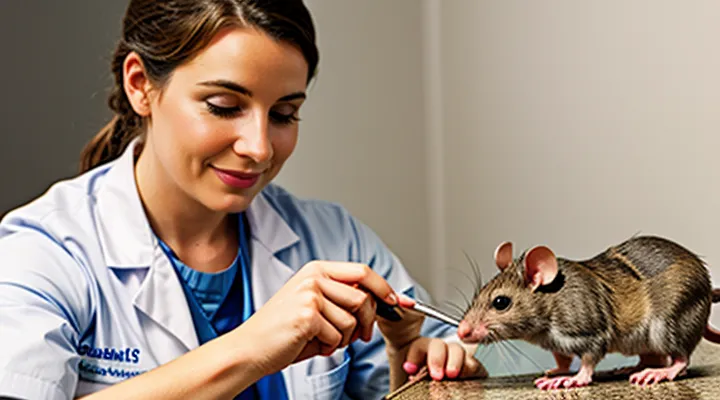
Why Rodents Require Specialized Veterinary Attention
Anatomical and Physiological Differences
Rats and mice exhibit distinct anatomical structures that affect clinical assessment and treatment. Rats possess a larger skull with more robust jaw muscles, supporting stronger incisors and a greater bite force. Their vertebral column includes a pronounced lumbar region, providing enhanced flexibility for burrowing. In contrast, mice have a smaller, more delicate skull, shorter incisors, and a less developed lumbar spine, which limits their ability to manipulate objects. These skeletal differences influence radiographic positioning, anesthesia dosing, and surgical approach.
Physiological variations further separate the two species. Rats display a higher basal metabolic rate, resulting in faster drug absorption and elimination; dosing intervals must therefore be shortened compared to mice. Cardiovascular parameters differ, with rats having larger heart dimensions and higher stroke volume, while mice exhibit a faster heart rate but lower cardiac output per beat. Renal function in rats shows greater glomerular filtration capacity, affecting fluid therapy calculations. Reproductive cycles also diverge: rats experience a 4‑day estrous cycle, whereas mice have a 4‑5‑day cycle with shorter gestation, influencing breeding management and hormonal interventions.
Key considerations for veterinary practice include:
- Adjusting anesthetic protocols to accommodate metabolic and cardiovascular disparities.
- Selecting appropriate instrument sizes for dental and orthopedic procedures based on skull dimensions.
- Modifying dosing regimens for antibiotics and analgesics according to renal clearance differences.
- Tailoring reproductive monitoring and hormonal treatments to each species’ cycle length.
Understanding these anatomical and physiological distinctions enables precise diagnosis, safe pharmacology, and effective surgical planning for both rodents.
Common Health Issues in Rats and Mice
Rats and mice present a distinct set of health challenges that require specialized veterinary attention. Respiratory disease dominates morbidity; Mycoplasma pulmonis, Streptococcus pneumoniae, and viral agents such as Sendai virus produce nasal discharge, labored breathing, and lethargy. Early identification through clinical observation and radiography improves outcomes, while antimicrobial therapy and environmental control reduce transmission.
Neoplastic conditions appear frequently in aged rodents. Mammary adenocarcinomas, fibrosarcomas, and Leydig cell tumors manifest as palpable masses, weight loss, or abnormal bleeding. Surgical excision combined with histopathology provides definitive diagnosis; adjunct chemotherapy may be indicated for malignant forms.
Gastrointestinal disturbances, including ileus, enteritis, and cecal impaction, often result from dietary imbalances, stress, or infectious agents such as Lawsonia intracellularis. Prompt supportive care—fluid therapy, gastric decompression, and targeted antibiotics—prevents fatal progression.
Dental disease is prevalent due to continuous incisor growth. Malocclusion leads to overgrown teeth, facial swelling, and difficulty eating. Routine oral examination, trimming under anesthesia, and provision of appropriate chew items maintain occlusal health.
Dermatologic problems encompass ectoparasites (mites, fur mites), fungal infections (dermatophytes), and ulcerative pododermatitis. Effective management combines topical or systemic antiparasitic medication, antifungal agents, and environmental sanitation.
Metabolic disorders, notably hypoglycemia in juvenile mice and obesity in laboratory strains, require precise dietary formulation and regular weight monitoring. Insulin therapy corrects acute hypoglycemia; caloric restriction mitigates obesity-related complications.
Stress-induced conditions, such as adrenal hyperplasia and immunosuppression, arise from overcrowding, improper handling, and inadequate enrichment. Minimizing stressors through cage management, gentle handling techniques, and enrichment devices supports overall health.
Key health issues:
- Respiratory infections (Mycoplasma, Streptococcus, viruses)
- Neoplasia (mammary, fibrosarcoma, Leydig cell)
- Gastrointestinal disorders (ileus, enteritis, impaction)
- Dental malocclusion
- Skin and fur problems (mites, fungal infections, pododermatitis)
- Metabolic imbalances (hypoglycemia, obesity)
- Stress-related pathologies
Effective veterinary care for these species integrates preventive husbandry, vigilant monitoring, and prompt therapeutic intervention, thereby reducing morbidity and extending lifespan.
Becoming a Rat and Mouse Veterinarian
Educational Path and Specialization
A veterinary professional who treats rats and mice must follow a structured educational trajectory that emphasizes small‑mammal medicine.
The pathway begins with a bachelor’s degree in a biological science. Core courses include anatomy, physiology, biochemistry, genetics, and microbiology. Laboratory experience with laboratory rodents is strongly recommended.
Admission to a Doctor of Veterinary Medicine (DVM) program requires completion of prerequisite subjects and a competitive application. The curriculum covers general veterinary medicine, with mandatory modules on small‑animal surgery, pharmacology, pathology, and diagnostic imaging. Clinical rotations allocate time to exotic and laboratory animal practice, where students encounter rat and mouse patients under supervision.
After DVM graduation, a postgraduate internship or residency provides focused training. Programs specializing in laboratory animal medicine or small‑mammal surgery offer:
- Intensive caseload of rats and mice in research or pet settings
- Advanced techniques for anesthesia, surgical procedures, and postoperative care
- Training in disease surveillance, biosecurity, and colony health management
Certification is obtained through boards such as the American College of Laboratory Animal Medicine (ACLAM) or equivalent national bodies. Maintaining expertise requires participation in continuing education courses, workshops, and scientific conferences dedicated to rodent health and welfare.
This sequence equips veterinarians with the knowledge and skills necessary to diagnose, treat, and prevent conditions specific to rats and mice, ensuring high standards of care across clinical and research environments.
Essential Skills and Knowledge
Veterinary professionals who focus on rodent patients such as rats and mice require a distinct combination of clinical competence and scientific insight. Mastery of small‑animal anatomy, physiology, and pathology enables accurate diagnosis of conditions that often present with subtle signs. Proficiency in diagnostic imaging, laboratory testing, and aseptic surgical techniques ensures effective treatment while minimizing stress for these delicate patients.
Key competencies include:
- Detailed knowledge of species‑specific disease agents, including bacterial, viral, parasitic, and metabolic disorders.
- Ability to perform micro‑surgical procedures, such as gastrointestinal resections and ophthalmic interventions, using specialized instruments.
- Expertise in anesthesia and analgesia protocols tailored to the high metabolic rate and rapid drug clearance of small rodents.
- Competence in interpreting laboratory results, including hematology, biochemistry, and microbiology, with attention to reference ranges unique to each species.
- Skills in client communication, providing owners with guidance on husbandry, nutrition, and preventative care to reduce incidence of common ailments.
Application of these capabilities underpins successful health management for laboratory, research, and companion rodents, supporting both animal welfare and the integrity of scientific studies.
Services Offered by a Rodent Veterinarian
Preventative Care and Wellness Exams
Preventative care for pet rats and mice focuses on maintaining health through regular wellness examinations and targeted interventions. Routine exams allow clinicians to assess body condition, dental integrity, musculoskeletal function, and signs of systemic disease before clinical signs become apparent. Early detection reduces the need for extensive treatment and improves long‑term outcomes.
Key components of a comprehensive wellness protocol include:
- Physical assessment: palpation of abdomen, evaluation of coat and skin, inspection of eyes, ears, and oral cavity.
- Dental check: identification of overgrown incisors, malocclusion, or enamel defects that can impair eating.
- Nutritional review: verification that diet meets species‑specific requirements for protein, fiber, and micronutrients; recommendations for fresh vegetables, appropriate commercial mixes, and avoidance of toxic foods.
- Parasite control: implementation of ectoparasite prevention (e.g., topical treatments for mites) and internal deworming when indicated by fecal analysis.
- Environmental audit: assessment of cage size, bedding material, ventilation, and enrichment items to minimize stress and reduce injury risk.
- Vaccination status: acknowledgment that routine vaccines are not standard for rodents, yet monitoring for emerging infectious threats remains essential.
- Laboratory screening: periodic blood work or urinalysis for early detection of renal, hepatic, or hematologic disorders, especially in older animals.
Client education reinforces preventative strategies. Veterinarians provide guidance on proper cage cleaning schedules, safe handling techniques, and signs of illness that warrant immediate attention. Detailed medical records document baseline parameters, enabling comparison across visits and facilitating trend analysis.
By integrating systematic examinations with targeted preventive measures, veterinary professionals safeguard the health of rats and mice, reduce disease incidence, and promote longevity in these small companion species.
Diagnostic Procedures for Rodents
Veterinary care for rats and mice requires precise diagnostic techniques tailored to their size and physiology. Accurate assessment begins with a systematic physical examination, including inspection of the coat, eyes, ears, and oral cavity, palpation of the abdomen to detect masses or organ enlargement, and evaluation of gait and reflexes. Body condition scoring uses a standardized scale to quantify nutritional status and detect cachexia or obesity.
Imaging modalities adapted for small rodents provide essential internal visualization. High‑resolution radiography identifies skeletal abnormalities, dental overgrowth, and pulmonary patterns. Micro‑computed tomography (micro‑CT) offers detailed three‑dimensional reconstructions of craniofacial structures and bone lesions. Ultrasonography, equipped with high‑frequency transducers, evaluates soft‑tissue organs such as the liver, kidneys, and reproductive tract, detecting fluid accumulations, masses, or vascular abnormalities.
Laboratory diagnostics complement visual assessments. Blood collection techniques—tail vein, saphenous vein, or retro‑orbital sinus—yield sufficient plasma for hematology and biochemistry panels, revealing anemia, leukocytosis, electrolyte disturbances, and organ function indices. Fecal flotation and direct smear identify gastrointestinal parasites and bacterial pathogens. Urinalysis, performed via cystocentesis, screens for infection, crystalluria, and renal impairment. Necropsy with histopathology remains critical for definitive diagnosis of neoplastic, inflammatory, or infectious conditions.
Effective treatment planning depends on integrating findings from these procedures. Prompt identification of disease agents, organ dysfunction, or structural anomalies enables targeted therapeutic interventions, improves prognosis, and supports welfare of these small mammal patients.
Surgical Interventions and Post-Operative Care
Surgical treatment of rats and mice requires precise technique and dedicated veterinary expertise. Practitioners must assess each patient’s health status, identify contraindications, and select an anesthetic protocol that provides rapid induction, reliable maintenance, and swift recovery. Standard preparation includes clipping or shaving the operative site, thorough disinfection, and the use of sterile instruments and drapes to minimize contamination.
Typical procedures encompass:
- Tumor excision
- Reproductive system surgery (e.g., ovarectomy, vasectomy)
- Orthopedic repair (fracture fixation, joint stabilization)
- Implant placement (vascular catheters, telemetry devices)
During the operation, magnification tools and micro‑instruments enable accurate tissue handling. Suturing employs fine absorbable material or tissue adhesive, depending on wound tension and location. Hemostasis is achieved with bipolar cautery or micro‑ligatures, and fluid balance is maintained through careful monitoring of intravascular volume.
Post‑operative management focuses on three priorities: pain control, infection prevention, and physiological support. Recommended measures include:
- Continuous assessment of respiration, temperature, and activity levels
- Administration of multimodal analgesics (e.g., buprenorphine, meloxicam) at scheduled intervals
- Application of sterile wound dressings and daily inspection for signs of dehiscence or exudate
- Provision of easily digestible food and hydration sources to encourage intake
- Maintenance of a low‑stress environment with controlled temperature, humidity, and minimal handling
Recovery is evaluated by tracking weight gain, wound closure, and return to normal behavior. Follow‑up examinations at 24‑hour, 72‑hour, and one‑week intervals verify the absence of complications and confirm the success of the surgical intervention.
Nutritional and Environmental Counseling
Veterinary professionals who focus on rats and mice provide targeted nutritional and environmental guidance to optimize health outcomes. Effective counseling combines species‑specific diet formulation with habitat management, addressing the unique physiological and behavioral needs of these small rodents.
Key components of nutritional counseling:
- Identify appropriate protein, fat, and fiber ratios based on age, reproductive status, and activity level.
- Recommend commercial rodent pellets that meet established nutrient profiles, supplemented with fresh vegetables, fruits, or insects when indicated.
- Calculate caloric intake to prevent obesity or undernutrition, adjusting portions during growth, lactation, or illness.
- Monitor micronutrient status, particularly calcium, phosphorus, and vitamin D, to reduce the risk of metabolic bone disease.
Key elements of environmental counseling:
- Design cage systems that provide adequate space, ventilation, and enrichment to encourage natural foraging and nesting behaviors.
- Select bedding materials that are low‑dust, absorbent, and free of toxic compounds; replace regularly to maintain hygiene.
- Implement temperature and humidity controls within the optimal range (20‑26 °C, 40‑60 % relative humidity) to prevent stress‑related disorders.
- Establish cleaning protocols that balance pathogen reduction with preservation of beneficial microbiota, including routine spot cleaning and periodic full disinfection.
By integrating precise dietary recommendations with rigorous habitat management, rat and mouse veterinarians enhance disease prevention, support recovery, and promote overall welfare in these specialized patients.
Challenges and Rewards of Rodent Practice
Addressing Owner Misconceptions
Veterinarians who focus on pet rats and mice encounter recurring misunderstandings that affect animal welfare and treatment outcomes.
Common owner misconceptions include:
- Rats and mice are low‑maintenance pets. In reality, they require regular health examinations, environmental enrichment, and dietary monitoring to prevent obesity, dental disease, and stress‑related conditions.
- All rodents are interchangeable in care. Species‑specific anatomy, behavior, and disease susceptibility demand tailored protocols; for example, rats are prone to respiratory infections, while mice commonly develop dermatitis.
- Vaccinations are unnecessary for small rodents. Certain pathogens, such as Mycoplasma pulmonis, spread rapidly in group housing; preventative measures, including health screening and hygiene practices, are essential.
- Signs of illness are always obvious. Subtle changes in activity, grooming, or food intake often precede overt symptoms; owners must be trained to detect early indicators.
Veterinary intervention addresses these errors through:
- Education sessions that present evidence‑based guidelines on nutrition, housing, and handling techniques.
- Routine diagnostic screening using physical exams, radiography, and laboratory tests to identify asymptomatic conditions.
- Tailored preventive plans that incorporate parasite control, environmental sanitation, and stress reduction strategies.
- Clear communication of prognosis and treatment options, avoiding technical jargon while providing concise, actionable advice.
By correcting false beliefs, the specialist ensures that rat and mouse owners make informed decisions, leading to improved health, longevity, and quality of life for their pets.
Ethical Considerations in Rodent Medicine
Rodent veterinarians confront ethical dilemmas distinct from those encountered in larger animal practice. Their responsibilities extend beyond clinical treatment to encompass the moral stewardship of species often used in research and as companion animals.
Key ethical considerations include:
- Pain assessment and mitigation: Accurate evaluation of discomfort in small mammals demands specialized scoring systems. Analgesic protocols must balance efficacy with the risk of adverse effects unique to rodents.
- Informed consent for experimental use: When rodents serve as research subjects, veterinarians must verify that study designs incorporate the 3Rs—replacement, reduction, refinement—and that institutional review boards approve all procedures.
- Breeding ethics: Selective breeding programs should avoid propagation of hereditary defects. Veterinarians must advise breeders on responsible population control to prevent surplus animals.
- Euthanasia standards: Humane termination requires methods validated for rapid loss of consciousness and minimal distress. Documentation of the decision-making process safeguards both animal welfare and professional accountability.
- Client education: Owners of pet rats and mice often underestimate the species’ behavioral needs. Veterinarians must provide clear guidance on enrichment, housing, and social interaction to prevent neglect.
- Regulatory compliance: State and federal statutes governing the care of laboratory and companion rodents dictate licensing, record‑keeping, and reporting obligations. Veterinarians serve as the primary liaison ensuring adherence.
By integrating these principles into daily practice, rodent specialists uphold the ethical integrity of veterinary medicine while protecting the health and dignity of the animals under their care.
Contributing to Rodent Welfare
Veterinary professionals specializing in rats and mice focus on the health and welfare of these species. Their expertise addresses the unique anatomy, physiology, and disease patterns of small rodents, enabling targeted medical care.
Clinical responsibilities include accurate diagnosis of common conditions such as respiratory infections, gastrointestinal disorders, and neoplasia; administration of appropriate therapeutics; and performance of surgical procedures when necessary. Prompt intervention reduces morbidity and supports recovery, directly enhancing individual animal welfare.
Preventive health programs consist of routine health examinations, parasite surveillance, and formulation of balanced diets. Tailored vaccination schedules and environmental enrichment recommendations minimize stress and prevent disease outbreaks in captive populations.
Education initiatives target owners, breeders, and laboratory personnel. Instruction covers proper housing dimensions, bedding selection, and handling techniques that reduce injury risk. Guidance on breeding practices promotes genetic diversity and reduces the incidence of hereditary disorders.
Research contributions involve collection of epidemiological data, development of species‑specific treatment protocols, and participation in the creation of welfare standards. Collaboration with regulatory bodies informs policy decisions that protect rodents across research, exhibition, and pet sectors.
The Future of Rodent Veterinary Medicine
Advancements in Diagnostics and Treatments
Recent progress in rodent veterinary practice has transformed the detection of diseases affecting rats and mice. High‑resolution micro‑computed tomography now visualizes skeletal and pulmonary lesions without euthanasia. Real‑time polymerase chain reaction panels identify viral, bacterial, and parasitic agents from minimal tissue samples, reducing turnaround time to hours. Point‑of‑care analyzers measure blood gases, electrolytes, and glucose in volumes as low as 10 µL, enabling immediate therapeutic decisions.
Therapeutic options have expanded alongside diagnostic capabilities. Current interventions include:
- Targeted antimicrobial regimens based on rapid susceptibility testing, minimizing resistance development.
- Miniaturized implantable pumps delivering continuous analgesic or insulin therapy, calibrated for the small body mass of these species.
- Laser‑assisted micro‑surgery for tumor excision, providing hemostasis and reduced postoperative inflammation.
- Autologous stem‑cell injections promoting tissue regeneration in chronic ulcerative conditions.
- Recombinant vaccines against Mycoplasma pulmonis and Sendai virus, formulated for intranasal administration to enhance mucosal immunity.
Integration of these technologies yields earlier disease identification, precise treatment selection, and improved survival rates for laboratory and pet rodents alike. Continuous refinement of molecular diagnostics and minimally invasive therapies promises further elevation of care standards in this specialized field.
Growing Recognition of Rodents as Companion Animals
The rising prevalence of rats and mice as household companions has transformed veterinary demand. Pet owners increasingly seek professional guidance for species traditionally regarded as laboratory subjects, prompting clinics to expand service portfolios.
Surveys across North America and Europe indicate that small‑rodent ownership has grown by 15‑20 % annually over the past decade. Urban households cite low maintenance, educational value, and affectionate behavior as primary motivations. This demographic shift creates a measurable increase in appointments for routine examinations, vaccination, and dental care.
Rodent patients present distinct health challenges. Common conditions include respiratory infections, gastrointestinal parasites, and dental malocclusion. Early detection relies on regular physical assessment, otoscopic inspection, and fecal analysis. Preventive protocols—vaccination against Streptobacillus moniliformis, scheduled deworming, and dietary counseling—reduce morbidity and extend lifespan.
Effective treatment requires veterinary practitioners to acquire specialized competencies. Core areas of expertise encompass:
- Species‑specific anatomy and pharmacokinetics
- Safe restraint techniques that minimize stress
- Interpretation of diagnostic imaging adapted for small bodies
- Client education on housing, enrichment, and nutrition
Continuing education programs, certification courses, and peer‑reviewed guidelines support skill development and standardize care quality.
The expanding recognition of rats and mice as companion animals mandates a proactive response from veterinary medicine. Integrating targeted training, evidence‑based protocols, and client outreach will sustain health outcomes and reinforce the profession’s relevance to this emerging patient group.