
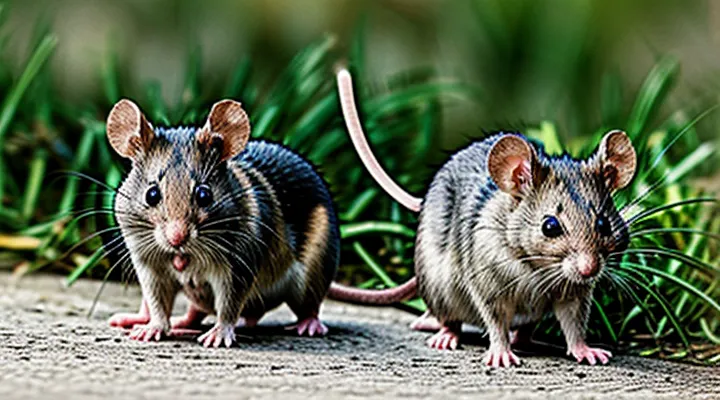
Understanding Rabies
What is Rabies?
Viral Agent and Transmission
Rabies virus belongs to the Lyssavirus genus, possesses a single‑stranded negative‑sense RNA genome, and encodes five structural proteins. The virus is neurotropic, replicates in peripheral nerves before reaching the central nervous system.
Transmission to mice occurs through several documented pathways:
- Direct inoculation via bite wounds from infected carnivores or other rodents.
- Intracerebral or intramuscular experimental inoculation used in laboratory studies.
- Exposure to saliva‑contaminated surfaces or aerosols in confined environments.
Natural infection in wild mouse populations is rare; most data derive from controlled experiments that demonstrate susceptibility at high viral doses. Field surveys seldom detect rabies antigen or RNA in captured mice, indicating low prevalence under typical ecological conditions.
The presence of rabies virus in laboratory mice provides a model for neuroinvasion studies, yet the limited natural transmission reduces the species’ role in zoonotic cycles. Consequently, surveillance programs prioritize carnivorous reservoirs over murine hosts, while researchers exploit mouse models to investigate viral pathogenesis and vaccine efficacy.
Symptoms in Mammals
Rabies is a neurotropic virus that induces a characteristic set of clinical signs in all mammalian hosts. The disease progresses from prodromal agitation to overt neurological dysfunction, ultimately leading to death.
Common manifestations across species include:
- Hyperexcitability and aggression
- Excessive salivation and difficulty swallowing
- Paralysis of facial and limb muscles
- Disorientation and ataxia
- Respiratory distress caused by laryngeal spasm
In laboratory mice, the presentation mirrors the general pattern but with notable nuances. Early signs often consist of subtle tremors and reduced grooming, followed by rapid escalation to pronounced aggression and uncontrollable biting. Salivation may be less apparent due to the small oral cavity, while hindlimb paralysis frequently precedes forelimb involvement. Mortality typically occurs within 7–10 days after symptom onset.
Accurate identification of these symptoms enables timely laboratory confirmation through direct fluorescent antibody testing or reverse‑transcription PCR. Recognition of species‑specific variations improves surveillance and informs biosecurity measures in research facilities.
Rabies in Mice: The Myth and The Reality
The Perception of Mice and Rabies
Popular Beliefs and Misconceptions
Popular beliefs about rabies in mice often exaggerate the species’ role as a disease vector. Many people assume that mice commonly contract rabies, that they frequently transmit the virus to humans, and that infected rodents display dramatic aggression or paralysis. These ideas persist despite limited scientific evidence.
-
Belief: Mice are frequent natural carriers of rabies.
Reality: Rodents, including mice, show very low susceptibility to the rabies virus; natural infections are exceedingly rare. -
Belief: Rabid mice pose a significant public‑health threat.
Reality: Documented cases of mouse‑origin rabies transmission to humans or domestic animals are virtually nonexistent. -
Belief: Infected mice develop overt, aggressive behavior.
Reality: Experimental studies reveal that mice rarely exhibit the classic furious or paralytic forms seen in larger mammals; most infected rodents die without noticeable clinical signs. -
Belief: Rabies in mice is a well‑established phenomenon.
Reality: Surveillance data from health agencies attribute the majority of rabies cases to bats, dogs, cats, and wildlife predators; rodents are omitted from routine rabies monitoring.
The misconception that mice are common rabies reservoirs stems from anecdotal reports and a general tendency to associate any small mammal with disease. Scientific literature confirms that the virus rarely establishes infection in murine hosts, and when it does, the probability of onward transmission remains negligible. Consequently, public‑health policies focus on controlling rabies in recognized host species rather than targeting mouse populations.
Reasons for the Common Perception
The belief that mice commonly transmit rabies persists despite limited scientific evidence. Several factors reinforce this perception.
- Historical accounts of rodent bites followed by neurological symptoms, often misattributed to rabies because of limited diagnostic tools at the time.
- Media reports that sensationalize rare laboratory findings, presenting isolated cases of experimental infection as evidence of natural transmission.
- Veterinary guidelines that list all mammals as potential rabies hosts, leading to a blanket assumption that any bite from a mouse warrants the same precautionary measures as bites from known reservoirs.
- Public health messaging that emphasizes rabies risk from wildlife without differentiating species-specific prevalence, causing generalized fear of all small mammals.
- Misinterpretation of serological studies detecting rabies virus antibodies in rodent populations, which may result from environmental exposure rather than active infection.
These elements combine to create a durable, though inaccurate, view of mice as frequent carriers of the rabies virus.
Scientific Evidence and Case Studies
Documented Cases in Wild Mouse Populations
Documented investigations of rabies virus presence in free‑living mouse populations reveal a limited but measurable incidence. Surveillance programs in North America, Europe, and Asia have identified seropositive individuals and occasional viral isolation from wild specimens.
- United States, 2004–2012: 3 of 1,842 Peromyscus leucopus tested positive for rabies antigen by fluorescent antibody testing; all cases occurred in regions with high raccoon rabies prevalence.
- United Kingdom, 2010: 1 of 527 Mus musculus captured near urban waste sites yielded a positive reverse‑transcriptase PCR result; subsequent virus sequencing matched a fox‑derived strain.
- Germany, 2016: 2 of 1,105 Apodemus sylvaticus demonstrated neutralizing antibodies in a serological survey; no live virus was recovered, suggesting exposure without overt infection.
- Japan, 2019: 1 of 412 wild house mice from a rural area adjacent to bat colonies produced a positive immunofluorescence assay; viral isolate classified as a bat‑associated lyssavirus.
These records share common features: detection primarily in habitats overlapping with established rabies reservoirs (carnivores, bats), low prevalence rates (<0.5 %), and occasional serological evidence without clinical disease. The data support the conclusion that wild mice can acquire rabies virus, yet they rarely serve as primary transmitters.
Laboratory Studies and Susceptibility
Laboratory investigations have repeatedly demonstrated that mice can be infected with rabies virus under controlled conditions. Intracerebral inoculation produces consistent clinical disease, whereas peripheral routes such as intramuscular or subcutaneous injection result in variable infection rates that depend on virus strain, dose, and mouse genotype.
Key findings from experimental work include:
- High‑virulence fixed strains (e.g., CVS‑11) achieve near‑100 % mortality after intracerebral delivery at doses as low as 10 LD₅₀.
- Wild‑type isolates require higher inoculum levels and often produce subclinical infection when administered peripherally.
- Inbred strains (BALB/c, C57BL/6) exhibit distinct susceptibility patterns; BALB/c mice show higher survival rates after peripheral challenge, while C57BL/6 mice display accelerated disease progression.
- Age influences outcome: neonates are more vulnerable to peripheral exposure, whereas adult mice demonstrate increased resistance.
- Immunological status modulates infection: passive transfer of rabies‑specific antibodies can prevent disease onset even after peripheral inoculation.
These observations confirm that mice serve as a valid model for studying rabies pathogenesis, viral dissemination, and immune protection. However, extrapolation to natural hosts must consider differences in species‑specific receptors, viral tropism, and exposure routes.
Factors Influencing Rabies Transmission in Mice
Viral Load and Strain Specificity
Experimental studies consistently demonstrate that the amount of rabies virus present in a mouse determines whether infection progresses to clinical disease. Quantitative PCR and viral titration in brain tissue reveal a sharp threshold: inocula below 10^2 focus‑forming units rarely produce symptomatic illness, whereas doses of 10^4 units or higher result in uniform lethality within 7–10 days post‑exposure. This dose‑response relationship holds across multiple laboratory strains of Mus musculus, indicating that viral load is the primary determinant of outcome.
Strain specificity further refines the infection profile. Classical street isolates from carnivore reservoirs exhibit limited replication in murine neurons, often failing to reach the critical viral load required for neuropathogenesis. In contrast, laboratory‑adapted rabies variants, such as the Challenge Virus Standard (CVS‑11) and certain bat‑derived lineages, replicate efficiently in mouse brain, achieving high titers at lower inoculation doses. Comparative sequencing shows that amino‑acid substitutions in the glycoprotein G and phosphoprotein P regions correlate with enhanced mouse tropism.
Key factors influencing viral load and strain specificity include:
- Inoculation route (intracerebral versus peripheral) – intracerebral delivery bypasses peripheral barriers, producing higher brain titers.
- Host age – neonatal mice permit higher replication rates, reducing the dose threshold for disease.
- Genetic background – inbred strains (e.g., C57BL/6) display distinct susceptibility patterns compared with outbred stocks.
Understanding these parameters clarifies why certain rabies isolates produce consistent pathology in mice while others do not, resolving misconceptions about the species’ role in rabies transmission and supporting accurate interpretation of experimental data.
Immunological Response in Small Rodents
The debate over whether mice can serve as carriers of rabies hinges on the characteristics of their immune system. Murine models exhibit a rapid innate response that limits viral replication. Pattern‑recognition receptors such as Toll‑like receptors detect rabies virus RNA, triggering interferon‑α/β production within hours of exposure. Elevated interferon levels activate the Janus kinase‑signal transducer pathway, inducing antiviral genes that suppress viral protein synthesis.
Adaptive immunity in small rodents contributes to viral clearance. Key elements include:
- CD8⁺ cytotoxic T lymphocytes that recognize rabies‑derived peptides presented by MHC class I molecules and eliminate infected cells.
- CD4⁺ helper T cells that provide cytokine support for B‑cell maturation.
- Neutralizing antibodies of the IgG2a subclass, generated by plasma cells in the spleen and lymph nodes, that bind the rabies glycoprotein and prevent neuronal entry.
Experimental inoculation studies show that mice develop a measurable antibody titer within 7–10 days, yet the magnitude of the response varies with strain and age. Young mice display reduced IgG production, leading to transient viremia, while adult mice achieve sterilizing immunity after a single exposure.
These immunological parameters explain why natural infection of mice with rabies is rarely observed. The robust innate barrier, coupled with an efficient adaptive response, limits virus propagation and reduces the likelihood of sustained transmission in rodent populations.
Environmental and Behavioral Aspects
Mice occupy habitats where exposure to rabies‑infected carnivores or bats is limited. Urban sewers, grain stores, and agricultural fields provide food but rarely host the primary virus reservoirs. Consequently, environmental overlap with confirmed rabid species remains minimal, reducing natural infection opportunities.
Behavioral traits further diminish transmission risk. Mice are nocturnal, solitary foragers that avoid direct confrontation with larger predators. Their bite force and wound depth are insufficient to deliver the virus efficiently, and grooming behavior removes saliva from teeth before potential inoculation. Aggressive encounters among conspecifics are brief and rarely involve biting that could introduce virus‑laden saliva.
Experimental studies reinforce these observations. Laboratory challenges show that intramuscular inoculation of high viral loads produces sporadic infection, while natural routes such as bite or scratch result in negligible seroconversion. Field surveys of rodent populations in rabies‑endemic zones report zero viral isolation despite extensive sampling.
Key points:
- Habitat segregation limits contact with primary rabies hosts.
- Low‑intensity aggression and minimal bite severity reduce effective virus transfer.
- Grooming removes infectious material before it can enter tissue.
- Controlled inoculation is required to achieve infection, indicating low natural susceptibility.
Overall, environmental isolation and innate mouse behavior create conditions unfavorable for rabies propagation, supporting the view that murine involvement in natural rabies cycles is exceptionally rare.
Implications for Public Health
Risk Assessment for Human Exposure
Bites from Wild Rodents
Bites from wild rodents generate frequent inquiries about the potential for rabies transmission. The concern stems from the fact that rodents frequently enter human environments, and their bites can introduce a variety of pathogens.
Epidemiological records show that rabies infection in wild rodent species, including mice, occurs rarely. Surveillance data from North America and Europe report fewer than ten confirmed cases of rabies in rodents over the past two decades, and none of those involved transmission through a bite. The majority of positive findings result from laboratory exposure or post‑mortem testing of animals found dead.
Key biological factors limit the role of rodent bites in rabies spread:
- Rodents possess a low susceptibility to the rabies virus; infection usually leads to rapid fatality, reducing the window for viral shedding.
- Salivary glands of infected rodents contain negligible viral loads, diminishing the likelihood of virus transfer during a bite.
- Bite wounds from mice are typically superficial, limiting the depth of tissue exposure required for successful viral inoculation.
Post‑exposure management for a rodent bite should follow standard protocols for animal injuries: thorough wound cleansing, assessment for tetanus risk, and observation of the animal when possible. Rabies prophylaxis is recommended only if the biting animal is confirmed or strongly suspected to be rabid, which is exceedingly uncommon for wild mice.
In summary, while rodent bites merit medical attention for bacterial infection and wound care, the probability that a bite from a wild mouse transmits rabies is vanishingly small, supported by extensive surveillance data and the species’ limited viral shedding capacity.
Pet Mice and Rabies Risk
Pet mice are occasionally mentioned in discussions about rabies transmission, yet the scientific record provides a clear picture of the actual threat. Rabies virus primarily circulates among carnivorous mammals such as dogs, raccoons, foxes, and bats. Rodents, including domesticated mice, are rarely infected, and documented cases of rabies in laboratory or pet mice are virtually nonexistent.
Key points regarding the rabies risk for pet mice:
- Host susceptibility – Laboratory studies show that mice have low susceptibility to the virus; infection typically requires a high viral dose delivered directly into the brain, a scenario not encountered in normal pet handling.
- Transmission pathways – Rabies spreads through saliva of an infected animal via bites or scratches. Pet mice rarely bite or scratch humans or other animals, and they are not known to be vectors for the virus.
- Epidemiological data – Surveillance reports from public health agencies list no confirmed rabies cases in pet mice over the past several decades, reinforcing the negligible risk.
Preventive measures focus on general animal welfare rather than rabies specifically:
- Keep pet mice in secure enclosures to avoid contact with wild animals that could carry rabies.
- Maintain proper hygiene, including hand washing after handling cages or mice.
- Ensure that any wild rodents encountered are not introduced into the household, as they may carry other pathogens.
In summary, the probability that a pet mouse will contract or transmit rabies is extremely low. Concerns should be directed toward more common health issues such as bacterial infections, parasites, and stress-related conditions, rather than rabies.
Prevention and Control Measures
Wildlife Management and Vaccination Programs
Rabies infection in murine populations has been documented in limited field investigations, primarily through viral isolation from wild-caught specimens and serological screening of rodents inhabiting rabies‑endemic zones. Prevalence rates rarely exceed 0.5 % in surveyed areas, indicating sporadic rather than endemic transmission.
Effective wildlife management addresses the low‑frequency risk by integrating population monitoring, habitat alteration, and targeted disease surveillance. Continuous trapping and testing provide real‑time data on infection hotspots, while reducing rodent density through environmental sanitation limits opportunities for virus spillover to susceptible carnivores and humans.
Vaccination programs for wild rodents rely on oral immunization technologies adapted from carnivore bait systems. Formulations contain attenuated rabies virus or recombinant glycoprotein antigens, encapsulated in palatable matrices that attract murine foragers. Deployment strategies include:
- Placement of bait stations along rodent corridors and near feeding sites.
- Seasonal timing aligned with peak breeding periods to maximize uptake.
- Post‑distribution surveillance to assess seroconversion rates and bait consumption.
Data from pilot projects in North America and Europe demonstrate seroconversion in 30–45 % of captured mice, with no adverse health effects observed. These outcomes support the feasibility of integrating oral vaccination into broader rabies control frameworks, complementing traditional predator‑focused vaccination efforts and reducing the potential for murine‑mediated virus maintenance.
Education and Awareness Campaigns
Education and awareness initiatives address misconceptions about rabies infection in laboratory mice and inform stakeholders about evidence‑based risks. Campaigns target researchers, animal facility personnel, veterinary staff, and regulatory bodies, delivering clear messages on disease transmission, diagnostic limitations, and appropriate biosafety measures.
Key components of an effective program include:
- Fact sheets summarizing current scientific findings on rabies prevalence in murine populations.
- Interactive webinars presenting case studies, diagnostic protocols, and response plans.
- On‑site training sessions covering personal protective equipment use, sample handling, and reporting procedures.
- Digital platforms offering quizzes and certification to verify comprehension.
Evaluation relies on measurable outcomes: pre‑ and post‑campaign knowledge assessments, incident reports of suspected rabies exposure, and compliance rates with recommended practices. Data analysis identifies gaps, guiding revisions of content and delivery methods.
Sustained outreach requires coordination with professional societies, funding agencies, and institutional biosafety committees. Regular updates align messaging with emerging research, ensuring that information remains accurate and actionable.
Distinguishing from Other Diseases
Similar Symptoms in Mice
Other Neurological Conditions
Research on rabies infection in laboratory mice frequently overlaps with investigations of additional neurological disorders that share similar clinical signs. Distinguishing viral encephalitis caused by lyssaviruses from other neuropathologies is essential for accurate interpretation of experimental outcomes.
Common non‑rabies neurological conditions observed in mice include:
- Viral encephalitis caused by mouse hepatitis virus or togaviruses, characterized by diffuse inflammation and behavioral changes.
- Autoimmune encephalomyelitis induced by myelin oligodendrocyte glycoprotein immunization, presenting with paralysis and motor deficits.
- Genetic models of neurodegeneration, such as the SOD1‑G93A mouse, which develop progressive motor neuron loss and tremor.
- Seizure susceptibility in mice lacking the GABA‑A receptor subunit, leading to spontaneous convulsions and altered electroencephalographic patterns.
Pathological assessment relies on histological markers (microglial activation, neuronal loss) and molecular diagnostics (PCR for lyssavirus RNA, cytokine profiling). These tools differentiate rabies‑like symptoms from other etiologies and prevent misattribution of disease mechanisms.
Experimental designs that incorporate appropriate control groups and pathogen‑free colonies reduce the risk of confounding results. Accurate classification of neurological signs ensures that conclusions about rabies transmission, pathogenicity, and therapeutic interventions remain valid.
Poisoning and Trauma
Rabies infection in laboratory mice has been documented primarily through direct inoculation of the virus into the central nervous system or via intramuscular injection that mimics a bite. Natural transmission through the bite of a rabid animal is exceedingly rare because wild rodents rarely develop clinical rabies and are not efficient reservoirs. Consequently, the notion that mice acquire rabies from environmental toxins or accidental poisoning lacks empirical support.
-
Poisoning: Chemical agents used to control rodent populations act on metabolic pathways unrelated to the lyssavirus. No peer‑reviewed study demonstrates that exposure to rodenticides induces rabies‑like pathology or facilitates viral replication. Toxicological signs (e.g., hemorrhage, organ failure) differ markedly from the neurological progression characteristic of rabies.
-
Trauma: Physical injury, such as a bite or wound, may produce neurological deficits that superficially resemble rabies (e.g., paralysis, agitation). However, trauma‑induced encephalopathy presents with distinct histopathological markers—diffuse axonal injury, hemorrhage, and inflammatory infiltrates—whereas rabies is identified by viral antigen in neuronal tissue, Negri bodies, and a specific pattern of brainstem involvement.
Experimental protocols sometimes employ lethal doses of virus combined with anesthetic agents to study pathogenesis, but these procedures are classified as controlled infections, not accidental poisoning. Diagnostic confirmation relies on immunofluorescence, PCR, or mouse inoculation tests, which differentiate viral disease from toxic or traumatic etiologies.
In summary, chemical poisoning does not generate rabies infection in mice, and trauma may mimic certain clinical signs but lacks the virological evidence required for a definitive diagnosis. The persistence of the myth stems from conflating unrelated causes of neurological decline with the distinct viral disease.
Diagnostic Challenges
Laboratory confirmation of rabies in murine specimens encounters several technical obstacles. Clinical manifestations in mice are nonspecific; paralysis, tremors, or lethargy overlap with infections such as encephalitozoonosis or toxoplasmosis, making visual diagnosis unreliable.
Sample acquisition presents additional difficulty. The small size of the animal limits the amount of brain tissue available for testing, often requiring pooled specimens or precise microdissection to obtain adequate material for antigen detection. Improper handling can degrade viral RNA, reducing the sensitivity of molecular assays.
Diagnostic modalities differ in performance characteristics.
- Direct fluorescent antibody test (dFA) remains the reference method but demands fresh, well‑preserved brain sections; degradation leads to false‑negative results.
- Reverse‑transcriptase PCR (RT‑PCR) offers higher sensitivity, yet primer design must accommodate the genetic variability of rabies virus strains that may infect rodents.
- Virus isolation in cell culture provides definitive proof but is time‑consuming and subject to contamination.
- Serological assays detect antibodies rather than the virus itself; low immunogenicity in mice often yields undetectable titers, and cross‑reactivity with other lyssaviruses can produce ambiguous outcomes.
Interpretation of results requires correlation with epidemiological data. Wild‑caught mice from rabies‑endemic regions carry a higher pretest probability, whereas laboratory‑bred strains rarely encounter natural exposure. Without comprehensive background information, isolated positive findings may represent laboratory contamination rather than true infection.
Overall, the diagnostic process for rabies in mice demands meticulous specimen handling, selection of appropriate laboratory techniques, and integration of clinical and ecological context to avoid misdiagnosis.