
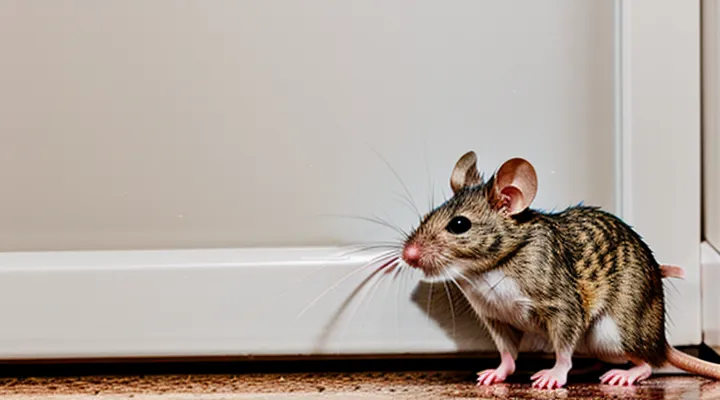
Understanding the Mouse Problem
«Signs of Infestation»
Mice leave unmistakable evidence that signals an active problem in a dwelling.
- Gnaw marks on food containers, wiring, or wood surfaces indicate regular chewing activity.
- Accumulated droppings, approximately the size of black rice grains, appear near nesting sites, along walls, or in cabinets.
- A faint, musky odor becomes noticeable when the population grows, especially in concealed areas.
- Grease or oily smears on walls and floors result from the animal’s fur and secretions.
- Scratching sounds at night, heard through ceilings or behind walls, reveal movement within hidden passages.
Additional indicators include shredded paper or fabric used for nest construction and damaged insulation in attic or crawl‑space regions. Detecting any combination of these signs warrants immediate intervention to prevent further escalation.
«Why Mice Are Attracted to Apartments»
«Food Sources»
Mice persist in apartments primarily because they locate and consume readily available food. Any unattended crumbs, open containers, or pet feed become direct attractants. Eliminating these resources removes the incentive for infestation and enhances the effectiveness of control measures.
Key actions to neutralize food-based attraction:
- Store dry goods in airtight, metal‑or‑plastic containers with sealed lids.
- Transfer leftovers to sealed containers and refrigerate promptly; discard waste within 24 hours.
- Clean countertops, floors, and appliance exteriors after each use; sweep under appliances and in cabinets.
- Use sealed trash cans with lids; empty daily or when full.
- Keep pet food in sealed containers and remove uneaten portions nightly.
- Inspect pantry shelves for spillage; wipe down any residue immediately.
Consistent implementation of these practices deprives rodents of sustenance, forcing them to seek alternative habitats and increasing the likelihood of successful eradication.
«Shelter and Hiding Spots»
Mice select concealed areas that provide warmth, safety from predators, and easy access to food. Typical shelters include wall voids, behind appliances, under sinks, inside cabinets, and within clutter such as stacks of paper or clothing. These locations offer darkness and limited disturbance, allowing rodents to nest, breed, and travel unseen.
Identifying potential hideouts requires systematic inspection. Look for gnaw marks, droppings, shredded material, and faint pathways. Pay special attention to:
- Gaps larger than ¼ inch around pipes, vents, and wiring.
- Unsealed openings behind baseboards, flooring, and trim.
- Loose insulation in walls or attics.
- Accumulated debris in closets, garages, and storage rooms.
Eliminating shelters involves two complementary actions: exclusion and removal.
- Seal all openings with steel wool, copper mesh, or silicone caulk; use metal flashing for larger gaps.
- Reduce clutter to eliminate nesting material; store items in sealed containers.
- Install tight-fitting door sweeps and weather stripping to block entry points.
- Repair damaged screens, vent covers, and appliance seals.
- Remove excess food sources that attract rodents to hidden areas; keep pantry items in airtight bins.
Consistent monitoring after these measures ensures that any new hiding spots are detected early, preventing re‑infestation.
«Entry Points»
Identifying and sealing entry points is a prerequisite for any successful mouse control effort in a residence.
Typical openings that allow rodents to infiltrate an apartment include:
- Gaps around exterior doors and windows, often less than a quarter‑inch wide.
- Cracks in foundation walls, brickwork, or concrete slabs.
- Openings around utility penetrations such as plumbing, electrical wiring, and HVAC ducts.
- Unsealed gaps beneath sinks, cabinets, and appliances.
- Holes in vent covers, chimney flues, and dryer exhaust ducts.
Effective sealing methods consist of:
- Steel wool or copper mesh packed into small cracks, followed by a layer of caulk or expanding foam.
- Cement‑based mortar or concrete patch for larger structural fissures.
- Metal flashing or stainless‑steel mesh for gaps around pipes and cables, secured with screws.
- Weather‑strip or door sweeps installed on all exterior doors.
- Replacement of damaged screen or vent covers with fine‑mesh hardware cloth.
Routine inspection is mandatory. Conduct a visual survey monthly, focusing on the perimeter of the living space and all utility entry points. Reapply sealants after any renovation, appliance relocation, or weather‑induced movement. Maintaining an airtight envelope eliminates the primary pathway that sustains a mouse infestation.
Immediate Action and Prevention
«Sealing Entry Points»
«Identifying Cracks and Gaps»
Locating entry points is the first decisive step in any successful rodent control plan for a dwelling. Mice exploit any opening larger than a quarter‑inch, so a systematic inspection of the building envelope eliminates the most common pathways.
- Examine exterior walls for visible cracks, especially around siding, brick joints, and foundation seams. Use a flashlight and a flexible inspection mirror to see behind trim and baseboards.
- Check windows and doors: inspect frames, weatherstripping, and the gaps around hinges. A piece of paper that slides easily indicates a seal that needs reinforcement.
- Inspect utility penetrations where pipes, cables, and vent ducts pass through walls or floors. Gaps around these conduits often widen over time due to building movement.
- Survey the roofline and attic access points. Look for damaged flashing, open soffit vents, and loose eave tiles that could provide a direct route from the attic to living spaces.
- Verify the condition of the foundation crawl space or basement. Look for settled concrete, deteriorated mortar, and gaps around floor joists.
After identification, seal each opening with materials that resist gnawing:
- Steel wool or copper mesh, tightly packed into gaps, then covered with heavy‑duty caulk.
- Expanding polyurethane foam for irregular voids, applied in thin layers to avoid excess pressure on surrounding structures.
- Rigid metal flashing or sheet metal for larger cracks that cannot be filled with flexible sealants.
- Weatherstripping or door sweeps for movable barriers such as doors and windows.
Periodic re‑inspection, especially after seasonal temperature changes or building renovations, ensures that newly formed cracks are promptly addressed. Maintaining a sealed envelope prevents re‑infestation and supports long‑term rodent‑free habitation.
«Materials for Sealing»
Effective sealing blocks entry points that mice exploit, preventing reinfestation after removal efforts. Choose durable, non‑chewable materials and apply them correctly to eliminate gaps larger than a quarter inch.
- Steel wool – tightly packed, resistant to gnawing; combine with caulk for a permanent seal.
- Copper or aluminum mesh – fine gauge, withstands moisture; suitable for vent openings and pipe sleeves.
- Silicone or acrylic caulk – fills cracks around windows, baseboards, and wall joints; retains flexibility.
- Expanding polyurethane foam – expands to fill irregular voids; trim excess once cured to maintain smooth surfaces.
- Weatherstripping – adhesive-backed strips for doors and sliding panels; replace worn sections regularly.
- Metal flashing – thin sheets applied over larger gaps in foundations or utility penetrations; screw or nail securely.
Preparation begins with a thorough inspection: locate all potential pathways, including gaps around pipes, electrical conduits, vent covers, and floorboards. Clean surfaces to remove dust and debris, then insert the chosen barrier material snugly. For cracks, apply a bead of caulk before pressing steel wool or mesh into place; smooth the sealant with a gloved finger. When using expanding foam, insert the nozzle into the cavity, dispense a controlled amount, and allow full cure before trimming.
After sealing, schedule periodic checks—at least quarterly—to verify integrity. Replace deteriorated weatherstripping, reapply caulk to any cracked seams, and inspect foam for shrinkage. Maintaining a sealed envelope sustains a mouse‑free environment and complements other control measures.
«Eliminating Food and Water Sources»
«Proper Food Storage»
Proper food storage eliminates the primary attractant for rodents in a dwelling. Seal all edible items in airtight containers made of glass, metal, or heavy‑wall plastic; this blocks scent diffusion and prevents gnawing access. Store dry goods such as grains, cereals, and pet food on shelves away from walls and floor level, and keep the containers tightly closed after each use.
Maintain a strict cleaning routine. Remove crumbs and spills immediately, wipe countertops with a disinfectant, and empty trash bins daily, placing lids that close securely. Refrigerate leftovers within two hours of preparation and avoid leaving open packages on counters or in cabinets.
- Use containers with snap‑tight or locking lids.
- Label containers with purchase dates; discard items past their prime.
- Keep pantry doors closed; install magnetic strips if necessary.
- Position garbage cans with foot‑operated lids and line them with sturdy bags.
- Inspect storage areas weekly for signs of gnaw marks or droppings; replace compromised containers promptly.
«Cleaning Practices»
Thorough sanitation eliminates food sources and nesting sites, directly lowering the likelihood of mouse activity in a residence.
- Store all dry goods in airtight containers; metal or heavy‑plastic bins prevent gnawing.
- Wipe countertops, stovetops, and cabinet interiors after each meal; use hot, soapy water or a mild disinfectant.
- Sweep and vacuum floors daily; focus on edges, under appliances, and behind furniture where crumbs accumulate.
- Empty trash cans at least once daily; seal bags tightly and keep exterior bins away from entry points.
- Remove clutter such as cardboard boxes, paper piles, and unused fabrics; these materials provide shelter.
- Clean pet feeding areas after each use; rinse bowls with hot water and store pet food in sealed containers.
- Wash dishes promptly; avoid leaving wet or dirty dishes in the sink overnight.
- Maintain kitchen exhaust fans and vents free of grease buildup; regular cleaning prevents hidden food residues.
Consistent application of these practices deprives rodents of sustenance and hiding places, enhancing the effectiveness of any trapping or exclusion measures employed in the apartment.
«Addressing Leaks»
Leaks create moisture that attracts rodents and provide concealed pathways for entry. Sealing water‑intruding sources eliminates a primary incentive for mice to colonize an apartment.
Identify all visible drips, condensation points, and pipe joints. Use a flashlight to inspect under sinks, behind appliances, and around windows. Replace cracked faucet washers, tighten loose connections, and apply plumber’s tape to threaded joints.
Apply a water‑resistant sealant to gaps around pipes that pass through walls or floors. Silicone or polyurethane caulk offers long‑term protection against seepage. For larger openings, install metal flashing or pipe sleeves to prevent rodents from exploiting the space.
Maintain a dry environment by regularly checking for hidden moisture. Set a schedule to inspect bathroom tiles, laundry areas, and roof vents. Promptly repair any new leaks to prevent re‑establishment of favorable conditions.
By removing water sources and blocking concealed routes, the habitat becomes unsuitable for mice, supporting broader pest‑control measures.
«Decluttering and Sanitation»
«Removing Hiding Spots»
Eliminate every potential refuge to prevent mice from establishing a foothold. Begin by inspecting walls, ceilings, and floors for gaps larger than a quarter inch; seal them with steel‑wool, caulk, or expanding foam. Remove stored items from corners and under furniture, placing them on shelves or in sealed containers. Declutter accumulated paper, cardboard, and fabric piles that can serve as nesting material.
- Trim back vegetation, firewood, or debris that contacts the building exterior.
- Cut back loose wiring, pipe insulation, and vent covers that create concealed passages.
- Store pet food in airtight containers and clean up spills immediately.
Maintain a clean surface environment by sweeping crumbs, wiping down countertops, and vacuuming regularly. Replace damaged floorboards or baseboard trim that harbor cavities. By systematically eradicating these hiding places, the apartment becomes inhospitable, forcing any remaining rodents to expose themselves to traps or baits.
«Regular Waste Disposal»
Regular waste disposal is a critical component of any rodent control program in a residential unit. Food residues left in trash attract mice, providing a reliable food source that undermines other control measures. Keeping garbage containers sealed and removing waste promptly eliminates this incentive, reducing the likelihood of infestation and supporting the overall effectiveness of eradication efforts.
Key practices for maintaining proper waste hygiene:
- Store trash in containers with tight‑fitting lids; inspect seals regularly for damage.
- Empty kitchen and bathroom bins at least once daily, especially during warm months.
- Clean the interior of bins with a mild disinfectant weekly to remove crumbs and odors.
- Position outdoor dumpsters at a distance from entry points and ensure they are covered.
- Use biodegradable bags that break down quickly, preventing long‑term scent retention.
Adhering to these steps removes a primary attractant, allowing traps, baits, and exclusion techniques to function without constant reinforcement from readily available food.
Effective Eradication Methods
«Trapping Strategies»
«Snap Traps»
Snap traps provide immediate, lethal control of rodent intruders in residential units. They consist of a spring‑loaded bar that releases with a single trigger pull, delivering a swift, fatal strike to the mouse’s neck. The mechanism requires no electricity, making it suitable for any room where power outlets are unavailable or undesirable.
Effective deployment follows a systematic approach:
- Select a trap size compatible with the target species; standard mouse traps are 2–3 inches wide and handle animals up to 30 g.
- Load the trap with a high‑potency attractant such as peanut butter, hazelnut spread, or a small piece of dried fruit. Apply a pea‑sized amount to the bait platform to prevent spillage and limit exposure to non‑target species.
- Position traps perpendicular to walls, with the trigger end facing the rodent’s travel path. Ideal locations include behind appliances, within cabinets, and along baseboard seams where droppings or gnaw marks are evident.
- Set traps at night or during periods of low human activity to increase capture probability and reduce accidental contact.
- Inspect traps daily. Discard deceased rodents in sealed plastic bags, then clean the trap with mild detergent before reuse. Replace bait after each capture to maintain effectiveness.
Safety considerations are mandatory. Keep traps out of reach of children and pets; employ enclosed snap trap models when vulnerable occupants are present. Wear disposable gloves during handling to avoid disease transmission. Replace damaged or corroded traps promptly, as compromised spring tension diminishes lethality and may cause animal suffering.
Integrating snap traps with complementary measures—such as sealing entry points, maintaining a clutter‑free environment, and employing preventive bait stations—maximizes overall rodent suppression in an apartment setting.
«Live-Catch Traps»
Live‑catch traps are cage‑type devices that capture mice without killing them. The trap consists of a hinged door that snaps shut when a mouse triggers a pressure plate or sensor while reaching for bait. The interior remains open, allowing the animal to stay alive until it is removed.
For effective use, position traps along walls, behind appliances, and near known droppings. Place a small amount of high‑protein bait—such as peanut butter, sunflower seeds, or bits of cooked meat—directly on the trigger mechanism. Check traps at least twice daily; a captured mouse should be released promptly, preferably outdoors, at a distance of at least one mile from the residence.
Advantages
- Eliminates rodents without chemicals or poisons.
- Reduces risk of secondary poisoning to pets or children.
- Allows verification of capture, confirming the presence of an infestation.
Disadvantages
- Requires frequent monitoring to prevent stress or injury to captured animals.
- May be less effective in high‑density infestations where multiple traps are needed.
- Disposal or release of captured mice must comply with local wildlife regulations.
Maintain cleanliness by sealing entry points, storing food in airtight containers, and removing clutter that offers shelter. Combining live‑catch traps with exclusion measures enhances overall success in removing mice from an apartment.
«Placement and Baiting»
Effective mouse control in a flat relies on precise trap placement and appropriate bait selection. Position stations where rodent activity is confirmed: along walls, behind appliances, within cabinetry, and near known entry points. Avoid open floor areas; rodents travel close to surfaces for safety. Place devices at a height of 2‑4 inches from the floor, aligning with the mouse’s natural travel path.
- Identify fresh droppings, gnaw marks, or grease trails; these indicate primary routes.
- Install traps perpendicular to the wall, with the trigger end facing the wall to encourage entry.
- Use multiple stations (minimum three per room) to increase coverage and reduce avoidance.
- Rotate stations weekly to prevent habituation and maintain effectiveness.
Bait choice influences capture rates. Opt for high‑protein, low‑fat foods that mice prefer when hungry, such as peanut butter, sunflower seeds, or small pieces of cooked meat. For poisoned bait, select anticoagulant or bromethalin formulations according to local regulations, and secure them in tamper‑proof stations to protect non‑target occupants.
- Apply a pea‑sized amount of soft bait to each trap to ensure full contact.
- Refresh bait daily in high‑traffic zones; replace every 3–5 days in low‑traffic areas.
- Store unused bait in airtight containers to preserve potency and prevent contamination.
- Monitor stations at consistent intervals (morning and evening) to record captures and adjust placement as needed.
Safety measures are mandatory. Wear disposable gloves when handling bait, seal used traps in plastic bags before disposal, and keep stations out of reach of children and pets. Document the location and type of each station to facilitate systematic evaluation and future adjustments.
«Using Rodenticides (Baits)»
«Types of Baits»
Effective rodent control in a dwelling relies heavily on the selection of appropriate baits. Different formulations target specific mouse behaviors and environmental constraints, allowing practitioners to tailor interventions for maximum impact.
- Mechanical blocks (snap traps) with pre‑baited attractants – combine a rapid kill mechanism with a scent or food coating that encourages quick approach. Ideal for cluttered spaces where visual cues are limited.
- Anticoagulant pellets – contain compounds such as bromadiolone or difenacoum that interfere with blood clotting. Formulated for concealed placement; lethal dose is achieved after several feedings, reducing immediate exposure risk.
- Acute toxins (bromethalin, zinc phosphide) – act within hours, suitable for infested zones where rapid reduction is required. Must be sealed in tamper‑resistant containers to prevent accidental ingestion by non‑target species.
- Non‑chemical baits (coconut oil, peanut butter, dried fruit) – rely on strong olfactory appeal without toxic agents. Useful in apartments with pets or children, often paired with humane traps for capture and release.
- Electronic bait stations – battery‑powered devices that deliver a precise dose of rodenticide upon entry. Provide monitoring capabilities through LED indicators or smartphone alerts, facilitating timely replenishment.
Selection criteria include the level of infestation, presence of vulnerable occupants, and the degree of concealment available for bait placement. Combining at least two bait categories—such as a short‑acting toxin with a long‑acting anticoagulant—creates redundancy, ensuring that mice that avoid one type encounter another. Proper rotation of bait formulations prevents habituation, sustaining efficacy throughout the eradication process.
«Safety Precautions»
Effective rodent control in a flat requires strict safety measures to protect occupants and prevent accidental exposure.
- Wear disposable gloves and a mask when handling traps, baits, or cleaning contaminated surfaces.
- Choose traps with sealed mechanisms; avoid snap traps that can release sharp fragments.
- Use bait stations that enclose poison, limiting access to children, pets, and non‑target wildlife.
- Keep chemical products in their original containers; label clearly and store out of reach of unauthorized persons.
- Ensure adequate ventilation when applying sprays or powders; open windows and use fans to disperse fumes.
- Dispose of dead rodents in sealed bags; place bags in a dedicated waste container and follow local disposal regulations.
- Inspect all areas before beginning work; remove food, dishes, and clutter that could interfere with trap placement.
- Conduct a final walkthrough after treatment; verify that traps are functional, baits are intact, and no residues remain on surfaces.
Adhering to these precautions minimizes health risks and supports successful mouse eradication without compromising indoor safety.
«Placement Guidelines»
Effective rodent control in an apartment depends heavily on strategic placement of devices and substances. Proper positioning maximizes contact with mice while minimizing exposure to residents and pets.
- Position snap traps along walls, behind appliances, and inside cabinets where mice travel. Align the trigger mechanism perpendicular to the wall, with the bait facing outward.
- Deploy glue boards in concealed areas such as under sinks, behind radiators, and within crawl spaces. Secure boards to stable surfaces to prevent displacement.
- Place bait stations in dark, low‑traffic zones: behind the refrigerator, inside the pantry, and near utility closets. Ensure stations are sealed to block non‑target animals.
- Install ultrasonic emitters at the midpoint of each major room, elevated at 12–18 inches above the floor. Avoid placement near metal surfaces that can reflect sound.
- Use peppermint oil or predator scent sachets in corners, under furniture, and on the exterior of trash bins. Reapply every two weeks to maintain potency.
- Keep all devices at least 6 inches away from food preparation surfaces and children’s play areas. Use child‑proof covers where required.
Consistent monitoring of each location is essential. Replace ineffective traps, replenish bait, and relocate devices if mouse activity shifts. Proper spacing—no more than 10 feet between traps in high‑density infestations—ensures comprehensive coverage across the living space.
«Natural Repellents»
«Peppermint Oil»
Peppermint oil is a widely cited natural repellent for rodents, its volatile menthol compounds overstimulate mice’s olfactory receptors, causing avoidance behavior.
To employ the oil effectively, prepare a solution of 10–15 drops of pure peppermint essential oil per 100 ml of water or a neutral carrier oil. Soak cotton balls or small fabric pads in the mixture and position them in areas where mice are detected: behind appliances, inside cabinets, near known entry points, and along baseboards. Replace the pads every 3–5 days to maintain potency.
- Dilute 10–15 drops of peppermint oil in 100 ml water or carrier oil.
- Soak absorbent material (cotton ball, cloth) with the solution.
- Place the material in mouse‑activity zones.
- Refresh the material every 3–5 days, or when scent fades.
Research indicates that peppermint oil deters mice but does not eliminate an established population. Effectiveness diminishes in large infestations and when the scent is masked by strong food odors. Repeated application is essential for sustained results.
Human and pet safety requires avoiding direct skin contact and preventing ingestion. Apply the oil away from food preparation surfaces and keep treated materials out of reach of children and animals.
For comprehensive control, pair peppermint oil with physical barriers (seal cracks, install door sweeps) and mechanical traps. The oil reduces activity, while traps and exclusions remove or prevent entry of the rodents.
«Other Essential Oils»
Essential oils with strong aromatic profiles can supplement rodent‑deterrent strategies. Several oils demonstrate repellent properties comparable to peppermint, offering alternatives when scent tolerance or availability varies.
- Eucalyptus oil – high cineole content disrupts rodents’ olfactory receptors. Apply a few drops to cotton balls, place them in concealed corners, and replace weekly.
- Citronella oil – volatile citral compounds create an unpleasant environment for mice. Soak small fabric pads, position near entry points, and refresh every five days.
- Clove oil – eugenol irritates the nasal passages of rodents. Dilute 1 % with water, spray along baseboards, and reapply after cleaning.
- Tea tree oil – terpinen‑4‑ol produces a sharp scent that discourages nesting. Distribute a few drops on dryer sheets, tuck under cabinets, and replace bi‑weekly.
- Rosemary oil – camphor and pinene act as mild repellents. Mix 5 ml with 200 ml water, mist interior walls, and repeat after each vacuuming session.
- Lavender oil – linalool offers a soothing aroma for humans while deterring mice. Place scented sachets in pantry shelves, swap out monthly.
- Cinnamon oil – cinnamaldehyde interferes with rodent sensory perception. Combine 10 drops with 1 liter of carrier oil, spread thinly on door thresholds, and renew after two weeks.
Application guidelines
- Use cotton balls, fabric pads, or sachets to contain oils; avoid direct contact with surfaces that may stain.
- Maintain a concentration of 0.5–2 % for most oils; higher levels increase the risk of irritation to occupants and pets.
- Rotate oils every 2–3 weeks to prevent habituation; mice may become accustomed to a single scent.
- Ensure adequate ventilation after each placement; lingering vapors can affect indoor air quality.
Safety considerations
- Keep all oil‑treated items out of reach of children and animals.
- Conduct a spot test on painted or finished surfaces before widespread use.
- Discontinue use if respiratory irritation or allergic reactions occur.
Integrating these additional essential oils with proven exclusion methods—such as sealing entry points and removing food sources—enhances overall effectiveness in eliminating mouse activity from an apartment.
«DIY Repellent Solutions»
Effective strategies for mouse control in apartments often include do‑it‑yourself repellents that rely on scent, texture, or sound to deter rodents without chemicals.
Common household ingredients create environments mice find hostile.
- Peppermint oil: soak cotton balls, place them near entry points, cabinets, and behind appliances. Replace every three days to maintain potency.
- Ammonia solution: mix equal parts water and ammonia, spray around baseboards and gaps. The strong odor mimics predator urine. Use in well‑ventilated areas and avoid direct contact with food surfaces.
- Steel wool and copper mesh: pack tightly into holes and cracks. The abrasive texture prevents gnawing and blocks access.
- Ultrasonic emitters: plug‑in devices emit frequencies above human hearing that irritate rodents. Position units in each room, ensuring clear line of sight to maximize coverage.
- Baking soda and powdered sugar: combine in a shallow tray; mice ingest the mixture, leading to internal gas buildup that proves fatal. Place in concealed locations to avoid accidental ingestion by pets.
Implementing these measures alongside sealing entry points and maintaining a clean living space significantly reduces mouse activity without professional intervention.
Professional Pest Control
«When to Call an Expert»
Mice infestations can become unmanageable quickly. Recognize the point at which personal efforts no longer suffice and professional assistance is required.
Indicators that an expert should be called:
- Mice sightings persist after three consecutive days of trapping or baiting.
- Droppings accumulate in multiple rooms, especially near food storage or heating vents.
- gnaw marks appear on wiring, insulation, or structural elements, suggesting risk of fire or damage.
- Nests are discovered in concealed spaces such as wall cavities, attics, or under appliances.
- Persistent odor of urine or feces despite thorough cleaning.
- Children, pets, or elderly occupants exhibit allergic reactions or respiratory symptoms linked to rodent activity.
Engaging a pest‑control professional at this stage provides several advantages:
- Accurate identification of entry points and implementation of sealed barriers.
- Use of licensed traps and baits that comply with safety regulations.
- Application of targeted, low‑toxicity treatments that minimize exposure to residents.
- Ongoing monitoring and preventive recommendations to avoid recurrence.
Promptly contacting an expert when these signs arise prevents extensive damage, health hazards, and the escalation of infestation.
«What to Expect from Professional Services»
Professional pest‑control firms begin with a thorough inspection of the apartment, identifying entry points, nesting sites, and activity hotspots. Inspectors document findings, measure infestation levels, and recommend a targeted intervention plan.
The service package commonly includes:
- Placement of approved bait stations or traps in strategic locations.
- Application of rodent‑specific, low‑toxicity rodenticides where regulations permit.
- Sealing of gaps, cracks, and openings to prevent re‑entry.
- A written schedule outlining treatment dates, follow‑up visits, and expected duration of the eradication process.
- A guarantee period during which additional visits are provided at no extra charge if mouse activity persists.
Clients receive a detailed report after each visit, summarizing actions taken, product names, safety precautions, and recommendations for resident behavior that supports long‑term control. Billing is transparent, with itemized charges for inspection, materials, labor, and any optional services such as ongoing monitoring.
«Long-Term Prevention Strategies»
Effective mouse control in apartments depends on sustained prevention measures that eliminate access points, remove attractants, and discourage re‑infestation.
- Seal all exterior openings larger than a quarter‑inch with steel wool, caulk, or metal flashing; prioritize gaps around pipes, vents, and utility lines.
- Install door sweeps on all entry doors and repair damaged weatherstripping to prevent rodents from entering through thresholds.
- Maintain a clean kitchen environment: store food in airtight containers, promptly clean crumbs and spills, and empty trash cans with tight‑fitting lids daily.
- Reduce clutter in storage areas, basements, and closets; eliminate cardboard boxes, paper stacks, and fabric piles that provide nesting material.
- Manage outdoor vegetation by trimming shrubs, removing debris, and keeping compost bins sealed, limiting external sources of food and shelter.
- Conduct routine inspections quarterly, checking for fresh gnaw marks, droppings, or new entry points; address findings immediately with appropriate sealing or removal techniques.
- Employ passive monitoring devices, such as snap traps or electronic sensors, in concealed locations to detect early activity without relying on chemicals.
- Coordinate with building management to enforce pest‑free policies, schedule regular professional inspections, and ensure communal areas remain sealed and clean.
Consistent application of these actions creates an environment where mice cannot locate food, water, or shelter, thereby sustaining long‑term exclusion.