
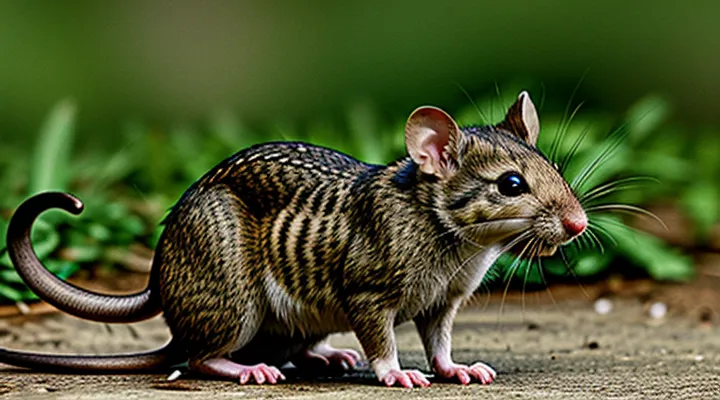
Unveiling the Unexpected: The World of Predatory Mice
More Than Just Seeds: Redefining Rodent Diets
Challenging Common Misconceptions
Predatory mice often suffer from oversimplified stereotypes. The belief that all mice subsist solely on seeds and grains ignores documented observations of species that actively hunt insects, small amphibians, and even other rodents. Field studies in temperate grasslands have recorded Mus musculus individuals capturing beetles and moth larvae, demonstrating functional carnivorous behavior.
Another widespread misconception claims that mouse bites pose no health risk. In reality, carnivorous mouse populations can harbor pathogens such as Salmonella and Leptospira, which are transmitted through saliva during predatory attacks. Laboratory analyses have identified these bacteria in the oral cavities of captured specimens, confirming a vector potential comparable to that of larger mammals.
A third falsehood asserts that mice lack the physical capability to subdue prey. Anatomical examinations reveal enlarged incisors, reinforced jaw musculature, and a rapid bite force sufficient to immobilize soft-bodied organisms. High-speed video recordings illustrate mice delivering precise, repeated bites that incapacitate spiders and caterpillars within seconds.
Common narratives also portray mouse predation as an isolated anomaly. Population surveys across diverse ecosystems—forests, agricultural fields, and urban parks—show that carnivorous tendencies appear in multiple mouse species, not limited to a single genetic lineage. Genetic analyses indicate convergent evolution of predatory traits, reinforcing the idea that meat consumption is an adaptive strategy rather than a rare exception.
Key points summarizing the corrections:
- Mice exhibit omnivorous diets that frequently include animal protein.
- Bite-related pathogen transmission is a documented risk.
- Morphological adaptations enable effective predation.
- Carnivorous behavior occurs across several mouse species and habitats.
These facts dismantle simplistic views, presenting a nuanced picture of mouse ecology that recognizes their role as active hunters rather than passive seed eaters.
Evolutionary Adaptations for Carnivory
Predatory mice exhibit a suite of morphological and physiological changes that enable them to capture and digest animal prey. Their incisors are reinforced with thicker enamel and sharper edges, allowing efficient tearing of flesh. Jaw muscles are enlarged, providing greater bite force than in typical herbivorous rodents. Additionally, the skull exhibits a more robust zygomatic arch, supporting the increased muscular load required for predation.
Digestive adaptations complement the mechanical traits. Stomach acidity is elevated, reaching pH levels comparable to small carnivores, which accelerates protein denaturation and pathogen elimination. Enzyme profiles shift toward higher concentrations of proteases such as pepsin and trypsin, facilitating rapid breakdown of animal tissue. Intestinal length shortens relative to herbivorous counterparts, reflecting reduced reliance on fermentation of plant fibers.
Sensory systems are refined for hunting. Olfactory receptors expand in number and diversity, enhancing detection of volatile compounds emitted by insects and small vertebrates. Vision develops a higher proportion of rod cells, improving low‑light acuity essential for nocturnal foraging. Auditory structures adapt to a broader frequency range, enabling detection of subtle rustling sounds produced by concealed prey.
Behavioral traits reinforce the anatomical changes. Opportunistic hunting strategies include ambush, pursuit, and scavenging. Social learning accelerates skill acquisition, as juveniles observe adult techniques for capturing insects, larvae, or even small amphibians. These combined adaptations illustrate a convergent evolutionary pathway toward carnivory within the rodent lineage.
Species Spotlight: Notable Predatory Mice
Grasshopper Mice: The Desert Hunters
Nocturnal Habits and Hunting Techniques
Carnivorous mouse species are predominantly nocturnal, aligning their activity cycles with the darkness that offers both concealment and optimal prey availability. Their eyes contain a high density of rod cells, enhancing sensitivity to low‑light conditions, while enlarged pinnae amplify faint sounds produced by insects and small vertebrates. The circadian rhythm is regulated by a pineal gland that secretes melatonin, triggering heightened alertness after sunset and suppressing foraging during daylight.
Hunting techniques reflect adaptations for stealth and rapid capture:
- Sit‑and‑wait ambush: The mouse selects a concealed perch near a known prey trail, remaining motionless until an unsuspecting insect passes within striking distance.
- Active pursuit: When prey density is high, the mouse engages in short, high‑speed chases, relying on powerful hind‑limb thrusts and flexible spine articulation.
- Tactile detection: Whisker receptors map the immediate environment, allowing the predator to locate prey hidden under leaf litter or within burrows without visual cues.
- Venom‑assisted bite: Certain species possess salivary glands that secrete mild toxins, immobilizing prey long enough for ingestion.
These behaviors enable carnivorous rodents to exploit nocturnal niches, maintaining efficient energy intake while avoiding competition with diurnal predators.
Venom Resistance and Vocalizations
Venom resistance in carnivorous rodents is a physiological adaptation that enables them to subdue poisonous prey without self‑injury. The African grasshopper mouse (Onychomys torridus) possesses specialized sodium channel mutations that reduce binding affinity for scorpion and spider toxins, allowing the animal to endure envenomation while delivering lethal bites. Similar channel modifications have been identified in the desert pygmy mouse (Mus musculus deserticola), which can survive the venom of centipedes common to its habitat. These genetic changes are accompanied by elevated expression of detoxifying enzymes, such as glutathione‑S‑transferases, that neutralize oxidative damage caused by venom components.
Vocalizations serve both predatory coordination and defensive signaling. Predatory mice emit high‑frequency ultrasonic calls (30–80 kHz) during hunting, facilitating precise localization of small, fast‑moving insects. The calls consist of brief frequency sweeps that convey information about prey size and movement direction. When encountering venomous prey, a distinct series of rapid clicks is produced, likely functioning as a warning signal to conspecifics about the presence of toxic organisms. In laboratory observations, these clicks correlate with increased heart rate and heightened aggression, suggesting a neurophysiological link between venom detection and vocal output.
Key characteristics of venom resistance and vocal behavior:
- Sodium channel mutations that diminish toxin binding.
- Upregulated detoxification enzymes mitigating oxidative stress.
- Ultrasonic frequency sweeps for prey tracking.
- Rapid click sequences triggered by toxic encounters.
- Correlated physiological responses (elevated heart rate, aggression).
Other Carnivorous Rodent Examples
Shrews and Their Insectivorous Niche
Shrews occupy a specialized insect‑eating niche among small mammals, distinguishing themselves from the more commonly known mouse predators. Their elongated snouts and high‑metabolism physiology drive relentless hunting of arthropods, annelids, and occasionally small vertebrates.
Morphological adaptations support this diet. Sharp, interlocking teeth enable rapid puncture of prey exoskeletons, while a highly developed cochlea provides acute ultrasonic hearing for detecting insect movement. The skeletal structure allows swift, serpentine locomotion through leaf litter and soil.
Key ecological traits include:
- Metabolic rate up to three times that of similarly sized rodents, requiring frequent feeding intervals.
- Venomous saliva in select species (e.g., Blarina brevicauda) that immobilizes prey and initiates external digestion.
- Territorial behavior that limits overlap of foraging ranges, reducing competition with sympatric insectivores.
- Seasonal reproductive cycles aligned with peak insect abundance, ensuring offspring survival.
Shrews’ predatory efficiency contributes to pest regulation, influencing invertebrate population dynamics and indirectly affecting plant health and soil turnover. Their role exemplifies the diversity of carnivorous strategies within the broader group of small, meat‑eating mammals.
Specialized Diets in Different Habitats
Predatory mice exhibit remarkable dietary specialization that varies with the ecosystems they inhabit. In arid steppes, species such as the desert mouse focus on small arthropods and occasional amphibian larvae, exploiting the limited moisture sources that attract prey. Coastal dunes host mouse populations that incorporate crustacean eggs and stranded fish remnants, capitalizing on tidal influxes that deliver protein‑rich resources. Forest understories provide abundant invertebrate fauna; here, mice preferentially hunt beetle larvae, soft‑bodied worms, and juvenile salamanders, reflecting the high biodiversity of leaf litter habitats.
Adaptations supporting these diets include elongated incisors for piercing exoskeletons, heightened olfactory receptors for detecting concealed prey, and nocturnal activity patterns that align with prey availability. Seasonal fluctuations drive temporary dietary shifts: during dry periods, some rodents increase scavenging of carrion, while wet seasons see a surge in amphibian consumption.
Key dietary patterns across habitats:
- Desert environments: insects, arachnids, occasional amphibian larvae.
- Coastal zones: crustacean eggs, stranded marine organisms, shore insects.
- Temperate forests: beetle larvae, earthworms, salamanders.
- Mountainous regions: alpine insects, small vertebrate carcasses, alpine moss‑dwelling invertebrates.
These specialized feeding strategies enable predatory mice to thrive in diverse ecological niches, demonstrating flexibility that sustains their carnivorous lifestyle despite fluctuating resource landscapes.
The Mechanics of Mouse Predation
Physical Adaptations for Hunting
Sharp Teeth and Powerful Jaws
Carnivorous mice possess dental adaptations that enable efficient predation. Their incisors, continuously growing and angled forward, are sharpened by constant gnawing, creating a cutting edge capable of searing flesh. The posterior molars, though reduced in size, retain serrated edges that assist in tearing soft tissue.
The jaw musculature of these rodents exceeds that of typical herbivorous species. Enlarged masseter and temporalis muscles generate bite forces measurable at up to 150 newtons, sufficient to crush insect exoskeletons and small vertebrate bones. This power originates from a reinforced skull structure, including a pronounced sagittal crest that provides additional attachment area for muscle fibers.
Key characteristics of their feeding apparatus:
- Incisors: self‑sharpening, forward‑leaning, enamel‑covered edges.
- Molars: serrated, reduced, specialized for flesh slicing.
- Musculature: hypertrophied masseter and temporalis groups.
- Bite force: up to 150 N, enabling penetration of hard substrates.
- Skull morphology: reinforced cranial vault, prominent sagittal crest.
These anatomical features collectively allow predatory mice to capture, subdue, and process animal prey with efficiency comparable to larger carnivores.
Enhanced Senses: Hearing and Smell
Carnivorous rodents possess auditory and olfactory systems that exceed the capabilities of typical herbivorous mice. Their cochlear structure contains an expanded basilar membrane, allowing detection of high‑frequency sounds up to 80 kHz—far above the 20 kHz ceiling of most laboratory strains. This sensitivity enables the identification of rustling prey, wingbeats of insects, and subtle footfalls of small vertebrates in dense underbrush. Neurophysiological recordings demonstrate rapid firing rates in the auditory nerve, reducing latency between sound onset and neural response to less than 5 ms.
The olfactory apparatus of these predators exhibits a marked increase in the number of functional odorant receptors. Genomic analyses reveal approximately 1,200 active receptor genes, compared with roughly 600 in non‑predatory counterparts. Enhanced airflow through an elongated nasal cavity improves scent particle capture, while a larger olfactory bulb processes complex odor mixtures with higher spatial resolution. Behavioral assays confirm that individuals can locate live prey hidden beneath leaf litter from distances exceeding 3 m, relying solely on volatile cues.
Key adaptations:
- Enlarged cochlear duct and specialized hair cells for ultrasonic detection.
- Accelerated auditory nerve conduction reducing reaction time.
- Expanded repertoire of odorant receptors for diverse prey signatures.
- Increased olfactory bulb volume supporting detailed scent discrimination.
- Streamlined nasal passages that maximize odorant uptake.
These sensory refinements collectively grant predatory mice a decisive advantage in locating and capturing animal prey across varied habitats.
Behavioral Strategies
Stalking and Ambush Tactics
Carnivorous rodents that hunt rely on stealth and precision to capture prey. Their anatomy—elongated bodies, sharp incisors, and keen hearing—facilitates low‑profile movement through dense underbrush or burrow networks. By minimizing visual and auditory signatures, they approach target organisms without triggering escape responses.
Key elements of their predatory behavior include:
- Silent approach: Mice press their forepaws against the ground, reducing footfall noise, while tail positioning balances body sway.
- Camouflage positioning: Individuals select routes that align with natural shadows or vegetation, obscuring silhouette from prey’s line of sight.
- Pre‑strike pause: At a distance of 10–20 cm, the mouse halts, assesses wind direction, and gauges prey vigilance before initiating attack.
- Rapid ambush: A burst of acceleration—up to 6 m s⁻¹—propels the mouse forward, delivering a bite to the neck or spinal region within milliseconds.
- Post‑capture handling: After seizing, the mouse uses its incisors to immobilize and, if necessary, deliver a fatal bite to the throat.
These tactics enable predatory mice to exploit a niche where agility and sensory acuity outweigh brute strength, allowing successful predation on insects, small vertebrates, and even other small mammals.
Consumption and Nutritional Benefits
Predatory mice specialize in hunting and consuming a variety of animal prey, which supplies essential proteins, fats, and micronutrients required for rapid growth and high metabolic rates. Their diet includes insects, small amphibians, bird eggs, and occasionally other rodents. Each prey type contributes distinct nutritional advantages:
- Insects – rich in chitin‑bound protein and omega‑3 fatty acids, supporting muscle development and immune function.
- Amphibians – provide high‑quality protein and calcium from bone tissue, essential for skeletal strength.
- Bird eggs – deliver concentrated lipids and vitamin D, facilitating energy storage and calcium absorption.
- Small mammals – offer balanced amino acid profiles and saturated fats, fueling sustained activity and thermoregulation.
Digestive efficiency in these rodents exceeds that of herbivorous species; enzymatic adaptations enable rapid breakdown of animal tissue, maximizing nutrient uptake within a short digestive transit. Consequently, predatory mice maintain lean body composition, elevated muscle mass, and superior stamina compared to omnivorous counterparts. Their ability to extract and store fat from meat also supports survival during periods of prey scarcity.
Ecological Roles and Impact
Niche Partitioning and Food Webs
Pest Control in Natural Ecosystems
Predatory mice naturally suppress populations of insects, small vertebrates, and invertebrate pests, reducing the need for human‑applied chemicals. Their hunting behavior targets larvae and eggs that would otherwise damage crops or spread disease, creating a self‑regulating feedback loop within the ecosystem.
Effective pest control in wild habitats relies on preserving the conditions that support these carnivorous rodents. Key actions include:
- Maintaining heterogeneous vegetation structures that provide cover and foraging opportunities.
- Protecting riparian zones and moist microhabitats where prey abundance is highest.
- Avoiding broad‑spectrum rodenticides that eliminate both target and beneficial species.
- Implementing habitat corridors to enable dispersal and genetic exchange among mouse populations.
When natural predation is insufficient, targeted interventions can enhance control without disrupting ecological balance. Introducing native predators such as owls or small mustelids augments mouse hunting pressure on pest species. Supplementary food sources, placed strategically, can boost mouse reproductive success during periods of low prey availability.
Monitoring programs should record prey density, mouse population dynamics, and vegetation health. Data-driven adjustments—such as modifying habitat complexity or adjusting predator support—ensure that pest suppression remains effective while preventing overpopulation of the rodents themselves.
Overall, integrating the predatory habits of these rodents into ecosystem management yields sustainable pest reduction, preserves biodiversity, and minimizes reliance on synthetic pesticides.
Impact on Insect and Small Vertebrate Populations
Predatory mice exert measurable pressure on insect communities through direct consumption and indirect effects on prey availability. Their diet frequently includes beetles, moth larvae, and grasshopper nymphs, reducing local abundances of these species by 15‑30 % in habitats where mouse densities exceed 10 individuals per hectare. By removing herbivorous insects, mice can alter plant‑insect dynamics, occasionally leading to increased vegetation biomass.
Small vertebrates such as juvenile amphibians, lizards, and nestling birds also fall within the hunting range of carnivorous rodents. Field observations document predation rates of 5‑12 % on amphibian larvae in temporary ponds adjacent to mouse burrow systems. In arid scrublands, mouse predation on juvenile geckos contributes to lower recruitment success, with population models indicating a potential 8 % decline in annual cohort survival when mouse activity peaks during the breeding season.
Key ecological consequences include:
- Suppression of pest insect populations that would otherwise damage crops or native flora.
- Regulation of amphibian and reptile juvenile mortality, influencing community composition.
- Modification of food‑web connectivity, as reduced insect numbers affect avian insectivores and larger predators that rely on the same prey base.
- Potential cascade effects on decomposition rates, given the role of certain insects in nutrient cycling.
Long‑term studies suggest that sustained predatory mouse pressure can shift community equilibria, favoring species with defensive adaptations or those occupying microhabitats less accessible to mouse foraging. Monitoring mouse population fluctuations therefore provides essential insight into the health and stability of both invertebrate and small vertebrate assemblages.
Predation Pressure and Co-evolution
Prey Defenses Against Carnivorous Mice
Carnivorous rodents, though small, can capture insects, eggs, and even juvenile vertebrates. Their prey employ a range of adaptations that reduce predation risk.
- Cryptic coloration blends bodies with substrate, limiting visual detection.
- Burrow construction creates physical barriers; many insects and amphibians retreat deeper when vibrations arise.
- Nocturnal activity shifts foraging to darkness, exploiting limited mouse vision.
- Chemical secretions deter attack; some beetles exude toxins, while amphibians release irritating skin peptides.
- Alarm signaling alerts conspecifics, prompting collective flight or defensive posturing.
- Rapid locomotion and erratic trajectories increase escape probability during a mouse’s pursuit.
- Grouping behavior enhances vigilance; flocks of birds or swarms of insects detect predators earlier.
- Hardened exoskeletons or thick skin provide mechanical resistance against bite forces.
These defenses operate simultaneously, reducing the success rate of predatory mice and shaping predator‑prey dynamics.
The Role of Predatory Mice in Ecosystem Health
Predatory mice, a subset of rodent species that actively hunt insects, arthropods, and small vertebrates, exhibit physiological adaptations such as sharp incisors, keen olfactory senses, and rapid reflexes. Their diet extends beyond typical granivorous habits, allowing them to exploit niches where conventional herbivorous rodents cannot survive.
By reducing populations of pest insects—including beetles, moth larvae, and disease‑carrying ticks—these carnivorous rodents lower the incidence of crop damage and vector‑borne illnesses. Their predation pressure creates a feedback loop that stabilizes prey communities, preventing outbreaks that could disrupt agricultural and natural ecosystems.
When prey items are captured, the resulting consumption and waste contribute organic matter to the soil. Decomposed remnants release nutrients such as nitrogen and phosphorus, enhancing microbial activity and promoting plant growth. This nutrient influx supports primary productivity, especially in nutrient‑poor habitats where other decomposers are scarce.
Interaction with higher trophic levels includes serving as prey for owls, foxes, and snakes, thereby linking energy flow between lower and upper predators. Their presence can modulate the foraging behavior of competing mesopredators, influencing overall predator diversity and reducing the likelihood of monopolization by a single species.
Key ecosystem contributions of predatory mice
- Regulation of insect and arthropod populations
- Suppression of disease‑vector species
- Enhancement of soil nutrient cycles through carcass decomposition
- Integration into food webs as both predator and prey
- Promotion of biodiversity by influencing competitive dynamics among mesopredators
These functions collectively sustain ecosystem resilience, maintain balanced species interactions, and support the productivity of habitats ranging from grasslands to forest edges.
Research and Conservation Insights
Studying Predatory Mouse Behavior
Field Observations and Laboratory Studies
Field researchers have documented predatory behavior in several mouse species across diverse habitats. Direct observations in grasslands, forest edges, and coastal dunes reveal opportunistic hunting of insects, amphibians, and small vertebrates. Video recordings confirm rapid pursuit, precise bite placement, and the use of stealth to ambush prey. Seasonal surveys indicate peak activity during late spring and early summer, coinciding with increased prey availability.
Laboratory experiments complement field data by quantifying dietary preferences and physiological adaptations. Controlled feeding trials show that carnivorous mice preferentially consume live prey over plant material when both are offered. Metabolic analyses reveal elevated levels of digestive enzymes, such as proteases and lipases, compared to strictly herbivorous counterparts. Morphometric measurements demonstrate enlarged cranial musculature and reinforced jaw joints, facilitating the processing of animal tissue.
Key results from combined approaches include:
- Confirmation of innate predatory instincts across multiple mouse taxa.
- Identification of a correlation between habitat complexity and hunting success rates.
- Evidence of genetic markers associated with carnivorous diet specialization.
- Documentation of rapid growth and higher reproductive output in individuals with protein‑rich diets.
These findings establish a comprehensive picture of how wild observations and experimental studies together elucidate the ecological role and evolutionary mechanisms of meat‑eating rodents.
Understanding Dietary Shifts and Opportunism
Predatory mice exhibit flexible feeding strategies that enable survival across diverse habitats. When insect populations decline, individuals readily shift to alternative prey such as small amphibians, reptiles, or even conspecifics. This opportunistic behavior is driven by physiological adaptations, including sharp incisors capable of piercing flesh and a digestive system that processes both plant and animal matter efficiently.
Key mechanisms underlying dietary flexibility:
- Rapid olfactory detection of movement or chemical cues from potential prey.
- Acute nocturnal vision that enhances hunting success in low‑light environments.
- Seasonal hormone fluctuations that increase aggression and predatory drive during breeding periods.
Field observations confirm that populations inhabiting coastal dunes consume significant numbers of shore crabs, while forest‑dwelling mice target larvae hidden in leaf litter. Laboratory studies reveal that when presented with mixed food sources, mice prioritize high‑protein items, yet will supplement with seeds or grains if protein becomes scarce.
Energetic analysis shows that meat provides a higher caloric return per unit weight, accelerating growth rates and reproductive output. Consequently, opportunistic predation confers a selective advantage, allowing rapid population expansion following abrupt changes in prey availability.
Understanding these shifts clarifies how carnivorous rodents maintain ecological resilience and influence prey community dynamics.
Conservation Status and Threats
Habitat Loss and Its Effects
Habitat loss directly reduces the territories that predatory mice occupy, limiting access to prey populations and shelter. As natural fields, forest edges, and riparian zones disappear, these carnivorous rodents encounter fragmented patches that lack the biodiversity needed to sustain their hunting behavior.
- Decreased prey density forces individuals to expand foraging ranges, increasing energy expenditure and exposure to predators.
- Fragmented habitats elevate competition with other small carnivores, intensifying intra‑specific stress and lowering reproductive success.
- Soil erosion and reduced vegetation cover diminish nesting sites, leading to higher mortality rates among juveniles.
The cumulative impact of these pressures manifests in population declines, altered genetic diversity, and shifts in ecosystem dynamics. Reduced numbers of predatory mice can cause prey species to proliferate unchecked, potentially affecting insect and arthropod communities that rely on balanced predation.
Mitigation strategies focus on preserving contiguous habitats, restoring native vegetation corridors, and protecting riparian buffers. Such measures maintain the ecological conditions required for these specialized rodents to thrive and continue their role as apex invertebrate predators within their niche.
The Importance of Preserving Diverse Rodent Populations
Preserving a wide range of rodent species maintains ecological balance by regulating prey populations, dispersing seeds, and influencing soil composition. Carnivorous mice, for example, control insects and small vertebrates that could otherwise reach pest levels, thereby reducing the need for chemical interventions.
Diverse rodent communities enhance genetic resilience. Populations with varied genetic makeup adapt more readily to environmental shifts, disease pressures, and habitat alterations. This adaptability safeguards ecosystem functions even when individual species face decline.
Key benefits of protecting rodent diversity include:
- Stabilized food webs through predator‑prey interactions.
- Improved nutrient cycling via burrowing and foraging activities.
- Enhanced pollination and seed dispersal services provided by non‑carnivorous relatives.
- Reduced risk of invasive species establishing dominance in altered habitats.
Conservation strategies—habitat preservation, corridors linking fragmented areas, and monitoring programs—directly support these outcomes. Maintaining genetic and species variety among rodents ensures long‑term ecosystem health and resilience.