
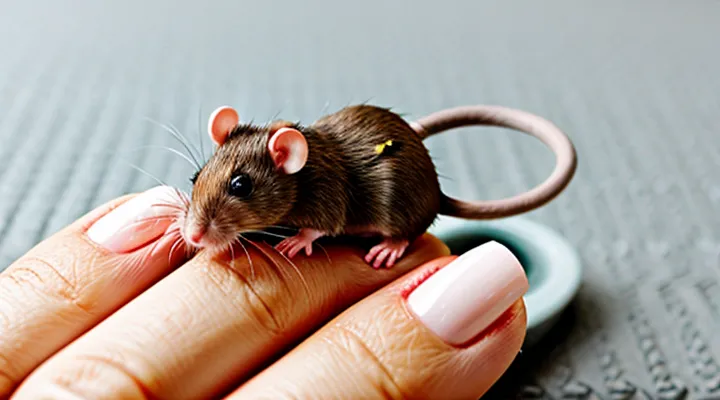
Why Trim Rat Nails?
Health and Safety Concerns
Overgrown Nails and Injury
Overgrown rat nails quickly become sharp and can dig into surrounding tissue, causing pain and limiting mobility. The growth rate accelerates when rats lack abrasive surfaces, such as wood or concrete, leading to curled or split tips that press against the pads.
Potential injuries include:
- Lacerations of the footpad or surrounding skin
- Inflammation and swelling of the digit
- Infections caused by bacterial entry through torn nail margins
- Impaired gait that stresses joints and may result in arthritis over time
Regular maintenance eliminates these risks. Observe the nail edge weekly; if it extends beyond the footpad or begins to curve, trim to a straight line just above the quick. Use a dedicated, sharp nail trimmer and apply gentle pressure to avoid crushing the quick. Immediate removal of jagged fragments reduces tissue trauma and promotes healthy nail regrowth.
Preventing Scratches on Owners
Trimming a rat’s nails reduces the risk of accidental scratches that can injure owners. Proper preparation, technique, and post‑trimming care create a safe environment for both pet and handler.
- Use a pair of sharp, rodent‑specific nail clippers; dull tools increase the chance of slipping and cause pain.
- Restrain the rat gently but firmly: hold the body with one hand, supporting the hind legs, while the other hand secures the tail.
- Identify the quick, the pink blood vessel inside each nail. Trim only the clear tip, staying at least 1 mm away from the quick to avoid bleeding.
- Apply a small amount of veterinary‑approved styptic powder to any cut that reaches the quick; this stops bleeding quickly and prevents the rat from reacting violently.
- Reward the rat with a treat after each session to reinforce calm behavior and reduce stress‑induced movements that could lead to scratches.
Consistent, precise nail maintenance eliminates sharp edges that could catch skin, minimizing the likelihood of scratches during handling or cage cleaning. Regular intervals—typically every two to three weeks—maintain nail length within safe limits, ensuring a calm, injury‑free interaction between rat and owner.
Tools You'll Need
Nail Clippers
Human Nail Clippers
Human nail clippers are the most accessible tool for trimming the claws of pet rats. Their lever‑action mechanism provides the force needed to cut the thin keratin of a rat’s nail without crushing the delicate tip. Stainless‑steel blades retain sharpness after repeated use, while the concave cutting edge matches the natural curvature of a rodent’s claw, reducing the risk of splintering.
Effective use requires proper grip and positioning. Hold the rat gently but securely, supporting the body with one hand while the other hand operates the clipper. Align the blade so that the cut is made just beyond the quick, the pink vascular tissue that supplies the nail. A clean, dry blade prevents slipping and ensures a smooth slice.
Key considerations for selecting and maintaining a pair of clippers:
- Blade length of 10–12 mm accommodates the small size of rat nails.
- Ergonomic handles reduce hand fatigue during multiple trims.
- Replace or sharpen blades when cutting resistance increases.
- Disinfect the tool with isopropyl alcohol after each session to avoid infection.
Following these guidelines maximizes safety and precision when using human nail clippers for rat nail care.
Small Animal Clippers
Small animal clippers are the primary instrument for safely shortening a rat’s nails. Their design accommodates the delicate structure of rodent digits while delivering precise cuts.
Common cutter designs include:
- Scissor‑type with curved blades for controlled shearing.
- Guillotine style that traps the nail between a fixed blade and a moving plate.
- Rotary models that grind rather than cut, reducing the risk of splintering.
Critical specifications to evaluate:
- Blade composition (stainless steel or carbon steel) for durability and sharpness retention.
- Overall length and tip curvature matching the rat’s small paws.
- Integrated safety guard that limits blade exposure and prevents over‑cutting.
Selection guidelines for rat grooming:
- Choose clippers whose jaw span does not exceed 5 mm, ensuring access to the nail’s tip.
- Prefer handles with non‑slip textures to maintain grip during brief procedures.
- Verify that the tool’s weight is under 30 g, minimizing fatigue and tremor.
Operational steps for trimming:
- Secure the rat gently, exposing the nail without applying excessive pressure.
- Align the cutter so the blade contacts the nail just beyond the quick, identified by a pinkish vein.
- Apply steady pressure, close the blades smoothly, and release immediately.
- Inspect the cut edge for smoothness; repeat only if necessary.
Maintenance practices:
- Clean blades with alcohol after each use to prevent infection.
- Dry thoroughly before storage to avoid corrosion.
- Sharpen or replace blades when cutting resistance increases.
Adhering to these criteria ensures efficient, humane nail care for rats using small animal clippers.
Other Essentials
Styptic Powder or Cornstarch
When a rat’s nail is cut too close, bleeding can occur. Two readily available agents stop the flow quickly: styptic powder and cornstarch.
Styptic powder contains astringent compounds such as aluminum sulfate. It contracts blood vessels on contact, forming a clot within seconds. To use it, dip a clean cotton swab into the powder and press gently on the bleeding tip. The powder should be kept in a dry container to preserve efficacy.
Cornstarch works through mechanical absorption. Sprinkle a small amount directly onto the wound, then apply light pressure with a sterile gauze pad until bleeding ceases. This method is inexpensive and safe for repeated use.
Key considerations:
- Effectiveness: Styptic powder stops bleeding faster; cornstarch is adequate for minor oozing.
- Allergy risk: Some rats may react to aluminum compounds; observe for irritation.
- Availability: Styptic powder is sold in pet‑care sections; cornstarch is a kitchen staple.
- Storage: Keep both agents sealed away from moisture to prevent clumping.
For optimal results, prepare a small emergency kit containing a sterile swab, a pinch of styptic powder, a teaspoon of cornstarch, and gauze. Replace the contents after each use to maintain sterility.
Treats and Towel
Treats and a towel are essential tools for a successful rat nail‑trimming session. They reduce stress, improve cooperation, and protect both animal and handler.
Choosing effective treats
- Small, high‑value pieces such as dried insects, bits of cheese, or commercial rodent rewards.
- Freshness ensures strong incentive; stale items lose appeal quickly.
- Avoid sugary or heavily processed snacks that may cause digestive upset.
Applying the towel for safe restraint
- Use a soft, breathable cloth sized to cover the rat without restricting breathing.
- Gently wrap the animal, leaving the paws exposed for access.
- Maintain a calm grip; excessive pressure can trigger panic and increase the risk of injury.
Coordinating treats and towel during trimming
- Offer a treat before wrapping to establish a positive association.
- Keep a treat within reach while trimming; occasional bites keep the rat relaxed.
- Release the towel promptly after the procedure to prevent prolonged confinement.
Proper selection of treats and correct towel technique streamline the nail‑trimming process, minimize handling time, and promote a calm environment for the rat.
Preparing for the Trim
Creating a Calm Environment
Minimizing Stress
When cutting a rat’s nails, stress reduction is essential for safety and effectiveness. A calm animal yields precise trims and lowers the risk of injury.
Prepare the environment before handling. Choose a quiet room, dim harsh lighting, and remove sudden noises. Place a soft, non‑slip surface such as a silicone mat to give the rat stable footing.
Handle the rat with steady, gentle pressure. Support the body behind the shoulders and keep the tail free to avoid tension. Allow the animal a brief acclimation period of 30–60 seconds before touching the claws.
Select appropriate tools. Use a pair of stainless‑steel nail clippers designed for small rodents; a sharp blade prevents crushing the nail and reduces the time required. Keep a styptic powder or cornstarch nearby to stop bleeding if the quick is accidentally cut.
Follow a consistent trimming routine:
- Inspect each nail, locate the quick (the pink vascular tissue) by the translucency of the nail.
- Clip only the distal tip, leaving a small margin above the quick.
- Release the rat immediately after each paw is trimmed to reinforce a positive association.
- Reward the animal with a brief treat or gentle petting after the session.
Schedule sessions regularly, ideally every two to three weeks, to keep nail length manageable and avoid sudden, extensive cuts that increase anxiety.
Maintain a calm demeanor throughout. A steady voice and slow movements signal safety to the rat, further diminishing stress levels.
Handling Your Rat
Proper handling of a rat is essential for safe nail maintenance. Begin by establishing a calm environment: lower lighting, minimal noise, and a stable surface. Keep the cage door closed and place the rat on a non‑slippery mat to prevent escape.
Before any contact, wash hands thoroughly and dry them completely. Dry hands provide better grip and reduce the risk of slipping. Use a small, soft towel to gently wrap the rat, leaving the paws exposed. The towel should be snug enough to restrain movement without causing distress.
When the rat is secured, support its body with one hand while the other hand holds the paw. Apply gentle pressure to the toe to extend the nail. Trim only the transparent tip, avoiding the pink quick that contains blood vessels. Use a pair of small, sharp nail clippers designed for rodents; dull tools can crush the nail and cause injury.
After trimming, release the rat back into its cage promptly. Observe the animal for any signs of bleeding or stress. If bleeding occurs, apply a small amount of styptic powder or cornstarch to the tip until clotting stops. Continue to monitor the rat for several minutes to ensure normal behavior resumes.
Desensitization Training
Gradual Introduction to Tools
Begin with a single, lightweight nail clipper designed for small mammals. The clipper’s jaws should close smoothly, allowing precise cuts without crushing the nail. Use the clipper only on the distal tip of the nail, avoiding the quick.
- Small stainless‑steel clipper, 1–2 cm blade length
- Rounded tip to reduce risk of puncture
- Non‑slip handle for steady grip
After mastering the basic clipper, introduce a fine‑toothed grooming file. The file smooths rough edges left by clipping and prepares the nail for subsequent trimming sessions. Apply light pressure, moving the file in short, controlled strokes.
- Fine grit (400‑600) ceramic or silicon carbide file
- Ergonomic handle, easy to rotate
- Compact size for storage in a grooming kit
Progress to a precision pair of nail scissors when finer control is required. Scissors enable angled cuts for nails that are curved or partially grown into the quick. Hold the scissors at a shallow angle and trim incremental sections, checking the nail’s length after each cut.
- Curved tip, 2 cm blade
- Spring‑loaded action for consistent force
- Stainless‑steel construction for durability
Conclude the tool sequence with a protective nail cap dispenser. Caps shield the nail tip between grooming sessions, reducing the need for frequent trimming. Apply caps after the nail is clean and dry, ensuring a snug fit without excessive pressure.
- Soft silicone caps, various diameters
- One‑hand dispensing mechanism
- Reusable, washable material
Maintain all tools by cleaning with an alcohol wipe after each use and storing them in a dry container. Regular inspection for rust or blade dullness prevents injury and extends tool life. This stepwise introduction ensures competence with each instrument before advancing, minimizing stress for both animal and handler.
Positive Reinforcement
Positive reinforcement accelerates rat nail trimming by linking the procedure with rewarding outcomes. When a rat anticipates a treat or gentle petting immediately after a successful trim, stress levels decline, making future sessions smoother.
Effective reinforcement strategies include:
- Offer a small piece of favorite food within seconds of completing the cut.
- Provide a brief, soothing stroke on the back or head right after the tool is removed.
- Use a clicker or soft verbal cue to mark the exact moment the trim ends, followed by the reward.
Consistency is critical. Apply the same reward each time the rat tolerates the clippers, and limit the interval between the action and the treat to no more than two seconds. Over time, the animal learns to associate nail trimming with positive experiences, reducing resistance.
Monitoring the rat’s response allows adjustment of reward type and timing. If signs of anxiety appear, pause, deliver an extra treat, and resume only when calm. Gradual increase in trim length, paired with reinforcement, builds confidence without compromising safety.
The Trimming Process
Holding Your Rat
The «Burrito» Method
The burrito method encircles the rat’s hind paw in a soft, flexible wrap, creating a secure, pressure‑free environment for precise nail cutting. The wrap immobilizes the foot without restricting blood flow, allowing the practitioner to view the nail plate clearly and apply shears at the correct angle.
Materials required:
- Small, breathable fabric or medical gauze strip
- Non‑slip adhesive tape
- Rat‑size nail clippers or fine‑toothed scissors
- Styptic powder or cornstarch for bleeding control
- Clean towel for cleaning the area
Procedure:
- Position the rat on a stable surface, gently hold the hind leg, and slide the fabric under the paw.
- Wrap the fabric snugly around the foot, overlapping the edges by half an inch; secure with tape, ensuring the wrap is tight enough to prevent movement but loose enough to avoid constriction.
- Locate the translucent portion of the nail, typically 1–2 mm from the quick.
- Align the clippers perpendicular to the nail, cut only the free edge, and immediately apply a small amount of styptic powder if bleeding occurs.
- Release the wrap, inspect the cut for smoothness, and repeat on the remaining toes.
Advantages of the burrito method include reduced stress for the animal, improved visibility of the nail’s anatomy, and consistent results across multiple sessions. Proper execution minimizes the risk of quick damage and accelerates recovery, making it a reliable technique for routine rodent claw maintenance.
Two-Person Technique
The two‑person method provides the stability and control required for safe rat nail trimming. One participant secures the animal, while the other performs the cut, minimizing stress and preventing accidental injury.
The handler holds the rat gently but firmly, using a soft cloth or a small animal restraint device to keep the limbs immobile. The assistant positions a pair of sharp, appropriately sized nail clippers at a right angle to the nail, aiming for the visible pink quick to avoid bleeding.
- Verify that both clippers are clean and sharpened.
- Place the rat on a non‑slippery surface; the handler wraps the animal’s body with a thin towel, leaving the paws exposed.
- The handler steadies the target paw with the thumb and forefinger, applying just enough pressure to keep the toe extended.
- The assistant aligns the cutter with the nail tip, trims only the distal portion, and releases the pressure immediately after the cut.
- Inspect the nail for any signs of bleeding; apply a small amount of styptic powder if needed.
- Repeat the process for each paw, alternating roles if fatigue becomes apparent.
Effective communication between partners is essential. Both individuals should maintain eye contact, use a single word cue to signal readiness, and pause between cuts to assess the rat’s comfort level. Consistent practice refines timing and reduces handling time, resulting in a smoother procedure for both the animal and the caretakers.
Identifying the Quick
Understanding Rat Nail Anatomy
Rat nails consist of a hard outer sheath of keratin that protects an inner, vascularized tissue called the quick. The quick contains blood vessels and nerves; damage to it causes bleeding and pain. The nail plate grows from a matrix located at the base of the sheath, extending outward as new keratin layers are added. Growth rate varies between forepaws and hind paws, with forelimb nails typically longer and more curved.
Key anatomical components:
- Nail plate – transparent keratinized layer visible externally.
- Quick (nail bed) – living tissue beneath the plate, sensitive to pressure.
- Matrix – growth zone at the nail’s root, responsible for lengthening.
- Lunula – pale crescent at the base, indicating active growth.
- Hook – curved tip on forelimb nails that assists in climbing.
Understanding these structures informs safe trimming. The quick must remain intact; cutting only the free edge of the nail plate avoids hemorrhage. Measuring the distance from the tip to the visible lunula helps estimate safe cut length. Regular observation of nail color and shape reveals any abnormalities, such as overgrowth or infection, which require veterinary attention.
Avoiding Injury
Trimming a rat’s nails carries a risk of puncture or bleeding if proper precautions are ignored.
Before beginning, gather a pair of sharp, stainless‑steel clippers, a styptic powder or cornstarch, a soft towel, and a calm workspace. Restrain the animal gently but firmly, using a towel to limit movement while keeping the head exposed.
- Hold the rat’s paw with thumb and forefinger, aligning the claw so the quick (the pink vascular area) is visible.
- Clip only the translucent tip, staying at least 1 mm away from the quick.
- Apply pressure to the cut end with styptic powder if bleeding occurs.
During the cut, maintain steady pressure, avoid squeezing the toe, and watch for signs of distress. If the nail is cloudy, the quick is likely deeper; trim less and reassess.
After trimming, examine each nail for smooth edges, clean the paws with a damp cloth, and return the rat to its enclosure. Regular, careful trimming reduces the chance of injury and promotes healthy nail growth.
Making the Cut
Small, Controlled Snips
Small, controlled snips are essential for precise rat nail trimming. The cutter’s jaws should be no longer than 1 cm, allowing access to the tip of the claw without forcing the animal’s foot to bend. Blade edges must be sharp; dull steel increases the risk of crushing the nail and causing bleeding. Choose a model with a spring‑loaded mechanism to maintain consistent pressure and reduce hand fatigue during multiple cuts.
When positioning the rat, hold the paw gently between thumb and forefinger, exposing only the distal phalanx. Align the snip perpendicular to the nail’s growth line, targeting the translucent, non‑vascular portion. Trim no more than 1 mm at a time, checking for the pink quick after each cut. If the quick becomes visible, stop immediately to avoid injury.
Maintain hygiene by sterilizing the snips with isopropyl alcohol before and after each session. Inspect the tool for micro‑chips or rust before use; replace if any defect is detected. Regular replacement of the blade ensures clean cuts and minimizes stress on the animal.
Dealing with Black Nails
Black nails in rats signal subungual hemorrhage, infection, or trauma and require prompt attention to prevent worsening. Immediate inspection confirms discoloration, swelling, or discharge. Clean the area with a sterile saline solution to remove debris and reduce bacterial load.
Management steps
- Isolate the affected rat to limit stress and prevent biting of the injured toe.
- Trim the nail carefully with a small, sharp clipper, removing only the discolored portion while preserving healthy tissue.
- Apply a topical antiseptic (e.g., chlorhexidine or povidone‑iodine) to the nail bed.
- Administer a systemic antibiotic if signs of infection appear, following a veterinarian’s dosage guidelines.
- Monitor daily for reduced discoloration, decreased swelling, and normal gait.
If bleeding persists, the nail bed is exposed, or the rat shows signs of pain, seek veterinary care without delay. Professional evaluation may include radiography to detect internal fractures or deeper tissue damage, followed by appropriate surgical or medical intervention.
What if You Cut Too Deep?
Applying Styptic Powder
Styptic powder is an essential tool for controlling bleeding when a rat’s nail is cut too close to the quick. The powder works by rapidly contracting blood vessels, forming a clot that stops hemorrhage within seconds.
Before beginning a nail‑trimming session, gather a small amount of sterile styptic powder, a soft brush or applicator, and a clean towel. Ensure the rat is calm, secured gently, and the work area is well‑lit to see the nail’s translucent tip clearly.
Application procedure
- Clip the nail with a sharp, appropriate‑size cutter, avoiding the pink quick.
- If blood appears, dip the brush lightly into the powder; excess granules should be shaken off.
- Press the powder‑coated brush against the bleeding edge for 2–3 seconds.
- Hold the rat’s paw steady until the flow stops; the clot typically forms within 5–10 seconds.
- Remove any residual powder with a soft cloth to prevent ingestion.
After the clot forms, observe the paw for a few minutes to confirm hemostasis. If bleeding persists, repeat the application once; persistent bleeding may indicate a deeper cut and requires veterinary attention. Store the powder in a dry, airtight container to maintain efficacy.
When to Seek Vet Attention
Excessive bleeding, persistent swelling, or obvious pain after a nail trim indicates a need for professional veterinary assessment. If the rat shows signs of infection—redness, discharge, or odor—prompt attention prevents complications. Sudden limping, reluctance to move, or altered behavior following the procedure also warrants evaluation.
Key situations that require a veterinarian include:
- Continuous bleeding that does not stop within a few minutes despite pressure.
- Swelling or heat around the nail bed.
- Visible pus, foul smell, or crusted material from the trimmed area.
- Lameness or inability to place weight on the affected limb.
- Excessive grooming or biting at the trimmed site, suggesting discomfort.
When any of these conditions appear, contact a qualified animal health professional without delay to ensure proper care and prevent worsening of the injury.
Aftercare and Maintenance
Rewarding Your Rat
Favorite Treats and Praise
When clipping a rat’s claws, positive reinforcement is essential for cooperation and reduced stress. Treats that rats readily accept should be paired with verbal encouragement immediately after each successful cut.
Preferred incentives include:
- Small pieces of fresh fruit such as banana or apple, no larger than a pea.
- Soft, low‑fat cheese cubes.
- Commercial rodent treats formulated with high protein content.
- Tiny portions of cooked egg white.
Each treat must be offered within a few seconds of the clipping action to create a clear association between the behavior and the reward. Consistency in timing strengthens the learning curve.
Verbal praise should be brief and distinct from everyday conversation. Use a calm, steady tone and a single word such as “good” or “well done.” Repeating the same cue reinforces recognition without overwhelming the animal.
Combining a favored edible reward with a consistent verbal cue builds trust, encourages calmness during future nail‑trimming sessions, and accelerates the rat’s willingness to remain still while the claws are shortened.
Playtime
Playtime can be integrated into the nail‑care routine for rats without compromising precision. Short, engaging sessions keep the animal calm, reduce stress, and facilitate quicker clipping.
Effective use of playtime includes:
- Selecting a familiar toy that encourages movement while the handler holds the rat’s paws.
- Limiting each interactive interval to 2–3 minutes before beginning the trimming process.
- Rewarding the rat with a treat immediately after a successful clip to reinforce cooperation.
- Maintaining a clean surface to prevent debris from interfering with the nail‑cutting tools.
In practice, begin with a brief play period, then transition directly to trimming. The animal’s alert yet relaxed state minimizes sudden paw jerks, allowing clean cuts and decreasing the likelihood of injury. Repeating this cycle every few minutes sustains focus and ensures the entire nail set is addressed efficiently.
Frequency of Trimming
Observing Nail Growth
Observing nail growth provides the data needed to schedule trims and prevent injury. Rats’ claws extend at a rate of roughly 1 mm per week, though individual variation occurs due to diet, activity level, and genetics. Regular measurement—using a calibrated caliper or a ruler placed against the nail tip—reveals trends and identifies rapid growth phases.
Key indicators that a trim is approaching include: a visible curve at the nail tip, the emergence of a pink nail bed (the quick) beyond the dark keratin, and the nail touching the floor when the rat stands. Recording these signs in a simple log (date, length, visual condition) creates a reference for future decisions.
A practical observation routine:
- Daily visual check – Scan each foot for curvature and quick exposure.
- Weekly length measurement – Record the distance from the nail base to the tip.
- Monthly photo – Capture a clear image of each claw for side‑by‑side comparison.
When measurements show an increase of 0.5 mm or more since the last trim, schedule a cutting session within the next two days. This timing minimizes the risk of cutting into the quick, which causes bleeding and pain.
Consistent observation reduces the frequency of emergency trims and supports healthy claw development. The data collected also informs adjustments to diet or enrichment, which can moderate growth speed when necessary.
Regular Checks
Regular checks are essential for maintaining healthy rat nails and preventing injury. Consistent monitoring allows you to detect overgrowth, cracks, or infections before they become serious problems.
Schedule examinations at least twice weekly. During each session, observe the following indicators:
- Length relative to the toe pad; nails should not extend beyond the pad edge.
- Smoothness of the nail surface; avoid rough or jagged edges.
- Color changes, such as redness or dark spots, which may signal infection.
- Signs of discomfort, including limping or reluctance to climb.
If any abnormality appears, adjust the trimming routine immediately. Replace worn tools, sanitize equipment, and reassess the animal’s diet, as nutritional deficiencies can affect nail growth. Document each check to track trends and refine the trimming schedule over time.