
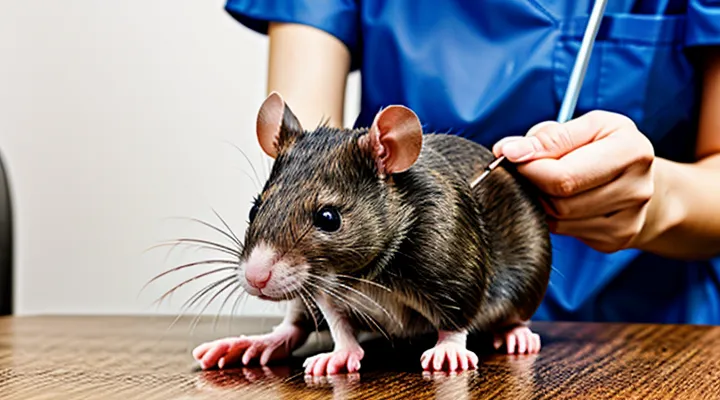
Immediate Post-Operative Care («The Golden Hour»)
Monitoring Vital Signs
Assessing Breathing and Respiration
After abdominal or thoracic procedures, respiratory function remains a primary indicator of recovery in a laboratory rat. Continuous evaluation detects hypoventilation, airway obstruction, or pulmonary complications before they become life‑threatening.
Key observations include respiratory rate, rhythm, depth, and effort. Normal resting rate ranges from 70 to 120 breaths per minute; deviations suggest pain, hypoxia, or anesthesia residual effects. Observe thoracic wall movement for symmetry and note any abdominal breathing, which indicates diaphragmatic fatigue. Listen for abnormal sounds such as wheezes, crackles, or stridor, which may signal fluid accumulation or airway narrowing.
Assessment techniques:
- Visual inspection of chest excursions.
- Palpation of the thorax to feel for vibrations.
- Auscultation with a miniature stethoscope to identify adventitious sounds.
- Pulse‑oximetry placed on the tail or paw to monitor arterial oxygen saturation (target > 95 %).
- Capnography, when available, to measure end‑tidal CO₂ and confirm adequate ventilation.
Interpretation guidelines:
- Rate < 70 bpm or > 150 bpm, irregular rhythm, or shallow breaths warrant immediate intervention.
- Oxygen saturation falling below 90 % or end‑tidal CO₂ rising above 45 mmHg indicates hypoventilation.
- Presence of audible crackles or wheezes suggests pulmonary edema or bronchoconstriction.
Corrective actions:
- Deliver supplemental oxygen via a low‑flow mask or chamber.
- Apply gentle warming to prevent hypothermia‑induced respiratory depression.
- Administer analgesics to reduce pain‑related shallow breathing.
- Perform airway clearance by suctioning or gentle chest percussion if secretions are evident.
Regular documentation of these parameters, combined with prompt corrective measures, sustains optimal pulmonary function during the recovery phase.
Checking Heart Rate and Capillary Refill Time
Monitoring cardiovascular function immediately after surgery is essential for detecting hypovolemia, pain‑induced stress, or anesthetic complications in rats. Two rapid, non‑invasive parameters—heart rate and capillary refill time—provide reliable information about circulatory status.
Heart rate assessment relies on tactile or acoustic detection. The femoral artery is palpated while the rat is restrained in a supine position; a steady rhythm indicates normal function. Alternatively, a small‑diameter stethoscope placed over the thorax records audible beats. Normal adult rat heart rate ranges from 300 to 500 beats min⁻¹; values consistently above 600 bpm suggest tachycardia, while readings below 250 bpm indicate bradycardia and warrant fluid supplementation or analgesia adjustment.
Capillary refill time evaluates peripheral perfusion. The procedure:
- Apply gentle pressure to the ventral surface of a hind‑paw pad for 1–2 seconds until blanching occurs.
- Release pressure and observe the return of pink coloration.
- Measure the interval with a stopwatch; normal refill completes within 1–2 seconds.
Refill times exceeding 3 seconds imply reduced peripheral circulation, often associated with shock or excessive anesthesia depth. Prompt intervention includes intravenous lactated Ringer’s solution, warming of the animal, and reassessment of analgesic dosing.
Interpretation of both metrics should be simultaneous. A combination of tachycardia and prolonged capillary refill suggests compensatory response to blood loss, whereas bradycardia with delayed refill may indicate severe hypothermia or over‑sedation. Immediate corrective actions—fluid therapy, temperature regulation, or anesthetic reversal—must follow established protocols to stabilize the postoperative rat.
Evaluating Body Temperature
Accurate monitoring of a rat’s core temperature is essential during the recovery period after surgery. Hypothermia can impair wound healing, reduce immune function, and increase mortality, while hyperthermia may indicate infection or metabolic disturbance.
Thermal assessment techniques include:
- Rectal probe: Insert a lubricated thermistor 1–2 cm into the anus. Record temperature every 15 minutes for the first two hours, then hourly until stable. Ensure probe sterilization between animals.
- Infrared thermometer: Aim at the dorsal skin surface, maintaining a distance of 2–3 cm. Use this method for rapid checks, recognizing that surface readings are 1–2 °C lower than core values.
- Implanted telemetry: Surgical implantation of a miniature temperature sensor in the peritoneal cavity provides continuous data. Requires a separate implantation procedure and data‑logging equipment.
Normal core temperature for adult laboratory rats ranges from 37.5 °C to 38.5 °C. Deviations of more than 1 °C from this interval warrant immediate intervention. When temperature falls below 36 °C, apply a warming pad set to 38 °C and monitor until the animal reaches baseline. For temperatures above 39 °C, assess for signs of infection, administer antipyretics as prescribed, and provide a cool environment.
Documentation should include time, measurement method, ambient temperature, and any corrective actions taken. Consistent recording enables trend analysis, facilitates early detection of complications, and supports reproducibility in experimental protocols.
Pain Management
Recognizing Signs of Pain
Rats recovering from surgery may exhibit subtle behavioral and physiological changes that indicate discomfort. Early detection prevents escalation of pain and supports faster healing.
Observable indicators include:
- Reduced mobility: reluctance to move, limping, or favoring a limb.
- Altered posture: hunched back, tucked abdomen, or shifted weight away from the surgical site.
- Changes in grooming: excessive licking or biting of the incision area, or neglect of normal grooming routines.
- Vocalizations: high‑pitched squeaks or audible distress when handled or during movement.
- Decreased food and water intake: noticeable drop in consumption or weight loss within 24–48 hours.
- Abnormal eye appearance: squinting, closed eyes, or excessive tearing.
- Physiological signs: elevated heart rate, rapid breathing, or temperature fluctuations measured with a rectal probe.
Monitoring should occur at least twice daily, with additional checks after any handling or medication administration. Documentation of each sign, its onset, and duration provides a baseline for evaluating analgesic efficacy.
If any combination of these signs persists beyond 12 hours or intensifies, adjust pain management protocols promptly. Analgesic dosing must follow veterinary guidelines, and dosage changes should be recorded to correlate with observed behavioral improvements.
Consistent observation, accurate recording, and timely intervention constitute the core of effective pain recognition in postoperative rodent care.
Administering Prescribed Analgesics
Effective pain control is a critical element of postoperative rat management. Analgesics must be administered according to the veterinarian’s prescription, respecting species‑specific pharmacokinetics and the surgical procedure’s intensity.
- Choose the drug class (e.g., buprenorphine, meloxicam, carprofen) based on duration of action, route of absorption, and potential side effects.
- Calculate dose using the animal’s weight in grams; apply the formula dose = ( prescribed mg/kg × weight g ÷ 1000).
- Prepare the injection immediately before use to maintain potency; ensure sterile technique and proper dilution if required.
- Select the route that maximizes efficacy and minimizes stress: subcutaneous injection is standard for most opioids, while oral administration suits NSAIDs that are palatable in gelatin or syrup.
- Administer the first dose within 30 minutes after closure, then follow the prescribed dosing interval (e.g., every 8 hours for buprenorphine).
Continuous observation is necessary. Record each administration time, dose, and any adverse reactions such as lethargy, piloerection, or changes in food intake. Adjust the regimen only after veterinary consultation, documenting the rationale for any deviation from the original prescription.
Understanding Different Pain Relief Options
Effective analgesic selection is critical for successful recovery after rodent surgery. Choices fall into systemic, local, and multimodal categories, each with specific pharmacologic profiles and administration requirements.
Systemic agents include non‑steroidal anti‑inflammatory drugs (NSAIDs) such as meloxicam (0.2–0.4 mg/kg, subcutaneously, once daily) and carprofen (5 mg/kg, orally, every 12 h). NSAIDs reduce inflammatory pain but may impair platelet function and renal perfusion at high doses. Opioids provide potent analgesia; buprenorphine (0.05 mg/kg, subcutaneously, every 8–12 h) offers long‑acting relief with minimal respiratory depression, while fentanyl patches (0.018 mg/kg/day) deliver continuous dosing for extended procedures. Dose adjustments are necessary for aged or compromised animals.
Local techniques target the surgical site directly. Infiltration of lidocaine (2 mg/kg, subcutaneously) before incision shortens nociceptive signaling. Peripheral nerve blocks using bupivacaine (0.5 % solution, 0.1 ml per nerve) prolong analgesia for up to 6 h. Continuous wound catheters permit repeated dosing of local anesthetic, reducing systemic exposure.
Multimodal regimens combine agents to exploit synergistic effects while minimizing side‑effects. A typical protocol pairs meloxicam with buprenorphine, delivering anti‑inflammatory and opioid coverage. Adding a local block for the first postoperative hours further lowers overall opioid requirements.
Implementation demands regular pain assessment using validated scoring systems (e.g., grimace scale, activity monitoring). Adjustments follow observed discomfort, drug tolerance, or adverse reactions. Contraindications include gastrointestinal ulceration for NSAIDs and severe respiratory compromise for opioids. Documentation of dosage, route, and timing ensures reproducibility and compliance with institutional animal care standards.
Wound Care
Inspecting the Incision Site
Inspecting the incision site is a critical component of post‑surgical management for a laboratory rat. The examination provides immediate feedback on wound integrity, infection risk, and the animal’s healing progress.
- Observe the skin edges for uniform closure; gaps or separation indicate dehiscence.
- Assess color of the tissue; pink to light red denotes healthy perfusion, while dark red, black, or excessive pallor suggests compromised circulation.
- Look for exudate; clear or slightly serous fluid is normal, whereas pus, blood, or foul odor signals infection.
- Measure swelling; mild edema is expected, but rapid expansion or firmness may reflect hematoma or abscess formation.
- Palpate gently around the suture line; tenderness beyond normal handling response warrants further evaluation.
- Verify that sutures or staples remain intact; loose or broken material must be removed and the wound re‑approximated.
Documentation should occur at least twice daily during the first 72 hours, then once daily until the incision is fully healed. Record observations, measurements, and any interventions in the animal’s health log. Prompt corrective action based on these findings reduces morbidity and supports successful recovery.
Preventing Infection
Effective infection control after rat surgery requires strict aseptic technique, vigilant monitoring, and targeted prophylaxis.
Sterile preparation of the operative field begins with thorough skin cleaning using an approved antiseptic solution, followed by the use of sterile instruments, gloves, and drapes. Personnel must change gloves between animals and disinfect surfaces after each procedure.
Environmental management includes housing operated rats in clean, temperature‑controlled cages with fresh bedding. Cage changes should occur daily, and all equipment entering the cage must be sterilized.
Antibiotic administration follows a defined protocol: select an agent based on the anticipated pathogen profile, administer the first dose within the peri‑operative window, and continue for the prescribed duration. Dosage calculations must consider the animal’s weight and renal function.
Wound care practices consist of:
- Inspecting incision sites twice daily for redness, swelling, or discharge.
- Removing sutures or staples only when healing criteria are met, typically 7–10 days post‑operation.
- Applying topical antiseptics if minor contamination is observed, avoiding excessive moisture that could impair tissue regeneration.
Nutrition and hydration support immune function. Provide a high‑protein diet, ensure unrestricted access to water, and supplement with vitamin C if the diet is deficient.
Record keeping is essential. Document surgical details, antimicrobial regimens, wound assessments, and any deviations from the standard protocol. This data enables rapid identification of infection trends and facilitates corrective actions.
Changing Dressings (If Applicable)
Changing dressings is required only when a surgical site is covered with a sterile bandage or gauze. The procedure protects the incision from contamination, controls exudate, and allows visual assessment of healing.
Replace a dressing if it becomes wet, soiled, loose, or if edema, discharge, or redness increases. Typical intervals range from 12 hours to 48 hours, depending on wound size, type of material, and the rat’s activity level.
Procedure
- Prepare a clean work area, sterile gloves, and a new dressing set (sterile gauze, adhesive tape, antiseptic solution).
- Restrain the rat gently using a soft cloth or a specialized restraining device; avoid excessive pressure on the wound.
- Remove the old dressing carefully; discard it in biohazard waste. Inspect the incision for signs of infection or dehiscence.
- Clean the area with a mild antiseptic (e.g., diluted chlorhexidine) applied with a sterile swab; allow the surface to air‑dry.
- Apply the new sterile gauze, ensuring coverage extends at least 5 mm beyond the wound edges. Secure with adhesive tape, avoiding tension that could impair circulation.
- Record the date, time, dressing type, and any observations about the wound condition.
After dressing changes, monitor the rat for altered behavior, reduced food intake, or increased grooming of the site. Maintain a consistent schedule to minimize stress and promote optimal recovery.
Environmental Considerations
Providing a Warm, Quiet Space
A warm, quiet environment is essential for a rat’s recovery after surgery. Temperature should be maintained between 26 °C and 28 °C using a heating pad, heat lamp, or incubator with a regulated thermostat. The heat source must be covered with a thin layer of bedding to prevent direct contact and potential burns.
Noise levels must be kept low. Place the recovery cage in a separate room or a sound‑dampened area away from daily traffic, ventilation fans, and other animals. Close doors and limit human movement around the cage during the first 24 hours.
Key elements for the recovery space:
- Bedding: Soft, absorbent material (e.g., shredded paper or aspen) changed daily to keep the area dry and comfortable.
- Ventilation: Provide gentle airflow without drafts; a low‑speed fan can circulate air while maintaining temperature.
- Lighting: Dim lighting or a red light source reduces stress; avoid bright or flickering lights.
- Monitoring: Check temperature twice per day with a calibrated thermometer; observe the rat for signs of hypothermia or overheating.
Maintain these conditions continuously for at least 48 hours, then gradually return the animal to its normal housing while monitoring behavior and wound healing.
Reducing Stressors
Effective reduction of stressors is essential for optimal recovery after surgical procedures in rats. Stress compromises immune function, delays wound healing, and may precipitate complications such as hypothermia or gastrointestinal stasis.
Environmental stability should be prioritized. Maintain cage temperature between 20‑24 °C and relative humidity at 40‑60 %. Provide nesting material that allows the animal to construct a secure burrow, reducing exposure to drafts. Noise levels must remain below 50 dB; avoid sudden sounds from equipment or door closures.
Handling techniques directly influence the animal’s anxiety. Use gentle, slow movements; support the torso and hindquarters simultaneously to prevent limb strain. Limit handling sessions to the minimum required for monitoring, medication administration, or cage cleaning. When possible, perform procedures within the home cage to avoid relocation stress.
Cage management contributes significantly to stress mitigation. Schedule cage changes at consistent times each day, and perform them quickly to limit disruption. Use clean but familiar bedding to preserve scent cues. Remove waste without overturning the entire enclosure; employ a scoop or pipette to extract soiled material.
Analgesic protocols should be integrated with stress reduction strategies. Administer analgesics pre‑emptively and continue on a regular schedule to prevent pain‑induced agitation. Monitor for signs of distress—piloerection, excessive grooming, or reduced mobility—and adjust treatment promptly.
A concise checklist for daily postoperative care:
- Verify ambient temperature and humidity remain within target ranges.
- Observe cage for excessive noise or vibrations; eliminate sources.
- Conduct brief, gentle handling only when necessary.
- Perform cage cleaning at the same time each day, preserving bedding structure.
- Administer analgesics according to the prescribed interval; record dosages.
- Record behavioral indicators of stress and report deviations to the veterinary team.
Consistent application of these measures minimizes environmental and procedural stressors, supporting swift and uncomplicated healing in post‑surgical rats.
Ensuring Proper Ventilation
Proper ventilation is a critical component of post‑surgical recovery for laboratory rats. Adequate airflow removes anesthetic gases, reduces the buildup of pathogens, and stabilizes ambient temperature, all of which support physiological equilibrium.
Air exchange rates should meet or exceed 15–20 air changes per hour in the recovery enclosure. This rate prevents carbon dioxide accumulation and maintains oxygen levels above 20 %. Use calibrated fans or ventilators to achieve consistent flow without creating drafts that could chill the animal.
Humidity control complements airflow. Target relative humidity between 40 % and 60 % to avoid respiratory irritation and condensation on cage surfaces. Install hygrometers and automated humidifiers to sustain the desired range.
Filtration protects against airborne contaminants. Employ high‑efficiency particulate air (HEPA) filters at intake and exhaust points. Replace filters according to manufacturer schedules or when pressure differentials indicate reduced performance.
Continuous monitoring ensures ventilation remains within parameters. Implement digital sensors linked to an alarm system that signals deviations in airflow, temperature, or humidity. Record data at regular intervals for review and quality assurance.
Key practices for maintaining optimal ventilation:
- Verify fan operation before each recovery session.
- Calibrate airflow meters weekly.
- Clean and disinfect ductwork monthly.
- Conduct leak tests after any cage modification.
- Document all maintenance activities in the animal care log.
By adhering to these protocols, researchers minimize respiratory complications, promote wound healing, and enhance overall recovery outcomes for rats after surgery.
Ongoing Recovery and Long-Term Care
Nutrition and Hydration
Offering Easily Digestible Foods
Offer soft, low‑fiber foods that the animal can ingest with minimal chewing. Ideal choices include:
- Cooked white rice mixed with a small amount of unflavored broth.
- Pureed sweet potato or pumpkin, warmed to body temperature.
- Diluted laboratory rodent chow, blended into a smooth paste.
- Scrambled egg whites, lightly cooked and cooled.
- Low‑fat plain yogurt, spoon‑fed in small quantities.
Provide 2–3 ml of the chosen preparation every 2–4 hours during the first 24 hours, adjusting volume based on the rat’s appetite. Use a sterile syringe or a shallow dish to prevent spills and contamination. Replace any uneaten portion within 30 minutes to limit bacterial growth.
Monitor intake by weighing the rat before and after each feeding interval. A decline of more than 10 % of the pre‑operative body weight signals the need for veterinary reassessment. Ensure the feeding environment remains warm (22–25 °C) and quiet to reduce stress, which can impair gastrointestinal motility.
Gradually reintroduce regular pelleted diet over 3–5 days, mixing increasing proportions of standard chow with the digestible base. Discontinue the soft diet once the rat consistently consumes solid food and maintains stable weight.
Encouraging Fluid Intake
Maintaining adequate hydration after surgery is essential for a rat’s recovery. Fluid loss from anesthesia, analgesics, and tissue trauma can lead to hypovolemia, impaired wound healing, and renal stress. Prompt restoration of fluid balance supports circulatory stability and metabolic function.
- Provide a clean, pre‑warmed water bottle with a low‑profile sipper to encourage spontaneous drinking.
- Offer 0.9 % saline or isotonic dextrose solution via a calibrated oral syringe (0.2–0.5 ml per dose) if voluntary intake is insufficient.
- Add a small amount of flavored, low‑sugar fruit juice (e.g., apple) to water to increase palatability, ensuring the final osmolarity remains isotonic.
- Place the water source near the cage’s resting area to reduce effort required for drinking.
- Maintain cage temperature at 22–24 °C; mild warmth reduces vasoconstriction and promotes fluid consumption.
Monitor intake every 2–4 hours during the first 24 hours. Record the volume consumed, compare with baseline daily water use, and weigh the animal at least twice daily. Observe urine output and skin turgor; reduced urine or skin tenting indicates ongoing dehydration. Adjust fluid volume or delivery method promptly based on these metrics.
Electrolyte balance may require supplementation if prolonged low intake persists. Use balanced electrolyte solutions (e.g., Lactated Ringer’s) in limited volumes, and verify that the administration device is sterile to prevent infection. Avoid excessive temperature fluctuations, which can suppress drinking behavior.
Monitoring Appetite and Weight
Effective post‑surgical management in rats requires systematic observation of food intake and body mass. Decline in consumption or loss of weight signals complications such as infection, pain, or gastrointestinal dysfunction. Early detection allows prompt therapeutic adjustments, reducing morbidity and mortality.
Baseline measurements should be recorded before the procedure. After anesthesia, record weight at 24‑hour intervals for the first three days, then every 12 hours until the animal resumes a stable trajectory. Food consumption is measured by providing a pre‑weighed portion of standard chow and calculating the difference after 24 hours. Record water intake using calibrated bottles.
Key actions based on observations:
- Weight loss > 5 % of pre‑operative value: assess wound integrity, temperature, and analgesia; consider supplemental nutrition (e.g., high‑calorie gel).
- No food intake for ≥12 hours: administer analgesics, evaluate gastrointestinal motility, provide supportive feeding (e.g., syringe‑delivered formula).
- Persistent weight loss despite intervention: perform diagnostic imaging or laboratory testing to identify underlying pathology.
Documentation must include date, time, weight, food and water volumes, and any interventions. Consistent records enable trend analysis and facilitate communication among veterinary staff, ensuring that nutritional status remains within normal limits throughout recovery.
Activity and Mobility
Restricting Strenuous Activity
Limiting vigorous movement after surgery prevents wound dehiscence, reduces pain, and minimizes the risk of hemorrhage in laboratory rats. Immediate confinement in a small, clean cage eliminates opportunities for jumping, climbing, or excessive grooming that could stress sutures.
- House the animal in a cage no larger than necessary for basic mobility; remove enrichment items that encourage climbing.
- Maintain a soft bedding layer to cushion the incision site.
- Restrict handling to brief, gentle examinations; avoid lifting the rat by the tail.
- Provide easy access to food and water to discourage unnecessary locomotion.
Observe the rat for signs of distress, swelling, or bleeding. If the incision remains intact and the animal shows normal appetite and behavior after 48–72 hours, gradually increase cage size and re‑introduce low‑intensity activity such as mild exploration. Full activity should resume only after confirmed wound healing, typically 7–10 days post‑operation.
Gradual Reintroduction to Exercise
During the early recovery phase, activity must remain limited to prevent stress on surgical sites. Initiate movement with short, supervised sessions in a familiar cage environment. Observe the animal for signs of pain, swelling, or abnormal gait before each session.
- Day 1–2 post‑operation: allow spontaneous ambulation only; restrict climbing and jumping.
- Day 3–5: introduce 5‑minute bouts of gentle walking on a low‑profile treadmill set to 0.05 m s⁻¹; monitor closely.
- Day 6–8: extend walking time to 10 minutes, increase speed incrementally to 0.10 m s⁻¹ if no adverse response.
- Day 9 onward: add brief climbing exercises (e.g., low platform) for 2‑3 minutes; gradually increase frequency to twice daily.
Progression criteria include stable body temperature, normal intake, and absence of wound dehiscence. If any adverse indicator appears, revert to the previous step and reassess analgesia. Consistent documentation of duration, speed, and observed behavior ensures objective evaluation and facilitates timely adjustments.
Preventing Cage Chewing
Preventing cage chewing is essential to protect surgical sites, maintain sterility, and avoid ingestion of harmful materials during recovery. Rats naturally gnaw to wear down continuously growing incisors; after anesthesia, reduced pain thresholds and altered behavior can increase the likelihood of destructive chewing.
Effective measures include:
- Providing a solid, chew‑resistant cage base made of stainless steel or high‑density polymer.
- Supplying safe enrichment items such as untreated wood blocks, paper tubes, or chew sticks to satisfy gnawing instincts.
- Applying a thin layer of non‑toxic barrier (e.g., silicone sealant) to vulnerable cage components, ensuring full cure before re‑introduction.
- Monitoring the animal frequently during the first 48 hours; adjust enrichment or cage layout if excessive gnawing is observed.
- Maintaining a quiet, low‑stress environment to reduce agitation that may trigger compulsive chewing.
Implementing these steps reduces the risk of cage damage, prevents contamination of the wound, and supports a smoother postoperative course for the rat.
Recognizing Complications
Signs of Infection
In the immediate days after surgery, monitor the incision site for any deviation from normal healing. Observable changes often indicate bacterial invasion and must be addressed promptly.
- Redness extending beyond the edges of the wound
- Swelling or palpable heat around the incision
- Purulent discharge, which may be yellow, green, or blood‑tinged
- Foul odor emanating from the surgical area
- Excessive licking or chewing of the sutured region
Behavioral and systemic signs also provide crucial information.
- Decreased food or water intake
- Lethargy or reduced activity levels
- Elevated body temperature, detectable by rectal measurement
- Weight loss beyond expected postoperative fluctuation
- Unusual grooming patterns, such as persistent scratching near the wound
Any combination of these indicators warrants immediate veterinary evaluation to prevent complications and support recovery.
Unusual Swelling or Discharge
Unusual swelling or discharge at a surgical site signals a deviation from normal recovery and requires prompt evaluation.
Observe the affected area for any of the following indicators:
- Localized edema extending beyond the incision margins
- Purulent, serous, or hemorrhagic fluid emerging from the wound
- Redness that intensifies rather than fades over time
- Increased temperature of the tissue when palpated
- Behavioral changes such as reduced grooming, lethargy, or altered feeding
Potential causes include:
- Bacterial infection introduced during the procedure or through postoperative handling
- Hematoma formation due to blood vessel injury or inadequate hemostasis
- Lymphatic leakage resulting from disrupted lymph channels
- Foreign material left in the wound, such as suture fragments or debris
- Allergic or irritant reaction to topical agents or disinfectants
Immediate actions:
- Isolate the animal in a clean cage to prevent cross‑contamination.
- Perform aseptic cleaning of the area with sterile saline; avoid harsh antiseptics that may exacerbate irritation.
- Collect a sample of the discharge for microscopic examination and culture, if available.
- Administer an appropriate broad‑spectrum antibiotic empirically, adjusting later based on culture results.
- Apply a sterile, non‑adhesive dressing if the wound is open or exuding.
Therapeutic measures:
- Adjust analgesic regimen to ensure adequate pain control, which can reduce stress‑induced inflammation.
- Implement supportive care such as warm, humidified environment to promote tissue perfusion.
- Re‑evaluate suture integrity; remove or replace compromised sutures promptly.
Document the findings, interventions, and the animal’s response in the postoperative record. Continue monitoring at least twice daily until swelling resolves and discharge ceases, then reassess frequency as the condition stabilizes.
Lethargy or Behavioral Changes
Lethargy and behavioral alterations are primary indicators that a rat’s recovery after surgery may be compromised. Prompt identification allows timely corrective measures and reduces the risk of morbidity.
Typical manifestations include:
- Reduced locomotion, prolonged periods of immobility
- Diminished grooming activity
- Decreased interaction with cage mates or avoidance of social contact
- Abnormal posture, such as hunching or a flattened back
- Altered feeding patterns, including refusal of food or water
Common underlying factors are:
- Inadequate analgesia leading to persistent pain
- Post‑surgical infection or inflammation
- Residual effects of anesthetic agents
- Hypoglycemia or electrolyte imbalance
- Environmental stressors such as temperature fluctuations or excessive noise
Assessment protocol:
- Observe each animal at least twice daily, recording activity level, grooming, and social behavior.
- Measure rectal temperature and body weight to detect hypothermia or weight loss.
- Perform a brief physical examination for signs of wound inflammation, discharge, or swelling.
- Apply a standardized scoring system (e.g., a 0–5 lethargy scale) to quantify severity.
Intervention guidelines:
- Adjust analgesic regimen based on pain scores; consider multimodal analgesia.
- Initiate fluid therapy if dehydration or hypoglycemia is suspected.
- Administer broad‑spectrum antibiotics when infection is indicated.
- Optimize cage conditions: maintain ambient temperature at 22 ± 2 °C, provide nesting material, and minimize disturbances.
- Consult a veterinarian if lethargy persists beyond 24 hours or worsens despite initial treatment.
Monitoring these parameters ensures that deviations from normal post‑surgical behavior are addressed before they develop into critical complications.
Follow-Up Veterinary Appointments
Importance of Scheduled Check-ups
Scheduled veterinary examinations after surgery are essential for maintaining the health of laboratory rats. Regular check‑ups allow early detection of complications such as infection, wound dehiscence, or abnormal behavior that may indicate pain or distress. Timely intervention reduces morbidity and improves recovery rates.
Key benefits of a structured follow‑up protocol include:
- Monitoring incision integrity and identifying signs of infection before they spread.
- Assessing weight, food intake, and hydration to ensure adequate nutritional support.
- Evaluating locomotor activity and grooming behavior as indicators of pain or neurological impairment.
- Adjusting analgesic regimens based on observed pain levels and side‑effects.
- Documenting clinical observations to refine future surgical procedures and care standards.
Implementing check‑ups at defined intervals—typically 24 hours, 72 hours, and one week post‑operation—creates a predictable schedule that aligns with the typical timeline of wound healing and physiological stabilization. Deviations from this schedule increase the risk of undetected complications and may compromise experimental outcomes. Therefore, adherence to a rigorous follow‑up regimen is a non‑negotiable component of effective post‑surgical management for rats.
Discussing Concerns with the Veterinarian
When a rat has undergone surgery, the veterinarian is the primary source of information for ensuring a smooth recovery. A focused conversation clarifies expectations, identifies potential complications early, and aligns home care with professional guidelines.
Key topics to address with the veterinarian:
- Analgesic regimen: dosage, frequency, and signs that pain control is insufficient.
- Wound assessment: normal appearance, signs of infection, and recommended cleaning procedures.
- Nutritional intake: expected appetite changes, recommended foods, and hydration monitoring.
- Behavioral indicators: activity levels, grooming habits, and any abnormal movements.
- Medication side effects: possible reactions, interactions with other treatments, and steps to take if they occur.
- Environmental requirements: cage temperature, bedding type, and enrichment adjustments to reduce stress.
- Follow‑up schedule: timing of re‑examinations, criteria for additional visits, and emergency contact information.
Document observations daily, noting any deviations from expected recovery patterns. Use the recorded data to ask precise questions, confirm dosage calculations, and request clarification on warning signs that necessitate immediate veterinary intervention. Establish a clear plan for the next appointment to review progress and adjust care as needed.
Long-Term Prognosis and Quality of Life
Long‑term outcomes for laboratory rats after surgical intervention depend on wound integrity, pain control, and environmental conditions. Successful tissue healing typically occurs within two to three weeks; persistent inflammation beyond this period indicates infection or inadequate analgesia and warrants immediate reassessment.
Nutritional support influences recovery speed and lifespan. High‑protein diets, supplemented with essential fatty acids, promote collagen synthesis and maintain body condition. Access to fresh water and palatable food reduces stress‑induced hypophagia, which can otherwise compromise immune function.
Behavioral monitoring provides early signs of compromised quality of life. Indicators include reduced burrowing, diminished social interaction, and altered gait. Regular scoring of activity levels, grooming behavior, and nest building allows quantification of welfare trends and facilitates timely interventions.
Key practices that improve long‑term prognosis:
- Maintain sterile housing and bedding to limit pathogen exposure.
- Implement scheduled analgesic regimens for at least five days post‑procedure, adjusting dosage based on observed pain scores.
- Provide enrichment items (tunnels, chew blocks) to stimulate natural behaviors and prevent stereotypies.
- Conduct monthly physical examinations, focusing on incision site, weight trends, and respiratory function.
Longevity data show that rats receiving comprehensive post‑surgical care exhibit survival rates comparable to unoperated controls, with median lifespans extending beyond 2.5 years. Quality of life assessments, based on validated rodent welfare scales, reveal scores within normal ranges when the above measures are consistently applied.