
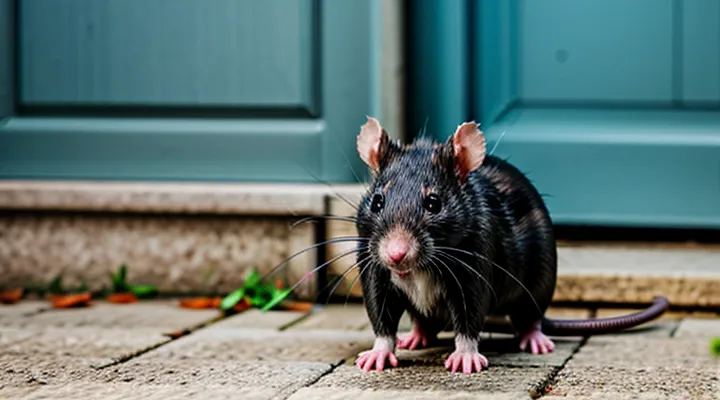
Understanding Pet Rat Health
The Importance of Early Detection
Recognizing Subtle Changes
Detecting early disease in pet rats hinges on observing minute behavioral and physiological shifts that owners often overlook. A rat that suddenly reduces activity, hoards food without eating, or exhibits slight changes in grooming may be signaling an underlying condition. Even minor alterations in stool consistency, odor, or frequency can precede gastrointestinal upset, while subtle respiratory sounds—soft wheezes or faint rattles—often herald respiratory infections before overt coughing appears.
Key indicators to monitor include:
- Decreased interaction with cage mates or humans
- Slight weight loss measured over a few days
- Changes in fur texture, such as increased brittleness or loss of sheen
- Minor eye discharge or nasal secretions
- Reduced drinking or water spillage patterns
- Unsteady gait or occasional tremors
Regular health checks amplify detection accuracy. Measure body weight weekly with a digital scale; a loss of 2‑3 % within a short interval warrants veterinary consultation. Inspect the oral cavity for ulcerations or abnormal coloration, and palpate the abdomen gently for tenderness. Record observations in a simple log to identify trends rather than isolated events.
Preventive strategies rely on early recognition. Prompt veterinary assessment of any flagged symptom can limit disease progression, reduce treatment complexity, and improve recovery rates. Maintaining a stable environment—consistent temperature, low stress, and clean bedding—minimizes the likelihood that subtle changes evolve into serious pathology.
General Principles of Rat Care
Diet and Nutrition
A balanced diet is fundamental for preventing disease in companion rats. Nutrient composition must match the species’ metabolic requirements, supporting immune function, organ health, and growth.
- Protein: 18‑20 % of total calories, sourced from high‑quality animal or plant proteins. Insufficient protein predisposes to muscle wasting and delayed wound healing; excess protein can stress the kidneys.
- Fat: 5‑7 % of calories, primarily unsaturated fatty acids. Adequate fat supplies essential fatty acids for skin integrity and reduces susceptibility to dermatitis. Over‑feeding leads to obesity, a risk factor for cardiovascular strain and hepatic lipidosis.
- Carbohydrates: 55‑60 % of calories, derived from complex sources such as whole grains and vegetables. Simple sugars should be limited to avoid hyperglycemia and dental decay.
- Fiber: 5‑7 % of diet, provided by hay, leafy greens, and fortified pellets. Fiber promotes gastrointestinal motility and prevents enteric infections.
- Vitamins and minerals: Daily intake of vitamin C, B‑complex, calcium, phosphorus, and trace elements (zinc, selenium) is required. Deficiencies manifest as skeletal abnormalities, anemia, or impaired immune response.
Water must be fresh and accessible at all times; dehydration accelerates renal failure and urinary tract infections.
Feeding practices that reduce disease risk include:
- Offering a commercial rat pellet formulated to meet complete nutritional standards, supplemented with fresh vegetables and occasional fruit.
- Rotating protein sources to prevent allergen buildup and intestinal imbalance.
- Monitoring body condition score weekly; adjust portions to maintain a lean silhouette.
- Eliminating high‑fat treats, sugary snacks, and processed human foods that contribute to metabolic disorders.
- Cleaning feeding equipment daily to avoid bacterial contamination.
Implementing these nutritional guidelines minimizes the incidence of common rat ailments such as respiratory infections, gastrointestinal upset, and metabolic diseases, thereby supporting long‑term health and vitality.
Housing and Environment
Proper housing and a clean environment are fundamental factors in reducing the incidence of disease in domestic rats. Enclosures must provide adequate space, ventilation, and temperature control to prevent stress‑related immunosuppression and the proliferation of pathogens.
- Minimum cage size: at least 2 ft × 1 ft × 1 ft per adult rat, allowing for climbing, nesting, and exercise.
- Bar spacing: no wider than ½ inch to prevent escape and injury.
- Substrate: dust‑free, absorbent material such as paper bedding; avoid cedar or pine shavings that release volatile compounds harmful to respiratory health.
- Temperature: maintain ambient range between 65 °F and 75 °F; extreme fluctuations increase susceptibility to respiratory infections.
- Humidity: keep relative humidity between 40 % and 60 %; excessive moisture encourages mold growth, while dryness irritates mucous membranes.
Regular cleaning protocols further protect health. Remove soiled bedding daily, disinfect surfaces weekly with a rodent‑safe solution (e.g., diluted bleach 1:32), and replace water bottles and food dishes each day to eliminate bacterial colonies.
Environmental enrichment reduces stress, a known predisposing factor for gastrointestinal and skin disorders. Provide chewable toys, tunnels, and nesting material, rotating items weekly to maintain novelty.
Isolation of new arrivals for a minimum of 14 days allows early detection of contagious conditions before integration with the established colony. Quarantine cages should replicate the main housing standards to avoid introducing environmental stressors.
By adhering to these housing specifications and maintaining rigorous sanitation, owners can substantially lower the risk of common rat ailments, including respiratory infections, skin lesions, and gastrointestinal disturbances.
Stress Reduction
Stress directly influences immune function in rats, increasing susceptibility to bacterial, viral, and parasitic conditions. Elevated cortisol levels suppress lymphocyte activity, impair wound healing, and promote gastrointestinal disturbances that can lead to secondary infections. Maintaining a low‑stress environment therefore constitutes a core element of disease prevention.
Effective stress mitigation relies on several practical measures:
- Provide a spacious cage with multiple levels, tunnels, and chewable objects to satisfy natural exploratory behavior.
- Ensure stable temperature (18‑24 °C) and humidity (45‑55 %). Sudden fluctuations trigger physiological stress responses.
- House rats in compatible social groups; isolation heightens anxiety and aggression, while overcrowding creates competition for resources.
- Conduct gentle, regular handling sessions to habituate animals to human contact without causing fear.
- Minimize exposure to loud noises, bright lights, and abrupt movements, which provoke acute stress spikes.
- Offer a balanced diet rich in fiber and protein, avoiding sudden changes in food composition that can disrupt gut flora.
- Schedule routine health checks to detect early signs of disease, allowing prompt intervention before stress exacerbates pathology.
Consistent application of these practices reduces cortisol secretion, stabilizes gut microbiota, and supports robust immune defenses. Research indicates that rats kept under enriched, predictable conditions exhibit lower incidence of respiratory infections, skin lesions, and gastrointestinal disorders compared with those housed in barren, unpredictable environments.
Integrating stress reduction into daily husbandry protocols thus lowers the overall disease burden in pet rats, complementing vaccination, parasite control, and sanitation strategies. A systematic approach that addresses environmental, social, and nutritional factors yields measurable improvements in health outcomes.
Common Pet Rat Diseases
Respiratory Diseases
Mycoplasmosis («Myco»)
Mycoplasmosis in pet rats is caused by Mycoplasma pulmonis, a wall‑less bacterium that colonises the upper and lower respiratory tracts. The organism spreads primarily through direct contact, aerosolised secretions and contaminated bedding; prevalence rises in densely populated or poorly ventilated colonies.
Affected rats display respiratory distress, serous or purulent nasal discharge, frequent sneezing, audible wheezing and, in severe cases, otitis media or systemic malaise. Weight loss and reduced activity often accompany chronic infection. Young or immunocompromised individuals are most vulnerable.
Diagnostic confirmation relies on laboratory techniques: polymerase chain reaction (PCR) of nasal swabs provides rapid detection; culture on specialised media yields definitive identification but requires extended incubation; serology indicates exposure but cannot distinguish active disease. Post‑mortem examination may reveal characteristic bronchopneumonia.
Therapeutic regimens include antibiotics with proven efficacy against Mycoplasma, such as enrofloxacin (5 mg/kg subcutaneously every 24 h) or doxycycline (10 mg/kg orally twice daily). Treatment duration typically spans 10–14 days, adjusted according to clinical response. Supportive care—humidified environment, fluid therapy and nutritional supplementation—enhances recovery.
Prevention measures focus on limiting exposure and reducing stress:
- Isolate new arrivals for a minimum of 30 days; monitor for respiratory signs before integration.
- Maintain cage ventilation and avoid overcrowding; replace bedding regularly with low‑dust substrate.
- Implement strict hand‑washing and equipment disinfection protocols between cages.
- Provide a balanced diet, consistent temperature and humidity, and minimise disturbances that provoke stress.
These practices lower infection risk and support overall health in rat colonies.
Symptoms and Diagnosis
Pet rats frequently exhibit observable changes that signal underlying health problems. Recognizable signs include:
- Nasal or ocular discharge, often indicating respiratory infection.
- Labored breathing, wheezing, or audible rattling sounds.
- Persistent sneezing or coughing.
- Unexplained weight loss or failure to thrive.
- Diarrhea, which may be watery, mucoid, or contain blood.
- Skin lesions, hair loss, or ulcerated areas.
- Lethargy, reduced activity, and loss of curiosity.
- Abnormal posture, such as arching the back or hunching.
- Excessive grooming or self‑mutilation of the tail and paws.
- Sudden death without preceding signs, suggesting acute cardiac or toxic events.
Diagnosing these conditions requires a systematic approach. Initial assessment involves a thorough physical examination, noting temperature, heart and respiratory rates, and mucous membrane color. Palpation of the abdomen checks for organ enlargement or masses. Observation of gait and neurological responses helps identify neuromuscular disorders.
Laboratory investigations supplement visual findings:
- Complete blood count to detect anemia, leukocytosis, or lymphopenia.
- Biochemical panel for liver, kidney, and electrolyte status.
- Fecal flotation and direct smear to identify parasites or bacterial overgrowth.
- Nasal or oropharyngeal swabs cultured on selective media for bacterial pathogens such as Streptococcus spp. or Mycoplasma spp.
- Radiography of the thorax and abdomen to reveal pulmonary infiltrates, masses, or skeletal abnormalities.
- Ultrasound examination for organ morphology, fluid accumulation, or tumor detection.
- PCR assays for viral agents like rat bocavirus or coronavirus when respiratory signs dominate.
When infection is suspected, empirical antimicrobial therapy may commence pending culture results, but sensitivity testing guides definitive treatment. Chronic conditions, such as neoplasia or metabolic disease, often require histopathological analysis of biopsied tissue. Regular health monitoring, including periodic weight checks and observation of behavior, enhances early detection and improves therapeutic outcomes.
Treatment Options
Effective management of pet rat ailments relies on targeted therapeutic strategies. Antimicrobial agents address bacterial infections such as respiratory tract disease and enteritis; selection should be based on culture and sensitivity results, with enrofloxacin, trimethoprim‑sulfamethoxazole, or doxycycline commonly prescribed. Antiparasitic regimens treat internal parasites—fenbendazole for pinworms and oxyurids, ivermectin for mites and lice—administered according to weight and treatment duration guidelines. Anti‑inflammatory medications, including meloxicam or carprofen, alleviate pain and swelling associated with musculoskeletal injuries and arthritis, but dosage must be adjusted for the rat’s small size. Supportive care features fluid therapy for dehydration, nutritional supplementation with high‑protein diets, and environmental enrichment to reduce stress‑induced relapse. Vaccination options remain limited; however, experimental immunizations against specific viral agents are under investigation and may become available pending regulatory approval. Surgical intervention becomes necessary for tumor excision, abscess drainage, or corrective procedures on congenital defects; aseptic technique and postoperative analgesia are critical for recovery. Regular veterinary monitoring ensures early detection of complications and allows timely adjustment of treatment protocols.
Prevention Strategies
Effective prevention of common rat illnesses relies on systematic management of environment, nutrition, health monitoring, and biosecurity. Maintaining a clean habitat reduces exposure to bacterial, viral, and parasitic agents. Daily removal of waste, weekly deep cleaning of cages, and sterilization of accessories prevent pathogen buildup. Provide fresh, uncontaminated water through sealed dispensers to avoid water‑borne infections.
Balanced nutrition supports immune competence. Offer a diet formulated for laboratory or companion rats, supplemented with fresh vegetables and limited treats. Avoid foods high in sugar or fat that can predispose to metabolic disorders. Ensure that all feed is stored in airtight containers to deter mold and insect infestation.
Quarantine new arrivals for at least 30 days before integration. During this period, observe behavior, monitor weight, and perform fecal examinations for parasites. Isolate any animal showing signs of illness to limit transmission.
Regular veterinary assessment is essential. Schedule examinations every six months, or more frequently for older or immunocompromised rats. Veterinary visits should include physical examination, dental checks, and screening for common pathogens such as Mycoplasma pulmonis and Streptobacillus moniliformis.
Parasite control measures include routine fecal testing and prompt treatment with approved anthelmintics when needed. Apply ectoparasite preventatives according to veterinary guidance to mitigate mite or flea infestations.
Stress reduction contributes to disease resistance. Provide enrichment items, adequate space, and consistent handling routines. Minimize sudden changes in lighting, temperature, or cage configuration.
Key preventive actions
- Daily spot cleaning; weekly full cage sterilization
- Use of sealed water dispensers and fresh, high‑quality diet
- 30‑day quarantine for all new rats; health observation during isolation
- Semi‑annual veterinary examinations with pathogen screening
- Routine fecal analysis and targeted antiparasitic treatment
- Environmental enrichment and stable husbandry practices
Implementing these measures creates a robust barrier against the most prevalent health challenges affecting pet rats.
Other Respiratory Infections
Respiratory infections beyond the common Mycoplasma pulmonis frequently affect pet rats and can compromise welfare if left untreated. Typical agents include:
- Streptococcus pneumoniae – causes purulent nasal discharge and occasional lung consolidation.
- Pseudomonas aeruginosa – produces foul‑smelling sputum, may follow upper‑respiratory irritation.
- Bordetella bronchiseptica – triggers sneezing, wheezing, and mild bronchitis.
- Sendai virus – leads to acute coughing, fever, and interstitial pneumonia.
- Pneumocystis carinii – opportunistic fungus, associated with chronic dyspnea in immunocompromised individuals.
Clinical presentation often comprises nasal discharge, audible breathing sounds, reduced activity, and weight loss. Diagnosis relies on a combination of physical examination, radiographic imaging, and laboratory testing such as bacterial culture, PCR, or fungal staining. Early identification permits targeted antimicrobial or antifungal therapy, reducing mortality.
Preventive actions focus on environmental control and biosecurity:
- Maintain cage humidity between 40‑60 % and provide adequate ventilation to limit aerosol accumulation.
- Implement a strict quarantine period of at least two weeks for new arrivals, with health monitoring before integration.
- Perform regular cleaning of bedding, food dishes, and water bottles; replace soiled material promptly.
- Avoid overcrowding; allocate at least 0.1 m² of floor space per rat to reduce stress‑induced susceptibility.
- Provide a balanced diet rich in vitamin C and antioxidants to support immune function.
Vaccination options are limited for rodents; therefore, reliance on hygiene, isolation of symptomatic animals, and prompt veterinary intervention remains the cornerstone of disease management.
Bacterial Infections
Bacterial infections constitute a major health risk for domesticated rats, often leading to rapid deterioration if left untreated. Pathogens most frequently encountered include Salmonella species, Streptococcus group C, Staphylococcus aureus, Clostridium perfringens, and Pasteurella multocida. These organisms invade through contaminated feed, water, bedding, or wounds, exploiting the animal’s close contact environment.
Clinical manifestations vary with the causative agent but generally involve:
- Lethargy and loss of appetite
- Nasal or ocular discharge
- Respiratory distress, such as wheezing or labored breathing
- Diarrhea, sometimes with blood or mucus
- Skin lesions, ulcerations, or abscess formation
Diagnosis relies on a combination of physical examination, complete blood count, bacterial culture from affected tissues, and, when appropriate, polymerase chain reaction assays to identify specific strains. Prompt antimicrobial therapy, guided by culture sensitivity results, improves outcomes; empirical treatment may begin with broad‑spectrum agents such as enrofloxacin or trimethoprim‑sulfamethoxazole, adjusting once susceptibility data are available.
Prevention hinges on rigorous husbandry practices:
- Provide fresh, uncontaminated water and high‑quality feed, storing both in sealed containers.
- Replace bedding weekly, using absorbent, low‑dust materials.
- Maintain cage hygiene through regular cleaning and disinfection with rodent‑safe solutions.
- Quarantine new arrivals for at least two weeks, monitoring for fever, nasal discharge, or abnormal behavior.
- Conduct routine health checks, including weight measurement and observation of grooming habits, to detect early signs of infection.
Vaccination against specific bacterial agents is not widely available for pet rats; therefore, strict biosecurity and immediate veterinary intervention remain the primary defenses against bacterial disease outbreaks.
Viral Infections
Viral diseases are a significant component of health challenges affecting domesticated rats. Among the most frequently encountered viruses are Rat Coronavirus (RCV), Sendai virus, and Rat Parvovirus. Each pathogen produces characteristic clinical patterns, diagnostic considerations, and preventive measures that owners and veterinarians must recognize.
RCV primarily induces respiratory distress, nasal discharge, and occasional conjunctivitis. The infection spreads through aerosolized secretions and contaminated bedding. Laboratory confirmation relies on polymerase chain reaction testing of nasal swabs or lung tissue. Supportive care, including humidified environments and fluid therapy, mitigates symptoms; no specific antiviral therapy exists.
Sendai virus, a paramyxovirus, causes upper respiratory signs such as sneezing, wheezing, and mild pneumonia. Transmission occurs via direct contact and fomites. Diagnosis is achieved through serology or reverse‑transcriptase PCR on oropharyngeal samples. Management focuses on isolation of affected animals, provision of anti‑inflammatory agents, and monitoring for secondary bacterial infections.
Rat Parvovirus leads to enteric disease, presenting with watery diarrhea, weight loss, and dehydration. The virus persists in the gastrointestinal tract and can be shed for weeks. Detection utilizes enzyme‑linked immunosorbent assay or PCR on fecal specimens. Treatment is limited to aggressive fluid replacement and electrolyte balance; the virus is not responsive to antimicrobial drugs.
Prevention strategies, applicable across all viral agents, include:
- Strict quarantine of new arrivals for a minimum of 30 days, with health monitoring and testing before integration.
- Routine cleaning of cages with disinfectants proven effective against non‑enveloped viruses (e.g., bleach solutions at 1 % concentration) and regular replacement of bedding.
- Minimization of stressors such as overcrowding, temperature fluctuations, and poor nutrition, which predispose rats to viral reactivation.
- Maintenance of a closed breeding colony to reduce exposure to external sources of infection.
Vaccination options are currently unavailable for most rat‑specific viruses, making biosecurity and early detection the primary defenses. Prompt identification of clinical signs, combined with laboratory confirmation, enables timely isolation and reduces the risk of outbreak within a breeding or household population.
Tumors and Cancers
Types of Tumors
Tumors represent a significant health concern in companion rats, accounting for a notable proportion of morbidity and mortality. Early detection and preventive management rely on recognizing the principal neoplastic categories that affect this species.
- Mammary adenocarcinoma – most frequent in older females; presents as palpable masses in the thoracic or inguinal region; rapid growth and potential metastasis to lungs and lymph nodes. Routine palpation and timely excision improve outcomes.
- Adrenal cortical carcinoma – manifests with hormonal imbalance, weight loss, and abdominal distension; often diagnosed via ultrasonography and hormonal assays. Surgical removal offers the only curative option.
- Lymphosarcoma – systemic malignancy involving lymphoid tissue; clinical signs include lethargy, anemia, and organomegaly. Chemotherapy protocols adapted from rodent models provide palliative benefit.
- Fibrosarcoma – cutaneous or subcutaneous spindle‑cell tumor; appears as firm, non‑painful nodules; complete surgical excision with wide margins reduces recurrence.
- Hepatocellular carcinoma – liver‑origin tumor; signs include jaundice, ascites, and elevated liver enzymes; diagnosis relies on imaging and biopsy; prognosis poor, supportive care recommended.
- Mast cell tumor – rare, cutaneous lesion that may ulcerate; histopathology required for grading; surgical excision combined with antihistamine therapy manages local disease.
Preventive strategies focus on minimizing risk factors: maintaining optimal nutrition, avoiding chronic exposure to carcinogens, and implementing regular health examinations that include palpation of common tumor sites and periodic imaging for internal neoplasms. Early intervention, when feasible, markedly enhances survival prospects.
Mammary Tumors
Mammary tumors are among the most frequently reported neoplasms in domesticated rats, affecting both males and females but showing a higher prevalence in females after sexual maturity. Incidence rises sharply after six months of age, with the majority of cases diagnosed between eight and twelve months. Histologically, tumors range from benign fibroadenomas to highly malignant adenocarcinomas; the latter account for the greatest mortality risk.
Clinical presentation typically includes one or more firm, subcutaneous masses located along the ventral thoracic wall or abdomen. Rapid growth, ulceration, or secondary infection may accompany advanced lesions. Systemic signs such as anorexia, weight loss, and lethargy often indicate metastatic spread, most commonly to the lungs and regional lymph nodes.
Diagnosis relies on a stepwise approach. Palpation confirms the presence of a mass; ultrasound or radiography assesses size and internal characteristics. Fine‑needle aspiration provides cytological material for preliminary classification, while excisional biopsy with histopathological examination establishes definitive tumor type and grade. Staging includes thoracic radiographs or computed tomography to detect pulmonary metastases.
Therapeutic management centers on surgical removal. Wide excision with at least a 5 mm margin reduces local recurrence, especially for malignant forms. When complete resection is unattainable, adjunctive chemotherapy—typically using agents such as cyclophosphamide or doxorubicin—offers limited benefit and is reserved for cases with confirmed metastasis. Post‑operative monitoring includes regular physical examinations and imaging at three‑month intervals.
Prevention strategies focus on early detection and genetic control:
- Conduct thorough physical examinations every two months for rats older than six months.
- Record any palpable masses and track changes in size or appearance.
- Employ ultrasound screening annually for breeding colonies with a history of mammary neoplasia.
- Select breeding pairs lacking a familial history of mammary tumors to diminish genetic predisposition.
- Provide a balanced diet low in excess calories to prevent obesity, a factor linked to increased tumor incidence.
Prognosis varies with tumor type and completeness of excision. Benign fibroadenomas, when fully removed, confer an excellent outlook with minimal recurrence. Malignant adenocarcinomas exhibit a guarded prognosis; survival beyond six months is uncommon without aggressive surgical margins and vigilant post‑operative surveillance.
Pituitary Tumors
Pituitary tumors are among the most common endocrine neoplasms affecting laboratory and companion rats. These growths arise from the anterior pituitary gland and may secrete excess hormones or cause mass effects that interfere with normal pituitary function.
Clinical presentation varies with tumor type. Frequently observed signs include:
- Progressive weight loss despite adequate food intake
- Polyuria and polydipsia caused by antidiuretic hormone imbalance
- Reproductive disturbances such as infertility or abnormal estrous cycles
- Alopecia or abnormal coat condition linked to hormonal dysregulation
- Lethargy and reduced activity levels
Diagnosis relies on a combination of physical examination, laboratory testing, and imaging. Serum hormone panels can reveal hyperprolactinemia, hypercortisolism, or altered thyroid hormone concentrations. Magnetic resonance imaging (MRI) provides definitive visualization of pituitary enlargement and assists in differentiating adenomas from other intracranial masses.
Therapeutic options are limited but include:
- Pharmacological intervention with dopamine agonists (e.g., cabergoline) to suppress prolactin secretion.
- Surgical removal via transsphenoidal approaches when the tumor is accessible and the animal’s condition permits.
- Radiation therapy for residual or recurrent disease, though availability may be restricted.
Prognosis depends on tumor size, hormone activity, and timeliness of intervention. Early detection improves outcomes and reduces the likelihood of irreversible endocrine damage.
Preventive measures focus on minimizing risk factors and monitoring susceptible populations:
- Maintain stable environmental conditions to avoid chronic stress, a known promoter of pituitary hyperplasia.
- Implement routine health screenings for breeding colonies, including periodic hormone assays.
- Limit exposure to endocrine disruptors such as certain plastics and pesticides.
Regular veterinary check‑ups and vigilant observation of subtle behavioral or physiological changes remain essential for controlling pituitary tumor incidence in pet rats.
Skin Tumors
Skin tumors represent a significant health concern for pet rats, accounting for a notable proportion of neoplastic conditions observed in laboratory and domestic colonies. These growths arise from uncontrolled proliferation of epidermal, dermal, or subcutaneous cells and may be benign (e.g., papillomas, fibromas) or malignant (e.g., squamous cell carcinoma, fibrosarcoma). Early identification relies on visual inspection for irregular masses, ulceration, or rapid enlargement, followed by histopathological confirmation.
Key characteristics of rat skin neoplasms include:
- Location: Commonly found on the dorsal coat, tail base, and facial region.
- Appearance: Nodular, raised, or ulcerated lesions; color may vary from pink to dark brown.
- Growth pattern: Benign tumors generally exhibit slow, well‑circumscribed expansion; malignant forms display infiltrative margins and may metastasize to lymph nodes or lungs.
Preventive measures focus on minimizing risk factors and maintaining optimal husbandry:
- Environmental control: Keep cages clean, provide low‑dust bedding, and avoid prolonged exposure to ultraviolet light sources.
- Dietary management: Supply balanced nutrition with adequate antioxidants (vitamin E, selenium) to support cellular integrity.
- Genetic screening: Exclude animals with a known predisposition to neoplasia from breeding programs.
- Regular health checks: Conduct systematic examinations at least monthly, documenting any skin changes for timely intervention.
When a tumor is detected, surgical excision remains the primary treatment, often supplemented by adjunct therapies such as cryotherapy or localized chemotherapy for aggressive malignancies. Post‑operative monitoring includes wound care, pain management, and periodic re‑evaluation to detect recurrence.
Implementing these strategies reduces incidence, enhances early detection, and improves outcomes for rats affected by cutaneous neoplasms.
Diagnosis and Treatment
Accurate diagnosis begins with a thorough physical examination, noting respiratory sounds, coat condition, weight loss, and gastrointestinal disturbances. Laboratory support includes complete blood count, serum biochemistry, and urinalysis to identify systemic involvement. Microbial identification relies on culture of nasal or tracheal swabs for bacterial pathogens such as Mycoplasma pulmonis and Streptococcus spp., while fecal flotation and direct smear detect protozoal or helminthic infections. Radiography evaluates pulmonary infiltrates, skeletal lesions, and abdominal masses; ultrasonography assists in assessing organ architecture and fluid collections. Histopathology of biopsied tissue confirms neoplastic or inflammatory processes.
Treatment protocols are pathogen‑specific. Bacterial respiratory infections respond to fluoroquinolones (enrofloxacin 10 mg/kg subcutaneously once daily) or trimethoprim‑sulfamethoxazole (30 mg/kg orally twice daily) for 7–10 days. Gastrointestinal parasites are eliminated with ivermectin (0.2 mg/kg subcutaneously) or fenbendazole (50 mg/kg orally for three consecutive days). Fungal skin lesions require topical miconazole or systemic itraconazole (5 mg/kg orally daily). Fluid therapy corrects dehydration and electrolyte imbalance; warmed lactated Ringer’s solution administered subcutaneously or intravenously restores circulatory volume. Analgesia and anti‑inflammatory agents (meloxicam 0.1 mg/kg orally) alleviate pain associated with musculoskeletal or abdominal disease. Surgical intervention is indicated for tumor excision, abscess drainage, or corrective orthopedic procedures, followed by postoperative antibiotics and wound care.
Monitoring includes daily assessment of body condition, respiratory rate, and stool consistency. Re‑evaluation of diagnostic tests after 48–72 hours determines therapeutic efficacy and guides adjustments. Early detection through routine health checks, quarantine of new arrivals, and strict sanitation reduces disease prevalence and improves outcomes for companion rats.
Surgical Removal
Surgical removal is a definitive intervention for several serious conditions affecting companion rats. The technique eliminates localized pathology, restores organ function, and reduces the risk of systemic spread.
Indications for excision include:
- Neoplastic masses such as mammary adenomas, fibrosarcomas, and lymphoma nodes.
- Chronic abscesses unresponsive to antibiotic therapy.
- Foreign bodies lodged in the gastrointestinal tract that cannot be retrieved endoscopically.
- Damaged or necrotic tissue following traumatic injury.
Pre‑operative preparation demands a thorough physical exam, complete blood count, and serum chemistry to assess anesthetic risk. Imaging—radiography or ultrasonography—identifies lesion boundaries and guides incision planning. Fasting for 4–6 hours minimizes regurgitation during inhalation anesthesia, which is the preferred method for small rodents.
The operative sequence follows a sterile protocol:
- Induction with isoflurane via a calibrated vaporizer.
- Maintenance of body temperature using a warming pad.
- Precise skin incision over the lesion, followed by blunt dissection to expose the affected tissue.
- Complete excision with clear margins, employing microsurgical instruments to preserve surrounding structures.
- Hemostasis achieved with fine electrocautery or ligatures.
- Layered closure using absorbable sutures for subcutaneous tissue and non‑absorbable monofilament for skin.
Post‑operative management focuses on pain control, infection prevention, and monitoring of recovery. Analgesia typically combines buprenorphine and meloxicam administered subcutaneously. Antibiotic coverage, such as enrofloxacin, continues for 5–7 days. Rats should be housed individually in a quiet environment, with soft bedding and easy access to food and water. Daily observation of incision integrity and appetite is essential; any signs of dehiscence or lethargy require immediate veterinary attention.
Preventive value derives from early detection of lesions through routine health checks. Prompt surgical action limits disease progression and reduces the need for prolonged medical therapy. However, surgery is contraindicated in rats with severe systemic illness, compromised cardiovascular function, or advanced age where anesthetic risk outweighs benefit.
In summary, excisional surgery provides a reliable solution for specific rat pathologies when applied with meticulous preparation, precise technique, and comprehensive aftercare.
Palliative Care
Palliative care for pet rats focuses on alleviating discomfort and maintaining quality of life when curative treatment is unavailable or impractical. It applies to chronic conditions such as respiratory infections, gastrointestinal stasis, neoplasia, and age‑related decline. The primary objective is symptom control, not disease eradication, and it requires coordination between the veterinarian and the owner.
Effective palliative strategies include:
- Analgesics (e.g., buprenorphine, meloxicam) administered at the lowest effective dose to reduce pain.
- Antiemetics (e.g., ondansetron) to prevent nausea and vomiting.
- Fluid therapy, either subcutaneous or oral, to correct dehydration without aggressive intravenous lines.
- Nutritional support through high‑calorie soft foods, syringe feeding, or supplemental gels.
- Environmental enrichment: soft bedding, easy‑access water bottles, and temperature‑stable housing to reduce stress.
- Regular monitoring of weight, respiratory rate, and behavior to adjust treatment promptly.
Owners should be educated on recognizing signs of distress—labored breathing, lethargy, loss of appetite, or abnormal posture—and instructed to report changes immediately. Decisions about the duration of palliative care must consider the rat’s overall condition, response to interventions, and humane endpoints, ensuring that suffering does not extend beyond tolerable limits.
Skin Conditions
Parasites
Parasites constitute a common cause of morbidity in domestic rats, affecting gastrointestinal function, skin integrity, and overall vitality. Internal parasites such as pinworms (Syphacia muris), tapeworms (Hymenolepis nana), and nematodes (Trichuris muris) inhabit the intestinal tract, leading to weight loss, diarrhea, and anemia. External parasites, primarily fur mites (Radfordia spp.) and lice (Polyplax spp.), provoke pruritus, alopecia, and secondary infections.
Diagnosis relies on direct observation and laboratory analysis. Fecal flotation identifies eggs of gastrointestinal parasites; wet mounts reveal motile larvae. Skin scrapings examined under microscopy detect mites and lice. Persistent dermatitis or unexplained weight loss warrants parasitological assessment.
Effective treatment follows species‑specific protocols. Anthelmintics such as fenbendazole (50 mg/kg, oral, daily for three days) eradicate most nematodes and tapeworms. Ivermectin (0.2 mg/kg, subcutaneous, repeat in two weeks) eliminates mange mites. Topical insecticides containing pyrethrins control lice infestations. All therapeutic agents must be administered under veterinary guidance to avoid toxicity.
Prevention integrates environmental management and routine health monitoring. Key measures include:
- Weekly cleaning of cages, bedding, and feeding equipment to remove egg and larval reservoirs.
- Quarantine of new rats for at least four weeks, with fecal examination before integration.
- Regular health checks, focusing on coat condition, fecal consistency, and behavior.
- Use of prophylactic deworming schedules, typically every three months, adjusted for regional parasite prevalence.
Implementing these practices reduces parasite load, supports optimal growth, and minimizes the risk of zoonotic transmission to humans.
Mites
Mite infestations are a common health problem in domestic rats, leading to skin irritation, hair loss, and secondary bacterial infections. The most frequent species encountered are Radfordia and Myobia mites, which reside on the fur and feed on skin debris and blood. Infested rats display pruritus, crusted lesions, and alopecia, often concentrated around the face, ears, and tail base. Untreated infestations can progress to severe dermatitis, systemic inflammation, and weight loss.
Diagnosis relies on direct microscopic examination of skin scrapings or combed hair samples. Positive identification of adult mites or eggs confirms infestation. In cases of ambiguous clinical signs, veterinary laboratories can provide species-level identification, guiding targeted therapy.
Effective treatment protocols include:
- Topical acaricides such as selamectin or ivermectin, applied according to manufacturer dosage for rodents.
- Oral ivermectin formulations, administered in a single dose of 0.2 mg/kg, with a repeat dose after seven days to eliminate emerging larvae.
- Environmental decontamination: washing bedding at 60 °C, disinfecting cages with a 0.5 % chlorhexidine solution, and vacuuming enclosure surfaces to remove residual eggs.
Prevention strategies focus on minimizing exposure and maintaining hygiene:
- Quarantine new rats for at least two weeks, inspecting for signs of mite activity before integration.
- Regular grooming and visual inspection of coat and skin, especially after contact with other rodents.
- Use of prophylactic topical acaricides on a monthly basis in multi‑rat households.
- Maintaining low humidity and adequate ventilation within housing units to deter mite survival.
Monitoring the rat population after treatment is essential; repeat skin examinations at two-week intervals confirm eradication. Prompt intervention and strict biosecurity reduce the risk of recurrent infestations and protect overall colony health.
Lice
Lice infestations in domestic rats are caused primarily by the species Polyplax spinulosa and Ratontoptes muris. These ectoparasites cling to the fur and feed on blood, leading to irritation and potential secondary infections.
Affected rats display excessive scratching, hair loss along the dorsal and ventral surfaces, crusted skin, and occasional anemia in severe cases. Infested individuals may appear lethargic and exhibit reduced weight gain.
Diagnosis relies on visual inspection of the coat and skin, often aided by a fine-toothed comb or microscope slide preparation to confirm the presence of adult lice, nymphs, or eggs.
Therapeutic options include topical insecticidal preparations such as pyrethrin‑based sprays or selamectin applications, administered according to veterinary dosage guidelines. Systemic ivermectin may be employed when topical treatment is contraindicated. All animals in the same environment should be treated simultaneously to prevent reinfestation.
Prevention measures:
- Maintain a clean cage, removing bedding weekly and disinfecting surfaces with a rat‑safe sanitizer.
- Quarantine new rats for at least two weeks and perform a thorough ectoparasite check before introduction.
- Avoid overcrowding; provide at least 0.5 sq ft of floor space per rat to reduce stress and skin damage.
- Use a routine health check schedule, inspecting fur and skin at least once a month.
Consistent application of these practices reduces the risk of lice outbreaks and supports overall rat health.
Fleas
Fleas are ectoparasites that frequently infest laboratory and domestic rats, causing irritation, anemia, and serving as vectors for bacterial pathogens such as Rickettsia and Yersinia. Adult fleas attach to the host’s fur, feed on blood, and lay eggs that fall into the environment, where they develop into larvae and pupae. Heavy infestations may produce pallor, weight loss, and pruritus, while mild cases often manifest as localized scratching and small skin lesions.
Diagnosis relies on visual inspection of the coat, especially around the neck, tail base, and ventral abdomen, and on collecting flea debris (flea dirt) for microscopic confirmation. In severe cases, complete blood counts may reveal hypochromic microcytic anemia, prompting further laboratory evaluation.
Effective treatment combines immediate removal of adult fleas with systemic insecticides approved for rodents, such as selamectin or ivermectin, administered at the recommended dosage. Topical products containing fipronil or imidacloprid may be applied cautiously, observing label restrictions to avoid toxicity. Re‑treatment after 7‑10 days addresses emerging adults from surviving pupae.
Prevention requires an integrated approach:
- Routine grooming and inspection of the rat’s fur at least twice weekly.
- Environmental control: vacuum bedding and cages daily, wash all accessories in hot water (≥60 °C), and replace substrate regularly.
- Application of a low‑dose, long‑acting ectoparasiticide (e.g., a monthly selamectin spot‑on) according to veterinary guidance.
- Quarantine and treatment of new rats before introduction to an established colony.
Maintaining these measures reduces flea burden, minimizes health risks, and supports overall rat welfare.
Allergies and Irritations
Allergies and irritations represent a frequent, yet often overlooked, health concern for companion rats. The small mammal’s sensitive skin and respiratory tract react to a range of environmental and dietary triggers, leading to discomfort and secondary complications.
Typical allergens include dust‑borne particles from bedding, powdered feed, scented cleaning agents, and certain protein sources such as soy or wheat. Irritants may also arise from harsh grooming products, metal cages with rust, or prolonged exposure to smoke and aerosolized chemicals. Each factor can provoke cutaneous inflammation, nasal discharge, sneezing, or ocular redness.
Observable signs consist of localized redness, hair loss, scabbing, frequent scratching, sneezing bursts, and watery eyes. In severe cases, chronic inflammation may progress to secondary bacterial infection, evidenced by purulent discharge or ulcerated skin lesions.
Diagnosis relies on a systematic review of the rat’s environment, a thorough physical examination, and, when necessary, skin scrapings or cytology to rule out parasites and infections. Elimination trials—removing suspected allergens one at a time—help identify the specific trigger.
Effective prevention and management involve:
- Selecting low‑dust, paper‑based bedding; avoiding cedar, pine, or scented substrates.
- Providing a balanced diet free of common protein allergens; monitoring for adverse reactions after dietary changes.
- Using fragrance‑free, non‑abrasive cleaning solutions; rinsing surfaces thoroughly before reintroducing the animal.
- Maintaining a dry, well‑ventilated cage; inspecting metal components for corrosion and replacing them as needed.
- Conducting regular health checks to detect early signs of irritation; initiating prompt treatment with hypoallergenic topical agents or, if required, veterinary‑prescribed anti‑inflammatory medication.
Consistent environmental control and vigilant observation minimize allergic episodes, supporting the overall well‑being of pet rats.
Abscesses
Abscesses are localized collections of pus that develop when bacterial infection invades subcutaneous tissue or deeper structures in rats. The most common pathogens are Staphylococcus aureus and Streptococcus spp., often introduced through bite wounds, scratches, or contaminated grooming tools.
Clinical signs include swelling, heat, pain on palpation, and occasional drainage of purulent material. Affected rats may exhibit reduced activity, loss of appetite, and a mild fever detectable with a rectal thermometer. In chronic cases, the abscess wall thickens and may calcify, limiting mobility of the affected limb or body part.
Diagnosis relies on visual assessment, palpation, and, when needed, fine‑needle aspiration to obtain pus for cytology and culture. Radiographs help identify deep‑seated or bone‑involved abscesses, while ultrasonography provides real‑time evaluation of fluid pockets.
Treatment protocol:
- Drainage of pus under aseptic conditions, followed by flushing with sterile saline.
- Systemic antibiotics selected based on culture sensitivity; empiric therapy may start with enrofloxacin or amoxicillin‑clavulanate.
- Analgesia using meloxicam or buprenorphine to control pain.
- Monitoring for recurrence; repeat aspiration or imaging if swelling persists after 48‑72 hours.
Prevention focuses on reducing opportunities for bacterial entry and maintaining optimal hygiene:
- Keep cage bedding dry and replace it weekly.
- Disinfect feeding dishes, water bottles, and enrichment items with a diluted bleach solution (1 % sodium hypochlorite) at least once a week.
- Trim nails regularly to minimize accidental punctures during social interactions.
- Quarantine new rats for at least two weeks, observing for skin lesions before introduction to the colony.
- Provide a balanced diet rich in vitamin C and protein to support immune function.
Owners should inspect rats daily for abnormal swellings, especially after fights or handling. Early intervention prevents progression to systemic infection, reduces the need for invasive procedures, and promotes faster recovery.
Dental Problems
Malocclusion
Malocclusion in pet rats refers to the misalignment of the incisors, which prevents normal gnawing and can lead to rapid dental overgrowth. The condition results from genetic predisposition, trauma, improper diet, or inadequate tooth wear due to a lack of suitable chewing materials.
Clinical signs include:
- Difficulty chewing or swallowing
- Excessive drooling
- Weight loss despite normal food intake
- Red or inflamed gums
- Visible elongation of the front teeth
Diagnosis relies on visual examination of the incisors, assessment of bite alignment, and, when necessary, radiographs to evaluate root length and bone involvement. Early detection prevents secondary complications such as oral infections or gastrointestinal blockage caused by swallowed tooth fragments.
Treatment options consist of:
- Trimming overgrown incisors under anesthesia to restore proper occlusion.
- Providing regular dental wear through safe chew toys, hardened wood blocks, or mineral sticks.
- Monitoring for recurrence and scheduling periodic re‑checks, typically every 4–6 weeks during the initial recovery phase.
Prevention strategies focus on husbandry and nutrition:
- Offer a high‑fiber diet that encourages natural gnawing, including whole grains, fresh vegetables, and appropriate laboratory rat pellets.
- Supply durable chew items that withstand constant gnawing, such as untreated hardwood blocks or certified rat chew sticks.
- Maintain a clean cage environment to reduce stress, which can exacerbate dental issues.
- Conduct routine oral inspections during weekly health checks, noting any changes in tooth length or bite alignment.
Implementing these measures reduces the incidence of malocclusion and supports overall oral health in companion rats.
Tooth Overgrowth
Tooth overgrowth, also known as malocclusion, occurs when a rat’s incisors grow beyond the normal length and fail to wear down properly. Continuous growth is normal for rodents, but inadequate grinding against the opposite teeth leads to protruding, sharp edges that can damage oral tissues.
Causes include insufficient chewing material, genetic predisposition, trauma to the jaw, and dental disease that interferes with normal wear. Young rats are especially vulnerable because their diet may lack the fibrous content required for natural abrasion.
Clinical signs manifest as difficulty eating, weight loss, drooling, facial swelling, and visible elongation of the incisors. Rats may exhibit altered posture, reduced activity, and may develop secondary infections in the mouth or surrounding tissues.
Complications extend to periodontal disease, abscess formation, and loss of teeth if the condition remains untreated. Severe cases can result in starvation due to inability to ingest food.
Prevention and management rely on consistent dental care:
- Provide a diet rich in fiber, such as hay, fresh vegetables, and chew sticks.
- Offer safe wooden toys or mineral blocks to encourage regular gnawing.
- Conduct routine oral examinations at least monthly, noting tooth length and alignment.
- Seek veterinary intervention promptly when overgrowth is detected; professional filing or trimming of the incisors restores proper occlusion.
- Maintain a clean cage environment to reduce the risk of secondary infections.
Early detection and proactive dental maintenance reduce the likelihood of severe overgrowth, supporting overall health and longevity in pet rats.
Kidney Disease
Kidney disease in pet rats presents as progressive loss of renal function, often leading to dehydration, weight loss, and reduced activity. Common etiologies include bacterial infections (e.g., Salmonella, Streptococcus), chronic exposure to nephrotoxic substances (heavy metals, certain antibiotics), and hereditary predisposition in specific strains. Clinical signs typically appear after several weeks of subclinical damage and may include:
- Polyuria and polydipsia
- Pale or yellowish urine
- Abdominal swelling from ascites
- Lethargy and decreased grooming
Diagnosis relies on a combination of physical examination, blood chemistry (elevated blood urea nitrogen and creatinine), urinalysis (proteinuria, specific gravity changes), and imaging (ultrasound to assess kidney size and structure). Early detection improves prognosis; therefore, routine health checks should incorporate renal panels at least quarterly for adult rats and biannually for juveniles.
Preventive measures focus on minimizing risk factors:
- Provide clean, filtered water and avoid hard tap water containing high mineral content.
- Supply a balanced diet low in excessive protein and free of aflatoxin‑contaminated grains.
- Limit exposure to known toxins; store cleaning agents and metal objects out of reach.
- Implement strict quarantine for new arrivals and conduct regular screenings for infectious agents.
Therapeutic management includes supportive fluid therapy, dietary modification to reduce protein load, and, when indicated, antimicrobial treatment guided by culture results. Monitoring renal parameters weekly during treatment allows adjustment of interventions and early identification of complications. Consistent application of these strategies reduces incidence and severity of kidney disease in domestic rats.
Cardiovascular Issues
Cardiovascular disorders represent a notable cause of morbidity in domestic rats, affecting longevity and quality of life. Early recognition and targeted management are essential for effective control.
- Dilated cardiomyopathy: progressive ventricular enlargement, reduced contractility, often linked to genetic predisposition.
- Hypertrophic cardiomyopathy: concentric thickening of ventricular walls, may result from chronic stress or metabolic imbalance.
- Congenital heart defects: septal defects, valve malformations detectable at birth or shortly thereafter.
- Atherosclerotic lesions: rare but possible in rats receiving high‑fat diets, leading to arterial narrowing.
- Cardiac arrhythmias: irregular rhythm associated with electrolyte disturbances or autonomic dysfunction.
Clinical signs include reduced activity, labored breathing, peripheral cyanosis, audible murmurs, and occasional syncope. Diagnostic protocol typically comprises:
- Physical examination with auscultation for murmurs or arrhythmias.
- Radiographic assessment of cardiac silhouette and pulmonary vasculature.
- Echocardiography for chamber dimensions, wall thickness, and valve function.
- Electrocardiography to identify rhythm abnormalities.
- Blood analysis for biomarkers such as NT‑proBNP and electrolyte levels.
Therapeutic measures depend on the specific pathology. Dilated cardiomyopathy may respond to ACE inhibitors and diuretics; hypertrophic forms often require beta‑blockers and dietary sodium restriction. Surgical correction is indicated for severe congenital defects, while anti‑arrhythmic agents address rhythm disorders. Regular monitoring of cardiac function guides dosage adjustments and evaluates treatment efficacy.
Prevention focuses on minimizing risk factors:
- Balanced diet low in saturated fats and excess cholesterol.
- Consistent exercise opportunities, such as wheel access and enrichment structures.
- Stress reduction through stable housing, proper handling, and avoidance of sudden environmental changes.
- Routine veterinary examinations at least biannually, including cardiac auscultation and, when indicated, imaging studies.
- Monitoring of body weight and hydration status to detect early metabolic disturbances.
Implementing these practices reduces incidence of cardiovascular disease and supports optimal cardiac health in pet rats.
Prevention and Management
Regular Veterinary Check-ups
Importance of an Experienced Vet
An experienced veterinarian distinguishes between the numerous ailments that affect domesticated rats and the normal variations in behavior or appearance. Precise identification of conditions such as respiratory infections, gastrointestinal parasites, skin disorders, and metabolic diseases relies on a practitioner who has routinely examined rat patients and stays current with the latest diagnostic techniques.
Veterinary expertise directly influences treatment outcomes. Accurate dosing of antibiotics, selection of appropriate supportive therapies, and awareness of drug sensitivities specific to rats prevent complications that can arise from generic small‑animal protocols. Moreover, an experienced clinician can recognize early signs of systemic illness that might be overlooked by a less familiar caregiver.
Preventive care benefits from targeted knowledge. Routine health checks conducted by a qualified vet can include:
- Evaluation of dental health to avoid overgrowth and related infections
- Screening for common parasites through fecal analysis
- Vaccination recommendations where applicable
- Guidance on environmental enrichment to reduce stress‑induced disease
Long‑term health management for pet rats depends on a veterinarian who combines species‑specific experience with a systematic approach to disease prevention and intervention.
Recommended Frequency of Visits
Regular veterinary examinations are a cornerstone of effective rat health management. Early detection of common ailments such as respiratory infections, gastrointestinal disturbances, and skin disorders reduces treatment complexity and improves outcomes.
- Initial assessment: within two weeks of acquisition, a comprehensive physical exam establishes baseline health data.
- Routine check‑ups: every six months for adult rats; every three months for juveniles or rats with a history of illness.
- Senior rats (over 18 months): annual examinations supplemented by biannual blood work to monitor organ function.
Additional appointments are warranted when any of the following occur:
- Respiratory distress, nasal discharge, or wheezing.
- Changes in appetite, weight loss, or gastrointestinal symptoms.
- Skin lesions, hair loss, or excessive scratching.
- Post‑procedural follow‑up after surgeries or dental work.
- After exposure to new environments, other animals, or potential parasites.
Maintaining detailed health records—including vaccination dates, deworming schedules, and previous diagnoses—facilitates trend analysis and informs preventive strategies. Consistent veterinary engagement aligns with best practices for minimizing disease incidence in pet rats.
Environmental Management
Cage Cleaning and Hygiene
Regular cage sanitation is essential for preventing bacterial, parasitic, and fungal infections in pet rats. Contaminated bedding, urine, and droppings create an environment where pathogens proliferate, increasing the risk of respiratory disease, gastrointestinal upset, and skin conditions.
Effective hygiene practices include:
- Remove all waste and soiled bedding daily; replace with fresh, absorbent material.
- Perform a thorough cage cleaning at least once a week: disassemble accessories, wash with hot water (minimum 60 °C), and scrub with a mild detergent.
- Rinse all components thoroughly to eliminate detergent residues that may irritate the rats’ skin or respiratory tract.
- Apply a rodent‑safe disinfectant (e.g., a diluted solution of chlorhexidine or a commercial pet‑grade sanitizer) after washing; follow manufacturer’s contact time guidelines.
- Allow the cage and accessories to air‑dry completely before reassembly to prevent moisture‑related mold growth.
- Inspect food dishes, water bottles, and toys for signs of wear or contamination; replace or deep‑clean as needed.
Additional measures support a healthy habitat:
- Maintain ambient temperature between 18–24 °C and relative humidity below 60 % to discourage microbial proliferation.
- Use chew‑resistant, non‑porous materials for cage components to simplify cleaning and reduce hidden bacterial niches.
- Rotate bedding types periodically to avoid buildup of specific allergens or pathogens.
Consistent implementation of these protocols reduces exposure to infectious agents, thereby lowering the incidence of disease among captive rats.
Air Quality and Ventilation
Maintaining optimal air quality is essential for preventing respiratory and systemic illnesses in domestic rats. Poor ventilation encourages the buildup of ammonia from urine, dust, and mold spores, which irritates the nasal passages and lungs, predisposing rats to infections such as pneumonia and sinusitis. High humidity levels foster bacterial growth, while low humidity dries mucous membranes, reducing their protective function.
Key air‑related risk factors include:
- Accumulated ammonia exceeding 15 ppm, detectable by odor or test strips.
- Persistent mold colonies on bedding, cages, or surrounding walls.
- Inadequate fresh‑air exchange, leading to stagnant, CO₂‑rich environments.
- Dust from wood shavings, paper bedding, or pet products.
Preventive actions:
- Provide continuous airflow through vents, fans, or filtered HVAC systems; aim for at least six air changes per hour.
- Replace soiled bedding daily; select low‑dust, absorbent materials such as paper or hemp.
- Monitor ammonia levels with inexpensive detectors; clean cages immediately when thresholds are reached.
- Keep ambient humidity between 40 % and 60 % using dehumidifiers or humidifiers as needed.
- Install HEPA or activated‑carbon filters to capture particulate matter and volatile compounds.
- Conduct regular visual inspections for mold; remediate any growth with appropriate cleaners and replace contaminated substrates.
By integrating these measures into routine care, owners reduce the incidence of respiratory disease and support overall health, aligning with broader strategies for managing rat illnesses and their prevention.
Nutritional Support
Balanced Diet Components
A balanced diet supplies the nutrients required for optimal health, supports immune function, and reduces the risk of common rat ailments such as respiratory infections, gastrointestinal disturbances, and metabolic disorders.
Key components include:
- High‑quality protein sources (e.g., soy, whey, cooked eggs) providing essential amino acids.
- Complex carbohydrates and soluble fiber (e.g., whole grains, oats, barley) that promote digestive motility.
- Essential fatty acids (e.g., omega‑3 and omega‑6) from seed oils or fish oil to maintain skin integrity and inflammatory balance.
- Vitamins A, D, E, K and the B‑complex group supplied through fortified pellets or fresh vegetables.
- Minerals such as calcium, phosphorus, magnesium, zinc, and selenium in appropriate ratios to prevent skeletal and metabolic issues.
- Clean, fresh water available at all times to ensure hydration and aid nutrient absorption.
Portion control, regular feeding schedules, and avoidance of sugary or high‑fat treats further reinforce dietary stability and disease prevention.
Supplements
Supplements can play a decisive role in managing health risks for companion rats. Proper selection, dosing, and monitoring reduce the incidence of common disorders such as respiratory infections, gastrointestinal upset, and metabolic imbalances.
- Vitamin C – Rats synthesize this antioxidant, yet stress or illness can increase requirements. A daily supplement of 10 mg per 100 g body weight supports immune function without causing toxicity.
- B‑complex vitamins – Thiamine (B1) and riboflavin (B2) are essential for nervous system health. Commercial rat formulations typically contain 2–5 mg per kilogram; adjust only under veterinary guidance.
- Calcium and phosphorus – Balanced ratios (approximately 1.2 : 1) prevent skeletal deformities and urinary calculi. Calcium carbonate or calcium gluconate at 0.5 g per kilogram of feed is adequate for adult rats.
- Omega‑3 fatty acids – Fish‑oil derived EPA/DHA improve skin integrity and reduce inflammatory responses. Provide 30–50 mg EPA+DHA per kilogram of diet; monitor for gastrointestinal irritation.
- Probiotics – Multistrain products containing Lactobacillus and Bifidobacterium support gut flora, lowering the risk of dysbiosis‑related diarrhea. A dose of 10⁸ CFU per day is sufficient for most individuals.
Potential hazards arise from excessive supplementation:
- Vitamin D – Over‑supplementation can cause hypercalcemia and renal damage; do not exceed 100 IU per kilogram of body weight.
- Iron – Rats are prone to iron overload; only supplement when laboratory analysis confirms deficiency.
- Fat‑soluble vitamins (A, E, K) – Accumulation leads to toxicity; adhere strictly to recommended concentrations.
Implementation guidelines:
- Verify the rat’s health status with a veterinarian before initiating any supplement regimen.
- Use products formulated specifically for small rodents; human or pet‑food supplements may contain inappropriate concentrations.
- Incorporate supplements into a balanced diet of high‑quality pellets, fresh vegetables, and occasional protein sources.
- Record dosage, frequency, and observed effects; adjust based on weight changes or clinical signs.
- Schedule regular veterinary examinations, including blood work when using mineral or vitamin concentrates.
By integrating targeted supplements within a controlled feeding program, owners can mitigate disease susceptibility and promote optimal physiological function in pet rats.
Stress Management
Enrichment and Socialization
Enrichment and social interaction are critical components of a comprehensive health‑maintenance program for domestic rats. Structured environmental stimulation reduces chronic stress, which directly influences immune competence and lowers the incidence of stress‑related gastrointestinal disturbances and dermatological lesions. Effective enrichment includes:
- Varied climbing structures (e.g., ropes, branches) to promote muscular development and joint health.
- Manipulable objects (e.g., tunnels, chewable items) that engage problem‑solving abilities and prevent stereotypic behaviors.
- Sensory stimuli (e.g., safe scents, textured bedding) that encourage exploratory activity and maintain olfactory acuity.
Socialization fulfills the species’ innate need for group living. Regular, positive contact with conspecifics and human handlers decreases cortisol levels, enhances grooming efficiency, and prevents injuries caused by isolation‑induced aggression. Best practices for social interaction involve:
- Housing compatible pairs or small groups, monitored for hierarchy stability.
- Daily supervised handling sessions lasting several minutes to foster trust and reduce fear responses.
- Rotating cage mates periodically, when appropriate, to broaden social experiences without disrupting established bonds.
Integrating enrichment and socialization into preventive care requires systematic scheduling and hygiene management. Rotate toys and rearrange cage layouts weekly to sustain novelty, while cleaning all manipulatives with rodent‑safe disinfectants to avoid pathogen buildup. Record behavioral observations during handling to detect early signs of illness, such as reduced activity or loss of interest in enrichment, and adjust the program accordingly. This proactive approach supports robust health, minimizes disease risk, and promotes longevity in pet rats.
Avoiding Overcrowding
Overcrowding creates stress, weakens immune function, and accelerates the spread of infectious agents among rats. High population density increases contact with contaminated bedding, urine, and feces, providing ideal conditions for respiratory pathogens, parasites, and gastrointestinal bacteria to proliferate.
Practical measures to prevent crowding include:
- Limit the number of rats per cage to no more than two adult individuals or three juveniles, allowing sufficient space for movement and nesting.
- Provide cages with a minimum floor area of 1 ft² (0.09 m²) per rat; larger enclosures are preferable for active or breeding animals.
- Monitor weight and behavior regularly; sudden weight loss or aggression may indicate excessive density.
- Separate newcomers from established groups for a quarantine period of at least two weeks before integration, reducing the risk of disease transmission.
Maintaining appropriate space reduces stress hormones, supports normal growth, and minimizes the incidence of respiratory infections, skin conditions, and digestive disturbances commonly observed in densely housed rats.
Biosecurity Measures
Quarantine for New Rats
Quarantine isolates newly acquired rats from an established colony to prevent the introduction of pathogens such as Salmonella, Lymphocytic Choriomeningitis Virus, and respiratory bacteria. The period allows observation of clinical signs before contact with resident animals.
A typical quarantine protocol includes:
- Separate cage with sterile bedding, food, and water.
- Minimum duration of 30 days, extending to 45 days if the source is unknown or health records are incomplete.
- Daily visual inspection for sneezing, nasal discharge, ocular irritation, lethargy, or abnormal stool.
- Weekly weight measurement to detect subtle health changes.
- Veterinary examination at the start and end of the quarantine period, with fecal screening for parasites and bacterial cultures if symptoms appear.
- Strict hand hygiene and dedicated equipment for the quarantine area; all accessories must be disinfected before entering the main colony.
During quarantine, maintain ambient temperature (18‑22 °C) and humidity (45‑55 %) to reduce stress. Provide enrichment items that can be easily sanitized, such as plastic tunnels and chew blocks, to support normal behavior while limiting contamination risk.
If any health issue arises, isolate the affected individual, seek veterinary treatment promptly, and reassess the quarantine timeline. Only after a clean veterinary report and the completion of the observation period should the rat be introduced to the existing group, following a gradual acclimation process. This systematic approach minimizes disease transmission and supports the overall well‑being of the pet rat population.
Hand Hygiene
Hand hygiene is the most reliable barrier against the transmission of bacterial, viral, and parasitic agents that cause illness in pet rats. Direct contact with rat feces, urine, or contaminated surfaces introduces pathogens such as Salmonella, Streptobacillus moniliformis, and Coxiella burnetii to the human caretaker, who can then act as a vector to the animal. Maintaining clean hands before and after handling rats eliminates this route of infection and supports overall disease‑prevention programs.
Practical measures include:
- Wash hands with soap and warm water for at least 20 seconds before entering the rat’s enclosure, after cleaning cages, and after any contact with bedding or waste.
- Use an alcohol‑based hand sanitizer (minimum 60 % ethanol) when soap and water are unavailable, ensuring complete coverage of all surfaces.
- Dry hands with disposable paper towels; avoid reusable cloths that may retain moisture and microbes.
- Replace gloves after each handling session if gloves are employed; discard them safely and perform hand washing afterward.
Consistent application of these protocols reduces pathogen load in the environment, minimizes cross‑contamination between multiple rats, and aligns with best practices for managing health risks associated with pet rat keeping.
Emergency Care
Recognizing Critical Symptoms
Recognizing critical symptoms in pet rats enables timely intervention and reduces mortality. Early detection hinges on observing deviations from normal behavior, appearance, and physiological function.
Key signs requiring immediate veterinary attention include:
- Sudden loss of appetite or refusal to eat for more than 24 hours.
- Marked weight loss exceeding 10 % of body mass within a short period.
- Respiratory distress: rapid, labored breathing, audible wheezing, or nasal discharge.
- Abnormal stool: diarrhea, blood, or mucus.
- Unexplained bleeding: from the mouth, nose, or rectum.
- Lethargy or inability to move, especially when the rat remains in a corner and does not respond to stimuli.
- Skin lesions: ulcerations, swelling, or discoloration that progress rapidly.
- Neurological signs: tremors, seizures, circling, or loss of coordination.
- Persistent fever: elevated body temperature detectable by touch or rectal measurement.
Veterinarians rely on these observations to differentiate between infectious, metabolic, and neoplastic conditions. Accurate documentation of onset, duration, and progression supports diagnostic testing and treatment planning. Continuous monitoring and prompt reporting of the listed symptoms are essential components of effective health management for companion rats.
First Aid for Rats
Rats are prone to acute injuries and sudden illnesses that require immediate intervention. Recognizing emergency signs—such as uncontrolled bleeding, respiratory distress, seizures, severe lethargy, or inability to move—triggers the first‑aid response.
Essential supplies
- Sterile gauze pads and cotton swabs
- Antiseptic solution (chlorhexidine or diluted hydrogen peroxide)
- Small scissors, tweezers, and a blunt needle
- Heating pad set to low temperature or a warm water bottle
- Oral rehydration solution (electrolyte‑balanced)
- Small syringe without needle for fluid administration
Immediate actions
- Bleeding – Apply firm pressure with sterile gauze for 1–2 minutes. If bleeding persists, use a clean cloth to maintain pressure and seek veterinary care within 30 minutes.
- Airway obstruction – Gently open the mouth, inspect for foreign material, and remove visible objects with tweezers. If the rat shows no breath, perform a quick, gentle back‑stroke compression (two short thrusts) to expel the blockage.
- Respiratory distress – Place the rat in a warm, low‑stress environment. Offer a few drops of oxygen‑rich saline via the nostrils using a syringe. Do not force air into the lungs.
- Seizures – Move the rat to a padded surface, keep the head elevated, and avoid restraining limbs. After the episode, monitor breathing and temperature; provide warmth if hypothermia is suspected.
- Heat stroke – Transfer to a cool area, apply a cool (not cold) damp cloth to the abdomen, and offer small amounts of water. Do not immerse the animal.
- Hypothermia – Wrap in a soft blanket, use a low‑setting heating pad, and monitor core temperature with a digital thermometer.
- Dehydration – Administer oral rehydration solution using a syringe at 0.5 ml per 10 g body weight every 15 minutes, not exceeding 2 ml per hour.
Post‑incident care
- Clean wounds with antiseptic, then cover with a non‑adhesive dressing.
- Observe for signs of infection: swelling, pus, or increased temperature.
- Record the time of injury, interventions performed, and any changes in behavior.
When to involve a veterinarian
- Persistent bleeding after 5 minutes of pressure
- Inability to breathe or prolonged apnea
- Uncontrolled seizures lasting more than 30 seconds
- Signs of internal injury (abdominal distension, bruising)
- Rapid deterioration despite first‑aid measures
Preparedness reduces mortality. Maintaining a dedicated first‑aid kit and practicing the outlined steps ensure rapid, effective response to rat emergencies.
When to Seek Immediate Veterinary Attention
Pet rats can deteriorate rapidly; prompt veterinary assessment saves lives. Immediate attention is required when any of the following occurs:
- Respiratory distress: open‑mouth breathing, wheezing, persistent sneezing, or coughing.
- Bleeding that does not stop within a minute, especially from the nose, mouth, or any wound.
- Sudden collapse, seizures, or inability to stand.
- Profuse diarrhea or vomiting accompanied by lethargy, dehydration, or a bloated abdomen.
- Severe skin lesions, ulcers, or abscesses that enlarge quickly or emit foul odor.
- Unexplained weight loss exceeding 10 % of body mass within a few days.
- Persistent fever, indicated by a body temperature above 103 °F (39.4 °C) measured rectally.
- Signs of pain such as hunching, excessive vocalization, or reluctance to move.
Other situations merit urgent care: ingestion of toxic substances (e.g., rodenticide, chemicals, spoiled food), exposure to extreme temperatures, or traumatic injuries from bites, falls, or cage accidents. When uncertainty exists, contacting a veterinarian without delay is the safest course. Early intervention reduces complications and improves recovery prospects for the rat.