
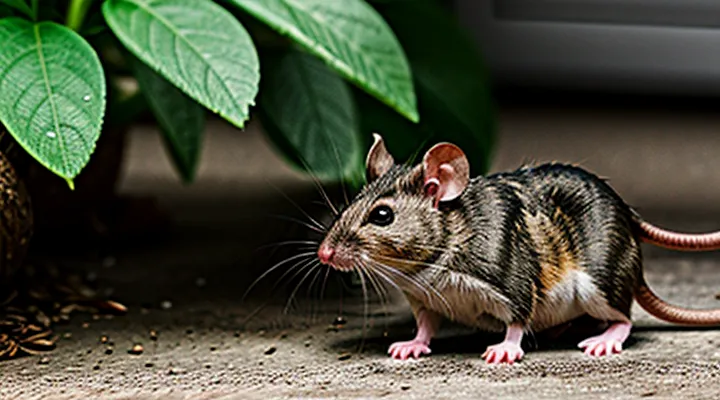
Understanding Mouse Infestations
Identifying Mouse Presence
Signs of Mouse Activity
Recognizing mouse activity promptly enables effective eradication measures. Professional rodent control operators rely on observable evidence to confirm infestations and to plan targeted treatments.
- Fresh droppings, typically dark, pellet‑shaped, and ¼‑inch long, found near food sources, along walls, or in concealed areas.
- Gnaw marks on wood, plastic, wiring, or insulation, often evident as clean, crescent‑shaped bites.
- Grease or smudge trails along baseboards, cabinets, or appliances, indicating repeated travel routes.
- Nests constructed from shredded paper, fabric, insulation, or dried plant material, usually hidden in wall voids, attics, or under appliances.
- Hearing of scratching or scurrying noises, especially at night, when mice are most active.
- Unexplained food spillage, packaging damage, or missing pantry items, suggesting foraging behavior.
Inspecting these indicators confirms the presence of rodents and informs the selection of appropriate control methods, such as bait placement, trapping, or exclusion sealing. Immediate action based on documented signs reduces population growth and prevents structural damage.
Common Entry Points
Mice gain access through structural gaps that provide shelter, food, and water. Identifying and sealing these openings prevents reinfestation and enhances the effectiveness of rodent control measures.
- Gaps around utility penetrations (pipes, cables, wires) – openings as small as ¼ inch allow entry.
- Openings under doors and windows – weatherstripping missing or damaged creates passageways.
- Cracks in foundation walls and basement floors – settlement or poor construction leaves fissures.
- Holes in exterior siding, soffits, and eaves – unsealed vents or damaged panels serve as routes.
- Openings around vent pipes and chimney flues – lack of metal caps or inadequate sealing invites rodents.
- Gaps around garage doors and loading docks – insufficient weather seals or worn thresholds provide access.
- Openings in attic access points – unsecured hatch covers or damaged insulation expose entry routes.
Seal each identified gap with appropriate materials such as steel wool, caulk, concrete, or metal flashing. Regular inspections maintain integrity and support long‑term mouse eradication efforts.
Risks Associated with Mice
Health Hazards
Mice carry pathogens that can cause serious illness in humans. Direct contact with droppings, urine, or saliva introduces bacteria such as Salmonella and Leptospira, viruses like hantavirus, and parasites including Echinococcus tapeworms. Inhalation of aerosolized particles from dried droppings triggers respiratory conditions such as hypersensitivity pneumonitis and asthma attacks.
- Food contamination: Mice infiltrate kitchens and storage areas, contaminating raw ingredients and prepared meals with fecal matter and hair.
- Disease transmission: Bite wounds and scratches provide entry points for bacterial infections; indirect exposure through contaminated surfaces spreads illness among occupants.
- Allergic reactions: Proteins in mouse urine and dander provoke IgE‑mediated responses, leading to sneezing, nasal congestion, and skin irritation.
- Structural compromise: Gnawing on wiring and insulation creates fire hazards; damage to building components can result in mold growth and secondary respiratory risks.
Professional rodent eradication programs eliminate these threats by combining targeted bait stations, mechanical traps, and exclusion techniques. Certified technicians assess infestation levels, select appropriate control agents, and implement sanitation measures to remove attractants. Sealing entry points prevents re‑infestation, reducing long‑term exposure.
Compliance with public‑health regulations mandates documentation of control activities and verification of pest‑free environments. Regular monitoring ensures that mitigation efforts remain effective, protecting occupants from the health hazards associated with mouse presence.
Property Damage
Mice compromise structural integrity by gnawing on wood, insulation, and wiring. Their incisors can create holes in beams, drywall, and support frames, leading to weakened load‑bearing elements and costly repairs.
Electrical systems suffer when rodents chew through cables, exposing conductors and creating short circuits or fire hazards. Replacing damaged wiring often requires professional inspection, compliance with electrical codes, and replacement of affected components.
Food storage areas experience contamination from droppings, urine, and hair. These residues introduce pathogens, spoil inventory, and trigger health‑code violations, forcing businesses to discard products and incur regulatory fines.
Water‑based damage arises when mice infiltrate plumbing, gnawing seals and joints. Resulting leaks promote mold growth, degrade building materials, and increase humidity‑related deterioration.
Effective mouse removal solutions mitigate these risks by:
- Conducting thorough inspections to locate entry points and activity zones.
- Implementing exclusion techniques such as sealing gaps and installing barriers.
- Deploying trapping or baiting methods tailored to infestation severity.
- Providing ongoing monitoring to ensure eradication continuity.
Addressing rodent‑induced property damage promptly reduces repair expenses, prevents safety hazards, and protects asset value. Professional eradication services deliver the expertise and resources necessary to eliminate threats before they compromise structural and operational integrity.
Professional Mouse Eradication Methods
Inspection and Assessment
Initial Site Visit
The initial site visit establishes the foundation for an effective mouse eradication program. Technicians arrive equipped with inspection tools, personal protective equipment, and a standardized assessment form. They conduct a thorough walkthrough to locate entry points, nesting habitats, and signs of activity such as droppings, gnaw marks, and urine stains. Measurements of interior spaces, building construction details, and surrounding landscaping are recorded to determine potential pathways for rodent ingress.
Data collection focuses on three core areas:
- Structural vulnerabilities: gaps in walls, floors, doors, and utility penetrations.
- Environmental conditions: food sources, water availability, and clutter that may support infestation.
- Current control measures: existing traps, baits, or exclusion devices and their effectiveness.
After the inspection, technicians compile a concise report that includes:
- A mapped diagram of identified risk zones.
- Quantified evidence of mouse presence.
- Prioritized recommendations for sealing openings, sanitation improvements, and targeted treatment zones.
The report is delivered to the client within 24 hours, providing a clear action plan and timeline for subsequent intervention steps. This systematic approach ensures that all variables influencing mouse activity are addressed before any control measures are deployed.
Customized Treatment Plans
Customized treatment plans address the specific conditions that enable mouse activity in each premises. Inspectors evaluate structural vulnerabilities, food sources, and infestation intensity before selecting control measures. The resulting protocol aligns product choice, application method, and monitoring schedule with the identified risk factors.
Key elements of a tailored plan include:
- Targeted bait placement based on identified travel routes and nesting sites.
- Selection of rodenticide or non‑chemical traps appropriate for the species, resistance history, and occupancy constraints.
- Timing of treatments to coincide with peak foraging periods, reducing exposure time and increasing effectiveness.
- Integrated sanitation recommendations that eliminate attractants and reinforce exclusion barriers.
- Defined performance metrics, such as capture counts and activity signs, to assess progress at regular intervals.
Field technicians implement the plan, record observations, and adjust tactics when monitoring data indicate reduced efficacy. Adjustments may involve repositioning baits, upgrading sealing materials, or introducing additional trap types. Documentation of each change ensures traceability and supports long‑term prevention.
Final verification occurs after a predetermined observation period, confirming the absence of new activity. Successful completion triggers a maintenance schedule that periodically reassesses structural integrity and reinforces preventive measures, sustaining a mouse‑free environment.
Treatment Strategies
Baiting Programs
Baiting programs constitute the core mechanism for eliminating mouse infestations in residential and commercial environments. Professional operators select rodent-specific formulations that combine anticoagulant or non‑anticoagulant active ingredients with attractants tailored to local mouse species. Products comply with regulatory standards, feature tamper‑resistant housings, and are placed at strategic points to maximize exposure while minimizing risk to non‑target organisms.
Key elements of an effective baiting strategy include:
- Site assessment – identification of entry routes, nesting zones, and foraging paths through visual inspection and monitoring devices.
- Product selection – matching bait type to infestation severity, resistance profiles, and environmental constraints.
- Placement protocol – distribution of bait stations at 10‑15 ft intervals along walls, behind appliances, and near known activity areas; positioning at a height of 2‑4 inches above the floor to align with mouse travel routes.
- Monitoring and adjustment – weekly inspection of bait consumption, replacement of depleted stations, and rotation of active ingredients to prevent resistance buildup.
- Documentation – recording station locations, bait types, and consumption rates to support compliance reporting and future interventions.
Implementation proceeds in three phases. First, the technician conducts a comprehensive survey, maps high‑risk zones, and installs sealed stations according to the placement protocol. Second, the operator initiates a 14‑day exposure period, during which consumption data are logged and any non‑functional stations are rectified. Third, after confirming mouse activity cessation, stations are removed, and a final report outlines outcomes, recommendations for exclusion measures, and a schedule for periodic follow‑up inspections. This systematic approach ensures rapid population decline, reduces re‑infestation risk, and aligns with best practices for rodent management.
Trapping Solutions
Effective mouse trapping is a cornerstone of professional eradication programs. Technicians evaluate infestation intensity, entry points, and activity patterns before deploying appropriate devices.
Common trap categories include:
- Snap traps: steel‑spring mechanisms delivering instantaneous kill.
- Live‑catch traps: cage designs allowing humane capture and release.
- Electronic traps: high‑voltage plates that immobilize rodents instantly.
- Glue boards: adhesive surfaces for passive capture in concealed areas.
- Bait‑integrated stations: sealed units that combine attractant with a kill mechanism, reducing non‑target exposure.
Selection criteria focus on:
- Placement accuracy: traps positioned along walls, behind appliances, and near known travel routes.
- Bait suitability: peanut butter, grain, or commercial rodent attractants matched to local mouse preferences.
- Safety considerations: tamper‑resistant models in residential or commercial settings to protect occupants and pets.
- Capacity and reset speed: devices that hold multiple captures and allow rapid redeployment.
Implementation follows a structured process:
- Conduct a thorough inspection to map activity zones.
- Install traps according to the placement guidelines, spacing devices 12–18 inches apart in high‑traffic corridors.
- Check traps daily, recording captures and adjusting bait or location as needed.
- Remove and dispose of captured rodents following local health regulations, then reset or replace traps.
Ongoing maintenance ensures sustained control. Regular audits identify new ingress points, prompting additional trap deployment. Documentation of capture rates supports performance evaluation and informs future eradication strategies.
Exclusion Techniques
Exclusion techniques form the core of any effective mouse eradication program. They prevent rodents from entering structures by eliminating pathways and creating barriers that withstand repeated pressure.
A systematic exclusion process begins with a thorough inspection. Inspectors identify entry points, assess structural vulnerabilities, and document conditions that attract mice, such as food residues and moisture sources. Findings guide the selection of appropriate sealing materials and reinforcement methods.
Common exclusion measures include:
- Installing steel‑wool or copper mesh around utility penetrations, vents, and pipe openings.
- Applying high‑grade caulking or expanding foam to seal cracks larger than 1/4 inch.
- Fitting door sweeps and weather stripping on exterior doors to block gaps.
- Replacing damaged siding, soffit, or roofing panels that expose interior spaces.
- Installing metal flashing over soffit vents and roof eaves to deter climbing.
Materials must resist gnawing, corrosion, and weathering. Stainless steel, copper, and heavy‑gauge hardware cloth provide long‑term durability, while flexible sealants accommodate building movement without cracking.
Maintenance is integral to sustained protection. Regular visual checks after seasonal changes, after renovations, and following extreme weather events help detect new breaches. Prompt repair of any identified gaps restores the integrity of the barrier system.
Integrating exclusion with sanitation and monitoring creates a comprehensive approach. By removing access, eliminating attractants, and tracking activity, mouse control providers achieve lasting population reduction without reliance on chemical treatments.
Rodenticide Application Best Practices
Effective mouse eradication depends on precise rodenticide deployment. Proper planning, accurate dosage, and diligent follow‑up minimize risks and maximize results.
Before application, conduct a thorough inspection to locate activity zones, identify entry points, and assess non‑target species presence. Choose a product matched to the infestation level, resistance patterns, and indoor/outdoor setting. Equip personnel with gloves, respirators, and eye protection; verify that all safety data sheets are accessible.
Apply baits according to the following practices:
- Position stations along walls, behind appliances, and near known runways; avoid open areas where pets or children may encounter them.
- Use pre‑measured pellets or blocks; do not exceed label‑specified loading rates.
- Secure stations to prevent displacement by wind or cleaning activities.
- Schedule placement during low‑traffic periods to reduce disturbance and accidental contact.
- Limit exposure to moisture; replace wet or degraded baits promptly.
After placement, implement a monitoring protocol:
- Record station locations, product type, and application date in a centralized log.
- Inspect stations weekly; remove uneaten bait after the recommended exposure period.
- Conduct follow‑up trapping or visual surveys to confirm population decline.
- Adjust bait density or rotate active ingredients if efficacy stalls.
Maintain compliance with local regulations and occupational safety standards. Label all containers clearly, store them in a locked area, and dispose of unused material according to hazardous waste guidelines. Document all actions to provide traceability and support any required reporting.
Prevention and Long-Term Control
Post-Eradication Measures
Sanitation Recommendations
Effective sanitation is essential for successful mouse eradication. Reducing food availability, eliminating shelter, and controlling moisture create an environment where rodents cannot thrive.
- Store all consumables in sealed, rodent‑proof containers; metal or heavy‑gauge plastic with tight lids is preferred.
- Keep preparation and eating areas free of crumbs and spills; wipe surfaces after each use and sweep floors daily.
- Dispose of waste in containers equipped with tight‑fitting lids; remove trash from the premises at least once daily.
- Clean behind appliances, under shelving, and in hard‑to‑reach corners to remove hidden debris and nesting material.
- Repair leaks promptly; dry damp areas and ensure proper ventilation to discourage moisture‑dependent infestations.
- Seal gaps, cracks, and openings larger than ¼ inch with steel wool, caulk, or metal flashing to block entry points.
Implementing these measures alongside professional rodent management programs minimizes re‑infestation risk and supports long‑term control. Regular inspections confirm that sanitation standards remain consistent and that any emerging issues are addressed before they become problems.
Sealing Entry Points
Sealing entry points eliminates the primary pathway mice use to access buildings, directly reducing infestation risk.
Common openings include gaps around utility pipes, cracks in foundations, unsealed vents, door sweeps, and openings behind appliances. Identifying these locations requires a systematic inspection of both interior and exterior structures, focusing on areas where walls meet floors, ceilings, and exterior siding.
Effective sealing employs materials matched to the size and location of each gap:
- Steel wool combined with expanding foam for openings larger than a quarter inch but smaller than an inch.
- Cement‑based mortar or concrete patch for foundation cracks.
- Heavy‑duty silicone caulk for small seams around windows and door frames.
- Metal flashing or rigid mesh for gaps around vent ducts and exhaust fans.
Installation follows a consistent sequence: clean the area, apply a primer if required, insert the chosen filler, and allow the material to cure fully before reinstating normal use.
After sealing, conduct a follow‑up inspection to confirm that no new gaps have formed and that existing seals remain intact. Schedule periodic reviews, especially after seasonal temperature changes or building renovations, to maintain a continuous barrier against mouse entry.
Ongoing Monitoring
Follow-Up Visits
Follow‑up visits confirm the success of mouse elimination efforts and address any residual activity. Technicians inspect previously treated areas, verify that traps and bait stations remain functional, and assess structural conditions that may permit re‑infestation. If signs of mouse presence are detected, additional treatment is applied immediately.
Key elements of each visit include:
- Visual inspection of entry points, nesting sites, and pathways.
- Evaluation of trap placement effectiveness and bait consumption.
- Replacement or repositioning of devices as needed.
- Documentation of findings, photographs, and a written report.
- Recommendations for sanitation, sealing gaps, and preventive measures.
Clients receive the report within 24 hours, enabling prompt corrective actions. A typical schedule comprises an initial assessment, a treatment appointment, and two to three follow‑up inspections spaced 7‑14 days apart, with optional quarterly checks for high‑risk environments. Consistent follow‑up reduces the likelihood of mouse resurgence and ensures long‑term control.
Maintenance Plans
A maintenance plan defines the ongoing actions required to keep mouse populations at bay after an initial eradication effort. It outlines scheduled inspections, preventive treatments, and corrective measures that prevent re‑infestation and protect structural integrity.
Key elements of an effective plan include:
- Routine inspections: Visual checks of entry points, nesting sites, and signs of activity performed monthly or quarterly, depending on risk level.
- Exclusion work: Repair of gaps, sealing of utility penetrations, and installation of barrier devices to block new entry.
- Monitoring devices: Placement of bait stations, snap traps, or electronic sensors to detect early activity and trigger immediate response.
- Record keeping: Detailed logs of inspection dates, findings, actions taken, and product usage to ensure compliance and inform future decisions.
- Client communication: Regular reports summarizing status, recommendations, and upcoming service dates.
The schedule balances frequency with cost efficiency. High‑risk environments, such as food‑handling facilities, require monthly visits, while low‑risk residential properties may suffice with quarterly checks. Adjustments are made based on observed activity levels and seasonal trends.
Investing in a structured maintenance plan reduces long‑term expenses by avoiding large‑scale re‑treatments, minimizes health hazards associated with rodent contamination, and maintains compliance with health‑safety regulations.
Client Education
Understanding Mouse Behavior
Mice exhibit nocturnal activity, emerging after dusk to forage for food and water. Their foraging routes follow established trails that connect entry points, storage areas, and nesting sites. Detecting these trails allows technicians to position bait and traps where mice are most likely to travel.
Nesting preferences influence infestation patterns. Mice select concealed locations near structural voids, insulation, or stored materials. They construct nests using shredded paper, fabric, and debris, often aggregating in wall cavities, attics, or under floorboards. Identifying such microhabitats guides targeted placement of control devices.
Social structure shapes movement within a colony. Dominant individuals patrol perimeters while subordinate mice remain near the nest. This hierarchy creates predictable traffic flows that can be exploited by strategic baiting. Additionally, mice communicate through scent marking; urine trails reinforce pathways and signal territory boundaries.
Key behaviors relevant to eradication efforts:
- Nocturnal foraging along established trails
- Preference for concealed nesting sites near structural gaps
- Hierarchical movement patterns that generate predictable traffic
- Scent marking that reinforces travel routes
Understanding these patterns enables precise deployment of control measures, reduces the need for widespread application, and increases the likelihood of successful mouse removal.
Sustainable Prevention Tips
Sustainable prevention minimizes chemical reliance, protects ecosystems, and lowers long‑term expenses for rodent management.
- Seal cracks, gaps, and utility openings with steel wool, caulk, or metal flashing.
- Store food in airtight containers; remove spills and crumbs promptly.
- Keep landscaping trimmed; eliminate dense ground cover that shelters rodents.
- Deploy snap or live traps in high‑activity zones; inspect and reset them regularly.
- Conduct quarterly inspections of structural integrity and waste handling practices.
- Encourage natural predators such as owls and barn owls by installing nesting boxes.
Choosing a Pest Control Service
What to Look For
Experience and Expertise
Seasoned professionals bring measurable benefits to mouse eradication projects. Decades of field work translate into reduced infestation rates and faster resolution times.
Experience is documented through concrete metrics: over 15 years of service, more than 3,000 successful mouse removal operations, and a portfolio that includes hospitals, food‑processing facilities, and residential complexes. Expertise covers species identification, habitat assessment, and selection of control methods that align with health‑safety regulations.
Key capabilities include:
- Comprehensive site inspections that locate entry points and nesting sites.
- Integrated baiting strategies employing low‑toxicity products.
- Mechanical traps positioned for optimal catch rates.
- Ongoing monitoring with data‑driven adjustments.
- Compliance reporting that satisfies local and federal pest‑management statutes.
Consistent application of this knowledge minimizes recurrence, protects occupants, and ensures that control measures meet the highest industry standards.
Licensing and Certification
Licensing governs the legal authority to perform rodent‑control operations. Without a valid permit, service providers cannot apply pesticides, set traps, or enter private premises for mouse eradication. State and local agencies issue these permits after verifying that the applicant meets safety, insurance, and training criteria.
Certification demonstrates that technicians possess the specialized knowledge required for effective and humane mouse management. Recognized programs—such as the National Pest Management Association’s Certified Pest Management Professional (CPMP) or state‑specific rodent‑control credentials—cover:
- Identification of mouse species and behavior patterns
- Selection and placement of mechanical and chemical control methods
- Risk assessment for non‑target organisms and occupants
- Documentation of treatment protocols and follow‑up procedures
Holding both a license and a certification reduces liability, assures clients of competency, and facilitates compliance audits. Regulatory bodies typically require proof of:
- Current business license or pest‑control permit
- Certified technician cards or diplomas
- Proof of liability insurance and worker‑comp coverage
- Records of pesticide usage and disposal
Regular renewal processes involve continuing‑education credits, updated background checks, and fee payments. Failure to maintain these credentials can result in fines, suspension of service rights, or loss of professional reputation.
Safety Protocols
Effective mouse eradication requires strict adherence to safety protocols that protect technicians, occupants, and the environment.
Personal protective equipment (PPE) must be worn at all times. Required items include:
- Disposable gloves resistant to chemicals and punctures
- Nitrile or latex masks with particulate filters
- Protective eyewear that seals against splashes
- Coveralls or long‑sleeve shirts and pants made of non‑porous fabric
- Closed‑toe, slip‑resistant footwear
Chemical agents used for rodent control are handled under controlled conditions. Procedures mandate:
- Verification of product label, concentration, and expiration date before application.
- Preparation of a designated mixing area with ventilation and spill containment.
- Application using calibrated equipment to avoid over‑dosage.
- Immediate labeling of treated zones and posting of warning signs.
- Secure storage of unused chemicals in locked, ventilated cabinets.
Containment and disposal practices prevent secondary contamination. All captured rodents are placed in sealed, puncture‑proof containers. Waste is transferred to licensed disposal facilities within 24 hours. Surfaces exposed to bait or carcasses are cleaned with EPA‑approved disinfectants and allowed to dry before re‑entry.
Training programs certify personnel in hazard recognition, PPE usage, and emergency response. drills simulate spills, exposure incidents, and fire scenarios. Documentation of each incident, corrective action, and follow‑up review is retained for regulatory compliance.
Emergency procedures require immediate isolation of the affected area, decontamination of personnel, and notification of medical services if exposure occurs. Antidotes and first‑aid kits are stocked on site and inspected weekly for readiness.
Service Guarantees
Warranty Information
Our warranty guarantees that any mouse‑control treatment performed by certified technicians will remain effective for the period specified in the service agreement. If evidence of new activity appears within that timeframe, we will re‑inspect the property at no additional charge and apply supplemental treatment as needed.
Coverage includes
- All rodent‑bait placements and trap installations performed during the initial visit.
- Follow‑up visits required to achieve complete eradication, provided they occur within the warranty window.
- Replacement of any equipment that fails due to manufacturing defects.
Exclusions
- Damage caused by improper sanitation, clutter, or structural deficiencies not addressed by the service.
- Re‑infestation resulting from external sources, such as adjacent vacant units or uncovered utility openings.
- Any modifications made by the client to bait stations or traps after the service is completed.
Claim procedure
- Contact the customer service line within the warranty period and provide the service reference number.
- Supply a brief description of observed activity and, if possible, photographic evidence.
- An authorized technician will schedule a re‑inspection within 48 hours.
- Upon verification, the technician will execute the required remedial actions at no cost to the client.
The warranty remains valid only when the client adheres to recommended sanitation practices, maintains clear access to treatment zones, and promptly reports any signs of activity. Failure to meet these conditions may result in partial or full forfeiture of the guarantee.
Customer Support
Customer support for mouse eradication services operates as the primary interface between clients and technicians, ensuring that inquiries, scheduling, and issue resolution follow a consistent protocol.
Clients can reach the support team through telephone, email, a dedicated online portal, or live‑chat messaging. Each channel records interactions in a central database, allowing agents to retrieve case history instantly and provide accurate information without delay.
The service adheres to defined response standards: initial contact is acknowledged within fifteen minutes, detailed queries receive a comprehensive reply within two business hours, and escalation to senior technicians occurs no later than four hours when a treatment plan requires modification. All timeframes are monitored against a service‑level agreement to maintain accountability.
Support personnel generate and maintain documentation that includes signed service contracts, customized treatment schedules, pesticide usage records, and progress summaries. These documents are accessible to customers via the portal, enabling transparent review of actions taken and compliance with regulatory requirements.
After each eradication operation, the support team schedules follow‑up inspections, confirms the effectiveness of the intervention, and processes warranty claims if rodents reappear. Feedback collected during these interactions informs continuous improvement of service delivery.
Key responsibilities of customer support:
- Receive and triage all client communications.
- Verify service eligibility and schedule field visits.
- Provide clear explanations of treatment methods and safety precautions.
- Track case status and update clients throughout the process.
- Manage post‑treatment follow‑up and warranty administration.