
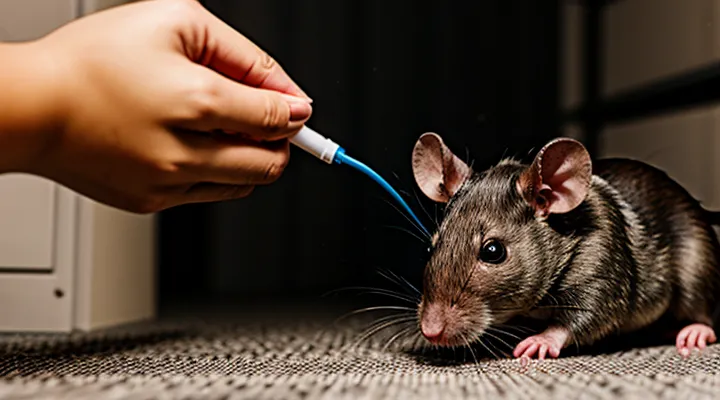
Inhalation Therapy for Rats: An Overview
Therapeutic Applications
Respiratory Conditions
Respiratory disorders in laboratory rats include allergic asthma, bacterial pneumonia, viral bronchiolitis, chronic bronchitis, and experimental models of pulmonary fibrosis. Each condition presents distinct pathophysiological features that influence the choice of aerosolized agents, dosing schedules, and outcome measures.
Effective aerosol therapy requires precise control of several parameters:
- Particle aerodynamic diameter between 1 µm and 5 µm to ensure deposition in the lower airways.
- Nebulizer type (ultrasonic, jet, or vibrating mesh) selected for compatibility with the test compound’s physicochemical properties.
- Concentration of the therapeutic aerosol calibrated against animal weight and tidal volume to achieve target lung exposure.
- Continuous monitoring of respiratory rate, tidal volume, and blood oxygen saturation throughout the treatment session.
Commonly employed inhaled compounds for rat studies comprise corticosteroids (e.g., budesonide), bronchodilators (e.g., albuterol), antibiotics (e.g., azithromycin), and antifibrotic agents (e.g., pirfenidone). Administration protocols typically involve repeated exposures over days to weeks, allowing assessment of both acute bronchodilatory response and long‑term disease modification.
Outcome evaluation integrates functional respiratory measurements (plethysmography, forced oscillation), histopathological analysis of airway inflammation, and molecular profiling of cytokine expression. Standardized reporting of aerosol characteristics, dosing regimens, and physiological endpoints ensures reproducibility across laboratories and facilitates translation of preclinical findings to clinical research.
Drug Delivery
Drug delivery in aerosolized therapy for rodents requires precise control of particle characteristics, dosing accuracy, and reproducible exposure conditions. Particle aerodynamic diameter between 1–5 µm ensures deposition in the lower respiratory tract, while uniform concentration across the exposure chamber maintains consistent dosing among subjects.
Key delivery systems include:
- Jet nebulizers with calibrated flow rates for continuous aerosol generation.
- Ultrasonic nebulizers providing fine droplets for high‑solubility compounds.
- Whole‑body exposure chambers equipped with inlet filters to prevent contamination.
- Nose‑only restraint devices that limit exposure to the upper airway and reduce systemic absorption.
Formulation parameters influencing aerosol performance:
- Solvent selection to maintain drug stability and prevent precipitation.
- Use of surfactants to reduce surface tension and improve droplet formation.
- Adjusted pH to optimize drug ionization state for maximal pulmonary absorption.
- Inclusion of isotonic agents to preserve mucosal integrity.
Typical administration protocol:
- Pre‑condition aerosol generator for 2 minutes to achieve steady-state output.
- Set carrier gas flow to 1 L/min, confirming particle size distribution with a cascade impactor.
- Expose rodents for 10–30 minutes depending on target dose, monitoring chamber concentration with an inline photometer.
- Record respiratory parameters (tidal volume, breathing frequency) to adjust exposure duration if necessary.
Evaluation of delivery efficiency relies on:
- Quantification of drug recovered from lung tissue using high‑performance liquid chromatography.
- Measurement of systemic plasma levels to assess off‑target exposure.
- Histopathological examination of airway epithelium for signs of irritation or inflammation.
- Calculation of deposited dose as a percentage of nominal dose, providing a benchmark for protocol optimization.
Pre-Therapy Preparations
Equipment Assembly
Nebulizer Types
Inhalation therapy in laboratory rats requires a nebulizer capable of delivering a consistent aerosol dose to a small respiratory tract. Device selection influences particle size distribution, aerosol output, and compatibility with animal‑specific exposure chambers.
- Jet nebulizers: employ compressed gas to generate droplets; produce a broad particle size range (1–5 µm); robust and cost‑effective; may generate heat that alters thermolabile compounds.
- Ultrasonic nebulizers: use high‑frequency vibrations to create aerosol; yield relatively larger particles (3–8 µm); operate quietly and without added gas flow; limited by potential heating of the liquid formulation.
- Vibrating‑mesh nebulizers: feature a perforated membrane driven by ultrasonic oscillation; generate narrow, controllable particle sizes (1–3 µm); maintain low temperature; suitable for precise dosing but require careful membrane cleaning.
- Custom small‑animal nebulizers: designed for integration with rodent exposure chambers; often combine jet or mesh technology with adjustable flow rates; enable simultaneous treatment of multiple subjects while minimizing dead space.
Choosing an appropriate nebulizer involves evaluating particle size suitability for rat alveolar deposition, aerosol stability of the therapeutic agent, and compatibility with the exposure system. Jet models are appropriate for routine studies with non‑heat‑sensitive solutions; ultrasonic devices serve applications where silent operation is critical; vibrating‑mesh units excel when narrow size distribution and temperature control are paramount; custom systems provide flexibility for high‑throughput experiments.
Enclosure Design
Effective inhalation therapy in rodents requires an enclosure that supports precise aerosol delivery while protecting personnel and maintaining animal welfare. The enclosure must accommodate the animal’s size, allow unrestricted movement, and provide a sealed environment for consistent dosing.
Key design elements include:
- Internal volume sufficient for one or multiple subjects, typically 1 L per animal, with additional space for equipment.
- Construction from non‑reactive materials such as polycarbonate or stainless steel to prevent adsorption of therapeutic agents.
- Transparent walls for visual monitoring without disturbing the sealed environment.
- Integrated inlet and outlet ports that enable controlled airflow; a laminar flow rate of 0.5–1 L min⁻¹ maintains aerosol homogeneity.
- Adjustable sealing gaskets around doors and ports to prevent leaks during operation.
Safety features are mandatory. A secondary containment barrier captures accidental spills, and a HEPA‑filtered exhaust line removes residual aerosol from the laboratory atmosphere. Surfaces should be smooth and chemically resistant to facilitate routine decontamination with alcohol‑based solutions or autoclaving, depending on the agent used.
Compatibility with delivery devices is essential. The enclosure must provide a standardized connector for nebulizers, allowing direct attachment of the «aerosol delivery system». Internal ports should accommodate pressure sensors and flow meters to verify dosing parameters in real time.
Regular validation of enclosure integrity, airflow patterns, and aerosol concentration ensures reproducible therapeutic outcomes across experiments.
Animal Acclimation
Handling Techniques
Effective inhalation therapy in rodents requires precise handling to ensure accurate drug delivery and animal welfare. Proper technique begins with acclimatization; rats should be introduced to the restraining apparatus for several minutes before the procedure to reduce stress. The restrainer must allow unobstructed access to the nasal passages while maintaining a secure yet gentle grip on the forelimbs and torso. Adjustable nose cones fitted with calibrated nebulizers deliver aerosolized medication at a consistent flow rate; the cone should be positioned so the animal’s snout aligns with the inlet without causing obstruction.
Key steps include:
- Preparation – Verify equipment integrity, calibrate nebulizer output, and confirm drug concentration. Warm the restrainer to body temperature to prevent hypothermia.
- Restraint – Grasp the base of the tail with thumb and forefinger, guide the animal into the chamber, and gently secure the limbs using padded clips. Avoid excessive pressure that could impair respiration.
- Positioning – Align the head so the nasal opening faces the aerosol stream. Use a transparent cover to monitor breathing patterns and adjust the cone if airflow appears restricted.
- Monitoring – Observe respiratory rate and depth throughout the exposure. Record any signs of distress, such as rapid panting or vocalization, and be prepared to abort the session if necessary.
- Post‑procedure care – Release the animal into a clean recovery cage with soft bedding, provide supplemental warmth, and monitor until normal activity resumes.
Hygiene protocols demand disinfection of the restrainer and nebulizer components between subjects to prevent cross‑contamination. Disposable nose cones minimize residual drug accumulation, while reusable parts should be soaked in a validated disinfectant solution for at least ten minutes. Documentation of each session, including duration, aerosol concentration, and observed animal responses, supports reproducibility and regulatory compliance.
Environmental Control
Environmental regulation is a prerequisite for reliable aerosol administration to laboratory rodents. Stable temperature, relative humidity, and airflow prevent fluctuations in aerosol concentration and ensure reproducible dosing.
- Temperature: maintain within 20 ± 2 °C; rapid shifts alter respiratory rate.
- Humidity: keep at 50 ± 5 %; excessive moisture deposits aerosol particles, low humidity accelerates evaporation.
- Airflow: supply filtered, laminar flow at 0.5 m s⁻¹; turbulence creates uneven distribution.
- Contaminants: exclude volatile chemicals, dust, and microbial spores; employ HEPA filtration and monitor for carbon monoxide and ozone.
- Cage design: use sealed exposure chambers with inlet and outlet ports; provide sufficient space to avoid stress‑induced respiratory changes.
Continuous monitoring with calibrated sensors records temperature, humidity, and particle size distribution. Data loggers trigger alarms when parameters exceed predefined limits, prompting immediate correction. Periodic validation of aerosol generators with reference aerosols confirms output consistency.
Adherence to these environmental controls minimizes variability, enhances therapeutic efficacy, and supports ethical standards for rodent inhalation studies.
Therapy Protocol
Drug Administration
Dosage Calculation
Accurate dose determination is essential for successful aerosol administration to laboratory rodents. The calculation begins with the animal’s body mass, expressed in kilograms, and the target dose expressed in milligrams of active substance per kilogram of body weight (mg·kg⁻¹). The required drug amount (mg) equals body mass multiplied by the target dose. This amount is then dissolved in a known volume of diluent to obtain the inhalation solution concentration (mg·mL⁻¹). The final inhaled dose depends on the aerosol generation rate (mL·min⁻¹) and the exposure duration (min). The relationship can be expressed as:
Dose (mg) = Concentration (mg·mL⁻¹) × Flow rate (mL·min⁻¹) × Time (min)
To implement the calculation, follow these steps:
- Measure each rat’s weight (kg).
- Multiply weight by the desired dose (mg·kg⁻¹) to obtain the required drug amount (mg).
- Dissolve the drug in a volume that yields a solution concentration compatible with the nebulizer’s output.
- Determine the nebulizer’s flow rate (mL·min⁻¹) from the manufacturer’s specifications.
- Choose an exposure time that delivers the calculated drug amount, using the formula above.
- Verify the final concentration with analytical methods before each session.
Key practical considerations include confirming nebulizer calibration, ensuring uniform particle size distribution, and maintaining consistent environmental conditions (temperature, humidity). Record all parameters for each session to guarantee reproducibility and to facilitate dose adjustments based on observed pharmacodynamic responses.
Delivery Duration
Delivery duration defines the length of time that aerosolized medication is administered to laboratory rats during inhalation therapy. Precise timing ensures consistent drug deposition in the respiratory tract and reproducible experimental outcomes.
Key determinants of appropriate exposure time include:
- Particle size distribution, which influences deposition depth and may require longer exposure for larger particles.
- Respiratory rate and tidal volume of the animal; higher ventilation rates can reduce necessary duration.
- Concentration of the nebulized solution; lower concentrations often demand extended delivery to achieve therapeutic dose.
- Type of delivery system (e.g., whole‑body chamber versus nose‑only exposure), where chamber volume and airflow rate affect exposure length.
Typical protocols employ the following ranges:
- Short‑duration exposures: 5–10 minutes, suitable for high‑concentration aerosols or rapid‑acting agents.
- Moderate exposures: 15–30 minutes, common for most pharmacological studies aiming for steady‑state lung concentrations.
- Extended exposures: 45–60 minutes, reserved for low‑dose formulations or agents requiring prolonged contact with the airway epithelium.
Monitoring during delivery involves continuous measurement of aerosol concentration and real‑time assessment of animal respiration. Adjustments to duration are made if deviations in concentration exceed predefined thresholds, ensuring that the intended dose reaches the target tissue.
Standardizing delivery duration across experiments minimizes variability and supports reliable interpretation of pharmacodynamic and toxicological data.
Monitoring During Therapy
Behavioral Observations
Behavioral monitoring during aerosol delivery to laboratory rats provides essential data on treatment tolerance and efficacy. Observers record locomotor activity, grooming, and respiratory patterns before, during, and after exposure. Deviations from baseline indicate potential distress or pharmacological effects.
Key observations include:
- Reduced ambulation within the first five minutes of exposure, suggesting acute respiratory discomfort.
- Increased grooming bouts post‑session, often reflecting irritation of the nasal mucosa.
- Altered breathing frequency measured by plethysmography; tachypnea may signal airway irritation, while bradypnea can denote sedative action of the inhaled agent.
- Vocalizations or abrupt escape attempts, which serve as direct indicators of aversive response.
Data collection follows a standardized schedule: baseline assessment (10 min), exposure period (15–30 min), and recovery phase (30 min). Video tracking software quantifies movement metrics, while infrared sensors capture respiratory rate. Consistency across sessions enables comparison of different formulations and dosing regimens.
Interpretation of behavioral changes guides protocol adjustments. Persistent reduction in activity or heightened grooming warrants modification of aerosol concentration, particle size, or exposure duration. Conversely, minimal behavioral disruption correlates with tolerable dosing and supports progression to efficacy testing.
Physiological Indicators
Physiological monitoring provides objective assessment of the efficacy and safety of aerosol administration in laboratory rats. Accurate measurement of respiratory and cardiovascular parameters enables adjustment of drug dose, nebulizer settings, and exposure duration.
Key indicators include:
- «respiratory rate»: breaths per minute, reflects ventilatory drive and potential bronchoconstriction.
- «tidal volume»: volume of air per breath, determined by plethysmography, indicates lung compliance.
- «blood oxygen saturation»: peripheral SpO₂ measured by pulse oximetry, reveals gas exchange efficiency.
- «heart rate»: cardiac rhythm recorded via ECG telemetry, correlates with autonomic stress response.
- «arterial blood gases»: PaO₂, PaCO₂, and pH obtained from arterial samples, provide comprehensive evaluation of ventilation and acid‑base balance.
- «body temperature»: core temperature monitored with rectal probes, essential for maintaining metabolic stability.
- «stress hormone levels»: plasma corticosterone quantified by ELISA, indicates systemic stress induced by the procedure.
Continuous acquisition of these parameters during aerosol exposure allows real‑time detection of adverse events such as hypoxia, hypercapnia, or tachycardia. Data trends guide modifications in aerosol concentration, flow rate, or exposure time, ensuring therapeutic objectives are met while minimizing physiological disturbance.
Post-Therapy Procedures
Animal Recovery
Post-Treatment Environment
The period following aerosol administration requires a controlled environment to ensure reliable experimental outcomes and animal welfare. Temperature should remain within the species‑specific thermoneutral range (22 °C ± 2 °C) to prevent hypothermia or hyperthermia induced by the inhalation process. Relative humidity must be maintained between 45 % and 55 % to avoid airway irritation and to support normal mucociliary function.
Ventilation rates need to be calibrated to remove residual aerosol particles while providing adequate fresh air exchange. A minimum of 15 air changes per hour is recommended for cages housing treated subjects. Monitoring devices should record temperature, humidity, and carbon dioxide levels continuously; data logs must be reviewed at least once per shift.
Post‑treatment cleaning protocols include:
- Immediate removal of any visible aerosol residue from cage surfaces.
- Disinfection of cage interiors with a validated, non‑toxic agent compatible with rodent exposure.
- Replacement of bedding with sterile, low‑dust material to reduce re‑exposure risk.
Observation schedules must encompass:
- Neurological and respiratory assessments at 30 min, 2 h, and 24 h post‑procedure.
- Body weight measurement daily for the first three days.
- Behavioral monitoring for signs of distress, reduced grooming, or altered locomotion.
Documentation of all environmental parameters, cleaning actions, and observation results is essential for reproducibility and regulatory compliance. Any deviation from the specified conditions should trigger a corrective action plan before subsequent dosing sessions.
Follow-up Assessments
Follow‑up assessments after the aerosol delivery protocol in laboratory rats are essential for evaluating therapeutic efficacy and safety. Systematic data collection should begin immediately after the final inhalation session and continue at predetermined intervals.
Key components of the evaluation schedule include:
- Clinical observation – monitoring of respiratory rate, effort, and general behavior at 0 h, 24 h, 72 h, and weekly thereafter.
- Pulmonary function testing – measurement of airway resistance and compliance using whole‑body plethysmography on days 1, 3, and 7 post‑treatment.
- Imaging studies – high‑resolution micro‑CT scans performed at baseline, day 3, and day 14 to detect structural changes in lung tissue.
- Histopathology – collection of lung, trachea, and nasal turbinate samples for microscopic examination at the study endpoint or upon emergence of adverse signs.
- Biomarker analysis – quantification of inflammatory cytokines (e.g., IL‑6, TNF‑α) and oxidative stress markers in bronchoalveolar lavage fluid at 24 h and 72 h.
Data integration across these modalities permits identification of transient versus persistent effects, supports dose‑adjustment decisions, and informs refinement of the inhalation regimen for future investigations.
Equipment Maintenance
Cleaning Protocols
Effective cleaning of inhalation‑therapy apparatus used with laboratory rodents is essential for reproducibility and animal welfare. All components that contact aerosolized solutions must be decontaminated after each session to prevent cross‑contamination and maintain device performance.
- Disassemble nebulizer, tubing, and mask according to manufacturer instructions.
- Rinse removable parts with distilled water to remove residual liquid.
- Immerse components in a 0.1 % sodium hypochlorite solution for 10 minutes; ensure complete coverage.
- Rinse thoroughly with sterile water to eliminate disinfectant residues.
- Place parts in an ultrasonic bath for 5 minutes to disrupt biofilm formation.
- Dry components with filtered air or sterile lint‑free wipes.
- Reassemble equipment only after confirming that all surfaces are dry and free of visible debris.
Routine validation includes weekly microbiological swabs of the nebulizer chamber and quarterly performance checks of aerosol particle size distribution. Documentation of cleaning dates, agents used, and personnel responsible must be retained in the laboratory log.
Adhering to this protocol minimizes microbial load, preserves aerosol consistency, and supports reliable delivery of therapeutic agents to rodents. «Proper sanitation reduces experimental variability and safeguards animal health».
Sterilization Methods
Effective sterilization ensures that inhalation devices and associated components remain free of microbial contamination, thereby protecting experimental integrity and animal welfare.
Commonly employed methods include:
- Autoclaving – saturated steam at 121 °C for 15–30 min; suitable for metal and heat‑resistant polymer parts, but incompatible with heat‑sensitive tubing.
- Ethylene oxide (EtO) gas – low‑temperature sterilization for delicate plastic components; requires aeration to remove residual gas before use.
- Gamma irradiation – high‑energy photons penetrate sealed containers; preserves material properties while achieving sterility.
- Dry heat – exposure to 160–180 °C for 2 h; effective for glassware and metal instruments, limited by heat tolerance of polymers.
- Chemical disinfectants – 2 % glutaraldehyde or 0.5 % peracetic acid for surface decontamination; must be thoroughly rinsed to avoid residue affecting aerosol delivery.
- Ultraviolet (UV) irradiation – 254 nm UV light applied to interior surfaces of chambers; provides rapid surface sterilization but limited depth of penetration.
Selection criteria should consider material compatibility, sterility assurance level, turnaround time, and potential impact on aerosol particle size or drug stability. Validation of each method involves biological indicators, such as spore strips, and routine monitoring of sterility outcomes.
Routine cleaning prior to sterilization includes removal of organic debris with enzymatic detergents, followed by thorough rinsing with distilled water. Maintaining a documented protocol for each sterilization technique supports reproducibility of inhalation experiments and compliance with ethical standards.
Safety Considerations
Personnel Protection
Personal Protective Equipment
When aerosolized medication is delivered to laboratory rodents, the operator must be protected against inhalation of drug particles, accidental splashes, and potential infectious material. Personal protective equipment (PPE) provides a physical barrier that limits exposure and maintains a controlled environment for the procedure.
- Disposable nitrile gloves, changed between each animal, prevent skin contact with residues.
- Fluid‑resistant laboratory coat or disposable gown shields clothing and reduces contamination of work surfaces.
- Safety goggles or a full face shield protect the eyes from aerosol spray and splashes.
- Certified particulate respirator (e.g., N95 or higher) with a sealed fit eliminates inhalation of airborne particles generated during nebulization.
- Closed‑toe, low‑profile shoes or shoe covers complete the barrier against droplet deposition.
The correct sequence for PPE use begins with hand hygiene, followed by donning the gown, respirator, goggles, and gloves. After the session, removal proceeds in reverse order, avoiding contact between the outer surfaces and the skin. All disposable items are discarded in biohazard containers; reusable components such as respirators and goggles are cleaned according to manufacturer instructions and stored in a designated clean area.
Compliance with institutional biosafety guidelines and relevant occupational health standards ensures that the protective measures meet validated performance criteria. Documentation of PPE inspection, fit‑testing for respirators, and incident reporting supports ongoing safety management for inhalation procedures involving rodents.
Exposure Mitigation
Exposure mitigation is essential when administering aerosol therapy to laboratory rodents. Uncontrolled release of aerosolized agents can compromise experimental integrity, endanger personnel, and affect animal welfare.
Primary hazards include:
- Aerosol leakage from the delivery chamber.
- Cross‑contamination between treatment groups.
- Inhalation of residual particles by laboratory staff.
- Accumulation of condensate on equipment surfaces.
Mitigation strategies:
- Seal all connections with chemically resistant tubing and check for integrity before each session.
- Employ a negative‑pressure enclosure around the inhalation apparatus to contain stray particles.
- Install high‑efficiency particulate air (HEPA) filters on exhaust lines and replace them according to manufacturer specifications.
- Conduct routine leak tests using a calibrated particle counter or tracer gas.
- Use disposable mouthpieces or restraining devices to prevent reuse between subjects.
- Implement standard operating procedures for donning and doffing personal protective equipment, including respirators rated for the specific aerosol size.
- Record environmental concentrations of the therapeutic agent at regular intervals and adjust ventilation rates accordingly.
Continuous validation of these controls through quantitative monitoring ensures that exposure levels remain within predefined safety thresholds and that experimental outcomes are not confounded by unintended inhalation of the therapeutic compound.
Animal Welfare
Stress Reduction
Effective inhalation procedures for laboratory rats require systematic stress mitigation to preserve physiological integrity and experimental reliability. Elevated stress hormones can alter respiratory dynamics, compromise drug absorption, and introduce variability in outcome measures.
Key strategies for stress reduction include:
- Acclimatization: expose rats to the treatment chamber for short, non‑therapeutic sessions over several days before the actual protocol.
- Environmental control: maintain consistent temperature (22 ± 2 °C), humidity (50 ± 10 %), and low ambient noise within the exposure area.
- Gentle handling: employ restraint devices that distribute pressure evenly and avoid excessive confinement; use soft‑lined holders when feasible.
- Pre‑session enrichment: provide nesting material and a brief period of free exploration in the chamber prior to aerosol delivery.
Monitoring indicators such as heart rate, corticosterone levels, and behavioral signs (e.g., grooming, locomotion) allows immediate identification of stress responses. Adjustments to exposure duration, flow rates, or animal positioning should be made promptly based on these metrics.
Implementing these measures ensures that inhalation therapy for rodents proceeds with minimal stress impact, thereby enhancing data quality and animal welfare.
Ethical Guidelines
Inhalation therapy applied to laboratory rodents demands strict adherence to established animal‑welfare standards. Ethical compliance safeguards scientific validity and protects the well‑being of subjects throughout experimental procedures.
- Obtain approval from an accredited Institutional Animal Care and Use Committee before initiating any aerosol exposure.
- Limit discomfort by selecting the least invasive delivery apparatus compatible with the required dosage.
- Employ appropriate anesthetic or sedation protocols to prevent pain during mask placement and inhalation.
- Conduct continuous physiological monitoring, recording respiration rate, oxygen saturation, and behavioral indicators of distress.
- Define humane endpoints clearly; terminate exposure if predefined distress markers exceed acceptable thresholds.
Documentation of all procedures must reference recognized guidelines such as «The Guide for the Care and Use of Laboratory Animals». Records should include justification for animal numbers, detailed dosing schedules, and post‑procedure recovery plans. Compliance with these principles ensures that inhalation experiments meet both ethical obligations and regulatory requirements.