
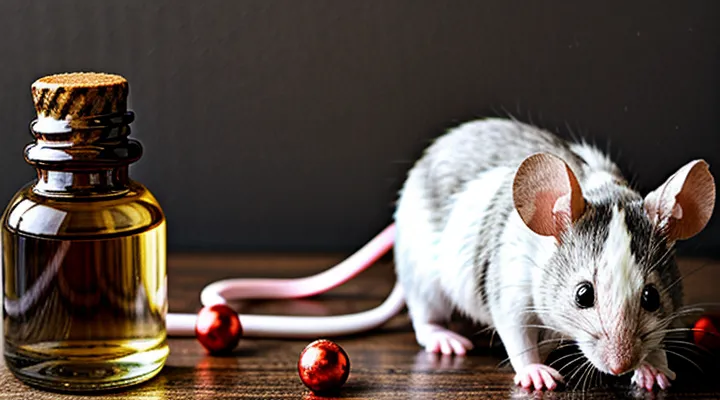
Understanding Peppermint Oil
What is Peppermint Oil?
Origin and Extraction
Peppermint oil originates from the aerial parts of Mentha piperita, a hybrid of spearmint (Mentha spicata) and watermint (Mentha aquatica). The plant thrives in temperate climates and is cultivated across Europe, North America, and parts of Asia for its high‑oil leaves. Genetic stability and consistent chemotype are maintained through selective breeding and controlled harvesting periods, typically mid‑summer when menthol concentration peaks.
Extraction of the essential oil relies principally on steam distillation. The process involves:
- Harvesting fresh leaves and stems, followed by immediate cooling to preserve volatile compounds.
- Loading plant material into a distillation chamber where saturated steam passes through, rupturing glandular trichomes and releasing oil droplets.
- Condensing the vapor–oil mixture in a cooling coil, separating the immiscible oil layer from the aqueous phase.
- Collecting the oil, drying over anhydrous sodium sulfate, and storing in amber glass containers to prevent oxidation.
Alternative methods include cold‑press extraction, used for small‑scale production, and supercritical CO₂ extraction, which yields a solvent‑free product with a higher proportion of minor constituents. Each technique influences the oil’s chemical profile, affecting menthol, menthone, and pulegone levels that contribute to its efficacy as a rodent deterrent.
Key Chemical Components
Peppermint oil consists primarily of monoterpenes that produce a strong, volatile aroma unfavorable to rodents.
- Menthol (30‑55 %) – a cyclic alcohol with a cooling effect; interferes with olfactory receptors and induces aversion.
- Menthone (10‑20 %) – a ketone closely related to menthol; contributes to the characteristic scent and enhances irritant properties.
- Pulegone (5‑15 %) – a highly volatile compound; exerts neurotoxic effects on small mammals at low concentrations.
- Menthyl acetate (3‑5 %) – an ester that adds a sweet, minty note; reinforces the overall repellent profile.
- Limonene (1‑3 %) – a citrus‑scented monoterpene; augments the sensory overload that deters mice.
These constituents act synergistically. Their rapid evaporation creates a persistent olfactory barrier that mice find unpleasant. Contact with menthol and pulegone disrupts sensory pathways, leading to avoidance behavior. The combined effect reduces the likelihood of infestation without the need for synthetic poisons.
Why Peppermint Oil Repels Mice
The Olfactory System of Mice
Sensitivity to Scents
Mice possess a highly developed olfactory system that detects volatile compounds at concentrations as low as a few parts per billion. This acute sensitivity makes strong aromatic substances, such as menthol‑rich peppermint oil, effective deterrents when applied correctly.
When peppermint oil contacts a mouse’s nasal receptors, the menthol molecules bind to transient receptor potential (TRP) channels, triggering a sensation of irritation and discomfort. The resulting aversive response leads the animal to avoid treated areas, reducing the likelihood of nesting or foraging nearby.
Key factors influencing efficacy:
- Concentration: Solutions between 5 % and 10 % peppermint oil in water or carrier oil provide sufficient vapor pressure without causing rapid evaporation.
- Application frequency: Reapplication every 3–5 days maintains a detectable odor gradient, as mice quickly adapt to diminishing scent levels.
- Placement: Target zones include entry points, interior corners, and known gnawing sites; saturating cotton balls or absorbent pads ensures localized release.
- Environmental conditions: Low humidity and high ventilation accelerate dispersal, requiring higher concentrations or more frequent treatment.
Research indicates that prolonged exposure can lead to habituation, whereby mice gradually ignore lower odor levels. To counteract this, alternating peppermint oil with other strong scents—such as clove or eucalyptus—disrupts habituation pathways and sustains deterrent effect.
In practice, integrating peppermint oil into an integrated pest management plan, alongside physical barriers and sanitation measures, leverages the animal’s scent sensitivity while minimizing reliance on chemical rodenticides.
How Peppermint Oil Affects Mice
Irritation and Disorientation
Peppermint oil contains menthol and other volatile terpenes that stimulate the trigeminal nerve and olfactory receptors in rodents. Direct contact or inhalation irritates mucous membranes, causing sneezing, watery eyes, and nasal discharge. The strong aroma overwhelms the olfactory system, leading to temporary loss of scent discrimination and impaired navigation.
Key physiological effects include:
- Mucosal irritation: Menthol activates TRPM8 receptors, producing a cooling sensation that quickly becomes uncomfortable for the animal.
- Sensory overload: High concentrations of volatile compounds saturate olfactory receptors, reducing the ability to locate food and shelter.
- Disorientation: Disruption of normal scent trails forces mice to abandon familiar pathways and seek alternative routes, decreasing the likelihood of re‑entry into treated areas.
These reactions are dose‑dependent; concentrations between 5 % and 10 % in a carrier solvent produce measurable avoidance behavior without causing lasting harm. Repeated application maintains a hostile sensory environment, reinforcing the deterrent effect.
Masking Other Scents
Peppermint oil can be employed to conceal odors that lure mice, thereby strengthening its deterrent effect. The oil’s strong menthol aroma overwhelms scent cues such as food residues, nesting material, and urine, making the environment less recognizable to rodents.
Application methods that maximize scent masking include:
- Soaking cotton balls in undiluted peppermint oil and placing them near known entry points, storage areas, and food sources. Replace every 3‑4 days to maintain potency.
- Mixing a measured amount of oil (approximately 10 ml per liter of water) in a spray bottle and misting surfaces, cabinets, and floor edges. Allow the solution to dry; the residual vapour continues to mask underlying smells.
- Embedding oil‑infused beads or wax pellets in cracks and crevices where mice travel. The slow release of fragrance provides continuous coverage.
Key considerations for effective scent masking:
- Ensure the oil concentration is sufficient to dominate competing odors; weak dilutions may fail to suppress attractants.
- Avoid mixing peppermint oil with strong-smelling cleaning agents that could neutralize its volatile compounds.
- Rotate placement locations regularly to prevent mice from habituating to a fixed scent pattern.
By consistently overlaying the environment with peppermint’s dominant fragrance, other attractant odors become indiscernible, reducing the likelihood of mouse activity.
Preparing Peppermint Oil for Mouse Repellence
Choosing the Right Peppermint Oil
Essential Oil vs. Extracts
Peppermint oil derived as a pure essential oil contains a high concentration of menthol and other volatile compounds that act directly on the olfactory receptors of rodents. When applied to cotton balls, wood shavings, or spray solutions, the oil releases a strong, persistent aroma that discourages mice from entering treated areas. The volatile nature ensures rapid dispersion but also leads to a relatively short active period, typically requiring reapplication every 2–3 days to maintain effectiveness.
Extracts obtained through solvent or steam‑distillation processes retain a broader spectrum of plant constituents, including non‑volatile flavonoids and terpenoids. These components may provide supplemental deterrent effects and extend the duration of the repellent action, often lasting up to a week before the scent diminishes. However, extracts generally contain lower menthol levels, reducing immediate potency compared with pure essential oil.
Key distinctions:
- Concentration of active menthol – essential oil: high; extracts: moderate.
- Duration of efficacy – essential oil: short, needs frequent renewal; extracts: longer, fewer applications.
- Application form – essential oil: suitable for direct spray or impregnated media; extracts: often incorporated into carrier substrates or mixed with oils for slower release.
- Cost and availability – essential oil: widely marketed, price varies with purity; extracts: less common, may be pricier due to processing.
Choosing between the two depends on the desired balance of immediate strength and maintenance frequency. For rapid, intense deterrence, pure essential oil is preferable; for sustained, lower‑intensity protection, an extract formulation may be more efficient.
Concentration and Purity
Effective mouse deterrence with peppermint oil depends on both concentration and purity. Laboratory trials indicate that a minimum concentration of 5 % v/v in a carrier solvent yields measurable repellency, while concentrations of 10 % v/v or higher produce consistent avoidance behavior across multiple rodent species. Formulations below 3 % v/v rarely achieve reliable results.
Purity directly influences the active component, menthol, and related terpenes responsible for the repellent effect. Analytical testing shows that oils labeled as 100 % pure contain at least 80 % menthol and 10 % menthone, providing optimal efficacy. Products with purity below 70 % often contain diluents that reduce the active terpene content, diminishing deterrent performance.
Key parameters for formulation:
- Concentration range: 5 %–15 % v/v in water‑based or oil‑based carriers.
- Minimum purity: 90 % certified peppermint oil, verified by gas chromatography.
- Application frequency: Reapply every 48 hours to maintain effective surface concentration.
- Storage conditions: Keep sealed, away from light and heat to prevent oxidation and loss of active compounds.
Measurement of concentration should employ calibrated volumetric equipment, while purity verification requires chromatographic analysis or certified supplier documentation. Maintaining the specified concentration and purity ensures the oil’s volatile compounds remain at levels sufficient to disrupt mouse olfactory cues, resulting in sustained repellent activity.
Dilution and Application Methods
Cotton Balls and Sprays
Peppermint oil contains menthol and other volatile compounds that rodents find intolerable, making it a practical alternative to chemical rodenticides.
Cotton‑ball application
- Soak a standard cotton ball in undiluted peppermint oil until saturated.
- Place each ball in areas where mouse activity is evident: behind appliances, under sinks, and in wall voids.
- Replace balls every 3–5 days, or sooner if the scent fades, to maintain a constant olfactory barrier.
Spray formulation
- Mix 10 ml of peppermint oil with 90 ml of water; add a few drops of mild surfactant to improve dispersion.
- Transfer the solution to a trigger‑spray bottle for targeted delivery.
- Apply generously to entry points, baseboards, and surfaces where droppings have been found; re‑spray weekly or after cleaning.
Both methods rely on the oil’s strong aroma to create an environment that discourages rodents without leaving toxic residues. Proper placement and regular renewal are essential for sustained effectiveness.
Diffusers and Sachets
Peppermint oil can deter mice by emitting a strong, mentholated scent that rodents find unpleasant. When distributed through diffusers or sachets, the oil maintains a continuous aroma in targeted areas, reducing the likelihood of infestation.
Diffusers release a fine mist of diluted peppermint oil into the air. Effective use requires:
- Selecting a diffuser capable of operating for at least 8 hours without overheating.
- Adding 5–10 drops of peppermint oil per 100 ml of water, ensuring a concentration that remains aromatic but not overpowering.
- Placing units near entry points, pantry shelves, and concealed corners where mice travel.
- Replenishing the oil mixture every 2–3 days to sustain potency.
Sachets provide a passive delivery method. Key considerations include:
- Filling breathable fabric pouches with 1–2 teaspoons of pure peppermint oil or a blend of oil and dried herbs.
- Securing sachets in drawers, cupboards, and under appliances, where air circulation can carry the scent.
- Replacing sachets weekly, as the fragrance diminishes with exposure to ambient temperature and humidity.
- Using airtight containers for storage to preserve oil quality before deployment.
Both delivery systems avoid direct contact with food supplies, making them suitable for kitchen environments. Diffusers offer rapid scent dispersal and adjustable intensity, while sachets deliver a low‑maintenance solution that can be hidden in tight spaces. Limitations include the need for regular replenishment and reduced effectiveness in large, poorly ventilated areas. Combining both methods in a layered approach—diffusers in open rooms and sachets in confined zones—optimizes coverage and prolongs the deterrent effect.
Effective Placement Strategies
Identifying Mouse Entry Points
Cracks, Vents, and Gaps
Cracks, vents, and gaps constitute the primary entry points for house mice. Even openings as small as a quarter-inch permit access, allowing rodents to infiltrate walls, crawl spaces, and attic areas. These structural weaknesses also compromise the distribution of volatile compounds, reducing the effectiveness of any deterrent applied.
Identifying and sealing these openings is essential for a peppermint‑oil based mouse deterrent to function. A systematic approach includes:
- Conducting a visual inspection of exterior walls, foundation, and roof eaves for visible fissures.
- Using a flashlight and mirror to examine interior corners, baseboards, and behind appliances.
- Applying a silicone‑based sealant or expanding foam to fill gaps around pipes, wiring, and ventilation ducts.
- Installing fine mesh or metal flashing over vent openings that cannot be sealed permanently.
- Re‑checking sealed areas after a 48‑hour period to ensure integrity.
Once gaps are closed, peppermint oil can be applied directly to remaining inaccessible crevices. Soaking cotton balls in the oil and placing them in sealed voids creates a sustained aromatic barrier that discourages mouse activity without relying on toxic chemicals. Regular replacement—every 5–7 days—maintains potency, especially in high‑traffic zones such as kitchen cabinets and pantry shelves.
In summary, eliminating structural entry points maximizes the repellent properties of peppermint oil, converting a passive scent barrier into an active, long‑lasting defense against rodent intrusion.
High-Traffic Areas for Mice
Kitchens, Pantries, and Basements
Peppermint oil, when applied correctly, provides an effective, chemical‑free barrier against rodents in residential food‑storage areas. Its strong menthol scent overwhelms the olfactory receptors mice rely on for navigation, prompting them to avoid treated zones.
In kitchens, place cotton balls saturated with a few drops of oil near garbage disposals, under sinks, and beside entry points such as door thresholds. Reapply every 3–5 days, especially after cleaning or when the scent fades. Ensure the oil does not contact food preparation surfaces; a small, sealed container prevents accidental contact while allowing vapor diffusion.
Pantries benefit from a systematic distribution of the oil. Recommended practice:
- Insert a scented sachet into each shelf corner, away from food packages.
- Apply 5–10 drops to wooden or plastic shelf liners, allowing them to dry before restocking.
- Rotate sachets weekly to maintain potency.
Basements, often prone to hidden mouse activity, require broader coverage. Soak rag strips with oil and tuck them behind utility pipes, near foundation cracks, and along wall–floor junctions. Seal gaps with caulk before treatment to limit alternative pathways. Because basements may have limited ventilation, monitor for any respiratory irritation among occupants and adjust placement accordingly.
Safety considerations include:
- Diluting oil with a carrier (e.g., water or a mild soap solution) when spraying directly on surfaces.
- Storing excess oil out of reach of children and pets.
- Testing a small area for material compatibility before widespread use.
When integrated into a regular cleaning routine, peppermint oil creates a persistent olfactory deterrent, reducing mouse incursions without resorting to poisons or traps.
Replenishment and Maintenance
Frequency of Reapplication
Peppermint oil loses its volatile compounds quickly once exposed to air, so a single application cannot protect an area for an extended period. Under typical indoor conditions the scent remains potent for five to seven days; after that, mouse activity often resumes.
Factors that modify the required interval include:
- Ambient temperature: higher heat accelerates evaporation.
- Humidity: moisture shortens aromatic lifespan.
- Ventilation: drafts disperse the oil faster.
- Surface type: porous materials absorb oil, extending effect; smooth surfaces release it rapidly.
- Concentration: diluted mixtures need more frequent renewal than undiluted preparations.
A reliable schedule applies a fresh solution every seven days for general storage rooms. In high‑traffic zones—kitchens, pantry shelves, or damp basements—reapply every three to four days. After cleaning, spills, or any event that disturbs the oil film, repeat the treatment immediately.
Monitor mouse signs weekly; if droppings or gnaw marks appear before the next scheduled application, increase the frequency until activity ceases. Adjustments based on the listed variables ensure the mint‑based deterrent remains effective.
Other Natural Mouse Repellents
Complementary Scents
Clove Oil and Eucalyptus Oil
Peppermint oil is widely recognized for its ability to deter mice; clove oil and eucalyptus oil offer comparable properties that can enhance or replace peppermint‑based solutions.
Clove oil contains eugenol, a phenolic compound that irritates rodents’ olfactory receptors. Laboratory tests show a reduction in mouse activity when eugenol concentrations reach 5 %–10 % in a carrier. The strong, spicy scent persists for several days, limiting the need for frequent reapplication. Recommended use includes applying a few drops to cotton balls placed near entry points, or diluting 1 mL of clove oil in 100 mL of water for spray applications.
Eucalyptus oil’s primary active ingredient, 1,8‑cineole, produces a sharp, menthol‑like aroma that mice find hostile. Field observations indicate that a 3 %–7 % eucalyptus solution repels rodents for up to two weeks. Effective deployment methods comprise soaking cloth strips in the oil and positioning them in concealed areas, or integrating the oil into a silicone diffuser that releases vapor continuously.
Both oils share advantages such as low toxicity to humans and pets, ease of acquisition, and compatibility with existing peppermint treatments. When combined, clove and eucalyptus oils can broaden the spectrum of repellent odors, reducing the likelihood of habituation. Safety considerations include avoiding direct skin contact with undiluted oil and ensuring ventilation in enclosed spaces.
Application guidelines
- Dilute 1 mL of essential oil in 100 mL of water; add a few drops of mild surfactant for even distribution.
- Soak absorbent material (cotton, felt) and place it at known mouse pathways.
- Replace or refresh material every 7–10 days, or when the scent diminishes.
- Store oils in dark, airtight containers to preserve potency.
Integrating clove and eucalyptus oils into a mouse‑control program provides effective, natural alternatives that complement peppermint‑based methods while maintaining safety and ease of use.
Physical Barriers and Traps
Exclusion Techniques
Effective mouse control relies on preventing entry as much as on chemical deterrents. When peppermint oil is employed as a natural repellent, exclusion techniques amplify its impact by eliminating the pathways that rodents exploit.
- Identify and seal gaps larger than ¼ inch in foundations, walls, and utility penetrations with steel wool, copper mesh, or silicone caulk.
- Install door sweeps and weather stripping on all exterior doors to block low‑level access.
- Fit vent covers with fine mesh screens to stop mice from entering through HVAC, dryer, and bathroom exhaust openings.
- Repair or replace cracked foundation blocks, broken tiles, and deteriorated siding that create hidden cavities.
- Use metal flashing around pipe entries and conduit sleeves to create a continuous barrier.
Integrating peppermint oil with these physical barriers involves applying the oil near, but not directly on, sealed points. A few drops on cotton balls placed in the interior side of door sweeps or behind vent screens maintain a scent gradient that discourages intrusion without compromising the integrity of the seal. Regular inspection of all exclusion measures ensures that new gaps are addressed promptly, sustaining the efficacy of the peppermint‑based deterrent.
Potential Limitations and Considerations
Scent Persistence and Mouse Acclimation
Adapting to Repellents
Mice quickly learn to ignore constant olfactory cues, including the scent of peppermint oil used as a rodent deterrent. Repeated exposure reduces the compound’s perceived threat, allowing individuals to forage near treated areas without hesitation.
Desensitization occurs through habituation, olfactory fatigue, and selective breeding of individuals with reduced sensitivity to menthol compounds. Laboratory studies show that after several days of continuous exposure, mice exhibit normal activity patterns despite the presence of the oil.
To preserve efficacy, implement the following practices:
- Rotate peppermint oil with other botanical repellents (e.g., eucalyptus, citronella) on a weekly schedule.
- Apply the oil in short bursts, refreshing the scent every 3–5 days to prevent olfactory adaptation.
- Combine scent barriers with physical deterrents such as steel mesh, snap traps, or exclusion sealing.
- Adjust concentration: higher dilution reduces habituation risk, while overly concentrated solutions may cause rapid desensitization.
- Place oil-soaked cotton balls in concealed locations rather than open surfaces, limiting direct, continuous exposure.
Monitoring mouse activity after each adjustment provides feedback on the repellent’s performance, enabling timely modifications before populations become fully accustomed to the scent.
Safety for Pets and Children
Proper Handling and Storage
Peppermint oil used for rodent deterrence must be kept in airtight containers made of dark glass or high‑density polyethylene. These materials block ultraviolet radiation and prevent oxidation, preserving the oil’s potency.
Store the containers in a cool, dry place, ideally between 10 °C and 25 °C (50 °F–77 °F). Temperatures above 30 °C (86 °F) accelerate volatile loss and can cause the oil to become rancid. Avoid exposure to direct sunlight, heating vents, or fluctuating humidity.
Label each bottle with the date of opening and the recommended expiration period, typically 12–18 months for unopened oil and 6–9 months after first use. Record the batch number for traceability in case of quality issues.
When handling the oil:
- Use gloves and eye protection to prevent skin irritation and accidental splashes.
- Dispense with a calibrated dropper or pump to control dosage and minimize waste.
- Keep the work area well‑ventilated; inhalation of concentrated vapors may cause discomfort.
If a spill occurs, absorb with an inert material such as vermiculite, then clean the surface with mild detergent and water. Dispose of contaminated absorbent according to local hazardous‑waste regulations.
Periodically inspect containers for cracks, leaks, or cloudy appearance. Replace any compromised packaging immediately to avoid loss of efficacy and potential safety hazards.
Steps for Long-Term Mouse Prevention
Sanitation and Food Storage
Eliminating Attractants
Mice are drawn to readily available food, water, and shelter; removing these incentives maximizes the effectiveness of peppermint‑based deterrents.
Key attractants and practical elimination methods:
- Food remnants – store all edibles in sealed containers, clean countertops and floors after meals, and promptly dispose of garbage in tightly closed bins.
- Clutter – declutter storage areas, especially cardboard boxes and fabric piles, to eliminate hiding places.
- Moisture sources – fix leaky pipes, wipe up spills, and keep pet water dishes off the floor when not in use.
- Entry points – seal cracks, gaps around vents, and openings around doors with steel wool, caulk, or metal mesh.
After securing the environment, apply peppermint oil to strategic locations such as baseboards, behind appliances, and near identified entryways. The absence of attractants forces rodents to encounter the scent barrier, increasing the likelihood of avoidance.
Sealing Entry Points
Permanent Exclusion Methods
Effective mouse control hinges on eliminating access routes rather than relying solely on scent-based deterrents. Permanent exclusion demands a systematic inspection of a building’s envelope, identification of potential entry points, and the installation of durable barriers that rodents cannot breach.
Key actions include:
- Seal cracks and gaps larger than ¼ inch with steel wool, copper mesh, or expanding foam, then cover with caulk or concrete.
- Install hardware cloth (½‑inch mesh) over vents, utility openings, and chimney flues; secure with stainless‑steel screws.
- Fit door sweeps and weatherstripping on all exterior doors; replace worn components promptly.
- Apply metal flashing around foundation gaps, pipe penetrations, and basement windows.
- Replace damaged siding, roofing, and foundation mortar; ensure all joints are intact and watertight.
These measures create a physical shield that renders peppermint oil applications redundant in the long term, establishing a lasting barrier against mouse intrusion.