
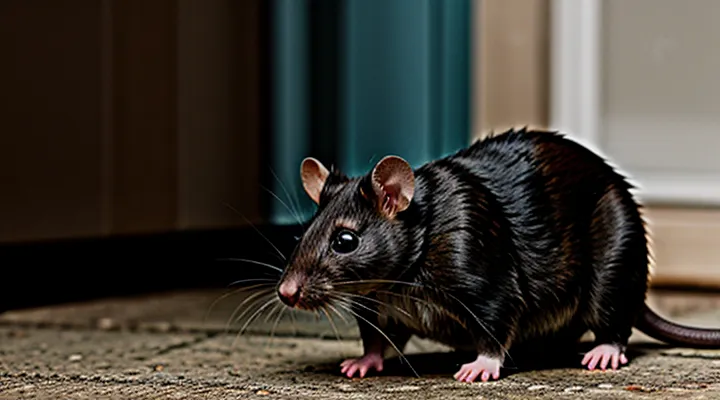
Choosing the Perfect Name: Things to Consider
Personality Traits and Appearance
Fur Color and Patterns
Rats display a wide spectrum of fur colors and patterns, each offering a distinct source for naming inspiration. Solid shades such as ivory, charcoal, and rust provide straightforward cues; a rat with a sleek white coat may suit names like Snowfall or Pearl, while a deep black individual aligns with titles such as Eclipse or Onyx.
Combination patterns expand possibilities. A dorsal stripe of darker pigment against a lighter body suggests names such as Bandit or Streak; a spotted arrangement of white and gray patches lends itself to monikers like Domino or Patches.
Rare markings, including rosette or mottled designs, merit unique identifiers. A rat with a rosette of darker fur on the head may be called Crown or Halo, whereas a mottled animal could be named Mosaic or Kaleido.
Naming ideas derived from fur characteristics
- Ivory coat: Frost, Alabaster, Ghost
- Charcoal coat: Slate, Ash, Coal
- Rust coat: Ember, Copper, Sienna
- Black coat: Midnight, Jet, Obsidian
- Dorsal stripe: Blade, Arrow, Stripe
- Spot pattern: Pixel, Check, Dottie
- Rosette marking: Crest, Halo, Tiara
- Mottled texture: Mosaic, Kaleido, Patchwork
Choosing a name that reflects the rat’s coloration not only highlights its visual appeal but also reinforces the personal bond between owner and pet.
Energetic vs. Calm Demeanor
Rats display distinct temperaments that shape naming decisions. An energetic rat darts across cages, engages in frequent play bursts, and reacts quickly to stimuli. Names that echo speed, brightness, or mischief suit this profile.
- Flash
- Zippy
- Rocket
- Sparky
- Blitz
A calm rat moves slowly, spends long periods grooming, and tolerates handling without abrupt movements. Names that suggest serenity, steadiness, or subtle charm complement this demeanor.
- Whisper
- Nimbus
- Sage
- Velvet
- Ember
When selecting a name, match the animal’s observable behavior to the word’s connotation. Verify that the chosen name is easy to pronounce and distinct enough for training cues. Aligning temperament with nomenclature reinforces the owner‑pet bond and aids communication.
Unique Habits and Quirks
Rats display a range of behaviors that can inspire memorable names. Their penchant for hoarding small objects—shiny beads, paper scraps, or bits of fabric—reveals a collector’s instinct. Names such as “Treasure,” “Glimmer,” or “Stash” echo this trait while remaining distinctive.
Another notable habit is nocturnal exploration. When darkness falls, rats navigate mazes and tunnels with precision, often pausing to sniff every corner. Titles like “Midnight,” “Scout,” or “Echo” capture the mystery of their night‑time ventures.
Rats communicate through subtle vocalizations and whisker movements. Soft chirps signal contentment, while rapid whisker twitches indicate curiosity. Naming options such as “Whisper,” “Quiver,” or “Chirp” reflect these nuanced signals.
Their grooming routine involves meticulous cleaning of fur and paws, sometimes lasting several minutes. This fastidiousness suggests names like “Polish,” “Sleek,” or “Neat.”
Rats also exhibit playful improvisation, turning everyday objects into toys—rolling paper tubes, dangling cords, or cardboard boxes. Creative monikers such as “Jester,” “Bounce,” or “Riff” honor this spontaneous playfulness.
- Collects shiny items → “Glimmer,” “Stash”
- Explores at night → “Midnight,” “Scout”
- Communicates with chirps and whiskers → “Whisper,” “Quiver”
- Engages in extensive grooming → “Polish,” “Neat”
- Turns objects into toys → “Jester,” “Bounce”
Understanding these quirks provides a foundation for naming choices that reflect personality, ensuring each rat’s identity aligns with its distinctive habits.
Gender-Specific vs. Gender-Neutral Names
Masculine-Leaning Names
When choosing a name for a male‑oriented rat, consider sounds that convey strength, character, or a hint of humor. Names that end in hard consonants or contain sharp syllables often feel more masculine.
- Atlas – evokes endurance and a larger‑than‑life presence.
- Brutus – classic, bold, and easy to call.
- Diesel – suggests power and a gritty edge.
- Jett – short, crisp, and dynamic.
- Maverick – implies independence and a rebellious streak.
- Orion – celestial, strong, and memorable.
- Rex – simple, regal, and authoritative.
- Thor – mythic, robust, and instantly recognizable.
- Vigor – directly conveys energy and vitality.
- Zane – modern, sleek, and confident.
These options balance uniqueness with ease of pronunciation, ensuring the name fits both the pet’s personality and everyday interaction. Selecting a name from this list provides a clear, masculine identity without resorting to generic or overly elaborate choices.
Feminine-Leaning Names
Choosing a name that leans toward the feminine side adds personality and charm to a pet rat. A well‑chosen name reflects the animal’s appearance, behavior, or the owner’s preferences while remaining easy to pronounce and recognize.
Consider the following criteria when selecting a name: short syllable count for clear vocal cues, pleasant vowel sounds that roll off the tongue, and meanings that convey elegance, agility, or affection. Avoid overly complex spellings that could confuse the animal during training sessions.
- Luna – evokes the calm glow of the night sky.
- Mira – suggests wonder and curiosity.
- Rosie – carries a classic, sweet connotation.
- Cleo – short for Cleopatra, implying regal poise.
- Bella – translates to “beautiful” in Italian.
- Saffron – adds a touch of exotic spice.
- Pippa – playful and sprightly.
- Juniper – natural, fresh, and slightly whimsical.
- Zara – modern, concise, and confident.
- Willow – soft, graceful, and nature‑inspired.
Finalize the choice by testing the name in everyday interaction. Consistent use reinforces recognition, helps establish a bond, and ensures the rat responds reliably during handling and training.
Universally Applicable Options
Choosing a name for a pet rat that works across languages, cultures, and household settings requires clarity, simplicity, and memorability. The following options meet those criteria, offering phonetic ease, neutral connotations, and adaptability for various owners.
- Pixel – short, tech‑savvy, easy to pronounce in most languages.
- Milo – familiar, gender‑neutral, recognizable worldwide.
- Ziggy – playful sound, minimal syllable count, non‑offensive in diverse contexts.
- Nova – evokes brightness, short vowel–consonant pattern, culturally neutral.
- Echo – rhythmic, easy to call, no negative associations.
- Biscuit – universally understood food reference, friendly tone.
- Rex – concise, authoritative, works for both male and female rats.
- Luna – celestial reference, simple pronunciation, widely accepted.
- Pip – tiny, endearing, short enough for quick recall.
- Scout – adventurous implication, clear syllable structure, neutral gender.
Each name maintains a balance between distinctiveness and universal appeal, ensuring the rat can be identified confidently in any environment while avoiding cultural misinterpretations.
Creative Name Categories and Ideas
Food and Drink Inspired Names
Sweet Treats
Sweet treat themes provide a rich source of memorable names for pet rodents, combining familiarity with a touch of whimsy. By drawing on desserts, candies, and baked goods, owners can assign names that evoke pleasant aromas and textures, reinforcing a positive bond with the animal.
- Caramel
- Macaron
- Tiramisu
- Marshmallow
- Mochi
- Biscotti
- Pudding
- Cupcake
- Bonbon
- Truffle
When selecting a confection‑inspired name, consider the rat’s coloration, personality, and size. A dark‑fur rat may suit “Espresso” or “Licorice,” while a light‑colored individual fits “Vanilla” or “Snowflake.” Consistency in theme across multiple pets simplifies identification and adds coherence to the household’s naming scheme.
Fruits and Vegetables
Naming a pet rat after a fruit or vegetable adds a playful, vivid identity that reflects the animal’s lively character. Such names draw on familiar flavors and colors, making the bond between owner and rodent more memorable.
- Apple‑tail
- Beet‑bolt
- Cherry‑cheek
- Kale‑kicker
- Mango‑mischief
- Peach‑pounce
- Plum‑puzzle
- Radish‑racer
- Strawberry‑snout
- Zucchini‑zip
Choose names that match the rat’s appearance or behavior: a sleek gray rat may suit “Pear‑glide,” while a bold, energetic individual fits “Cayenne‑spark.” Consistency in theme helps maintain a cohesive naming scheme across multiple pets, reinforcing the creative concept without relying on generic descriptors.
Savory Delights
Savory-inspired names add character to a pet rat and reflect the animal’s lively personality. Choosing a culinary theme creates memorable, distinctive identifiers that owners can easily recall.
- Biscuit – evokes a warm, buttery treat, suitable for a gentle, sociable rat.
- Cheddar – references a sharp, popular cheese, fitting for a bold, inquisitive pet.
- Garam – shortened from garam masala, suggests a spicy temperament.
- Miso – denotes a rich, umami flavor, ideal for a calm, thoughtful rat.
- Pesto – conveys fresh, herbaceous notes, matching an energetic, playful companion.
- Sausage – implies a hearty, robust presence, appropriate for a larger, confident rat.
- Umami – captures the essence of deep taste, reflecting a sophisticated, observant animal.
- Wagyu – references premium beef, suited to a sleek, elegant rat.
These options integrate culinary references with pet naming conventions, offering owners a concise, flavorful selection that enhances the bond between human and rat.
Pop Culture References
Movie and TV Characters
Choosing a name for a pet rat that references cinema or television adds personality and recognizability. Selecting titles from well‑known productions ensures the name is instantly understood by most owners and guests, while also offering a playful nod to popular culture.
Effective names are short enough for easy recall, pronounceable, and align with typical rodent traits such as curiosity, agility, or mischievousness. Characters with distinct attributes or memorable monikers work best, especially those whose stories involve cleverness, survival, or a touch of humor.
- Gizmo – the endearing creature from Gremlins known for curiosity and inventiveness.
- Rizzo – the street‑wise rat from The Muppet Show, embodying confidence and wit.
- Stuart – the adventurous lead of Stuart Little, reflecting bravery in a tiny frame.
- Marty – the time‑traveling protagonist of Back to the Future, suggesting a bold, exploratory spirit.
- Eleven – the telekinetic hero of Stranger Things, suitable for a rat that appears to move objects with subtle nudges.
- Tyrion – the sharp‑tongued strategist from Game of Thrones, fitting a rat that outsmarts larger companions.
- Jafar – the cunning antagonist of Aladdin, ideal for a rat with a regal bearing.
- Dobby – the loyal house‑elf from Harry Potter, appropriate for a devoted, affectionate pet.
- Loki – the mischievous god of Norse myth portrayed in the Marvel series, perfect for a prank‑prone rodent.
- Mabel – the enthusiastic twin from Gravity Falls, matching a rat that displays boundless energy.
These selections draw directly from recognizable screen personalities, offering owners a concise, meaningful way to name their rat while celebrating beloved media.
Book Characters
Naming a pet rat demands originality; literature supplies a wealth of memorable characters that translate into distinctive, meaningful names. Selecting a name from a novel or series adds cultural depth and can reflect the animal’s personality, size, or behavior without relying on generic pet monikers.
Literary figures often possess traits that parallel common rat characteristics—resourcefulness, curiosity, agility—making them suitable templates for naming. Their established narratives provide instant recognition, facilitating conversation and reinforcing the owner’s appreciation for reading.
- Sherlock – evokes keen observation and problem‑solving, ideal for an inquisitive rat.
- Gatsby – suggests elegance and ambition, fitting for a sleek, confident animal.
- Bilbo – reflects adventurous spirit and modest stature, appropriate for a courageous yet small pet.
- Atticus – conveys wisdom and moral strength, suitable for a calm, steady rat.
- Luna – drawn from Harry Potter, represents mystery and nocturnal activity.
- Hester – from The Scarlet Letter, suggests resilience and independence.
- Moby – a nod to Moby‑Dick, suitable for a bold, larger‑bodied rat.
- Katniss – inspired by The Hunger Games, fits a quick, agile companion.
- Pip – from Great Expectations, works for a modest, endearing pet.
- Dorian – referencing The Picture of Dorian Gray, appropriate for a rat with striking appearance.
Each suggestion aligns a well‑known literary persona with a characteristic commonly observed in rats, delivering a name that is both inventive and culturally resonant.
Video Game Icons
Video game characters offer a compact reservoir of memorable titles that translate well to pet rat names. Iconic figures are instantly recognizable, carry distinct personalities, and often possess visual traits that mirror a small rodent’s appearance or behavior.
Choosing a name from this pool benefits from the association with established lore while remaining playful. Names derived from protagonists, antagonists, or supporting cast can reflect a rat’s agility, curiosity, or mischievous streak.
- Link – evokes adventure and bravery; suitable for an exploratory rat.
- Zelda – suggests elegance and intelligence; fitting for a calm, observant pet.
- Kirby – conveys roundness and a voracious appetite; ideal for a plump, energetic rat.
- Samus – implies resilience and sleek design; works for a sleek, dark‑fur rat.
- Cortana – references a holographic assistant; appropriate for a clever, problem‑solving rat.
- Pikachu – suggests bright coloration and lively demeanor; perfect for a yellow‑tinted or highly active rat.
- Sonic – denotes speed and restlessness; matches a fast‑moving, restless rodent.
- Mettaton – a flamboyant robot host; suitable for a showy, attention‑seeking rat.
When selecting a name, assess the animal’s physical traits, temperament, and any distinctive habits. Aligning the chosen title with these factors reinforces the bond between owner and pet, while the reference to a beloved game character adds an element of personal nostalgia. This approach yields names that are both original and resonant, enhancing the identity of the pet rat within the household.
Mythological and Legendary Figures
Gods and Goddesses
Choosing a name for a pet rat can draw on the rich tapestry of mythic figures, providing both character and gravitas. Deities and divine beings from various cultures offer memorable options that resonate with the animal’s cleverness, agility, and social nature.
- Anansi – West African trickster god, emblematic of wit and resourcefulness.
- Athena – Greek goddess of wisdom and strategic warfare, suitable for an inquisitive rat.
- Cernunnos – Celtic god of wildlife and fertility, reflecting the rat’s role in ecosystems.
- Eris – Greek goddess of discord, ideal for a mischievous pet that enjoys playful chaos.
- Kitsune – Japanese fox spirit, known for shapeshifting and cleverness, mirroring a rat’s adaptability.
- Morrigan – Celtic goddess of fate and battle, fitting for a bold, assertive rodent.
- Neith – Egyptian goddess of weaving and hunting, appropriate for a rat that constructs intricate tunnels.
- Quetzalcoatl – Aztec feathered serpent deity, representing knowledge and creativity, matching a curious rat’s demeanor.
- Raven – Native American trickster figure, symbolizing intelligence and problem‑solving.
- Thoth – Egyptian god of writing and magic, suited for a rat that enjoys exploration and discovery.
These mythologically inspired names combine cultural depth with the distinct personality traits of domesticated rats. Selecting such a moniker adds narrative weight and reinforces the bond between owner and companion.
Creatures and Beasts
Rats belong to the order Rodentia and are frequently kept as companion animals. Their intelligence, social behavior, and distinct physical traits provide ample material for distinctive naming.
Effective names reflect observable features, personality, or cultural references. Short, memorable terms aid in training and strengthen the bond between owner and animal. Avoid overly generic labels; select words that convey the rat’s individuality.
- Whiskerwick
- Sable‑Shadow
- Ember‑Tail
- Nimbus
- Pippin
- Quill
- Brindle
- Zephyr
- Maven
- Tinker
Each suggestion combines a descriptive element with a unique identifier, ensuring the name stands out among common pet monikers while honoring the rat’s status as a notable member of the creature and beast category.
Heroes and Heroines
Naming a pet rat after a celebrated hero or heroine adds narrative depth and personal significance. Recognizable figures from mythology, literature, and popular culture provide instant character cues, making the name memorable and expressive. Selecting such a name also reinforces the bond between owner and animal, as the chosen persona often reflects traits admired in the pet.
When choosing a heroic moniker, consider the rat’s appearance, temperament, and the owner’s interests. A small, agile rat may suit a swift legend, while a bold, inquisitive individual may fit a larger-than-life champion. Aligning the name with observable behavior reinforces the thematic connection and enhances recall.
Examples of heroic-inspired rat names:
- Odysseus – evokes cunning journeys and resilience.
- Athena – represents wisdom and strategic thinking.
- Artemis – suits a nocturnal explorer with keen senses.
- Galahad – conveys purity and fearless pursuit.
- Mulan – honors courage and defiance of expectations.
- Thor – appropriate for a sturdy rat with a commanding presence.
- Eowyn – celebrates bravery in the face of adversity.
- Robin Hood – fits a mischievous yet charitable personality.
- Katniss – reflects survival instinct and resourcefulness.
- Hercules – ideal for a strong, confident individual.
These selections illustrate how heroic archetypes translate into concise, meaningful rat names. By drawing from well‑known figures, owners create a narrative framework that enriches daily interaction and underscores the pet’s unique character.
Nature-Inspired Names
Flowers and Plants
Botanical terminology offers a rich source of distinctive names for companion rodents. Plant-derived monikers convey vivid imagery while remaining succinct enough for everyday use with a small pet.
Rats often display traits that parallel botanical characteristics: agility resembles the swift growth of vines, curiosity mirrors the exploratory habit of sun‑seeking flowers, and nocturnal activity aligns with the subtle fragrance of night‑blooming species. Matching these qualities to plant names creates a thematic link that enhances the owner’s connection to the animal.
- Petunia – bright, lively, suited for an energetic male.
- Basil – aromatic, calm, ideal for a gentle female.
- Ivy – trailing, adaptable, fits a curious explorer.
- Orchid – elegant, rare, appropriate for a refined individual.
- Thistle – resilient, bold, matches a feisty temperament.
- Sage – wise, observant, works for a thoughtful rat.
- Fern – delicate, evergreen, perfect for a soft‑spoken pet.
- Clover – lucky, cheerful, suitable for a playful youngster.
When selecting a botanical name, consider pronunciation ease, length, and the visual association it evokes. Short, two‑syllable options integrate smoothly into commands, while longer names can serve as formal identifiers in records. Verify that the chosen term does not conflict with common household commands to avoid confusion. By aligning the rat’s personality with a specific plant attribute, owners achieve a memorable, meaningful designation that reflects both the pet’s nature and the owner’s creativity.
Gemstones and Minerals
Gemstones and minerals offer a vivid palette for naming pet rats, providing distinct visual cues and memorable sounds that enhance the bond between owner and animal. Each stone’s hue, texture, or geological origin can be translated into a name that reflects the rat’s personality or appearance, creating a personal narrative without relying on generic descriptors.
When selecting a mineral‑inspired name, consider the rat’s coat color, eye shade, or temperament. Dark‑fur individuals pair well with names like Obsidian or Onyx, while lighter coats suit Pearl or Quartz. Energetic rats may be called Flint or Pyrite, evoking the spark of movement. Names derived from rare minerals—such as Tanzanite or Malachite—contribute an exotic flair and encourage curiosity about the natural world.
Practical examples:
- Garnet – deep red, strong presence
- Citrine – bright yellow, sunny disposition
- Aventurine – green speckled coat, adventurous spirit
- Beryl – clear or pale tones, calm demeanor
- Lapis – deep blue markings, regal bearing
Incorporating these geological references into a rat’s identity adds depth and specificity, turning a simple pet name into a concise, meaningful label that resonates with both owner and animal.
Weather Phenomena
Weather-inspired names offer vivid, memorable options for pet rats. Atmospheric terms convey movement, texture, and color, matching the animal’s energetic nature.
- Cyclone – powerful rotating storm, suggests speed and vigor.
- Nimbus – layered cloud formation, evokes softness and subtlety.
- Gale – strong wind, reflects lively, rapid behavior.
- Tempest – violent weather event, suits a bold, assertive rat.
- Mistral – cold, dry wind from the Mediterranean, implies sleek agility.
- Aurora – luminous atmospheric display, highlights a bright, curious personality.
- Zephyr – gentle west wind, fits a calm, friendly companion.
- Hail – frozen precipitation, works for a small, sturdy pet.
- Fog – low-visibility vapor, suits a shy, mysterious rat.
- Lightning – sudden electric discharge, ideal for a quick, striking animal.
Selecting a meteorological term aligns the rat’s identity with natural forces, providing a distinctive, meaningful name.
Whimsical and Humorous Names
Punny Names
Punny names add humor and personality to a pet rat, making the animal’s identity memorable for owners and visitors alike. A well‑chosen wordplay reflects the rat’s traits while providing a lighthearted touch that fits the pet‑friendly atmosphere of a household.
- Squeak‑ey Peasy – merges the sound a rat makes with a familiar phrase, emphasizing ease of care.
- Cheddar‑Baker – combines the favorite snack with a classic surname, suggesting a culinary twist.
- Nibbles McGee – pairs a common rodent behavior with an Irish‑style surname for a playful rhythm.
- Whisker‑Twister – highlights the animal’s prominent whiskers and adds a dynamic verb.
- Ratatouille – references the famous cartoon chef, linking the species name with culinary flair.
- Mousetrap‑Jester – juxtaposes a trap’s purpose with a comedic role, creating an ironic contrast.
- Fur‑ocious – blends “fur” with “ferocious,” underscoring a small animal’s bold nature.
- Tail‑Spin – evokes motion and the rat’s distinctive tail, delivering a concise double meaning.
Choosing a punny name involves matching the wordplay to the rat’s appearance, habits, or favorite foods. Consider the sound of the name, its ease of pronunciation, and the reaction it elicits from guests. A name that sparks a smile reinforces the bond between owner and pet while reinforcing the rat’s status as a cherished companion.
Silly and Playful Names
Silly and playful names capture a rat’s energetic personality while adding humor to everyday interactions. Selecting a name that provokes smiles encourages bonding and reinforces the pet’s role as a lively companion.
- Cheese Whisker – evokes the classic image of a rat’s love for cheese and highlights whisker movement.
- Nibbles McSqueak – combines the habit of constant nibbling with a cheeky sound reference.
- Fuzzbomb – emphasizes a fluffy appearance and a burst of activity.
- Giggle Tail – points to a tail that wiggles in a comical fashion.
- Mischief Munch – reflects a penchant for playful trouble and frequent snacking.
- Blinky Bites – merges rapid eye movement with the act of taking bites.
- Wiggle Sprout – suggests a small creature constantly in motion.
- Snorty Sprinkles – pairs a light, nasal sound with a whimsical sprinkle motif.
- Zippy Zest – conveys speed and spirited enthusiasm.
- Pip Pop – short, rhythmic, and reminiscent of quick, popping movements.
These options illustrate how humor and observation blend to produce memorable monikers. A name that elicits chuckles reinforces the rat’s status as a cherished, entertaining member of the household.
Names with a Story
Choosing a name that carries a narrative enriches the bond between owner and rodent. A story‑based name can reference mythology, literature, or personal milestones, giving the pet an identity that resonates beyond a simple label.
- Odysseus – evokes the adventurous spirit of the Greek hero, suitable for a curious explorer who navigates tunnels with determination.
- Gatsby – nods to the classic novel, fitting a sleek, charismatic rat that commands attention at gatherings.
- Mona – derived from the iconic painting, ideal for a rat with distinctive markings that resemble brushstrokes.
- Tesla – honors the inventor, appropriate for a clever animal that solves puzzles and learns tricks quickly.
- Saffron – reflects a memorable vacation to a spice market, perfect for a reddish‑brown rat that reminds its owner of distant travels.
- Atlas – symbolizes strength, suited for a larger rat that carries small objects in its mouth with ease.
- Pip – taken from Dickens’ protagonist, fitting a modest yet resilient rat that thrives in modest surroundings.
- Nebula – captures the mystery of deep space, matching a rat with a speckled coat reminiscent of distant stars.
Each name links the animal to a broader context, reinforcing the pet’s individuality while offering a conversational anchor for owners and visitors alike.
Tips for Naming Success
Test Driving Names
When selecting a name for a pet rat, trialing the name before final commitment helps avoid mismatches between the animal’s personality and the owner’s expectations. The process, often called “test driving” a name, consists of short‑term usage in everyday interactions to gauge suitability.
Key factors for evaluation include:
- Pronunciation ease; the name should flow naturally in commands and casual conversation.
- Distinctiveness; the name must stand out from common household terms to prevent confusion.
- Emotional resonance; the owner should feel a genuine connection when addressing the rat.
- Compatibility with the rat’s behavior; a name that reflects observable traits reinforces identification.
A practical workflow:
- Compile a shortlist of 5‑7 candidates based on thematic relevance and originality.
- Use each name exclusively for a single day, noting the rat’s response to vocal cues and the owner’s comfort level.
- Record observations: attention span, approach frequency, vocal reactions, and any signs of stress.
- Compare notes across the trial period, discarding names that generate hesitation or ambiguous reactions.
- Confirm the final choice by repeating it for several days to ensure consistency.
Applying this systematic test drives ensures the selected name aligns with both the pet’s characteristics and the owner’s preferences, resulting in a lasting, appropriate identifier.
Avoiding Overly Common Names
Choosing a name that stands out prevents your rat from blending into a sea of “Whiskers” and “Squeaky.” Overly common choices diminish the pet’s individuality and can cause confusion when multiple owners use the same moniker at clubs, vet offices, or online forums.
- Conduct a quick search of popular rat names before deciding; eliminate any that appear on top‑10 lists.
- Combine two unrelated words (e.g., “Pixel‑Moss” or “Nimbus‑Cork”) to create a distinctive compound.
- Draw inspiration from literature, mythology, or scientific terminology; names such as “Quark,” “Ariadne,” or “Nebula” remain rare.
- Use foreign language terms with clear pronunciation, like “Mizuna” (Japanese) or “Lupo” (Italian), to add originality without obscurity.
By applying these methods you ensure the chosen name reflects the rat’s unique character and avoids the pitfalls of generic labeling.
Involving the Whole Family
Naming a pet rat becomes a shared project when every household member contributes ideas, turning the selection process into a memorable family activity.
Collective brainstorming encourages children to practice creativity, gives adults a chance to observe the child’s perspective, and strengthens the bond between people and the animal. The result is a name that reflects the family’s personality rather than a solitary choice.
To involve all ages, follow a simple sequence:
- Gather the family in a brief meeting, presenting the rat’s appearance and temperament.
- Ask each participant to write three suggestions on separate cards, focusing on traits such as color, behavior, or favorite stories.
- Review the submissions together, discuss the appeal of each option, and vote for the top two.
- Conduct a final poll to select the winner, ensuring that even the youngest voice is counted.
Examples of names that often emerge from this collaborative method include:
- Whisper
- Ember
- Pippin
- Neon
- Sable
These choices illustrate how a joint effort can produce imaginative, distinctive names that resonate with the entire household.