
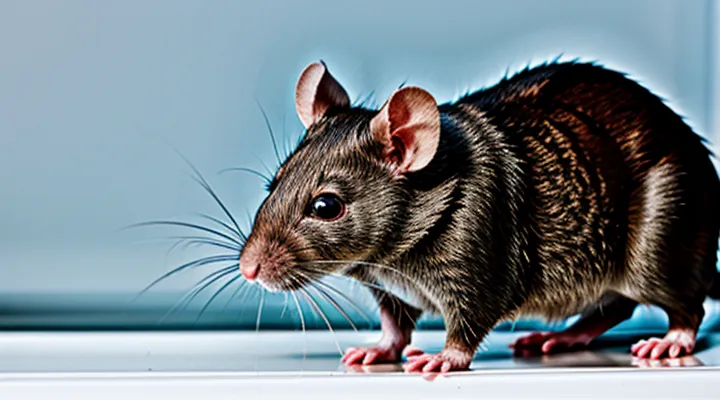
Understanding Normal Rat Body Temperature
What is Normal Body Temperature?
Normal body temperature refers to the stable core temperature maintained by a healthy adult rat when environmental conditions are controlled and the animal is at rest. This physiological set point reflects the balance between metabolic heat production and heat loss mechanisms.
Typical core temperature for laboratory rats falls between 36.5 °C and 38.5 °C (97.7 °F–101.3 °F). Values outside this interval often indicate stress, disease, or experimental manipulation. The precise range can shift according to:
- Strain (e.g., Sprague‑Dawley vs. Wistar)
- Age (juvenile animals exhibit slightly lower values)
- Sex (females may show modest fluctuations during estrous cycles)
- Ambient temperature and humidity
- Time of day (circadian rhythm produces a 0.3 °C–0.5 °C variation)
Temperature is most accurately recorded with rectal thermometers, implanted telemetry devices, or infrared sensors calibrated for rodent physiology. Rectal probes provide immediate readings but can be stressful; telemetry offers continuous, minimally invasive data; infrared methods allow rapid, non‑contact assessment but require validation against core measurements.
Establishing the normal thermal baseline is essential for interpreting experimental outcomes, calibrating equipment, and ensuring animal welfare. Deviations from the expected range serve as early indicators of physiological disturbance, guiding interventions and data analysis.
Why is Body Temperature Important in Rats?
Physiological Significance
The typical core temperature of laboratory rats, averaging around 37 °C, underpins fundamental physiological processes. Precise thermal regulation sustains enzymatic activity, ensuring reaction rates remain within optimal ranges. Deviations impair metabolic pathways, alter substrate turnover, and shift energy balance.
Thermoregulation influences immune competence. Stable temperatures promote leukocyte proliferation, cytokine production, and pathogen clearance. Fluctuations suppress these mechanisms, increasing susceptibility to infection and affecting disease progression.
Neural and behavioral functions depend on consistent body heat. Temperature stability maintains synaptic transmission fidelity, modulates neurotransmitter release, and supports circadian rhythm synchronization. Disruption leads to altered locomotion, feeding patterns, and stress responses.
In experimental settings, the rat’s thermic set point serves as a benchmark for:
- Assessing drug‑induced hyper‑ or hypothermia
- Evaluating environmental stressors
- Standardizing physiological baselines across studies
Thus, the maintenance of a normal thermal state is integral to accurate data interpretation, reproducibility, and the translation of findings to broader biological contexts.
Research Implications
Understanding the typical core temperature of laboratory rats provides a reference point for experimental design, data interpretation, and translational relevance. Precise baseline values enable researchers to differentiate physiological responses from pathological alterations induced by interventions, drugs, or environmental stressors.
Accurate thermal baselines support the following research considerations:
- Calibration of thermal imaging and telemetry devices, ensuring measurement fidelity across studies.
- Determination of dose‑response relationships for compounds affecting thermogenesis, where deviations from norm indicate efficacy or toxicity.
- Standardization of housing conditions, such as ambient temperature and bedding, to minimize confounding variables.
- Comparative analyses between species, facilitating extrapolation of rodent findings to human physiology.
- Integration into metabolic modeling, where core temperature influences basal metabolic rate calculations.
When baseline thermoregulation data are incorporated into protocols, reproducibility improves, statistical power increases, and ethical compliance is enhanced by reducing unnecessary animal use. Consequently, the establishment of reliable temperature norms constitutes a foundational element for robust biomedical investigations.
Factors Influencing Rat Body Temperature
Environmental Factors
Ambient Temperature
Ambient temperature directly influences the thermal balance of laboratory rats. When the surrounding air is cooler than the animal’s set point, heat production increases through shivering and non‑shivering thermogenesis; when it is warmer, heat loss mechanisms such as vasodilation and panting become dominant. Consequently, the measured core temperature reflects both intrinsic regulation and external thermal conditions.
Experimental protocols that aim to determine typical physiological temperature in rats must control ambient temperature within a narrow range. Recommended settings for adult rodents are 20 °C ± 2 °C for standard housing and 22 °C ± 1 °C for metabolic studies. Deviations of more than 3 °C produce measurable shifts in core temperature, often exceeding 0.5 °C.
Key considerations for ambient temperature management include:
- Calibration of cage‑level thermometers before each experiment.
- Continuous monitoring of room temperature with data‑loggers.
- Use of heating pads or climate chambers only when required by the study design.
- Allowing a minimum 30‑minute acclimation period after any temperature change before recording physiological data.
Failure to maintain stable ambient conditions introduces variability that can obscure true differences in thermoregulatory responses. Precise temperature control, combined with consistent measurement techniques, ensures reliable assessment of rat body temperature under experimental conditions.
Humidity
Ambient humidity directly modifies heat exchange between rats and their environment, altering the temperature measured at the skin and core. High relative humidity reduces evaporative cooling, causing a modest increase in core temperature, while low humidity enhances heat loss, leading to lower readings. Experimental protocols that aim to maintain a consistent physiological temperature in rodents must therefore control ambient moisture levels within a narrow range (typically 40–60 % RH) to prevent systematic bias.
Humidity also influences the accuracy of temperature acquisition devices. Thermocouples and infrared sensors calibrated in dry air may drift when exposed to moist conditions, producing errors of up to 0.3 °C. Routine calibration checks should be performed under the same humidity settings used during animal monitoring, and sensor housings should incorporate moisture‑resistant barriers when possible.
Key considerations for managing humidity in temperature studies with rats:
- Set chamber humidity to 45–55 % RH for baseline thermoregulatory measurements.
- Record humidity continuously alongside temperature to enable post‑hoc correction.
- Validate that bedding, water bottles, and food trays do not introduce localized moisture spikes.
- Adjust ventilation rates to maintain stable humidity without creating drafts that could affect thermal readings.
Adhering to these practices ensures that moisture‑related variations do not confound assessments of the rats’ standard thermal state.
Housing Conditions
Housing conditions exert a direct influence on the thermoregulatory baseline of laboratory rats. Ambient temperature, humidity, and ventilation determine heat exchange between the animal and its environment. Maintaining a stable room temperature of 20‑24 °C, relative humidity of 45‑55 %, and continuous airflow prevents deviations from the species‑specific core temperature range of approximately 36.5‑38 °C. Sudden fluctuations in any of these parameters cause measurable shifts in surface and rectal temperatures, potentially confounding experimental outcomes.
Cage design further modulates thermal balance. Solid‑bottom cages with appropriate bedding thickness (1‑2 cm of absorbent material) provide insulation while allowing heat dissipation. Overcrowding elevates metabolic heat production; a maximum of 2–3 adult rats per standard cage (≈ 450 cm² floor space per animal) preserves individual thermal homeostasis. Routine cleaning schedules must avoid excessive moisture, which can lower evaporative cooling efficiency and raise ambient humidity beyond optimal levels.
Key housing variables affecting rat thermoregulation:
- Ambient temperature control (±0.5 °C stability)
- Relative humidity regulation (45‑55 %)
- Continuous ventilation (minimum 15 air changes per hour)
- Bedding depth and material (absorbent, low thermal conductivity)
- Stocking density (≤ 3 rats per standard cage)
- Cage cleaning frequency (prevent excess moisture accumulation)
Internal Factors
Age
Age significantly influences baseline core temperature in laboratory rats. Neonatal rodents (post‑natal day 1–7) maintain rectal temperatures between 35.5 °C and 36.8 °C, reflecting limited thermogenic capacity and reliance on maternal warmth. Juvenile animals (post‑natal day 21–42) exhibit a rise to 36.8 °C–38.0 °C as brown adipose tissue activity increases and shivering mechanisms mature. Adult rats (3–12 months) stabilize at 37.5 °C–38.5 °C, the range most commonly reported for healthy specimens under standard housing conditions. Senescent individuals (≥24 months) display a modest decline, with measurements clustering around 36.8 °C–37.6 °C, attributable to reduced metabolic rate and impaired hypothalamic set‑point regulation.
Key physiological factors underlying these age‑related shifts include:
- Developmental maturation of hypothalamic thermoregulatory nuclei.
- Expansion and subsequent involution of brown adipose tissue.
- Age‑dependent alterations in peripheral vasomotor tone.
- Changes in thyroid hormone secretion affecting basal metabolic heat production.
Experimental protocols must adjust ambient temperature and handling procedures according to the age group. For example, neonatal pups require additional warming during cage cleaning to prevent hypothermia, whereas aged rats may benefit from slightly elevated room temperature to offset their lower thermogenic response. Failure to account for age‑specific thermal profiles can introduce systematic bias in pharmacological or metabolic studies that rely on precise temperature control.
Strain and Genetic Background
Strain identity and genetic lineage exert measurable influence on the baseline core temperature recorded in laboratory rats. Differences emerge even among animals housed under identical environmental conditions, reflecting inherited variations in thermoregulatory physiology.
Commonly used strains display distinct temperature profiles:
- Sprague‑Dawley: average core temperature 38.2 °C (range 37.5–38.8 °C).
- Wistar: average core temperature 38.0 °C (range 37.3–38.6 °C).
- Long‑Evans: average core temperature 38.5 °C (range 37.8–39.1 °C).
- Fischer 344: average core temperature 37.9 °C (range 37.2–38.5 °C).
Genetic background modulates mechanisms such as brown adipose tissue activity, uncoupling protein expression, and hypothalamic set‑point regulation. Allelic variations in genes governing sympathetic tone, thyroid hormone synthesis, and mitochondrial efficiency produce strain‑specific heat production and loss patterns.
Accurate reporting demands explicit documentation of strain, vendor, and generation number. Prior to measurement, allow a minimum of one week for acclimation to the experimental temperature zone. Include ambient temperature, time of day, and handling protocol in the dataset to facilitate reproducibility across laboratories.
Sex
Body temperature regulation in laboratory rodents exhibits measurable differences between males and females. Core temperature averages for adult rats hover around 37 °C, yet systematic variation aligns with sex.
Male rats typically maintain a slightly higher basal temperature than females, with reported means of 37.2 °C versus 36.8 °C under identical ambient conditions. The disparity persists across light‑dark cycles, though the magnitude narrows during the active (dark) phase. Temperature recordings obtained via rectal probes or telemetry confirm a consistent offset of 0.3–0.5 °C.
Endocrine factors underlie these patterns. Estrogen enhances peripheral vasodilation, promoting heat loss and modestly lowering core temperature in females. Conversely, testosterone supports vasoconstriction and metabolic heat production, contributing to the elevated readings observed in males. Gonadectomy experiments demonstrate that removal of sex hormones attenuates the temperature gap, reinforcing hormonal causality.
Experimental protocols must account for sex‑related thermoregulatory variance. Recommendations include:
- Stratify groups by sex or incorporate sex as a covariate in statistical models.
- Record temperature at consistent circadian points to reduce phase‑dependent noise.
- Use telemetry devices for continuous monitoring, minimizing stress‑induced fluctuations.
- Report sex‑specific temperature data alongside aggregate values for transparency.
Acknowledging and controlling for sexual dimorphism in thermoregulation enhances reproducibility and interpretation of physiological studies involving rats.
Circadian Rhythm
Rats exhibit a predictable daily fluctuation in core temperature that aligns with their internal circadian clock. During the active (dark) phase, body temperature rises by 1–2 °C above the resting level observed in the light phase, reaching a peak shortly after the onset of activity. In the resting (light) phase, temperature declines gradually, reaching a nadir in the early morning hours.
The rhythm is driven by the suprachiasmatic nucleus, which synchronizes peripheral thermoregulatory mechanisms through hormonal and autonomic pathways. Key characteristics include:
- Amplitude: The difference between peak and trough temperatures typically ranges from 0.8 to 2.5 °C, depending on strain, age, and ambient conditions.
- Phase: Peak temperature occurs approximately 2–3 hours after lights-off in a standard 12:12 light‑dark cycle.
- Stability: Under constant darkness, the rhythm persists with a period close to 24 hours, confirming endogenous control.
Experimental monitoring requires precise timing and consistent environmental parameters. Recommended practices:
- Record temperature at intervals of 30 minutes or less to capture the full waveform.
- Maintain ambient temperature within ±1 °C of the set point to avoid masking the intrinsic rhythm.
- Use telemetry implants or rectal probes calibrated for small mammals to ensure accuracy.
Disruption of the circadian pattern—through light‑phase feeding, altered photoperiod, or pharmacological manipulation—leads to attenuated amplitude and shifted phase, which can affect metabolic studies and drug efficacy assessments. Recognizing and accounting for this daily temperature cycle enhances the reliability of physiological measurements in rodent research.
Health Status and Disease
Rats maintain a narrow core temperature window, typically between 36.5 °C and 38.5 °C, which serves as a baseline indicator of physiological stability. Deviations from this range provide immediate insight into the animal’s health condition.
A drop below 36 °C signals hypothermia, often linked to acute stress, anesthesia, or systemic infection. Elevations above 39 °C denote hyperthermia, commonly associated with inflammatory responses, fever, or metabolic disturbances. Persistent temperature shifts correlate with compromised organ function and reduced survival probability.
Factors that frequently alter thermal homeostasis include:
- Bacterial or viral infections causing febrile responses
- Sepsis leading to dysregulated heat production
- Thyroid hormone imbalances resulting in chronic temperature drift
- Central nervous system lesions disrupting hypothalamic regulation
- Exposure to extreme ambient temperatures without adequate shelter
Accurate temperature measurement—via rectal probes, telemetry implants, or infrared sensors—enables early detection of pathological states. Continuous monitoring supports timely therapeutic interventions and improves the reliability of experimental outcomes by controlling a critical physiological variable.
Methods for Measuring Rat Body Temperature
Non-Invasive Methods
Infrared Thermometry
Infrared thermometry provides a non‑contact method for assessing the thermal state of laboratory rats during physiological studies. The device detects radiation emitted from the animal’s surface and converts it to temperature values using calibrated emissivity settings that match rodent fur and skin characteristics. Measurements are typically taken from the dorsal or ventral regions, where fur density is minimal, to reduce systematic error.
Key considerations for accurate infrared readings include:
- Calibration of the instrument against a blackbody reference at the expected temperature range (35 °C – 39 °C).
- Adjustment of emissivity values (0.95 – 0.98) to reflect the specific coat color and condition of the rat.
- Maintenance of a stable ambient environment; fluctuations greater than 1 °C can introduce bias.
- Positioning the sensor at a consistent distance (10 cm – 15 cm) and angle (perpendicular to the skin) to avoid geometric distortion.
Infrared thermometry offers rapid data acquisition, minimal stress to the animal, and compatibility with high‑throughput screening protocols. Limitations arise from surface temperature not fully representing core temperature, especially when peripheral vasoconstriction or fur insulation alters heat dissipation. Combining infrared measurements with invasive probes or rectal thermometers can validate surface readings and refine the interpretation of thermoregulatory status in rats.
Telemetry Systems
Telemetry systems enable continuous, high‑resolution monitoring of core temperature in laboratory rodents without restraining the animal. Miniature implantable probes, typically based on thermistor or platinum‑resistance elements, are surgically positioned in the peritoneal cavity, subcutaneous tissue, or near the hypothalamus to capture the physiological temperature that defines the baseline thermal state of rats. The probe connects to a biocompatible telemetry transmitter that converts the resistance signal into a digital output.
Wireless transmitters operate in the 400–600 MHz band, sending data to a receiver array positioned around the animal housing rack. Real‑time streaming eliminates the need for periodic handling, thereby reducing stress‑induced temperature fluctuations and preserving the integrity of the measured thermal profile. Power is supplied by a rechargeable lithium‑ion battery or, in some models, by inductive coupling that recharges the implant while the animal remains in its cage.
Data acquisition software aggregates temperature readings at configurable intervals (e.g., 1 s, 10 s, 1 min), applying drift correction and calibration curves supplied by the manufacturer. Exported datasets are compatible with statistical packages, facilitating longitudinal analysis of thermoregulatory patterns, circadian rhythms, and responses to pharmacological interventions. Automated alerts can be programmed to trigger when temperature deviates from the established normative range (approximately 36.5–38.5 °C for adult rats).
Key considerations for implementing telemetry in thermoregulation studies:
- Probe size and material to match animal weight and minimize tissue reaction.
- Surgical technique ensuring stable placement and minimal infection risk.
- Battery life versus sampling frequency, balancing data granularity with longevity.
- Compatibility of receiver layout with cage design to avoid signal loss.
- Validation of telemetry data against conventional rectal thermometry during system setup.
Invasive Methods
Rectal Thermometry
Rectal thermometry provides the most direct assessment of core temperature in laboratory rats, offering measurements that closely reflect internal thermal status. The technique involves inserting a calibrated probe into the distal rectum, typically 1–2 cm beyond the anal verge, to capture the temperature of the intestinal lumen. Because the rectal environment is insulated from ambient fluctuations, readings remain stable even when external conditions vary.
Key procedural elements include:
- Probe selection: stainless‑steel or thermistor probes with a diameter of 1–2 mm and a response time under 5 seconds.
- Calibration: daily verification against a certified reference thermometer ensures accuracy within ±0.1 °C.
- Restraint: gentle manual restraint or a soft restraining device minimizes stress without compromising probe placement.
- Insertion depth: standardized depth (1.5 cm for adult rats) reduces variability between measurements.
- Recording interval: allow 30–60 seconds after insertion before logging the value to achieve equilibrium.
Typical baseline temperatures for healthy adult rats range from 37.0 °C to 38.5 °C, with slight variations attributable to strain, age, and circadian rhythm. Deviations outside this interval often indicate physiological disturbance, infection, or anesthetic effects, making rectal thermometry a primary diagnostic tool in experimental protocols.
Limitations of the method involve potential mucosal irritation, the requirement for brief handling, and the need for consistent insertion depth. Mitigation strategies include using lubricated probes, limiting measurement frequency to no more than once per hour, and training personnel in humane handling techniques. Despite these constraints, rectal thermometry remains the reference standard for establishing and monitoring rat core temperature in research settings.
Implantable Probes
Implantable probes enable continuous monitoring of core temperature in laboratory rats, providing high‑resolution data essential for physiological studies. Thermistor and platinum‑resistance (PT100) probes are the most common devices; both deliver precise temperature readings when calibrated against a certified reference bath. Calibration curves should be generated before each experiment to correct for drift and ensure accuracy within ±0.1 °C.
Probe insertion typically follows a sterile surgical protocol. After induction of anesthesia, a small incision is made over the dorsal or abdominal region, and the sensor is positioned in the peritoneal cavity or subcutaneous tissue. The probe is secured with sutures or tissue glue to prevent migration. Post‑operative analgesia and monitoring reduce stress‑induced hyperthermia, which could otherwise confound measurements.
Data acquisition systems sample at rates of 1–10 Hz, allowing detection of rapid thermal fluctuations associated with circadian cycles, pharmacological interventions, or environmental challenges. Wireless telemetry units eliminate tethering, minimizing restraint‑related artifacts and enabling long‑term studies in freely moving animals.
Key considerations for reliable temperature recordings include:
- Probe size: Select a diameter compatible with the animal’s body mass to avoid tissue damage.
- Material biocompatibility: Use medical‑grade silicone or polyimide coatings to prevent inflammatory responses.
- Cable length and routing: Ensure sufficient slack to accommodate animal movement without exerting tension on the implant site.
- Power management: For battery‑operated telemetry, schedule regular recharging or replacement to maintain signal integrity.
When correctly implemented, implantable temperature sensors provide robust baseline thermal profiles, supporting investigations into metabolic regulation, disease models, and drug effects without compromising animal welfare.
Deviations from Normal Body Temperature
Hypothermia
Causes of Hypothermia
Rats maintain a narrow thermoregulatory baseline, typically 37–38 °C, through metabolic heat production and peripheral vasomotor control. Temperatures falling markedly below this range constitute hypothermia, a condition that compromises physiological function and experimental outcomes.
- Exposure to ambient temperatures below the thermoneutral zone (≤ 20 °C) without supplemental heating.
- Prolonged anesthesia or sedation, which depresses central thermoregulatory centers and reduces shivering.
- Metabolic disorders such as hypothyroidism or impaired mitochondrial function that limit endogenous heat generation.
- Septic or inflammatory processes that trigger vasodilation and heat loss.
- Traumatic injury with hemorrhage, leading to reduced perfusion and heat dissipation.
- Administration of drugs that interfere with brown adipose tissue activity (e.g., β‑adrenergic antagonists).
- Advanced age, where diminished muscle mass and altered vasomotor responses impair heat retention.
- Malnutrition or fasting, decreasing substrate availability for thermogenesis.
- Dehydration, reducing plasma volume and impairing heat distribution.
Accurate temperature monitoring and environmental control are essential to prevent hypothermia, ensuring that physiological measurements reflect the intended baseline rather than temperature‑induced artifacts.
Effects of Hypothermia
Hypothermia in laboratory rats, defined as a core temperature below the species‑specific baseline (approximately 37 °C), triggers rapid physiological adjustments. Vascular tone increases, producing peripheral vasoconstriction that conserves heat but raises systemic vascular resistance. Cardiac output declines as heart rate slows, while stroke volume may initially rise to maintain perfusion. Metabolic rate drops proportionally to the temperature reduction, leading to decreased oxygen consumption and suppressed aerobic respiration.
Neural activity is altered; synaptic transmission slows, and conduction velocity in peripheral nerves diminishes. Behavioral responses include reduced locomotion and diminished exploratory behavior, reflecting both energy conservation and impaired sensorimotor function. Hormonal balance shifts toward elevated catecholamines and cortisol, supporting stress adaptation but potentially confounding experimental outcomes.
Immunological functions become compromised. Leukocyte trafficking slows, phagocytic activity declines, and cytokine production is attenuated, increasing susceptibility to infection. Renal blood flow contracts, reducing glomerular filtration rate and concentrating urine, which may affect drug clearance.
Key experimental implications:
- Baseline temperature must be monitored continuously; deviations of 1 °C affect heart rate by ~10 bpm.
- Thermoregulatory interventions (e.g., heating pads) should be calibrated to avoid overshoot, which can mask hypothermic effects.
- Data interpretation requires adjustment for temperature‑dependent enzymatic kinetics, particularly in pharmacokinetic studies.
- Ethical protocols must address prolonged hypothermia, as it elevates mortality risk beyond 24 h at temperatures <33 °C.
Hyperthermia
Causes of Hyperthermia
Rats maintain a narrow core temperature range through precise physiological control; deviations above this range constitute hyperthermia, a condition that can compromise experimental outcomes and animal welfare.
Key factors that elevate body temperature in rodents include:
- Environmental heat load – ambient temperatures exceeding the thermoneutral zone, direct sunlight, or poorly ventilated housing.
- Metabolic stimulation – intense physical activity, stress‑induced catecholamine release, or pharmacological agents that increase basal metabolic rate.
- Infection and inflammation – bacterial endotoxins, viral replication, or inflammatory cytokine cascades trigger febrile responses.
- Neurochemical disruption – lesions or drugs affecting hypothalamic thermoregulatory centers impair heat dissipation.
- Endocrine abnormalities – hyperthyroidism or adrenal excess raise systemic metabolic heat production.
- Toxin exposure – heavy metals, certain pesticides, and anesthetic gases interfere with vasomotor control and heat loss mechanisms.
Recognition of these triggers enables researchers to adjust housing conditions, monitor physiological parameters, and select appropriate interventions, thereby preserving the integrity of temperature‑dependent studies.
Effects of Hyperthermia
Rats maintain a core temperature near 36.5–38 °C under standard laboratory conditions. Temperatures above this interval constitute hyperthermia and trigger measurable physiological disturbances.
When body heat exceeds the normal range, metabolic demand rises sharply, driving increased oxygen consumption and substrate utilization. Cardiovascular function responds with elevated heart rate and peripheral vasodilation, yet sustained tachycardia can reduce stroke volume and compromise tissue perfusion. Neural activity becomes dysregulated; elevated temperatures impair synaptic transmission, reduce action‑potential fidelity, and may precipitate seizures at extreme levels. Oxidative stress intensifies as mitochondrial electron transport efficiency declines, generating excess reactive oxygen species that damage lipids, proteins, and DNA. Immune parameters shift, with cytokine profiles favoring pro‑inflammatory mediators and leukocyte trafficking altered.
Key effects of hyperthermia in rats:
- Accelerated basal metabolic rate (≈10–15 % per °C rise)
- Increased cardiac output and reduced peripheral resistance
- Impaired hippocampal long‑term potentiation and altered behavioral responses
- Elevated plasma corticosterone and inflammatory cytokines (IL‑1β, TNF‑α)
- Enhanced lipid peroxidation and depletion of antioxidant reserves (glutathione, superoxide dismutase)
Experimental protocols that induce hyperthermia are employed to model fever, heat‑stroke, or stress‑related disorders. Elevated temperature modifies drug absorption, distribution, metabolism, and excretion, necessitating dose adjustments and careful interpretation of pharmacodynamic data. Behavioral assays conducted under hyperthermic conditions may reflect altered motivation, locomotion, or anxiety, influencing outcome validity.
Researchers must monitor core temperature continuously, define precise hyperthermic thresholds, and incorporate temperature‑controlled control groups. Failure to account for hyperthermia‑induced alterations can confound data interpretation and reduce reproducibility across studies.
Maintaining Thermal Homeostasis in Rats
Regulatory Mechanisms
Behavioral Thermoregulation
Rats maintain a narrow core temperature range through coordinated actions that adjust heat gain and loss without relying on metabolic changes alone. Behavioral thermoregulation involves selecting microenvironments, modifying posture, and altering activity patterns to match ambient conditions.
Typical strategies include:
- Seeking warm or cool surfaces such as bedding, metal grids, or water containers.
- Adjusting body posture: curling to reduce exposed surface area when cold, spreading limbs to increase heat dissipation when warm.
- Changing locomotor activity: increasing movement to generate heat during cold exposure, reducing activity to conserve energy in heat.
- Engaging in social huddling: clustering with conspecifics to share warmth, dispersing when ambient temperature rises.
These actions allow rats to preserve a stable internal temperature close to the species‑specific set point, ensuring optimal physiological function and experimental reliability.
Physiological Thermoregulation
Thermoregulation in laboratory rodents maintains a narrow core temperature range despite fluctuations in ambient conditions. The hypothalamic preoptic area detects deviations from the set point through temperature‑sensitive neurons and initiates corrective responses. Autonomic effectors adjust heat production and loss:
- Brown adipose tissue oxidation increases via sympathetic stimulation when core temperature falls.
- Cutaneous vasoconstriction reduces heat dissipation during cold exposure.
- Sweating is absent; heat removal relies on panting and evaporative cooling of the respiratory tract.
- Shivering thermogenesis activates skeletal muscle fibers under central control.
Behavioral strategies complement physiological mechanisms. Rats seek shelter, alter posture, and adjust nest material to modify microenvironmental temperature. Circadian rhythms influence the set point, with a modest elevation during the active (dark) phase.
Environmental factors that perturb thermoregulatory balance include housing temperature, humidity, and cage density. Accurate assessment of baseline core temperature requires rectal or telemetry probes calibrated for the species’ typical range of 36.5–38.5 °C. Deviations beyond this interval indicate dysregulation and may confound experimental outcomes.
Experimental Considerations
Anesthesia and Analgesia
Anesthesia depresses thermoregulatory mechanisms in rodents, leading to rapid decline of core temperature when ambient conditions are not controlled. Loss of shivering, vasoconstriction, and metabolic heat production occur within minutes of induction, making temperature maintenance a prerequisite for reliable physiological measurements. Analgesic agents can further modify heat production; opioids reduce sympathetic tone, whereas non‑steroidal anti‑inflammatory drugs have minimal impact on thermogenesis but may affect renal heat loss.
Effective temperature management during surgical procedures in rats includes:
- Pre‑warming the animal for 10–15 minutes with a forced‑air device set to 38 °C.
- Using a circulating water blanket or heating pad calibrated to 37 °C, verified with a rectal probe.
- Monitoring core temperature continuously with a digital thermistor; intervene when values drop below 36 °C.
- Adjusting anesthetic depth to the lowest level that provides surgical immobility, thereby limiting thermoregulatory suppression.
- Selecting analgesics that do not exacerbate hypothermia; for example, combining a low‑dose opioid with a peripheral nerve block can reduce systemic opioid requirements.
Experimental protocols that report baseline thermal values must document the anesthetic regimen, analgesic schedule, and temperature control measures. Failure to standardize these variables introduces bias into studies of physiological temperature regulation, as even modest hypothermia (≤1 °C) can alter metabolic rate, cardiovascular function, and drug metabolism. Maintaining a stable thermal environment therefore ensures that observed temperature changes reflect the experimental manipulation rather than anesthetic‑induced drift.
Experimental Protocols
Accurate assessment of baseline thermoregulation in laboratory rodents requires a rigorously defined experimental framework. The protocol begins with a minimum seven‑day acclimation period during which animals are housed at a constant ambient temperature of 22 ± 1 °C, 12 h light/dark cycle, and provided ad libitum access to standard chow and water. Environmental parameters are recorded daily to verify stability.
The measurement phase employs either calibrated rectal probes or implantable telemetry devices, depending on study design. For rectal recordings, a lubricated probe (diameter 1.5 mm) is inserted to a depth of 2 cm, and temperature is logged after a 30‑second equilibration period. Telemetry implants are positioned in the peritoneal cavity under isoflurane anesthesia; post‑operative recovery includes analgesia and a 48‑hour observation window before data collection. Continuous telemetry data are sampled at 1 Hz and averaged over 5‑minute intervals.
Key procedural elements include:
- Animal handling: Perform all manipulations with gloved hands, limit restraint time to under 60 seconds, and conduct measurements at the same circadian phase (mid‑light period) to reduce variability.
- Anesthetic considerations: Avoid agents that depress thermoregulatory set‑point; if anesthesia is required, maintain body temperature with a heated pad and monitor core temperature throughout.
- Data integrity: Record ambient temperature, humidity, and animal body weight concurrently with each core temperature reading. Exclude values deviating >0.5 °C from the within‑subject mean unless justified by physiological events.
- Statistical analysis: Apply mixed‑effects models to account for repeated measures, and report mean ± standard error of the mean. Verify normality of residuals before parametric testing.
Final documentation comprises a detailed log of housing conditions, equipment calibration certificates, and a complete dataset with timestamps. Adherence to these steps ensures reproducible determination of normal thermic baselines in rat models.