
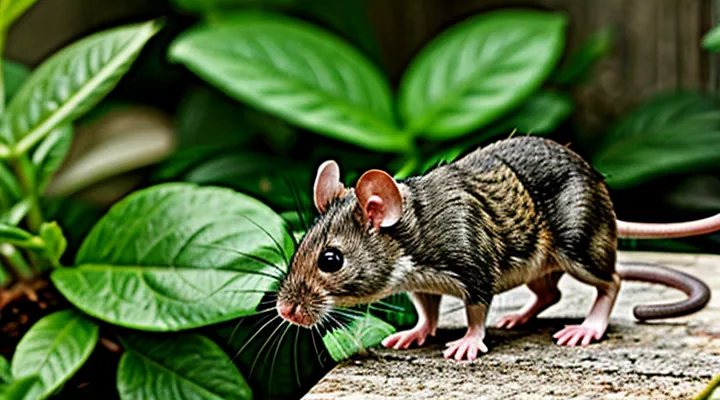
Understanding Pest Repellers
Types of Repellers
Ultrasonic Repellers
Ultrasonic repellers emit high‑frequency sound waves that are inaudible to humans but disturb the nervous systems of rodents and insects. The devices operate continuously, creating an environment that discourages pests from entering or remaining in the treated area.
Effectiveness depends on several variables. Frequency range, sound intensity, and coverage area are primary technical specifications. Devices that cover a radius of at least 20 feet and produce frequencies between 20 kHz and 65 kHz tend to produce measurable reductions in activity for common house mice, Norway rats, and a broad spectrum of insects. Laboratory tests show that species with hearing thresholds above 20 kHz respond most consistently.
Selection criteria
- Frequency spectrum – choose models offering multiple frequency bands to address different pest species.
- Power output – higher decibel levels increase penetration through furniture and walls.
- Coverage radius – match the device’s effective zone to the size of the room or outdoor space.
- Power source – plug‑in units provide stable operation; battery‑powered models offer portability but may have limited runtime.
- Certifications – verify compliance with safety standards such as FCC and CE to ensure electromagnetic compatibility.
Limitations are inherent. Ultrasonic waves lose intensity through solid barriers, reducing effectiveness in cluttered rooms. Some rodent populations may habituate after prolonged exposure, diminishing deterrent effect. Insect species lacking auditory receptors, such as cockroaches, exhibit little response.
Safety considerations include placing units away from pet habitats, as small mammals and certain birds can perceive ultrasonic frequencies and may experience stress. Avoid mounting devices near infant cribs or areas where hearing‑sensitive individuals are present.
Installation best practices
- Position the emitter at a height of 4–6 feet for optimal dispersion.
- Ensure unobstructed line of sight between the device and target zones.
- Use multiple units for large or irregularly shaped spaces, overlapping coverage zones by 10–15 percent to eliminate blind spots.
- Replace units according to manufacturer recommendations, typically every 2–3 years, to maintain output consistency.
When combined with sanitation measures and physical barriers, ultrasonic repellers form a non‑chemical component of an integrated pest‑management strategy. Their utility lies in continuous, silent operation that minimizes human exposure to toxins while targeting a wide range of nuisance species.
Electromagnetic Repellers
Electromagnetic repellers emit high‑frequency pulses that create an invisible field deterring mice, rats, and insects without chemicals or traps. The technology relies on rapid changes in magnetic flux, which irritate the nervous systems of small pests, prompting them to vacate the area.
Key advantages include:
- No residue or odor, preserving indoor air quality.
- Continuous operation without consumables, reducing maintenance costs.
- Compatibility with pets and children when devices meet safety certifications.
Selection criteria focus on measurable parameters rather than marketing claims:
- Field strength measured in milligauss (mG) at a defined distance; higher values cover larger zones.
- Effective radius, typically expressed in square feet; ensure overlap for comprehensive coverage.
- Frequency range, usually between 10 kHz and 50 kHz; certain species respond more strongly to specific bands.
- Power source, distinguishing plug‑in models from battery‑operated units; consider energy consumption and placement flexibility.
- Certification labels such as UL or CE, confirming compliance with electromagnetic emission standards.
Installation best practices:
- Position devices centrally within the target area, avoiding metal obstructions that can shield the field.
- Maintain a minimum clearance of 12 inches from water sources to prevent corrosion.
- Verify continuous power supply; intermittent operation diminishes efficacy.
Potential limitations involve species variation; some insects, such as cockroaches, exhibit reduced sensitivity to electromagnetic fields, requiring supplemental control methods. Additionally, dense wall constructions can attenuate the field, necessitating additional units for multi‑room environments.
Sonic Repellers
Sonic repellers emit ultrasonic or high‑frequency sounds that are inaudible to humans but irritating to rodents and many insects. The device generates waves typically between 20 kHz and 65 kHz, targeting the auditory sensitivity of mice, rats, and common household pests such as cockroaches and ants. Continuous emission creates an environment that discourages habitation without chemical residues.
Effectiveness depends on several factors:
- Frequency range matched to target species
- Sound intensity (measured in dB SPL) sufficient to reach hidden nesting areas
- Coverage radius, usually 30–50 ft for a single unit
- Placement near entry points, walls, or concealed spaces
- Power source reliability; battery models may lose output over time, while plug‑in units provide constant performance
Limitations include reduced impact on mature rodents that have adapted to the sound, diminished efficacy in open, noisy environments, and potential interference with pets that can hear higher frequencies. Compliance with local regulations is essential; some jurisdictions restrict ultrasonic emissions in residential settings.
When selecting a sonic deterrent, verify manufacturer specifications for frequency spectrum, advertised coverage, and warranty terms. Compare independent test results, if available, to confirm claims. Integrate the device with complementary methods—such as physical barriers or bait stations—to achieve comprehensive pest control.
Natural and Chemical Repellents (Brief Mention for Contrast)
When evaluating deterrents, the first category consists of plant‑derived or mineral substances that repel without synthetic chemicals. Peppermint oil, clove oil, and dried lavender release volatile compounds that irritate the olfactory receptors of rodents and insects, discouraging entry into treated zones. Ultrasonic emitters, though technically electronic, broadcast frequencies that mimic natural predator sounds, offering a non‑chemical alternative. These options are biodegradable, pose minimal risk to pets and humans, and comply with most organic‑certification standards.
The second category includes formulations based on synthetic active ingredients such as pyrethroids, chlorpyrifos, and rodenticides containing anticoagulants. These chemicals create a lethal or incapacitating effect after contact or ingestion, providing rapid population reduction. Application methods range from spray concentrates to bait stations, each demanding strict adherence to label instructions and safety protocols to avoid unintended exposure.
Key contrasts:
- Mechanism – natural repellents act through avoidance; chemicals act through toxicity.
- Persistence – plant oils degrade within days; synthetic residues can remain for weeks or months.
- Safety – natural products generally safe for non‑target species; chemicals require protective equipment and restricted access.
- Regulation – natural options face fewer legal restrictions; chemical products often require registration and licensing.
How They Work
Principles of Ultrasonic Technology
Ultrasonic repellers emit sound waves above the human hearing range, typically 20 kHz to 60 kHz. The emitted frequency determines which pests are affected: mice and rats respond to frequencies near 30 kHz, while many insects react to 40 kHz‑50 kHz. Devices generate continuous or pulsed signals; pulsing reduces habituation by varying the pattern.
Amplitude, measured in decibels (dB SPL), influences penetration distance. A level of 90–100 dB at the source can reach a radius of 3–5 m in open space. Obstacles such as furniture, walls, and flooring absorb or reflect ultrasonic energy, creating dead zones. Effective placement requires positioning the unit centrally and elevating it to avoid floor contact, which dampens transmission.
Species-specific sensitivity is governed by auditory anatomy. Rodents possess a cochlear range extending to 80 kHz, making them susceptible to high‑frequency bursts. Insects rely on mechanoreceptors tuned to specific band‑pass frequencies; mismatched signals produce negligible deterrence. Therefore, multi‑frequency models that cycle through several bands improve coverage across target groups.
Safety considerations include compliance with electromagnetic compatibility standards and avoidance of audible artifacts. Proper shielding prevents interference with nearby electronics, and low‑distortion transducers eliminate audible hum that could disturb occupants.
Common limitations involve habituation, where pests acclimate to a constant tone. Mitigation strategies incorporate random interval modulation and periodic frequency shifts. Environmental factors such as temperature and humidity affect sound speed, slightly altering effective range; manufacturers typically calibrate devices for typical indoor conditions.
When evaluating ultrasonic deterrents for rodents and insects, assess the following criteria:
- Frequency range covering both mammalian and arthropod hearing thresholds
- Adjustable amplitude with documented coverage radius
- Programmable pulse patterns to reduce habituation
- Certified safety and low electromagnetic emissions
- Design that minimizes acoustic dead zones (elevated, unobstructed placement)
Understanding these technical principles enables informed selection of a device that maximizes efficacy while maintaining safety for humans and domestic animals.
Principles of Electromagnetic Technology
Electromagnetic repellent devices generate fields that interfere with the nervous systems of small mammals and insects, causing discomfort and prompting avoidance behavior. The core principle relies on high‑frequency, low‑amplitude waves that do not affect humans or pets but create an environment unsuitable for pests. Devices typically employ a coil or antenna to emit a continuous electromagnetic spectrum tuned to frequencies known to trigger sensory receptors in rodents and insects.
Effective selection of a repeller requires evaluation of three technical factors:
- Frequency range: devices operating between 10 kHz and 100 kHz are most effective against mice and rats, while frequencies above 100 kHz target insects such as flies and moths.
- Field strength: measured in milligauss (mG), the intensity must exceed the sensory threshold of the target species without surpassing safety limits for human exposure (generally below 0.5 mG at a one‑meter distance).
- Power source and coverage area: battery‑powered units provide portability but may deliver lower field strength; mains‑connected models offer broader coverage, often specified in square meters.
Additional specifications influence performance:
- Adjustable frequency modules allow users to fine‑tune emissions for mixed infestations.
- Automatic shut‑off timers conserve energy and reduce continuous exposure.
- Certified compliance with electromagnetic safety standards (e.g., FCC Part 15, IEC 60601‑2‑33) ensures legal operation and minimal risk.
When comparing products, prioritize devices that disclose precise frequency and field strength data, provide clear coverage metrics, and include safety certifications. Verify that the design incorporates shielding to prevent electromagnetic interference with nearby electronics. Selecting a model that aligns with these criteria maximizes repellent efficacy while maintaining compliance with health and safety regulations.
Principles of Sonic Technology
Sonic repellents rely on ultrasonic or audible sound waves that target the auditory sensitivity of rodents and insects. The technology converts electrical energy into acoustic energy through a transducer, producing frequencies typically above 20 kHz for mammals and within the 2–20 kHz range for many insects. Frequency selection follows species‑specific hearing curves; mice and rats respond to 20–65 kHz, while common household insects react to 5–15 kHz. Devices must emit a broad spectrum or multiple tones to cover overlapping sensitivity bands.
Key operational parameters:
- Frequency range: Determines which pests are affected; higher frequencies avoid human perception.
- Amplitude (sound pressure level): Must exceed the species’ hearing threshold, usually 80–100 dB SPL at the source, while remaining safe for occupants.
- Modulation pattern: Continuous tones can lead to habituation; intermittent or sweeping frequencies maintain effectiveness.
- Propagation medium: Air density and temperature influence attenuation; placement near open spaces maximizes coverage.
- Power consumption: Efficient drivers and low‑impedance transducers reduce energy use, enabling battery operation.
Safety considerations include compliance with occupational noise standards, preventing interference with pet hearing, and ensuring electromagnetic compatibility. Design choices such as sealed enclosures, heat‑dissipating components, and fail‑safe circuitry extend device lifespan and reliability.
When evaluating a sonic repeller, assess the match between emitted frequencies and target pest audiograms, verify measurable SPL at typical room distances, and confirm that modulation schemes resist habituation. These principles guide the selection of a system that delivers consistent acoustic deterrence while meeting safety and energy criteria.
Pros and Cons of Each Type
Ultrasonic Repellers: Advantages and Disadvantages
Ultrasonic repellers emit high‑frequency sound waves that are inaudible to humans but intended to deter mice, rats, and various insects. The device typically contains a transducer that converts electrical signals into acoustic energy, creating a zone where pests experience discomfort and avoid the area.
Advantages
- No chemical agents, eliminating risk of residue or poisoning.
- Silent operation for occupants, preserving a peaceful environment.
- Simple installation, often requiring only a power outlet or battery.
- Low maintenance; most units function for years without parts replacement.
Disadvantages
- Effectiveness varies among species; some rodents quickly habituate to the sound.
- Physical barriers such as walls and furniture can limit the propagation of ultrasonic waves, creating blind spots.
- Lack of standardized testing makes performance claims difficult to verify.
- Battery‑powered models may suffer reduced output as power drains, compromising efficacy.
When evaluating an ultrasonic solution, verify the coverage radius, frequency range, and warranty terms. Compare independent test results, if available, to ensure the device delivers consistent output over its expected lifespan. Selecting a model that aligns with the specific pest profile and environmental layout maximizes the likelihood of successful control.
Electromagnetic Repellers: Advantages and Disadvantages
Electromagnetic devices generate high‑frequency fields that deter rodents and insects without chemical agents. The technology relies on rapid pulse emissions that create an uncomfortable environment for pests, prompting them to vacate the area.
Advantages
- Immediate effect after activation
- No residues, safe for food‑storage zones
- Low maintenance; most units operate continuously on a single power source
- Compatible with indoor and outdoor installations
Disadvantages
- Limited range; effectiveness declines beyond a few meters
- Some species develop tolerance, reducing long‑term impact
- Requires reliable electricity; power outages render the system inactive
- Initial cost higher than basic traps or bait stations
When evaluating pest‑control options, consider the size of the target area, availability of power, and the specific pest species to determine whether an electromagnetic solution aligns with the overall strategy.
Sonic Repellers: Advantages and Disadvantages
Sonic repellers emit ultrasonic or audible frequencies that deter rodents and insects without chemicals. The technology relies on the premise that pests experience discomfort or disorientation when exposed to specific sound ranges, prompting them to vacate treated areas.
Advantages
- No toxic substances, eliminating health risks for humans and pets.
- Minimal maintenance; devices operate continuously after a single installation.
- Silent to most occupants; ultrasonic models produce no audible noise.
- Portable units allow placement in multiple locations, adapting to changing infestation patterns.
- Energy consumption is low, typically under 5 W per device.
Disadvantages
- Effectiveness varies by species; some rodents develop tolerance to the emitted frequencies.
- Physical barriers such as walls, furniture, and insulation reduce sound propagation, creating blind spots.
- Lack of empirical consensus; laboratory results often differ from field performance.
- Devices may interfere with pet hearing if frequencies fall within canine or feline audible ranges.
- Battery‑powered models require periodic replacement, increasing long‑term cost.
When evaluating ultrasonic deterrents, consider the target pest’s hearing sensitivity, the layout of the environment, and the presence of non‑target animals. Pairing sonic units with complementary methods—such as sealing entry points or employing bait stations—enhances overall control efficacy.
Factors to Consider Before Buying
Target Pests
Mice and Rats
Mice and rats differ in size, foraging habits, and nesting preferences, which directly affect the effectiveness of a repellent device. Mice, typically 2–4 inches long, exploit small openings and are attracted to grain, paper, and insulation. Rats, ranging from 7 inches to over a foot, can gnaw through thicker materials, cause extensive structural damage, and contaminate food sources with urine and droppings.
When selecting a repellent, evaluate the following factors:
- Mode of action – ultrasonic emitters disrupt rodent hearing, electromagnetic fields interfere with nervous systems, and chemical agents (e.g., peppermint oil) create aversive scents; each method varies in efficacy across species.
- Coverage radius – ensure the device’s advertised effective area matches the size of the infested zone; overlapping units may be necessary for larger spaces.
- Power supply – battery‑operated units provide portability but may require frequent replacement; plug‑in models deliver continuous output but limit placement to reachable outlets.
- Safety certifications – devices complying with FCC, CE, or UL standards reduce risk of interference with other electronics and confirm humane operation.
- Durability – weather‑resistant housings extend use to garages, basements, and attics where rodents frequently reside.
Confirm that the chosen system addresses both mouse and rat behavior, provides sufficient coverage for the targeted environment, and meets regulatory safety standards. Continuous monitoring of activity levels after installation will indicate whether additional units or alternative technologies are required.
Insects (Mosquitoes, Cockroaches, Spiders)
When selecting a deterrent that must address rodents and insects, the insect component requires distinct evaluation. Mosquitoes, cockroaches, and spiders differ in behavior, habitat, and susceptibility to repellent technologies, so a single solution rarely provides uniform coverage.
Key factors for insect deterrence:
- Mechanism of action – ultrasonic emitters affect mosquitoes and spiders but have limited impact on cockroaches; electromagnetic fields target cockroaches but do not repel flying insects; chemical agents (e.g., pyrethroids) work across all three groups but may pose health concerns.
- Coverage area – indoor units should deliver uniform sound or field distribution; outdoor devices need weather‑proof housing and sufficient range to encompass patios or gardens.
- Safety profile – devices that emit no toxic chemicals are preferable in homes with children or pets; certifications such as UL or CE indicate compliance with safety standards.
- Power source – battery‑operated models provide portability for spot treatment; mains‑powered units ensure continuous operation for larger spaces.
Effective implementation combines complementary technologies. For example, an ultrasonic unit placed in bedrooms can reduce mosquito bites, while a separate electromagnetic trap positioned in kitchens targets cockroach populations. Adding a low‑dose chemical spray around entry points enhances spider control without creating hazardous residues. Selecting products that meet the outlined criteria ensures balanced protection against both rodents and the three insect categories.
Multi-Pest Solutions
Multi‑pest repellent systems combine several mechanisms to deter rodents and insects simultaneously, reducing the need for separate products. Integrated devices often employ ultrasonic frequencies, electromagnetic fields, and attractant‑bait stations within a single unit.
Key technologies include:
- Ultrasonic emitters that generate high‑frequency sound beyond human hearing, disrupting the sensory pathways of mice, rats, and many insects.
- Electromagnetic field generators that interfere with the nervous systems of small pests, causing avoidance behavior.
- Chemical dispensers that release low‑dose repellents or insecticides, targeting species that are less sensitive to sound or electromagnetic stimuli.
- Mechanical traps incorporated into the housing, providing an immediate capture option for rodents that ignore other deterrents.
When selecting a multi‑pest solution, evaluate the following criteria:
- Effective coverage radius measured in square feet; larger areas require higher‑output models.
- Frequency spectrum breadth; broader ranges increase the likelihood of affecting diverse species.
- Power source flexibility—plug‑in, battery, or solar—to match installation constraints.
- Safety certifications for humans and pets, confirming that emitted signals stay within regulated limits.
- Build quality and weather resistance for indoor or outdoor deployment.
- Warranty length and availability of replacement parts, ensuring long‑term reliability.
Regular inspection of device placement, signal strength, and pest activity reports confirms performance. Adjust positioning or supplement with targeted traps if activity persists, maintaining an integrated approach to pest management.
Coverage Area
Small Rooms
Choosing an effective pest deterrent for a compact space requires attention to coverage, power source, technology type, safety, and maintenance. A device must emit sufficient energy to reach all corners of a room typically ranging from 100 ft² to 200 ft². Excessive power can create unnecessary noise; insufficient power leaves gaps where rodents or insects can survive.
Key factors for small rooms:
- Coverage radius – select a model rated for ≤ 250 ft² to avoid overlap with neighboring areas.
- Technology – ultrasonic units target insects and small rodents; electromagnetic devices affect larger rodents; chemical dispensers work for insects only.
- Power supply – plug‑in units guarantee continuous operation; battery‑powered models offer portability but require regular replacement.
- Frequency range – higher frequencies (30‑50 kHz) affect insects; lower frequencies (20‑30 kHz) influence mice and rats.
- Safety certifications – ensure compliance with UL or CE standards to protect occupants and pets.
Safety considerations include verifying that the device does not emit harmful radiation, that it operates within audible limits for humans, and that it incorporates automatic shut‑off if obstructed. Placement near outlets and away from reflective surfaces maximizes effectiveness.
Regular maintenance involves cleaning speaker grills, checking battery levels, and monitoring pest activity for at least two weeks after installation. If activity persists, adjust the device’s position or upgrade to a model with a broader coverage radius.
Multiple Rooms or Whole House
When deciding between a device that serves several rooms and one that protects the entire residence, evaluate coverage area, power source, and placement flexibility. A multi‑room unit typically provides a focused field of ultrasonic or electromagnetic emissions, allowing placement near known entry points such as kitchen cabinets, basement stairways, or attic vents. This approach conserves energy and reduces the risk of interference with neighboring electronics, but it requires strategic positioning to eliminate gaps in protection.
A whole‑house system distributes the repellent signal through a network of emitters or a central unit with a high‑power output. Benefits include uniform protection across all living spaces, fewer installation points, and simplified maintenance. Potential drawbacks are higher electricity consumption, increased cost, and the need to verify that the signal penetrates walls and flooring materials commonly used in the home.
Key criteria for selection:
- Coverage radius: Verify manufacturer specifications for square footage per unit; multiply by the number of rooms to ensure adequate overlap.
- Installation method: Plug‑in models suit rooms with accessible outlets; hard‑wired or battery‑powered units may be preferable for whole‑house integration.
- Signal type: Ultrasonic devices lose effectiveness through solid barriers; electromagnetic models can travel through walls but may affect electronic equipment.
- Adjustability: Units with adjustable frequency ranges allow targeting of specific pests, useful when different species inhabit separate areas.
- Compliance: Confirm that the product meets local safety standards and does not emit levels exceeding regulatory limits.
For homes with distinct problem zones—kitchens, garages, or basements—deploying several targeted devices often yields better results than a single, high‑output system. In contrast, residences with uniform infestation across all spaces benefit from a centralized solution that minimizes blind spots. Align the choice with the layout, pest pressure, and budget constraints to achieve consistent, long‑term deterrence.
Outdoor Areas
Outdoor environments expose properties to rodents, insects, and small mammals that can damage structures, contaminate food sources, and transmit disease. Effective deterrent systems must operate reliably under variable weather, provide coverage for open and landscaped zones, and integrate with existing landscaping without creating hazards for humans or pets.
Critical selection criteria include:
- Weather resistance: Units should possess sealed enclosures, UV‑stable components, and temperature tolerances that match local climate extremes.
- Coverage radius: Choose devices whose advertised effective range exceeds the dimensions of the target area, accounting for obstacles such as fences, shrubs, and stonework.
- Power source: Evaluate solar panels, battery packs, or mains connection based on site accessibility and maintenance capacity.
- Target specificity: Verify that the technology—ultrasonic, electromagnetic, or chemical—affects the intended species while minimizing impact on non‑target wildlife.
- Regulatory compliance: Ensure the product meets local environmental and safety regulations, particularly for chemical emitters.
Ultrasonic emitters deliver high‑frequency sound that rodents and insects cannot tolerate; they require clear line‑of‑sight and may lose potency behind dense vegetation. Electromagnetic devices generate low‑frequency fields that disrupt nervous systems of small mammals; proper grounding and soil conductivity are essential for performance. Chemical repellents, such as granules or sprays, provide immediate deterrence but demand reapplication after rain and careful placement to avoid runoff.
Routine inspection verifies battery health, solar panel cleanliness, and structural integrity of housings. Replace damaged units promptly, and adjust placement if pest activity shifts. Documenting deployment locations and observed efficacy supports ongoing optimization and justifies budget allocations for future upgrades.
Power Source and Installation
Plug-in Devices
Plug‑in repellers combine a power source with a compact housing that fits into a standard electrical outlet. The design eliminates the need for batteries and provides continuous operation as long as the socket supplies electricity. Most models emit ultrasonic waves, electromagnetic fields, or a combination of both to deter rodents and insects. Ultrasonic units generate frequencies above 20 kHz, which mammals cannot hear but are uncomfortable for mice, rats, and many insects. Electromagnetic devices create low‑frequency magnetic fields that interfere with the nervous systems of pests, reducing their activity in the treated area.
When selecting a plug‑in solution, evaluate the following factors:
- Frequency range – Ultrasonic devices should cover multiple frequencies (e.g., 20‑65 kHz) to prevent habituation; broader spectra improve efficacy across species.
- Coverage area – Manufacturers specify square footage; choose a unit whose rating matches the room size or use multiple devices for larger spaces.
- Power consumption – Typical units draw 0.5–2 W; lower consumption reduces electricity cost and heat output.
- Safety features – Look for built‑in overload protection, child‑proof outlets, and compliance with UL or CE standards.
- Adjustability – Models with selectable modes (continuous, timed, or sensor‑activated) allow adaptation to occupancy patterns and energy‑saving schedules.
- Warranty and support – A minimum one‑year warranty and accessible customer service indicate manufacturer confidence in product durability.
Installation requires only insertion into a functioning outlet; avoid using extension cords or surge protectors that might filter the emitted signals. Position devices away from walls and large furniture to prevent acoustic shadowing, which can create untreated zones. For multi‑room coverage, place units at central points where airflow distributes ultrasonic waves effectively.
Maintenance involves occasional cleaning of the exterior to remove dust that could attenuate sound transmission. Replace the unit if performance drops after six to twelve months, as transducers degrade over time. Verify that the device remains within the specified temperature range (typically 0 °C to 40 °C) to maintain consistent output.
Cost considerations include the initial purchase price, usually $20–$80 per unit, and the absence of recurring battery expenses. Higher‑priced models often provide broader frequency ranges, larger coverage, and advanced safety certifications. Balance budget constraints against the required coverage and the presence of multiple pest species to achieve optimal deterrence.
Battery-Operated Devices
Battery‑operated repellers provide portable protection against rodents and insects without the need for wiring. Their compact size allows placement in closets, attics, garages, or outdoor sheds where plug‑in units cannot reach. Because they rely on replaceable or rechargeable cells, they remain functional during power outages and can be moved to new locations as infestation patterns shift.
Key specifications to evaluate when selecting a battery‑driven device:
- Battery type – alkaline (AA, AAA), lithium, or built‑in rechargeable packs. Lithium cells deliver longer life in extreme temperatures; rechargeable packs reduce ongoing costs but require periodic charging cycles.
- Runtime – advertised operating hours at standard output. Devices with a 70‑hour runtime typically use high‑capacity batteries; shorter runtimes may indicate higher ultrasonic intensity or additional scent emitters.
- Frequency range – ultrasonic frequencies between 20 kHz and 65 kHz target different species; some models combine ultrasonic and electromagnetic pulses for broader coverage.
- Coverage area – square footage rating. Verify that the claimed radius matches the intended room size; overlapping units may be necessary for large spaces.
- Safety features – automatic shut‑off when battery voltage drops below a threshold, child‑proof battery compartments, and compliance with FCC or equivalent regulatory standards.
Maintenance requirements are minimal. Replace or recharge batteries according to the manufacturer’s schedule, typically every 2–3 months for alkaline cells and every 6–12 months for rechargeable packs. Clean the exterior with a dry cloth; avoid solvents that could damage acoustic transducers.
When comparing models, prioritize consistent ultrasonic output, verified coverage, and transparent battery‑life data. Devices that disclose exact frequency bands and provide independent test results offer more reliable performance than those relying solely on marketing claims.
Solar-Powered Devices
Solar-powered pest deterrent units draw energy from sunlight, eliminating the need for batteries or wired electricity. They operate continuously in exposed locations, providing reliable protection against mice, rats, and insects without recurring maintenance costs.
Key advantages include:
- Autonomous power supply reduces operational expenses.
- Weather‑resistant construction extends service life in outdoor environments.
- Silent ultrasonic or electromagnetic emission eliminates noise complaints.
- Integrated LED indicators display system status, simplifying diagnostics.
When evaluating solar models, consider the following criteria:
- Solar panel capacity – measured in watts; sufficient output must match the device’s power demand under local sun exposure.
- Battery backup size – determines operation duration during cloudy periods; larger capacity ensures uninterrupted coverage.
- Emission spectrum – verify that ultrasonic frequencies target the specific rodent and insect species present; some devices combine ultrasonic and pheromone release for broader effectiveness.
- Coverage radius – expressed in meters; select a unit that encompasses the entire area requiring protection.
- Durability rating – IP68 or equivalent ensures resistance to rain, dust, and temperature fluctuations.
- Installation flexibility – mounting brackets or stakes should accommodate varied terrain and placement heights.
Proper installation aligns the solar panel toward the sun’s path, avoids shading from structures or foliage, and positions the emitter at the recommended height for optimal pest contact. Routine checks of the LED indicator and occasional cleaning of the panel surface maintain peak performance.
Ease of Setup
When evaluating deterrent devices for rodents and insects, the installation process often determines user satisfaction. A straightforward setup reduces the likelihood of errors and eliminates the need for professional assistance.
Most modern units follow one of three configurations:
- Plug‑in models: Connect directly to an outlet, no wiring required. Placement is limited to areas near power sources, but the process involves a single step—insert the plug and activate the switch.
- Battery‑powered units: Offer flexibility in positioning, especially in locations without accessible outlets. Installation consists of opening the battery compartment, inserting the correct type, and pressing the power button. Battery life indicators simplify maintenance.
- Wireless or smart devices: Pair with a mobile application via Bluetooth or Wi‑Fi. Initial setup includes downloading the app, creating an account, and following on‑screen prompts to link the device. Firmware updates occur automatically, ensuring optimal performance without manual intervention.
Key factors that influence ease of setup:
- Clear instruction manual: Step‑by‑step diagrams, numbered actions, and a troubleshooting section reduce confusion.
- Pre‑configured settings: Devices calibrated at the factory eliminate the need for user calibration of frequency or intensity.
- Mounting hardware: Integrated adhesive pads or snap‑on brackets allow attachment without drills or additional tools.
- Safety interlocks: Child‑proof switches prevent accidental activation during installation.
Choosing a product that aligns with these criteria minimizes time spent on preparation and maximizes immediate effectiveness against mice, rats, and insects.
Safety and Environmental Concerns
Pet Safety
When selecting a device to deter rodents and insects, the potential impact on companion animals must be examined before purchase.
The device should meet the following safety criteria for pets:
- Emits only low‑intensity ultrasonic frequencies that fall outside the hearing range of dogs and cats.
- Contains no chemical agents that could be ingested, inhaled, or cause skin irritation.
- Features a sealed, tamper‑resistant housing to prevent accidental opening or chewing.
- Provides clear labeling of any active ingredients or emitted signals, along with warnings about exposure limits.
Installation guidelines that protect pets include:
- Position the unit at least one meter above floor level or out of reach of climbing animals.
- Avoid placement near pet feeding areas, bedding, or water bowls to reduce inadvertent contact.
- Test the environment for any adverse reactions by observing pet behavior for a minimum of 24 hours after activation.
- Disable the device when the pet is confined to a small enclosure, such as a carrier or cage, to prevent prolonged exposure.
Regular maintenance ensures continued safety:
- Replace batteries or power sources according to manufacturer specifications to avoid voltage fluctuations that could affect emitted signals.
- Clean the exterior with a damp cloth; do not use solvents that could degrade the casing.
- Verify that the device’s warranty includes coverage for any pet‑related incidents.
By adhering to these specifications, owners can choose an effective deterrent while maintaining a safe environment for their animals.
Child Safety
When selecting a device that deters rodents and insects for a home with children, safety must be the primary criterion. The product should be designed to prevent accidental exposure to harmful substances or high voltage. Look for models that enclose all active components within a sealed housing, eliminating the risk of direct contact.
Key safety attributes include:
- Non‑toxic formulations or ultrasonic technology that does not rely on chemicals.
- Child‑proof power cords with insulated jackets and secure plug connections.
- Automatic shut‑off mechanisms that activate if the unit is tipped or removed from its base.
- Clear labeling of hazardous zones, if any, and compliance with recognized safety standards such as UL or CE.
Installation procedures should be simple enough to avoid the need for tools that children could misuse. Mount devices out of reach, preferably at least 5 feet above the floor, and verify that mounting hardware is firmly attached. After placement, test the unit to confirm that it operates within the intended frequency range without emitting audible sounds that could startle a child.
Maintenance routines must not expose children to the repellent material. Choose products that require infrequent refills or have replaceable cartridges that can be handled with gloves. Store spare cartridges in a locked cabinet, away from play areas.
When evaluating options, compare the manufacturer’s safety documentation, warranty terms, and any recall history. Prioritize devices with third‑party certification and documented testing results. By adhering to these criteria, caregivers can ensure that rodent and insect control measures protect the household without compromising child safety.
Impact on Other Wildlife
Ultrasonic devices emit high‑frequency sounds that many rodents and insects cannot tolerate. The same frequencies often lie within the hearing range of bats, shrews, and some bird species. Continuous exposure can cause stress, altered foraging behavior, and displacement from habitats. In environments with dense vegetation, the sound may travel farther, increasing the likelihood of affecting non‑target mammals.
Chemical repellents rely on volatile compounds such as peppermint oil, citronella, or synthetic pyrethroids. These substances can deter pollinators, predatory insects, and amphibians that rely on scent cues for navigation and feeding. Residual deposits on surfaces may persist for weeks, contaminating water sources used by reptiles and small mammals.
Physical traps—snap, live‑catch, and glue boards—target specific pests but can inadvertently capture non‑target wildlife. Placement near ground‑level pathways or in gardens frequented by hedgehogs, ground‑nesting birds, and beneficial insects raises the risk of accidental capture. Regular inspection reduces by‑catch, yet the potential remains.
Key considerations for minimizing collateral impact
- Select devices with adjustable frequency ranges; set the lowest effective level for the target species.
- Use repellents formulated for indoor use only, avoiding outdoor application where beneficial fauna may encounter them.
- Position traps away from known wildlife corridors; employ escape mechanisms in live‑catch designs.
- Monitor the area for signs of non‑target disturbance; discontinue use if adverse effects appear.
Understanding these interactions helps choose a control method that suppresses rodents and insects while preserving surrounding ecosystems.
Additional Features
Night Lights
Night lights serve a dual purpose in environments where rodent and insect control is a priority. Their low‑intensity illumination disrupts the nocturnal activity patterns of mice, rats, and many insects, reducing the likelihood of these pests entering a space.
When evaluating a pest deterrent system, consider the following night‑light characteristics:
- Wavelength – Light in the blue‑green spectrum (400‑500 nm) is most effective at deterring insects, while a broader spectrum with a slight amber tint can discourage rodents without attracting insects.
- Intensity – Illuminance levels between 5 and 15 lux provide sufficient disruption without creating a bright environment that may attract other wildlife.
- Power source – Battery‑operated units guarantee continuous operation during power outages; solar‑charged models offer sustainability but require adequate exposure to daylight.
- Integration – Models that combine LED illumination with ultrasonic or ultrasonic‑vibration modules deliver layered protection, targeting both rodents and insects simultaneously.
Placement guidelines improve efficacy:
- Install lights near entry points such as doorways, windows, and utility openings.
- Position fixtures at a height of 4–6 ft to cover the typical flight or travel path of pests.
- Ensure unobstructed line‑of‑sight; objects that cast shadows can undermine the deterrent effect.
Maintenance considerations include periodic cleaning of the LED surface to prevent dust buildup, routine battery replacement, and verification of the device’s operational cycle using a simple on/off test. Selecting night lights that meet these specifications enhances the overall performance of any rodent and insect repellent strategy.
Variable Frequencies
Variable frequencies refer to the range of ultrasonic or electromagnetic waves emitted by pest deterrent devices. Different species detect and react to distinct frequency bands; matching the emitted spectrum to the target pest maximizes efficacy.
Mice and rats respond to ultrasonic tones between 20 kHz and 55 kHz. Frequencies below 20 kHz are audible to humans, while tones above 55 kHz rapidly attenuate in air, reducing reach. Devices that sweep continuously across this interval prevent habituation, as rodents cannot adapt to a single static tone.
Insects, particularly cockroaches, beetles, and flies, are sensitive to higher ultrasonic ranges, typically 30 kHz to 100 kHz. Some species also react to low‑frequency electromagnetic pulses (1 kHz–10 kHz). A combination of ultrasonic sweep and electromagnetic burst broadens the spectrum, covering both rodent and insect sensitivities.
Guidelines for selecting a device with variable frequencies:
- Verify that the unit offers a sweep or modulation feature covering 20 kHz–55 kHz for rodents.
- Ensure inclusion of at least one band above 60 kHz for insect coverage.
- Prefer models that allow user‑defined frequency schedules to target specific pests.
- Check manufacturer specifications for output power; higher decibel levels extend the effective radius.
- Confirm that the device operates continuously or on a programmable timer to maintain consistent exposure.
Understanding these frequency parameters enables precise matching of a repeller’s output to the intended pest population, resulting in reliable deterrence without reliance on chemical methods.
Integrated Traps (Brief Mention)
Integrated traps combine mechanical capture with chemical or ultrasonic deterrence, offering a dual‑action solution for rodent and insect problems. The capture mechanism removes pests instantly, while the repellent component discourages re‑infestation.
Key benefits include:
- Immediate reduction of population through live‑catch or kill‑type devices.
- Continuous pressure on survivors via scent, sound, or heat emissions.
- Compatibility with standalone repellents, allowing layered protection without overlapping frequencies or chemicals.
When evaluating a pest‑control system, consider the following points regarding integrated traps:
- Trap type (snap, glue, electric) determines disposal method and safety requirements.
- Repellent modality (ultrasonic, pheromone, botanical) must align with the trap’s power source to avoid interference.
- Placement density influences coverage; a single integrated unit can replace multiple single‑function devices in high‑traffic zones.
In practice, an integrated trap serves as a supplemental element that bridges the gap between passive deterrence and active removal, enhancing overall efficacy of a comprehensive pest‑management strategy.
Tips for Effective Use
Placement Strategies
Optimal Locations for Ultrasonic Repellers
Ultrasonic devices work best when positioned where target pests travel, hide, or congregate. Place units near entry points such as door thresholds, garage doors, and basement stairwells. Install them in corners of rooms where mice and rats commonly run, typically along walls that connect to exterior walls or utility passages. Position devices inside cabinets, pantry shelves, and under sinks, as these areas provide shelter and food sources for rodents and insects.
Effective coverage depends on line‑of‑sight and minimal obstruction. Avoid placing repellers behind large furniture, inside closed closets, or behind solid walls that block ultrasonic waves. Mount units at a height of 12–18 inches from the floor; this level matches the typical movement path of small mammals and insects. Ensure power outlets are within reach to maintain continuous operation.
Key placement zones:
- Entryways: door frames, garage door openings, basement access.
- Travel corridors: wall corners, hallway junctions, utility chases.
- Food storage: pantry shelves, refrigerator compartments, under countertops.
- Moisture sites: under sinks, near dishwasher, around water heaters.
- Outdoor transition zones: covered porches, screened patios, garage interiors.
Optimal Locations for Electromagnetic Repellers
Electromagnetic repellers work by generating a high‑frequency field that disrupts the navigation and sensory systems of rodents and insects. Placement determines the strength and coverage of that field, directly affecting device efficiency.
- Near entry points such as door frames, garage doors, and basement stairwells. These zones intercept pests before they penetrate interior spaces.
- Along wall cavities and baseboard gaps where rodents travel. Embedding units in these concealed pathways maximizes exposure to the electromagnetic field.
- Beneath kitchen countertops and pantry shelves. Food‑storage areas attract rodents; positioning repellers at the lower edge of cabinetry creates a protective barrier.
- Adjacent to utility rooms, laundry areas, and waste bins. Moisture and organic waste draw insects; devices installed on nearby walls deter entry.
- In attic joist spaces and roof eaves. Rodents often use overhead routes; mounting units on rafters extends the field into these hard‑to‑reach zones.
Secure each unit at a height of 3–6 inches above the floor to align with typical rodent travel paths. Ensure unobstructed line of sight between the device and the target area; avoid placement behind thick metal surfaces or dense insulation that could attenuate the field. Connect devices to a continuous power source to maintain a stable emission cycle, and verify that the coverage radius of each unit overlaps with neighboring units to eliminate gaps.
Avoiding Obstructions
When positioning a pest deterrent system, clear line‑of‑sight between the device and the target area is essential for ultrasonic and electromagnetic emissions to travel unhindered. Solid walls, dense furniture, and metal cabinets reflect or absorb signals, creating dead zones where rodents and insects remain unaffected.
Key practices for eliminating barriers:
- Mount units at ceiling height or on wall corners, away from large objects that could block propagation.
- Keep a minimum clearance of 12 inches (30 cm) on all sides of the device; this space allows acoustic waves to disperse evenly.
- Avoid placement behind appliances with metal enclosures, such as refrigerators or washing machines, which act as signal shields.
- Ensure vents and ducts are not obstructed; unrestricted airflow supports the diffusion of emitted frequencies.
- For outdoor models, clear vegetation and debris within a 3‑foot (1 m) radius; foliage can dampen ultrasonic output.
Regularly inspect the surrounding environment for new obstacles. Relocating the unit after furniture rearrangement or seasonal changes prevents the formation of hidden pockets. Maintaining unobstructed exposure maximizes the device’s coverage and sustains its efficacy against mice, rats, and insects.
Combination Approaches
Using Multiple Repeller Types
Combining several repellent technologies creates a broader defensive field that addresses the varied behaviors of rodents and insects. Single‑mode devices often leave gaps where pests adapt or avoid the stimulus; layered solutions close those gaps.
- Ultrasonic emitters: generate high‑frequency sounds beyond human hearing, disrupt navigation of mice, rats, and many insects. Position units near entry points and along travel corridors.
- Electromagnetic fields: interfere with the nervous systems of small arthropods, complement ultrasonic coverage in dark or cluttered areas where sound penetration is limited.
- Chemical deterrents: release volatile compounds (e.g., peppermint oil, citronella) that repel rodents and insects on contact. Apply in sealed containers or impregnated strips at corners, under appliances, and in storage spaces.
- Physical barriers: steel mesh, sealants, and door sweeps block ingress routes. Install after electronic and chemical measures to prevent re‑entry.
Effective deployment follows a systematic pattern. Map all potential entry points, then assign each technology to the most suitable location: ultrasonic units at open gaps, electromagnetic devices in enclosed cabinets, chemical dispensers in hidden niches, and barriers on structural openings. Overlap zones where two or more methods operate simultaneously to increase pest‑avoidance pressure.
Regular maintenance sustains performance. Verify battery life or power supply quarterly, replace depleted chemical cartridges, inspect barrier integrity for wear, and record activity levels to adjust placement. Continuous monitoring ensures the integrated system remains effective against evolving pest populations.
Integrating with Other Pest Control Methods
Integrating electronic deterrents with complementary pest‑control techniques maximizes efficacy while reducing reliance on any single method. A coordinated approach addresses the full range of behaviors exhibited by rodents and insects, limits reinfestation, and supports long‑term management.
- Mechanical traps positioned near entry points capture active individuals that bypass ultrasonic or electromagnetic fields.
- Bait stations deliver targeted toxicants to populations that have become habituated to repeller frequencies.
- Physical exclusion—sealed gaps, weather‑stripping, and screen mesh—prevents ingress, eliminating the need for continuous device operation.
- Sanitation practices remove food sources and nesting materials, decreasing attractants that can override repeller deterrence.
- Biological agents, such as predatory insects or nematodes, target specific pest stages without chemical residues.
- Spot‑on or fogger applications provide rapid knock‑down when infestations exceed the capacity of electronic devices alone.
Effective integration requires systematic monitoring. Data loggers built into many repellers record activity levels; reviewing these logs alongside trap counts and bait consumption yields actionable trends. Adjustments—such as relocating devices, modifying frequency settings, or rotating bait formulations—should follow documented observations rather than anecdotal judgment.
Safety considerations dictate compliance with local regulations for chemical use, proper placement of traps to avoid non‑target exposure, and regular maintenance of electronic units to ensure consistent output. When each component operates within its designed parameters, the combined system delivers reliable control of mice, rats, and insects without overdependence on any single technology.
Maintenance and Longevity
Cleaning and Upkeep
Proper maintenance determines the long‑term effectiveness of any pest deterrent system. After installation, remove dust, debris, and food residues that can mask the device’s scent or ultrasonic signals. Clean the exterior surface with a damp cloth; avoid abrasive cleaners that could damage the housing or sensor windows. For ultrasonic units, wipe the transducer area gently to ensure sound waves travel unobstructed.
Schedule inspections at least once a month. Verify power sources—replace batteries promptly, check that plug‑in adapters are securely connected, and confirm that circuits are not overloaded. Test functionality by observing indicator lights or listening for audible alerts; replace faulty units immediately to prevent gaps in protection.
Maintain a tidy environment to complement the device’s action:
- Store food in sealed containers; discard crumbs daily.
- Seal entry points with steel wool, caulk, or mesh to reduce attractants.
- Keep basements, attics, and crawl spaces dry; use dehumidifiers if moisture accumulates.
- Dispose of garbage in tightly closed bins and remove waste from the premises regularly.
When using chemical repellents, follow label instructions for re‑application intervals. Clean spray nozzles after each use to prevent clogging, and store containers in a cool, dark place to preserve potency.
Document each maintenance action in a log: date, performed task, observations, and any component replacements. This record simplifies troubleshooting and ensures consistent performance over the device’s lifespan.
Expected Lifespan
When evaluating devices that deter rodents and insects, the anticipated service life is a primary metric. Manufacturers usually specify a durability range based on the technology employed, but real‑world performance depends on usage conditions, power source, and maintenance frequency.
Typical longevity for the most common categories is:
- Ultrasonic units: 2 – 5 years. Continuous operation at full power accelerates component wear; intermittent use can extend the period by up to 30 %.
- Electronic traps (voltage‑based): 3 – 7 years. Battery‑powered models may require replacement of the power cell every 12–18 months, while mains‑connected versions retain functional circuitry longer.
- Chemical dispensers (repellent gels or granules): 6 – 12 months. Active ingredients degrade with exposure to air and temperature fluctuations; refilling the container restores efficacy but does not affect the container’s structural lifespan.
- Mechanical barriers (snap traps, live‑catch cages): 5 – 10 years. Metal components resist corrosion when coated; plastic parts may become brittle after prolonged exposure to sunlight.
Factors that shorten lifespan include exposure to moisture, extreme temperatures, and frequent power surges. Regular cleaning of transducer surfaces in ultrasonic devices, checking battery contacts, and storing chemical cartridges in sealed containers mitigate premature failure. Selecting a model whose advertised durability aligns with the intended environment reduces replacement frequency and ensures consistent pest control performance.
Common Misconceptions and Realities
Effectiveness Claims
Scientific Evidence vs. Marketing Hype
Scientific studies on rodent and insect deterrent devices focus on measurable outcomes such as mortality rates, behavioral avoidance, and long‑term efficacy. Peer‑reviewed trials typically compare active ingredients (e.g., ultrasonic frequencies, chemical repellents, or bait formulations) against control groups, reporting statistical significance and confidence intervals. Results show that ultrasonic emitters produce inconsistent avoidance, with effect sizes ranging from negligible to modest in laboratory settings, and field data often reveal rapid habituation. Chemical baits containing anticoagulants demonstrate high lethality when ingestion is confirmed, but their impact diminishes when alternative food sources are abundant. Botanical extracts (e.g., peppermint oil, citronella) exhibit short‑term repellency in controlled environments but lack sustained effect in real‑world applications.
Marketing materials frequently highlight anecdotal success, exaggerated range claims, and certifications without disclosing study design or sample size. Common tactics include:
- Emphasizing “100 % pest‑free” guarantees despite variability in environmental conditions.
- Citing “clinically proven” without referencing peer‑reviewed sources.
- Displaying inflated decibel ratings for ultrasonic units while ignoring attenuation factors.
Consumers can differentiate evidence‑based products by checking for:
- Publication in reputable journals or inclusion in systematic reviews.
- Transparent methodology, including control groups and blind testing.
- Independent third‑party validation, such as EPA registration or ISO certification.
When selecting a deterrent, prioritize devices with documented field performance, consider species‑specific behavior, and evaluate cost‑effectiveness based on verified outcomes rather than promotional slogans. This approach minimizes reliance on hype and maximizes pest management success.
Understanding Limitations
When evaluating deterrent devices for rodents and insects, recognizing their inherent constraints prevents misaligned expectations and costly replacements.
Technical constraints limit performance. Coverage area is often specified for a single unit; exceeding this radius reduces effectiveness dramatically. Power requirements vary—battery‑operated models may lose potency after a few weeks, while plug‑in versions depend on uninterrupted electricity. Efficacy data typically derive from controlled environments; real‑world conditions such as cluttered spaces or open structures diminish results.
Key limitations include:
- Species specificity – ultrasonic emitters may repel mice but have minimal impact on rats or certain insects.
- Habituation – target animals can become desensitized after prolonged exposure, rendering the device ineffective.
- Physical barriers – walls, furniture, and insulation absorb or reflect emitted signals, creating dead zones.
Environmental considerations restrict deployment. Devices emitting high‑frequency sound can affect pets, especially small mammals and birds. Chemical repellents may pose toxicity risks to children or domestic animals and may degrade under humidity or temperature fluctuations.
Regulatory and maintenance factors also shape selection. Some jurisdictions restrict the sale of ultrasonic or electromagnetic emitters, requiring compliance with safety standards. Routine cleaning of emitters and periodic battery replacement are essential to sustain advertised performance; neglect leads to rapid decline in deterrent capability.
A thorough appraisal of these limitations ensures that the chosen solution aligns with the target pest profile, installation environment, and legal requirements, ultimately delivering reliable control.
Habituation and Adaptation
Pests Becoming Immune
Pests develop resistance when exposure to a single control method is prolonged and sub‑lethal. Chemical repellents that rely on a specific odorant or toxin can lose efficacy as populations adapt through genetic changes, altered sensory receptors, or behavioral avoidance. This phenomenon reduces the reliability of devices that emit ultrasonic waves or static chemicals if they are not periodically varied.
To mitigate immunity, select a repeller system that incorporates multiple mechanisms. Options include:
- Combination units that alternate ultrasonic frequencies with electromagnetic pulses.
- Devices that dispense a rotating blend of essential‑oil extracts, each targeting a different sensory pathway.
- Models equipped with programmable schedules, allowing users to change active modes weekly.
Regularly rotating the active modality disrupts the selection pressure that drives resistance. Monitoring pest activity after installation provides data on declining performance; a noticeable increase in sightings or damage indicates that the population may be acclimatized.
When evaluating products, verify that the manufacturer supplies evidence of multi‑mode operation and offers instructions for systematic rotation. Choose units with adjustable settings rather than fixed‑output designs, as flexibility directly counters the development of tolerance.
Strategies to Prevent Habituation
Effective repellent systems lose impact when target species become accustomed to the stimulus. Preventing habituation requires deliberate design and operational practices.
Rotate active ingredients or signal modalities on a regular schedule. Alternating ultrasonic frequencies, electromagnetic pulses, or chemical formulations disrupts pattern recognition and reduces the likelihood that mice, rats, or insects will ignore the device.
Implement intermittent operation. Program devices to emit bursts for short periods followed by idle intervals; continuous exposure encourages desensitization, whereas variable timing maintains responsiveness.
Maintain environmental diversity. Combine repellent units with physical barriers, sanitation measures, and habitat modification. Reducing food sources and nesting sites forces pests to encounter the repellent more frequently, reinforcing its deterrent effect.
Monitor performance and adjust parameters promptly. Record activity levels, note declines in effectiveness, and modify frequency, intensity, or placement accordingly. Consistent evaluation ensures that the repellent remains a credible threat rather than a background noise.
Expectations for Results
Timeframe for Observing Effects
When evaluating electronic or ultrasonic deterrent units for rodents and insects, the observation period determines whether the device meets expectations.
- Initial response typically appears within 24–48 hours for species that rely on auditory cues; active avoidance may be evident as reduced activity near the emitter.
- A stable decline in sightings or damage usually requires 7–14 days, allowing the population to adapt to the continuous signal and relocate.
- Full efficacy, defined as a sustained drop of at least 80 % in intrusion events, often emerges after 3–4 weeks, especially when the environment contains hidden nests or breeding sites.
Factors influencing these intervals include:
- Device power and frequency range – higher output and broader spectrum accelerate habituation avoidance.
- Target species – mice and rats react faster to ultrasonic tones than beetles or cockroaches, which may need longer exposure.
- Placement density – multiple units covering overlapping zones shorten the adjustment period.
- Ambient noise – background sounds can mask the signal, extending the time needed for observable impact.
For reliable assessment, maintain continuous operation for a minimum of four weeks and record activity daily. Compare data from the first week with the fourth; a marked reduction confirms the deterrent’s effectiveness. If no change occurs after this interval, consider alternative technologies or supplemental sealing measures.
What to Expect and What Not to Expect
When evaluating devices that deter rodents and insects, anticipate measurable reduction in activity within the protected zone. Expect the unit to emit a signal—ultrasonic, electromagnetic, or chemical—at a frequency proven to disrupt target behavior. Expect a coverage radius specified by the manufacturer, typically ranging from 20 to 100 square meters, and verify that the area matches the intended space. Expect a power source that supports continuous operation, whether mains‑connected or battery‑powered, with clear battery‑life indications. Expect compliance with safety standards that limit exposure to humans and domestic animals.
Do not expect a single device to eliminate all pest species across all seasons. Do not expect silent operation for ultrasonic models that emit audible tones beyond the intended range. Do not expect immediate eradication; effectiveness often improves after several days of consistent use. Do not expect the device to replace structural sealing, sanitation, or professional pest‑control interventions. Do not expect durability beyond the warranty period without regular maintenance, such as cleaning transducers or replacing consumable cartridges.
Key points for decision‑making:
- Verify frequency range matches target species.
- Confirm coverage area aligns with the environment.
- Check power requirements and backup options.
- Review safety certifications and warranty terms.
- Consider supplemental measures for comprehensive control.