
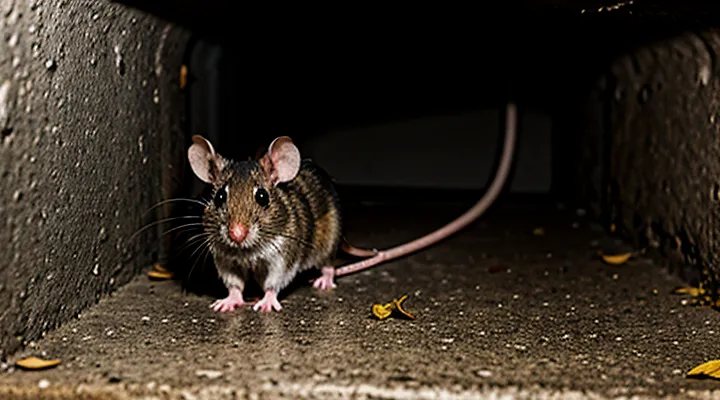
The Tell-Tale Photo: What to Look For
Droppings: Size, Shape, and Location
Droppings provide the most reliable visual cue that rodents are present in a cellar. Their dimensions, morphology, and placement reveal both the species involved and the extent of activity.
- Size: mouse feces are typically 2–6 mm long and 0.5–1 mm wide; larger pellets indicate rats or other mammals.
- Shape: fresh droppings are cylindrical with pointed ends, dark brown to black; dried specimens become flattened, crumbly, and may develop a white interior.
- Consistency: moist pellets feel soft and may stick together; dry ones shatter easily.
Location patterns help pinpoint nesting and foraging routes. Common sites include:
- Along baseboards, especially where walls meet the floor.
- Inside insulation, behind stored boxes, or within wall cavities accessed through gaps.
- Near food sources such as pantry shelves, trash bins, or pet feeding areas.
- On top of low shelves, under appliances, and in corners where debris accumulates.
Finding droppings in these zones confirms rodent activity and guides targeted inspection and control measures.
Gnaw Marks: Identifying Damage Patterns
Rodent activity in a cellar often leaves distinctive gnaw marks on structural and stored materials. Recognizing these marks provides reliable evidence of infestation and helps prioritize remediation.
Typical gnaw‑mark characteristics include:
- Parallel, shallow grooves roughly 1–3 mm wide, matching the size of a mouse’s incisors.
- Cleanly cut edges with a smooth surface, unlike the ragged fractures caused by mechanical wear.
- Repeated patterns along the same line, indicating persistent chewing.
- Presence on low‑lying wooden beams, PVC pipes, insulation, and cardboard packaging.
Location clues further narrow the source. Mice favor concealed pathways; therefore, gnaw marks near wall joints, behind appliances, or on the undersides of shelving units suggest active foraging routes. Marks on food containers or stored items confirm contamination risk.
Distinguishing mouse damage from other agents requires comparison of bite depth and spacing. Insect bites produce irregular holes and frass, while squirrel chewing yields larger, deeper gouges often exceeding 5 mm. Documenting each mark with measurements, photographs, and a brief description creates a verifiable record for pest‑control professionals.
Assessing severity involves tallying affected surfaces and estimating structural impact. A few isolated marks indicate early intrusion; extensive networks across multiple supports signal a mature colony that may compromise load‑bearing elements. Immediate sealing of entry points, removal of contaminated items, and targeted bait placement are recommended actions based on the identified damage pattern.
Nests: Materials and Hiding Spots
Mice construct nests to protect themselves from cold, predators, and disturbance. Recognizing the composition and placement of these nests is essential for identifying infestations in a cellar environment.
Typical nest materials include:
- shredded paper, cardboard, or tissue
- fabric scraps, cotton, or polyester fibers
- insulation fibers, such as fiberglass or foam
- dried plant matter, including leaves or grass clippings
- wood shavings or sawdust from nearby construction
Mice favor concealed locations that offer both stability and proximity to food sources. Common hiding spots are:
- corners of stored boxes or pallets
- gaps behind or under appliances, especially washing machines and dryers
- voids within wall cavities, floor joists, or ceiling beams
- piles of discarded debris, such as old furniture or broken pallets
- insulated pipe runs and conduit openings
Inspecting these areas for the listed materials and configurations provides reliable evidence of rodent activity, enabling targeted mitigation measures.
Runways and Smudges: Pathways of Infestation
Runways and smudges reveal the hidden routes that rodents use to travel through a cellar. Freshly gnawed wood, compacted soil, and darkened streaks along walls indicate repeated traffic. These markings often appear near entry points such as foundation cracks, utility openings, or vent shafts, forming a network that connects food sources, nesting sites, and escape routes.
Key observations include:
- Linear scratches on concrete or plaster that align with structural seams.
- Accumulated grease or oil residues near pipe junctions, suggesting mammals have brushed against surfaces.
- Concentrated droppings or urine stains along narrow corridors, especially near stored boxes or insulation.
- Distinctive footprints in dust or loose debris, showing direction of movement.
Identifying the pattern of these pathways allows targeted intervention. Seal visible openings, install barriers along identified routes, and place traps or bait stations at junctions where traffic converges. Regular photographic surveys of the cellar help track changes in runway visibility, confirming the effectiveness of control measures and preventing re‑infestation.
Tracks and Footprints: Tracing Movement
Photographic inspection of a cellar often reveals subtle evidence of rodent presence. Tracks left on dust, gravel, or unfinished flooring constitute the most reliable indicator of movement. Fresh footprints appear as clear, dark impressions; older prints may be faint but can be enhanced by angled lighting or a low‑angle flash.
Identifying track patterns helps determine species, activity level, and direction of travel. Mouse tracks typically show four toe pads and a distinct hind foot imprint, spaced about 2–3 cm apart. Rat tracks display larger pads with a broader stride, often accompanied by a visible tail drag mark. The orientation of the prints indicates the path taken, allowing investigators to locate nesting sites or entry points.
Key observation points include:
- Areas where dust or loose material accumulates, such as behind stored boxes or beneath shelving.
- Horizontal surfaces near walls, where rodents follow edges for concealment.
- Damp zones, because moisture attracts foraging activity and leaves clearer prints.
When tracks are unclear, a thin layer of talc or powdered graphite can be lightly applied to suspected routes; the powder settles into footprints, making them visible under a flashlight. Photographs taken with a macro lens capture the detail needed for later analysis and documentation.
Combining track analysis with other signs—gnaw marks, droppings, and urine stains—provides a comprehensive picture of rodent movement within the basement, facilitating targeted control measures.
Beyond the Photo: Other Detection Methods
Auditory Signals: Scratching and Squeaking
Auditory cues provide reliable evidence of rodent activity when visual inspection is limited. Scratching on wood or insulation and high‑pitched squeaking are produced by mice during nesting, foraging, and territorial communication. These sounds can be heard through thin flooring, walls, or when the cellar is quiet.
Typical auditory indicators include:
- Rapid, repetitive scratching on structural members, often occurring at night.
- Sharp, intermittent squeaks lasting less than a second, followed by brief silence.
- Continuous rustling when rodents move through stored items or debris.
Listening devices amplify these frequencies, allowing precise localization. Position a directional microphone near suspected entry points and record for at least thirty minutes after sunset. Analyze waveform peaks; scratching generates low‑frequency bursts (200–500 Hz), while squeaking appears as high‑frequency spikes (3–8 kHz). Correlate peak times with known rodent activity cycles to confirm presence.
When auditory evidence confirms infestation, implement control measures promptly. Seal gaps larger than ¼ inch, set snap traps or electronic bait stations along identified pathways, and reduce clutter that can mask sounds. Regular auditory monitoring after intervention verifies the effectiveness of remediation.
Olfactory Clues: The Musky Odor
Mice emit a distinct musky scent that persists in low‑traffic cellar environments. The odor originates from urine, glandular secretions, and the breakdown of food particles, creating a volatile compound profile detectable by human noses and electronic sniffers.
The musky aroma intensifies near nesting sites, food storage corners, and entry points. Concentration gradients reveal proximity: stronger scent indicates closer infestation. Seasonal variations affect intensity; colder months reduce volatilization, requiring closer inspection.
Detection steps
- Conduct a slow, systematic walk through the cellar, inhaling briefly at each location.
- Note areas where the musky smell is perceptible for more than a few seconds.
- Use a handheld odor meter, if available, to quantify volatile organic compounds.
- Correlate odor hotspots with visual signs such as droppings, gnaw marks, or shredded material.
When musky odor is confirmed, seal identified entryways, eliminate food sources, and set targeted traps. Follow up with a secondary odor assessment after two weeks to verify reduction. Continuous monitoring prevents re‑infestation and protects structural integrity.
Live Traps: Confirming Presence
Live traps serve as a practical method for verifying rodent activity when visual clues, such as a mouse captured in a basement photograph, suggest infestation. The device captures the animal unharmed, allowing inspection of captured specimens and confirming species, size, and infestation level without resorting to lethal measures.
Effective deployment follows a systematic approach:
- Position traps along suspected pathways: near walls, behind stored items, and close to entry points identified in the images.
- Bait each trap with high‑protein attractants (peanut butter, dried fruit) to increase capture probability.
- Set traps during nocturnal hours; rodents are most active after dark, so placement before dusk maximizes results.
- Check traps every 12 hours; prompt removal prevents stress and provides timely data.
Captured rodents confirm presence and guide subsequent control steps. Identification of the specimen informs choice of exclusion techniques, such as sealing gaps sized for the captured mouse. Repeated captures over several nights indicate a persistent problem, justifying more extensive remediation measures.
Documenting each capture—date, location, and condition—creates a reliable record for homeowners, pest‑management professionals, and insurance assessments. This evidence supports targeted interventions and prevents unnecessary chemical treatments.
Pet Behavior: Unusual Alertness
Pets often react to the presence of hidden rodents before humans notice any signs. Their heightened vigilance can serve as an early warning system for infestations in lower levels of a home.
Typical manifestations of unusual alertness include:
- Sudden fixation on a specific spot in the basement, especially near walls or insulation.
- Rapid, low‑to‑ground movements followed by pauses and listening.
- Repeated scratching or pawing at floorboards that appear undisturbed.
- Vocalizations that differ from normal play or distress calls, such as short, sharp barks or hisses directed toward concealed areas.
When a pet displays one or more of these behaviors, owners should investigate the indicated location. Practical steps involve:
- Inspecting the area for droppings, gnaw marks, or nesting material.
- Setting up motion‑activated cameras to capture nocturnal activity.
- Deploying bait stations or traps in the suspected zone while monitoring pet interaction.
Interpreting pet alertness alongside physical evidence improves the accuracy of rodent detection and reduces the time required to confirm an infestation. This approach leverages the animal’s natural sensory abilities, providing a reliable, low‑cost supplement to visual inspection methods.
Preventing Future Infestations
Sealing Entry Points: Fortifying Your Basement
Sealing entry points prevents mice from re‑entering the cellar after detection. Identify all potential openings before applying any barrier. Common sources include foundation cracks, utility penetrations, gaps around pipes, and unsealed door frames.
- Examine the perimeter with a flashlight; look for holes larger than a quarter of an inch.
- Use steel wool or copper mesh to fill small gaps; secure with expanding foam for added durability.
- Apply cement‑based sealant to larger cracks in concrete walls or floors.
- Install weatherstripping on basement doors and ensure the door sweep contacts the floor tightly.
- Cover vent openings with fine‑mesh screening; verify that the mesh is securely fastened to the frame.
- Seal gaps around electrical conduit, plumbing stacks, and HVAC ducts with silicone caulk or metal flashing.
After sealing, conduct a visual inspection to confirm that all treated areas are intact. Repeat the assessment quarterly, especially after heavy rain or seasonal temperature changes, to maintain a barrier against future rodent incursions.
Food Storage: Eliminating Attractants
Proper food storage is a critical factor in preventing rodent activity in underground spaces. Food items should be placed in airtight containers made of metal or heavy‑wall plastic; sealed lids block scent diffusion and restrict access. Label containers with purchase dates and rotate inventory regularly to avoid spoilage that emits strong odors.
All bulk supplies, such as grains, cereals, and pet food, must be transferred from original packaging into sealed containers before being stored in the cellar. Avoid using cardboard boxes, paper bags, or open bins, as these materials are easily penetrated and retain moisture.
Maintain a clean environment around storage areas. Sweep floors daily, remove debris, and vacuum corners where crumbs accumulate. Dispose of waste in sealed bags and transport it directly to an outdoor dumpster; never leave garbage inside the basement.
Inspect storage shelves for cracks or gaps. Seal any openings with caulk or metal flashing to eliminate entry points. Use a moisture meter to detect damp spots; dampness encourages mold growth, which attracts rodents. Apply a dehumidifier if humidity exceeds 50 % relative humidity.
Implement a routine inspection schedule:
- Verify container seals are intact.
- Check for signs of gnawing or droppings near food storage.
- Confirm that no food residue remains on surfaces after cleaning.
- Record observations in a log to track patterns over time.
By eliminating food attractants through airtight storage, regular sanitation, and structural maintenance, the likelihood of rodent presence in the cellar is significantly reduced.
Clutter Reduction: Removing Hiding Places
Reducing clutter in a cellar eliminates the numerous concealment points that mice exploit, making visual inspection and photographic evidence more reliable. When the environment is tidy, movement patterns become evident, and traps can be placed with precision.
- Remove cardboard boxes, paper stacks, and fabric piles that provide insulation and nesting material.
- Store items on raised shelves rather than directly on the floor; maintain at least six inches of clearance beneath each platform.
- Seal cracks, gaps, and vent openings that connect storage areas to wall cavities.
- Dispose of food waste promptly and keep all containers sealed.
A streamlined space allows infrared or low‑light cameras to capture clear images of rodent activity without obstruction. It also simplifies the identification of droppings, gnaw marks, and travel routes, facilitating timely intervention and long‑term control.
Professional Inspection: Expert Assessment
Professional inspection provides objective verification of rodent presence in a cellar. Inspectors combine visual evidence from photographs with specialized tools to deliver a reliable assessment. The process eliminates guesswork and informs targeted remediation.
Key components of an expert assessment include:
- Review of photographic documentation for signs such as gnaw marks, droppings, and nesting material.
- Infrared or thermal scanning to detect heat signatures hidden behind insulation or within wall cavities.
- Placement of motion‑activated cameras to capture nocturnal activity.
- Use of calibrated bait stations to confirm species identification.
- Detailed report outlining infestation severity, entry points, and recommended control measures.
A thorough evaluation enables property owners to prioritize interventions, allocate resources efficiently, and comply with health and safety regulations. The final report serves as a legal record and a reference for ongoing monitoring.