
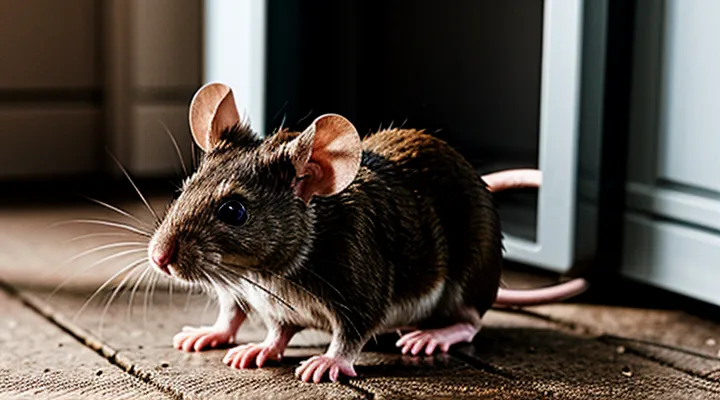
Understanding Musophobia «The Fear of Mice and Rats»
What is Musophobia?
Musophobia, also known as rodent phobia, is an intense, irrational fear of mice and rats. It belongs to the specific‑phobia category, characterized by immediate anxiety when encountering the animal or even thinking about it.
Typical manifestations include rapid heartbeat, shortness of breath, sweating, and an overwhelming urge to flee. Some individuals experience these reactions only in the presence of live rodents, while others react to pictures, sounds, or the mere idea of a rodent infestation.
Key factors contributing to musophobia:
- Evolutionary bias – ancestral avoidance of disease‑carrying pests.
- Personal trauma – past negative encounters with rodents.
- Observational learning – witnessing others display fear.
The condition often interferes with daily activities, such as avoiding basements, kitchens, or outdoor spaces where rodents may appear. It can also limit professional choices, especially in fields involving pest control, research, or food service.
Effective strategies for managing musophobia include:
- Cognitive restructuring – replacing catastrophic thoughts with realistic assessments.
- Gradual exposure – systematic desensitization starting with images, progressing to live exposure.
- Relaxation techniques – controlled breathing and progressive muscle relaxation to reduce physiological arousal.
- Professional guidance – therapy sessions with a qualified psychologist specializing in anxiety disorders.
Understanding musophobia’s definition and symptom profile provides a foundation for targeted interventions aimed at reducing fear and restoring functional behavior.
Causes and Triggers
Childhood Experiences
Childhood encounters with mice or rats frequently lay the groundwork for lasting aversion. Direct contact—such as being startled by a rodent in a home or school environment—creates a vivid memory that the brain registers as threatening. Observing a caregiver’s panic or hearing stories that portray rodents as dangerous reinforces the perception of risk, even when the animal poses no real harm.
These early impressions shape neural pathways associated with fear conditioning. When a child learns to associate rodents with danger, the amygdala stores the response, and later situations involving similar stimuli can trigger an automatic anxiety reaction. The pattern persists unless an intervention disrupts the learned association.
Evidence‑based strategies reduce rodent‑related anxiety by targeting the learned response:
- Gradual exposure: begin with pictures of rodents, progress to videos, then to controlled, brief physical encounters.
- Cognitive restructuring: challenge irrational beliefs (“all mice carry disease”) with factual information about rodent behavior and health risk.
- Relaxation training: teach diaphragmatic breathing or progressive muscle relaxation to counteract physiological arousal during exposure.
- Parental modeling: caregivers demonstrate calm interaction with rodents, providing a non‑threatening reference point.
- Positive reinforcement: reward calm behavior during each exposure step to strengthen coping confidence.
Implementing these techniques during childhood or later life interrupts the fear circuit, allowing the individual to respond to rodents with measured awareness rather than panic.
Learned Associations
Fear of rodents often originates from learned associations formed through personal experiences, cultural messages, or observation of others’ reactions. When a person repeatedly encounters a mouse or rat in a stressful situation—such as a sudden appearance, a negative encounter, or a warning from a caregiver—the brain links the animal with danger. This linkage strengthens neural pathways that trigger anxiety, rapid heartbeat, and avoidance behaviors whenever the animal is perceived.
These associations persist even after the original incident fades, because the brain stores the emotional response as a memory trace. The trace can be reactivated by visual cues (the shape of a rodent), auditory cues (scratching sounds), or even abstract reminders (pictures, stories). Repeated activation reinforces the fear, making spontaneous encounters more likely to elicit panic.
To disrupt maladaptive learned associations, therapeutic interventions focus on new, contradictory experiences. Effective techniques include:
- Systematic desensitization: Gradual exposure to rodent‑related stimuli, beginning with low‑intensity images and progressing to live encounters, while maintaining relaxation.
- Cognitive restructuring: Identifying and challenging irrational beliefs about rodents (e.g., “All mice carry disease”) and replacing them with factual information.
- Modeling: Observing a trusted individual interact calmly with a mouse or rat, thereby providing an alternative, non‑threatening reference.
- Counter‑conditioning: Pairing rodent exposure with pleasant activities or rewards to create a positive emotional response.
Each method aims to overwrite the original fear memory with new, non‑threatening associations. Consistent practice reduces the automatic anxiety response, enabling individuals to confront rodents without overwhelming fear.
Traumatic Events
Traumatic incidents involving mice or rats—such as sudden attacks, infestations in living spaces, or witnessing disease transmission—create vivid, distressing memories that become the core of rodent‑related anxiety. These experiences generate strong emotional imprints, linking the presence of small rodents with danger and loss of control.
The brain encodes the association through classical conditioning: a neutral stimulus (the animal’s sight or sound) pairs with an aversive event, producing a lasting fear response. Consolidation of the memory strengthens neural pathways, making subsequent encounters trigger automatic physiological reactions, even when the original threat is absent.
Severity of the phobia correlates with the intensity and frequency of the original trauma. Repeated exposure to alarming rodent encounters amplifies avoidance behavior, heightens hypervigilance, and reinforces negative beliefs about safety in environments where rodents might appear.
Effective interventions target the traumatic memory itself and the conditioned response:
- Systematic desensitization: gradual exposure to rodent cues while practicing relaxation techniques.
- Eye Movement Desensitization and Reprocessing (EMDR): bilateral stimulation to reprocess distressing recollections.
- Cognitive restructuring: identification and replacement of catastrophic thoughts with realistic appraisals.
- Virtual reality simulations: controlled visual and auditory rodent stimuli for safe rehearsal of coping skills.
Combining these methods reduces the emotional charge of past events, weakens the fear circuitry, and restores functional interaction with environments that may contain rodents.
Symptoms of Musophobia
Physical Reactions
Physical reactions to rodent phobia manifest immediately after exposure to a mouse or rat, whether real or imagined. The autonomic nervous system triggers a cascade of responses: heart rate accelerates, blood pressure rises, and skin conductance increases, producing noticeable sweating. Respiratory patterns shift to rapid, shallow breaths, often leading to a sensation of breathlessness. Muscular tension intensifies, causing tremors in the hands, shoulders, or legs, and may be accompanied by involuntary shaking. Gastrointestinal distress, such as nausea, stomach cramps, or the urge to vomit, frequently occurs. Pupillary dilation heightens visual sensitivity, while a feeling of dread or impending danger reinforces the fight‑or‑flight state.
Managing these somatic symptoms requires systematic interventions. Effective techniques include:
- Controlled diaphragmatic breathing: inhale slowly through the nose for four counts, hold briefly, exhale through the mouth for six counts; repeat until heart rate stabilizes.
- Progressive muscle relaxation: sequentially tense and release major muscle groups, starting from the feet and moving upward, to reduce overall tension.
- Grounding exercises: focus attention on tactile sensations (e.g., feeling the floor under the feet) to interrupt the panic cycle.
- Gradual exposure: begin with indirect cues (pictures, videos) and progress to controlled, live encounters, allowing the physiological response to diminish over repeated sessions.
- Pharmacological support: short‑acting beta‑blockers or prescribed anti‑anxiety medication can blunt acute cardiovascular symptoms when used under medical supervision.
Tracking physiological markers—pulse, respiration, and sweat levels—during exposure training provides objective feedback, enabling adjustments to the therapeutic plan. Consistent practice of the above strategies diminishes the intensity of the body’s alarm response, facilitating a more rational engagement with rodents and reducing overall fear.
Psychological Symptoms
Fear of rodents produces a distinct pattern of psychological disturbances that interfere with normal functioning. The anxiety triggered by sight, sound, or even anticipation of a mouse or rat is often disproportionate to the actual threat, reflecting a conditioned emotional response that has become entrenched.
Typical psychological manifestations include:
- Persistent dread when encountering or thinking about rodents.
- Intrusive mental images of mice or rats invading personal space.
- Heightened vigilance toward potential rodent presence, resulting in constant scanning of the environment.
- Catastrophic thoughts about infestation or disease transmission.
- Avoidance of locations where rodents might be present, such as basements, kitchens, or public transport.
- Sudden panic episodes characterized by overwhelming fear, loss of rational control, and a compulsion to flee.
- Difficulty concentrating on tasks unrelated to the phobic stimulus due to preoccupation with the fear.
These symptoms often coexist with physiological reactions—accelerated heartbeat, sweating, trembling—but the primary impact remains cognitive and emotional, leading to reduced social engagement, compromised occupational performance, and diminished quality of life. Recognizing the full spectrum of psychological signs is essential for targeted therapeutic interventions.
Behavioral Responses
People who fear rodents often display immediate avoidance, such as leaving a room the moment a mouse appears, or physically shielding themselves with objects. This reflexive action reduces exposure but reinforces anxiety by preventing corrective experiences.
Cognitive distortion accompanies the avoidance. Individuals may overestimate the likelihood of a rodent entering their personal space and exaggerate potential harm. The mental image of uncontrollable infestation fuels heightened vigilance, leading to scanning behaviors like repeatedly checking corners or repeatedly moving belongings to eliminate perceived hiding spots.
Physiological reactions include increased heart rate, rapid breathing, and muscle tension. These somatic cues signal danger to the brain, intensifying the fear loop and making it harder to disengage from the threat perception.
Effective modification of these responses relies on systematic exposure and response training:
- Gradual exposure: start with pictures of rodents, progress to videos, then to controlled live encounters.
- Response inhibition: practice staying still and breathing slowly when a rodent is present, breaking the automatic flight response.
- Cognitive restructuring: challenge exaggerated threat beliefs by reviewing factual information about rodent behavior and disease risk.
- Relapse prevention: rehearse coping strategies in simulated scenarios to maintain gains outside therapy sessions.
Consistent practice of these techniques reduces avoidance, weakens catastrophic thoughts, and normalizes physiological arousal, ultimately diminishing the fear of mice and rats.
Overcoming Musophobia: Practical Strategies
Cognitive Behavioral Therapy «CBT»
Exposure Therapy
Exposure therapy is the primary behavioral technique for reducing fear of mice and rats. It works by repeatedly presenting the feared stimulus in a controlled manner, allowing the nervous system to habituate and the anxiety response to diminish.
The process typically follows these steps:
- Assessment – identify specific triggers, intensity of fear, and avoidance patterns.
- Hierarchy construction – list situations involving rodents from least to most distressing (e.g., viewing a picture, hearing a squeak, observing a mouse in a cage, handling a live animal).
- Gradual exposure – begin with the lowest‑level item, remain until anxiety drops to a tolerable level, then progress to the next step.
- Monitoring – record subjective anxiety ratings and physiological signs after each session to track progress.
- Consolidation – repeat exposures over several weeks, integrate coping strategies such as controlled breathing, and eventually practice in real‑world environments (e.g., kitchens, basements).
Two formats are commonly employed:
- In‑vivo exposure – direct contact with live rodents or objects that simulate them.
- Imaginal exposure – vivid mental rehearsal of feared scenarios when physical access is limited.
Research shows that systematic desensitization, a variant of exposure therapy, reduces avoidance behaviors and improves functional tolerance. Success depends on consistent practice, therapist guidance, and adherence to the exposure hierarchy.
Clients who complete a full exposure program report lower physiological arousal, reduced avoidance, and increased confidence when encountering rodents in everyday settings.
Cognitive Restructuring
Cognitive restructuring targets the automatic thoughts that trigger intense anxiety when encountering mice or rats. By identifying distorted beliefs—such as “all rodents will bite me” or “seeing a mouse means imminent danger”—the individual replaces them with balanced statements grounded in evidence, for example, “most rodents are harmless and avoid human contact.”
The process follows a systematic sequence:
- Record the situation, emotional response, and the specific thought that arose.
- Evaluate the thought’s accuracy by examining factual information and past experiences.
- Formulate a revised thought that reflects a realistic appraisal.
- Practice the new thought repeatedly until it becomes the default interpretation.
Repeated application reduces the brain’s threat response, diminishes avoidance behavior, and strengthens confidence in handling rodent encounters. Integration with exposure exercises accelerates progress, as the revised cognition prepares the mind for direct interaction without overwhelming fear.
Long‑term maintenance requires periodic review of thought patterns, especially after stressful events, to prevent relapse. A journal documenting triggers, revised beliefs, and outcomes supports continued improvement and solidifies the cognitive shift.
Relaxation Techniques
Deep Breathing Exercises
Deep breathing is a physiological technique that directly reduces the anxiety response triggered by rodents. By slowing the breath, the body shifts from sympathetic dominance to parasympathetic activity, which lowers heart rate, decreases cortisol release, and diminishes the perception of threat.
The method works through three mechanisms: controlled inhalation expands the diaphragm, signaling the vagus nerve; a brief breath hold stabilizes oxygen exchange; slow exhalation releases tension and promotes relaxation. These actions collectively calm the nervous system, making it easier to confront a mouse or rat without panic.
Procedure
- Choose a quiet environment where distractions are minimal.
- Sit or stand with a straight back, shoulders relaxed.
- Inhale through the nose for a count of four, filling the abdomen.
- Hold the breath for a count of two.
- Exhale slowly through the mouth for a count of six, emptying the lungs completely.
- Repeat the cycle five to ten times, focusing solely on the counting rhythm.
Applying the exercise before exposure to rodents prepares the body for a calmer reaction. Pairing the breathing cycle with mental rehearsal—visualizing a calm encounter—strengthens the association between relaxation and the presence of mice or rats.
Consistent practice is essential for lasting benefit. Perform the routine twice daily, gradually extending the count lengths and increasing repetitions as tolerance improves. Record subjective anxiety levels after each session to monitor progress and adjust the regimen accordingly.
Progressive Muscle Relaxation
Progressive Muscle Relaxation (PMR) is a systematic technique that reduces physical tension by sequentially tensing and releasing muscle groups. The method creates a clear contrast between contraction and relaxation, allowing the practitioner to recognize and diminish residual stress.
To apply PMR for managing fear of mice and rats, follow these steps:
- Find a quiet environment where you can sit or lie comfortably.
- Begin with the feet: tighten the muscles for five seconds, then release completely, noticing the sensation of relaxation.
- Move upward through the calves, thighs, abdomen, chest, arms, hands, neck, and face, repeating the tension‑release cycle for each region.
- Maintain slow, deep breathing throughout; inhale while tensing, exhale while releasing.
- After completing the sequence, spend two minutes observing the overall state of calm.
PMR interrupts the sympathetic nervous system response that triggers panic when a rodent appears. By training the body to shift into a parasympathetic state, the technique lowers heart rate, reduces sweating, and diminishes the urge to flee. Regular practice builds a conditioned relaxation response that can be activated during exposure to mice or rats, facilitating gradual desensitization and improving coping confidence.
Mindfulness Meditation
Mindfulness meditation provides a practical framework for reducing the intense physiological reactions that accompany rodent phobia. By training attention on the present moment, practitioners learn to observe fear cues—such as rapid heartbeat or breathlessness—without automatically escalating the emotional response.
The technique begins with a focused breathing exercise. Inhale slowly for a count of four, retain the breath for two counts, then exhale for six counts. During each cycle, notice sensations in the chest and abdomen, labeling them simply as “breathing” or “tightness.” This labeling interrupts the automatic threat appraisal that fuels panic when a mouse appears.
When a rodent triggers anxiety, apply a brief body scan:
- Identify tension in the shoulders, neck, or jaw.
- Acknowledge each sensation with a neutral term (“tightness,” “heat”).
- Release the tension by exhaling deliberately while visualizing the muscle relaxing.
Consistent practice cultivates a detached awareness that diminishes the reflexive fight‑or‑flight response. Over weeks, the mind learns to accept the presence of mice or rats as a neutral stimulus, allowing rational strategies—such as gradual exposure—to operate without overwhelming fear.
Seeking Professional Help
When to Consult a Therapist
Understanding the limits of self‑help is essential for anyone dealing with intense fear of mice or rats. Professional assistance becomes necessary when the anxiety interferes with daily functioning or poses health risks.
- Panic attacks triggered by the sight or thought of rodents.
- Persistent avoidance of places where rodents may be present, leading to missed work, school, or social events.
- Physical symptoms such as rapid heartbeat, shortness of breath, or gastrointestinal distress that occur regularly in response to rodent‑related cues.
- Inability to perform routine tasks (e.g., cleaning, cooking) because of overwhelming dread.
- Development of secondary issues, including depression, substance misuse, or other anxiety disorders, linked to the phobia.
If any of these conditions are present, seeking a qualified therapist is advisable. Early intervention reduces the likelihood of chronic impairment and allows the use of evidence‑based treatments—such as cognitive‑behavioral therapy, exposure therapy, or medication—tailored to the individual’s severity. A mental health professional can also assess comorbid conditions and coordinate comprehensive care.
Types of Therapy Options
Rodent phobia can be treated with several evidence‑based approaches. Each method targets the anxiety response through different mechanisms, allowing individuals to select the most suitable option.
- Exposure therapy – Gradual, repeated contact with mice or rats, starting with indirect exposure (photos, videos) and progressing to live interaction, reduces fear by habituation.
- Systematic desensitization – Combines relaxation techniques with a hierarchical list of feared stimuli, enabling controlled confrontation while maintaining physiological calm.
- Cognitive‑behavioral therapy (CBT) – Identifies distorted thoughts about rodents, replaces them with realistic appraisals, and incorporates behavioral experiments to test new beliefs.
- Virtual‑reality exposure – Simulated environments provide safe, customizable encounters, useful when live animals are unavailable or the client requires a low‑risk setting.
- Pharmacotherapy – Short‑term use of anxiolytics or selective serotonin reuptake inhibitors can lessen acute symptoms, facilitating participation in behavioral interventions.
- Acceptance and Commitment Therapy (ACT) – Encourages mindfulness of fear cues, promotes acceptance of discomfort, and strengthens commitment to valued actions despite anxiety.
- Group therapy – Shared experiences and peer support enhance motivation, provide modeling of coping strategies, and reduce isolation.
- Self‑guided programs – Structured workbooks or mobile applications deliver CBT principles, exposure tasks, and progress tracking for individuals preferring independent treatment.
Selecting a therapy depends on severity, personal preferences, and access to qualified professionals. Combining modalities—such as CBT with exposure—often yields faster, more durable reduction of rodent‑related anxiety.
Self-Help Strategies
Gradual Exposure at Home
Gradual exposure at home offers a systematic way to diminish the anxiety triggered by small rodents. The process relies on repeated, controlled encounters that desensitize the nervous system and replace panic with tolerance.
Begin with visual exposure. Place a clear photograph of a mouse or rat on a wall where it can be seen for a few minutes each day. Observe the reaction, note the intensity of discomfort, and repeat until the image no longer provokes a strong physiological response.
Progress to video exposure. Select a short clip showing a mouse or rat moving calmly in a neutral setting. Watch the footage for 5‑10 minutes, maintaining a relaxed posture. Increase viewing time gradually, pausing if the fear escalates beyond a manageable level.
Introduce a live, contained animal. Use a small, secure cage placed in a low‑traffic area of the home. Sit nearby, allowing the creature to move freely while you remain still. Limit the session to 2‑3 minutes initially, extending the duration as tolerance builds. Ensure the cage remains closed at all times to prevent accidental contact.
Finalize with controlled proximity. Position the cage within arm’s reach, but keep a barrier (e.g., a tray) between you and the animal. Practice reaching toward the cage, touching the barrier, and eventually opening the door to let the rodent crawl onto a hand-held object. Perform each step only after the previous one feels comfortable, repeating until anxiety diminishes.
Consistent application of these stages, combined with regular breathing techniques to manage acute stress, leads to measurable reduction in rodent‑related fear.
Using Visualization
Visualization creates a mental rehearsal of encounters with rodents, allowing the brain to process fear signals without actual exposure. By repeatedly imagining a calm response while observing a mouse or rat, the nervous system learns to associate the animal with reduced anxiety.
- Choose a quiet environment and close eyes.
- Picture a realistic scene: a mouse moving across a kitchen floor, a rat emerging from a corner.
- Focus on sensory details—sight, sound, texture—while maintaining a steady breathing rhythm.
- Introduce a coping cue, such as a deep exhale, each time the imagined rodent appears.
- Gradually increase the vividness and duration of the scenario over several sessions.
Consistent practice weakens the amygdala’s alarm response and strengthens prefrontal regulation. Physiological measurements show lower heart rate and cortisol levels after repeated visual exposure. The technique also establishes a neural pattern that can be activated during real-life situations, providing immediate composure.
Integrating visualization with other strategies—gradual physical exposure, cognitive restructuring, and relaxation training—enhances overall resilience against rodent-related fear. Regular sessions, lasting five to ten minutes, yield measurable improvement within weeks.
Support Groups and Communities
Support groups provide a structured environment where individuals with musophobia can exchange personal experiences and practical coping techniques. Regular interaction with peers who face the same anxiety reduces isolation and reinforces progress through shared reinforcement.
Typical formats include:
- Face‑to‑face meetings organized by clinics or community centers.
- Virtual gatherings hosted on video‑conference platforms.
- Asynchronous forums and social media communities moderated by mental‑health professionals.
Participants gain access to:
- Real‑time exposure exercises demonstrated by members who have successfully reduced their fear.
- Evidence‑based strategies such as gradual desensitization, breathing control, and cognitive restructuring.
- Mutual encouragement that sustains motivation during setbacks.
Finding a suitable group involves:
- Consulting therapist referrals or hospital outreach programs.
- Searching reputable online directories that list certified support networks.
- Reviewing user feedback and moderation policies before joining.
Effective involvement requires:
- Commitment to scheduled sessions to maintain continuity.
- Respect for confidentiality agreements that protect personal disclosures.
- Active contribution of progress updates, which enriches collective learning.