
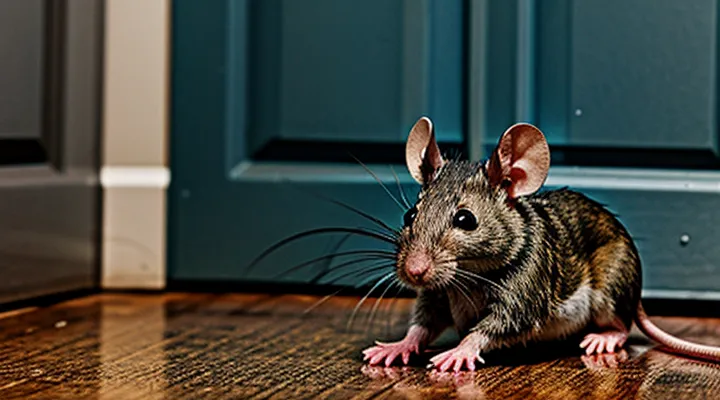
Understanding Musophobia and Suriphobia
What is Musophobia/Suriphobia?
Differentiating Mouse and Rat Phobia
Mouse phobia (musophobia) and rat phobia (rattophobia) are distinct anxiety responses despite sharing a common aversion to rodents. Recognizing the differences assists clinicians in selecting precise interventions.
The two fears diverge in several aspects:
- Physical characteristics: Mice are smaller, agile, and often perceived as less threatening. Rats are larger, stronger, and may appear more aggressive.
- Typical exposure contexts: Mice are frequently encountered in homes, kitchens, and storage areas. Rats are more common in basements, sewers, and agricultural settings.
- Sensory triggers: High‑frequency squeaks and rapid movements primarily elicit mouse‑related distress. Deep gnawing sounds and strong odors are associated with rat‑related distress.
- Behavioral reactions: Mouse phobia often results in avoidance of confined spaces where mice may hide. Rat phobia can provoke heightened startle responses and a stronger urge to flee open areas where rats might appear.
- Treatment nuances: Exposure therapy for mouse phobia may involve gradual visual and auditory contact with small rodent models. Rat phobia treatment frequently incorporates desensitization to larger, more realistic representations and may require additional focus on perceived physical danger.
Accurate identification of the specific rodent trigger enables tailored cognitive‑behavioral strategies, reduces treatment duration, and enhances long‑term symptom remission.
Common Manifestations and Symptoms
Rodent phobia often presents with observable physical and psychological reactions. The body’s stress response activates automatically, producing symptoms that can be identified without ambiguity.
Physical manifestations include rapid heartbeat, sweating, trembling, shortness of breath, and gastrointestinal discomfort. Visual disturbances such as blurred vision or a feeling of lightheadedness may accompany these reactions. In severe cases, panic attacks can develop, characterized by chest pain, dizziness, and a sense of impending doom.
Psychological signs consist of persistent dread when anticipating rodent presence, intrusive thoughts about mice or rats, and avoidance behaviors that interfere with daily activities. Individuals may experience heightened alertness, constant scanning of the environment, and an inability to concentrate on unrelated tasks.
Typical behavioral patterns are:
- Immediate retreat from areas where rodents are suspected.
- Reluctance to enter basements, attics, or storage rooms.
- Excessive cleaning or sealing of food containers to prevent perceived contamination.
- Seeking reassurance from others about the absence of rodents.
These manifestations serve as diagnostic indicators for clinicians assessing rodent-related anxiety disorders. Recognizing the full spectrum of symptoms enables targeted therapeutic interventions and reduces the risk of chronic avoidance.
Psychological and Physiological Impact
Cognitive Distortions and Negative Thought Patterns
Cognitive distortions intensify fear of small rodents by converting neutral cues into threatening signals. When a person anticipates the presence of a mouse or rat, the mind may automatically amplify perceived danger, creating a feedback loop that sustains avoidance behavior.
Typical distortions include:
- Catastrophizing: assuming the animal will cause severe harm despite minimal risk.
- Overgeneralization: extending a single unpleasant encounter to all future interactions.
- Mind‑reading: believing the creature will act aggressively without evidence.
- All‑or‑nothing thinking: labeling any proximity to rodents as a total failure.
- Emotional reasoning: interpreting anxiety as proof of actual threat.
Challenging these patterns requires systematic questioning of underlying assumptions. Identify the specific thought, examine factual evidence, and generate balanced alternatives. For example, replace “A mouse will bite me” with “Mice rarely bite humans; most encounter is harmless.” Recording thoughts in a journal aids the restructuring process.
Behavioral interventions reinforce cognitive restructuring. Gradual exposure to rodent‑related stimuli, combined with real‑time monitoring of thoughts, allows the individual to test predictions and observe that feared outcomes rarely occur. Repetition of these steps reduces the automatic activation of distorted beliefs, leading to diminished fear responses.
Physical Reactions to Fear
Fear of small rodents triggers a rapid activation of the sympathetic nervous system, producing observable bodily changes.
Common physiological responses include:
- accelerated heart rate;
- elevated blood pressure;
- profuse sweating, especially on palms and forehead;
- trembling or involuntary muscle twitches;
- shallow, rapid breathing;
- dilation of pupils;
- heightened muscle tension, particularly in the neck and shoulders;
- gastrointestinal discomfort, such as nausea or stomach cramps;
- sudden surge of adrenaline resulting in a brief feeling of heat or flush.
Recognition of these signs enables targeted intervention. Controlled breathing exercises reduce respiratory rate, lower heart rhythm, and diminish adrenaline release. Progressive muscle relaxation systematically eases tension, preventing tremor escalation. Gradual exposure to rodent‑related cues, under professional guidance, desensitizes the autonomic response over repeated sessions. Pharmacological options, such as short‑acting beta‑blockers, can blunt cardiovascular symptoms during acute episodes.
Combining physiological monitoring with evidence‑based techniques creates a structured pathway to diminish fear‑induced somatic distress.
Avoidance Behaviors
Avoidance behaviors represent the primary way individuals cope with intense fear of mice and rats. These actions reduce immediate discomfort but often reinforce the phobia by preventing exposure to the feared stimulus.
Common avoidance patterns include:
- Leaving rooms or buildings when a rodent is sighted.
- Refusing to enter basements, attics, or storage areas where rodents may hide.
- Using protective gear such as heavy gloves or long‑sleeved clothing solely to feel safe.
- Delegating tasks involving rodents to others, even when personal participation is possible.
- Selecting living environments with strict pest‑control policies to eliminate any chance of encounter.
Each behavior limits opportunities for habituation and cognitive restructuring, which are essential for long‑term fear reduction. Recognizing and recording these patterns enables targeted intervention.
Effective countermeasures focus on gradual exposure and skill development. Controlled exposure sessions introduce rodents in a safe, predictable manner, allowing the nervous system to learn that the threat is minimal. Concurrently, teaching relaxation techniques—deep breathing, progressive muscle relaxation—provides tools to manage physiological arousal during exposure.
Cognitive strategies address the beliefs that drive avoidance. Challenging assumptions such as «all rodents are dangerous» replaces them with evidence‑based statements, reducing the perceived need for avoidance. Behavioral rehearsal, where individuals practice approaching a rodent‑related scenario in imagination before real exposure, further diminishes reliance on avoidance.
Integrating exposure, relaxation, and cognitive restructuring within a structured program systematically reduces avoidance behaviors, fostering confidence and diminishing the overall fear of mice and rats.
Causes and Triggers
Origins of the Phobia
Traumatic Experiences
Traumatic encounters often serve as the initial catalyst for a persistent fear of rodents. A sudden bite, an unexpected infestation, or a medical procedure involving a lab animal can imprint a vivid memory that later triggers an intense aversion.
Early-life incidents dominate the origin profile; children who witness a mouse scurrying across a bedroom floor may associate sudden movement with danger. Clinical settings, where rodents are used for testing, generate anxiety through perceived loss of control. Cultural narratives that portray rats as carriers of disease reinforce the threat perception.
The encoded trauma amplifies the physiological alarm system. When a rodent is sighted, the amygdala initiates a rapid stress response, producing elevated heart rate, sweating, and a strong impulse to flee. This automatic reaction reinforces avoidance, solidifying the phobic pattern.
Effective mitigation relies on structured interventions:
- Gradual exposure to rodent‑related cues, beginning with photographs and progressing to live interaction.
- Cognitive restructuring to challenge catastrophic interpretations of rodent encounters.
- Relaxation training, such as diaphragmatic breathing, to counteract sympathetic activation during exposure.
- Systematic desensitization, pairing low‑intensity stimuli with relaxation until fear diminishes.
Professional assessment ensures that exposure intensity matches the individual’s tolerance threshold. A therapist can monitor progress, adjust the hierarchy of stimulus exposure, and provide feedback that accelerates recovery.
«Repeated exposure reduces conditioned fear», a finding supported by numerous experimental studies, underscores the necessity of consistent practice under guided supervision. Implementing these evidence‑based steps transforms a trauma‑driven aversion into a manageable, often negligible, response.
Learned Responses and Social Influence
Rodent phobia often originates from associative learning. A neutral stimulus, such as the sight of a mouse, becomes threatening after pairing with an unpleasant event. This conditioned response persists because the nervous system stores the link between the stimulus and the aversive outcome. Extinction requires repeated exposure to the stimulus without the negative consequence, gradually weakening the association.
Social influence shapes the intensity of the fear. Observing another person’s panic reaction triggers a similar response through vicarious conditioning. Cultural narratives that depict rodents as carriers of disease reinforce negative expectations. Conversely, witnessing calm behavior toward rodents can modify the learned association, reducing anxiety.
Practical measures to counteract learned fear and social reinforcement include:
- Gradual exposure: begin with pictures of rodents, progress to videos, then to live observation in a controlled environment.
- Modeling: watch a therapist or peer handle a mouse calmly, noting the absence of threat.
- Cognitive restructuring: identify and challenge exaggerated beliefs about danger, replace them with factual information about rodent behavior.
- Group sessions: share experiences, observe collective calm responses, diminish the sense of isolation.
- Positive reinforcement: reward each successful step in the exposure hierarchy, strengthening approach behavior.
Consistent application of these techniques disrupts the original conditioning and replaces it with adaptive responses, leading to durable reduction of rodent‑related anxiety.
Evolutionary Predispositions
Rodent phobia originates from evolutionary mechanisms that favored avoidance of small mammals associated with disease vectors and predation threats. Early hominins who reacted swiftly to the presence of mice or rats reduced exposure to pathogens such as hantavirus, leptospirosis, and plague, thereby increasing reproductive success. Natural selection reinforced neural circuits that trigger rapid autonomic responses when sensory cues indicate rodent activity.
Key evolutionary factors include:
- High pathogen load carried by rodents, prompting innate disgust and vigilance.
- Rapid movements and nocturnal habits that exploit limited visual detection, encouraging heightened startle reflexes.
- Shared ecological niches with predators, creating associative learning that links rodents with danger.
Contemporary anxiety disorders often reflect these ancient predispositions, manifesting as exaggerated fear responses disproportionate to actual risk. Therapeutic interventions that target conditioned associations can diminish the influence of these inherited survival strategies.«The brain’s threat detection system evolved to prioritize small, disease‑carrying mammals.»
Common Triggers
Visual Stimuli
Visual stimuli constitute a core element of systematic desensitization for individuals fearing mice and rats. Controlled exposure to images initiates the extinction process by allowing the nervous system to register the absence of actual threat while maintaining the perceptual cue.
A graduated sequence of visual exposure minimizes anxiety spikes. The individual begins with low‑intensity representations, such as abstract silhouettes, and progresses to high‑resolution photographs and dynamic video clips. Each step is retained until physiological responses decline to baseline levels before advancing.
Key formats of visual material include:
- Still photographs that isolate the animal against neutral backgrounds.
- Short video segments showing neutral or benign behavior.
- Animated sequences that exaggerate movement without realistic detail.
- Immersive virtual‑reality environments that replicate spatial context while permitting user‑controlled distance.
Effective implementation follows several principles:
- Stimuli are presented for durations sufficient to observe habituation, typically 30 seconds to 2 minutes per exposure.
- Sessions incorporate relaxation techniques, ensuring heart‑rate and muscle tension return to pre‑exposure levels.
- Progression criteria are documented objectively, using self‑report scales and physiological markers.
- Materials are updated regularly to prevent habituation to a single image set.
When visual exposure is combined with cognitive restructuring, the fear response diminishes more rapidly, enabling the individual to confront live rodents with reduced apprehension. «Repeated, controlled visual contact» proves essential for restructuring the threat appraisal associated with these small mammals.
Auditory Cues
Auditory cues can elicit intense reactions in individuals with rodent phobia, as high‑frequency rustling or squeaking often signals the presence of a mouse or rat. Such sounds activate the amygdala, reinforcing the fear response and increasing physiological arousal.
Therapeutic protocols incorporate controlled exposure to neutral and gradually intensifying rodent‑related sounds. The objective is to habituate the nervous system, diminishing automatic panic when similar noises occur in everyday environments.
Practical steps for auditory desensitization:
- Record a series of sounds, beginning with low‑volume ambient noise, progressing to faint rustling, then to distinct squeaks.
- Schedule daily listening sessions of 5–10 minutes, maintaining a calm setting and monitoring heart‑rate response.
- Pair exposure with relaxation techniques, such as diaphragmatic breathing, to counteract sympathetic activation.
- Increase volume and complexity only after measurable reduction in anxiety markers, ensuring steady progression without retraumatization.
Indirect Encounters
Indirect encounters with rodents provide a pathway to diminish anxiety without direct physical contact. Visual exposure through photographs, illustrations, or video clips introduces the feared animal in a controlled, low‑intensity format. Auditory exposure, such as recordings of squeaking or scurrying sounds, engages the auditory system while allowing the individual to maintain physical distance. Reading descriptive material—scientific articles, factual summaries, or narrative accounts—offers cognitive familiarity and reduces the novelty of the stimulus.
Practical steps for implementing indirect exposure:
- Select images that depict mice or rats in neutral contexts, avoiding exaggerated threat cues.
- Begin with brief viewing periods (10–15 seconds), gradually extending the duration as tolerance increases.
- Incorporate sound clips at low volume, monitoring physiological response before raising intensity.
- Pair visual or auditory material with relaxation techniques (deep breathing, progressive muscle relaxation) to counteract arousal.
- Document subjective discomfort after each session, noting trends that indicate habituation.
When indirect exposure is combined with cognitive restructuring—identifying and challenging irrational beliefs about rodents—the fear response can weaken. Consistent, incremental practice reinforces the brain’s ability to reinterpret the stimulus as non‑dangerous, ultimately facilitating smoother transition to real‑world interactions if desired.
Strategies for Overcoming Fear
Self-Help Techniques
Deep Breathing and Relaxation Exercises
Deep breathing and relaxation exercises provide a physiological counter‑measure to the acute stress response triggered by the presence of rodents. Controlled inhalation activates the parasympathetic nervous system, reducing heart rate and cortisol release, which diminishes the intensity of panic.
Practical implementation follows a simple sequence:
- Sit upright, shoulders relaxed, feet flat on the floor.
- Inhale slowly through the nose for a count of four, expanding the diaphragm.
- Hold the breath for a count of two, maintaining relaxed shoulders.
- Exhale gently through the mouth for a count of six, visualising tension leaving the body.
- Repeat the cycle five to ten times, focusing attention on the breath rather than external stimuli.
Progressive muscle relaxation can be combined with the breathing cycle. After each exhalation, tense a specific muscle group for three seconds, then release, noting the contrast between tension and ease. This systematic approach strengthens the ability to regain composure when a mouse or rat appears unexpectedly.
Regular practice, performed twice daily, conditions the nervous system to respond with calm rather than alarm. Over weeks, the conditioned response replaces the instinctive fight‑or‑flight reaction, allowing individuals to navigate environments where rodents may be present without debilitating fear. «Breathe in, breathe out, and let the mind settle».
Mindfulness and Grounding Practices
Mindfulness and grounding techniques provide practical tools for reducing anxiety triggered by the presence of small rodents. By directing attention to the present moment, these practices interrupt automatic fear responses and create a sense of stability.
Focused breathing anchors awareness in the body. Slow, diaphragmatic inhalations followed by controlled exhalations lower physiological arousal and diminish the intensity of panic. Observing sensations without judgment prevents escalation of distress.
Grounding exercises engage the senses to reconnect with the immediate environment. The 5‑4‑3‑2‑1 method sequentially identifies five visual, four auditory, three tactile, two olfactory, and one gustatory cues, thereby shifting attention away from imagined threats. Physical contact with a textured object, such as a stress ball, reinforces a tangible sense of safety.
Integrating these strategies into exposure sessions enhances coping capacity. A typical routine includes:
- Three minutes of deep breathing before entering a room where rodents may appear.
- A brief 5‑4‑3‑2‑1 grounding cycle during moments of heightened tension.
- A post‑exposure reflection on bodily sensations to reinforce calm.
Consistent practice cultivates resilience, allowing individuals to approach rodent encounters with reduced fear and increased confidence. «Focus on the breath, feel the ground, stay present».
Gradual Exposure (Exposure Therapy Principles)
Gradual exposure, a cornerstone of exposure‑based therapy, directly addresses fear of mice and rats by systematically reducing anxiety through repeated, controlled contact with the target stimulus. The method relies on an organized hierarchy of feared situations, allowing the individual to confront increasingly challenging scenarios while maintaining a tolerable level of distress.
Key principles include:
- Construction of an «exposure hierarchy» that lists situations from least to most anxiety‑provoking.
- Repeated, short‑duration sessions focused on the current step of the hierarchy.
- Consistent monitoring of physiological and subjective anxiety levels.
- Therapist‑guided pacing to ensure safety and prevent avoidance.
- Integration of relaxation or coping strategies during exposure to facilitate habituation.
Implementation steps:
- Conduct a thorough assessment to identify specific triggers related to rodents.
- Develop a detailed hierarchy, ranking items such as viewing pictures, watching videos, observing a cage, handling a toy mouse, and finally touching a live animal.
- Begin exposure at the lowest tier, maintaining the activity until anxiety diminishes substantially.
- Progress to the next tier only after stable reduction in fear response, repeating the cycle until the highest tier is mastered.
- Document each session’s duration, anxiety rating, and coping techniques used.
Success factors:
- Strict adherence to the predetermined hierarchy prevents premature escalation.
- Regular session schedule (e.g., three times weekly) reinforces learning.
- Application of breathing exercises or mindfulness during exposure accelerates habituation.
- Objective tracking of anxiety trends guides adjustments and confirms progress.
Professional Interventions
Cognitive Behavioral Therapy (CBT)
Cognitive Behavioral Therapy (CBT) addresses irrational fear of rodents by restructuring maladaptive thoughts and reinforcing adaptive behaviors. The approach targets the cognitive distortions that amplify perceived threat and the avoidance patterns that maintain anxiety.
CBT protocol for rodent phobia typically includes the following stages:
- Assessment of fear intensity, triggers, and avoidance behaviors.
- Psychoeducation about the fear response and the role of thoughts in shaping emotions.
- Cognitive restructuring to challenge catastrophic predictions such as «I will be harmed if a mouse appears».
- Graded exposure, beginning with imagined scenarios and progressing to real-life interaction with small, controlled rodents.
- Skills training for relaxation, breathing, and mindfulness to reduce physiological arousal during exposure.
- Relapse prevention through self‑monitoring and development of coping plans for unexpected encounters.
Research demonstrates that systematic exposure combined with cognitive restructuring produces significant reduction in fear ratings and avoidance frequency. Success depends on consistent practice, therapist guidance, and individualized pacing of exposure tasks.
Long‑term maintenance benefits from periodic review of thought records and reinforcement of coping strategies, ensuring that fear responses remain diminished and functional interaction with rodents becomes possible.
Identifying and Challenging Irrational Thoughts
Identifying irrational thoughts is the first step in reducing rodent‑related anxiety. Recognize automatic mental images that exaggerate danger, such as the belief that a mouse will cause a severe health threat or that an encounter will lead to loss of control. Observe the language used internally; statements like «I cannot tolerate any sight of a rat» signal cognitive distortion.
Challenging these thoughts involves systematic questioning and evidence evaluation. Apply the following procedure:
- State the distressing belief explicitly.
- Examine factual data: frequency of rodent‑borne diseases, typical behavior of mice and rats, personal experience of harm.
- Assess the logical consistency: does the belief follow from the evidence, or does it involve catastrophizing, overgeneralization, or personalization?
- Formulate a balanced alternative, for example «Most mice are harmless and pose minimal health risk».
- Repeat the balanced statement whenever the original thought resurfaces, reinforcing a realistic appraisal.
Consistent practice of this cognitive restructuring reduces the intensity of fear responses. Over time, the brain replaces exaggerated threat predictions with accurate risk assessments, diminishing avoidance behavior and facilitating calmer interaction with environments where rodents may appear.
Behavioral Experiments and Exposure Hierarchies
Behavioral experiments provide empirical evidence of the specific triggers that elicit anxiety when encountering rodents. By measuring physiological responses—such as heart rate, skin conductance, and avoidance latency—researchers isolate the precise stimuli that maintain the fear response. These data inform the construction of exposure hierarchies, which arrange feared situations from least to most threatening.
The exposure hierarchy follows a graded sequence:
- Observe a picture of a mouse from a distance of several meters.
- Watch a short video of a mouse moving in its enclosure.
- View a live mouse in a transparent container while remaining seated.
- Touch a harmless, sanitized mouse model with the fingertips.
- Hold a live mouse briefly under controlled supervision.
- Interact with a mouse in a neutral environment for an extended period.
Each step is repeated until anxiety diminishes, as indicated by stable physiological markers and self‑reported distress ratings. Progression to the next level occurs only after consistent reduction of fear at the current level, ensuring systematic desensitization without overwhelming the individual.
Experimental protocols often incorporate cognitive restructuring, prompting participants to challenge catastrophic predictions about rodent encounters. Data from repeated trials demonstrate that combined exposure and cognitive techniques accelerate the decline of avoidance behavior, leading to functional engagement with environments where rodents may be present.
Long‑term follow‑up studies reveal that participants who complete the full hierarchy maintain reduced fear levels months after the intervention, suggesting durable modification of the underlying threat appraisal network.
Exposure and Response Prevention (ERP)
Exposure and Response Prevention (ERP) is a behavioral technique that reduces anxiety by confronting feared stimuli while blocking compulsive reactions. In the case of fear of mice and rats, ERP replaces avoidance with systematic, controlled encounters with the animals, thereby weakening the fear response.
The method relies on a graded hierarchy of exposure tasks, beginning with low‑intensity scenarios and progressing to more challenging ones. Each step requires the individual to remain in the presence of the trigger without performing safety behaviors such as fleeing, covering eyes, or seeking reassurance. Repeated exposure without escape or avoidance leads to habituation and the formation of new, non‑threatening associations.
Key elements of ERP for rodent phobia include:
- Development of a personalized exposure hierarchy, ranging from viewing pictures of rodents to handling a live mouse in a controlled setting.
- Scheduling brief, frequent exposure sessions to maintain activation of the fear network while preventing overwhelming distress.
- Monitoring physiological and subjective anxiety levels to ensure exposure remains within a tolerable range.
- Instructing the individual to refrain from any coping actions that mitigate anxiety during exposure, thereby preventing reinforcement of avoidance.
Successful implementation typically results in a measurable decline in self‑reported fear ratings and a reduction in avoidance behaviors. Regular practice over several weeks consolidates the new learning, enabling the individual to navigate environments where rodents may be present without significant distress. Professional supervision ensures safety, addresses potential setbacks, and adjusts the hierarchy as progress occurs.
Medication Options (When Appropriate)
Medication may support treatment of intense fear of mice or rats when psychotherapy alone does not achieve sufficient reduction of symptoms. Prescription is appropriate after a clinical assessment confirms that the anxiety level interferes with daily functioning and other interventions have been insufficient.
Common pharmacologic options include:
- Selective serotonin reuptake inhibitors (SSRIs) such as sertraline or escitalopram; typically initiated at low doses and titrated upward based on response.
- Serotonin‑norepinephrine reuptake inhibitors (SNRIs) like venlafaxine; useful when depressive symptoms coexist with phobic anxiety.
- Benzodiazepines (e.g., clonazepam) for short‑term management of acute spikes; limited to brief periods to avoid dependence.
- Beta‑blockers (e.g., propranolol) administered before exposure sessions to diminish physiological arousal.
Selection depends on comorbid conditions, medication tolerance, and potential interactions. Monitoring should address efficacy, side‑effects, and adherence. Discontinuation follows a gradual taper to prevent withdrawal. Pharmacotherapy complements exposure‑based techniques, enhancing the likelihood of sustained improvement.
Building Resilience and Coping Mechanisms
Developing a Support System
Developing a support system is a critical component of effective management of rodent‑related anxiety. Professional assistance provides structured interventions, such as cognitive‑behavioral techniques, that target the underlying fear response. Engaging a therapist ensures access to evidence‑based protocols and ongoing monitoring of progress.
Peer interaction offers additional benefits. Participation in support groups creates opportunities to share experiences, observe coping strategies, and receive encouragement from individuals facing similar challenges. The collective perspective reduces isolation and reinforces commitment to gradual exposure.
Family and friends contribute practical reinforcement. Their role includes:
- Providing a safe environment for incremental exposure exercises.
- Assisting with relaxation practices before and after encounters.
- Offering positive feedback that validates effort and progress.
Digital resources expand accessibility. Online forums, educational videos, and guided meditation apps supply supplemental information and self‑paced practice, especially when in‑person options are limited.
Sustained collaboration among professionals, peers, and personal networks forms a comprehensive framework that accelerates desensitization and fosters lasting confidence in situations involving mice or rats. «Consistent exposure within a supportive context diminishes fear responses», research indicates, underscoring the necessity of an integrated support system.
Practicing Self-Compassion
Self‑compassion refers to the habit of treating oneself with the same kindness and understanding offered to a friend when confronting distress. In the face of intense aversion toward small rodents, this attitude mitigates the harsh self‑criticism that often fuels panic.
Three components support the calming effect. Mindful awareness acknowledges the fear without judgment. Self‑kindness replaces punitive thoughts with gentle reassurance. Recognition of shared human vulnerability normalizes the reaction, preventing isolation.
Practical application proceeds as follows:
- Identify the trigger (sight, sound, or thought of a mouse or rat).
- Pause, breathe, and label the emotion as fear.
- Speak internally in a comforting tone, e.g., «It is natural to feel uneasy; you are safe now».
- Engage in a brief mindfulness exercise, focusing on the breath for 30 seconds.
- Gradually approach the feared stimulus while maintaining the compassionate dialogue.
Consistent practice lowers physiological arousal, enhances tolerance for exposure, and builds resilience against future encounters with rodents.
Setting Realistic Goals
Setting realistic objectives is essential for managing a fear of rodents. Clear, achievable targets provide structure, reduce overwhelm, and create measurable progress.
Begin with a baseline assessment. Identify current tolerance levels by noting the distance at which a mouse or rat can be observed without severe anxiety. Record physiological responses such as heart rate or breathing patterns.
Define specific, time‑bound milestones. For example, aim to stand five feet from a mouse within two weeks, then reduce the distance by one foot each subsequent week. Each goal must be quantifiable and realistic given the individual’s starting point.
Implement incremental exposure. Follow a step‑wise plan that gradually increases contact intensity:
- Observe a live rodent through a transparent barrier for a set period.
- Approach the barrier by a predetermined distance while maintaining calm breathing.
- Touch a safe, controlled representation (e.g., a plush mouse) before progressing to a real animal.
Track progress systematically. Maintain a log of each exposure session, noting the date, distance, duration, and subjective anxiety rating on a standardized scale. Review the data weekly to confirm that goals are being met.
Adjust objectives as needed. If a milestone is consistently achieved ahead of schedule, consider advancing the next target. Conversely, if anxiety spikes, pause advancement and reinforce the current level until stability returns.
Consistent application of realistic, measurable goals accelerates desensitization and builds confidence. «Gradual exposure reduces anxiety» when goals align with the individual’s capacity and are regularly evaluated.
Living a Fear-Free Life
Living without the anxiety triggered by small rodents requires systematic change in perception, behavior, and environment. The brain’s threat response can be recalibrated through repeated, controlled exposure to the stimulus, allowing neural pathways associated with fear to weaken while safety signals strengthen. This process, known as desensitization, relies on gradual increase in contact intensity, beginning with visual observation and progressing to tactile interaction under professional guidance.
Effective methods for achieving a fear‑free existence include:
- Structured exposure sessions lasting 10–15 minutes, repeated several times weekly.
- Cognitive restructuring exercises that replace catastrophic assumptions with evidence‑based assessments.
- Relaxation protocols such as diaphragmatic breathing or progressive muscle relaxation practiced before each exposure.
- Environmental modifications that eliminate unexpected encounters, for example sealing entry points and maintaining clutter‑free spaces.
- Consultation with licensed therapists trained in anxiety disorders, ensuring personalized treatment plans.
Long‑term maintenance depends on consistent reinforcement of new learning. Recording progress in a journal helps identify patterns of improvement and potential setbacks. When a relapse occurs, immediate re‑application of exposure techniques prevents the fear response from re‑solidifying.
Adopting these strategies transforms daily life from reactive avoidance to confident coexistence. The result is a measurable reduction in physiological arousal and an increased capacity to engage in activities previously limited by rodent‑related dread. «Freedom from fear enhances overall well‑being and productivity».