
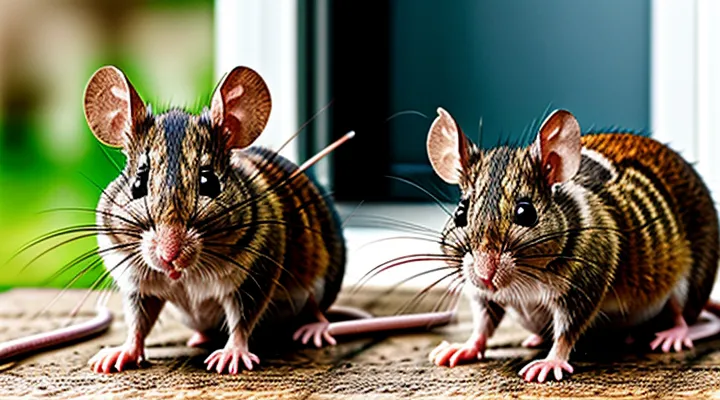
Understanding the Pests: Mice and Cockroaches
Common Mouse Species and Their Habits
The effectiveness of any rodent deterrent depends on knowing which species are likely to invade a property and how they behave.
House mice (Mus musculus) thrive in human structures, prefer warm interiors, and travel along walls and utility lines. They are nocturnal, reproduce rapidly, and can squeeze through openings as small as ½ inch.
Deer mice (Peromyscus maniculatus) occupy both rural buildings and urban basements. They favor dry, clutter‑free spaces, forage on stored grains, and are capable of climbing vertical surfaces using their strong hind limbs.
Roof rats (Rattus rattus) excel at navigating roofs, attics, and high shelves. Their excellent climbers avoid ground level, prefer elevated nesting sites, and are attracted to fruit, nuts, and poultry feed.
Norway rats (Rattus norvegicus) dominate ground‑level environments such as basements, crawl spaces, and sewers. They burrow extensively, require water sources, and are drawn to meat, dairy, and organic waste.
Key habits influencing repellent choice:
- Preference for entry points: mice exploit gaps around pipes, vents, and foundation cracks; sealing these reduces exposure.
- Activity periods: nocturnal species respond best to repellents that emit continuous odor or ultrasonic signals throughout night hours.
- Habitat selection: climbing species (roof rats) require deterrents placed on elevated surfaces, while ground‑dwelling rats need treatment at floor level and in crawl spaces.
- Food attraction: species that target grains or meat are more sensitive to repellents that mask food odors or create unpleasant scent profiles.
Understanding these behaviors allows targeted application of chemical, ultrasonic, or natural deterrents, ensuring that the selected solution matches the specific mouse species most likely to infest the premises.
Common Cockroach Species and Their Habits
The most frequently encountered cockroaches in residential and commercial environments belong to a limited group of species, each exhibiting distinct ecological preferences that influence control strategies.
-
German cockroach (Blattella germanica) – thrives in warm, humid interiors such as kitchens and food‑service areas. Prefers hidden cracks and crevices near food sources. Rapid reproductive cycle; a single female can produce up to 30 offspring per ootheca, with multiple oothecae per year. Primarily nocturnal, active shortly after dark.
-
American cockroach (Periplaneta americana) – larger, reddish‑brown insect favoring damp basements, sewers, and outdoor debris piles. Often enters structures through plumbing or foundation gaps. Omnivorous diet includes organic waste, decaying matter, and food residues. Reproduction slower than German species; females carry oothecae until hatching, releasing 10‑15 nymphs per batch.
-
Oriental cockroach (Blatta orientalis) – dark, glossy body, prefers cool, moist environments such as crawl spaces, basements, and under sinks. Less attracted to food, more to water sources and organic detritus. Reproductive output moderate; females produce oothecae containing 16‑18 eggs, which develop within the ootheca.
-
Brown‑banded cockroach (Supella longipalpa) – small, light‑tan insect with distinctive brown band across the wings. Occupies drier, higher locations like wall voids, ceilings, and attic spaces. Feeds on starches, sugars, and paper products. Females carry oothecae internally, releasing 10‑14 nymphs after a short gestation period.
-
Smoky brown cockroach (Periplaneta fuliginosa) – similar in size to the American species but favors outdoor habitats such as leaf litter and mulch. Occasionally infiltrates structures through poorly sealed doors or windows. Omnivorous, with a preference for decaying plant material. Reproductive rate comparable to the American cockroach.
Understanding these species’ preferred habitats, dietary habits, and reproductive cycles is essential for selecting effective deterrents and implementing targeted exclusion measures. Control methods must address moisture sources, eliminate food residues, and seal entry points corresponding to each species’ typical pathways.
Signs of Infestation
Mouse Infestation Indicators
Mice leave distinct traces that confirm a growing problem and guide the selection of effective deterrents. Recognizing these signs early prevents damage and reduces the need for extensive control measures.
Visible droppings appear as small, dark pellets, typically found along walls, behind appliances, and near food sources. Their size and shape differ from insect feces, allowing quick identification. Fresh droppings may be moist and dark, while older ones dry to a lighter brown.
Gnaw marks indicate feeding activity. Mice chew on wood, plastic, wiring, and packaging, leaving irregular, shallow cuts with rough edges. Repeated gnawing on electrical cords poses fire hazards and signals the presence of active foragers.
Nesting material reveals established colonies. Shredded paper, fabric fibers, dried plant matter, and insulation fragments accumulate in concealed areas such as wall voids, attics, and under appliances. The presence of layered debris suggests a stable population.
Noises heard at night, especially scratching or scurrying within walls or ceilings, confirm movement. Persistent sounds during quiet periods indicate multiple individuals navigating hidden pathways.
Unexplained food loss or contaminated supplies point to theft. Open packaging, chewed seals, and food residues on surfaces confirm that rodents are accessing stored items.
Evidence of urine, detectable by a faint ammonia odor, often accompanies other signs. Stains may appear on surfaces where mice travel, leaving a yellowish discoloration that darkens over time.
These indicators form a reliable checklist for assessing infestation severity and inform the choice of repellents, traps, or integrated pest management strategies.
Cockroach Infestation Indicators
Cockroach presence is rarely accidental; several observable signs confirm an active infestation. Recognizing these indicators allows timely selection of effective deterrents and prevents escalation.
- Dark, irregular droppings resembling coffee grounds, typically found near food sources, appliances, and hidden corners.
- Small, translucent egg casings (oothecae) attached to walls, behind cabinets, or in cracks; each capsule contains 30‑50 eggs.
- Persistent, oily odor that intensifies in warm, humid environments, especially in kitchens and bathrooms.
- Live or dead insects sighted during daylight, often in concealed areas such as under sinks, behind baseboards, or inside appliances.
- Stained or chewed food packaging, evidence of gnawing on cardboard, paper, or plastic containers.
- Grease or fecal smears on walls, countertops, or the undersides of furniture, indicating movement pathways.
When multiple signs appear simultaneously, the infestation level is likely moderate to severe, necessitating immediate implementation of repellents and integrated pest management strategies. Selecting appropriate products—whether chemical baits, traps, or natural deterrents—should align with the identified severity and the specific locations where indicators have been recorded. Prompt action based on these concrete observations reduces health risks and limits structural damage.
Types of Repellents
Natural and DIY Repellents
Essential Oil-Based Repellents
Essential oil‑based repellents rely on volatile compounds that irritate the sensory organs of rodents and cockroaches, prompting avoidance of treated areas. The active constituents—such as menthol, eucalyptol, linalool, and citronellal—disrupt olfactory receptors, creating an environment unfavorable for infestation.
Commonly used oils include:
- Peppermint oil: strong menthol scent, effective against mice and German cockroaches.
- Eucalyptus oil: high eucalyptol content, deters both pests.
- Lavender oil: linalool‑rich, reduces activity of house‑roaches.
- Citronella oil: citronellal dominance, repels rodents and various insects.
- Tea tree oil: terpinen‑4‑ol, offers moderate cockroach deterrence.
Application methods affect performance. Direct spraying on entry points, baseboards, and cracks creates a barrier; cotton balls or felt pads soaked in oil provide localized, sustained release. Dilution ratios typically range from 5 % to 15 % essential oil in water or carrier oil to prevent surface damage and minimize human exposure. Reapplication every 7–10 days maintains potency, as volatile compounds evaporate quickly.
Safety considerations are critical. Pure essential oils can damage painted surfaces, plastics, and certain fabrics; testing on an inconspicuous area prevents discoloration. Pets, especially cats, exhibit heightened sensitivity to terpene compounds; restricting access to treated zones mitigates toxicity risk. For households with children, use low‑concentration blends and ensure proper ventilation.
When selecting an essential oil repellent, evaluate:
- Target pest species—some oils show stronger activity against rodents, others against cockroaches.
- Concentration stability—higher percentages increase efficacy but raise safety concerns.
- Delivery format—sprays suit large areas, while soaked pads excel in confined spaces.
- Compatibility with existing cleaning agents—avoid mixing with bleach or ammonia, which can degrade active compounds.
Essential oil solutions provide a natural alternative to synthetic chemicals, offering measurable deterrence when applied correctly and monitored for safety.
Other Natural Methods
Natural alternatives can complement conventional pest control by creating environments that discourage rodents and cockroaches without synthetic chemicals. These approaches rely on sensory disruption, habitat modification, and biological competition.
- Essential oils: Peppermint, eucalyptus, and tea‑tree oil emit volatile compounds that irritate the olfactory receptors of mice and cockroaches. Dilute 10‑15 ml of oil in a liter of water and spray around entry points, baseboards, and storage areas. Reapply weekly or after cleaning.
- Diatomaceous earth: Microscopic silica particles abrade the exoskeleton of insects and dry the skin of rodents. Apply a thin layer in cracks, under appliances, and along wall edges. Use food‑grade material to avoid respiratory hazards.
- Herbal sachets: Dried lavender, bay leaves, and crushed cloves release continuous aromas that repel pests. Place sachets in drawers, pantry shelves, and garage corners. Replace every two months.
- Boric acid traps: Mix boric acid with a sweet attractant such as powdered sugar. Position the mixture on cardboard or in shallow dishes near suspected activity. The substance interferes with the insects’ digestive system while remaining low‑toxicity for humans when used correctly.
- Predatory insects: Release parasitoid wasps or predatory beetles in outdoor storage zones to reduce cockroach populations naturally. Monitor for balance to prevent unintended ecological impacts.
Effective deployment requires sealing structural gaps, maintaining low humidity, and removing food residues. Regular inspection of potential harborage sites ensures that natural barriers remain functional. Combine several methods to address both sensory aversion and physical deterrence, thereby enhancing overall pest management without reliance on chemical repellents.
Electronic Repellents
Ultrasonic Devices
Ultrasonic devices emit high‑frequency sound waves beyond the range of human hearing, targeting the auditory sensitivity of rodents and cockroaches. The emitted frequencies disrupt feeding and mating behaviors, prompting pests to vacate the area.
Effectiveness varies with species and environmental conditions. Laboratory studies show consistent avoidance responses in house mice, while field reports indicate reduced cockroach activity in sealed indoor spaces. Open environments and high ambient noise diminish performance.
Key factors for selecting an ultrasonic repeller:
- Frequency range: 20–65 kHz covers most rodent and cockroach hearing spectra.
- Coverage area: Specify square footage; larger units or multiple devices are required for expansive rooms.
- Adjustable timers: Allows scheduling to conserve power and adapt to occupancy patterns.
- Power source: Plug‑in models provide continuous operation; battery‑powered units suit temporary setups.
- Warranty and certifications: Look for UL or CE approval and a minimum one‑year warranty.
Placement influences results. Install devices at least 12 inches off the floor, avoid direct contact with walls, and distribute units evenly in multi‑room layouts. Eliminate obstacles such as furniture or curtains that can block sound propagation.
Routine maintenance includes cleaning speaker grills to prevent dust buildup and verifying that the unit powers on after power outages. Ultrasonic emitters are safe for humans and pets; however, avoid use around aquariums or devices sensitive to high‑frequency noise.
Electromagnetic Devices
Electromagnetic devices emit ultrasonic or electromagnetic waves intended to disturb the nervous systems of rodents and cockroaches, prompting them to vacate treated areas. The technology relies on frequencies beyond human hearing, typically ranging from 20 kHz to 100 kHz for ultrasound and 0.5 kHz to 30 kHz for electromagnetic fields. Devices are powered by mains electricity or batteries and can be installed on walls, ceilings, or placed on flat surfaces.
Key factors to evaluate when selecting an electromagnetic repellent:
- Frequency spectrum: broader ranges increase the likelihood of affecting multiple species.
- Coverage area: manufacturers specify square footage; verify that the device’s effective radius matches the target space.
- Power source: mains‑connected units provide continuous operation, while battery models require regular replacement and may offer limited runtime.
- Safety certifications: look for UL, CE, or ETL listings to ensure compliance with electrical standards.
- Warranty and service: longer warranty periods indicate confidence in durability and may reduce long‑term costs.
Effectiveness varies with species and environmental conditions. Rodents tend to adapt to constant ultrasonic exposure, reducing long‑term impact. Cockroaches, being less sensitive to sound, respond more to electromagnetic fields that interfere with their sensory receptors. Placement near entry points, nesting sites, and along walls maximizes exposure.
Limitations include:
- Inability to penetrate solid obstacles; walls and furniture can create blind spots.
- Potential interference with pet hearing, especially for high‑frequency ultrasound.
- Lack of immediate kill; devices serve as deterrents rather than eradication tools.
When integrating electromagnetic repellents into a broader pest‑management strategy, combine them with sealing entry points, maintaining cleanliness, and, if necessary, using chemical baits or traps for residual populations. This layered approach enhances overall efficacy while minimizing reliance on any single method.
Chemical Repellents
Sprays and Baits
Effective pest control for rodents and cockroaches relies heavily on the proper use of sprays and baits. Both categories deliver active ingredients that disrupt nervous function, but their delivery mechanisms and optimal applications differ markedly.
Sprays contain liquid formulations designed for direct contact. Common active agents include pyrethroids such as permethrin and synthetic organophosphates. Application requires thorough coverage of cracks, baseboards, and other travel routes. Advantages are rapid knock‑down of visible insects and the ability to treat large surface areas quickly. Limitations involve short residual activity, potential aerosol exposure, and reduced effectiveness against hidden nests.
Baits present a consumable matrix that attracts pests and delivers a delayed toxin. Typical ingredients comprise anticoagulant rodenticides (e.g., bromadiolone) for mice and hydramethylnon or fipronil for cockroaches. Formats range from gel blocks to plastic stations. Benefits include sustained action, minimal human exposure, and the capacity to eradicate hidden colonies. Drawbacks consist of placement constraints, risk of non‑target ingestion, and the need for regular monitoring.
Key factors for selecting between sprays and baits:
- Infestation severity: extensive sightings favor sprays; concealed populations benefit from baits.
- Environment: food‑handling areas demand low‑residue baits; open spaces allow spray use.
- Safety requirements: households with children or pets prioritize sealed bait stations over aerosolized chemicals.
- Resistance patterns: documented pyrethroid resistance suggests bait deployment, while susceptibility to anticoagulants supports rodent bait use.
- Regulatory compliance: ensure active ingredients meet local approval standards.
Choosing the appropriate formulation requires matching these criteria to the specific pest pressure and operational constraints. Proper rotation of active ingredients and adherence to label instructions enhance long‑term efficacy and reduce the likelihood of resistance development.
Granules and Powders
Granular repellents consist of compacted particles that release active ingredients slowly as they dissolve in moisture. The formulation allows placement in strategic locations such as along baseboards, under appliances, or in crawl spaces. Granules create a barrier that persists for weeks, reducing the need for frequent reapplication. They are compatible with automatic dispensers, making them suitable for large‑scale or commercial environments.
Powdered repellents are fine, free‑flowing substances that can be scattered directly onto surfaces or mixed with soil. Their high surface area accelerates the release of chemicals, delivering rapid action against both rodents and cockroaches. Powders are effective in cracks, crevices, and interior voids where granules cannot reach. They are easy to apply with hand tools and can be incorporated into bait stations for targeted control.
When deciding between granules and powders, consider the following factors:
- Longevity: Granules typically last 30‑60 days; powders may require reapplication every 2‑4 weeks.
- Coverage area: Granules cover larger zones per unit weight; powders excel in confined spaces.
- Application method: Granules suit automated dispensers; powders require manual spreading or mixing.
- Safety: Both forms demand protective equipment, but powders generate airborne dust that may necessitate additional ventilation.
- Cost efficiency: Granules often have higher upfront cost but lower labor expenses; powders are cheaper per unit but may increase labor due to frequent reapplication.
Traps and Deterrents
Live Traps
Live traps capture rodents and cockroaches without killing them, allowing release outdoors or humane disposal. The devices typically consist of a sealed chamber triggered by the animal’s entry, preventing escape once the latch is engaged.
Key characteristics to evaluate when selecting a live trap:
- Size matched to target species; mice require small chambers (approximately 4 × 4 × 4 in), while cockroaches need shallow, dark containers.
- Trigger mechanism reliability; spring‑loaded doors or pressure plates minimize false releases.
- Construction material; metal traps resist gnawing, whereas plastic models are lightweight and easy to clean.
- Escape‑proof sealing; rubber gaskets or tight-fitting lids ensure captured pests cannot push the door open.
Effective use involves strategic placement near walls, along baseboards, or close to known activity zones. Bait selection enhances capture rates: peanut butter or oats for mice, sugar‑water or fruit puree for cockroaches. Check traps at least twice daily to reduce stress on captured animals and to prevent secondary infestations.
Maintenance includes thorough washing with mild detergent, rinsing, and drying before reuse. Inspect latch components for wear and replace damaged parts promptly to maintain consistent performance.
Snap Traps
Snap traps provide a rapid, non‑chemical solution for rodent problems and complement other pest‑deterrent strategies. Their mechanism relies on a spring‑loaded bar that delivers an instantaneous strike when the trigger is activated by a mouse’s movement. Because the action does not involve toxins, snap traps avoid issues such as bait resistance or secondary poisoning.
Key attributes of an effective snap trap include:
- Trigger sensitivity – a low‑force release captures wary rodents without requiring substantial pressure.
- Bait compatibility – a recessed compartment holds solid or semi‑solid attractants without obstructing the trigger.
- Size and weight – a compact frame fits into tight spaces; a heavier base prevents displacement by larger pests.
- Durability – corrosion‑resistant materials extend service life in damp environments.
- Safety lock – a shield that covers the spring after capture reduces accidental injury during handling.
When choosing a snap trap, follow these steps:
- Identify the target species; snap traps are designed for mice and small rats, not for cockroaches.
- Match the trap’s size to the expected rodent weight range.
- Verify that the trigger mechanism operates with minimal resistance.
- Select a model with a built‑in disposal compartment to contain dead insects securely.
- Confirm the presence of a safety lock if the trap will be placed in areas accessed by children or pets.
Correct placement maximizes capture rates: position traps along walls, behind appliances, and near known activity zones; align the trigger edge perpendicular to the rodent’s travel path. Replace bait regularly to maintain attraction, and inspect traps daily to remove captured rodents and reset the mechanism.
Safety protocols require wearing gloves during disposal, sealing the trap’s waste compartment in a plastic bag, and cleaning the surrounding area with a disinfectant. Store unused traps out of reach of non‑target animals. By adhering to these specifications, snap traps become a reliable component of an integrated pest‑management plan.
Glue Traps
Glue traps provide a passive method for controlling rodents and cockroaches by immobilizing insects on a sticky surface. The adhesive is formulated to remain effective in varying temperatures and humidity levels, allowing traps to function in kitchens, basements, and crawl spaces.
Key characteristics to evaluate when selecting a glue trap:
- Size: larger surfaces capture more pests but require more storage space.
- Adhesive strength: high‑grade glue retains larger mice and active cockroaches without premature drying.
- Visibility: transparent or low‑visibility designs minimize visual disruption in living areas.
- Safety features: sealed edges reduce accidental contact with pets or children.
- Disposal method: traps with pre‑cut release strips simplify removal and reduce exposure to trapped pests.
Placement influences performance. Position traps along walls, near entry points, and behind appliances where rodents travel. For cockroaches, locate traps close to food sources, drains, and dark corners. Maintain a distance of at least 12 inches between traps to prevent overlapping adhesive zones.
Regular monitoring is essential. Inspect traps daily; replace any that become saturated or lose tackiness. Dispose of used traps in sealed bags before discarding to prevent escape or secondary contamination.
When comparing glue traps to chemical repellents, consider the following advantages: no odor, no risk of contaminating food, immediate visual confirmation of capture, and compliance with regulations restricting pesticide use. Limitations include the inability to prevent re‑infestation and the need for consistent maintenance.
Integrating glue traps with exclusion techniques—sealing cracks, removing food debris, and controlling moisture—creates a comprehensive strategy for managing mouse and cockroach populations.
Physical Barriers
Physical barriers prevent rodents and cockroaches from entering buildings by creating an impenetrable seal between interior spaces and potential entry points. Properly installed barriers block access to gaps, cracks, and openings that pests exploit, reducing reliance on chemical repellents and limiting infestation risk.
Effective barrier materials include steel wool, copper mesh, silicone caulk, and hardware cloth. Steel wool compresses into irregular openings, while copper mesh resists corrosion in damp environments. Silicone caulk seals small fissures and adheres to diverse surfaces. Hardware cloth, with mesh sizes of 1/4 inch or smaller, provides durable coverage for larger gaps such as vent openings and utility penetrations.
Installation guidelines:
- Clean the target area to remove debris and moisture.
- Apply a thin layer of caulk to the perimeter of the opening.
- Insert steel wool or copper mesh into the void, ensuring full contact with surrounding surfaces.
- Cover with hardware cloth and secure using stainless‑steel screws or staples.
- Inspect seams regularly; replace degraded material promptly.
Maintenance practices include quarterly visual inspections, especially after seasonal temperature shifts, and immediate repair of any compromised sections. Combining physical barriers with environmental management—such as eliminating food sources and reducing clutter—enhances overall pest control effectiveness.
Factors to Consider When Choosing
Safety Concerns
Pet Safety
When selecting products to deter rodents or cockroaches, pet safety must be a primary factor. Toxic ingredients, strong odors, and chemical residues can cause illness, behavioral changes, or accidental ingestion for dogs, cats, and other household animals.
Key safety considerations include:
- Ingredient transparency – Choose formulations that list all active components. Avoid products containing anticoagulant rodenticides, organophosphates, or synthetic pyrethroids, which are known to affect mammals.
- Odor intensity – Strong scents may irritate a pet’s respiratory system. Opt for low‑odor options or natural repellents such as peppermint oil, applied in concentrations that do not exceed veterinary guidelines.
- Placement – Install traps or bait stations out of reach, preferably in sealed compartments or behind barriers that pets cannot breach.
- Environmental persistence – Prefer non‑persistent compounds that break down quickly, reducing long‑term exposure on surfaces pets contact.
Application methods that protect animals:
- Apply repellents to exterior entry points, not directly onto flooring or furniture.
- Use sealed bait stations and regularly inspect them for damage.
- After treatment, ventilate indoor spaces for at least 30 minutes before allowing pets to re‑enter.
Monitoring pets after exposure is essential. Look for signs such as vomiting, lethargy, excessive drooling, or respiratory distress. If symptoms appear, contact a veterinarian promptly and provide details about the repellent used.
Child Safety
When selecting pest deterrents for mice and cockroaches, the safety of children must be a primary consideration. Products that rely on chemical agents can pose ingestion, inhalation, or skin‑contact risks, especially in households with toddlers who explore surfaces and objects.
Key safety criteria include:
- Non‑toxic ingredients – choose formulations based on natural oils, mineral‑based powders, or mechanical traps that lack harmful substances.
- Secure packaging – opt for containers with child‑resistant caps and tamper‑evident seals to prevent accidental opening.
- Clear labeling – verify that the label lists all active components, hazard warnings, and age‑specific usage instructions.
- Placement guidelines – apply repellents only in areas inaccessible to children, such as behind appliances, inside wall voids, or within sealed bait stations.
- Residual exposure – prefer short‑duration products that do not leave lingering residues on floors or countertops where children play.
When evaluating mechanical options, consider these points:
- Snap traps with safety shields – shields reduce the chance of a child triggering the mechanism.
- Live‑catch traps – allow removal of pests without chemicals; ensure traps have smooth edges and secure lids.
- Electronic devices – emit ultrasonic frequencies; verify that the device complies with safety standards and does not emit audible sounds that could disturb children.
Before purchase, confirm that the product carries certifications from recognized bodies (e.g., EPA, UL, or equivalent). Review the Material Safety Data Sheet (MSDS) for any residual toxicity information. Store all pest control items in locked cabinets or out‑of‑sight locations to eliminate accidental exposure.
By adhering to these guidelines, caregivers can effectively manage rodent and cockroach problems while maintaining a safe environment for children.
Food Safety
Effective pest deterrents protect food supplies by preventing contamination, reducing disease risk, and preserving product integrity. Selecting a safe solution requires evaluating several factors.
- Active ingredients must be approved for use in food‑handling areas by regulatory agencies such as the EPA or FDA. Substances like diatomaceous earth, certain essential oils, and low‑toxicity baits meet these criteria, while heavy‑metal powders or organophosphates are prohibited.
- Formulation should limit residue migration onto surfaces. Granular or dust applications placed away from direct food contact reduce the chance of accidental ingestion.
- Delivery method influences exposure. Mechanical traps and sealed bait stations contain attractants, preventing direct contact with food items. Sprays intended for perimeter treatment are unsuitable for interior food‑storage zones.
- Persistence and breakdown rate affect long‑term safety. Biodegradable compounds that decompose within weeks minimize accumulation in storage environments.
- Manufacturer documentation must include safety data sheets, usage instructions, and compliance statements. Absence of these records indicates potential regulatory non‑conformance.
Integrating these criteria into procurement policies ensures that pest control measures do not compromise the sanitary condition of consumables. Continuous monitoring, including periodic inspections of bait stations and residue testing, sustains compliance and protects public health.
Efficacy and Durability
Short-Term Solutions
When a mouse or cockroach intrusion demands immediate control, short‑term measures focus on rapid reduction of visible activity and prevention of further entry. These tactics rely on direct contact, strong odors, or physical barriers that act within hours to days.
- Snap or electronic traps placed along walls and near gnaw marks capture rodents instantly.
- Glue boards positioned in concealed corners immobilize insects without chemicals.
- Aerosol insecticides applied to cracks, crevices, and baseboards kill cockroaches on contact; repeat applications may be required.
- Concentrated essential‑oil sprays (e.g., peppermint, citronella) create an environment rodents and roaches avoid, offering temporary deterrence.
- Sealable plastic bags or metal containers with tight‑fitting lids provide immediate storage for captured pests.
- Temporary exclusion strips—foam or rubber gaskets—fit around doors and vents to block entry points while permanent sealing is arranged.
Deploying these interventions reduces population pressure quickly, buying time for longer‑term strategies such as structural repairs, integrated pest management, or professional extermination.
Long-Term Solutions
Long‑term control of mice and cockroaches requires measures that persist beyond a single application. Effective strategies combine physical barriers, habitat modification, and sustained chemical or biological interventions.
- Seal cracks, gaps, and utility openings with steel wool, caulk, or metal flashing to prevent entry.
- Install door sweeps and weather stripping on exterior doors to eliminate crawl‑space access.
- Maintain a clean environment: store food in airtight containers, remove standing water, and eliminate clutter that offers shelter.
- Deploy slow‑acting, low‑toxicity baits positioned in concealed locations; replace them according to label recommendations to sustain efficacy.
- Apply residual insecticide sprays or dusts in voids, behind appliances, and along baseboards; re‑treat according to product durability.
- Implement an integrated pest‑management program that includes regular inspections, monitoring traps, and documentation of activity trends.
- Engage licensed pest‑control professionals for periodic treatments, especially in high‑risk structures or when infestations persist despite DIY efforts.
Consistent application of these components creates an environment hostile to rodents and cockroaches, reducing the likelihood of re‑infestation and minimizing reliance on short‑term fixes. Regular review of sealed points and bait efficacy ensures the solution remains effective over months and years.
Application and Coverage Area
Indoor Use
When dealing with indoor environments, the choice of rodent and cockroach deterrents must address safety, effectiveness, and convenience. Effective indoor solutions share several essential characteristics.
- Non‑toxic formulations protect occupants, especially children and pets.
- Low odor or odor‑free options prevent discomfort in living spaces.
- Application methods that do not require extensive preparation reduce disruption.
- Products with proven efficacy against both mice and cockroaches simplify inventory management.
Chemical repellents often rely on volatile compounds such as menthol, peppermint oil, or synthetic pyrethroids. These agents disperse quickly, providing short‑term protection but may require frequent reapplication. For continuous coverage, consider plug‑in diffusers or ultrasonic devices that emit frequencies claimed to deter pests without chemicals. While ultrasonic units lack universal scientific validation, they eliminate residue concerns and are easy to install.
Physical barriers offer durable control. Seal gaps around pipes, vents, and baseboards with silicone caulk or steel wool to block entry points. Install snap‑tight traps inside cabinets or closets where rodents seek shelter. For cockroach control, place adhesive bait stations in dark corners, under appliances, and near waste containers. Bait formulations combine attractants with insecticides, delivering targeted action while limiting exposure to other areas.
When evaluating products, verify the following criteria:
- Certification by relevant health agencies (e.g., EPA, FDA).
- Independent laboratory testing confirming activity against both species.
- Clear usage instructions specifying indoor placement limits.
- Shelf life and stability under typical indoor temperature and humidity conditions.
Maintenance practices complement any repellent strategy. Regular cleaning eliminates food residues that attract pests. Waste disposal in sealed containers prevents odor buildup. Periodic inspection of seals and traps identifies breaches before infestations expand.
In summary, an optimal indoor pest‑deterrent regimen combines safe chemical or electronic repellents, physical exclusion measures, and disciplined housekeeping. Selecting products that meet safety standards, demonstrate proven efficacy, and fit the specific layout of the interior space ensures sustained protection against mice and cockroaches.
Outdoor Use
When protecting gardens, sheds, or patios from rodents and cockroaches, the repellent must endure rain, sunlight, and temperature fluctuations. Formulations designed for indoor use often lose potency when exposed to the elements, so selecting a product specifically labeled for exterior application is essential.
Key criteria for outdoor repellents include:
- Weather resistance – active ingredients should remain effective after UV exposure and moisture.
- Longevity – a treatment period of at least four weeks reduces reapplication frequency.
- Target specificity – ingredients that deter both mice and cockroaches without harming beneficial insects.
- Safety – low toxicity to pets, children, and wildlife, with clear labeling of hazardous components.
- Application method – sprays, granules, or perimeter barriers that can be evenly distributed on soil, mulch, or structural surfaces.
- Coverage area – clear specifications of square footage per unit to ensure adequate protection.
Spray emulsions based on peppermint oil or synthetic pyrethroids provide rapid coverage on walls and fences, while granular formulations containing diatomaceous earth or boric acid are suited for soil and compost piles. For large open spaces, perimeter bands of polymer‑encapsulated repellent offer continuous release and resist wash‑off.
Regular inspection of treated zones, removal of debris that can shield pests, and reapplication before the effectiveness window expires maintain consistent deterrence. Store unused product in a cool, dry place to preserve potency and follow label instructions for disposal.
Specific Problem Areas
When selecting deterrents for rodents and cockroaches, focus on the environments where infestations most often develop. These zones present unique challenges that influence product choice and application method.
- Kitchen counters and pantry shelves: Residual food particles and grease create attractive feeding sites; repellents must resist absorption and remain effective despite frequent cleaning.
- Under‑sink cabinets and plumbing areas: Moisture and occasional leaks provide ideal breeding conditions; water‑based formulations that do not corrode metal components are preferable.
- Basement and crawl‑space corners: Low temperatures and limited airflow reduce volatility of many chemicals; products with prolonged release mechanisms maintain potency in cool, stagnant air.
- Bathroom fixtures and tile grout: Persistent humidity encourages cockroach sheltering; silicone‑based barriers that adhere to smooth surfaces prevent migration.
- Wall voids and floor gaps: Small openings allow pests to travel between rooms; aerosol or powder treatments that penetrate cracks ensure coverage beyond surface contact.
- Storage rooms and garage shelves: Seasonal items often attract rodents; non‑toxic, odor‑free options protect stored goods and comply with safety regulations for chemicals near combustible materials.
Each problem area demands consideration of:
- Contact time required for the active ingredient to affect target insects.
- Compatibility with surrounding materials to avoid corrosion or staining.
- Safety profile for humans, pets, and food‑handling surfaces.
- Resistance potential; rotating active ingredients reduces likelihood of habituation.
Addressing these specific zones with targeted deterrents maximizes control efficacy while minimizing unnecessary exposure and re‑application frequency.
Cost-Effectiveness
Initial Investment
When evaluating deterrent solutions for rodents and cockroaches, the initial capital outlay determines feasibility and influences long‑term effectiveness. The first expense category comprises the product itself—whether a chemical spray, ultrasonic device, or bait station. Prices vary widely: bulk chemical concentrates may cost less per unit than sophisticated electronic units, which often require a higher upfront payment.
The second category includes application tools and safety equipment. Sprayers, protective gloves, and ventilation devices add to the budget but are essential for correct deployment and compliance with safety regulations. Ignoring these ancillary costs can inflate the total investment after purchase.
The third category covers installation and professional services. Hiring a pest‑control specialist for proper placement of traps or devices often incurs a fixed service fee. This fee should be weighed against the potential reduction in labor time and the increased reliability of professional installation.
A concise cost breakdown:
- Product price (chemical, electronic, or bait)
- Application accessories (sprayer, PPE, ventilation)
- Service fees (consultation, installation, warranty)
Assessing these elements before purchase provides a clear picture of the required capital and supports a decision that balances immediate spending with expected durability and efficacy.
Maintenance and Replenishment
Effective pest deterrence depends on regular upkeep of the applied solutions. Residual activity declines as active ingredients dissipate or devices lose power, making systematic checks essential for sustained protection.
Typical service intervals differ by product class. Aerosol or liquid sprays maintain potency for 2–4 weeks before re‑application is required. Granular formulations release chemicals over 30–60 days, after which a fresh layer should be spread. Electronic emitters and ultrasonic units operate continuously but lose effectiveness when batteries deplete or circuitry accumulates dust; a quarterly inspection is advisable.
- Inspect placement of traps and emitters; verify that no obstructions block dispersal.
- Test battery levels in electronic devices; replace with fresh cells or recharge as specified by the manufacturer.
- Measure surface residue of granular products; add a new layer if the visible coating falls below the recommended depth.
- Record the date of each maintenance action to track performance trends and anticipate future replenishment needs.
Proper storage extends product lifespan. Keep unopened containers in a cool, dry environment away from direct sunlight. Seal opened packages tightly to prevent volatilization of active compounds. Dispose of expired or contaminated materials according to local regulations to avoid inadvertent exposure.
Best Practices for Repellent Use
Integrated Pest Management (IPM) Approach
Integrated Pest Management (IPM) provides a systematic framework for reducing mouse and cockroach activity while minimizing reliance on chemicals. The approach combines accurate detection, habitat modification, physical barriers, mechanical removal, and targeted pesticide use. Each element contributes to long‑term suppression and prevents resistance buildup.
Effective IPM implementation begins with precise monitoring. Traps, visual inspections, and sticky cards generate data on population size, activity patterns, and entry points. This information guides subsequent actions and avoids unnecessary applications of repellents.
Key components of the IPM cycle include:
- Sanitation: Eliminate food residues, water sources, and clutter that attract rodents and insects.
- Exclusion: Seal cracks, install door sweeps, and repair vent screens to block ingress.
- Mechanical control: Deploy snap traps, glue boards, or bait stations for immediate reduction.
- Chemical control: Apply repellents or insecticides only after non‑chemical measures have been exhausted, selecting products with low toxicity and proven efficacy.
- Evaluation: Review trap counts and infestation signs regularly to adjust tactics.
When choosing repellents within an IPM program, prioritize products that complement other tactics. Criteria include active ingredient specificity, residual activity duration, safety for occupants and pets, and compatibility with exclusion methods. Verify label claims through independent studies or extension service recommendations before purchase.
By integrating monitoring data, environmental management, and selective chemical use, practitioners achieve reliable control of both rodents and cockroaches while preserving ecological balance and reducing exposure risks.
Proper Application Techniques
Effective use of rodent and cockroach deterrents depends on precise application. Identify high‑traffic zones such as kitchen corners, pantry shelves, and entry points behind appliances. Apply the product directly to cracks, gaps, and surfaces where pests travel, ensuring full coverage without excess buildup.
When using spray formulations, hold the nozzle 6–12 inches from the target area. Move the canister in a steady back‑and‑forth motion to create an even mist. For granular or pellet products, distribute a thin layer along baseboards, under sinks, and around pipe penetrations. Avoid placing material on food‑contact surfaces; confine it to non‑edible zones.
Timing influences efficacy. Deploy repellents during periods of peak activity—typically dusk for cockroaches and night for mice. Reapply according to manufacturer specifications, usually every 30 days for sprays and every 60 days for granules. Monitor pest activity and adjust placement if signs of avoidance appear.
Safety considerations include wearing gloves and eye protection during application, ventilating the area for at least 15 minutes after spraying, and storing unused product out of reach of children and pets. Dispose of empty containers according to local hazardous‑waste guidelines.
Regular Maintenance and Monitoring
Effective pest control relies on systematic upkeep and vigilant observation. Consistent cleaning eliminates food sources that attract rodents and cockroaches. Sweep floors, wipe countertops, and empty trash daily; store dry goods in sealed containers; and repair leaks promptly to reduce moisture that supports insect activity.
Periodic inspection validates the performance of repellents. Conduct a visual sweep of interior spaces every two weeks, focusing on corners, behind appliances, and under sinks. Look for droppings, gnaw marks, shed skins, or live insects. Record findings in a log to identify trends and adjust treatment schedules.
Replace or recharge repellents according to manufacturer guidance. Many chemical baits lose potency after 30 days, while ultrasonic devices may require battery changes quarterly. Follow a calendar that aligns replacement dates with inspection results to prevent gaps in protection.
Maintain the exterior environment to deter entry. Trim vegetation away from building foundations, seal cracks larger than ¼ inch, and install door sweeps. Perform these tasks seasonally, after severe weather, and whenever new damage is observed.
Key actions for regular maintenance and monitoring:
- Clean food preparation and storage areas daily.
- Inspect interior and perimeter weekly for signs of activity.
- Log observations and correlate with repellent efficacy.
- Replace or recharge products on schedule; adjust frequency if signs reappear.
- Seal entry points and manage surrounding vegetation each season.
Adhering to this routine sustains the effectiveness of any mouse or cockroach deterrent, ensuring long‑term protection without unnecessary chemical use.
When to Call a Professional
Professional intervention becomes necessary when DIY measures fail to reduce activity, when infestations exceed a few sightings, or when health and safety risks arise. Evidence of widespread droppings, gnaw marks on structural components, or extensive cockroach egg casings indicates a population that outpaces chemical or trap-based solutions. Persistent odors, damage to wiring or insulation, and contamination of food storage areas also signal the need for expert assessment.
Typical scenarios that warrant a licensed exterminator include:
- Repeated failure of over‑the‑counter repellents after several weeks of consistent application.
- Detection of nests in concealed spaces such as wall cavities, attics, or crawl spaces.
- Presence of disease‑carrying pathogens identified by health officials or sanitation inspections.
- Structural damage that could compromise building integrity, such as gnawed support beams or compromised electrical wiring.
Regulatory requirements may obligate property owners to engage certified pest‑control services, especially in commercial kitchens, healthcare facilities, or rental properties subject to health codes. In such environments, documented proof of professional treatment is often mandatory for compliance audits.
When contacting a specialist, provide detailed observations: location of sightings, type of bait or repellent used, and any visual evidence of nests or damage. This information enables the technician to select appropriate treatment methods, ranging from targeted baits and traps to integrated pest‑management plans that combine chemical, mechanical, and environmental controls. Prompt professional action reduces the likelihood of infestation spread, minimizes health hazards, and protects structural assets.