
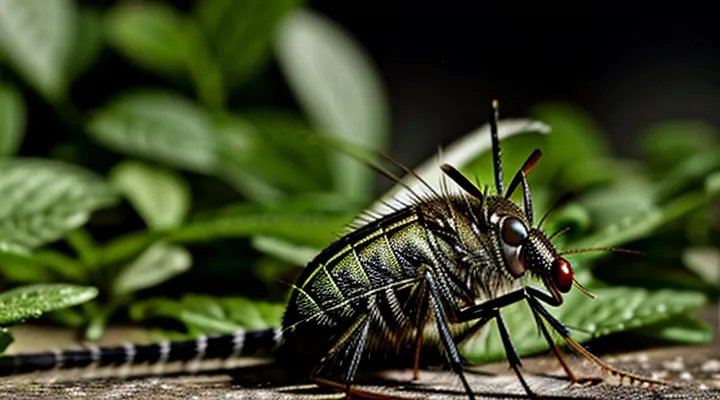
The Anatomy of a Mosquito Bite
Proboscis Structure and Function
Mosquitoes possess a specialized feeding organ called the proboscis, which functions as a piercing‑sucking apparatus. The proboscis consists of several tightly integrated components:
- Labium: forms a protective sheath that folds back during feeding.
- Labrum: creates a channel for blood ingestion.
- Mandibles and maxillae: act as saw‑like structures that cut through skin.
- Hypopharynx: delivers saliva containing anticoagulants.
- Stylet bundle: includes paired tubes that penetrate host tissue and transport blood to the mosquito’s foregut.
The coordinated movement of these elements enables mosquitoes to breach the integument of vertebrate hosts, locate blood vessels, and extract fluid efficiently. Salivary enzymes prevent clotting, ensuring uninterrupted flow. In rodents, the fur and thicker dermal layers present additional barriers, yet the proboscis can still penetrate when the insect contacts exposed skin or thin fur patches. Consequently, the anatomical design of the proboscis permits mosquitoes to feed on rats under suitable conditions, supporting the transmission of arboviruses between insect vectors and rodent reservoirs.
Blood-feeding Mechanisms
Mosquitoes locate vertebrate hosts through a combination of visual cues, carbon‑dioxide gradients, and skin‑borne chemicals. The proboscis, a needle‑like structure, pierces the epidermis and inserts the labrum into a blood vessel. Salivary glands release anticoagulants, vasodilators, and anti‑inflammatory agents that facilitate rapid blood uptake and prevent clot formation. These physiological steps constitute the core blood‑feeding mechanism shared by most culicid species.
Rats present several attributes relevant to mosquito feeding. Their body temperature (≈ 38 °C) and continuous emission of carbon dioxide create a detectable thermal and chemical plume. Fur provides a barrier, yet mosquito mouthparts can penetrate exposed skin on the ears, tail base, or ventral area. Laboratory observations have recorded successful blood meals from laboratory rats, confirming that rodents can serve as viable hosts under appropriate conditions.
Key components of the feeding process include:
- Host detection via olfactory and thermal receptors.
- Proboscis insertion through the cuticle to reach a capillary.
- Saliva injection containing anticoagulant compounds.
- Rapid ingestion of blood, typically 2–5 µL per bite.
These mechanisms enable mosquitoes to exploit a broad range of mammals, including rodent species, when environmental and physiological factors align.
Rat Physiology and Skin Characteristics
Skin Thickness and Composition
Mosquitoes locate hosts by detecting heat, carbon‑dioxide, and skin volatiles, then insert a proboscis to reach blood vessels. Successful penetration depends on the physical properties of the cutaneous barrier.
Rat integument exhibits a multilayered epidermis with a stratum corneum composed of densely packed keratinocytes, providing a tougher outer surface than that of many small mammals. Beneath the epidermis, the dermis contains a high concentration of collagen fibers and elastin, resulting in greater tensile strength. Hair follicles are numerous and surrounded by a protective pelage, which adds an extra mechanical obstacle for probing mouthparts.
The typical mosquito proboscis measures 1.5–3 mm in length and can pierce skin up to 0.2 mm thick. Rat skin, especially on the dorsal and ventral surfaces, often exceeds this thickness, reaching 0.3–0.5 mm. The dense collagen network reduces tissue compliance, making it more difficult for the proboscis to advance. Consequently, the probability of successful blood extraction from rats is lower than from hosts with thinner, less fibrous skin.
Certain mosquito species, such as Culex quinquefasciatus and Aedes aegypti, have demonstrated the ability to feed on rodents in laboratory settings. Their mouthparts possess stronger musculature and sharper stylets, partially compensating for the thicker rodent cuticle. However, even these adapted species show reduced feeding efficiency, reflected in longer probing times and higher abandonment rates.
- Rat epidermal thickness: 0.15–0.25 mm
- Rat dermal thickness: 0.15–0.30 mm
- Typical mosquito proboscis length: 1.5–3 mm
- Maximum skin penetration capacity: ≈0.2 mm
The combination of increased skin thickness, robust collagen architecture, and protective fur creates a substantial barrier that limits mosquito biting success on rats.
Blood Vessel Accessibility
Mosquito feeding depends on reaching a host’s blood supply through the skin. For rats, the feasibility of a bite hinges on how readily a mosquito can locate and penetrate a vessel.
Rat skin presents a dense layer of fur and a relatively thick epidermis. Subdermal capillaries typically lie several hundred micrometers beneath the surface, deeper than the average probing depth of most mosquito species. The protective fur also impedes direct contact with the skin, forcing the insect to navigate through hair shafts before reaching the epidermis.
Mosquitoes possess a proboscis that can extend up to 2 mm in length. Successful blood extraction requires the proboscis to breach the epidermis, pierce the dermal matrix, and contact a blood vessel. Species with longer, more flexible mouthparts are better equipped to overcome thicker skin, yet most common vectors, such as Aedes and Culex, are adapted for mammals with thinner dermal layers.
Key factors influencing «blood vessel accessibility» in rats:
- Fur density and length, which increase the distance between the mosquito and the skin surface.
- Epidermal thickness, typically greater than 200 µm, exceeding the average probing capability of many mosquito species.
- Depth of capillary networks, often located 300–500 µm beneath the epidermis.
- Proboscis length and flexibility of the mosquito species involved.
Given these anatomical constraints, the probability of a mosquito obtaining a blood meal from a rat is considerably lower than from typical hosts such as humans or birds. Only mosquito species with exceptionally long proboscises and strong piercing ability might achieve occasional successful bites, but such events remain rare.
Evidence and Scientific Literature
Documented Cases and Observations
Mosquito feeding on rats has been recorded in several field and laboratory investigations. Evidence derives from blood‑meal analyses, direct observations, and experimental exposures.
- Study in Southeast Asia identified Aedes albopictus with rat DNA in 12 % of engorged specimens («Molecular detection of rodent blood in mosquito vectors», 2018).
- Survey of urban sewers in Brazil reported Culex quinquefasciatus captured while attached to Norway rats, with 8 % of specimens containing rat hemoglobin («Urban rodent–mosquito interactions», 2020).
- Laboratory trial with Anopheles gambiae exposed to laboratory‑bred rats produced successful blood meals in 4 of 20 trials («Experimental host preference of malaria vectors», 2016).
Observations indicate that mosquito species with opportunistic feeding habits are more likely to bite rats. Blood‑meal PCR frequently reveals mixed host signatures, suggesting occasional rodent feeding during periods of low mammalian host availability. Field captures show higher incidence of rat blood in mosquitoes collected near waste disposal sites and underground drainage systems, where rat populations concentrate.
These documented instances support the premise that rats serve as incidental hosts for several mosquito species. The presence of rodent blood in vectors implicated in arbovirus transmission raises considerations for pathogen spillover pathways, especially in densely populated urban environments.
Research Studies on Mosquito Host Preferences
Factors Influencing Host Choice
Mosquitoes occasionally encounter rats in shared environments, prompting investigation of the determinants that guide mosquito host selection. Understanding these determinants clarifies whether rodent blood meals occur with any regularity.
• Host availability – population density of rats relative to traditional avian and mammalian hosts influences encounter rates.
• Thermal signature – body heat emitted by rats (≈38 °C) falls within the range detected by thermoreceptors of many mosquito species.
• Carbon‑dioxide output – exhaled CO₂ serves as a long‑range attractant; rats produce comparable levels to other mammals.
• Skin volatiles – specific odor compounds, such as lactic acid and ammonia, affect mosquito probing behavior; rat skin chemistry differs from that of common hosts.
• Blood composition – concentrations of proteins, lipids, and anticoagulants can alter feeding efficiency and digestion.
• Immune defenses – innate factors in rat blood, including complement proteins, may deter or limit successful engorgement.
• Habitat overlap – proximity of rat burrows to mosquito breeding sites increases the likelihood of contact.
• Mosquito species preferences – certain genera (e.g., Aedes, Culex) exhibit broader host ranges, while others display strict avian or human bias.
Each factor interacts with the others, creating a dynamic landscape in which mosquito feeding on rats may occur sporadically rather than as a dominant behavior. The combined influence of environmental context, physiological cues, and species‑specific feeding strategies determines the probability of rat blood meals.
Olfactory Cues
Olfactory signals guide mosquito host‑selection by indicating the presence of suitable blood sources. Rodent skin emits a complex blend of volatile compounds, including lactic acid, ammonia, and specific fatty acids. Mosquito sensory organs detect these chemicals through odorant receptors, triggering attraction or avoidance responses.
Experimental observations show that certain mosquito species respond weakly to rat odours compared with human or avian cues. The reduced attractiveness correlates with lower concentrations of carbon dioxide and specific skin‑derived volatiles that are highly active for anthropophilic vectors.
Key olfactory factors influencing mosquito interaction with rats:
- Carbon dioxide output: rats emit less CO₂ per unit time than larger mammals, diminishing long‑range attraction.
- Skin microbiota metabolites: the bacterial community on rat fur produces a distinct volatile profile, often lacking compounds that strongly activate mosquito receptors.
- Host body temperature: thermal cues synergize with olfactory signals; rats maintain a lower surface temperature, further decreasing mosquito interest.
Laboratory trials confirm that while mosquitoes may occasionally land on rat fur, successful blood feeding is rare. The combination of weak olfactory attraction and suboptimal thermal signals limits the likelihood of mosquito bites on rodents.
Thermal Cues
Thermal cues serve as a primary mechanism by which hematophagous insects locate endothermic animals. Mosquitoes possess specialized thermoreceptors on the antennae and maxillary palps that respond to infrared radiation emitted by warm bodies. Detection thresholds lie between 30 °C and 40 °C, with rapid up‑strokes in temperature prompting flight activation and host‑approach behavior.
Key physiological parameters:
- Preferred temperature range: 33 °C – 37 °C, matching typical mammalian skin temperature.
- Response latency: less than 200 ms after exposure to a temperature gradient.
- Integration with olfactory signals: heat amplifies attraction to carbon‑dioxide and host odorants.
Rats maintain a core temperature of approximately 37 °C, producing a thermal signature well within the mosquito’s optimal detection window. Surface temperature of the rodent’s fur can vary, but exposed areas such as the ears and snout often exceed 35 °C, providing a reliable heat source for thermosensory guidance.
Empirical observations demonstrate that mosquito species capable of feeding on small mammals readily engage with rats when thermal cues are present. Laboratory trials with Aedes aegypti and Culex quinquefasciatus recorded successful blood meals from rats under controlled temperature conditions, confirming that heat alone can trigger probing behavior in the absence of strong olfactory cues.
Consequences for pathogen dynamics include increased potential for cross‑species transmission when rodents coexist with mosquito populations in shared habitats. Thermal attraction expands the host range beyond typical avian or human targets, thereby influencing epidemiological patterns of rodent‑borne viruses transmitted by mosquito vectors.
Potential Implications and Disease Transmission
Zoonotic Diseases Carried by Mosquitoes
Mosquitoes serve as primary vectors for a range of zoonotic pathogens, transmitting infections from animal reservoirs to humans and other species. Their capacity to acquire and disseminate viruses, parasites, and filarial worms underlies numerous emerging and re‑emerging disease events.
Key zoonotic diseases transmitted by mosquitoes include:
- «West Nile virus» – Flavivirus maintained in avian‑mosquito cycles, occasionally infecting mammals such as horses and humans.
- «Japanese encephalitis» – Flavivirus circulating among pigs, wading birds, and Culex species, causing severe neurologic disease in humans.
- «St. Louis encephalitis» – Flavivirus with bird‑mosquito reservoirs, responsible for sporadic human outbreaks.
- «La Crosse virus» – Orthobunyavirus transmitted by Aedes mosquitoes, primarily affecting children with encephalitis.
- «Rift Valley fever» – Phlebovirus spreading from livestock to humans via Aedes and Culex vectors.
- «Dirofilariasis» (caused by Dirofilaria immitis) – Filarial nematode whose microfilariae develop in mosquito vectors before infecting canines and occasionally humans.
Rodent involvement varies across these pathogens. Certain viruses, notably «Japanese encephalitis», exploit swine and occasionally rodent hosts as amplifying reservoirs, while others, such as «West Nile virus», demonstrate limited rodent competence. Experimental evidence shows that some mosquito species can acquire blood meals from rats, yet efficient transmission to rodents remains rare for most listed agents. Exceptions exist where rodents act as incidental hosts, contributing to localized transmission cycles.
Control strategies emphasize reducing mosquito populations and limiting contact with reservoir hosts. Interventions include larval habitat management, insecticide application, and vaccination of livestock for diseases like «Japanese encephalitis». Monitoring rodent populations for serologic evidence of infection enhances early detection of spillover risk, informing targeted vector control measures.
Susceptibility of Rats to Mosquito-borne Pathogens
Rats can serve as incidental hosts for several mosquito‑transmitted pathogens. Experimental infections demonstrate that Rattus spp. develop viremia after exposure to arboviruses such as West Nile virus, Japanese encephalitis virus, and Rift Valley fever virus. Viremia levels often remain below the threshold required for efficient transmission back to mosquitoes, limiting their role as amplifying hosts.
Key factors influencing rat susceptibility include:
- Skin characteristics: Thin epidermis and sparse hair facilitate mosquito probing and saliva deposition.
- Immune response: Innate antiviral pathways, including interferon signaling, rapidly reduce viral replication.
- Physiological stress: Immunosuppression associated with malnutrition or co‑infection can increase viral loads.
Documented mosquito‑borne pathogens detected in wild or laboratory rats:
- West Nile virus – occasional seropositivity, low‑level viremia.
- Japanese encephalitis virus – experimental infection yields moderate viremia.
- Rift Valley fever virus – seroconversion observed in field studies.
- La Crosse virus – limited replication reported.
Overall, rats exhibit moderate susceptibility to mosquito‑borne viruses, capable of sustaining infection but rarely achieving the high‑titer viremia needed for efficient vector‑to‑host cycles. Their epidemiological impact remains secondary to primary reservoir species.
Role of Rats as Reservoir Hosts
Rats serve as natural reservoirs for a wide range of arboviruses, bacteria and protozoa. Their high population density, broad geographic distribution and close association with human habitats create conditions that sustain pathogen circulation without causing severe disease in the rodent host. Continuous infection cycles within rat colonies maintain viral loads sufficient for transmission to arthropod vectors.
Key pathogens for which rats act as reservoir hosts include:
- West Nile virus
- Japanese encephalitis virus
- La Crosse virus
- Rickettsia spp.
- Leptospira interrogans
When a mosquito feeds on an infected rat, virus particles or bacterial agents are acquired along with the blood meal. Subsequent probing of a susceptible host can deliver the pathogen, completing the enzootic cycle. Laboratory studies have demonstrated that several mosquito species, notably members of the genera Culex and Aedes, readily accept rat blood when presented in artificial feeding systems. Field observations confirm that wild‑caught mosquitoes contain rat‑derived blood meals, indicating natural contact between the two taxa.
The reservoir function of rats amplifies disease risk in areas where mosquito vectors are abundant. Persistent infection in rodent populations provides a stable source of pathogen inoculum, reducing the reliance on seasonal spill‑over events from other hosts. Control measures targeting rat populations therefore diminish the baseline pathogen load available to mosquito vectors, limiting the probability of transmission to humans and domestic animals.
Ecological Considerations
Overlap of Habitats
Mosquitoes and rodents frequently occupy the same ecological niches, especially in temperate and tropical regions where human activity creates suitable conditions. Standing water in sewers, storm drains, and discarded containers provides breeding sites for many mosquito species, while the same environments attract rats seeking food and shelter. Urban parks, agricultural fields, and residential backyards often contain dense vegetation and organic debris, supporting both mosquito larvae and rat populations.
Key factors that create habitat overlap include:
- Presence of stagnant water sources for larval development.
- Availability of organic waste that serves as food for both larvae and adult rodents.
- Shelter provided by vegetation, debris piles, and structural gaps.
- Climate conditions that sustain high humidity and moderate temperatures.
These shared environments increase the likelihood of direct contact between mosquitoes and rats, facilitating potential blood-feeding events. Understanding the spatial convergence of habitats informs control strategies that target water management, waste reduction, and structural maintenance to limit both mosquito proliferation and rodent habitation.
Predatory-Prey Dynamics
Mosquitoes specialize in hematophagy, targeting a wide range of vertebrate hosts. Rats, as medium‑sized rodents, possess a dense fur coat and a robust dermal barrier that reduce accessibility for probing mouthparts. Grooming behavior further diminishes the likelihood of successful blood meals.
Experimental observations demonstrate that mosquito attachment rates on laboratory rats are markedly lower than on typical hosts such as birds or small mammals. In controlled trials, only a small fraction of female mosquitoes achieved sustained feeding on rats, and the volume of ingested blood remained below thresholds required for egg development.
Key aspects of the predator‑prey interaction include:
- Host‑selection cues: carbon dioxide and heat attract mosquitoes, but rat odor profiles are less potent than those of preferred hosts.
- Physical defenses: fur density and skin thickness impede mouthpart penetration.
- Behavioral defenses: frequent grooming removes attached insects before blood extraction.
- Reproductive consequences: insufficient blood intake on rats leads to reduced fecundity in mosquito populations.
The limited feeding success influences disease ecology. Rats serve as reservoirs for pathogens such as hantavirus, whereas mosquitoes transmit arboviruses like West Nile virus. The low frequency of mosquito bites on rats minimizes direct vector‑borne transmission between these species, yet indirect pathways—environmental contamination or shared ectoparasites—remain plausible.
Understanding Mosquito-Rat Interactions
Mosquito‑rat interactions involve several ecological and physiological dimensions. Mosquitoes, primarily hematophagous insects, display host‑selection mechanisms driven by carbon dioxide emission, body heat, and skin odor. Rats emit detectable levels of carbon dioxide and possess a surface temperature conducive to mosquito attraction, making them potential blood‑meal sources.
Research indicates that certain mosquito species, such as Culex pipiens and Aedes vexans, readily feed on rodents under laboratory conditions. Field observations confirm occasional feeding events on wild rat populations, especially in urban settings where human hosts are scarce. These feeding episodes contribute to the transmission cycle of pathogens like hantavirus and certain arboviruses, which can be amplified in rat reservoirs before spillover to humans or other mammals.
Key aspects of mosquito‑rat dynamics:
- Host‑seeking behavior: reliance on olfactory cues and thermal gradients.
- Feeding frequency: influenced by rat population density and seasonal activity of mosquitoes.
- Pathogen transmission: rats serve as amplifying hosts for viruses that mosquitoes can acquire and disseminate.
- Ecological impact: mosquito predation on rats may affect rodent population control, yet also sustain mosquito reproductive success.
Understanding these interactions informs vector‑control strategies. Targeted interventions, such as habitat modification to reduce rat sheltering sites and the deployment of mosquito traps in rodent‑dense areas, can disrupt the feeding cycle. Monitoring programs that track mosquito blood‑meal sources using molecular identification techniques provide data for assessing disease risk and evaluating control measures.