
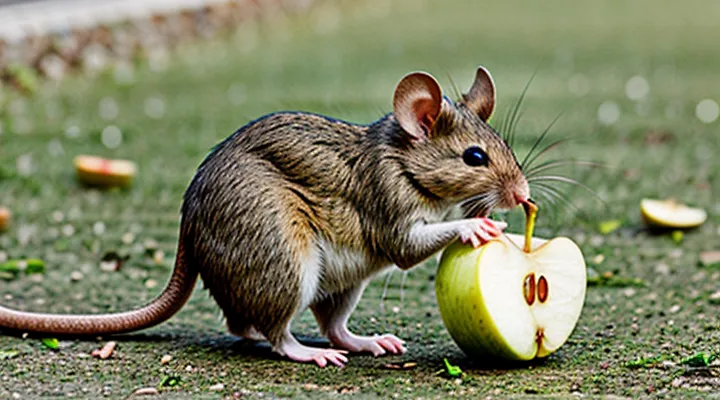
General Dietary Habits of Mice
Omnivorous Nature
Mice exhibit true omnivory, consuming both vegetal and animal matter. Apples represent a readily available carbohydrate source that complements protein‑rich insects, seeds, and fungi in their diet.
Key aspects of their omnivorous feeding behavior include:
- Preference for high‑energy fruits such as apples when seasonal abundance occurs.
- Inclusion of insects and larvae to meet essential amino acid requirements.
- Opportunistic intake of grains, nuts, and plant sap, providing vitamins and minerals.
- Flexibility to shift proportion of plant versus animal intake based on resource availability, ensuring survival across diverse habitats.
Physiological adaptations support this dietary breadth: dentition capable of gnawing hard seeds, enzymatic pathways for carbohydrate digestion, and a gut microbiome that processes both plant polysaccharides and chitin from insects. Consequently, mice maintain nutritional balance through selective foraging that integrates fruits like apples into a broader omnivorous repertoire.
Foraging Strategies
Mice that incorporate apples into their diet employ a range of foraging tactics to locate, evaluate, and acquire this resource while minimizing exposure to predators and competitors.
Sensory detection relies on olfactory cues; volatile compounds released by ripe apples attract individuals from several meters away. Visual discrimination supplements odor cues, with mice responding preferentially to the bright red coloration associated with mature fruit. Tactile exploration confirms texture and firmness before ingestion.
Spatial memory guides repeated visits to productive orchard patches. Individuals store coordinates of high‑yield trees in hippocampal maps, allowing rapid re‑entry after brief foraging bouts. This memory reduces travel distance and limits time spent in open ground.
Risk assessment governs activity patterns. Mice shift foraging to crepuscular or nocturnal periods when avian predators are less active. When ground cover is sparse, they adopt a “stop‑and‑go” approach, pausing frequently to scan for movement before advancing.
Seasonal changes affect strategy selection. During early autumn, when apple availability peaks, mice increase foraging intensity, expanding search radius and reducing selectivity. In late season, when fruit quality declines, they prioritize high‑energy seeds and shift to opportunistic scavenging of fallen fruit.
Competition with conspecifics and other rodents influences cache behavior. Some individuals transport harvested apples to concealed burrow chambers, creating temporary stores that buffer against future scarcity. Cache placement follows a “scatter‑hoard” pattern, distributing portions across multiple sites to reduce loss from pilferage.
Key components of the foraging repertoire can be summarized:
- Olfactory and visual cue integration
- Hippocampal spatial mapping of productive trees
- Temporal adjustment to predator activity
- Seasonal modulation of search effort
- Cache creation and distribution to mitigate competition
These strategies collectively enable mice to exploit apples efficiently while balancing energetic gains against ecological risks.
Apples as a Food Source for Mice
Nutritional Value of Apples
Apples deliver a balanced mix of macronutrients and micronutrients that influence rodent feeding behavior. Per 100 g of raw apple, the composition includes:
- Carbohydrates: 13.8 g (primarily fructose, glucose, and sucrose)
- Dietary fiber: 2.4 g (soluble pectin, insoluble cellulose)
- Protein: 0.3 g
- Fat: 0.2 g (mostly polyunsaturated fatty acids)
- Water: 85.6 g
Key micronutrients are:
- Vitamin C: 4.6 mg (≈ 5 % of the recommended daily allowance)
- Vitamin A (β‑carotene): 54 IU
- Vitamin K: 2.2 µg
- Potassium: 107 mg
- Calcium: 6 mg
- Iron: 0.12 mg
Phytochemical profile features flavonoids (quercetin, catechin), phenolic acids, and anthocyanins, providing antioxidant capacity measured at roughly 0.2 mmol Trolox equivalents per gram of fresh tissue.
The carbohydrate profile supplies rapid glucose availability, supporting the high metabolic rate of mice. Soluble fiber modulates gut transit time, promoting microbial fermentation that yields short‑chain fatty acids beneficial for intestinal health. Low fat and protein levels align with the typical macronutrient preferences observed in laboratory rodent diets, where energy density is primarily driven by sugars.
Antioxidants and phenolic compounds mitigate oxidative stress, a factor implicated in age‑related decline of sensory and cognitive functions in rodents. Regular ingestion of apple-derived polyphenols has been linked to improved memory performance and reduced inflammatory markers in murine studies.
Overall, the nutrient density of apples—high in simple sugars, moderate fiber, and a spectrum of vitamins and phytochemicals—makes the fruit a viable supplemental component in experimental diets aimed at assessing preference, energy balance, and health outcomes in mouse populations.
Attractiveness of Apples to Rodents
Apples attract rodents primarily because of their high sugar concentration, which provides a rapid energy source. The volatile compounds released during ripening stimulate the olfactory receptors of mice, creating a strong scent trail that guides them to the fruit. The crisp texture of fresh apples requires minimal chewing effort, allowing quick consumption and reducing exposure to predators.
Key attributes influencing apple attractiveness to rodents:
- Sugar content: Glucose and fructose levels exceed those of many alternative foods, delivering immediate caloric benefit.
- Aroma profile: Ethyl acetate, hexanal, and other esters emitted during maturation act as potent olfactory cues.
- Moisture: High water content aids digestion and supports hydration, especially in arid environments.
- Visual cues: Bright red or yellow skin contrasts with surrounding foliage, enhancing detectability.
- Nutrient density: Vitamins C and A, along with trace minerals, supplement the rodents’ dietary requirements.
Experimental observations reveal a preference hierarchy: ripe apples are selected over unripe or overripe specimens, and both domestic and wild mouse populations demonstrate consistent foraging patterns when apples are presented alongside seeds, grains, or insects. The attraction persists despite the presence of defensive compounds such as phenolics, indicating that the caloric and sensory rewards outweigh potential deterrents.
Understanding these factors aids in predicting rodent foraging behavior in agricultural settings and informs the development of targeted bait or deterrent strategies.
Factors Influencing Apple Consumption
Availability of Other Food Sources
The presence of alternative nourishment directly influences the extent to which mice incorporate apples into their diet. When seeds, grains, and legumes are abundant, rodents allocate a larger proportion of foraging effort to these high‑energy items, reducing apple consumption. In habitats where stored human food, insects, or fresh vegetation dominate, apple intake declines further because these resources present lower search costs and predictable returns.
Seasonal fluctuations modify this pattern. During spring, emerging seedlings and pollen provide readily accessible protein, while summer sees a surge in seed availability. Autumn brings a temporary increase in fruit resources, yet if orchard management limits apple exposure, mice revert to readily available nuts and fallen leaves. Winter scarcity forces reliance on stored grain or human‑derived waste, virtually eliminating apple foraging.
Key factors governing the selection of non‑apple foods include:
- Nutrient composition: High‑carbohydrate seeds and protein‑rich insects satisfy metabolic demands more efficiently than occasional fruit.
- Accessibility: Ground‑level resources demand less climbing and exposure to predators than arboreal fruit.
- Competition pressure: Dense populations intensify resource partitioning, prompting individuals to exploit less contested food types.
- Human activity: Grain storage, compost piles, and pet food provide constant, low‑effort sustenance, often supplanting natural fruit sources.
Empirical observations confirm that in environments where these alternatives are limited, mice increase apple intake, demonstrating a flexible dietary response calibrated to resource availability.
Stage of Apple Ripeness
Mice exhibit selective feeding behavior based on the physiological changes that occur as apples mature. Early‑stage fruit, characterized by high firmness, low sugar concentration, and elevated levels of organic acids, is generally avoided. The texture resists gnawing, and the bitter compounds present in unripe tissue deter consumption.
Mid‑ripeness represents the optimal window for mouse foraging. At this stage, apples soften sufficiently to allow easy mastication, while sugar content rises to levels that provide immediate energy. Simultaneously, the decline of defensive phytochemicals reduces aversive taste cues. Consequently, rodents increase intake rates and spend longer feeding bouts on fruit within this interval.
Over‑ripe apples display extensive softening, high moisture, and a pronounced accumulation of fermentable sugars. Although texture no longer hinders access, the rapid onset of microbial decay introduces unpleasant odors and potential toxins. Mice consequently reduce preference, opting for fresher alternatives when available.
Key characteristics of each ripeness phase:
- Unripe (firm, acidic, low sugar)
- High resistance to chewing
- Elevated bitter compounds
- Ripe (soft, balanced sugar‑acid ratio)
- Easy mastication
- Maximal energy yield
- Minimal deterrent chemicals
- Over‑ripe (very soft, high sugar, microbial activity)
- Low structural integrity
- Increased risk of spoilage toxins
- Diminished attraction despite sweetness
Understanding these physiological markers clarifies why rodents preferentially target apples at the midpoint of maturation, aligning dietary intake with optimal nutrient acquisition and minimal exposure to harmful substances.
Environmental Context
Mice that consume apples do so within a complex environmental framework that determines both the frequency and quantity of intake. Habitat characteristics, seasonal cycles, and anthropogenic influences shape the availability of fruit and the risk associated with foraging.
Factors influencing apple consumption by mice include:
- Habitat type – Forest edges, orchards, and hedgerows provide the structural support and shelter required for safe feeding.
- Seasonal fruiting – Peak apple ripeness in late summer and early autumn aligns with heightened metabolic demand in rodents.
- Climate conditions – Temperature and precipitation affect fruit softness, sugar concentration, and the duration of the edible window.
- Predator density – Presence of avian and mammalian predators modifies foraging height and timing, often limiting exposure to ground‑level fruit.
- Human management – Pruning, pesticide application, and harvest schedules alter fruit accessibility and residual residues on the orchard floor.
- Interspecific competition – Squirrels, insects, and other small mammals compete for the same fruit resources, influencing the proportion of apples consumed by mice.
- Nutrient landscape – Availability of alternative food sources such as seeds, grains, and insects determines the reliance on fruit as a carbohydrate supplement.
The spatial arrangement of trees and the microhabitat surrounding them affect mouse movement patterns. Dense canopy cover reduces predation risk, encouraging prolonged feeding bouts, while open canopies increase exposure and shorten foraging periods. Soil moisture levels influence the rate of fruit decay, thereby extending or restricting the period during which apples remain palatable.
Human activity introduces additional variables. Mechanical harvesting removes fruit before rodents can access it, whereas fallen fruit left on the ground after manual picking provides a readily available resource. Pesticide residues can deter consumption or cause sublethal effects, altering dietary preferences over time.
Overall, the environmental context dictates the balance between opportunity and risk for mice that incorporate apples into their diet, shaping observable patterns of fruit utilization across diverse ecosystems.
Potential Risks and Benefits of Apple Consumption
Health Implications for Mice
Apples provide mice with simple sugars, fiber, and phytochemicals that influence metabolic function. The fructose content raises blood glucose levels, prompting insulin release. Repeated consumption can lead to glucose intolerance if intake exceeds the animal’s capacity to regulate blood sugar.
Fiber in the fruit promotes gastrointestinal motility and supports a beneficial gut microbiota. Adequate fiber reduces the risk of constipation and may lower colon inflammation. However, excessive fiber can cause diarrhea by accelerating transit time beyond optimal absorption.
Phytochemicals such as quercetin exhibit antioxidant activity, protecting cellular structures from oxidative damage. Regular exposure may improve immune response and reduce the incidence of age‑related diseases. Overconsumption, however, can result in mild gastrointestinal upset due to the compound’s astringent properties.
Potential adverse effects include:
- Dental wear from frequent chewing on acidic fruit surfaces.
- Weight gain when apple calories replace a balanced protein‑rich diet.
- Nutrient imbalances if apples displace essential sources of vitamins B and D.
Impact on Human Environments
Rodent consumption of apples introduces several measurable effects on human environments. When mice access stored fruit, they contaminate the product with urine, feces, and hair, rendering it unsuitable for consumption and prompting disposal or costly decontamination. The presence of gnawed apples often signals broader infestation, as rodents expand their activity to nearby packaging, wiring, and insulation, increasing the risk of fire hazards and structural degradation.
Key impacts include:
- Food loss – direct damage to apples and secondary spoilage of adjacent items reduce inventory and elevate waste.
- Health risk – pathogens carried by rodents can transfer to humans through contaminated produce, raising the likelihood of gastrointestinal infections.
- Economic burden – businesses incur expenses for pest control, product replacement, and compliance with food safety regulations.
- Infrastructure strain – gnawing on electrical cords and insulation caused by foraging behavior can lead to equipment failures and costly repairs.
- Urban agriculture disruption – community gardens experience reduced yields and increased maintenance requirements when rodents target fruiting plants.
Mitigation strategies focus on sealed storage containers, regular inspection of storage areas, exclusion barriers, and targeted baiting programs. Implementing these measures limits rodent access to apples, thereby protecting product integrity, public health, and facility reliability.
Preventing Rodent Damage to Apple Crops
Non-Lethal Deterrent Methods
Rodents are naturally drawn to the sugars and moisture found in apples, creating a risk of crop loss and contamination in storage facilities. Effective management requires interventions that deter feeding behavior while preserving animal welfare and avoiding chemical residues.
- Physical barriers: sealed containers, fine‑mesh screens, and airtight storage units prevent entry.
- Sensory repellents: ultrasonic emitters produce frequencies uncomfortable to mice; peppermint oil or ammonia vapors create aversive odors.
- Habitat modification: removing clutter, sealing cracks, and maintaining low humidity reduce shelter and foraging incentives.
- Behavioral devices: motion‑activated sprinklers deliver brief water bursts that interrupt feeding without injury.
- Biological control: introducing predatory insects or encouraging natural predators such as barn owls establishes a deterrent presence.
Selection of a method should consider the scale of operation, cost, maintenance requirements, and compatibility with food safety regulations. Combining multiple tactics often yields higher success rates, as rodents adapt quickly to single‑mode deterrents. Regular monitoring and prompt repair of breaches sustain long‑term protection of apple supplies.
Integrated Pest Management Strategies
Rodent attraction to apple crops creates measurable loss in orchard productivity, prompting the need for systematic control measures that limit damage while preserving ecological balance.
Effective integrated pest management (IPM) for this challenge combines multiple tactics:
- Habitat modification: remove fallen fruit, trim low branches, and maintain clean ground cover to reduce shelter and food sources.
- Physical barriers: install rodent‑proof fencing, tree guards, and sealed storage containers to prevent entry.
- Mechanical control: deploy snap traps or electronic devices positioned along established runways, ensuring regular inspection and humane disposal.
- Biological agents: introduce predatory species such as barn owls or use rodent‑specific pathogens under regulatory approval.
- Chemical options: apply bait stations with anticoagulant or non‑anticoagulant rodenticides, rotating active ingredients to delay resistance, and confine applications to targeted zones.
Implementation requires continuous monitoring of mouse activity through tracking plates or motion sensors, data‑driven adjustment of tactics, and documentation of outcomes to verify efficacy and compliance with environmental regulations.