
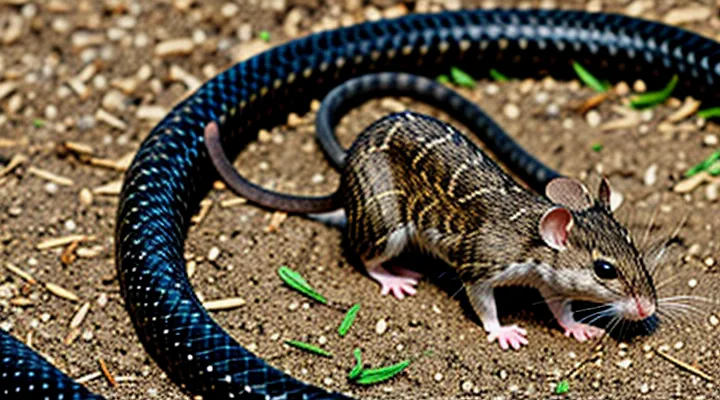
Nutritional Value of Mice
Essential Nutrients for Snakes
Feeding live or frozen rodents to serpents provides a complete source of protein, fat, and micronutrients when the prey is properly prepared. Optimal health depends on the nutritional profile of the mouse, not merely its size.
Key nutrients that must be present in adequate amounts include:
- High‑quality animal protein for tissue growth and repair.
- Lipids supplying energy and supporting skin and shedding processes.
- Calcium at a level that maintains a calcium‑to‑phosphorus ratio of approximately 2 : 1, preventing metabolic bone disease.
- Phosphorus for cellular metabolism and skeletal development.
- Vitamin A for vision and immune function.
- Vitamin D₃ to facilitate calcium absorption.
- Vitamin E as an antioxidant protecting cell membranes.
- B‑complex vitamins supporting metabolic pathways.
- Trace minerals such as magnesium, potassium, zinc, and selenium, which contribute to nerve transmission and enzyme activity.
Prey should be “gut‑loaded” with a diet rich in these nutrients before being offered to the snake. Supplemental powders or liquid mixes can correct deficiencies, especially for calcium and vitamin D₃ in captive environments. Regular monitoring of body condition and shedding frequency helps assess whether the nutrient balance meets the snake’s requirements.
Benefits of a Whole Prey Diet
Feeding snakes whole mice provides a complete nutritional profile that mimics natural prey. The intact carcass supplies protein, fat, vitamins, and minerals in proportions evolved for reptilian digestion. Digestive enzymes are stimulated by the presence of bone and organ tissue, promoting efficient nutrient absorption.
- Balanced macro‑nutrients reduce the need for supplemental feeds.
- Bone fragments deliver calcium, supporting skeletal health and egg‑shell formation.
- Organ tissues supply essential micronutrients such as iron, B‑vitamins, and taurine.
- Natural gut flora introduced with the prey enhances gastrointestinal stability.
- Feeding behavior remains instinctual, decreasing stress and encouraging regular feeding patterns.
A whole‑prey approach eliminates the risk of nutrient deficiencies associated with processed diets. Regular monitoring of body condition confirms that the diet meets growth and maintenance requirements without additional supplementation.
Types of Mice for Snake Feeding
Live Versus Pre-Killed Mice
Feeding snakes with rodents involves a decision between live and pre‑killed mice. The choice influences animal welfare, safety, and logistical planning.
Live mice provide movement that triggers a snake’s natural hunting response. They also supply fresh tissue without freezing artifacts. Risks include bite injuries, transmission of parasites, and the need for secure, temperature‑controlled enclosures. Ethical considerations arise from the stress inflicted on the prey.
- Stimulates predatory instincts
- Guarantees unaltered nutritional profile
- Requires live‑prey housing and ventilation
- Potential for snake injury from struggling prey
- Higher cost for continuous breeding or sourcing
Pre‑killed mice eliminate most injury hazards and simplify storage. Freezing and thawing preserve nutritional value when protocols are followed. Limitations involve reduced behavioral enrichment and the necessity to warm the mouse to appropriate temperature before offering.
- Safer for the snake and handler
- Easy to store in bulk, thaw on demand
- Consistent size and weight options
- May lack movement‑driven stimulation
- Requires proper thawing to avoid temperature shock
Selection criteria depend on the snake’s species, age, and health status. Juvenile or highly active feeders often benefit from live prey, whereas adult or less aggressive individuals thrive on pre‑killed rodents. Budget constraints, space availability, and local regulations further shape the decision. Balancing enrichment with safety leads to optimal feeding outcomes.
Frozen/Thawed Mice: Advantages and Disadvantages
Frozen mice provide a reliable, year‑round supply that eliminates seasonal availability issues. Their long shelf life reduces waste and simplifies inventory management. Standardized sizes ensure consistent nutrient intake and facilitate dosing of supplements or medications. Thawing procedures allow for controlled temperature transition, minimizing stress on the reptile during feeding.
- Immediate availability after thawing eliminates the need for live‑prey breeding programs.
- Uniform weight and caloric content support precise dietary planning.
- Reduced risk of injury to the snake compared with live prey.
- Lower cost per kilogram relative to live rodents.
Potential drawbacks include nutritional degradation during freezing, which can diminish essential fatty acids and vitamins. Improper thawing may create temperature spikes, leading to bacterial growth or tissue damage. Frozen prey lacks the natural movement that stimulates predatory instincts, possibly decreasing feeding response in some snakes. Handling frozen specimens requires strict hygiene to prevent cross‑contamination, and storage space must accommodate bulk quantities.
Sourcing and Storing Feeder Mice
Reputable Suppliers
When selecting a feeder‑mouse provider for serpents, prioritize vendors that demonstrate consistent quality, compliance with regulations, and transparent operations.
Key indicators of a reliable source include:
- Certification or registration with relevant animal‑health authorities.
- Documented pest‑control protocols that prevent disease transmission.
- Detailed product specifications, such as age, size, and strain of mice.
- Clear shipping policies that guarantee live‑arrival standards and rapid delivery.
- Customer‑service channels offering prompt responses to health‑concern inquiries.
Suppliers that publish batch‑testing results and maintain controlled breeding environments reduce the risk of introducing pathogens to reptile collections. Verify that the company offers traceability for each shipment, enabling quick identification of any issues that arise after delivery.
Before finalizing a purchase, compare warranty terms related to mortality during transport and assess the provider’s track record through independent reviews or industry recommendations. Selecting a vendor that meets these criteria ensures a steady supply of healthy prey and supports the overall well‑being of captive snakes.
Proper Storage Techniques
Proper storage of frozen rodents is essential for maintaining nutritional value and preventing disease transmission. Store mice in a dedicated freezer set to –18 °C or lower; temperature fluctuations compromise tissue integrity. Label each package with species, weight, and freeze date to ensure rotation and compliance with recommended shelf life of 12 months.
When using a deep‑freeze unit, arrange packages on a single layer to allow uniform cooling. Avoid overpacking, which creates cold spots and slows thawing. For long‑term storage, consider vacuum‑sealed bags; removal of air reduces freezer burn and oxidation.
Thawing procedures must preserve bacterial safety. Transfer a sealed package to a refrigerator (4 °C) for 12–24 hours, or place it in a sealed container of cold water, changing the water every 30 minutes. Do not thaw at ambient temperature, as this encourages bacterial growth.
After thawing, use the mouse within 24 hours. Keep it in a clean, covered container at 4 °C until offered to the snake. Discard any rodent showing discoloration, off‑odors, or signs of spoilage.
Key storage practices:
- Maintain freezer temperature at or below –18 °C.
- Use vacuum‑sealed packaging and label accurately.
- Thaw in refrigerator or cold water, never at room temperature.
- Consume thawed rodents within one day; discard compromised specimens.
Preventing Contamination
When feeding rodents to reptiles, contamination can compromise animal health and spread pathogens. Implement strict hygiene protocols to protect both prey and predator.
Sanitize all handling equipment before and after use. Disinfect cages, feeding trays, and transport containers with an approved solution. Rinse thoroughly to remove chemical residues.
Store live mice in a dedicated, temperature‑controlled enclosure. Separate from other laboratory or household animals to prevent cross‑contamination. Change bedding regularly and clean the enclosure with a mild disinfectant.
Inspect each mouse for signs of disease, injury, or parasites prior to feeding. Reject any specimen that shows abnormal behavior, lesions, or external parasites. Conduct periodic health screenings of breeding colonies.
Limit human contact with the prey. Wear disposable gloves when moving rodents, and wash hands with soap and water after handling. Avoid using the same tools for different species without proper sterilization.
Maintain a documented record of cleaning schedules, health checks, and any incidents of contamination. Review logs regularly to identify trends and adjust procedures accordingly.
Choosing the Right Size Mouse
Matching Prey Size to Snake Species
Matching prey size to a snake’s species is a critical factor in successful feeding. An appropriate prey item reduces the risk of regurgitation, injury, and digestive complications.
General guidelines:
- Prey width should equal 1.5 – 2 times the snake’s body girth measured at the mid‑section.
- Prey length should not exceed the snake’s total length.
- Juvenile snakes require neonates or pinky mice; adults accept larger rodents such as fuzzy or adult mice, and in some cases small rats.
Species‑specific recommendations:
- Corn snake – pinky mouse for hatchlings, fuzzy mouse for juveniles, adult mouse for adults.
- Ball python – pinky mouse for neonates, fuzzy mouse for juveniles, adult mouse for mature individuals; larger specimens may handle small rats.
- King snake – fuzzy mouse for juveniles, adult mouse for most adults; larger king snakes can be offered medium rats.
- Rat snake – fuzzy mouse for young snakes, adult mouse for medium‑size adults, small rat for large adults.
- Boa constrictor – adult mouse for juveniles, small to medium rats for sub‑adults, larger rats for fully grown individuals.
- Milk snake – pinky mouse for hatchlings, fuzzy mouse for juveniles, adult mouse for most adults; larger milk snakes accept small rats.
Additional considerations:
- Assess the snake’s weight and condition before selecting prey; an underweight snake may tolerate slightly larger items, while an overweight snake benefits from smaller prey.
- Observe feeding response; hesitation or refusal indicates a size mismatch.
- Replace live prey with frozen‑thawed options to minimize stress and injury, ensuring the prey is fully thawed and warmed to ambient temperature before offering.
Accurate size matching enhances growth, health, and longevity, establishing a reliable feeding routine for any snake kept as a pet.
Risks of Incorrect Prey Size
Choosing a mouse that is too large or too small for a snake can compromise health and safety. Oversized prey may cause choking, internal injuries, or prolonged digestion, while undersized prey often leads to nutritional deficiencies and heightened stress.
Potential complications
- Choking or airway obstruction when the snake cannot swallow the mouse completely.
- Rupture of the esophagus or stomach wall due to excessive stretch.
- Delayed gastric emptying, increasing the risk of bacterial overgrowth.
- Inadequate nutrient intake, especially protein and calcium, when the mouse is below the recommended size.
- Heightened aggression or refusal to feed, triggered by discomfort or fear of an unsuitable meal.
Selection guidelines
- Measure the snake from head to vent; the mouse’s length should not exceed roughly 50 % of that measurement.
- For juvenile snakes, use pinky‑size or newborn mice; for adults, opt for adult or “large” mice that match the 50 % rule.
- Observe the snake’s ability to grasp the mouse with its jaws before offering; difficulty indicates a size mismatch.
- Adjust prey size gradually when the snake grows, maintaining the proportional relationship.
Adhering to these criteria reduces the likelihood of injury, improves digestion efficiency, and supports overall well‑being.
Feeding Practices and Considerations
Feeding Frequency
Feeding frequency determines a snake’s growth rate, health, and longevity. Regular, appropriately timed meals prevent obesity, metabolic disorders, and digestive complications.
Key variables influencing schedule:
- Species‑specific metabolic rate; larger constrictors require fewer feedings than smaller, active species.
- Age and size; juveniles need meals every 5‑7 days, while adults may be fed every 10‑14 days.
- Environmental temperature; higher ambient temperatures accelerate digestion, allowing slightly longer intervals.
- Prey size relative to the snake; offering mice no larger than one‑third of the snake’s girth reduces stress and impaction risk.
Standard recommendations:
- Hatchlings and juveniles: feed a suitably sized mouse every 5–7 days.
- Sub‑adults: feed every 7–10 days, adjusting based on visual body condition.
- Mature snakes: feed every 10–14 days, with occasional fasting periods of 2–4 weeks during shedding cycles.
Monitor body condition regularly; a visible waistline and clear skin indicate proper feeding, while excessive weight or lethargy suggest over‑feeding, and a thin, translucent appearance signals under‑feeding. Adjust intervals promptly to maintain optimal health.
Handling and Preparation of Feeder Mice
Feeder mice must be handled with strict hygiene to prevent pathogen transmission to snakes. Clean gloves, disinfected containers, and separate storage from other laboratory or pet supplies eliminate cross‑contamination risks.
- Wear disposable gloves during all contact.
- Store live mice in ventilated cages with bedding changed weekly.
- Transport mice in sealed, escape‑proof carriers.
- Disinfect work surfaces with an approved rodent‑safe sanitizer after each handling session.
Preparation for feeding begins with humane euthanasia. CO₂ chambers or cervical dislocation, performed by trained personnel, ensure rapid loss of consciousness. After euthanasia, mice are frozen at –20 °C for at least 24 hours to kill parasites and reduce metabolic activity. Thawing occurs in a refrigerator (4 °C) for 12–18 hours; rapid room‑temperature thawing is avoided to preserve tissue integrity.
Size selection aligns mouse weight with snake length. A general rule: prey weight should not exceed 10 % of the snake’s body mass. Visual inspection confirms absence of wounds, discharge, or abnormal behavior, indicating health status suitable for feeding.
Consistent record‑keeping of mouse source, euthanasia method, and storage dates supports traceability and facilitates rapid response to any health issues that arise within the snake‑keeping operation.
Dealing with Finicky Eaters
Snakes that reject offered mice often respond to subtle mismatches between prey characteristics and the animal’s feeding instincts. Selecting the appropriate size reduces hesitation; a mouse should match the snake’s girth, generally no larger than the widest part of the body. Offering prey at the correct temperature eliminates sensory confusion; warm‑blooded rodents maintain a body temperature around 30 °C, which should be replicated with a heating pad or pre‑warming in a sealed container for a few minutes before presentation.
Common strategies for encouraging reluctant feeders include:
- Presenting live rodents in a controlled enclosure to trigger natural predatory behavior.
- Using frozen‑thawed mice that have been fully defrosted and warmed to body temperature, preserving scent and movement cues.
- Rotating prey types (e.g., newborn vs. adult mice) to identify preferred size or activity level.
- Reducing stressors in the enclosure: minimal handling, stable lighting cycles, and adequate hiding spots.
If a snake consistently refuses food, evaluate health parameters such as shedding frequency, weight trends, and respiratory condition. Persistent refusal may indicate underlying illness, requiring veterinary assessment before further feeding attempts. Adjusting prey presentation based on observed preferences often resolves selective feeding without compromising nutritional intake.
Potential Risks and Challenges
Health Concerns of Feeder Mice
Feeder mice present several health risks that can affect reptile welfare. Pathogens, parasites, and nutritional deficiencies are the primary concerns for snake keepers.
Common health issues include:
- Bacterial infections such as Salmonella and E. coli, which can spread to the predator through ingestion.
- External and internal parasites, including mites, pinworms, and Trichinella larvae, often transmitted from wild‑caught or poorly screened colonies.
- Mold growth on stored rodents, producing mycotoxins that impair digestion and immune function.
- Nutritional imbalances, especially excessive fat or protein, leading to obesity, hepatic strain, or renal stress in snakes.
- Chemical residues from pesticides or rodenticide bait, which may cause acute toxicity or chronic organ damage.
Mitigation strategies focus on source verification, quarantine, and proper handling. Reputable breeders should provide health certificates, guarantee a parasite‑free environment, and maintain consistent diet formulations. Quarantine periods of at least 48 hours allow observation for abnormal behavior, excessive weight loss, or visible lesions. Storage in a cool, dry container prevents mold and preserves nutritional quality; freezing for 24 hours eliminates most parasites without compromising meat integrity.
Implementing these practices reduces the likelihood of disease transmission, supports optimal snake growth, and promotes long‑term reptile health.
Injury to Snakes from Live Prey
Live rodents present a direct source of trauma for serpents. When a mouse is introduced while still moving, its claws and teeth can inflict puncture wounds, lacerations, or severe bite injuries to a snake’s skin and underlying tissue. In addition, the struggle may cause vertebral stress, leading to spinal compression or internal bruising.
Typical injuries include:
- Puncture wounds from mouse incisors, often located on the head, neck, or ventral scales.
- Lacerations caused by sharp claws, frequently appearing along the body’s lateral lines.
- Vertebral compression resulting from excessive force during the prey’s defensive thrashing.
- Secondary infections when wounds are not promptly cleaned.
Preventive actions reduce the likelihood of such damage:
- Offer rodents that are at least two size classes smaller than the snake’s girth; a snake should be able to swallow the prey without stretching.
- Use pre‑killed, frozen‑thawed mice for larger or more aggressive species, eliminating the risk of defensive strikes.
- Provide a secure, smooth‑surface feeding arena to limit the prey’s ability to grasp the snake’s body.
- Inspect the snake after each feeding session; clean any wound with a dilute antiseptic solution and monitor for signs of infection.
Adhering to these practices minimizes trauma, supports optimal health, and sustains reliable feeding outcomes.
Addressing Common Feeding Problems
Feeding snakes with rodents often reveals recurring difficulties that can affect animal welfare and owner satisfaction. Recognizing these issues early prevents loss of appetite, injury, and unnecessary veterinary expenses.
Common problems include:
- Refusal to strike or ingest the prey.
- Selection of mice that are too large or too small for the snake’s girth.
- Cold‑induced lethargy in the prey, reducing movement cues.
- Presence of parasites or disease in the rodent.
- Injury to the snake caused by defensive behavior of the mouse.
Effective remedies are:
- Offer appropriately sized prey, measured by the snake’s body diameter (prey should not exceed one‑third of the snake’s girth).
- Warm frozen‑thawed mice to the snake’s optimal temperature range (approximately 30 °C) before presentation.
- Use scent‑enhancement techniques, such as rubbing a live mouse or a piece of prey skin on the frozen mouse, to stimulate striking behavior.
- Conduct regular health screenings of feeder rodents, focusing on parasites, respiratory infections, and overall condition.
- Limit handling of the mouse immediately before feeding to reduce stress‑induced defensive actions.
Implementing these practices reduces feeding refusals, minimizes risk of injury, and supports consistent growth and health in captive snakes.