
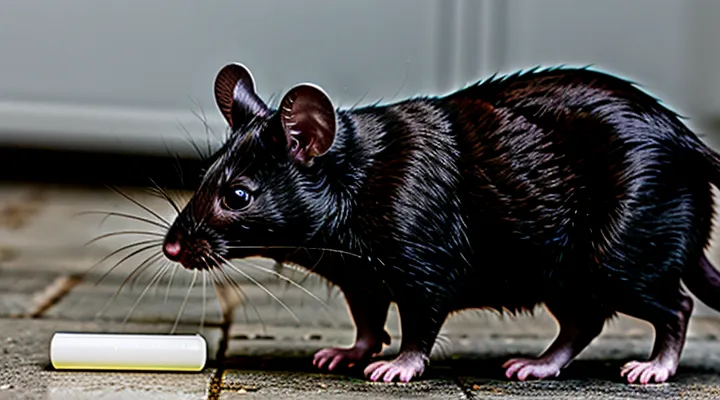
Meloxicam: An Overview
What is Meloxicam?
Meloxicam is a non‑steroidal anti‑inflammatory drug (NSAID) belonging to the oxicam class. It inhibits cyclo‑oxygenase enzymes, preferentially COX‑2, thereby reducing prostaglandin synthesis and providing analgesic, anti‑inflammatory, and antipyretic effects. The compound is administered orally or subcutaneously in laboratory rodents and is formulated as a suspension, injectable solution, or chewable tablet.
Key characteristics relevant to rodent research:
- Chemical name: 4‑hydroxy‑2‑methyl‑N‑(5‑methyl‑3‑oxo‑1,2‑dihydro‑4‑pyridyl)‑2‑pyridine‑carboxamide.
- Bioavailability: High after oral dosing; peak plasma concentrations occur within 1–2 hours.
- Elimination half‑life in rats: Approximately 4–6 hours, supporting once‑daily dosing schedules.
- Common dosage range for analgesia: 0.2–0.4 mg kg⁻¹ per day, administered either orally or subcutaneously.
- Adverse‑effect profile: Potential gastrointestinal irritation, renal function impact, and rare hepatotoxicity; monitoring of body weight and clinical signs is recommended.
The drug’s pharmacodynamic properties make it suitable for managing post‑procedural pain and inflammation in experimental rat models, while its relatively predictable kinetics facilitate consistent dosing regimens.
Mechanism of Action
Meloxicam is a non‑steroidal anti‑inflammatory drug administered to laboratory rats for therapeutic studies. Its pharmacological activity derives from selective inhibition of cyclo‑oxygenase‑2 (COX‑2), the enzyme responsible for converting arachidonic acid to prostaglandin H₂ during inflammatory responses. By binding to the COX‑2 active site, meloxicam blocks the formation of downstream prostanoids, chiefly prostaglandin E₂ (PGE₂), which mediates vasodilation, edema, and nociceptor sensitization.
The resulting biochemical cascade includes:
- Suppression of PGE₂ synthesis, diminishing peripheral sensitization of pain fibers.
- Reduction of inflammatory exudate formation, limiting tissue swelling.
- Decrease in leukocyte recruitment, attenuating the inflammatory infiltrate.
In rats, oral or subcutaneous administration achieves peak plasma concentrations within 30–60 minutes, after which the drug distributes extensively into synovial fluid and inflamed tissues. Metabolism occurs primarily via hepatic oxidation, producing inactive metabolites eliminated renally. The selective COX‑2 blockade preserves COX‑1 activity, maintaining gastric mucosal protection and platelet function while delivering anti‑inflammatory and analgesic effects.
Pharmaceutical Formulations
Meloxicam, a non‑steroidal anti‑inflammatory drug, is administered to rats in several pharmaceutical forms designed to ensure accurate dosing and bioavailability. Oral suspensions are the most common preparation; they typically contain meloxicam powder, a suspending agent such as methylcellulose, a buffering system to maintain pH between 6.5 and 7.5, and a preservative like benzoic acid. The suspension is homogenized using a vortex mixer and stored at 2–8 °C, where it remains stable for up to 30 days. For precise dose delivery, the suspension is measured with a calibrated syringe and administered via oral gavage.
Injectable formulations provide an alternative for studies requiring rapid systemic exposure. A typical injectable solution includes meloxicam dissolved in a sterile aqueous vehicle with a solubilizer (e.g., polyethylene glycol 400) and isotonic agents (saline or lactated Ringer’s solution). The solution is filtered through a 0.22 µm membrane, aliquoted into sterile vials, and kept at 4 °C; stability is limited to 14 days. When preparing subcutaneous injections, the volume does not exceed 0.2 ml per 100 g of body weight to avoid tissue irritation.
Common pharmaceutical formulations for rat administration:
- Oral suspension: meloxicam powder, methylcellulose, buffering agent, preservative; stored refrigerated, 30‑day shelf life.
- Oral solution: meloxicam dissolved in propylene glycol‑based vehicle; requires sonication, protected from light, 14‑day stability.
- Feed incorporation: meloxicam mixed into powdered diet at a calculated concentration; stability depends on diet moisture, typically 7 days at room temperature.
- Injectable solution: meloxicam in aqueous carrier with solubilizer; sterile‑filtered, refrigerated, 14‑day shelf life.
Selection of a formulation should align with the study’s route of administration, required dosing accuracy, and duration of the experimental period.
Therapeutic Use in Rats
Indications for Use
Pain Management
Meloxicam is a non‑steroidal anti‑inflammatory drug (NSAID) commonly employed to alleviate postoperative and experimental pain in laboratory rats. Its selective inhibition of cyclooxygenase‑2 reduces prostaglandin synthesis, providing effective analgesia while minimizing gastrointestinal side effects relative to non‑selective NSAIDs.
Typical dosing regimens range from 0.2 mg kg⁻¹ to 0.5 mg kg⁻¹ administered subcutaneously or orally once daily. For short‑term studies, a single injection of 0.2 mg kg⁻¹ often suffices; chronic protocols may require 0.4 mg kg⁻¹ to maintain consistent plasma concentrations. Adjustments should consider animal weight, age, and the intensity of the nociceptive stimulus.
Key considerations for successful pain control include:
- Preparation: Dissolve meloxicam in sterile saline or a suitable carrier; avoid high‑pH solutions that can irritate tissue.
- Administration technique: Use a 25‑ to 27‑gauge needle for subcutaneous injection; ensure the injection site is free of hair and debris.
- Monitoring: Observe rats for changes in locomotion, grooming, and food intake at least twice daily; record any signs of ulceration or renal impairment.
- Adjunct therapy: Combine meloxicam with a short‑acting opioid (e.g., buprenorphine) for breakthrough pain during the first 12 hours post‑procedure, then taper to meloxicam alone.
Pharmacokinetic data indicate peak plasma levels occur 1–2 hours after subcutaneous delivery, with a half‑life of approximately 4 hours in rodents. Consequently, once‑daily dosing maintains therapeutic concentrations without accumulation when dosed within the recommended range.
When implementing meloxicam in experimental protocols, verify that the drug does not interfere with study endpoints, particularly those involving inflammatory markers or renal function. Documentation of dose, route, and timing should be included in the animal care record to ensure reproducibility and compliance with institutional guidelines.
Anti-inflammatory Properties
Meloxicam, a selective cyclooxygenase‑2 inhibitor, suppresses prostaglandin synthesis in rats, thereby reducing edema, erythema, and pain associated with inflammatory stimuli. The drug’s affinity for COX‑2 limits interference with COX‑1–mediated gastric protection, resulting in a favorable safety profile for short‑term studies.
Typical dosing regimens range from 0.2 mg kg⁻¹ to 1.0 mg kg⁻¹, administered orally or subcutaneously. Peak anti‑inflammatory effect appears within 2–4 hours, with measurable reduction in paw‑withdrawal latency and joint swelling persisting for up to 24 hours. Dose‑response curves demonstrate a plateau in efficacy above 0.5 mg kg⁻¹, indicating that higher concentrations do not proportionally enhance inflammation control.
Key considerations for experimental design include:
- Verification of species‑specific pharmacokinetics before establishing dosing schedules.
- Monitoring of serum meloxicam levels to confirm therapeutic concentrations, especially in models with altered metabolism.
- Inclusion of vehicle‑treated controls to differentiate drug‑specific effects from procedural stress.
When applied correctly, meloxicam provides reliable attenuation of acute and chronic inflammation in rodent models, facilitating accurate assessment of therapeutic interventions and disease mechanisms.
Post-operative Analgesia
Meloxicam provides effective postoperative analgesia in laboratory rats when administered correctly. The drug’s long‑acting cyclo‑oxygenase‑2 inhibition reduces pain and inflammation for up to 24 hours after a single dose, supporting rapid recovery and minimizing stress‑related variables in experimental outcomes.
A typical regimen includes a single subcutaneous injection of 1–2 mg kg⁻¹ administered within 30 minutes of surgical closure. Repeat dosing may be considered at 24‑hour intervals for procedures associated with prolonged tissue trauma, but cumulative exposure should not exceed 5 mg kg⁻¹ over a 72‑hour period to avoid gastrointestinal ulceration and renal impairment.
Key considerations for safe implementation:
- Preparation: Dilute meloxicam in sterile saline or appropriate vehicle to achieve a concentration that allows accurate dosing with a 0.1 mL syringe.
- Administration site: Choose the dorsal flank to reduce the risk of accidental self‑injury and to facilitate observation of injection sites.
- Monitoring: Record body weight, food intake, and locomotor activity daily; adjust dosage if significant weight loss (>10 %) occurs.
- Adverse effects: Watch for signs of ulcerative lesions, hematuria, or reduced urine output; discontinue treatment and provide supportive care if such symptoms appear.
- Compatibility: Avoid concurrent use of non‑steroidal anti‑inflammatory drugs that share the same metabolic pathway, as additive toxicity may arise.
Pharmacokinetic data indicate peak plasma concentrations are reached within 2–4 hours, with a half‑life of approximately 6 hours in rats. This profile justifies the 24‑hour dosing interval for extended analgesia while limiting drug accumulation.
Implementing meloxicam according to these parameters delivers reliable postoperative pain control, improves animal welfare, and enhances the reproducibility of surgical research involving rodents.
Dosage and Administration
Recommended Dosing Regimens
Meloxicam is employed as a non‑steroidal anti‑inflammatory drug for analgesia in laboratory rats. Effective pain control and reduction of inflammation depend on precise dosing strategies tailored to the experimental protocol.
- Oral administration: 0.2 – 0.5 mg kg⁻¹ once daily; higher end of range reserved for postoperative pain.
- Subcutaneous injection: 0.2 mg kg⁻¹ every 24 h; can be increased to 0.4 mg kg⁻¹ for acute surgical models, not exceeding 0.5 mg kg⁻¹ per dose.
- Intraperitoneal route: 0.1 mg kg⁻¹ every 12 h for short‑term studies; transition to 24‑h interval after the first 48 h.
Dosage selection must consider animal weight (recorded to the nearest gram), age (juvenile rats may require reduced doses), and the nature of the procedure (minor procedures often require the lower range). For chronic pain models, maintain the lowest effective dose to minimize cumulative exposure.
Maximum recommended cumulative dose does not exceed 2 mg kg⁻¹ per 48 h. Observe rats for signs of gastrointestinal irritation, renal impairment, or altered behavior. Adjust interval or discontinue treatment if adverse effects appear.
Routes of Administration
Meloxicam can be delivered to laboratory rats through several established routes, each providing distinct pharmacokinetic profiles and practical considerations.
- Oral gavage: Suspension or solution administered directly to the stomach. Rapid absorption yields peak plasma concentrations within 30–60 minutes. Suitable for chronic dosing regimens; volume limited to 10 mL/kg to avoid gastric distension.
- Subcutaneous injection: Drug dissolved in a sterile, isotonic carrier and injected into the dorsal flank. Provides steady systemic exposure, with peak levels occurring at 1–2 hours. Preferred for short‑term studies due to ease of administration and minimal stress.
- Intraperitoneal injection: Injection into the peritoneal cavity using a sterile needle. Offers intermediate absorption speed, reaching maximal concentrations in 45–90 minutes. Useful when rapid onset is required but oral delivery is impractical.
- Topical application: Gel or cream applied to shaved skin. Absorption is slow and variable; primarily employed for localized anti‑inflammatory effects rather than systemic analgesia.
Selection of a route should align with experimental objectives, required onset of action, and animal welfare guidelines. Dosage calculations must account for the specific route’s bioavailability to ensure therapeutic efficacy while minimizing toxicity.
Potential Side Effects
Gastrointestinal Issues
Meloxicam, a non‑steroidal anti‑inflammatory drug, frequently induces gastrointestinal disturbances in laboratory rats. The most common manifestations include gastric ulceration, erosion of the duodenal mucosa, and occasional gastrointestinal bleeding. Incidence and severity correlate with dosage, route of administration, and treatment duration; higher oral doses produce more pronounced lesions than subcutaneous injections.
Risk factors encompass pre‑existing gastric irritation, concurrent use of other NSAIDs, and fasting prior to dosing. Younger animals and those with compromised hepatic function display heightened susceptibility. Pathological changes typically appear within 24–72 hours after the first dose and may progress despite dose reduction.
Management strategies focus on prevention and early detection:
- Administer the lowest effective dose; follow species‑specific dosing guidelines.
- Prefer subcutaneous injection over oral gavage when feasible to reduce direct gastric exposure.
- Provide a protective diet containing fiber and low‑fat content; avoid prolonged fasting before and after dosing.
- Co‑administer gastroprotective agents such as omeprazole or sucralfate, observing for drug‑interaction effects.
- Conduct daily monitoring for signs of discomfort, reduced food intake, or occult blood in feces.
- Perform post‑mortem gastrointestinal examination in study protocols requiring terminal assessment.
When gastrointestinal injury is identified, immediate cessation of meloxicam, supportive fluid therapy, and administration of anti‑ulcer medication are recommended. Documentation of adverse events should be incorporated into study records to inform dose‑adjustment decisions and refine future protocols.
Renal Considerations
Meloxicam, a non‑steroidal anti‑inflammatory drug commonly administered to laboratory rats, can affect renal function through cyclo‑oxygenase inhibition and altered prostaglandin synthesis.
Renal impact correlates with dose intensity and treatment duration. High single doses or prolonged regimens increase the risk of reduced glomerular filtration, urine output decline, and electrolyte imbalance. Species‑specific sensitivity requires careful extrapolation from other mammals.
Key monitoring parameters include:
- Serum creatinine and blood urea nitrogen concentrations.
- Urine volume and specific gravity.
- Electrolyte levels, particularly potassium and sodium.
- Histopathological assessment of renal cortex and medulla when necropsy is performed.
Mitigation strategies consist of:
- Selecting the lowest effective dose validated in pilot studies.
- Limiting treatment courses to the minimal necessary length.
- Providing ample hydration through water or subcutaneous saline when high doses are unavoidable.
- Adjusting dosing intervals if renal markers rise above baseline thresholds.
Adhering to these considerations minimizes nephrotoxic risk while preserving the analgesic benefits of meloxicam in rat research protocols.
Other Adverse Reactions
Meloxicam administration in laboratory rats can produce adverse effects beyond the commonly reported gastrointestinal irritation and renal impairment. These additional reactions include:
- Hepatocellular degeneration manifested by elevated serum transaminases and histopathological evidence of vacuolar change.
- Hematological alterations such as reduced platelet counts and prolonged clotting times, indicating potential coagulopathy.
- Dermatological manifestations ranging from mild erythema to alopecia, often associated with hypersensitivity.
- Neurological signs including tremors, ataxia, or decreased locomotor activity, suggestive of central nervous system involvement.
- Immunomodulatory effects, exemplified by suppressed cytokine production and impaired macrophage function, which may compromise infection resistance.
The incidence and severity of these reactions depend on dosage, route of administration, and duration of treatment. Monitoring serum biomarkers, complete blood counts, and behavioral parameters is essential for early detection. Adjustments to dosing regimens or substitution with alternative anti‑inflammatory agents should be considered when any of these adverse outcomes are observed.
Contraindications and Precautions
Pre-existing Conditions
Meloxicam administration in rats requires assessment of any underlying health issues that could alter drug metabolism, efficacy, or safety. Pre‑existing conditions such as renal impairment, hepatic dysfunction, gastrointestinal ulceration, and cardiovascular disease influence the choice of dosage, route, and monitoring frequency.
- Renal impairment: reduced clearance may increase plasma concentrations; lower doses or extended dosing intervals are advisable, with regular measurement of serum creatinine and blood urea nitrogen.
- Hepatic dysfunction: diminished metabolic capacity can prolong drug half‑life; consider dose reduction and evaluate liver enzymes (ALT, AST, ALP) before and during treatment.
- Gastrointestinal ulceration: non‑steroidal anti‑inflammatory agents exacerbate mucosal damage; co‑administration of gastroprotective agents or avoidance of meloxicam may be necessary.
- Cardiovascular disease: NSAIDs can affect platelet function and blood pressure; monitor heart rate, blood pressure, and observe for signs of edema or thrombotic events.
Additional factors include age‑related physiological changes, concurrent use of other NSAIDs or corticosteroids, and genetic strains with known variations in drug metabolism. Prior to initiating therapy, conduct a thorough health screen, document all relevant abnormalities, and adjust the treatment protocol accordingly to mitigate adverse outcomes.
Drug Interactions
Meloxicam is commonly administered to laboratory rats for analgesic and anti‑inflammatory purposes. Concurrent administration of other pharmacological agents can modify its efficacy or increase the risk of adverse effects; therefore, careful assessment of potential interactions is essential.
- Other non‑steroidal anti‑inflammatory drugs (NSAIDs): Co‑administration amplifies inhibition of cyclooxygenase enzymes, heightening the likelihood of gastrointestinal ulceration and renal toxicity. Dose reduction or staggered timing may mitigate these risks.
- Corticosteroids: Combined use intensifies gastric mucosal damage and may exacerbate fluid retention. Monitoring of body weight and hydration status is recommended.
- Anticoagulants (e.g., heparin, warfarin): Meloxicam interferes with platelet function, potentiating bleeding tendencies. Adjust anticoagulant dosage based on coagulation parameters.
- Renal‑clearance agents (e.g., aminoglycosides, diuretics): Additive nephrotoxic effects can arise, especially in dehydrated animals. Ensure adequate hydration and evaluate serum creatinine regularly.
- Cytochrome P450 substrates or inhibitors: Meloxicam is metabolized primarily by CYP2C9 and CYP3A4. Enzyme inducers (e.g., phenobarbital) may lower plasma concentrations, reducing analgesic effect, while inhibitors (e.g., ketoconazole) can elevate levels, increasing toxicity risk. Therapeutic drug monitoring is advisable when such agents are present.
When designing experimental protocols, document all co‑administered substances, adjust meloxicam dosage if necessary, and implement regular clinical observations to detect early signs of interaction‑related complications.
Pregnancy and Lactation
Meloxicam, a non‑steroidal anti‑inflammatory drug, is commonly employed in rodent studies to control pain and inflammation. During gestation, the drug crosses the placental barrier; fetal exposure may alter developmental processes and affect litter outcomes. Consequently, researchers should avoid routine administration to pregnant rats unless the experimental design explicitly requires it and a thorough risk assessment has been performed.
In lactating females, meloxicam is secreted in milk, leading to neonatal ingestion. Neonatal exposure can influence growth rates and organ maturation. When analgesia is essential for nursing dams, the following precautions are recommended:
- Limit the dose to the minimum effective level validated for adult rats.
- Administer the drug at the latest possible stage of lactation, preferably after weaning.
- Monitor pups for signs of distress, altered feeding behavior, or abnormal weight gain.
- Document any adverse observations and adjust the protocol accordingly.
If the study’s objectives permit, alternative analgesics with reduced placental and milk transfer should be considered for pregnant or lactating subjects. All experimental procedures must comply with institutional animal care guidelines and be approved by the relevant ethics committee.
Monitoring and Evaluation
Assessing Efficacy
Evaluating the therapeutic impact of meloxicam in laboratory rats requires a systematic approach that combines objective measurements with rigorous experimental design. Researchers should begin by defining clear primary endpoints, such as reduction in pain‑induced behaviors, attenuation of inflammatory markers, or improvement in locomotor activity. Secondary outcomes may include body weight stability, food intake, and histopathological assessment of target tissues.
A typical efficacy study follows these steps:
- Randomly assign animals to treatment and control groups, ensuring comparable baseline characteristics.
- Administer meloxicam at the intended dose and route (e.g., oral gavage, subcutaneous injection) for a predetermined duration.
- Record quantitative data at baseline and at regular intervals (e.g., 2 h, 24 h, 48 h post‑dose).
- Collect blood or tissue samples for analysis of prostaglandin E₂ levels, cytokine concentrations, or other biomarkers of inflammation.
- Perform statistical comparisons using appropriate tests (ANOVA, repeated‑measures analysis) and report confidence intervals and effect sizes.
Control conditions must include a vehicle‑treated group and, when feasible, a positive control receiving a reference analgesic. Blinding of observers to treatment allocation reduces bias in behavioral scoring. Sample size calculations should be based on expected effect magnitude and variability to achieve adequate statistical power.
Interpretation of results hinges on consistency across endpoints. A statistically significant decrease in pain‑related scores accompanied by lowered inflammatory biomarkers confirms efficacy. Conversely, discordant findings—such as behavioral improvement without biomarker change—warrant further investigation into dosing regimen, pharmacokinetics, or assay sensitivity.
Detecting Adverse Effects
When evaluating meloxicam administration in rats, systematic observation of adverse outcomes is essential for reliable safety assessment. Baseline measurements should be recorded before dosing, then monitored at regular intervals (e.g., 24 h, 48 h, and weekly) throughout the study period.
Key indicators of toxicity include:
- Clinical signs: piloerection, tremors, lethargy, or abnormal posture.
- Body weight trends: rapid loss exceeding 10 % of initial weight.
- Food and water consumption: marked reductions relative to control animals.
- Behavioral changes: altered grooming, locomotion, or nesting activity.
- Hematological parameters: decreases in red blood cell count, hemoglobin, or platelet numbers; elevations in white blood cell count indicating inflammation.
- Serum chemistry: increased alanine aminotransferase, aspartate aminotransferase, or blood urea nitrogen suggesting hepatic or renal impairment.
- Organ weights: deviations from established reference ranges for liver, kidneys, and spleen.
- Histopathology: cellular necrosis, inflammatory infiltrates, or fibrosis observed in tissue sections.
Data collection must follow a predefined schedule, employing blinded assessment where feasible to reduce observer bias. Control groups receiving vehicle alone provide comparative baselines for each parameter. Any deviation beyond established reference limits should trigger immediate investigation, including repeat dosing or dose adjustment, to delineate the relationship between meloxicam exposure and observed effects.
Long-term Management Considerations
Long‑term administration of meloxicam in rats requires precise dose calculation, consistent delivery method, and regular health assessment to maintain therapeutic efficacy while minimizing adverse effects.
- Dose selection should be based on body weight, species‑specific pharmacokinetics, and the intended duration of treatment; adjustments are necessary when weight changes exceed 5 % of the initial value.
- Oral gavage, mixed feed, or subcutaneous injection are acceptable routes; each method demands validation of drug stability and absorption consistency over the treatment period.
Continuous monitoring must include body weight, food and water intake, and clinical signs such as lethargy, gastrointestinal disturbances, or renal impairment. Blood chemistry (creatinine, BUN, ALT, AST) and urinalysis should be performed at baseline and at regular intervals (e.g., weekly) to detect early toxicity.
Environmental factors influence drug metabolism; maintain stable temperature, humidity, and lighting cycles, and avoid co‑administration of agents that induce hepatic enzymes or alter renal function.
Documentation of dosing records, health observations, and laboratory results is essential for reproducibility and compliance with institutional animal care guidelines. Regular review of these data enables timely modification of the regimen to sustain animal welfare and experimental validity.