
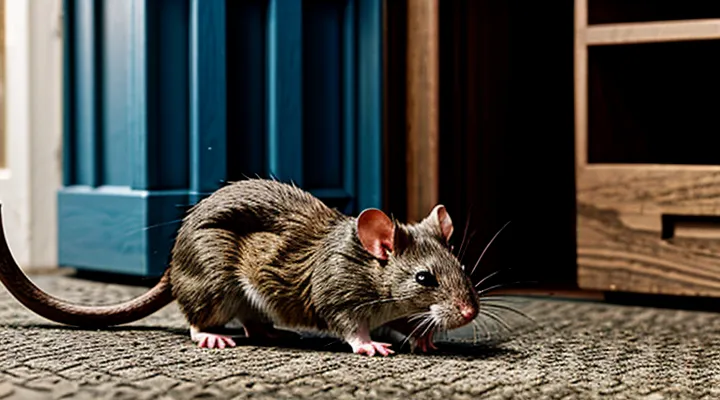
The Symbolism of Rats in Dreams
General Meanings of Rats
Rats appear in cultural narratives as symbols of survival, hidden threats, and social dynamics. Their presence often signals aspects of personal life that operate beneath conscious awareness.
- Resourcefulness: Rats adapt to scarce environments, suggesting the dreamer’s capacity to manage limited resources or navigate difficult circumstances.
- Deception: Their nocturnal habits and tendency to hide indicate concealed motives, secrets, or betrayals that may affect relationships.
- Disease and contamination: Historical associations with plagues highlight concerns about moral impurity, unhealthy habits, or toxic influences.
- Social hierarchy: Pack behavior reflects the dreamer’s position within a group, pointing to feelings of marginalization or the need to assert authority.
- Persistence: The animal’s tenacity underscores the importance of perseverance in the face of obstacles.
When the dream narrative includes the act of killing a rat, the symbolism intensifies. The elimination of this creature can represent a conscious effort to eradicate a lingering problem, break a cycle of deception, or cleanse an environment of perceived contamination. It may also convey a decisive assertion of power over an adversarial element within the dreamer’s psyche. The outcome of the act—whether triumphant, hesitant, or violent—provides clues about the effectiveness of the dreamer’s strategies for confronting hidden challenges.
Cultural and Psychological Associations
Dreams in which a rat is killed convey a distinct set of cultural symbols and psychological signals. The act of killing the animal functions as a narrative device that reflects attitudes toward disease, deceit, and personal power.
- In European folklore, rats symbolize pestilence and moral corruption; their death can signal triumph over danger or a cleansing of impurity.
- In Chinese tradition, rats are associated with resourcefulness and opportunism; eliminating a rat may indicate a desire to suppress cunning rivals or to restore order.
- In Hindu mythology, the rat serves as the vehicle of the god Ganesha, representing obstacles; killing the rat can be interpreted as overcoming hindrances on a spiritual path.
- Indigenous American stories sometimes portray rats as tricksters; their demise may suggest the end of deceptive influences in the dreamer’s life.
Psychologically, the motif aligns with established analytical frameworks.
- Jungian theory treats the rat as a shadow figure embodying repressed instincts; killing it reflects integration of those aspects.
- Cognitive‑behavioral perspectives link the image to anxiety about contamination or loss of control, with the lethal act representing an attempt to regain mastery.
- Psychoanalytic interpretation associates the rat with aggressive impulses directed at perceived threats, indicating a subconscious effort to neutralize hostility.
- Evolutionary psychology suggests a primal response to vermin as a survival mechanism, translated into dream imagery that reinforces self‑preservation.
When cultural narratives intersect with individual psyche, the dream often signals a decisive shift: the dreamer confronts hidden fears, dismantles deceptive patterns, and asserts dominance over perceived sources of disorder. The combined symbolism guides personal reflection on how external belief systems and inner conflicts shape the response to this vivid nocturnal scenario.
Killing a Rat in a Dream
Eliminating Problems or Obstacles
Dreams in which the dreamer kills a rat convey a clear signal of confronting and removing persistent nuisances. The rat functions as a universal emblem of hidden threats, petty conflicts, or lingering anxieties that undermine stability. By ending the creature’s life, the subconscious registers a decisive act of suppression.
The act of killing reflects an internal resolve to eradicate obstacles that impede progress. This resolution may target:
- Unresolved interpersonal tensions that drain emotional energy.
- Repetitive habits that sabotage productivity.
- Financial or career setbacks that linger despite effort.
- Health concerns that remain unaddressed.
When the dream presents the rat’s demise, the mind affirms the dreamer’s capacity to neutralize these issues. The imagery suggests that the individual possesses the necessary authority and strategic insight to dismantle the source of discomfort.
Consequently, waking life may benefit from translating this symbolic victory into concrete steps: identify the specific problem that mirrors the rat, develop a targeted plan, and execute decisive measures. The dream’s message reinforces the principle that elimination of detrimental elements restores equilibrium and paves the way for forward momentum.
Overcoming Fears or Anxieties
Dreams in which a rat is slain often symbolize a confrontation with a lingering fear or anxiety. The rat represents a persistent, unsettling element in the subconscious; killing it reflects an active attempt to eliminate that source of distress. The vividness of the act indicates a readiness to address the problem rather than merely tolerate it.
When the dream is recalled, the emotional tone provides clues about the dreamer’s current psychological state. A sense of triumph suggests growing confidence, whereas lingering dread signals unfinished emotional work. Recognizing this emotional residue allows the individual to gauge progress in managing the underlying fear.
Practical steps to transform the dream’s message into real‑world improvement include:
- Identifying the specific anxiety the rat symbolizes (e.g., health concerns, relationship tension, workplace stress).
- Writing a brief account of the dream, noting emotions, setting, and actions.
- Mapping each element to a tangible stressor, then developing a targeted response plan.
- Practicing exposure techniques or cognitive restructuring to reduce the fear’s intensity.
- Monitoring sleep patterns and dream content for recurring motifs, adjusting coping strategies accordingly.
Consistent application of these measures converts the symbolic act of killing the rat into a measurable reduction of fear, reinforcing the belief that anxieties can be faced and overcome.
Asserting Control and Power
Dreams in which a rat is slain often signal a desire to dominate a threatening element. The act of killing represents an explicit assertion of authority over something perceived as hostile, unclean, or disruptive. By eliminating the creature, the dreamer demonstrates an internal command to neutralize the source of unease.
This symbolic violence translates into several practical implications for waking life:
- Recognition of personal agency in confronting problems that feel invasive.
- Reinforcement of self‑confidence when tackling situations that previously seemed uncontrollable.
- Validation of a strategic approach that isolates and removes obstacles rather than tolerating them.
The underlying message emphasizes empowerment through decisive action. When the subconscious presents the rat’s demise, it urges the individual to adopt a proactive stance, replace hesitation with resolve, and assert dominance over circumstances that threaten stability.
Specific Interpretations
Killing Multiple Rats
Dreams in which a person kills several rats often amplify the themes found in single‑rat scenarios, emphasizing the intensity of the underlying emotional or situational conflict.
The presence of multiple rodents suggests a perception of overwhelming nuisance, deceit, or disease. The act of eliminating them reflects an aggressive attempt to regain control, eradicate perceived threats, and cleanse the psyche of persistent anxieties.
Possible symbolic readings include:
- A surge of stress caused by numerous minor problems that feel unmanageable.
- A subconscious desire to confront and suppress harmful habits or toxic relationships that have multiplied.
- An indication that the dreamer feels empowered to confront recurring obstacles rather than merely tolerating them.
Cultural references frequently link rats to betrayal and survival. When the dreamer actively slaughters several of them, the narrative shifts from passive observation to decisive intervention, implying a readiness to confront hidden dangers and restore order.
Killing a Large Rat
Dreams in which a person kills a large rat often signal a confrontation with a pervasive, threatening element in the subconscious. The size of the rat amplifies the perceived danger, suggesting that the issue is not trivial but has a substantial impact on daily life.
The act of killing represents an attempt to eliminate or control that influence. It can indicate the dreamer’s readiness to take decisive action against a source of stress, anxiety, or moral conflict that has been lingering for an extended period.
Typical symbolic associations include:
- Assertion of personal power over a problem that feels overwhelming.
- Release of repressed anger directed toward a situation or individual perceived as deceitful or parasitic.
- Transition from passive tolerance to active resolution, reflecting a shift in coping strategy.
When the rat is large, the dream may also reflect concerns about the scope of the problem, hinting that the solution will require significant effort, resources, or a change in attitude. Recognizing the underlying threat and the decisive response within the dream can guide the dreamer toward concrete steps for addressing the real‑world issue.
The Method of Killing
Dreams in which a rat is eliminated often focus on the technique used to end the creature, because the method reflects the dreamer’s approach to confronting unwanted aspects of life. A direct, forceful act such as striking the rat with a tool suggests a willingness to confront problems head‑on, indicating assertiveness and a desire for immediate resolution. In contrast, a gradual approach—trapping, suffocating, or poisoning—implies a preference for indirect strategies, patience, or avoidance of confrontation.
Common methods and their symbolic implications:
- Striking (e.g., with a stick, knife, or shoe): Represents decisive action, confidence in personal power, and a clear intention to eradicate the source of irritation.
- Crushing (e.g., stepping on, stomping): Conveys dominance, suppression of anxiety, and a tendency to overwhelm rather than analyze the issue.
- Poisoning or feeding toxic substances: Indicates manipulation, subtle control, or an attempt to neutralize the problem without facing it directly.
- Trapping or binding: Reflects a strategic mindset, desire to contain the problem, and readiness to monitor the situation before final disposal.
The chosen technique also reveals the emotional tone of the dream. Aggressive methods generate feelings of satisfaction or relief, whereas passive or deceptive tactics often coexist with lingering unease, suggesting unresolved tension. Recognizing the method employed in the dream provides insight into the dreamer’s coping style, decision‑making patterns, and the degree of empowerment felt when confronting personal nuisances.
Feeling After Killing the Rat
Dreams in which the dreamer kills a rat often leave a distinct emotional imprint. The immediate reaction may be a surge of adrenaline, followed by a shift toward either satisfaction or unease.
Typical feelings after the act include:
- Relief from perceived threat
- Guilt for ending a living creature
- Empowerment from overcoming a nuisance
- Anxiety about the method or circumstances of the kill
- Ambivalence, mixing satisfaction with lingering discomfort
These responses reflect the brain’s attempt to reconcile the symbol of the rat—commonly linked to hidden problems, disease, or betrayal—with the act of eliminating it. When relief dominates, the dream suggests successful resolution of a stressful issue. When guilt or anxiety prevails, the subconscious may be warning that the solution involved moral compromise or suppressed remorse.
Psychologically, the aftermath of such a dream can trigger self‑evaluation. The dreamer may question whether the elimination was justified, consider the cost of confronting undesirable aspects, or recognize a newfound capacity for decisive action. Recognizing the dominant emotion helps clarify whether the dream reinforces confidence or highlights lingering internal conflict.
Other Dream Elements to Consider
The Environment of the Dream
The surroundings of a dream in which a rat is slain shape the symbolic reading. Elements such as location, lighting, and accompanying figures provide clues that differentiate a generic fear of pests from a specific psychological message.
Common settings appear in distinct patterns:
- A kitchen or pantry: suggests concerns about nourishment, waste, or hidden contamination.
- A basement or cellar: points to suppressed emotions, underlying anxieties, or unresolved issues.
- An outdoor alley or trash dump: reflects social marginalization, feelings of being discarded, or confrontations with urban decay.
- A laboratory or clinic: indicates analytical scrutiny, attempts to control disease, or a rational approach to personal flaws.
Ambient conditions further refine interpretation. Bright daylight often denotes clarity, whereas dim or flickering light signals uncertainty or hidden threats. Rain or fog can represent emotional turbulence, while a clear sky may imply resolution or acceptance.
The presence of additional characters alters the narrative. A companion assisting in the kill may symbolize shared responsibility or external influence; an indifferent observer can highlight isolation. Weapons used—knife, trap, or poison—convey the method of confronting problems, ranging from direct action to indirect manipulation.
Integrating these environmental cues with the core act of eliminating the rodent yields a nuanced portrait of the dreamer’s current mental landscape. Assessing location, illumination, weather, and secondary participants allows a precise extraction of underlying concerns, motivations, and potential pathways for personal growth.
Your Emotions During the Dream
Dreams that end with the act of killing a rat often provoke intense emotional responses. The feelings experienced while the dream unfolds serve as primary indicators of the subconscious message the mind conveys.
Common emotions reported in such dreams include:
- Fear or terror, reflecting perceived threats or loss of control.
- Relief or satisfaction, suggesting a desire to eliminate a nuisance or harmful influence.
- Guilt or shame, indicating conflict over aggressive actions or moral concerns.
- Anxiety or unease, pointing to lingering stress about unresolved issues.
Each emotion aligns with a specific symbolic layer. Fear signals that the dreamer perceives a situation as dangerous or destabilizing. Relief denotes a perceived resolution, where eliminating the rat represents the removal of a problem. Guilt reveals internal tension between the urge to act decisively and ethical restraints. Anxiety underscores ongoing pressure, often unrelated to the literal animal but tied to broader life pressures.
Interpreting these feelings helps clarify the dream’s relevance. When fear dominates, the dreamer may need to assess real‑world sources of danger. Predominant relief suggests that a recent decision has alleviated a persistent annoyance. Persistent guilt warrants reflection on personal values and possible overreaction. Overarching anxiety advises attention to stress‑management strategies.
To apply the insight, identify the strongest emotion felt during the dream, compare it with current life circumstances, and consider adjustments that address the underlying cause. This approach translates the dream’s emotional signal into actionable self‑knowledge.
Recurring Dreams About Killing Rats
Recurring dreams in which the dreamer repeatedly kills rats indicate a persistent mental focus on eliminating a perceived threat. The scenario often reflects an ongoing attempt to control elements that feel invasive or contaminating in waking life.
Rats commonly symbolize hidden anxieties, unwanted habits, or social conflicts. When the act of killing appears repeatedly, it suggests the subconscious is urging decisive action against these underlying issues rather than merely acknowledging their presence.
From a psychological standpoint, such dreams arise when stressors remain unresolved. The brain rehearses aggressive solutions, using the rat as a proxy for the source of tension. Persistent imagery points to a failure of conscious coping mechanisms, prompting the mind to revisit the scenario nightly.
Typical catalysts include:
- Recent exposure to rodent infestations or media featuring rats.
- Situations involving betrayal, deceit, or exploitation.
- High‑stress environments where the individual feels powerless.
- Certain medications or sleep disturbances that amplify vivid imagery.
Cultural narratives often portray rats as carriers of disease or symbols of cunning. In many traditions, killing a rat represents purification or the removal of corruption. This collective symbolism can color personal interpretation, reinforcing the dream’s message of cleansing.
Practical responses:
- Record each occurrence, noting emotions, context, and any waking events that may relate.
- Identify recurring stressors or conflicts that align with the rat motif.
- Implement targeted stress‑reduction techniques, such as mindfulness or structured problem‑solving.
- Seek professional guidance if the dream frequency escalates or interferes with daily functioning.
Addressing the underlying issues diminishes the need for the dream’s repetitive violent resolution, allowing the mind to shift toward constructive processing.