
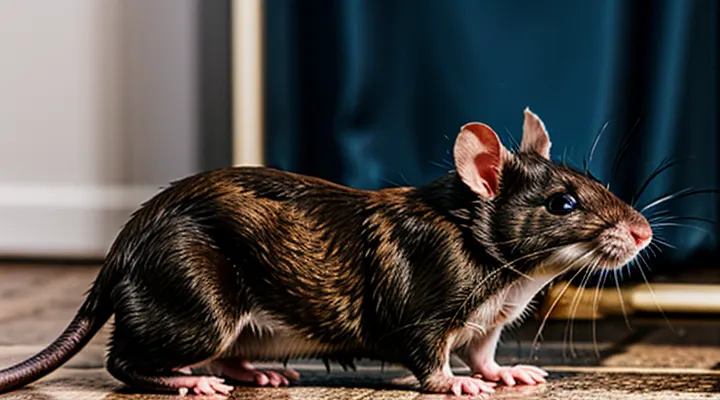
«Understanding Rat Sex Differences»
«Physical Characteristics»
«Size and Weight»
When deciding between a male or female rat, size and weight are primary considerations. Adult males typically reach 300–500 g, while females average 250–350 g. The difference stems from higher muscle mass and slightly longer bodies in males. This variance influences housing space: larger individuals require more floor area to move comfortably, especially in multi‑rat cages. Feeding schedules may also adjust; heavier rats consume more food, affecting budget calculations.
Key points to evaluate:
- Space requirements: Provide at least 0.5 sq ft per rat; increase by 10–15 % for males.
- Dietary intake: Estimate 15 g of pellet mix per 100 g of body weight daily.
- Handling comfort: Smaller females are easier to lift for short‑term handling, whereas males may need a firmer grip due to stronger forelimbs.
Understanding these metrics helps match the pet’s physical characteristics to the owner’s environment and resources.
«Odor and Scent Glands»
Rats possess several scent glands that release chemicals used for communication, territorial marking, and reproductive signaling. The primary sources are the preputial gland (located near the genital area), the anal gland (adjacent to the cloaca), and the flank glands on the sides of the body. Secretions contain volatile compounds detectable by conspecifics and can affect social hierarchy and mate attraction.
Male rats typically exhibit larger preputial glands and produce higher concentrations of testosterone‑derived odorants. These secretions are more pronounced during the breeding season and may intensify after neutering, as the gland remains functional. Female rats have comparatively smaller preputial glands and rely more on estrus‑related pheromones emitted from the vaginal and anal regions. Both sexes secrete anal gland fluid, but the composition varies with hormonal status, influencing the strength and character of the odor.
For potential owners, the scent profile of a rat influences handling comfort, enclosure maintenance, and interaction with other rodents. Consider the following points when evaluating a prospective pet:
- Males often emit a stronger musky odor, which may require more frequent cleaning of bedding and cage surfaces.
- Females generally produce a milder scent, though estrus cycles can temporarily increase odor intensity.
- Neutered males retain gland activity; odor reduction is not guaranteed by sterilization alone.
- Early socialization can mitigate excessive marking behavior in both sexes.
- Monitoring gland health (e.g., swelling or discharge) is essential for disease prevention.
Understanding the biological basis of rat odor helps align the animal’s natural chemistry with the owner’s tolerance for scent, thereby supporting a more suitable match between pet and keeper.
«Temperament and Behavior»
«Male Rat Traits»
Male rats exhibit distinct physical and behavioral characteristics that can influence a prospective owner’s decision. Their larger size, broader heads, and more pronounced musculature are evident from a young age. These features often correlate with a stronger scent marking tendency, which may affect the cleanliness of the enclosure.
Key traits of male rats include:
- Aggressive play: more likely to initiate rough‑and‑tumble interactions.
- Territorial marking: frequent urine spraying and gnawing of objects to claim space.
- Higher activity level: greater propensity for climbing and exploring.
- Social hierarchy dominance: tendency to assume leadership roles in group settings.
- Reduced scent sensitivity: less responsive to subtle odor cues than females.
Understanding these attributes helps match a rat’s temperament to the owner’s lifestyle and housing conditions. If a quieter, less territorial companion is preferred, the male’s propensity for marking and assertive behavior should be weighed against other factors such as cage size, companion compatibility, and handling experience.
«Sociability and Playfulness»
Sociability and playfulness directly affect how a rat interacts with its owner and with cage mates. High sociability means frequent seeking of human contact, while strong playfulness manifests in active exploration, climbing, and interactive games.
Male rats generally exhibit broader sociability. They approach handlers more readily, initiate contact, and often display confident, exploratory behavior. Playfulness in males tends to be vigorous; they chase toys, perform rapid bouts of running, and engage in frequent “tug‑of‑war” with cage accessories. Female rats also enjoy social interaction, but they may be more selective, preferring sustained, quieter engagement. Their play style often includes gentle nibbling, modest climbing, and repeated interaction with familiar objects rather than constant high‑energy bursts.
When choosing the sex of a pet rat based on these traits, consider the following:
- Observe the animal during a short handling session; note frequency of approach and duration of eye contact.
- Test response to a simple toy (e.g., a small tunnel or wooden block); measure enthusiasm and persistence.
- If the household includes children, a more outwardly sociable male may provide consistent interaction, while a calmer female may suit a quieter environment.
- For multi‑rat households, mixing sexes can balance overall activity levels, but monitor for dominance behaviors.
Understanding these behavioral patterns enables a targeted selection that aligns the rat’s sociability and playfulness with the owner’s expectations.
«Tendency Towards Dominance»
When deciding between a male or female rat for a household, the animal’s natural inclination toward dominance should be a primary consideration. Males generally display higher levels of territorial aggression, especially during adolescence, and may establish a clear hierarchy within a group. Females tend to exhibit more cooperative behavior, but can still assert dominance when resources are limited or during breeding cycles.
Key differences in dominance expression:
- Males often challenge newcomers, requiring a longer acclimation period.
- Female rats may compete for nesting sites, yet usually maintain a stable social order after initial adjustment.
- Mixed‑sex groups can experience increased tension, as males may attempt to dominate females, leading to stress-related health issues.
- Single‑sex cages simplify hierarchy management; a group of females typically forms a less volatile pecking order than a group of males.
Prospective owners should match the rat’s dominance profile with their capacity for supervision and enrichment. If the environment can provide ample hiding spaces, regular interaction, and structured introductions, a male may be suitable despite his assertive nature. Conversely, a less experienced caretaker may benefit from the generally more predictable social dynamics of a female rat.
«Female Rat Traits»
Female rats exhibit a distinct set of characteristics that influence their suitability as pets. Their temperament tends toward calmness; they are less prone to territorial aggression than many males, especially when housed in same‑sex groups. Social behavior is strong—females often form tight bonds with cage mates and may display nurturing actions toward younger rats. This affiliative nature can make them ideal companions for owners seeking a cooperative, interactive pet.
Physical traits include slightly larger body mass and a more robust skull structure, which can affect handling techniques. Their coat may appear denser, and they typically develop a more pronounced scent gland, contributing to a subtle musky odor that becomes noticeable as they mature.
Health considerations for females involve reproductive cycles. Estrous periods can trigger brief behavioral changes, such as increased vocalization or heightened activity. If breeding is not intended, spaying eliminates these cycles and reduces the risk of uterine disease. Females are also predisposed to certain conditions, like mammary tumors, which warrant regular veterinary examinations.
Key points for prospective owners:
- Temperament: generally docile, cooperative, and less likely to exhibit dominance disputes.
- Social dynamics: form strong bonds, benefit from stable group composition.
- Size: marginally larger, requiring slightly more space per animal.
- Scent: stronger natural odor, manageable with regular cage cleaning.
- Reproductive health: estrus cycles present; spaying recommended for non‑breeders.
- Medical monitoring: watch for mammary and reproductive system issues.
Understanding these traits enables informed decisions when selecting a rat’s sex for a pet, ensuring alignment with the owner’s expectations and care capabilities.
«Activity Levels»
When selecting a rat based on activity, consider the typical energy patterns of each sex. Males often display higher levels of exploratory behavior, especially during the early evening hours. They may run longer distances on wheels or navigate more complex mazes with fewer pauses. Females generally exhibit steadier movement, maintaining moderate activity throughout the day without the pronounced peaks seen in males.
Key points for prospective owners:
- Exercise needs – Males usually require larger enrichment items, such as extensive tunnel systems and multiple climbing structures, to satisfy their stronger drive to explore.
- Interaction frequency – Female rats tend to engage in short, frequent bouts of play, making them suitable for owners who can provide several brief sessions daily.
- Space considerations – A cage with ample horizontal space benefits active males, while a vertically oriented setup with platforms and ladders supports the consistent but less intense movement of females.
- Health monitoring – High activity in males can mask early signs of musculoskeletal strain; regular observation is essential. Females’ steadier pace makes changes in mobility easier to detect.
Understanding these distinctions helps match a rat’s natural activity profile with the owner’s lifestyle and housing capacity, leading to a healthier, more harmonious pet‑owner relationship.
«Nesting Instincts»
Rats exhibit strong nesting behavior regardless of sex, but the intensity and expression can differ between males and females. Female rats typically build larger, more elaborate nests, especially when preparing for a litter. Their structures often contain multiple layers of material and a defined entrance, reflecting a heightened drive to protect offspring. Male rats also construct nests, yet they usually create simpler, flatter arrangements that serve primarily for rest and temperature regulation.
When selecting a pet rat’s sex, consider the following implications of nesting instincts:
- Female rats may require more bedding volume to accommodate extensive nest building.
- Males generally tolerate reduced bedding depth without compromising comfort.
- Both sexes benefit from a variety of nesting substrates (e.g., shredded paper, tissue, soft fabric) to satisfy tactile preferences.
- Overly dense nests can restrict airflow; regular monitoring prevents overheating in any rat.
Understanding these patterns helps owners provide appropriate environmental enrichment, ensuring that the chosen rat—whether male or female—maintains healthy nesting habits and overall wellbeing.
«Factors to Consider Before Choosing»
«Lifestyle and Household Dynamics»
«Time Commitment»
When evaluating the amount of time a rat will require, consider the routine tasks that differ between sexes. Both male and female rats need daily feeding, water replenishment, and cage cleaning, but their social and health monitoring demands can vary.
- Feeding and water: 5–10 minutes per day for both sexes. Fresh food and water must be provided at consistent intervals to prevent spoilage and dehydration.
- Cage maintenance: 10–15 minutes daily for spot cleaning; a thorough scrub of the entire enclosure every 1–2 weeks. Male rats often produce stronger odors, potentially extending weekly cleaning time.
- Social interaction: Female rats typically form tighter hierarchies and may require more supervised play sessions to prevent aggression, adding 5–10 minutes of observation per day. Male rats, when housed together, can be less prone to conflict but may still need monitoring during introductions.
- Health checks: Visual inspection of coat, eyes, and teeth takes 2–3 minutes daily for any rat. Females may exhibit estrous cycles, necessitating additional attention to behavioral changes every 4–5 days.
- Enrichment rotation: Introducing new toys or rearranging tunnels should occur weekly, consuming about 5 minutes per session for both sexes.
Overall, a single rat demands roughly 20–30 minutes of direct caretaker involvement each day. Adding a second rat of the same sex increases social monitoring time by 5–10 minutes, while a mixed‑sex pair may require extra vigilance during the initial bonding period, potentially adding another 5 minutes daily. Planning for these commitments ensures the animal’s welfare and aligns with the owner’s schedule.
«Presence of Other Pets»
When other animals already share the home, the rat’s gender influences how smoothly the new pet integrates. Male rats tend to be more territorial; they may react aggressively toward unfamiliar mammals, especially if the resident pet displays dominant behavior. Female rats usually exhibit a calmer demeanor and are more likely to tolerate the presence of dogs, cats, or other small rodents without immediate conflict.
Key points to evaluate:
- Existing dog or cat: prefer a female rat to reduce the chance of confrontation; male rats may challenge the larger pet’s hierarchy.
- Current small‑animal cage (e.g., hamster, guinea pig): a female rat generally cohabits more peacefully; a male rat may attempt to dominate the enclosure.
- Multiple rats already present: match the new rat’s sex with the established group’s composition to avoid breeding attempts and territorial disputes.
Practical guidelines:
- Identify the dominant species in the household. If a predator‑type pet (dog, cat) dominates, select a female rat.
- Assess the temperament of the resident animals. Calm companions allow a male rat, provided space and resources are sufficient to prevent competition.
- Provide separate housing during an initial observation period. Monitor signs of aggression, stress, or avoidance for at least 48 hours before allowing any direct interaction.
Choosing the appropriate sex based on the existing pet community minimizes stress, prevents injury, and supports a stable environment for all animals involved.
«Health and Lifespan Considerations»
«Common Male Rat Health Issues»
Male rats present a distinct set of health concerns that can influence the decision to adopt a male specimen. Understanding these conditions helps owners anticipate care requirements and recognize early warning signs.
Common health issues in male rats include:
- Testicular tumors – often appear as unilateral or bilateral masses; rapid growth may cause discomfort and affect mobility. Early detection through regular grooming and palpation improves surgical outcomes.
- Perianal adenitis – inflammation of the glandular tissue surrounding the anus; symptoms involve swelling, redness, and occasional discharge. Prompt veterinary treatment with antibiotics and anti‑inflammatories reduces tissue damage.
- Urinary blockage – obstruction of the urethra, frequently caused by crystallized urine or debris; signs are straining to urinate, reduced output, and abdominal swelling. Immediate veterinary intervention is critical to prevent renal failure.
- Kidney disease – chronic renal insufficiency manifests as increased water consumption, weight loss, and lethargy. Blood work and urinalysis aid diagnosis; supportive care focuses on diet modification and hydration.
- Respiratory infections – males are not exempt from bacterial or viral pneumonia; coughing, nasal discharge, and labored breathing indicate infection. Antibiotic therapy combined with environmental humidity control yields recovery.
Monitoring weight, behavior, and physical condition on a weekly basis enables early identification of these problems. Regular veterinary check‑ups, a balanced diet, and a clean habitat mitigate many risks associated with male rat health.
«Common Female Rat Health Issues»
Female rats present a distinct set of health concerns that influence the decision to adopt a pet of this sex. Understanding prevalent conditions helps owners anticipate veterinary care, plan preventive measures, and recognize early warning signs.
- Mammary tumors: Frequently malignant, appear as firm, irregular masses near the chest or abdomen; early detection improves surgical outcomes.
- Ovarian cysts: Cause abdominal swelling, altered estrous cycles, and reduced activity; ultrasound confirms diagnosis, and ovariectomy resolves most cases.
- Uterine disease (e.g., pyometra): Manifests with lethargy, loss of appetite, and vaginal discharge; requires emergency surgery and antibiotic therapy.
- Reproductive cancers: Include uterine and ovarian carcinomas; present with weight loss, abdominal distension, and occasional hemorrhage; prognosis depends on stage at detection.
- Urinary tract issues: Bladder stones and infections lead to frequent urination, blood in urine, and pain; dietary adjustments and surgical removal are standard treatments.
- Endocrine disorders: Hormonal imbalances may trigger irregular estrus, aggression, or metabolic changes; hormone assays guide medical management.
- Skin conditions: Dermatitis and folliculitis appear as hair loss, redness, or crusting; topical treatments and environmental hygiene address most cases.
Routine health examinations, balanced nutrition, and a clean habitat reduce the incidence and severity of these problems. Prompt veterinary consultation at the first sign of abnormal behavior or physical change maximizes treatment success.
«Cost and Care Considerations»
«Dietary Needs»
Rats require a balanced diet that supplies adequate protein, fiber, vitamins, and minerals to support growth, reproduction, and overall health. Both male and female rats share the same fundamental nutritional requirements, but subtle differences may influence feeding strategies.
Protein should constitute 14‑18 % of the diet. Commercial rodent pellets formulated for laboratory or pet use meet this criterion and provide consistent nutrient ratios. Supplementary protein sources—such as boiled egg, cooked chicken, or low‑fat cottage cheese—can be offered in small quantities, especially for breeding females or growing juveniles.
Fiber is essential for gastrointestinal motility. A minimum of 5 % crude fiber, supplied by high‑quality pellets and occasional fresh vegetables (e.g., carrots, broccoli, leafy greens), prevents constipation and dental overgrowth. Avoid high‑sugar fruits; limit to occasional treats.
Calcium and phosphorus must remain in a 1:1 to 1.5:1 ratio. Excess calcium can predispose females to urinary stones, while insufficient phosphorus impairs bone development. Commercial diets are formulated to maintain this balance; additional calcium supplements are unnecessary unless a veterinarian advises otherwise.
Water should be available at all times, preferably via a sealed bottle to maintain cleanliness. Monitor consumption; a sudden increase or decrease may indicate health issues.
A practical feeding schedule:
- Morning: measured portion of pellets (approximately 1 – 1.5 g per 100 g body weight).
- Midday: fresh vegetable serving (no more than 10 % of total intake).
- Evening: optional protein supplement (5 % of total daily calories).
- Night: treat or chew item (e.g., a small piece of unsalted nuts) limited to 2 % of daily intake.
Breeding females often require additional calories—approximately 10‑15 % more than non‑reproductive rats—to sustain gestation and lactation. Adjust portions accordingly, ensuring the diet remains nutritionally balanced.
Regularly inspect food for spoilage, and rotate fresh supplies to prevent mold growth. Consistent, species‑appropriate nutrition supports healthy weight, reproductive performance, and longevity regardless of the rat’s sex.
«Veterinary Care»
When selecting a rat as a companion, veterinary considerations differ between sexes and can influence long‑term health outcomes. Male rats are prone to testicular tumors and urinary blockages that may require early detection through regular physical examinations. Female rats have a higher incidence of reproductive‑system diseases, such as ovarian cysts and uterine tumors, which become relevant if breeding is not intended. Both sexes benefit from routine health checks that include weight monitoring, dental assessment, and evaluation of grooming behavior, as these indicators reveal underlying problems common to all rodents.
Key veterinary practices for each sex include:
-
Males
- Bi‑annual palpation of the scrotum to detect abnormal growth.
- Urinalysis every six months to identify early signs of blockage or infection.
- Monitoring for aggression‑related injuries, which appear more frequently in intact males.
-
Females
- Quarterly abdominal palpation to assess ovarian and uterine health.
- Hormone‑level testing if irregular estrous cycles are observed.
- Observation for signs of mammary gland enlargement, a precursor to neoplasia.
General care applicable to both sexes:
- Vaccination is not standard for rats, but prophylactic parasite control (mites, fleas) should be administered according to veterinary guidance.
- Annual blood work to evaluate liver and kidney function, especially in older animals.
- Immediate veterinary consultation if the rat exhibits lethargy, loss of appetite, or respiratory distress, as these symptoms often indicate serious illness regardless of gender.