
Primary Sexual Characteristics
Reproductive Organs
The male rat’s reproductive system consists of paired testes, epididymides, vas deferens, seminal vesicles, prostate gland, and bulbourethral glands. Testes are located within the scrotum, producing spermatozoa and testosterone; their size varies with age and hormonal status. The epididymides, coiled structures attached to each testis, facilitate sperm maturation and storage, with distinct caput, corpus, and cauda regions that exhibit morphological differences reflecting functional specialization. The vas deferens transports mature sperm from the cauda epididymis to the ejaculatory ducts; its muscular wall generates peristaltic contractions essential for ejaculation.
Seminal vesicles secrete a fluid rich in fructose and prostaglandins, providing energy and enhancing motility. The prostate gland contributes additional secretions containing zinc and enzymes that protect sperm viability. Bulbourethral glands produce a lubricating pre‑ejaculatory fluid that neutralizes acidic conditions in the urethra.
Key anatomical features include:
- Testicular lobules: contain seminiferous tubules where spermatogenesis occurs.
- Leydig cells (interstitial tissue): synthesize testosterone, influencing secondary sexual characteristics.
- Sertoli cells: support germ cell development and form the blood‑testis barrier.
- Epididymal epithelium: expresses region‑specific transporters for ion balance and maturation factors.
Sexual dimorphism manifests in organ size, hormone production, and histological organization. Comparative studies show that male rats possess larger testes relative to body mass than females, and their accessory glands are absent in the opposite sex. Understanding these structures provides a foundation for research on reproductive physiology, toxicology, and endocrine disruption in rodent models.
Hormonal Profiles
Male rats exhibit a distinct endocrine pattern that underlies their sexual dimorphism. Baseline plasma testosterone peaks during puberty and remains elevated in adulthood, reaching concentrations of 5–10 ng ml⁻¹, whereas females maintain levels below 1 ng ml⁻¹. The surge in testosterone coincides with increased luteinizing hormone (LH) release, which exhibits a pulsatile rhythm of 30–60 min intervals; pulse amplitude is approximately twice that observed in females.
Estradiol levels in males are low but measurable, averaging 15–30 pg ml⁻¹. Peripheral conversion of testosterone to estradiol via aromatase contributes to neurosteroid pools that modulate aggressive and mating behaviors. Follicle‑stimulating hormone (FSH) displays a modest sex difference, with male concentrations of 0.8–1.2 ng ml⁻¹ compared to 1.5–2.0 ng ml⁻¹ in females; the disparity reflects divergent roles in spermatogenesis versus follicular development.
Key hormonal characteristics can be summarized:
- Testosterone: high adult levels, rapid rise at puberty, drives secondary sexual traits.
- LH: pulsatile secretion, amplitude greater in males, stimulates Leydig cell activity.
- Estradiol: low peripheral concentration, produced by aromatization, influences brain function.
- FSH: modestly lower in males, supports Sertoli cell maintenance.
- Prolactin: basal levels similar between sexes (≈5 ng ml⁻¹), transient spikes during mating.
- Cortisol: stress‑induced elevations comparable across sexes, does not directly mediate sexual differentiation.
Age‑related changes are evident: testosterone declines by roughly 20 % after 12 months, accompanied by reduced LH pulse frequency. Seasonal photoperiod shifts affect melatonin‑mediated regulation of gonadotropin‑releasing hormone, producing modest fluctuations in all measured hormones. The hormonal profile thus provides a reliable biomarker set for distinguishing male reproductive status and for interpreting behavioral experiments involving sexual dimorphism in rats.
Secondary Sexual Characteristics
Physical Appearance
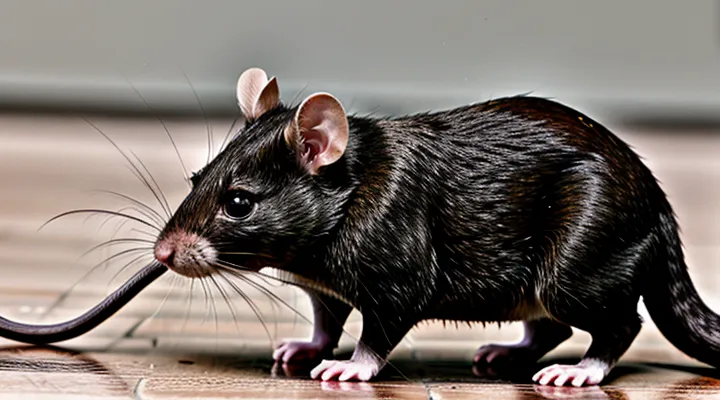
Male rats exhibit distinct physical traits that separate them from females. These traits are consistent across common laboratory and wild populations.
- Larger overall body mass; males typically weigh 20‑30 % more than females of the same age.
- Longer tail relative to body length; tail-to-body ratio averages 0.9 in males versus 0.8 in females.
- Prominent anogenital distance; the gap between the anus and genital papilla measures roughly twice that of females.
- Well‑developed scent glands on the forepaws and flank; glands secrete pheromones used in territorial marking.
- Enlarged testes visible through the scrotal sac once sexual maturity is reached, usually after 6 weeks.
- Slightly coarser fur texture, especially on the dorsal region, providing a marginally darker appearance.
Body size and tail proportion exhibit minor variability linked to strain and environmental conditions, but the listed characteristics remain reliable indicators of sex. Observers can confirm male identity by combining several of these markers rather than relying on a single feature.
Behavioral Aspects
Male rats exhibit a distinct set of behaviors that reflect their sexual dimorphism. These actions are driven by endocrine mechanisms and manifest in social hierarchies, reproductive strategies, and environmental interactions.
Key behavioral patterns include:
- Territory establishment through frequent patrols and scent deposition.
- Elevated aggression toward conspecific males, especially during the breeding season.
- Structured courtship displays, such as ultrasonic vocalizations and rapid grooming of the female’s flank.
- Minimal paternal involvement; offspring care is typically absent.
- Increased locomotor activity in response to novel stimuli, linked to testosterone peaks.
Hormonal regulation underlies these patterns. Testosterone surge correlates with intensified aggression and heightened courtship intensity. Estradiol conversion within the brain modulates territorial marking, while prolactin levels remain low, aligning with the lack of paternal behavior.
Standard experimental paradigms—resident‑intruder assays, open‑field tests, and ultrasonic recording—quantify these differences. Data consistently show that male rats outperform females in dominance contests and display more frequent scent‑marking bouts.
Understanding these behavioral distinctions informs neuroendocrine research, improves the design of rodent models for psychiatric disorders, and aids in the development of sex‑specific therapeutic strategies.
Developmental Aspects of Sexual Differences
Prenatal Influences
Prenatal conditions exert a decisive impact on the development of sexual dimorphism in male laboratory rats. Hormonal exposure during gestation determines the organization of neural circuits that later regulate reproductive behavior and physiology. Elevated fetal testosterone, produced by the testes between embryonic days 15 and 19, drives masculinization of the brain, enhances aggression, and promotes the emergence of male‑typical mating patterns.
Maternal factors modify this hormonal milieu. Chronic stress experienced by the dam raises circulating corticosterone, which crosses the placenta and attenuates fetal androgen synthesis. The resulting reduction in testosterone correlates with diminished territorial aggression and altered scent‑marking in adult males.
Nutritional status influences prenatal androgen levels. Protein‑deficient diets lower maternal insulin‑like growth factor, decreasing fetal testicular growth and testosterone output. Offspring display reduced seminal vesicle weight and lower sperm counts compared with controls.
Exposure to endocrine‑disrupting chemicals (EDCs) such as bisphenol A or phthalates interferes with androgen receptor signaling. Prenatal EDC exposure produces hypoplastic gonads, delayed puberty, and deficits in pheromone detection.
Epigenetic mechanisms translate prenatal cues into lasting gene expression patterns. DNA methylation of androgen‑responsive promoters in the hypothalamus persists into adulthood, modulating luteinizing hormone release and sexual motivation.
Key prenatal influences:
- Fetal testosterone surge (embryonic days 15‑19)
- Maternal stress–induced corticosterone elevation
- Maternal protein intake and energy balance
- Prenatal exposure to endocrine‑disrupting compounds
- Epigenetic modifications of androgen‑regulated genes
Collectively, these prenatal variables shape the anatomical, hormonal, and behavioral traits that distinguish male rats from females.
Postnatal Development
Male rats exhibit a distinct trajectory of growth after birth that separates them from their female counterparts. The first two weeks are dominated by rapid somatic increase; body weight typically doubles, while the testes descend and begin to produce low levels of testosterone. By day 14, the hypothalamic‑pituitary‑gonadal axis shows measurable activity, reflected in rising luteinizing hormone pulses.
Key postnatal milestones in male rodents include:
- Day 4–6: Appearance of preputial folds; early androgen exposure initiates penile tissue differentiation.
- Day 10–12: Initiation of spermatogenic stem cell colonization within the seminiferous tubules; Sertoli cells proliferate under androgen influence.
- Day 15–20: Surge in circulating testosterone; onset of secondary sexual characteristics such as increased muscle mass and altered fur patterning.
- Day 21–28: Completion of testicular descent; establishment of the blood‑testis barrier, essential for germ cell protection.
After the fourth week, growth rate moderates, yet hormonal levels continue to rise, shaping adult sexual behavior and physiology. The interplay between early androgen spikes and neural circuit maturation results in male‑specific patterns of aggression, territorial marking, and mating drive. Disruption of this postnatal hormonal window—through endocrine‑disrupting chemicals or genetic manipulation—produces measurable deviations in genital morphology and reproductive competence. Consequently, the postnatal period represents a critical phase for establishing the permanent sexual phenotype in male rats.
Physiological Differences Beyond Reproduction
Metabolic Rate
Metabolic rate in male rodents differs markedly from that of females, reflecting hormonal and physiological influences that underlie sexual dimorphism. Elevated testosterone levels increase lean muscle mass, which raises basal energy expenditure. Consequently, male rats exhibit higher resting metabolic rates than their female counterparts when measured under identical ambient temperatures and feeding regimes.
Key physiological factors contributing to this disparity include:
- Hormonal modulation: Testosterone enhances mitochondrial efficiency and stimulates uncoupling proteins, leading to increased heat production.
- Body composition: Greater proportion of skeletal muscle relative to adipose tissue raises oxygen consumption per unit body weight.
- Activity patterns: Males typically display higher locomotor activity, further augmenting daily energy turnover.
- Thermoregulatory response: Male subjects maintain core temperature with a modestly higher metabolic heat output, especially during cold exposure.
Experimental data consistently show that male rats consume more oxygen per gram of tissue and excrete higher amounts of carbon dioxide, indicating a faster overall metabolic flux. These observations align with the broader pattern of sex‑specific energy allocation, where males prioritize rapid growth and competitive behaviors, while females allocate resources toward reproduction and gestation.
Immune System Responses
Male laboratory rats exhibit sex‑specific patterns in innate and adaptive immunity. Baseline levels of circulating leukocytes differ, with males typically presenting lower lymphocyte counts than females. Cytokine production after endotoxin challenge shows reduced tumor‑necrosis factor‑α and interleukin‑6 release in males, reflecting a dampened acute inflammatory response.
Hormonal regulation underlies many of these differences. Testosterone suppresses thymic output, leading to smaller thymic mass and fewer recent‑thymic emigrants in male rats. Conversely, estrogen enhances B‑cell maturation, contributing to higher antibody titers after immunization in females. The androgen receptor pathway modulates macrophage polarization toward an anti‑inflammatory (M2) phenotype, whereas females preferentially generate pro‑inflammatory (M1) macrophages.
Key immune parameters that vary between sexes include:
- Splenic natural killer cell activity (higher in males)
- Serum immunoglobulin G subclasses after antigen exposure (elevated in females)
- Delayed‑type hypersensitivity skin response magnitude (greater in females)
- Expression of Toll‑like receptor 4 on peripheral monocytes (lower in males)
These sex‑linked immunological traits affect disease susceptibility and vaccine efficacy in male rats. Experimental designs that ignore such differences risk misinterpreting immunological outcomes. Adjusting for hormonal status or using gonadectomy models can isolate the contribution of sex hormones to immune function.
Genetic and Epigenetic Factors
Chromosomal Influence
Chromosomal composition directly determines the development of male-specific traits in laboratory rats. The presence of a Y chromosome introduces the Sry (sex‑determining region Y) gene, which triggers the differentiation of bipotential gonadal tissue into testes. Testicular formation initiates the cascade of hormonal events that produce the observable sex differences in morphology, behavior, and physiology.
X‑linked gene dosage also contributes to male phenotype. Because males possess a single X chromosome, genes that escape X‑inactivation are expressed at half the level found in females, influencing traits such as body size, muscle composition, and neurochemical pathways. The lack of a second X chromosome eliminates the buffering effect present in females, making males more susceptible to mutations on the X.
Key chromosomal factors include:
- Sry – initiates testis development.
- Y‑linked genes (e.g., Zfy, Eif2s3y) – support spermatogenesis and male fertility.
- X‑linked escapee genes – modulate growth and neural function.
- Imprinted loci on autosomes – interact with sex chromosomes to fine‑tune sexual dimorphism.
Collectively, these genetic elements establish the foundation for the distinct characteristics observed in male rats, shaping their reproductive capacity, physical attributes, and behavioral patterns.
Gene Expression Patterns
Gene expression in male rodents exhibits distinct patterns that correlate with observable sexual dimorphisms. Comparative transcriptomic analyses reveal a subset of genes consistently up‑regulated in testes, brain nuclei, and peripheral tissues of adult males, while a complementary set shows reduced activity relative to females.
Key features of the male‑biased transcriptome include:
- Sex‑chromosome genes: Y‑linked transcripts such as SRY and downstream targets maintain testicular development; X‑linked genes escape inactivation, contributing to dosage differences.
- Hormone‑responsive autosomal genes: Androgen‑regulated loci (e.g., Nr5a1, Ar, Gdx2) display heightened expression in the hypothalamic‑pituitary axis, influencing gonadotropin release.
- Metabolic regulators: Male‑predominant expression of Pparα and Cyp2e1 modulates lipid oxidation and xenobiotic clearance, reflecting sex‑specific energy demands.
- Neurobehavioral markers: Elevated levels of Esr1 in the medial amygdala and Otx2 in the ventral tegmental area align with male‑typical territorial and mating behaviors.
Temporal dynamics shape these patterns. Prenatal activation of sex‑determining pathways establishes a baseline bias; postnatal surges in androgen levels amplify transcription of hormone‑responsive genes; adult maintenance relies on feedback loops between endocrine signals and epigenetic modifiers such as DNA methyltransferases and histone deacetylases.
Functional outcomes of the male‑specific transcriptome include:
- Reproductive organ maturation: Coordinated expression of Sertoli‑cell factors and Leydig‑cell enzymes drives spermatogenesis and steroidogenesis.
- Neuroendocrine circuitry: Differential gene activity in hypothalamic nuclei configures gonadotropin‑releasing hormone pulsatility, affecting fertility and stress responses.
- Physiological adaptation: Sex‑biased metabolic gene expression supports higher basal metabolic rates and distinct drug metabolism profiles in males.
Collectively, these gene expression signatures provide a molecular framework for the phenotypic sexual differences observed in male rats.