
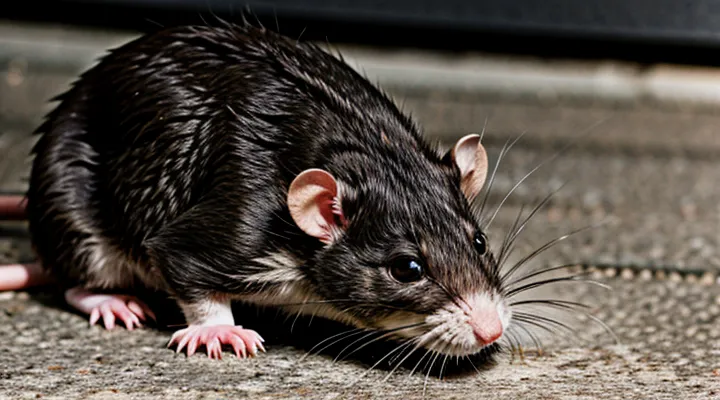
Understanding a Rat's Paw Anatomy
Basic Structure of a Rat's Paw
Bones and Joints
A palpable lump beneath a rat’s paw frequently signals an issue with the skeletal system.
- Fracture of a metatarsal or phalangeal bone creates localized swelling and may be felt as a firm nodule.
- Osteomyelitis, an infection of bone tissue, produces pain, heat, and a tender mass that enlarges with pus accumulation.
- Primary bone tumors, such as osteosarcoma, present as a hard, progressively growing protrusion.
- Excessive callus formation after a minor fracture can mimic a lump, especially when remodeling is incomplete.
- Abnormal bone remodeling due to metabolic disorders may generate irregular protrusions on the paw surface.
Joint structures also generate palpable abnormalities. Inflammatory arthritis inflames the synovial capsule, leading to a swollen, firm area around the joint line. Septic arthritis introduces bacterial infection into the joint space, resulting in rapid swelling and a palpable mass. Dislocation of a small joint creates misaligned bone ends that can be felt as a lump. Synovial cysts, fluid‑filled sacs arising from joint capsules, appear as soft, compressible bulges beneath the paw.
Assessment should include palpation, radiography, and, when indicated, cytology or biopsy to determine the precise origin of the mass.
Pads and Skin
The plantar surface of a rat consists of a thin epidermal layer overlaying a dense dermal matrix, reinforced by a compact fibroelastic pad. This structure provides traction, protects underlying musculature, and distributes pressure during locomotion. Any disruption of the pad or skin can manifest as a palpable elevation beneath the foot.
Common origins of a sub‑pad mass include:
- Direct trauma causing hematoma or fibrosis
- Bacterial or fungal infection leading to abscess formation
- Granulomatous reaction to embedded foreign material
- Cystic dilation of sebaceous glands
- Benign neoplasms such as lipoma or fibroma
- Malignant tumors, notably mast cell or squamous cell carcinoma
Accurate identification relies on systematic assessment. Visual inspection should note erythema, ulceration, or discharge. Palpation determines consistency, mobility, and pain response. Radiography or ultrasonography reveals calcification or fluid collection; fine‑needle aspiration supplies cytologic material for microbial or neoplastic evaluation. When non‑invasive methods are inconclusive, excisional biopsy provides definitive histopathology.
Therapeutic measures correspond to the underlying cause. Empirical antibiotics address uncomplicated bacterial abscesses, while antifungal agents treat confirmed mycotic infections. Surgical excision removes cysts, granulomas, or neoplasms, often followed by wound closure with absorbable sutures. Analgesics and anti‑inflammatory drugs mitigate postoperative discomfort. Regular monitoring ensures early detection of recurrence or complications.
Common Causes of Lumps Under a Rat's Paw
Abscesses
Bacterial Infections
Bacterial infections frequently produce localized swellings in the distal limbs of rodents. When a rat develops a palpable mass under a paw, clinicians should consider pathogens such as Staphylococcus aureus, Streptococcus spp., and Pseudomonas aeruginosa. These organisms invade subcutaneous tissue, generating inflammation, pus accumulation, and fibrosis that manifest as a firm nodule.
Typical clinical signs accompany the lump: erythema, heat, pain on pressure, and occasional drainage. Systemic manifestations—fever, lethargy, or weight loss—may indicate spread beyond the initial site.
Diagnostic approach includes:
- Fine‑needle aspiration or incision and drainage for cytology and culture.
- Radiographic imaging to assess bone involvement.
- Complete blood count to detect leukocytosis.
Effective management requires:
- Empirical broad‑spectrum antibiotics pending culture results, then targeted therapy based on sensitivity testing.
- Surgical debridement when abscess formation or necrotic tissue is present.
- Analgesia and anti‑inflammatory drugs to reduce discomfort and swelling.
- Monitoring for recurrence; persistent lesions may suggest resistant organisms or secondary complications.
Prompt identification and treatment of bacterial causes reduce the risk of chronic infection, tissue loss, and systemic illness in affected rats.
Puncture Wounds and Injuries
A puncture wound can create a localized swelling that feels like a lump beneath a rat’s foot. The entry point often appears as a tiny opening, sometimes obscured by fur. Tissue damage around the site triggers inflammation, leading to a firm, raised area.
Injury‑related swelling may result from:
- Sharp object penetration (e.g., glass, metal fragments) that pierces the paw pad.
- Bite wounds from other rodents or insects, introducing foreign material.
- Accidental crush injuries that rupture underlying tissue and cause hematoma formation.
Inflammatory response generates excess fluid and cellular debris, which accumulate in the affected region. If the wound becomes infected, pus may collect, further enlarging the mass. Persistent swelling without obvious external damage suggests deeper trauma, such as ligament or tendon rupture, which can also produce a palpable lump.
Timely examination of the paw, including gentle palpation and visual inspection for entry marks, helps differentiate between simple bruising and a puncture‑induced swelling. Early treatment—cleaning, antiseptic application, and, when necessary, veterinary intervention—prevents progression to chronic inflammation or abscess formation.
Cysts
Sebaceous Cysts
Sebaceous cysts are encapsulated collections of keratinous material that develop within the skin’s sebaceous glands. In rodents, these cysts commonly appear as firm, round swellings on the palmar surface of the hind limbs, often mistaken for other dermatological lesions.
Typical characteristics include:
- Size ranging from a few millimeters to several centimeters.
- Smooth, mobile exterior that may feel slightly compressible.
- Occasionally a central punctum through which keratinous debris can be expressed.
Potential factors contributing to cyst formation in rats:
- Trauma that blocks the glandular duct.
- Genetic predisposition in certain strains.
- Hormonal fluctuations influencing sebaceous activity.
- Chronic irritation from environmental contaminants or bedding material.
- Secondary infection that alters normal gland function.
Diagnosis relies on physical examination supplemented by fine‑needle aspiration or histopathology to confirm the cystic nature and exclude neoplastic processes. Imaging is rarely required unless deep tissue involvement is suspected.
Management strategies:
- Surgical excision of the cyst wall to prevent recurrence.
- Needle drainage for temporary relief, followed by antiseptic care.
- Monitoring for signs of infection such as redness, heat, or purulent discharge; prompt antibiotic therapy if needed.
Preventive measures focus on maintaining a clean environment, minimizing paw injuries, and selecting bedding that reduces abrasive contact. Regular health checks enable early detection before cysts enlarge or become complicated.
Follicular Cysts
Follicular cysts are encapsulated accumulations of keratinized material that develop within hair follicles. In rodents, these structures can enlarge enough to produce a palpable mass on the paw, often mistaken for other subcutaneous lesions.
Typical causes include obstruction of the follicular duct, trauma that damages the follicular wall, or chronic irritation from bedding or grooming. Hormonal imbalances and genetic predisposition may also increase susceptibility. The cyst wall remains lined by squamous epithelium, while the interior fills with desquamated cells and sebum.
Clinical signs consist of a localized, round swelling that may be firm or fluctuant. The overlying skin usually appears normal, although secondary infection can cause erythema and discharge. Rats often continue normal locomotion unless the cyst enlarges to impede joint movement.
Diagnostic approach relies on physical examination followed by fine‑needle aspiration or biopsy. Cytology reveals anucleate keratin debris and occasional inflammatory cells. Histopathology confirms a benign follicular cyst and helps differentiate it from abscesses, granulomas, or neoplastic growths.
Management options include:
- Aspiration – temporary reduction of size; recurrence common without removal of the cyst wall.
- Surgical excision – complete removal of the cyst capsule; curative in most cases.
- Medical therapy – topical or systemic antibiotics if secondary infection is present; anti‑inflammatory drugs may alleviate discomfort.
Prognosis after complete excision is excellent, with minimal risk of recurrence. Regular monitoring of the surgical site and maintaining a clean environment reduce the likelihood of reinfection.
Preventive measures focus on minimizing paw trauma, providing low‑abrasion bedding, and ensuring proper nutrition to avoid hormonal disturbances that could promote follicular blockage.
Tumors
Benign Growths
Benign growths are non‑cancerous tissue proliferations that can appear beneath a rat’s foot pad, producing a palpable lump. They develop from normal cells that have undergone uncontrolled, yet localized, division without invading surrounding structures.
Typical benign lesions include:
- Papillomas: epithelial tumors forming small, wart‑like masses.
- Fibromas: fibroblast‑derived nodules composed of dense connective tissue.
- Lipomas: encapsulated accumulations of mature adipocytes.
- Hemosideromas: localized collections of iron‑laden macrophages.
- Myxomas: gelatinous tumors rich in mucoid extracellular matrix.
These formations usually present as firm or pliable swellings, may cause mild limping, and rarely lead to ulceration of the overlying skin. Pain is uncommon unless the mass compresses nerves or interferes with weight‑bearing.
Diagnosis relies on physical examination followed by imaging (radiography or ultrasound) to assess depth and vascularity, then fine‑needle aspiration or excisional biopsy for histopathological confirmation. Imaging helps differentiate benign from malignant processes, while cytology identifies cell type and excludes infection.
Surgical excision is the preferred treatment for accessible lesions; complete removal minimizes recurrence. In cases where surgery is contraindicated, observation is acceptable provided the lump remains stable in size and does not impair locomotion. Prognosis after complete excision is excellent, with low likelihood of regrowth.
Malignant Growths
A malignant tumor can appear as a firm, irregular mass beneath a rat’s paw pad, often accompanied by ulceration, rapid enlargement, or loss of function. Unlike benign lipomas, cancerous growths invade surrounding tissue, may metastasize to lymph nodes, lungs, or liver, and typically cause pain or gait disturbances.
Key characteristics of neoplastic lesions include:
- Non‑encapsulated borders visible on palpation or imaging
- Progressive increase in size over days to weeks
- Necrotic or hemorrhagic surface when the overlying skin breaks down
- Histopathologic evidence of atypical cellular architecture, high mitotic index, and infiltrative growth patterns
Diagnostic protocol:
- Physical examination to assess consistency, mobility, and associated edema.
- Radiography or ultrasound to detect bone involvement or internal heterogeneity.
- Fine‑needle aspiration or core biopsy for cytology and immunohistochemistry, distinguishing sarcoma, carcinoma, or lymphoma.
- Staging scans (CT or MRI) if metastasis is suspected.
Therapeutic options depend on tumor type and stage:
- Surgical excision with wide margins to achieve local control; limb‑sparing techniques preferred when possible.
- Adjunctive radiation therapy for incompletely resected or high‑grade lesions.
- Chemotherapy protocols (e.g., doxorubicin, cyclophosphamide) for metastatic disease or specific histologies.
Prognosis correlates with tumor grade, completeness of resection, and presence of distant spread. Early identification and aggressive management improve survival rates, whereas delayed treatment often leads to rapid deterioration and functional loss.
Pododermatitis («Bumblefoot»)
Causes of Inflammation
A swelling observed on a rat’s paw often reflects an underlying inflammatory process. Identifying the source of inflammation helps determine appropriate treatment and prevents progression.
- Bacterial infection – Staphylococcus or Streptococcus species can invade damaged tissue, provoking acute inflammation, pus formation, and localized edema.
- Viral infection – Rodent parvovirus or adenovirus may induce vasculitis and tissue swelling.
- Traumatic injury – Contusions, lacerations, or repetitive strain generate cytokine release, vascular leakage, and edema.
- Foreign body penetration – Splinters, glass, or bedding fibers introduce irritants that trigger granulomatous inflammation.
- Allergic reaction – Contact with allergens such as bedding material or disinfectants elicits mast‑cell degranulation, leading to localized swelling.
- Neoplastic growth – Mast cell tumors or fibrosarcomas produce inflammatory mediators that mimic edema.
- Autoimmune response – Immune‑mediated polyarthritis can involve paw joints, resulting in synovial inflammation and palpable lumps.
- Metabolic disorders – Hyperlipidemia or gouty deposits provoke sterile inflammation and tissue expansion.
Each factor initiates a cascade of vascular dilation, increased permeability, and leukocyte infiltration, producing the palpable lump. Laboratory analysis, imaging, and histopathology are required to pinpoint the exact cause. Prompt intervention aligned with the identified etiology reduces tissue damage and restores normal paw function.
Stages of Development
A lump beneath a rodent’s paw typically follows a predictable developmental trajectory. The process begins with an initial insult, such as trauma, infection, or neoplastic transformation, which triggers localized inflammation and cellular proliferation. This early phase is marked by swelling, erythema, and palpable firmness as immune cells infiltrate the affected tissue.
The second stage involves tissue remodeling. Fibroblasts lay down extracellular matrix, and granulation tissue replaces the inflammatory exudate. If the underlying cause persists, the mass may enlarge, develop a capsule, and become resistant to spontaneous regression. Persistent infection can lead to abscess formation, while neoplastic cells may progress to a solid tumor with irregular borders.
The final stage reflects either resolution or chronicity. Effective treatment—antibiotics, debridement, or surgical excision—can result in regression, scar formation, and restoration of normal paw function. In the absence of intervention, the lump may stabilize as a fibrous nodule or continue to grow, potentially compromising locomotion and causing secondary complications.
Typical developmental stages:
- Initiation (trauma, infection, neoplastic trigger)
- Inflammatory response (swelling, pain, cellular infiltration)
- Remodeling (fibrosis, capsule formation, possible abscess)
- Outcome (resolution with scar tissue or progression to chronic mass)
Foreign Objects
Splinters and Debris
A lump beneath a rat’s paw frequently results from foreign material that has entered the soft tissue. Small wood fragments, metal shards, or fragments of plastic can penetrate the paw during foraging or when the animal navigates a cluttered environment. Once embedded, these objects provoke an inflammatory response that manifests as swelling, redness, and sometimes a palpable mass.
Common sources of splinters and debris include:
- Broken cage components such as wooden chew sticks or plastic tubing.
- Food‑related particles, for example, seed hulls or dried fruit skins that become sharp after drying.
- Bedding material, especially shredded paper or untreated wood shavings, which can break into needle‑like pieces.
- External contaminants introduced during handling, like fragments from gloves or cleaning tools.
The physiological reaction follows a predictable pattern. Initial tissue injury triggers vasodilation and leukocyte infiltration, producing edema. If the foreign body remains, a granulomatous capsule may develop, encapsulating the material and creating a firm nodule. Persistent irritation can lead to secondary infection, further enlarging the lump.
Diagnostic steps should prioritize visual inspection and gentle palpation to locate the offending fragment. High‑resolution imaging, such as a micro‑CT scan, can reveal radiopaque debris, while ultrasound assists in identifying non‑radiopaque material. Once identified, removal under aseptic conditions eliminates the irritant and allows the inflammatory process to resolve.
Prompt identification and extraction of splinters or debris reduce the risk of chronic inflammation, tissue necrosis, and functional impairment of the paw. Regular cage maintenance and careful selection of chewable items minimize the likelihood of such incidents.
Embedded Materials
A palpable mass beneath a rodent’s foot often indicates the presence of a foreign object that has become lodged in the soft tissue. Common materials include:
- Wood splinters or shavings from cage bedding
- Glass shards from broken containers
- Metal fragments such as wire or foil pieces
- Plant thorns or seed husks
- Plastic particles from chew toys
These substances can enter the paw through minor cuts, abrasions, or by being stepped on during normal activity. The resulting inflammatory response produces swelling, redness, and occasional pain, which may be observed as a firm, localized lump.
Diagnosis relies on visual inspection of the paw surface, gentle palpation to assess consistency, and, when necessary, imaging techniques such as radiography or ultrasonography to locate radiopaque or echogenic objects. Fine‑needle aspiration may retrieve material for microscopic identification if imaging is inconclusive.
Management consists of:
- Sedating the animal to minimize stress and movement.
- Cleaning the affected area with an antiseptic solution.
- Making a small incision, if the object is superficial, to extract the material using sterile forceps.
- Flushing the wound with sterile saline, then applying a topical antibiotic ointment.
- Administering systemic antibiotics if infection is suspected.
If the embedded material is deeply seated or surrounded by extensive granulation tissue, surgical debridement under general anesthesia may be required. Post‑procedure monitoring should include daily inspection for signs of infection, swelling reduction, and normal gait restoration. Early removal of foreign bodies prevents chronic inflammation, tissue necrosis, and potential impairment of the animal’s mobility.
When to Seek Veterinary Care
Signs Requiring Immediate Attention
Swelling and Redness
Swelling and redness in a rat’s paw indicate tissue inflammation that may conceal an underlying mass. Prompt identification of the cause is essential for effective treatment and to prevent systemic complications.
Common etiologies include:
- Traumatic injury: bruising, puncture wounds, or crush injuries that damage blood vessels and provoke edema.
- Infection: bacterial or fungal invasion leading to cellulitis, abscess formation, or septic arthritis.
- Neoplastic growth: benign tumors such as lipomas or malignant sarcomas that expand and irritate surrounding tissue.
- Foreign body reaction: retained materials (e.g., splinters, bedding fibers) that elicit granulomatous inflammation.
- Vascular disorders: thrombosis or hemorrhage within the paw’s microcirculation causing localized swelling and erythema.
Pain and Lameness
A lump beneath a rat’s paw often triggers pain and altered gait. The animal may limp, avoid weight bearing, or exhibit visible swelling. Pain intensifies when the area is palpated, and the rat may exhibit reduced activity or reluctance to explore.
Possible origins of the mass include:
- Bacterial infection leading to abscess formation
- Fungal infection producing granulomatous lesions
- Benign cysts filled with fluid or keratin
- Neoplastic growths such as fibrosarcoma or mast cell tumor
- Traumatic injury causing hematoma or callus development
- Embedded foreign material (e.g., splinter, glass fragment)
Accurate diagnosis requires systematic evaluation. Physical examination identifies tenderness and size. Radiography reveals bone involvement or calcified structures. Ultrasound distinguishes solid from fluid-filled masses. Fine‑needle aspiration or biopsy provides cytological confirmation, guiding therapeutic decisions.
Management strategies depend on the underlying cause. Analgesics and anti‑inflammatory drugs alleviate pain. Antibiotics address bacterial abscesses, while antifungal agents treat fungal lesions. Surgical excision removes cysts, tumors, or foreign bodies, often followed by wound care and monitoring for recurrence. Rehabilitation, including gentle exercise and environmental enrichment, supports recovery of normal locomotion.
Discharge or Bleeding
A swelling on a rat’s foot that releases fluid or blood signals an underlying pathology that requires prompt assessment. The presence of discharge or hemorrhage narrows the differential diagnosis to conditions that compromise tissue integrity and provoke inflammation.
- Bacterial infection progressing to an abscess, often following a puncture wound.
- Necrotic tumor tissue, commonly associated with malignant growths that outgrow their blood supply.
- Traumatic rupture of a blood vessel, resulting from a crush injury or repeated pressure.
- Foreign‑body reaction, where embedded debris incites chronic inflammation and pus formation.
- Fungal or parasitic infection, less common but capable of producing purulent or sanguineous exudate.
Diagnostic evaluation should include visual inspection, palpation for fluctuation, and collection of any exudate for culture and cytology. Radiography or ultrasound can reveal bone involvement, fluid pockets, or mass characteristics. Blood work may identify systemic infection or inflammatory markers.
Treatment protocols depend on the identified cause. Empirical broad‑spectrum antibiotics are initiated for suspected bacterial infection, with adjustments based on culture results. Surgical drainage or debridement addresses abscesses and necrotic tissue. Hemostatic agents and pressure bandaging control active bleeding. Antifungal or antiparasitic agents are reserved for confirmed non‑bacterial pathogens. Pain management and supportive care, including wound cleaning and monitoring, are essential components of recovery.
Diagnostic Approaches
Physical Examination
A thorough physical assessment of a rat’s paw is essential when a swelling is detected. Begin with visual inspection: note skin color, presence of ulceration, hair loss, or discharge. Observe the shape and size of the mass, recording dimensions with a caliper. Palpate gently to determine consistency (soft, firm, or hard), mobility relative to surrounding tissues, and whether it is attached to underlying structures. Assess temperature by comparing the affected area with the contralateral paw; increased warmth may indicate inflammation or infection.
Evaluate the rat’s response to manipulation. A sudden withdrawal, vocalization, or prolonged licking suggests pain, which can help differentiate between benign growths and painful inflammatory processes. Examine adjacent joints for reduced range of motion or crepitus, indicating possible involvement of the musculoskeletal system. Inspect regional lymph nodes, especially the popliteal and inguinal groups, for enlargement, which may point to systemic involvement.
Document any systemic signs: fever, lethargy, loss of appetite, or weight loss. These observations guide the decision to pursue additional diagnostics such as radiography, ultrasound, or fine‑needle aspiration. The combination of visual cues, tactile findings, and behavioral responses forms the basis for forming a differential diagnosis and determining the appropriate therapeutic plan.
Imaging Techniques «X-rays, Ultrasound»
A palpable swelling on a rat’s paw requires rapid differentiation between inflammatory, neoplastic, and traumatic origins. Radiographic and sonographic examinations provide the primary non‑invasive assessment.
-
X‑ray imaging
- Detects mineralized lesions, fractures, and foreign bodies.
- Reveals cortical disruption, periosteal reaction, or soft‑tissue opacity.
- Limited sensitivity for early soft‑tissue changes; exposure dose must be minimized for small subjects.
-
Ultrasound examination
- Visualizes lesion size, shape, and internal echogenicity.
- Distinguishes cystic from solid masses, identifies vascular flow with Doppler, and guides fine‑needle aspiration.
- Offers real‑time assessment without ionizing radiation; requires high‑frequency transducers for adequate resolution.
Combining both modalities yields complementary information: X‑rays confirm bony involvement, while ultrasound characterizes soft‑tissue composition and vascularity. Selection depends on clinical suspicion, availability of equipment, and the need for tissue sampling.
Biopsy and Cytology
Biopsy and cytology provide definitive information on the nature of a sub‑paw mass in a rat, allowing discrimination between inflammatory, neoplastic, or traumatic lesions. Tissue sampling must be performed under sterile conditions and general anesthesia to minimize stress and prevent infection.
- Incisional biopsy: removes a representative portion of the lesion; suitable for large or heterogeneous masses.
- Excisional biopsy: complete removal of the nodule; preferred when the mass is small and surgically accessible.
- Fine‑needle aspiration (FNA): extracts cellular material with a thin gauge needle; useful for rapid assessment when surgical excision is impractical.
Cytological evaluation follows sample collection with immediate preparation of smears, fixation, and staining (e.g., Wright‑Giemsa, Diff‑Quik). Microscopic analysis focuses on cellular morphology, presence of atypia, inflammatory infiltrates, and extracellular matrix characteristics. High‑resolution imaging assists in identifying mast cells, macrophages, or malignant epithelial cells.
Interpretation of biopsy histopathology and cytology results guides subsequent management. Benign inflammatory changes may resolve with anti‑inflammatory therapy, whereas neoplastic findings necessitate oncologic staging and possible adjunctive treatments such as chemotherapy or radiotherapy. Correlation with clinical signs, imaging, and laboratory data ensures an accurate diagnosis and appropriate therapeutic plan.
Management and Treatment Options
Medical Treatments
Antibiotics for Infections
Antibiotic therapy is a primary intervention when a bacterial infection under a rodent’s paw contributes to a palpable mass. Effective treatment requires accurate identification of the pathogen, appropriate drug selection, and adherence to dosing guidelines.
Culture and sensitivity testing determine the organism’s susceptibility. Empirical choices often include:
- Enrofloxacin – broad‑spectrum fluoroquinolone, effective against Gram‑negative and some Gram‑positive bacteria.
- Amoxicillin‑clavulanate – beta‑lactam combination, suitable for mixed aerobic infections.
- Trimethoprim‑sulfamethoxazole – useful for opportunistic Gram‑negative species.
Dosage must reflect the animal’s weight and species metabolism; typical regimens range from 5 to 20 mg/kg administered orally or subcutaneously every 12 hours for 7–14 days. Adjustments are necessary for renal or hepatic impairment.
Monitoring involves daily assessment of swelling, temperature, and pain. Persistent or worsening signs indicate possible resistance, inadequate drug penetration, or an alternative etiology such as a foreign body or neoplasia. In such cases, imaging or surgical exploration may be required.
Resistance management includes completing the prescribed course, avoiding prophylactic use, and rotating agents when culture results support a change. Proper hygiene, wound cleaning, and isolation of the affected animal reduce reinfection risk.
Anti-inflammatory Medications
A palpable swelling beneath a rat’s foot often signals an inflammatory process, which may result from trauma, infection, or early neoplastic change. Controlling inflammation reduces pain, limits tissue damage, and can prevent secondary complications, making anti‑inflammatory agents a central component of therapeutic protocols.
Commonly employed anti‑inflammatory drugs for small rodents include:
- Non‑steroidal anti‑inflammatory drugs (NSAIDs) such as meloxicam, carprofen, and ibuprofen; they inhibit cyclo‑oxygenase enzymes and lower prostaglandin synthesis.
- Corticosteroids like dexamethasone or prednisolone; they suppress multiple inflammatory pathways and are useful for severe or immune‑mediated reactions.
- Selective COX‑2 inhibitors (e.g., parecoxib) that provide analgesia with reduced gastrointestinal toxicity compared with traditional NSAIDs.
Dosage must be calculated on a milligram‑per‑kilogram basis, administered orally or subcutaneously, and adjusted for the animal’s weight, renal function, and concurrent medications. Therapeutic monitoring includes observation of pain relief, reduction in swelling, and regular assessment of body weight and food intake.
Potential adverse effects warrant vigilance: NSAIDs can provoke gastric ulceration, renal impairment, and platelet dysfunction; corticosteroids may cause immunosuppression, hyperglycemia, and delayed wound healing. Early detection of side‑effects involves weekly weight checks, fecal occult blood testing, and serum chemistry panels.
Before initiating anti‑inflammatory therapy, confirm the underlying cause through cytology, bacterial culture, or imaging. Targeted treatment—antibiotics for infection, surgical excision for neoplasia, or rest and immobilization for trauma—combined with appropriate anti‑inflammatory medication maximizes recovery and minimizes the risk of chronic swelling.
Surgical Interventions
Abscess Drainage
An abscess forms when bacteria invade tissue beneath a rat’s paw, causing a localized collection of pus that appears as a firm swelling. The area often exhibits heat, redness, and tenderness, and the rat may limp or withdraw the affected limb.
Drainage is required when the purulent cavity exceeds a few millimeters, when the swelling enlarges despite antibiotic therapy, or when the rat shows signs of systemic illness such as fever or lethargy. Prompt evacuation reduces pressure, alleviates pain, and allows direct sampling for microbiological analysis.
Typical drainage procedure:
- Restrain the rat gently but securely; apply a mild sedative if needed.
- Disinfect the skin surrounding the lump with an iodine‑based solution.
- Insert a sterile 22‑gauge needle or fine scalpel to create a small incision.
- Express pus using gentle pressure; collect a sample for culture.
- Irrigate the cavity with sterile saline until the outflow is clear.
- Fill the space with a sterile, absorbable dressing impregnated with a topical antiseptic.
- Administer an appropriate systemic antibiotic based on culture results.
Post‑procedure care includes daily inspection of the wound, replacement of the dressing every 24 hours, and continuation of the prescribed antibiotic course for at least 5–7 days. Watch for signs of re‑accumulation, excessive swelling, or discharge, which may indicate incomplete drainage or secondary infection. Proper hygiene and a controlled environment minimize recurrence.
Tumor Removal
A mass located beneath a rat’s foot often indicates a neoplastic growth that may require surgical excision. Early identification through palpation and imaging allows timely intervention, reducing the risk of tissue invasion and functional impairment.
Surgical removal follows a defined protocol:
- Administer appropriate anesthesia and analgesia to ensure humane handling.
- Position the animal to expose the affected paw while maintaining sterility.
- Make a longitudinal incision over the lump, preserving surrounding musculature when possible.
- Isolate the tumor capsule, applying blunt dissection to separate it from healthy tissue.
- Excise the mass with a margin of normal tissue to achieve complete resection.
- Achieve hemostasis using cautery or ligatures, then close the incision in layers with absorbable sutures.
- Apply a sterile dressing and monitor the rat for postoperative pain, infection, and wound integrity.
Histopathological evaluation of the excised specimen confirms diagnosis and guides further treatment, such as adjunctive chemotherapy or radiation, when malignancy is detected. Regular postoperative examinations detect recurrence early, allowing prompt secondary intervention if necessary.
Foreign Object Extraction
A lump beneath a rat’s foot often results from a foreign object lodged in the tissue. Detecting the material requires visual inspection and gentle palpation; any hard, linear, or irregular sensation suggests an embedded fragment such as splinter, wire, or plant matter.
The extraction process follows a strict sequence:
- Anesthesia – administer an appropriate inhalant or injectable agent to eliminate pain and prevent movement.
- Preparation – shave the area, cleanse with antiseptic solution, and drape to maintain a sterile field.
- Incision – make a small, precise cut directly over the palpable point using a scalpel or micro‑scissor.
- Removal – grasp the object with fine forceps; if the fragment is fragmented, extract each piece carefully to avoid further tissue damage.
- Closure – apply a single absorbable suture or tissue adhesive; cover with a sterile dressing.
- Post‑operative care – monitor for swelling, discharge, or infection; provide analgesics and antibiotics as indicated.
Imaging modalities, such as high‑resolution radiography or ultrasound, can confirm the presence and depth of the foreign body before surgery, reducing the risk of incomplete removal. Failure to extract the object may lead to chronic inflammation, abscess formation, or impaired locomotion.
Preventive measures include regular cage sanitation, removal of sharp debris, and routine foot examinations during health checks. Early identification and prompt extraction minimize tissue trauma and promote rapid recovery.
Supportive Care
Pain Management
A swelling beneath a rat’s paw can generate acute or chronic discomfort, demanding immediate attention to prevent deterioration and preserve mobility. Effective pain control hinges on accurate identification of the underlying pathology and selection of appropriate therapeutic measures.
Initial assessment should establish the lesion’s nature through visual inspection, palpation, and, when feasible, imaging or cytology. Distinguishing between inflammatory, infectious, neoplastic, or traumatic origins guides subsequent intervention.
Pain‑relief options fall into three categories:
-
Pharmacologic agents
- Non‑steroidal anti‑inflammatory drugs (e.g., meloxicam) to reduce inflammation and nociception.
- Opioid analgesics (e.g., buprenorphine) for severe acute pain, administered at the lowest effective dose.
- Antibiotics combined with anti‑inflammatories when bacterial infection is confirmed.
-
Local treatments
- Topical lidocaine or compounded creams to numb the affected area.
- Cold compresses for edema reduction, applied for short intervals to avoid tissue damage.
-
Supportive care
When the lump proves neoplastic, analgesic protocols may incorporate adjunctive therapies such as radiation or chemotherapy, each accompanied by tailored pain‑management regimens. Persistent discomfort despite standard measures warrants referral to a veterinary specialist for advanced diagnostics and customized treatment plans.
Wound Care
A swelling beneath a rat’s paw often signals an underlying problem that requires immediate attention. Prompt and proper wound management can prevent infection, reduce pain, and improve the chance of recovery.
Potential origins of the mass include:
- Bacterial infection leading to an abscess
- Entrapped foreign material such as splinters or glass
- Neoplastic growths, both benign and malignant
- Inflammatory conditions like pododermatitis
- Trauma resulting in hematoma or cyst formation
Effective wound care follows a systematic approach:
- Gently restrain the animal to expose the affected paw.
- Clean the area with sterile saline; avoid harsh antiseptics that may damage delicate tissue.
- Inspect for discharge, foul odor, or necrotic tissue; remove debris only if it can be done without causing further injury.
- Apply a thin layer of a veterinary‑approved topical antibiotic ointment.
- Cover with a breathable, non‑adhesive dressing if the rat is likely to chew or scratch the site.
- Record the size, color, and temperature of the swelling daily.
Observation is critical. Seek veterinary evaluation if the lump enlarges, the animal shows signs of systemic illness (lethargy, loss of appetite, fever), or if there is persistent discharge despite treatment. Early professional intervention may be necessary for diagnostic imaging, culture, or surgical removal.
Prevention Strategies
Maintaining a Clean Environment
Appropriate Bedding
A lump beneath a rat’s foot often results from irritation, infection, or pressure injuries. The surface on which a rat rests can either aggravate or alleviate these problems; therefore, selecting proper bedding is a critical preventive measure.
Effective bedding should meet several criteria: it must be soft enough to reduce pressure points, absorb moisture to keep the environment dry, resist clumping to avoid sharp edges, and be free of toxic substances that could cause skin reactions. Materials that meet these standards include:
- Paper‑based products (e.g., shredded paper, paper pellets) – low dust, high absorbency, gentle texture.
- Aspen shavings – coarse enough to prevent matting, yet smooth and non‑aromatic.
- Hemp or coconut fiber – excellent moisture wicking, naturally antimicrobial.
Avoid cedar, pine, or scented litters, as aromatic oils and volatile compounds can irritate the skin and respiratory system.
Regular maintenance sustains bedding performance. Replace soiled sections daily, perform a full bedding change weekly, and inspect the cage for hidden debris that could create pressure points. Maintaining a clean, dry, and soft substrate reduces the likelihood of swelling and supports overall paw health.
Regular Cage Cleaning
Regular cleaning of a rat’s enclosure reduces the risk of skin irritations that can develop into palpable masses on the paws. Accumulated bedding, urine, and feces create a moist environment where bacteria and fungi proliferate. When a rat walks on contaminated surfaces, micro‑abrasions may become infected, leading to swelling or granuloma formation.
Maintaining a sterile environment also prevents foreign material from becoming embedded in the paw pads. Small particles of wood shavings, plastic fragments, or dried food can lodge in the soft tissue, provoking an inflammatory response that manifests as a lump. Removing these hazards through systematic cleaning limits mechanical trauma and subsequent tissue reaction.
A disciplined cleaning schedule supports early detection of abnormalities. By inspecting a spotless cage daily, owners can notice subtle changes in paw appearance—redness, swelling, or nodules—before they progress. Prompt veterinary evaluation increases the likelihood of identifying infections, tumors, or cysts at an early stage.
Key practices for effective enclosure hygiene:
- Replace bedding entirely at least once a week; use low‑dust, absorbent material.
- Spot‑clean droppings and urine daily; disinfect the floor with a rodent‑safe sanitizer.
- Wash food and water containers with hot, soapy water each cleaning cycle.
- Inspect all accessories for sharp edges or broken parts; replace compromised items.
- Perform a visual health check during each cleaning session, focusing on paws, tail, and skin.
Consistent cage maintenance directly influences the health of a rat’s paws, lowering the incidence of conditions that present as lumps and facilitating timely intervention when abnormalities arise.
Nutritional Considerations
Balanced Diet
A balanced diet directly influences the health of a rat’s integumentary system and can affect the formation of abnormal growths on the paw. Adequate protein supplies the amino acids required for tissue repair, while excessive protein may promote unchecked cellular proliferation. Deficiencies in essential fatty acids impair skin barrier function, increasing susceptibility to inflammation and infection that can manifest as a palpable lump. Micronutrient shortfalls, particularly vitamin C and zinc, weaken collagen synthesis and immune response, creating conditions favorable for granuloma development. Over‑supplementation of certain minerals, such as copper, can induce oxidative stress, a known factor in tumorigenesis.
Key dietary considerations:
- Protein: 18‑20 % of caloric intake; source variety to avoid excessive single‑protein reliance.
- Fatty acids: 5‑7 % of calories; include omega‑3 and omega‑6 ratios near 1:4.
- Vitamins: ensure adequate levels of vitamin C (30 mg/kg diet) and vitamin E (100 IU/kg diet).
- Minerals: maintain copper at 6‑10 ppm, zinc at 80‑120 ppm, and avoid high calcium spikes that may interfere with phosphorus balance.
- Fiber: 3‑5 % of diet to promote gastrointestinal health and reduce systemic inflammation.
Monitoring feed composition and adjusting portions to meet species‑specific requirements reduces the risk of diet‑related etiologies behind paw swellings. Regular veterinary assessment should accompany dietary management to differentiate nutritional factors from infectious or neoplastic causes.
Vitamin and Mineral Supplements
A swelling present on a rat’s paw can arise from inappropriate intake of nutritional additives. Excessive or imbalanced vitamin and mineral supplementation may provoke localized inflammation, granuloma formation, or calcified deposits that manifest as a palpable lump.
High doses of fat‑soluble vitamins (A, D, E, K) accumulate in hepatic and adipose stores, increasing the risk of ectopic mineralization when vitamin D is oversupplied. Elevated vitamin D raises calcium absorption, and hypercalcemia can precipitate calcium phosphate crystals in soft tissues, including the paw pads. Likewise, surplus vitamin A can stimulate fibroblast proliferation, leading to fibrotic nodules.
Common supplements implicated in paw‑related masses include:
- Vitamin D₃ (cholecalciferol) – excess promotes hypercalcemia and soft‑tissue calcification.
- Vitamin A (retinol) – high levels induce fibroblastic overgrowth.
- Calcium carbonate or citrate – over‑supplementation contributes to mineral deposits.
- Magnesium oxide – large amounts may cause localized edema and tissue irritation.
- Zinc sulfate – chronic high intake can trigger granulomatous reactions.
When a lump is detected, assess the rat’s dietary regimen for fortified feeds, injectable vitamin preparations, or added mineral blocks. Compare administered quantities with established rodent nutritional guidelines; reduce or discontinue the suspect supplement until the lesion resolves or a veterinary evaluation confirms the diagnosis. Continuous monitoring of serum calcium, phosphorus, and vitamin concentrations provides objective data to prevent recurrence.
Regular Health Checks
Daily Inspections
Daily inspections are essential for early detection of abnormalities in laboratory or pet rats. Inspectors should examine each animal’s paws during routine handling, focusing on the area between the pads and the digits. Look for any protrusion, discoloration, or change in texture that deviates from the normal smooth, pink surface.
When a lump is observed, follow a systematic approach:
- Record the exact location, size (in millimeters), and firmness of the mass.
- Assess surrounding skin for erythema, ulceration, or drainage.
- Note the rat’s gait; any limping or reluctance to bear weight may indicate pain.
- Compare findings with previous inspection reports to identify progression or stability.
- Document any recent environmental changes, such as bedding material, cage cleaning agents, or handling incidents that could cause trauma.
Potential origins of a paw swelling include:
- Traumatic injury (puncture, crush, or abrasion).
- Bacterial or fungal infection leading to abscess formation.
- Inflammatory response to foreign material (e.g., splinters, debris).
- Neoplastic growth (benign or malignant tumors).
- Vascular or lymphatic obstruction causing edema.
After recording observations, refer the animal to a veterinarian for diagnostic sampling (e.g., fine‑needle aspirate, culture, imaging). Prompt intervention reduces the risk of systemic complications and supports animal welfare. Regular, thorough inspections thus serve as the first line of defense against underlying health issues manifesting as paw masses.
Routine Vet Visits
Routine veterinary examinations are the most reliable method for early detection of abnormal growths on a pet rat’s foot. During a standard appointment, the clinician performs a visual inspection, palpates the affected area, and records any changes in size, texture, or temperature. These observations guide further diagnostic actions and prevent complications that may arise from delayed treatment.
A typical assessment includes:
- Visual examination for discoloration, ulceration, or swelling.
- Gentle palpation to determine firmness, mobility, and pain response.
- Measurement of the lump’s dimensions with a caliper or ruler.
- Evaluation of the rat’s gait for limping or favoring the limb.
- Review of the animal’s medical history, including recent injuries or infections.
If the initial findings suggest an atypical mass, the veterinarian may recommend additional procedures such as fine‑needle aspiration, biopsy, or imaging (e.g., radiography or ultrasound). These tests provide cellular or structural information that distinguishes benign cysts, abscesses, or inflammatory nodules from malignant growths.
Regular check‑ups, scheduled at least every three to six months for adult rats, ensure that subtle changes are documented promptly. Consistent monitoring reduces the risk of advanced disease and allows for timely therapeutic interventions, ranging from simple drainage to surgical excision or targeted medication.
Pet owners should maintain detailed records of any observed changes between visits and communicate them to the veterinarian. Accurate documentation enhances the clinician’s ability to track progression and adjust the care plan as needed.