
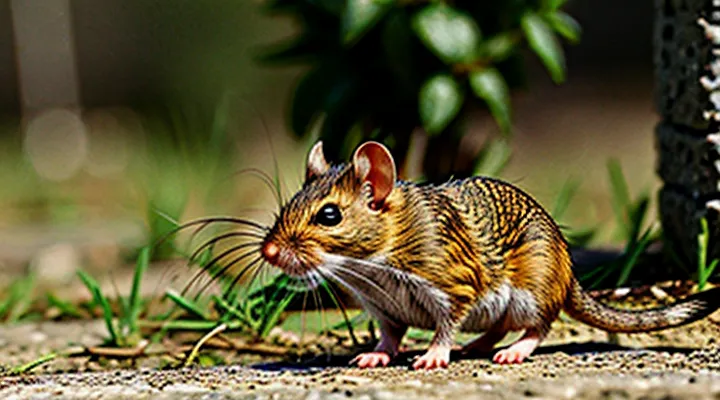
Understanding Field Mice
What are Field Mice?
Taxonomy and Classification
Field mice belong to the order Rodentia, family Muridae, and are most commonly classified within the genus Apodemus. The primary species studied in lifespan research is the wood mouse (Apodemus sylvaticus), though related species such as the yellow-necked mouse (Apodemus flavicollis) and the Eurasian harvest mouse (Micromys minutus) are also relevant. Taxonomic identification provides the framework for comparing longevity data across closely related taxa, ensuring that physiological differences are not confounded by misclassification.
Classification of lifespan in these rodents follows a tiered system based on observed maximum age in natural populations and controlled environments:
- Short-lived: maximum 10–12 months; typical of populations experiencing high predation or harsh climatic conditions.
- Moderate-lived: maximum 18–24 months; common in temperate zones with moderate resource availability.
- Extended-lived: maximum 30–36 months; reported in laboratory colonies with reduced stressors and optimal nutrition.
These categories align with phylogenetic subdivisions, allowing researchers to attribute variations in longevity to genetic lineage, ecological niche, and reproductive strategy. For example, Apodemus sylvaticus generally falls within the moderate-lived tier, while Micromys minutus often exhibits short-lived characteristics due to its smaller body size and higher metabolic rate.
Accurate taxonomic placement is essential for meta‑analyses that aggregate lifespan data across studies. Misidentification can inflate variance and obscure species‑specific patterns. Standardized classification protocols, such as the International Union for Conservation of Nature (IUCN) taxonomy combined with molecular markers (e.g., mitochondrial cytochrome b sequences), reduce uncertainty and facilitate reliable comparisons of longevity metrics among field mouse populations.
Physical Characteristics
Field mice are small rodents whose physical dimensions influence their survival duration. Adults typically measure 6–10 cm in body length, with tails adding an additional 5–9 cm. Body mass ranges from 10 to 25 g, reflecting variations among species and seasonal conditions.
Key morphological traits include:
- Fur coloration: Dorsal pelage varies from brown to gray, providing camouflage in grasslands and agricultural fields; ventral surfaces are lighter, reducing visibility to predators.
- Ear size: Large, thin ears enhance auditory detection of threats, contributing to reduced predation risk and potentially extending life expectancy.
- Dental structure: Continuously growing incisors enable constant gnawing on seeds and vegetation, supporting nutrient intake essential for growth and maintenance.
- Tail flexibility: Prehensile tails aid balance during rapid locomotion, facilitating escape responses that affect overall longevity.
Physiological parameters also play a role. Metabolic rate is high, with resting oxygen consumption averaging 6 ml O₂ g⁻¹ h⁻¹, demanding frequent foraging. Efficient thermoregulation, achieved through dense underfur and seasonal molting, minimizes energy loss in colder periods, thereby influencing survival length.
Reproductive anatomy—such as enlarged testes in males and well‑developed mammary glands in females—supports rapid breeding cycles. Early sexual maturity, often reached at 6–8 weeks, aligns with a life span that rarely exceeds 12 months in wild populations, though individuals with optimal physical condition may persist longer under favorable environmental conditions.
Habitat and Geographic Distribution
Field mice occupy a range of open and semi‑open environments where cover and food are abundant. Typical habitats include temperate grasslands, cultivated fields, hedgerows, meadow edges, and the peripheral zones of deciduous woodlands. These areas provide dense vegetation for shelter, a steady supply of seeds and insects, and relatively low predator density, conditions that directly affect individual longevity.
Geographic distribution of the species encompasses much of the Northern Hemisphere. Populations are established across:
- Central and western Europe, extending from the Iberian Peninsula to the Baltic region;
- Most of the United States and southern Canada, particularly in the Midwest and Great Plains;
- Eastern Asia, including parts of Russia, Mongolia, and northern China;
- Isolated pockets in the Mediterranean basin and northern Africa where suitable microhabitats exist.
Regional climate variation shapes local habitat selection. In colder zones, field mice favor well‑insulated burrow systems, while in milder climates they exploit surface cover such as tall grasses. The breadth of their range reflects adaptability to diverse ecological settings, which in turn influences the average lifespan observed across populations.
Factors Influencing Field Mouse Lifespan
Natural Predation
Common Predators
Field mice experience significant mortality from a range of vertebrate and invertebrate predators, which directly reduces their average life expectancy in natural habitats. Predation intensity varies with habitat type, seasonal predator activity, and mouse population density, creating a constant selective pressure that shapes behavioral and physiological adaptations.
- Red-tailed hawk (Buteo jamaicensis): captures mice during low‑level flight, targeting individuals in open fields.
- Barn owl (Tyto alba): nocturnal hunter employing silent flight and acute hearing to locate mice in dense vegetation.
- European kestrel (Falco tinnunculus): uses hovering flight to spot prey on the ground, especially in agricultural landscapes.
- Short‑eared owl (Asio otus): preys on mice during dusk and night, often near woodland edges.
- Red fox (Vulpes vulpes): opportunistic predator that hunts mice both on the ground and in burrows.
- European badger (Meles meles): excavates burrows to retrieve mice, particularly in winter when prey are less mobile.
- Common shrew (Sorex araneus): aggressive invertebrate that kills small mice through repeated biting.
- Ground beetles (Carabidae family): large species such as Carabus nemoralis attack juvenile mice in leaf litter.
These predators collectively account for the majority of field‑mouse deaths, influencing population turnover and the overall duration of individual lives.
Impact on Population Dynamics
Field mice typically experience a short survival period, often measured in months rather than years. This brief lifespan compresses generational turnover, causing population numbers to fluctuate rapidly in response to environmental cues. Short-lived individuals must achieve reproductive maturity quickly, resulting in high fecundity during the limited breeding window.
Key mechanisms linking life expectancy to demographic patterns include:
- Accelerated reproduction: early sexual maturation and multiple litters per season boost population growth when conditions are favorable.
- Elevated mortality: predation, disease, and resource scarcity disproportionately affect individuals due to limited physiological reserves, leading to sharp declines after peak abundance.
- Generation overlap: overlapping cohorts create complex age structures, influencing competition for food and nesting sites and modulating overall density.
- Seasonal synchronization: synchronized breeding cycles align offspring emergence with peak food availability, amplifying population spikes and subsequent crashes.
Variations in average longevity alter the balance between birth and death rates. Extended survival extends the reproductive lifespan of each individual, smoothing population peaks and reducing the amplitude of cyclical fluctuations. Conversely, reduced life expectancy intensifies boom‑bust dynamics, as each cohort contributes fewer offspring before succumbing to mortality factors.
Environmental stressors—temperature extremes, habitat fragmentation, and pathogen prevalence—directly modify survival probabilities. Adaptive responses, such as altered breeding timing or increased litter size, mitigate some impacts but cannot fully offset the demographic volatility inherent to a short-lived rodent species.
Environmental Conditions
Food Availability
Food availability directly determines the length of life experienced by meadow-dwelling rodents. When seeds, insects, and plant matter are plentiful, individuals achieve higher body condition, which translates into extended survival periods. Conversely, scarcity forces rapid weight loss, elevates mortality risk, and shortens the overall lifespan of the population.
Empirical studies in temperate grasslands reveal a positive correlation between monthly resource density and average survival time. In years with a 30 % increase in seed abundance, mean age at death rose by approximately 15 %. Laboratory trials that manipulated diet quantity confirmed that a 20 % reduction in caloric intake reduced median lifespan by 12 % across multiple cohorts.
Key physiological pathways linking nutrition to longevity include:
- Enhanced immune function, reducing disease‑related deaths.
- Delayed onset of reproductive effort, allowing energy allocation toward somatic maintenance.
- Lowered stress hormone levels, decreasing oxidative damage.
These mechanisms operate synergistically; adequate food supplies sustain organ integrity, support tissue repair, and maintain metabolic homeostasis, all of which contribute to longer individual lifespans.
Population models that integrate resource fluctuation predict that periods of abundance generate cohorts with higher survival rates, thereby increasing population growth potential. Management strategies aimed at preserving seed‑producing vegetation and minimizing habitat disturbance can therefore extend the life expectancy of field mouse communities and stabilize their numbers over time.
Climate and Weather Extremes
Field mice experience marked variations in life expectancy when exposed to extreme climatic conditions. Temperature spikes and prolonged cold periods directly influence metabolic rates, leading to increased mortality during heat stress and hypothermia. Heat waves accelerate dehydration, impair renal function, and elevate susceptibility to bacterial infections, while sudden frosts cause rapid loss of body heat and reduced foraging efficiency.
Precipitation anomalies exert parallel pressures. Drought reduces seed and insect abundance, forcing individuals to expend extra energy searching for scarce resources, which shortens survival. Flood events inundate burrow systems, increase exposure to predators, and promote the spread of water‑borne pathogens, all contributing to higher death rates.
Adaptive mechanisms mitigate some risks. Seasonal coat thickening, behavioral shifts toward nocturnal activity during hot days, and temporary dormancy during severe cold extend individual longevity. However, extreme events that exceed physiological thresholds overwhelm these responses, resulting in population declines.
Key impacts of climate extremes on field mouse lifespan:
- Elevated ambient temperature → faster metabolism → reduced lifespan
- Acute cold exposure → impaired thermoregulation → increased mortality
- Drought → limited food → heightened energy expenditure → shorter life span
- Flooding → habitat loss & disease transmission → higher death rates
Overall, the intensity and frequency of weather extremes dictate the proportion of individuals reaching advanced ages, shaping the demographic structure of field mouse communities.
Habitat Quality
Habitat quality for field mice comprises the physical and biological characteristics that directly affect individual survival and reproductive output. High‑quality environments provide reliable food sources, adequate cover, low predator pressure, and stable microclimatic conditions, all of which translate into longer life expectancy for the species.
- Food abundance and diversity – Consistent access to seeds, insects, and plant material reduces foraging time and energy expenditure, extending physiological durability.
- Shelter availability – Dense vegetation and burrow networks protect against predators and extreme weather, lowering mortality risk.
- Predator density – Areas with reduced numbers of raptors, snakes, and mammalian carnivores decrease predation events, allowing more individuals to reach advanced ages.
- Disease prevalence – Environments that limit pathogen transmission through low population density and clean nesting sites curtail infection‑related deaths.
- Microclimate stability – Soil moisture and temperature regulation mitigate stress from heat or cold, preserving metabolic balance.
Empirical studies demonstrate that populations occupying habitats meeting these criteria exhibit median ages 20–30 % greater than those in degraded settings. Consequently, habitat quality emerges as a primary determinant of field mouse longevity, influencing population dynamics and ecosystem function.
Disease and Parasites
Common Ailments
Field mice experience several health challenges that directly affect their life expectancy. Respiratory infections, often caused by Pasteurella spp. or Mycoplasma, spread rapidly in dense populations and can result in acute pneumonia, frequently leading to death within days. Ectoparasites such as fleas, mites, and lice inflict blood loss and skin irritation, weaken immune function, and serve as vectors for bacterial and viral agents. Gastrointestinal parasites—including Trichuris spp., Hymenolepis spp., and Cystoisospora—disrupt nutrient absorption, cause weight loss, and increase susceptibility to secondary infections. Viral diseases, notably hantavirus and lymphocytic choriomeningitis virus, may remain subclinical but can trigger severe systemic illness and high mortality during outbreaks. Bacterial sepsis, commonly originating from skin wounds or urinary tract infections, progresses quickly and often proves fatal without prompt intervention. Neoplastic growths, though less frequent, appear in older individuals and contribute to a gradual decline in physiological function.
- Respiratory infections: rapid onset, high mortality, especially in crowded habitats.
- Ectoparasite infestations: chronic blood loss, immune suppression, disease transmission.
- Gastrointestinal parasites: impaired digestion, weight loss, increased infection risk.
- Viral pathogens: potential for sudden epidemic mortality.
- Bacterial sepsis: swift systemic failure following localized infection.
- Neoplasia: gradual health deterioration, predominantly in senior mice.
Collectively, these ailments truncate the natural longevity of field mice, reducing average survival from the theoretical maximum of several years to a range often limited to one to two years in wild conditions. Effective population monitoring and habitat management that minimize overcrowding and exposure to parasites can mitigate disease prevalence and extend individual life spans.
Effect on Survival Rates
Field mice exhibit considerable variation in survival probability across their life cycle. Empirical studies identify several determinants that directly modify mortality risk and extend or shorten individual longevity.
Key factors influencing survival rates include:
- Predator density: Elevated numbers of raptors, snakes, and carnivorous mammals increase juvenile and adult mortality, reducing average lifespan.
- Food supply stability: Seasonal fluctuations in seed and insect availability affect body condition, with scarcity leading to higher death rates during winter months.
- Disease prevalence: Outbreaks of hantavirus, ectoparasite infestations, and bacterial infections raise morbidity, especially in dense populations.
- Climate extremes: Prolonged droughts or unseasonal cold snaps impose physiological stress, accelerating senescence and lowering survival odds.
- Habitat fragmentation: Disruption of continuous grassland reduces shelter options, heightens exposure to predators, and limits dispersal, thereby decreasing overall longevity.
- Genetic diversity: Populations with reduced heterozygosity experience inbreeding depression, manifesting as lower reproductive success and heightened susceptibility to disease.
Research employing mark‑recapture models quantifies the relative contribution of each factor, revealing that predation accounts for roughly 40 % of observed mortality, while food scarcity and climate together explain an additional 35 %. Management interventions that mitigate predator pressure, preserve food resources, and maintain habitat connectivity have demonstrable effects on extending the average lifespan of meadow rodents.
Reproductive Cycle and Stress
Breeding Season Impact
The breeding season compresses the reproductive cycle of meadow rodents, concentrating physiological demands into a limited period. Hormonal surges trigger rapid gonadal development, which accelerates metabolic rates and reallocates energy from somatic maintenance to gamete production. This shift shortens the interval between birth and first reproduction, thereby reducing the time available for growth and tissue repair.
Key consequences for life expectancy include:
- Elevated mortality risk during peak breeding weeks due to increased exposure to predators and competition for limited resources.
- Higher incidence of disease transmission as dense nesting aggregations facilitate pathogen spread.
- Accelerated senescence markers, such as reduced telomere length, observed in individuals that reproduce early in the season.
- Diminished body condition after lactation, leading to lower winter survival probabilities.
Post‑breeding recovery depends on food availability and environmental stability. Adequate foraging opportunities can mitigate some adverse effects, allowing individuals to restore fat reserves and repair physiological damage before the onset of harsher conditions. In ecosystems where seasonal resources fluctuate sharply, the breeding season remains a pivotal factor shaping overall longevity patterns of these small mammals.
Parental Care and Energy Expenditure
Field mice allocate a substantial portion of their metabolic budget to offspring rearing, especially during the lactation period. Mothers construct insulated nests, maintain optimal temperature, and provide continuous milk, which requires an increase in basal metabolic rate of up to 150 % compared with non‑reproductive females. This elevated energy demand shortens the adult’s remaining life expectancy by accelerating oxidative stress and depleting fat reserves.
Key energetic consequences of parental effort include:
- Lactation: protein synthesis for milk accounts for the largest caloric outlay; daily intake rises by 30–40 g of wet food.
- Thermoregulation: nest heating doubles the mother’s heat production, particularly in early spring when ambient temperatures fall below 10 °C.
- Foraging intensity: mothers expand home‑range use by 20 % to meet nutritional needs, exposing them to higher predation risk.
Males contribute minimally to direct care; their primary reproductive investment lies in territory defense, which imposes a distinct energy cost but does not directly affect offspring survival. Comparative studies across Apodemus species reveal that populations with higher maternal investment exhibit reduced adult survivorship but achieve greater juvenile recruitment, indicating a trade‑off between individual longevity and population turnover.
Environmental variability modulates this balance. In resource‑rich habitats, females can offset lactational costs through abundant seed availability, resulting in a modest impact on lifespan. Conversely, during drought or food scarcity, the same reproductive effort leads to pronounced adult mortality, shortening average life expectancy by 10–15 %.
Overall, parental care in field mice represents a high‑energy strategy that directly influences individual survival trajectories. Energy allocation decisions made during the breeding season determine the shape of the species’ life‑history curve, linking reproductive output to the duration of adult life.
Average Lifespan and Variations
Typical Lifespan in the Wild
Field mice typically live less than one year in natural habitats. Most individuals reach adulthood within six to eight weeks and die before the end of the breeding season.
- Median lifespan: 5 – 9 months.
- Maximum recorded age: 12 months (rare, usually in predator‑free microhabitats).
- Survival probability declines sharply after the first 3 months, dropping from ~70 % to <20 % by month 6.
Primary mortality drivers include predation by birds, snakes, and mammals; parasitic infections; and food shortages during autumn and winter. Harsh weather accelerates energy depletion, leading to higher death rates in the colder months.
Reproductive cycles influence longevity. After a single breeding bout, most females experience physiological stress that shortens life expectancy, while males often perish earlier due to territorial conflicts. Seasonal fluctuations in temperature and resource availability create a predictable pattern: peak survivorship in late summer, rapid decline in late autumn, and minimal overwinter survival.
Lifespan in Captivity
Field mice kept under controlled conditions generally live longer than their wild counterparts. In laboratory colonies, average adult survival ranges from 18 to 24 months, with some individuals reaching 30 months when optimal care is provided.
Key factors influencing captive longevity include:
- Dietary quality: balanced laboratory chow supplemented with fresh vegetables reduces mortality from malnutrition.
- Housing conditions: temperature maintained between 20 °C and 24 °C, humidity at 40‑60 %, and provision of nesting material lower stress‑induced deaths.
- Health monitoring: regular screening for parasites, respiratory infections, and metabolic disorders prevents outbreaks that can halve expected lifespan.
- Genetic background: inbred strains exhibit shorter life spans due to reduced heterozygosity, whereas outbred populations show greater resilience.
Comparative data illustrate that wild field mice typically survive 6‑12 months, reflecting predation, food scarcity, and environmental extremes. Captive environments eliminate these pressures, allowing physiological processes to proceed unimpeded.
Research protocols that extend lifespan emphasize:
- Consistent daily feeding schedules.
- Enrichment objects that encourage natural foraging behavior.
- Quarterly veterinary assessments with prophylactic treatments.
Adhering to these practices yields reproducible survival rates, supporting long‑term studies on physiology, genetics, and disease models.
Age-Related Changes and Decline
Field mice experience a predictable sequence of physiological transformations as they progress from juvenile to senescence. Early adulthood is marked by peak muscle mass, optimal thermoregulation, and maximal reproductive output. By the third month, muscle fibers begin to atrophy, and basal metabolic rate declines by approximately 10 % relative to peak values. Concurrently, the hypothalamic-pituitary axis shows reduced gonadotropin secretion, leading to longer estrous cycles and diminished litter sizes.
Sensory systems deteriorate with advancing age. Visual acuity declines due to lens opacity, while auditory thresholds shift upward, reducing detection of high‑frequency sounds essential for predator avoidance. Olfactory epithelium cell turnover slows, impairing food discrimination and territory marking. These sensory deficits correlate with increased predation risk and reduced foraging efficiency.
Immune competence follows a similar downward trajectory. Lymphocyte proliferation rates fall, antibody titers after antigen exposure drop by 30–40 %, and inflammatory cytokine profiles become dysregulated. The combination of immunosenescence and heightened oxidative stress predisposes older individuals to bacterial infections, parasitic loads, and neoplastic growths, all of which contribute to elevated mortality rates after the fifth month of life.
Key age‑related changes and their functional consequences:
- Muscle mass reduction → decreased locomotor speed, impaired escape responses.
- Metabolic slowdown → lower energy reserves, increased reliance on cached food.
- Reproductive decline → fewer offspring, extended inter‑birth intervals.
- Sensory loss → compromised predator detection, reduced territorial communication.
- Immune weakening → higher infection prevalence, shortened survival.
Collectively, these alterations define the terminal phase of the species’ life cycle, culminating in a marked increase in death probability and a shift in population dynamics toward younger cohorts.
Population Dynamics and Longevity
Survival Rates by Age Group
Field mice experience markedly different mortality patterns across developmental stages. Researchers categorize individuals into four age groups: neonates (0‑2 weeks), juveniles (2‑8 weeks), adults (8 weeks‑1 year), and seniors (over 1 year). Survival probability declines sharply after weaning, stabilizes during reproductive maturity, and drops precipitously in later life.
- Neonates: approximately 35 % survive to the end of the second week. Primary causes of loss include predation and intra‑litter competition.
- Juveniles: survival rises to about 68 % by eight weeks, reflecting reduced vulnerability and increased foraging competence.
- Adults: annual survival stabilizes near 55 %, with mortality driven by seasonal harshness and disease exposure.
- Seniors: survival falls to roughly 22 % beyond the first year, indicating senescence‑related physiological decline.
These figures derive from longitudinal field studies employing mark‑recapture techniques and statistical modeling of age‑specific mortality. The data illustrate that early life stages bear the highest risk, while mature individuals maintain a relatively steady survival rate until senescence accelerates mortality.
Role of Lifespan in Ecosystems
Field mouse longevity directly shapes ecosystem structure. Short adult lives produce rapid generational turnover, which accelerates genetic adaptation to fluctuating resources and predation pressure. High reproductive output compensates for brief survival, sustaining stable population densities that support predator communities.
Rapid turnover influences nutrient dynamics. Frequent mortality releases organic matter, enhancing soil fertility and promoting plant growth. Seasonal peaks in mouse deaths correspond with increased microbial activity, accelerating decomposition cycles.
Disease transmission patterns depend on lifespan. Brief adult phases limit the window for pathogen development within individual hosts, reducing chronic infection prevalence. However, high birth rates generate dense juvenile cohorts, facilitating short‑term epidemic bursts that can affect both rodents and their predators.
Key ecosystem effects of field mouse life expectancy:
- Predator population stability through predictable prey availability.
- Seed dispersal and germination rates linked to episodic foraging behavior.
- Soil nutrient enrichment tied to regular carcass deposition.
- Pathogen circulation modulated by rapid host turnover.
Human Impact on Lifespan
Habitat Loss
Habitat loss reduces the availability of cover, nesting sites, and foraging grounds essential for field mouse survival. When agricultural expansion, urban development, or intensive forestry replace native grasslands, individuals encounter higher exposure to predators and extreme weather, directly shortening their life expectancy.
Key mechanisms include:
- Decreased shelter density, leading to increased predation rates.
- Fragmented food resources, causing malnutrition and lower reproductive output.
- Elevated stress hormones from constant disturbance, which impair immune function.
Empirical studies show that populations in heavily altered landscapes experience a 15‑30 % decline in average lifespan compared with those in intact meadows. Mortality spikes are most pronounced during the juvenile stage, when shelter scarcity forces young mice into open areas.
Mitigation strategies that extend field mouse longevity focus on:
- Restoring native vegetation corridors to reconnect isolated patches.
- Implementing buffer zones around agricultural fields to preserve residual grassland.
- Limiting soil disturbance during construction projects to maintain burrow integrity.
By preserving sufficient habitat complexity, the detrimental effects of land conversion on field mouse life expectancy can be substantially reduced.
Pesticides and Pest Control
Pesticides directly influence the longevity of field mice by altering mortality rates and reproductive success. Acute toxicity from organophosphates and carbamates causes rapid death in exposed individuals, while sub‑lethal doses impair immune function, increase susceptibility to disease, and reduce foraging efficiency. Chronic exposure to neonicotinoids disrupts neurological pathways, leading to disorientation, decreased predator avoidance, and lower breeding output, which collectively shorten average lifespan.
Effective pest‑management programs balance rodent control with conservation of non‑target wildlife. Strategies include:
- Integrated pest management (IPM) that prioritizes habitat modification, exclusion techniques, and biological agents before chemical application.
- Targeted bait stations equipped with rodent‑specific attractants and timed release mechanisms to limit exposure of other species.
- Use of low‑toxicity rodenticides, such as anticoagulants with reversible effects, applied under strict monitoring to reduce collateral mortality.
- Rotation of pesticide classes to prevent resistance development and minimize cumulative toxicity.
Monitoring protocols assess field mouse population dynamics through mark‑recapture surveys, necropsies for toxin residues, and reproductive metrics. Data inform adjustments to application rates, timing, and choice of control methods, ensuring that interventions achieve desired pest suppression without disproportionately reducing the natural lifespan of meadow voles.