
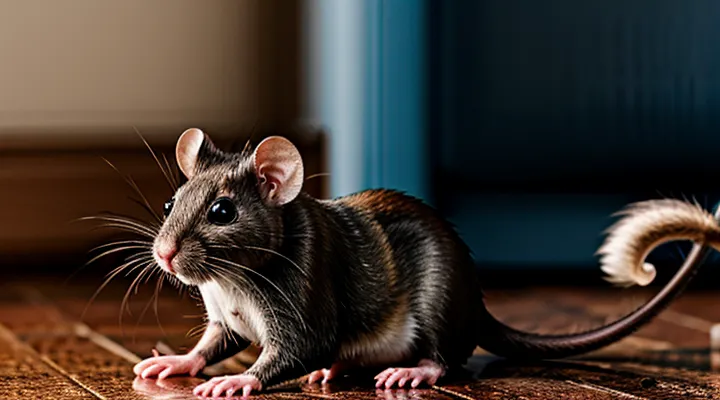
Average Lifespan
Factors Influencing Lifespan
Genetics
Genetic composition determines longevity in ornamental rats. Studies identify specific alleles that correlate with extended life expectancy, while other variants predispose individuals to early mortality.
Key genetic determinants include:
- Telomere length regulation genes that maintain chromosomal stability.
- Metabolic pathway genes influencing energy utilization and oxidative stress.
- Immune system alleles that modulate resistance to common pathogens.
- Genes controlling growth factor expression, affecting organ development and function.
Breeding programs enhance lifespan by:
- Selecting individuals carrying alleles linked to longer survival.
- Introducing genetic diversity through outcrossing to reduce inbreeding depression.
- Applying molecular screening to identify carriers of deleterious mutations before reproduction.
- Monitoring allele frequencies across generations to ensure sustained improvement.
The relationship between genotype and survival informs caretaker practices. Genetic testing enables early detection of health risks, allowing targeted interventions that mitigate disease impact. Researchers can use these data to refine models of aging, contributing to broader understanding of mammalian longevity.
Diet and Nutrition
A balanced diet directly influences the longevity of ornamental rats, reducing the incidence of metabolic and cardiovascular disorders that shorten life expectancy.
Protein should constitute 18‑20 % of total caloric intake, sourced from high‑quality rodent pellets enriched with animal‑derived or soy‑based proteins. Fat content must remain between 4‑6 % of calories, primarily from omega‑3 and omega‑6 fatty acids to support cell membrane integrity. Carbohydrates provide energy but should not exceed 45 % of the diet; complex grains and soluble fibers are preferred to prevent glucose spikes.
Essential micronutrients include:
- Vitamin A: liver, fortified pellets, or supplements to maintain vision and epithelial health.
- Vitamin D3: exposure to UV‑B light or calibrated supplementation for calcium metabolism.
- Vitamin E: sunflower seeds or vitamin‑E‑fortified feed for antioxidant protection.
- B‑complex vitamins: whole‑grain components to support nervous system function.
- Minerals: calcium‑phosphorus ratio of approximately 1.2:1, supplied by bone meal, oyster shells, or mineral blocks; zinc and selenium for immune competence.
Feeding schedule should consist of two to three measured portions per day, allowing 10‑15 minutes of access per session. Continuous free‑feeding of high‑calorie treats accelerates obesity, a leading cause of reduced lifespan. Water must be fresh, filtered, and available at all times; dehydration precipitates renal failure.
Common nutritional errors involve reliance on seed‑only mixes, which lack sufficient protein and essential vitamins, and the use of sugary fruits or human snacks that introduce excess fructose. Regular monitoring of body condition score and periodic veterinary blood panels ensure that dietary adjustments address emerging deficiencies or excesses, thereby supporting optimal health and extended longevity.
Environment and Housing
The quality of the living environment directly influences the longevity of domesticated fancy rats. Providing a spacious cage with multiple levels encourages natural climbing behavior, reduces stress, and promotes muscular development. Adequate ventilation prevents the buildup of ammonia from urine, which can cause respiratory irritation and shorten life expectancy.
Key components of optimal housing include:
- Solid flooring covered with absorbent bedding that is changed regularly to maintain hygiene.
- Enrichment items such as tunnels, chew toys, and nesting material that stimulate mental activity.
- Temperature control within the range of 18‑24 °C; extreme heat or cold accelerates metabolic strain.
- Secure, predator‑proof construction to eliminate exposure to external threats.
Nutrition and water availability must be constant, with fresh water offered in a sealed bottle to avoid contamination. Routine cleaning schedules, performed weekly with mild, non‑toxic disinfectants, preserve a healthy microenvironment.
Social housing is essential; rats are highly gregarious. Cohabitation with compatible conspecifics reduces loneliness, lowers cortisol levels, and contributes to longer, healthier lives. When introducing new individuals, gradual acclimation prevents aggression and associated injuries.
Overall, meticulous attention to cage size, ventilation, temperature, cleanliness, enrichment, and social interaction creates conditions that support maximum lifespan for these pets.
Veterinary Care
Veterinary oversight significantly influences the longevity of ornamental rats. Routine examinations enable early identification of health issues that could otherwise reduce life expectancy.
Key aspects of professional care include:
- Regular physical assessments by a qualified practitioner, preferably every three months for adult specimens.
- Immunizations against common pathogens where vaccines are available, administered according to veterinary guidelines.
- Parasite prevention through approved ectoparasitic and endoparasitic agents, with dosing schedules adjusted for age and weight.
- Dental inspections to detect overgrowth, a frequent source of pain and infection in these species.
Nutritional management supports systemic health. Diets should consist of high‑quality rodent pellets supplemented with fresh vegetables, while minimizing sugary snacks that predispose to obesity and metabolic disorders.
Environmental stewardship reduces stress‑related illnesses. Clean bedding, appropriate ambient temperature (18‑24 °C), and enrichment objects promote physical activity and mental stimulation, factors linked to improved survival rates.
Prompt diagnosis and treatment of prevalent conditions—respiratory infections, skin irritations, and neoplastic growths—extend functional lifespan. Early therapeutic intervention, guided by diagnostic imaging and laboratory testing, enhances recovery prospects.
«Effective veterinary collaboration creates a foundation for sustained health in fancy rats», notes the International Rat Veterinary Association.
Stress Levels
Stress levels exert a measurable influence on the duration of life in ornamental rodents. Chronic activation of the hypothalamic‑pituitary‑adrenal axis elevates corticosterone, which accelerates cellular aging and reduces immune competence. Acute stressors trigger brief hormonal spikes that, when infrequent, have limited impact on overall longevity.
Key stressors and their physiological consequences include:
- Overcrowding: heightened social tension, increased cortisol, shortened median survival.
- Inconsistent lighting cycles: disruption of circadian rhythms, altered melatonin production, decreased lifespan.
- Nutritional irregularities: fluctuations in glucose availability, oxidative stress, reduced life expectancy.
- Environmental noise: persistent auditory stimulation, sympathetic nervous system activation, accelerated aging.
Mitigation strategies focus on environmental enrichment, stable routine, and balanced diet, thereby lowering basal stress markers and extending the expected lifespan of fancy rats.
Maximizing Your Rat's Lifespan
Optimal Diet and Feeding Practices
Commercial Rat Food
Commercially produced rodent diets provide a consistent source of nutrients that directly affect the longevity of pet rats. Formulated blends balance protein, fat, fiber, vitamins and minerals to meet the physiological requirements of these small mammals.
Key nutritional components include:
- Protein 20‑30 % by weight, sourced from soy, fish or poultry meals;
- Fat 5‑10 % by weight, primarily from vegetable oils;
- Fiber 5‑7 % by weight, supplied by beet pulp and wheat bran;
- Vitamin A, D, E, K complexes;
- B‑vitamin complex;
- Essential minerals such as calcium, phosphorus, magnesium, zinc and selenium.
Feeding recommendations specify measured portions based on body weight, typically 1‑2 grams per 100 grams of animal mass, divided into two daily offerings. Fresh water must be available at all times. Products should be stored in airtight containers at temperatures below 25 °C to preserve nutrient integrity and prevent mold growth.
Quality assurance programs require manufacturers to conduct microbiological testing, confirm nutrient levels through batch analysis and adhere to regulatory limits for contaminants. Shelf life is generally 12 months from the production date; expired feed may exhibit reduced vitamin potency and increased risk of spoilage.
Consistent consumption of nutritionally balanced commercial feed correlates with reduced incidence of metabolic disorders, improved coat condition and extended average lifespan compared with diets lacking precise formulation.
Fresh Produce and Supplements
Fresh produce provides essential vitamins, minerals, and fiber that support healthy organ function and digestive efficiency in fancy rats. High‑quality leafy greens, such as kale and romaine lettuce, deliver vitamin K and calcium, while colorful vegetables like carrots and bell peppers supply beta‑carotene and antioxidants. Introduce a variety of produce daily, limiting citrus and high‑acid items that may irritate the gastrointestinal tract.
Supplements complement a balanced diet by addressing nutrients that are difficult to obtain solely from food. A well‑formulated rodent multivitamin supplies vitamins A, D, and E, as well as trace elements such as zinc and selenium. Omega‑3 fatty acids, sourced from fish oil or algal oil, promote cardiovascular health and reduce inflammatory responses. Probiotic blends enhance gut flora stability, improving nutrient absorption and immune resilience.
Key dietary components for longevity:
- Leafy greens (kale, spinach, romaine) – daily, washed, chopped
- Root vegetables (carrot, beet) – 2–3 times per week, raw or lightly steamed
- Fruit (apple, blueberry) – occasional treat, seed‑free, limited to 5 % of total intake
- Rodent‑specific multivitamin – one tablet per 100 g body weight, administered weekly
- Omega‑3 supplement – 100 mg per kilogram, mixed with water or soft food
- Probiotic capsule – one dose per month, following manufacturer guidelines
Monitor body condition regularly; adjust portions to maintain a lean physique and prevent obesity, a primary factor that shortens life expectancy. Consistent provision of fresh produce and targeted supplements creates a nutritional environment that extends health span and reduces age‑related decline in fancy rats.
Avoiding Harmful Foods
Proper nutrition directly influences the longevity of pet rats. Certain foods introduce toxins, impair digestive health, or cause rapid weight gain, all of which shorten life expectancy.
- Chocolate and cocoa products
- Caffeinated beverages or foods containing caffeine
- Raw or undercooked beans, especially kidney beans
- Avocado flesh and pit
- Citrus peels and large amounts of citrus juice
- Processed meats with high sodium or preservatives
- Dairy products in excess, particularly for rats with lactose intolerance
These items contain compounds such as theobromine, caffeine, lectins, persin, citric acid, nitrites, and lactose, which rats metabolize poorly. Theobromine and caffeine overstimulate the cardiovascular system, leading to arrhythmias. Lectins damage intestinal lining, causing malabsorption. Persin induces respiratory distress, while excess citric acid erodes enamel and disrupts gut flora. High sodium raises blood pressure; nitrites convert hemoglobin to methemoglobin, reducing oxygen transport. Lactose fermentation produces gas and diarrhea, weakening the immune response.
To protect health, provide a diet of high‑quality rodent pellets, fresh vegetables (e.g., leafy greens, carrots), and occasional protein sources such as boiled eggs or cooked lean meat. Ensure water is clean and available at all times. Monitor intake, remove uneaten food promptly, and replace treats with safe alternatives like small apple slices or unsalted popcorn. Consistent avoidance of the listed harmful foods supports optimal growth, disease resistance, and extended lifespan.
Creating a Healthy Environment
Cage Size and Enrichment
Adequate cage dimensions directly influence the physiological well‑being of fancy rats, thereby affecting their overall longevity. Confinement in a space that restricts natural movement can lead to musculoskeletal strain, reduced cardiovascular activity, and heightened stress levels, all of which contribute to a shortened life expectancy.
Recommended minimum floor area per adult rat is 0.5 sq ft (approximately 46 cm × 46 cm). For a pair, increase the floor space to at least 1 sq ft, and provide additional vertical levels to multiply usable area. Cage height should allow full standing and climbing, with a minimum of 30 cm of clearance.
Enrichment items support mental stimulation and physical health:
- Multi‑level platforms or shelves secured to the cage frame
- Secure tunnels and hideouts constructed from chew‑safe materials
- Rotating wheels calibrated for rat size and bearing smooth operation
- Natural fibers (e.g., untreated wood, hemp) for gnawing and nest building
- Regularly refreshed foraging opportunities, such as scattered treats or puzzle feeders
Implementing these spatial standards and enrichment strategies promotes activity, reduces stress, and contributes to a longer, healthier life for fancy rats. «Proper environment sustains vitality».
Bedding and Litter
Bedding and litter directly influence the health, comfort, and longevity of pet rats. Suitable material absorbs moisture, controls odor, and prevents respiratory irritation. Inadequate bedding can lead to skin infections, digestive issues, and reduced life expectancy.
Key considerations for selecting bedding:
- Absorbency: High‑capacity substrates such as paper‑based products or aspen shavings retain waste moisture, limiting bacterial growth.
- Dust level: Low‑dust options, including kiln‑dried pine or specialized rodent bedding, minimize inhalation of particles that may cause respiratory distress.
- Safety: Materials must be free of toxic oils, chemicals, or sharp edges that could cause injuries or ingestion hazards.
- Comfort: Soft, loosely packed fibers provide nesting opportunities, reducing stress and promoting natural behaviors.
Litter management practices support optimal conditions:
- Frequent replacement: Changing bedding at least twice weekly prevents accumulation of ammonia and fecal matter.
- Spot cleaning: Daily removal of soiled sections reduces exposure to pathogens.
- Depth control: Maintaining a 2–3 cm layer ensures adequate coverage while allowing easy cleaning.
- Sanitization: Periodic washing of reusable bedding with mild, unscented detergent eliminates residual contaminants.
Monitoring the environment includes checking for signs of irritation, such as sneezing, nasal discharge, or skin redness. Prompt adjustment of bedding type or cleaning frequency restores health parameters, contributing to extended vitality.
Temperature and Humidity
Temperature and humidity directly affect the physiological stability of fancy rats, thereby influencing their longevity.
The species thrives within a narrow thermal window. Maintaining ambient temperature between 18 °C and 24 °C supports normal metabolic rates, immune function, and thermoregulation. Temperatures below 15 °C trigger hypothermia, reduce activity, and increase susceptibility to respiratory infections. Temperatures above 27 °C accelerate metabolism, cause dehydration, and elevate heat‑stroke risk.
Relative humidity governs skin integrity and respiratory health. An indoor humidity level of 45 %–55 % prevents mucosal drying and limits fungal growth. Humidity below 30 % leads to crusted nasal passages, impairs olfactory function, and predisposes to upper‑respiratory disease. Humidity above 65 % creates condensation, encourages mold proliferation, and aggravates allergic responses.
Practical management guidelines:
- Use a digital thermostat to keep temperature within the «optimal range» of 18 °C–24 °C.
- Employ a hygrometer; adjust humidity with a humidifier or dehumidifier to stay between 45 % and 55 %.
- Position cages away from direct drafts, heating vents, and sunlight to avoid local temperature spikes.
- Conduct weekly checks of bedding moisture; replace damp bedding promptly to prevent mold.
- Record environmental readings; correlate deviations with health observations to refine conditions.
Consistent control of these parameters reduces stress, minimizes disease incidence, and extends the functional lifespan of fancy rats.
Preventive Healthcare
Regular Vet Check-ups
Regular veterinary examinations are essential for maintaining the health and extending the longevity of fancy rats. Early detection of common conditions such as respiratory infections, dental overgrowth, and tumors allows timely intervention, reducing mortality risk.
Key components of a routine check‑up include:
- Physical assessment of coat, eyes, and respiratory sounds.
- Dental inspection to identify overgrowth or malocclusion.
- Weight measurement and body condition scoring.
- Screening for parasites and external injuries.
- Discussion of diet, enrichment, and housing conditions.
Consistent scheduling of appointments every three to six months aligns with the species’ rapid metabolic rate, ensuring that subtle health changes are addressed before they become severe. Veterinarians experienced with small rodents can provide tailored recommendations, contributing to a stable environment that supports a longer, healthier life for these pets.
Recognizing Early Signs of Illness
Recognizing early signs of illness is essential for extending the longevity of fancy rats. Prompt detection enables timely veterinary intervention, reduces the risk of complications, and supports overall health maintenance.
Key indicators to monitor include:
- Decreased activity or reluctance to explore familiar environments.
- Noticeable changes in appetite, such as reduced food intake or refusal of preferred foods.
- Abnormal respiratory sounds, including wheezing, rapid breathing, or audible crackles.
- Alterations in grooming behavior, evident from unkempt fur or excessive self‑scratching.
- Discharge from eyes, nose, or ears, especially if accompanied by swelling or crust formation.
- Unusual stool consistency, ranging from diarrhea to constipation, and the presence of blood.
- Weight loss exceeding 5 % of body mass within a short period.
- Lethargy combined with a lowered body temperature, detectable by gentle palpation of the abdomen.
Regular observation of these parameters, complemented by routine health checks, forms a systematic approach to early disease identification. Veterinary consultation should follow any persistent deviation from normal patterns, ensuring that diagnostic and therapeutic measures are applied before conditions progress.
Common Health Issues in Fancy Rats
Fancy rats are prone to several health conditions that can significantly affect their longevity. Recognizing early signs and implementing preventive measures are essential for maintaining optimal well‑being.
• Respiratory infections – often caused by Mycoplasma pulmonis; symptoms include nasal discharge, sneezing, and labored breathing. Prompt veterinary assessment and targeted antibiotics reduce morbidity.
• Dental disease – continuous growth of incisors leads to malocclusion, overgrowth, and oral ulcers. Regular inspection of tooth length and provision of chew toys prevent severe complications.
• Skin disorders – mange caused by Sarcoptes mites, as well as fungal infections such as ringworm, manifest as hair loss, itching, and crusted lesions. Effective treatment requires acaricides or antifungal agents combined with environmental sanitation.
• Gastrointestinal problems – dysbiosis, gastric ulcers, and constipation present with reduced appetite, weight loss, and abnormal feces. Balanced diet, adequate fiber, and hydration are critical preventive factors.
• Tumors – subcutaneous fibrosarcomas and mammary adenocarcinomas appear frequently in older individuals. Early detection through palpation and imaging improves surgical outcomes.
• Parasites – internal parasites like pinworms and coccidia cause diarrhea and anemia. Routine fecal examinations and appropriate anthelmintics control infestations.
Vaccination is not applicable to rats, but strict biosecurity, regular health checks, and a diet rich in fresh vegetables, quality pellets, and occasional protein sources create a robust foundation for disease resistance. Immediate veterinary intervention at the first indication of illness markedly enhances survival prospects.
Socialization and Mental Stimulation
Importance of Companionship
Companionship substantially influences the well‑being of domesticated fancy rats, whose life expectancy typically ranges between two and three years. Regular social interaction reduces physiological stress markers, leading to improved immune function and lower incidence of disease.
Key outcomes of consistent pairings include:
- Enhanced grooming behavior, which promotes skin health and reduces parasite load.
- Increased exploratory activity, fostering mental stimulation and preventing stereotypic movements.
- Stabilized weight management through shared feeding routines and balanced activity levels.
Social bonds also affect reproductive success in breeding programs, as paired individuals display higher fertility rates and more robust offspring. Environmental enrichment strategies that incorporate companion animals therefore contribute directly to longevity and quality of life for these pets.
Playtime and Training
Playtime directly influences the health trajectory of fancy rats, extending their functional years by stimulating cardiovascular activity, muscle tone, and mental acuity. Regular interaction with safe, varied toys prevents obesity, reduces stress‑induced hormone release, and supports skeletal integrity.
Effective training sessions reinforce positive behaviors while providing cognitive challenges that sustain neural pathways. Recommended practices include:
- Short, frequent obstacle courses that encourage climbing, tunneling, and balance.
- Target‑training using a click‑signal followed by a treat, establishing clear cause‑effect understanding.
- Puzzle dispensers that require manipulation to release food, fostering problem‑solving skills.
Consistent implementation of these routines, combined with balanced nutrition, creates an environment where fancy rats maintain optimal physiological function throughout their lifespan.
Reducing Stress
Stress significantly shortens the life expectancy of fancy rats, affecting immune function, cardiovascular health, and behavior. Chronic activation of the hypothalamic‑pituitary‑adrenal axis elevates cortisol, leading to weight loss, reduced reproductive success, and increased susceptibility to disease.
Effective stress reduction measures include:
- Providing a spacious cage with multiple levels, tunnels, and hiding places to encourage natural exploration.
- Maintaining a consistent light‑dark cycle (12 hours each) to support circadian rhythms.
- Offering a varied diet rich in fresh vegetables, high‑quality pellets, and occasional protein treats, while avoiding sudden changes in food composition.
- Implementing daily gentle handling sessions, lasting 5–10 minutes, to foster trust and habituation to human contact.
- Reducing auditory and vibrational disturbances by locating the enclosure away from loud appliances and traffic.
Environmental enrichment, such as chew toys, nesting material, and puzzle feeders, stimulates mental activity and prevents boredom‑induced stress. Regular health checks enable early detection of stress‑related conditions, allowing prompt intervention.
By integrating these practices, caretakers can mitigate stressors, thereby extending the longevity and overall well‑being of fancy rats.
Common Health Issues Affecting Lifespan
Respiratory Diseases
Mycoplasma pulmonis
Mycoplasma pulmonis is a cell‑wall‑deficient bacterium that colonises the respiratory tract of laboratory and pet rats. Infection is widespread in breeding colonies, with carrier rates often exceeding 30 % in densely housed groups.
Transmission occurs primarily through direct contact, aerosolised secretions, and contaminated bedding. The pathogen persists in nasal passages and trachea, enabling asymptomatic carriers to spread infection to susceptible individuals.
Clinical signs include serous nasal discharge, sneezing, dyspnoea, and intermittent otitis. Chronic infection may lead to bronchopneumonia, reduced feed intake, and weight loss, factors that directly diminish overall health and shorten the natural life expectancy of ornamental rats.
Diagnosis relies on culture of tracheal swabs, polymerase chain reaction detection of mycoplasmal DNA, and serological assays for specific antibodies. Histopathology reveals peribronchial infiltrates and epithelial hyperplasia.
Therapeutic regimens commonly employ macrolide antibiotics such as tylosin or erythromycin, administered orally or via subcutaneous injection for 10–14 days. Antimicrobial susceptibility testing guides selection, as resistance patterns vary among isolates.
Prevention strategies reduce disease burden and support longer lifespans:
- Maintain low‑density housing and adequate ventilation.
- Implement routine health screening of breeding stock.
- Quarantine new arrivals for a minimum of four weeks, with diagnostic testing before integration.
- Replace bedding regularly and disinfect cages with agents effective against mycoplasmas.
- Provide balanced nutrition to reinforce immune competence.
Effective control of Mycoplasma pulmonis mitigates respiratory morbidity, thereby extending the duration of life in fancy rat populations.
Symptoms and Treatment
Fancy rats commonly encounter respiratory, gastrointestinal, and dermatological problems that can shorten their lifespan. Early identification of abnormal signs is essential for effective intervention.
Typical clinical manifestations include:
- Nasal discharge or sneezing
- Labored breathing or wheezing
- Diarrhea, loose stools, or blood in feces
- Hair loss, crusty skin, or excessive scratching
- Lethargy, reduced activity, or failure to thrive
- Unexplained weight loss or gain
Therapeutic measures should follow a systematic approach:
- Conduct a thorough physical examination and obtain a complete blood count, radiographs, and fecal analysis to determine the underlying cause.
- Administer appropriate antibiotics, such as enrofloxacin or doxycycline, for bacterial infections, adjusting dosage to the animal’s weight.
- Provide supportive care with fluid therapy, electrolyte replacement, and warm, humidified environments to aid respiratory function.
- Use antiparasitic agents like fenbendazole for intestinal worms, following a repeat dosing schedule to ensure eradication.
- Apply topical ointments containing chlorhexidine or zinc oxide for skin lesions, and maintain strict cage hygiene to prevent reinfection.
- Monitor response daily, adjusting treatment based on clinical progress and laboratory results.
Prompt recognition of these signs and adherence to evidence‑based protocols markedly improve health outcomes and extend the productive years of pet rats.
Tumors and Cancers
Benign vs. Malignant
The health of ornamental rats is strongly influenced by the nature of neoplastic growths. Benign tumors remain localized, grow slowly, and rarely compromise vital functions. Their presence may reduce average longevity modestly, typically by a few weeks, because they seldom cause organ failure or systemic illness. Surgical removal often restores normal physiological status, allowing the animal to achieve a life span comparable to healthy conspecifics.
Malignant neoplasms differ markedly. They infiltrate surrounding tissues, metastasize, and disrupt multiple organ systems. The progression from initial formation to clinical decline can occur within a matter of weeks. Consequently, the overall life expectancy of affected individuals drops dramatically, often to less than half of the typical duration observed in disease‑free specimens.
Key distinctions include:
- Growth rate: slow (benign) vs. rapid (malignant)
- Tissue invasion: absent vs. extensive
- Metastatic potential: none vs. high
- Prognosis after treatment: favorable vs. poor
Early detection relies on routine physical examination, palpation of subcutaneous masses, and imaging when indicated. Histopathological analysis confirms classification, guiding therapeutic decisions. For benign lesions, excision under aseptic conditions is usually curative. Malignant cases may require multimodal approaches—surgery, chemotherapy, and palliative care—to extend survival, though outcomes remain limited.
Understanding these differences enables caretakers and veterinarians to assess risk accurately, implement timely interventions, and provide realistic expectations regarding the remaining duration of life in ornamental rats.
Detection and Management
Detection of health concerns in ornamental rats requires systematic observation and diagnostic testing. Routine visual inspection identifies coat condition, ocular clarity, and respiratory sounds. Weight records reveal deviations from expected growth curves, while activity patterns expose pain or neurological impairment. Veterinary assessment adds imaging, hematology, and microbiology when clinical signs suggest infection or organ dysfunction.
Key detection methods include:
- Daily monitoring of body weight and food intake
- Observation of grooming behavior and social interaction
- Palpation of the abdomen for masses or tenderness
- Periodic veterinary examinations with blood panels and radiographs
Management strategies aim to maximize longevity and quality of life. Balanced diets formulated for small rodents supply essential nutrients while preventing obesity. Habitat design provides nesting material, chewable objects, and escape routes to reduce stress. Preventive health measures encompass vaccination, parasite control, and scheduled dental checks. Environmental parameters such as temperature, humidity, and ventilation are maintained within optimal ranges to limit respiratory disease.
Effective management actions comprise:
- Feeding high‑quality pellets supplemented with fresh vegetables
- Scheduling regular veterinary visits for health screening
- Implementing a cleaning protocol that removes waste and reduces ammonia buildup
- Providing enrichment items that encourage natural foraging and exercise
Consistent application of detection protocols and management practices directly influences the life expectancy of fancy rats, supporting sustained health and welfare.
Cardiac Conditions
Signs and Prognosis
Monitoring physical and behavioral indicators provides the most reliable method for estimating the remaining years of a pet fancy rat. Early detection of deviations from normal patterns allows caretakers to adjust care protocols and anticipate health outcomes.
Typical warning signs include:
- Dull, unkempt fur or loss of sheen.
- Reduced appetite or irregular feeding habits.
- Lethargy, reluctance to explore, or prolonged inactivity.
- Labored breathing, wheezing, or audible respiratory effort.
- Persistent nasal or ocular discharge.
- Unexplained weight loss despite adequate nutrition.
- Enlarged abdomen or palpable masses.
- Changes in stool consistency, such as diarrhea or constipation.
Prognostic assessment aligns with the severity and combination of these signs:
- Minor irregularities (e.g., occasional reduced appetite) suggest a short‑term adjustment period; expected lifespan remains near average.
- Moderate symptoms (e.g., consistent fur dullness, mild respiratory sounds) indicate underlying health issues; projected remaining years decrease by approximately 20‑30 %.
- Severe manifestations (e.g., marked weight loss, persistent discharge, organ enlargement) correlate with advanced disease; remaining lifespan may be limited to months.
Effective response strategies involve:
- Immediate veterinary examination when multiple signs appear concurrently.
- Routine health checks at least quarterly, focusing on weight, coat condition, and respiratory function.
- Nutritional optimization, including high‑quality protein sources and supplemental antioxidants.
- Environmental enrichment to encourage activity and reduce stress, thereby supporting immune function.
Consistent observation and timely intervention constitute the primary means of extending the life expectancy of these small companions.
Renal Disease
Prevention and Care
Proper prevention and diligent care are essential for maximizing the longevity of fancy rats. A balanced diet rich in high‑quality protein, fresh vegetables, and limited sugary treats provides the nutritional foundation needed to support organ function and immune resilience. Consistent access to clean, fresh water prevents dehydration and renal stress.
Regular health monitoring reduces the risk of chronic conditions. Observing coat condition, eye clarity, and activity levels allows early detection of respiratory infections, skin disorders, or dental problems. Prompt veterinary consultation at the first sign of abnormal behavior or physical changes improves treatment outcomes.
Environmental management further protects health:
- Maintain cage temperature between 18 °C and 24 °C; extreme heat or cold compromises thermoregulation.
- Provide adequate ventilation while avoiding drafts that can irritate the respiratory tract.
- Use bedding material free of aromatic oils or excessive dust; paper‑based or aspen shavings are optimal.
- Ensure enrichment items are safe, non‑toxic, and regularly inspected for wear.
Hygiene practices reinforce disease prevention:
- Clean cages weekly, replacing all bedding and disinfecting surfaces with a rodent‑safe solution.
- Wash food dishes and water bottles daily to inhibit bacterial growth.
- Hand‑wash before and after handling rats to limit pathogen transmission.
Stress reduction contributes directly to lifespan extension. Limit exposure to loud noises, sudden movements, and overcrowding. Establish a predictable routine for feeding, cleaning, and interaction to foster a sense of security.
Vaccination is not standard for rats, but prophylactic measures such as parasite control (mites, fleas) and regular fecal examinations for parasites are recommended. Implementing a schedule for deworming, based on veterinary guidance, mitigates internal parasite burdens.
In summary, optimal longevity results from a combination of proper nutrition, vigilant health observation, controlled environment, strict hygiene, stress mitigation, and targeted parasite management. Adhering to these practices creates conditions in which fancy rats can thrive well beyond average expectancy.
Parasites and Skin Conditions
Parasite burden and dermatological disorders exert a direct influence on the longevity of fancy rats. Effective management of these health challenges is essential for maintaining optimal life expectancy.
Common internal parasites include:
- Mycoplasma pulmonis – respiratory pathogen that can cause chronic pneumonia, leading to reduced vitality.
- Coccidia (Eimeria spp.) – intestinal protozoa producing diarrhoea and weight loss.
- Pinworms (Syphacia muris) – gastrointestinal nematodes that may cause irritation and secondary infections.
- Mites (Myobia musculi) – ectoparasites that occasionally invade the digestive tract, aggravating systemic stress.
Frequent skin conditions comprise:
- Alopecia – hair loss often linked to hormonal imbalance or nutritional deficiency.
- Dermatitis – inflammatory reaction triggered by allergens, irritants, or mite infestations.
- Ringworm (Dermatophytosis) – fungal infection characterized by circular lesions and pruritus.
- Ulcerative pododermatitis – sores on the feet resulting from poor cage hygiene or trauma.
Preventive and therapeutic measures:
- Routine fecal examinations every three months to detect internal parasites early.
- Monthly ectoparasite treatments with veterinarian‑approved acaricides.
- Balanced diet enriched with essential fatty acids to support skin integrity.
- Regular cage cleaning, including substrate replacement and disinfectant use, to minimize environmental pathogens.
- Immediate veterinary consultation upon observation of lesions, abnormal grooming, or respiratory signs.
«Effective parasite control and skin health maintenance contribute substantially to extended life expectancy in fancy rats».
End-of-Life Care
Recognizing Signs of Aging
Monitoring the aging process in fancy rats provides essential information for maintaining health and extending longevity. Early detection of age‑related changes enables timely veterinary intervention and improves quality of life.
Typical indicators of senescence include:
- Reduced activity and slower response to stimuli.
- Diminished grooming behavior, leading to a rough or unkempt coat.
- Noticeable weight loss or gain, especially loss of muscle mass.
- Cloudy or discolored eyes, often accompanied by cataract formation.
- Changes in dental condition, such as overgrown incisors or uneven wear.
- Altered sleep patterns, with increased periods of lethargy.
Assessment procedures:
- Observe the animal for at least ten minutes in a familiar environment, noting locomotion speed and reaction to gentle prompts.
- Examine the coat and skin for texture changes, using a soft brush to detect matting or loss of sheen.
- Weigh the rat weekly; record fluctuations exceeding five percent of baseline weight.
- Inspect eyes with a bright light, checking for opacity or discharge.
- Perform a visual dental check, looking for protruding incisors or uneven gaps.
- Record daily activity cycles, comparing them to baseline patterns established during youth.
Consistent documentation of these observations supports accurate age assessment and informs appropriate care strategies for the animal’s remaining years.
Palliative Care Options
Palliative care for fancy rats focuses on maintaining comfort during the final stages of life, addressing pain, nutrition, and environmental stressors. Effective management requires early assessment of disease progression and individualized care plans.
Key interventions include:
- Administration of analgesics such as meloxicam or buprenorphine to control chronic pain.
- Provision of easily digestible, high‑calorie diets to counteract weight loss while minimizing gastrointestinal strain.
- Hydration support through subcutaneous fluids when oral intake declines.
- Environmental modifications: soft bedding, reduced noise, and temperature regulation to lower stress.
- Monitoring of respiratory function; supplemental oxygen may be warranted for progressive pulmonary conditions.
Regular veterinary evaluation ensures dosage adjustments and early detection of complications. Documentation of symptom trends guides decision‑making and helps owners align treatment with the animal’s quality of life.
Euthanasia Considerations
Euthanasia decisions for fancy rats require assessment of health status, quality of life, and ethical guidelines. Indicators such as severe weight loss, chronic respiratory distress, uncontrollable pain, or progressive organ failure signal that humane termination may be appropriate. Veterinary evaluation should confirm that therapeutic options have been exhausted and that the animal’s suffering cannot be alleviated.
Key factors to evaluate include:
- Age‑related decline versus disease‑specific deterioration
- Frequency and intensity of symptoms affecting basic functions (eating, grooming, mobility)
- Availability of palliative care and owner’s capacity to provide it
- Legal regulations governing animal euthanasia in the jurisdiction
- Selection of approved pharmacological agents and dosage protocols
When criteria are met, the procedure must be performed by a qualified professional using a rapid, painless method to minimize distress. Documentation of the decision, clinical findings, and administered agents ensures compliance with veterinary standards and provides a record for future reference.
Grieving Process
The grieving process triggered by the loss of a fancy rat unfolds in distinct phases that correspond to the animal’s relatively brief lifespan. Initial shock often manifests as sudden withdrawal, reduced appetite, and altered grooming habits. Within the first 24–48 hours, heightened vigilance may appear, with the surviving rat exhibiting increased exploration of the former companion’s territory.
Subsequent adjustment includes gradual normalization of daily routines. Behavioral indicators such as resumed play, regular feeding, and consistent social interaction with human caretakers signal progress. This stage typically extends over one to two weeks, depending on the individual’s temperament and environmental stability.
Effective coping strategies for owners involve:
- Maintaining a predictable schedule of feeding, cleaning, and enrichment.
- Providing additional hiding places or tunnels to reduce stress.
- Introducing subtle scent cues, such as a cloth bearing the deceased rat’s odor, to facilitate olfactory familiarity.
- Monitoring health parameters to distinguish normal mourning behavior from pathological conditions.
Long‑term resolution emerges when the surviving rat demonstrates sustained engagement with novel stimuli and displays no persistent signs of depression. Professional veterinary guidance may be required if symptoms persist beyond several weeks, ensuring both animal welfare and caretaker well‑being.