
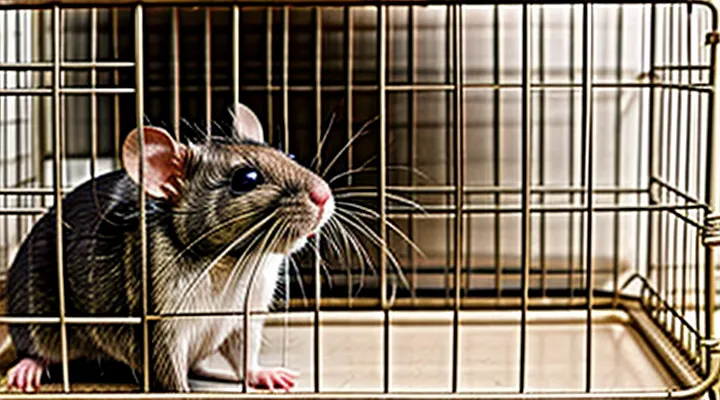
The Typical Lifespan of Pet Rats
Average Lifespan Range
Factors Influencing Baseline Lifespan
Domestic rats kept in laboratory or pet cages typically live between 2 and 3 years, but the observed duration results from a combination of genetic, environmental, and management variables.
Genetic background determines intrinsic longevity. Inbred strains such as Sprague‑Dawley or Wistar exhibit distinct median lifespans, with some lines predisposed to early-onset diseases that truncate survival. Outbred populations often display greater variability, occasionally reaching 4 years.
Environmental conditions exert measurable effects:
- Ambient temperature maintained at 20‑24 °C reduces metabolic stress; deviations increase mortality risk.
- Relative humidity between 40 % and 60 % prevents respiratory irritation and skin lesions.
- Light‑dark cycles of 12 h : 12 h regulate circadian rhythms, influencing hormone release and immune function.
Nutritional quality directly shapes health span. Diets formulated with balanced protein (18‑20 % of calories), adequate essential fatty acids, and sufficient micronutrients (vitamins A, D, E, K, B‑complex, and minerals) support organ integrity. Over‑feeding leads to obesity, insulin resistance, and shortened lifespan; caloric restriction without malnutrition can extend longevity by up to 20 %.
Housing design influences stress levels and disease exposure. Adequate cage space (minimum 0.05 m² per animal), enrichment items (nesting material, tunnels, chew objects), and regular cleaning prevent aggression, stereotypic behavior, and pathogen buildup. Bedding that is low‑dust and absorbent reduces respiratory infections.
Health management practices further modify baseline survival:
- Routine health monitoring detects early signs of neoplasia, cardiovascular pathology, or infectious agents.
- Prophylactic veterinary care, including vaccinations where applicable and parasite control, lowers morbidity.
- Prompt treatment of injuries or illnesses prevents secondary complications.
Collectively, these factors establish the baseline lifespan against which experimental interventions are measured. Adjusting any single element can shift median survival by months, underscoring the necessity of standardized conditions in rat cage studies.
Key Factors Affecting Rat Longevity
Genetics and Breeding
Impact of Lineage on Health
Domestic rats kept in laboratory or pet environments exhibit measurable differences in longevity that correlate with their genetic background. Distinct breeding lines—such as outbred Sprague‑Dawley, inbred Wistar, and hybrid strains—show divergent health profiles because each line carries a unique set of alleles influencing metabolism, immune response, and disease susceptibility.
Health outcomes vary markedly among these lines. Inbred strains often display reduced heterozygosity, leading to higher incidence of congenital defects, respiratory infections, and tumor development. Outbred populations retain greater genetic diversity, which generally supports stronger immune function and lower rates of organ degeneration. Hybrid vigor, observed in crosses between established lines, can produce intermediate or enhanced health parameters, reducing the frequency of strain‑specific pathologies.
Longevity data reflect these health patterns. Average lifespans reported for cage‑held rats are:
- Outbred Sprague‑Dawley: 2.5–3.0 years
- Inbred Wistar: 1.8–2.2 years
- Hybrid crosses (e.g., Sprague‑Dawley × Wistar): up to 3.5 years
Shorter lifespans in inbred rats correspond to earlier onset of neoplastic disease and renal failure, while outbred and hybrid animals often reach the upper limits of the species’ potential lifespan under comparable husbandry conditions.
Consequently, lineage constitutes a primary determinant of health status and, by extension, of the duration of life for rats housed in cages. Selecting genetically diverse or hybrid lines can mitigate disease risk and extend survival, whereas reliance on highly inbred strains predisposes individuals to accelerated morbidity.
Genetic Predispositions to Illnesses
Genetic makeup determines susceptibility to several diseases that shorten the life of pet rats kept in enclosures. Mutations in the Csf1r gene increase the risk of progressive neurodegeneration, leading to motor deficits and early mortality. Variants of the ApoE allele correlate with heightened incidence of hepatic lipidosis, a condition that accelerates organ failure in confined environments. Deficiencies in the Mlh1 gene predispose individuals to intestinal tumors, which often develop before the typical adult lifespan.
Key hereditary disorders affecting cage‑bound rats include:
- Cardiomyopathy linked to Tnnc1 mutations – rapid onset of cardiac insufficiency, median survival reduction of 30 %.
- Renal disease associated with Pkd1 variants – polycystic kidneys, severe impairment by age 12 months.
- Immune deficiency caused by Rag1 loss‑of‑function – increased vulnerability to opportunistic infections, mortality often within the first year.
These genetic factors interact with husbandry conditions. Poor ventilation or excessive humidity can exacerbate respiratory infections in rats carrying the Muc5b risk allele, shortening lifespan by several weeks. Conversely, optimal temperature and regular health monitoring mitigate the expression of latent genetic vulnerabilities, extending average survival toward the upper limits of the species’ potential.
Breeding strategies that reduce the prevalence of deleterious alleles improve overall longevity. Genetic screening of breeding stock for the aforementioned mutations enables selection against carriers. Maintaining a diverse gene pool prevents inbreeding depression, which otherwise amplifies the frequency of harmful variants and accelerates population‑wide health decline.
Diet and Nutrition
Essential Nutrients for Rats
Proper nutrition directly influences the length of life for rats kept in cages. Deficiencies accelerate age‑related decline, while balanced diets support immune function, organ health, and reproductive capacity.
- Protein: 18–20 % of caloric intake; supplies amino acids for tissue repair and enzyme synthesis.
- Fat: 5–7 % of calories; provides essential fatty acids (linoleic, α‑linolenic) for cell membranes and energy storage.
- Carbohydrates: 60–65 % of calories; main energy source, must be digestible (e.g., wheat, barley).
- Vitamin A: Crucial for vision and epithelial integrity; supplied by fortified pellets or occasional fresh carrots.
- Vitamin D₃: Facilitates calcium absorption; included in commercial mixes or supplied via UV‑B exposure and fortified feed.
- Vitamin E: Antioxidant protecting cell membranes; present in seed oils and fortified diets.
- B‑complex vitamins (B1, B2, B6, B12, niacin, folic acid, pantothenic acid): Support metabolism, nervous system, and red blood cell formation; incorporated in standard rodent chow.
- Vitamin C: Not required for rats but beneficial under stress; can be offered as fresh fruit or supplement.
- Calcium: 0.8–1.0 % of diet; essential for bone strength and muscle contraction; balanced with phosphorus (0.6–0.8 %).
- Phosphorus: Works with calcium to maintain skeletal health; ratio of calcium to phosphorus should stay near 1:1.
- Magnesium: Required for enzymatic reactions and nerve transmission; present in whole‑grain components.
- Trace minerals (zinc, copper, manganese, selenium, iron): Needed in milligram quantities for immune response, antioxidant enzymes, and hemoglobin synthesis; provided by fortified feed.
A diet composed of high‑quality commercial pellets meeting the above specifications, supplemented with limited fresh vegetables (leafy greens, carrots) and occasional protein treats (hard‑boiled egg, cooked chicken), satisfies nutrient requirements without excess calories. Water must be clean and available at all times.
Consistent provision of these nutrients correlates with reduced incidence of metabolic disorders, improved coat condition, and extended survival rates in caged rats. Deviations from recommended levels—particularly low calcium or excessive fat—shorten lifespan by accelerating cardiovascular and renal pathology.
Foods to Avoid
Domestic rats thrive when their diet excludes substances that compromise organ function, accelerate aging, or trigger acute toxicity. Avoiding these items directly supports longer, healthier lives for caged pets.
- Processed meats (e.g., bacon, deli slices, hot dogs) contain high levels of sodium and preservatives that strain kidneys and elevate blood pressure.
- High‑fat human snacks such as chips, fried foods, and buttery popcorn increase the risk of obesity, hepatic lipidosis, and cardiovascular decline.
- Sugary treats, including candy, chocolate, and flavored syrups, promote rapid weight gain, dental decay, and insulin dysregulation.
- Raw or undercooked beans, especially kidney beans, retain lectins that cause severe gastrointestinal distress and can be fatal.
- Citrus fruits in excess (or their peels) introduce acidic compounds that irritate the digestive lining and may lead to ulceration.
- Onions, garlic, and related Allium species contain thiosulfate, which damages red blood cells and can cause hemolytic anemia.
- Alcoholic beverages and caffeinated drinks (coffee, energy drinks) are toxic at any concentration, impairing nervous and cardiovascular systems.
In addition to outright toxic foods, limit items that lack nutritional value yet encourage overconsumption. Plain bread, crackers, and unflavored popcorn provide empty calories and can displace essential proteins, vitamins, and minerals. Replace these with species‑appropriate staples: high‑quality rodent pellets, fresh vegetables, and occasional protein sources such as boiled egg or cooked lean meat.
Consistent avoidance of the listed foods reduces the incidence of disease, stabilizes body weight, and minimizes organ stress, thereby extending the average lifespan of rats kept in captivity.
The Role of Diet in Disease Prevention
Dietary composition directly influences the incidence of chronic conditions in laboratory rats, thereby affecting their overall longevity. Balanced protein levels, adequate essential fatty acids, and controlled carbohydrate intake reduce the prevalence of metabolic disorders, cardiovascular lesions, and neoplastic growths commonly observed in caged populations.
Key dietary factors that mitigate disease risk include:
- Protein quality and quantity – high‑biological‑value proteins support tissue repair and immune function, lowering infection‑related mortality.
- Omega‑3 fatty acids – anti‑inflammatory properties decrease vascular plaque formation and improve cardiac health.
- Complex carbohydrates with low glycemic index – stabilize blood glucose, preventing insulin resistance and associated organ damage.
- Vitamins and minerals – antioxidant vitamins (E, C) and trace elements (selenium, zinc) protect cellular membranes from oxidative stress, reducing tumor development.
Implementing a diet that meets these criteria extends the average survival span of caged rats by minimizing disease onset and progression. Continuous monitoring of nutrient intake and periodic health assessments ensure that dietary regimens remain aligned with preventive goals.
Housing and Environment
Cage Size and Enrichment
Adequate cage dimensions directly influence the health trajectory of pet rats. Research indicates that a minimum floor area of 0.5 m² per pair reduces the incidence of respiratory infections and improves weight stability, extending median survival from approximately 18 months in cramped conditions to 24‑30 months in spacious enclosures. Vertical space also matters; platforms or multiple levels increase locomotor activity, which correlates with lower adiposity and reduced cardiac strain.
Enrichment items mitigate boredom‑induced stress, a known factor in premature mortality. Effective stimuli include:
- Nesting material (e.g., shredded paper, cotton) for thermoregulation and burrowing behavior.
- Chewable objects (wood blocks, safe plastics) to maintain dental health and prevent overgrowth.
- Tunnels, hideaways, and climbing structures that promote exploration and physical exercise.
Consistent rotation of enrichment reduces habituation, sustaining curiosity and activity levels throughout the rat’s life.
Environmental stability complements size and enrichment. Maintaining temperature between 18‑24 °C, humidity below 60 %, and providing a regular light‑dark cycle prevents physiological stressors that can shorten lifespan. Combined with a diet rich in protein and fiber, these conditions create a synergistic effect that maximizes longevity.
In practice, the optimal cage should offer at least 0.5 m² floor space per two rats, incorporate vertical platforms, and be stocked with a rotating selection of safe enrichment items. Implementing these standards yields measurable improvements in survival duration and overall well‑being.
Temperature and Humidity Control
Temperature regulation is critical for rat health. Ideal ambient temperature ranges from 20 °C to 26 °C (68 °F–79 °F). Temperatures below 18 °C increase metabolic stress, leading to weight loss and reduced longevity. Temperatures above 28 °C accelerate dehydration and raise the risk of heat‑related illnesses, shortening lifespan.
Humidity must remain within a narrow band to prevent respiratory problems. Target relative humidity is 40 %–60 %. Levels below 30 % dry mucous membranes, facilitating infection. Levels above 70 % encourage mold growth and bacterial proliferation, which compromise immune function.
Effective control strategies include:
- Use thermostatically regulated heating devices with automatic shut‑off.
- Install digital hygrometers and humidifiers/dehumidifiers calibrated to maintain the 40 %–60 % range.
- Place cages away from direct drafts, sunlight, and heat sources such as radiators.
- Conduct daily checks of temperature and humidity logs; adjust devices promptly when readings deviate from target ranges.
Consistent monitoring and rapid correction of environmental fluctuations protect physiological stability, directly influencing the duration of life in captive rats.
Importance of Cleanliness and Hygiene
Clean environments extend the longevity of caged domestic rats by reducing exposure to pathogens, parasites, and toxic residues. Regular removal of waste, disinfection of cages, and provision of fresh bedding prevent bacterial growth and respiratory irritation, conditions that commonly shorten life expectancy.
- Daily spot‑cleaning eliminates droppings and food remnants that attract microbes.
- Weekly full‑cage changes with mild, rodent‑safe disinfectants eradicate lingering organisms.
- Fresh, absorbent bedding replaced every 3–5 days controls humidity and minimizes ammonia buildup.
- Water bottles and food dishes inspected and cleaned each day prevent biofilm formation.
Studies show that rats housed in consistently sanitized conditions exhibit lower incidence of pneumonia, skin infections, and gastrointestinal disorders, all of which correlate with increased survival rates. Conversely, neglecting hygiene leads to chronic stress, immune suppression, and accelerated aging.
Implementing a strict cleaning schedule, using appropriate sanitation agents, and monitoring cage parameters (temperature, humidity, ammonia levels) constitute a practical framework for maximizing health and extending the lifespan of pet rats.
Veterinary Care and Health Management
Regular Check-ups and Preventive Care
Regular veterinary examinations provide early detection of health issues that can shorten a rat’s life. Routine visits allow clinicians to assess weight, dental condition, respiratory function, and overall vitality, enabling timely intervention before problems become severe.
A typical monitoring schedule includes an initial health assessment at acquisition, followed by examinations every three to four months. During each appointment, the practitioner checks for signs such as nasal discharge, abnormal grooming, changes in activity, and coat condition. Owners should also observe these indicators daily and report any deviations promptly.
Preventive care combines several practices that support longevity:
- Balanced diet enriched with fresh vegetables, high‑quality pellets, and limited treats.
- Daily cleaning of food and water containers to prevent bacterial growth.
- Weekly full‑cage cleaning, including substrate replacement and disinfecting surfaces.
- Regular grooming to prevent matting and monitor skin health.
- Parasite control using approved treatments for mites and lice.
- Environmental enrichment with tunnels, chew toys, and climbing structures to reduce stress and encourage exercise.
Consistent implementation of these measures reduces the incidence of common ailments, thereby extending the average lifespan of rats kept in captivity.
Common Health Issues in Pet Rats
Pet rats commonly encounter several health conditions that directly affect their longevity when kept in cages. Recognizing and managing these problems is essential for maintaining a stable lifespan.
- Respiratory infections (e.g., Mycoplasma pulmonis, Streptococcus spp.) cause sneezing, nasal discharge, and labored breathing. Prompt veterinary treatment and optimal cage ventilation reduce severity.
- Skin disorders, such as dermatitis and fur mites, appear as hair loss, redness, or itching. Regular grooming, clean bedding, and parasite control prevent escalation.
- Gastrointestinal issues, including diarrhea and constipation, often result from dietary imbalances or stress. High‑fiber, low‑fat diets and consistent feeding schedules support digestive health.
- Tumors, particularly mammary and pituitary adenomas, are frequent in older rats. Early detection through routine palpation and veterinary imaging improves treatment options.
- Dental problems, like overgrown incisors, lead to difficulty eating and weight loss. Providing chewable enrichment and periodic dental checks maintain proper tooth length.
Monitoring weight, activity level, and coat condition provides early indicators of illness. Immediate veterinary consultation at the first sign of abnormal behavior or physical change maximizes the chances of extending the rat’s life expectancy in a captive environment.
Recognizing and Treating Illnesses
Domestic rats kept in cages typically live between two and three years. Illnesses shorten this period dramatically; early detection and appropriate care are essential for maximizing longevity.
Common health problems include respiratory infections, skin lesions, gastrointestinal disturbances, and dental overgrowth. Recognizable indicators are:
- Sneezing, nasal discharge, labored breathing
- Redness, hair loss, scabs, or swelling on the skin
- Diarrhea, reduced appetite, weight loss
- Excessive chewing of cage bars, difficulty eating, or visible tooth misalignment
When any of these signs appear, immediate veterinary assessment is required. Diagnostic steps often involve physical examination, radiography of the chest, fecal analysis, and oral inspection. Prompt treatment protocols include:
- Antibiotics targeting respiratory pathogens (e.g., enrofloxacin) administered according to weight‑based dosing.
- Topical antiseptics or systemic antifungals for skin infections, applied until lesions resolve.
- Fluid therapy and probiotic supplementation for gastrointestinal upset, combined with diet modification to prevent recurrence.
- Regular trimming or filing of incisors under anesthesia to correct overgrowth and restore normal feeding behavior.
Preventive measures reduce the incidence of disease and extend life expectancy. Maintain a clean environment by changing bedding weekly, disinfecting cages with a dilute bleach solution, and providing fresh water daily. Offer a balanced diet rich in fiber and vitamin C to support immune function. Schedule annual health checks to identify subclinical conditions before they progress.
Effective recognition and timely treatment of ailments are the primary determinants of a rat’s lifespan in a captive setting. Consistent monitoring, veterinary intervention, and proactive husbandry together sustain optimal health and lengthen the animal’s productive years.
Stress and Social Interaction
The Importance of Companionship
Companionship markedly influences the longevity of laboratory and pet rats kept in enclosures. Rats are highly social mammals; isolation triggers chronic stress, which elevates cortisol levels and suppresses immune function, shortening lifespan.
Social housing provides continuous physical contact, grooming, and play, which maintain normal hormone cycles and improve cardiovascular health. Studies show that paired or group‑housed rats exhibit lower mortality rates than solitary individuals of the same age and strain.
Key benefits of rat companionship:
- Reduced stress‑induced hormone fluctuations
- Enhanced immune response and disease resistance
- Greater activity levels, supporting musculoskeletal health
- Increased opportunities for natural behaviors, lowering incidence of stereotypies
Optimal cage management includes providing sufficient space for multiple occupants, compatible group composition, and enrichment items that encourage interaction. Neglecting these factors can lead to premature death, undermining efforts to determine accurate lifespan metrics for captive rats.
Impact of Stress on Health
Domestic rats confined to laboratory or home cages experience a range of stressors that directly shorten their survival period. Chronic exposure to overcrowding, unpredictable handling, and inadequate environmental enrichment elevates corticosterone levels, suppresses immune function, and accelerates metabolic decline. Elevated stress hormones impair wound healing, increase susceptibility to respiratory infections, and promote cardiovascular abnormalities, all of which contribute to earlier mortality.
Key physiological pathways affected by stress include:
- Hypothalamic‑pituitary‑adrenal (HPA) axis hyperactivity → sustained cortisol release.
- Sympathetic nervous system overdrive → hypertension and arrhythmias.
- Immune dysregulation → reduced lymphocyte proliferation and impaired antibody response.
- Gastrointestinal dysfunction → altered gut microbiota and increased ulcer risk.
Mitigation strategies that improve health outcomes and extend life expectancy are straightforward. Providing nesting material, rotating toys, and maintaining stable light–dark cycles reduce HPA activation. Regular, gentle habituation to human contact minimizes fear responses. Monitoring cage density to avoid crowding prevents social aggression and associated stress spikes.
Empirical data show that rats housed under enriched conditions live 15‑20 % longer than those kept in barren cages. The correlation between reduced stress markers and increased longevity underscores the necessity of managing environmental and handling variables to optimize the health and lifespan of captive rats.
Creating a Stimulating Environment
A well‑designed cage environment directly influences the health trajectory of pet rats, extending the period they remain active and disease‑free. Enrichment reduces stress‑induced hormonal spikes, supports immune function, and encourages natural foraging and exploratory behaviors that correlate with longer survival.
Key components of an effective enrichment program include:
- Multiple levels or platforms to promote climbing and vertical movement.
- Varied textures such as untreated wood, cardboard tunnels, and paper tubes for chewing and nesting.
- Manipulable objects like plastic puzzle feeders, treat‑dispensing toys, and safe chew sticks.
- Opportunities for social interaction, either with cage mates or supervised out‑of‑cage play sessions.
Rotating items weekly prevents habituation. Introduce a new object, observe interaction for 24–48 hours, then replace it with another. Maintain a consistent cleaning schedule to avoid ammonia buildup, which counteracts the benefits of enrichment.
Empirical observations show rats housed in enriched cages exhibit lower cortisol levels, improved weight maintenance, and reduced incidence of respiratory infections. These physiological markers align with documented extensions of average lifespan compared with rats kept in barren environments. Implementing a structured enrichment regimen therefore constitutes a practical, evidence‑based strategy for maximizing longevity in captive rats.