
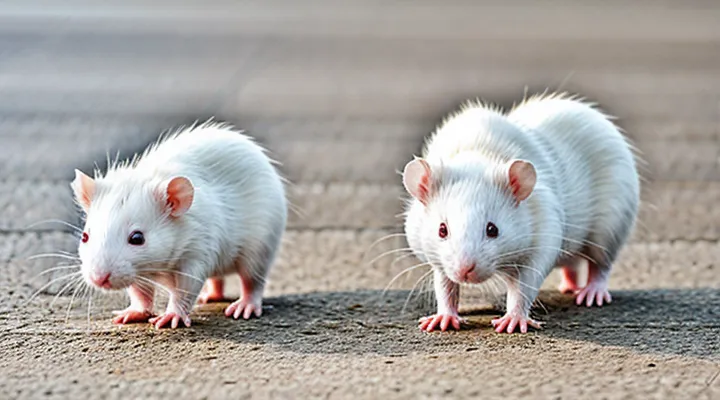
Understanding the Lifespan of Domestic Albino Rats
What are Albino Rats?
Genetic Basis of Albinism
The lack of pigment in domestic albino rats results from mutations that disrupt melanin synthesis. Primary genetic contributors include loss‑of‑function variants in the tyrosinase gene (TYR), which block the conversion of tyrosine to dopaquinone, the initial step of melanin production. Additional loci—OCA2, TYRP1, SLC45A2, and SLC24A5—modulate pigment intensity and can compound the albino phenotype when mutated.
These genetic defects have downstream physiological consequences that affect overall longevity. Reduced melanin compromises ocular protection, leading to increased incidence of retinal degeneration and cataracts. Absence of cutaneous pigment heightens sensitivity to ultraviolet radiation, accelerating skin lesions and neoplastic transformation. Immunological alterations associated with the TYR mutation have been linked to heightened susceptibility to infections, further influencing survival rates.
Key genetic factors influencing the albino condition:
- TYR: complete enzymatic inactivation, primary cause of albinism.
- OCA2: regulator of melanosomal pH, modulates residual pigmentation.
- TYRP1: stabilizes tyrosinase, affects melanin quality.
- SLC45A2 and SLC24A5: transporters influencing melanosome maturation.
Understanding the molecular basis of albinism enables targeted breeding strategies that mitigate health risks, thereby extending the life expectancy of pet albino rats.
Common Characteristics and Traits
Domestic albino rats kept as pets exhibit a distinctive set of physical and behavioral traits that influence their overall longevity.
The most conspicuous characteristic is the lack of pigmentation. Their pure white fur provides no camouflage and offers no protection against ultraviolet radiation, making them highly sensitive to bright lighting. Pigment‑deficient eyes lack melanin, resulting in heightened light sensitivity and a propensity for retinal degeneration if exposed to excessive illumination.
Typical body dimensions fall within a weight range of 150–300 g and a length of 20–25 cm, excluding the tail. Skeletal structure mirrors that of pigmented counterparts, yet the absence of melanin can affect bone density, necessitating adequate calcium intake.
Behaviorally, albino rats display strong social tendencies, forming hierarchical groups when housed together. They are nocturnal explorers, relying on tactile and olfactory cues rather than visual input. High curiosity drives frequent interaction with enrichment objects, which supports mental stimulation and reduces stress‑related morbidity.
Health considerations directly linked to common traits include:
- Susceptibility to skin lesions from ultraviolet exposure
- Increased risk of ocular infections and cataracts
- Potential for reduced immune response due to melanin‑related pathways
- Tendency toward dental overgrowth, requiring regular monitoring
Optimal care strategies—such as low‑intensity ambient lighting, regular veterinary examinations, balanced nutrition, and provision of chewable enrichment—mitigate trait‑related risks and contribute to extended lifespan in these laboratory‑derived companions.
Factors Influencing Lifespan
Genetics and Breeding
Genetic composition determines average longevity in laboratory‑bred albino rodents. Specific alleles associated with metabolic efficiency, immune competence, and stress resistance have been identified through quantitative trait loci mapping. Homozygosity for deleterious recessive mutations shortens lifespan, while heterozygous combinations often extend it via hybrid vigor.
Breeding strategies aim to stabilize favorable genotypes while minimizing inbreeding depression. Common practices include:
- Controlled pairings of individuals with complementary genetic profiles to enhance heterozygosity.
- Periodic outcrossing to unrelated lines to introduce novel alleles that improve health markers.
- Selection of breeding stock based on recorded survival data, body condition scores, and absence of hereditary disorders.
Molecular tools accelerate these efforts. Polymerase chain reaction assays detect carriers of known detrimental mutations, enabling early exclusion from breeding programs. Whole‑genome sequencing provides comprehensive insight into polygenic influences on lifespan, guiding the development of predictive models for offspring longevity.
Environmental factors interact with genetics; optimal husbandry—consistent temperature, balanced nutrition, and reduced pathogen exposure—maximizes the expression of beneficial genetic traits. Consequently, well‑designed breeding schemes, supported by modern genomic analysis, substantially increase the expected lifespan of domestic white rats used in research settings.
Diet and Nutrition
Essential Nutrients for Rat Health
Protein provides the amino acids necessary for muscle maintenance, enzyme synthesis, and immune function; inadequate intake shortens survival. Fats supply essential fatty acids, particularly linoleic and α‑linolenic acid, which support cell membrane integrity and hormone production. Carbohydrates deliver readily available energy, stabilizing blood glucose and preventing catabolism of protein stores.
Vitamins required in precise amounts include vitamin A for visual health, vitamin D for calcium absorption, vitamin E as an antioxidant, vitamin K for clotting, and the B‑complex group (B1, B2, B6, B12, niacin, folate) for metabolic pathways.
Minerals essential for skeletal strength and enzymatic activity comprise calcium, phosphorus, magnesium, zinc, selenium, and trace amounts of copper and iron; imbalances accelerate osteopenia and oxidative stress.
Water must be accessible at all times; dehydration impairs renal function and reduces overall lifespan.
Fiber, supplied by cellulose or beet pulp, promotes gastrointestinal motility and supports a healthy microbiome, which influences nutrient absorption and immune competence.
A concise nutrient regimen—adequate protein (18‑22 % of diet), balanced fat (4‑6 % of diet), complex carbohydrates, complete vitamin and mineral supplementation, constant fresh water, and moderate fiber—correlates with maximal longevity in albino laboratory rats.
Impact of Commercial Feeds
Commercial feeds exert a measurable influence on the longevity of laboratory‑bred albino rats kept as pets. Nutrient composition determines growth rate, immune competence, and the onset of age‑related pathologies. High‑protein formulas accelerate skeletal development but may increase renal burden, reducing median survival. Balanced blends with moderate protein, essential fatty acids, and adequate vitamin‑mineral ratios support organ function and extend average life expectancy.
Key effects of commercially prepared diets include:
- Protein level: Excessive crude protein (>20 %) correlates with earlier onset of kidney lesions; moderate levels (14–18 %) align with optimal survival curves.
- Energy density: Diets providing 3.5–4.0 kcal g⁻¹ maintain body condition without promoting obesity, a known factor in reduced lifespan.
- Fiber content: Inclusion of 5 % soluble fiber improves gastrointestinal motility, decreasing incidence of dysbiosis‑related mortality.
- Micronutrient balance: Adequate selenium, zinc, and vitamin E mitigate oxidative stress, delaying neurodegeneration and cardiac decline.
Long‑term studies demonstrate that rats fed standardized commercial pellets experience a 10–15 % increase in mean lifespan compared with those receiving ad‑hoc home‑mixed rations lacking precise nutrient ratios. Conversely, feeds contaminated with mycotoxins or deficient in essential fatty acids precipitate early mortality through hepatic dysfunction and impaired immune response.
Implementation of quality‑controlled commercial diets, combined with regular monitoring of body weight and clinical parameters, constitutes a reliable strategy for maximizing the health span of domestic albino rodents.
Environment and Housing
Cage Size and Enrichment
Adequate cage dimensions directly affect the health and longevity of albino laboratory rats. Minimum floor area should not fall below 0.5 square feet per animal; larger groups benefit from 0.75 square feet per individual. Height of at least 12 inches permits vertical movement and prevents stress‑induced behaviors that shorten lifespan.
Optimal enclosure design includes multiple zones: a nesting compartment, a foraging area, and an open space for exercise. Provide solid flooring covered with absorbent bedding, replacing it weekly to maintain hygiene and reduce respiratory risk. Ensure ventilation without drafts, and position cages away from direct sunlight to avoid heat stress.
Enrichment items that support physical and mental stimulation:
- Solid‑surface climbing structures (e.g., wooden ramps, PVC tubes)
- Manipulable objects (e.g., chew blocks, cardboard tunnels)
- Foraging devices (e.g., hidden food dispensers, shredded paper)
- Social interaction opportunities (pairing compatible individuals, rotating cage mates)
Implementing these standards promotes robust immune function, reduces incidence of obesity, and contributes to extended life expectancy in domestic albino rats.
Temperature and Humidity Control
Environmental stability directly influences the health and longevity of pet albino rats. Precise regulation of ambient conditions minimizes stress, supports immune function, and reduces incidence of respiratory and skin disorders.
Optimal temperature for these rodents lies between 20 °C and 24 °C (68 °F–75 °F). Temperatures below 18 °C increase metabolic demand, while values above 26 °C accelerate dehydration and heat‑related mortality.
Relative humidity should be maintained within 45 %–55 %. Lower humidity accelerates mucosal drying, whereas higher levels promote fungal growth and exacerbate respiratory infections.
Effective control strategies include:
- Digital thermostats with programmable set points and alarm functions.
- Hygrometers calibrated weekly, integrated with humidifiers or dehumidifiers as needed.
- Insulated enclosures to buffer external fluctuations.
- Daily log of temperature and humidity readings, reviewed for trend analysis.
Consistent application of these measures creates a stable microclimate, thereby extending the natural lifespan of domestic albino rats.
Healthcare and Veterinary Care
Common Health Issues in Albino Rats
Albino rats kept as pets frequently encounter health conditions that can shorten their lifespan. Recognizing these problems enables timely intervention and improves overall welfare.
- Respiratory infections such as Mycoplasma pulmonis often present with nasal discharge, sneezing, and labored breathing; prompt antibiotic therapy and environmental sanitation are essential.
- Skin disorders, including ulcerative dermatitis and fungal infections, appear as hair loss, crusting, or lesions; treatment involves topical antifungals or antibiotics combined with proper cage hygiene.
- Dental overgrowth occurs when incisors fail to wear down, leading to difficulty eating and weight loss; regular trimming or provision of chewable objects prevents malocclusion.
- Gastrointestinal stasis manifests through reduced food intake, abdominal distension, and lethargy; supportive care includes fluid therapy and motility‑stimulating agents.
- Tumors, particularly mammary adenomas and pituitary adenomas, are common in older albinos; early detection through physical examination and imaging facilitates surgical or medical management.
- Metabolic disorders such as hypoglycemia and calcium imbalance may arise from inadequate diet; balanced nutrition and regular monitoring of blood parameters mitigate risks.
Preventative Measures and Regular Check-ups
Preventative care significantly extends the health span of domestic albino rats. A balanced diet formulated for laboratory rodents supplies essential nutrients, reduces metabolic disorders, and supports immune function. Clean housing, with regular bedding replacement and disinfection of cages, limits exposure to pathogens and parasites. Routine parasite control, employing approved anthelmintics and ectoparasite treatments, prevents infestations that compromise respiratory and gastrointestinal health. Vaccination against common viral agents, when available, provides herd immunity within breeding colonies.
Regular veterinary examinations constitute the cornerstone of early disease detection. Recommended schedule includes:
- Initial health assessment at weaning (approximately three weeks of age).
- Comprehensive check‑up every three months, encompassing weight measurement, body condition scoring, and visual inspection of fur, eyes, and oral cavity.
- Dental evaluation at six‑month intervals to identify overgrowth that can impair feeding.
- Blood sampling semi‑annually for complete blood count and biochemical profiling, facilitating identification of subclinical abnormalities.
- Radiographic or ultrasound imaging annually for assessment of internal organ integrity in older individuals.
During each visit, the veterinarian should record observations in a standardized health log, noting trends in weight, grooming behavior, and activity levels. Prompt intervention upon detection of anomalies—such as respiratory distress, skin lesions, or abnormal blood parameters—reduces morbidity and prolongs functional lifespan. Consistent implementation of these measures, combined with vigilant observation by caretakers, establishes a proactive health management framework for albino rats.
Stress and Enrichment
Importance of Social Interaction
Social contact among domestic albino rats exerts measurable effects on their life expectancy. Group housing reduces chronic stress markers, stabilizes corticosterone levels, and promotes regular feeding patterns, all of which correlate with extended survival periods.
Physiological benefits derive from several mechanisms. Interaction stimulates the release of oxytocin‑like peptides, enhancing immune cell activity and accelerating wound healing. Frequent grooming and play decrease incidences of respiratory infections by limiting pathogen accumulation in isolated cages. Enriched environments encourage exploratory behavior, preventing the onset of stereotypies that impair cardiovascular function.
Key findings from recent laboratory studies include:
- Cohorts housed in pairs or trios exhibited a median lifespan increase of 12 % compared with solitary individuals.
- Animals with daily social exposure displayed a 30 % reduction in plasma inflammatory cytokines relative to isolated controls.
- Behavioral assessments recorded higher locomotor activity scores in socially enriched groups, linked to improved metabolic efficiency.
Implementation of these insights requires adjustment of standard husbandry protocols. Minimum group size should be set at two individuals per cage, with sufficient space to allow subordinate animals to retreat. Environmental enrichment items, such as nesting material and tunnels, must be provided to facilitate natural social behaviors. Regular monitoring of group dynamics ensures that dominance hierarchies do not lead to chronic aggression, which could negate the longevity benefits.
«Social interaction is a determinant of health outcomes in laboratory rodents, directly influencing the parameters that define their lifespan.»
Mental Stimulation and Play
Mental enrichment influences health outcomes in pet albino rats, directly affecting their longevity. Engaging environments reduce chronic stress markers, support immune competence, and promote neuroplasticity, all of which correlate with extended survival periods.
Effective enrichment strategies include:
- Puzzle feeders that require problem‑solving to access food.
- Complex tunnel systems encouraging exploration and spatial navigation.
- Rotating objects such as chewable toys, wooden blocks, or textured surfaces.
- Structured social interaction with compatible conspecifics under supervised conditions.
- Periodic exposure to novel scents or safe auditory stimuli.
Physiological benefits observed in well‑stimulated individuals comprise lower corticosterone levels, enhanced hippocampal cell proliferation, and improved cardiovascular function. These factors collectively contribute to a measurable increase in average life expectancy for domesticated albino rats compared with minimally stimulated counterparts.
Average Lifespan and Variations
Typical Lifespan Range
Domestic albino rats kept as pets usually live between two and three years. The majority of healthy individuals reach an average of 2 ½ years, with some extending to just over three years under optimal conditions.
Typical lifespan range:
- 2 years – lower bound for most specimens
- 2 ½ years – average expectancy
- 3 years – upper limit observed in well‑cared animals
Factors influencing the range include genetics, diet quality, housing hygiene, and veterinary care. When these elements are managed effectively, the upper end of the spectrum becomes more common. «A well‑balanced diet and regular health checks can add several months to the expected lifespan».
Factors Leading to Shorter Lifespans
Domestic albino rats experience reduced longevity when specific biological and environmental conditions are unfavorable.
Key contributors to shortened life expectancy include:
- Genetic predisposition to hereditary disorders
- Inadequate or imbalanced nutrition
- Suboptimal temperature and humidity levels
- High pathogen load or chronic infections
- Persistent psychological stress from overcrowding or frequent handling
- Intensive breeding cycles that accelerate senescence
- Poor cage hygiene and accumulation of waste
- Exposure to chemicals, heavy metals, or contaminated water
Genetic defects often manifest as organ dysfunction, limiting survival. Nutritional deficits compromise immune competence and organ maintenance. Temperature fluctuations beyond the optimal 20‑24 °C range increase metabolic strain, while humidity outside 45‑55 % promotes respiratory illness. Pathogen prevalence, particularly viral or bacterial agents, shortens lifespan through persistent disease. Chronic stress elevates corticosterone, suppressing hormonal balance and accelerating tissue ageing. Breeding strategies that prioritize rapid turnover reduce generational health reserves. Accumulated waste fosters bacterial growth, increasing infection risk. Chemical contaminants introduce toxic load, impairing organ systems and accelerating mortality.
Mitigation of these factors—through selective breeding, balanced diets, controlled climate, rigorous sanitation, and minimized stressors—correlates with extended lifespan in domestic albino rats.
Extending Lifespan Through Optimal Care
Optimising care can significantly increase the longevity of domestic albino rats. Nutritional balance, environmental stability, health surveillance, mental stimulation, and preventative veterinary interventions represent the core components of an effective longevity strategy.
- Balanced diet: Provide a high‑quality rodent chow with consistent protein (18‑20 %) and fiber levels; supplement with fresh vegetables rich in vitamin C and calcium while avoiding excessive sugary treats.
- Stable environment: Maintain ambient temperature between 20 °C and 24 °C, relative humidity of 45‑55 %, and a 12‑hour light/dark cycle; ensure cage bedding is absorbent, dust‑free, and changed weekly.
- Health monitoring: Conduct weekly weight checks, observe for respiratory sounds, and screen for common parasites; implement prompt treatment for infections to prevent systemic decline.
- Enrichment: Introduce chewable toys, tunnels, and nesting material to encourage natural foraging and reduce stress‑induced cortisol spikes; rotate items every two weeks to sustain novelty.
- Preventative veterinary care: Schedule semi‑annual examinations, vaccinate against rat‑associated pathogens where available, and perform dental assessments to avoid malocclusion.
Research indicates that rats receiving comprehensive care as described can achieve lifespans exceeding 3 years, compared with the typical 1‑2 year range observed under minimal husbandry. «Enhanced welfare practices directly correlate with extended survival rates in laboratory and pet rat populations», confirming the efficacy of the outlined measures.