
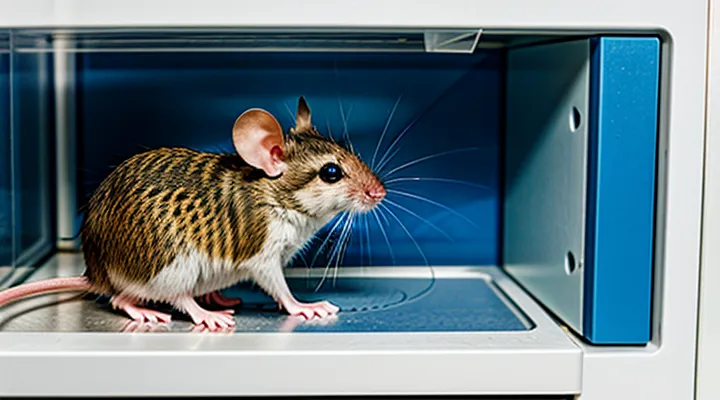
Introduction to Laboratory Mouse Models
Importance of Animal Models in Research
Animal models supply biological systems that closely mimic human physiology, enabling direct observation of disease mechanisms and therapeutic effects. Mice, in particular, possess genetic tractability, short reproductive cycles, and well‑characterized genomes, which make them suitable for controlled laboratory investigations of environmental variables.
Key contributions of animal models include:
- Replication of complex organ interactions that cannot be reproduced in cell cultures.
- Generation of quantitative data on pharmacokinetics, toxicity, and efficacy.
- Validation of hypotheses derived from computational or in vitro studies before clinical translation.
Ethical oversight, reproducibility standards, and transparent reporting are mandatory to ensure that data derived from animal experiments remain reliable and applicable to human health research. The systematic use of mouse models thus forms a foundational element of biomedical discovery, guiding the design of interventions aimed at optimizing living conditions for both laboratory subjects and, ultimately, patients.
Ethical Considerations in Animal Experimentation
The mouse‑based study designed to identify optimal housing conditions must address a framework of ethical obligations that govern the use of animals in research. Researchers are required to provide a clear scientific justification for each procedure, demonstrating that the anticipated knowledge cannot be obtained through alternative methods. Institutional review boards evaluate protocols to confirm that the benefits outweigh the harms and that every possible measure to minimize suffering has been implemented.
Key ethical components include:
- Replacement – prioritize non‑animal models, in vitro systems, or computational simulations whenever they can answer the research question.
- Reduction – calculate the smallest sample size that retains statistical power, employing proper experimental design and data‑sharing practices to avoid unnecessary replication.
- Refinement – optimize housing, enrichment, and handling techniques to lessen stress; select anesthetic and analgesic regimens that match the invasiveness of the procedures; establish humane endpoints based on objective physiological or behavioral indicators.
Compliance with national legislation and international guidelines, such as the Guide for the Care and Use of Laboratory Animals, ensures that facilities maintain accredited standards for ventilation, temperature control, and cage enrichment. Continuous monitoring by veterinary staff and regular welfare assessments provide objective data to adjust protocols promptly.
Transparency in reporting methods, including detailed descriptions of welfare measures and justification for animal numbers, supports reproducibility and public accountability. By integrating these principles, the investigation can progress while respecting the moral responsibility owed to the animal subjects.
Environmental Factors Influencing Mouse Experiments
Housing Conditions and Their Impact
Cage Design and Enrichment
Cage design directly influences physiological stability, behavioral consistency, and data reliability in mouse studies. Precise dimensions prevent overcrowding while allowing unrestricted movement; standard recommendations range from 75 cm² per animal for single housing to 150 cm² for group housing. Transparent, chemically inert materials such as polycarbonate enable visual monitoring without disturbing the subjects. Ventilation systems must deliver filtered air at 15–20 L/min, maintain humidity between 45–55 %, and keep temperature within 20–24 °C to avoid stress‑induced variability.
Enrichment components mitigate stereotypic behaviors and promote natural activity patterns. Effective items include:
- Nesting material (e.g., shredded paper, cotton) for thermoregulation and burrowing.
- Shelter structures (plastic domes, PVC tubes) offering refuge.
- Chewable objects (hardwood blocks, sisal ropes) supporting dental health.
- Running wheels with low‑friction bearings for voluntary exercise.
- Social grouping arrangements when compatible, ensuring stable hierarchy.
Implementation requires routine inspection of cage integrity, replacement of worn enrichment, and documentation of environmental parameters. Automated monitoring of temperature, humidity, and airflow facilitates compliance with institutional animal care guidelines and ensures reproducibility across experimental batches.
Bedding Material Selection
Bedding directly influences mouse comfort, health, and experimental outcomes. Inadequate substrate can increase stress, alter metabolism, and introduce variables that compromise data integrity.
Selection should be based on measurable attributes: moisture absorption, dust generation, odor control, compatibility with sterilization, pathogen retention, and cost efficiency. Each attribute can be quantified through standard laboratory assays, allowing objective comparison.
- Aspen shavings: high absorbency, low dust, minimal odor; unsuitable for autoclave sterilization.
- Hardwood chips (e.g., beech): moderate absorbency, moderate dust; can be autoclaved, but may retain resin compounds.
- Paper-based bedding: low dust, excellent sterilization compatibility; lower absorbency, may require more frequent changes.
- Corncob: high absorbency, moderate dust; prone to mold if moisture not controlled.
- Cellulose pellets: low dust, good sterilization; absorbency comparable to paper.
- Synthetic fiber mats: minimal dust, reusable after washing; limited absorbency, potential for static buildup.
Evaluation shows that paper-based products and cellulose pellets meet most criteria for sterile environments, while corncob and hardwood chips offer superior moisture handling at the expense of higher dust levels. Aspen shavings provide optimal comfort but require separate sterilization protocols.
Optimal practice involves matching bedding characteristics to the specific strain, cage design, and experimental timeline. Institutions should adopt a documented selection protocol, perform routine monitoring of bedding condition, and adjust procurement based on observed performance metrics.
Lighting Regimes
Lighting conditions profoundly affect physiological and behavioral outcomes in murine housing studies. Precise control of photoperiod, intensity, spectrum, and temporal stability enables reproducible data and reduces confounding stress responses.
Standard photoperiods replicate natural cycles, typically 12 h light/12 h dark (LD 12:12). Deviations, such as short-day (LD 8:16) or long-day (LD 16:8) schedules, are employed to examine circadian modulation of metabolic and neurobehavioral parameters. Consistency of light onset and offset times, aligned with the colony’s routine, minimizes phase‑shifting effects.
Intensity is measured in lux or µW/cm² at cage level. Recommended ranges are:
- General housing: 100–300 lux, sufficient for visual function without inducing retinal stress.
- Behavioral testing arenas: 200–500 lux, ensuring clear video capture and stimulus perception.
- Dark‑phase periods: <1 lux, preserving melatonin synthesis.
Spectral composition influences hormone secretion and visual acuity. Broad‑spectrum white LEDs with peak emission around 450 nm (blue) and 560 nm (green) approximate natural daylight. For experiments requiring melatonin suppression, increased blue‑light content (>470 nm) is avoided during the dark phase. Filters or tunable LEDs provide precise wavelength selection when studying photoreceptor‑specific pathways.
Temporal stability requires automated timers and backup power to prevent unintended light exposure. Light‑leak testing with photometric sensors confirms cage darkness during the scotophase. Documentation of lighting parameters in experimental records supports cross‑lab comparability and regulatory compliance.
Nutritional Aspects
Diet Composition and Quality
A well‑defined diet is essential for reproducible mouse studies aimed at identifying optimal housing conditions. The composition must meet the species’ nutritional requirements while minimizing variables that could influence physiological or behavioral outcomes.
Key components of a high‑quality rodent diet include:
- Protein – 18–20 % crude protein from purified casein or soy isolate; amino‑acid profile aligned with mouse needs; low levels of antinutritional factors.
- Fat – 5–7 % total fat, predominantly from soybean oil or lard; balanced ω‑6/ω‑3 ratio (approximately 5:1) to support membrane integrity and inflammatory status.
- Carbohydrate – 45–50 % complex carbohydrates such as corn starch or wheat flour; limited simple sugars to prevent metabolic disturbances.
- Fiber – 4–5 % insoluble cellulose and soluble oligofructose; promotes gut motility and microbiota stability.
- Vitamins and minerals – Complete vitamin mix (A, D, E, K, B‑complex, C) at levels defined by the AIN‑93G guide; mineral blend (calcium, phosphorus, magnesium, zinc, copper, selenium) with bioavailable chelates.
- Water content – ≤10 % moisture; low humidity reduces spoilage risk.
Quality control measures must address:
- Ingredient sourcing – certified, pathogen‑free raw materials; documented lot numbers for traceability.
- Batch consistency – analytical verification of macronutrient percentages, vitamin potency, and mineral content for each production run.
- Contaminant limits – mycotoxin, heavy‑metal, and pesticide concentrations below regulatory thresholds; routine screening using HPLC or ICP‑MS.
- Palatability – uniform texture and odor to ensure consistent intake; avoidance of bitter additives that could suppress feeding.
Diet formulation directly influences growth rate, immune function, metabolic parameters, and behavioral responses. Maintaining strict nutrient specifications and rigorous quality assurance enables accurate assessment of environmental factors in mouse experiments.
Feeding Schedules
Feeding schedules are a critical variable in mouse laboratory studies that seek to define the most suitable living conditions. Precise timing, quantity, and composition of food influence metabolic rate, circadian rhythm, and stress markers, thereby affecting experimental outcomes.
Key schedule formats include:
- Ad libitum access – continuous availability of standard chow; useful for baseline measurements but may mask subtle metabolic changes.
- Restricted daily allotment – fixed amount provided once per day, typically during the dark phase; aligns intake with natural activity peaks and reduces overconsumption.
- Time‑restricted feeding (TRF) – food offered only during a defined window (e.g., 8–10 hours) each day; isolates the impact of feeding time on circadian biology.
- Intermittent fasting – alternating days of full feeding and complete deprivation; employed to evaluate stress resilience and longevity pathways.
When selecting a schedule, consider the following parameters:
- Strain‑specific metabolic profile – some genetic lines exhibit higher caloric needs and altered feeding patterns.
- Age and reproductive status – juveniles, adults, and breeding females respond differently to caloric restriction.
- Experimental endpoint – studies focused on glucose tolerance, obesity, or neurobehavioral outcomes may require distinct feeding regimes.
- Environmental synchrony – align feeding times with the light‑dark cycle to minimize disruption of endogenous rhythms.
Recommended practice for optimal environmental assessment: implement a baseline ad libitum phase of at least one week to establish individual intake patterns, then transition to a controlled schedule that matches the specific physiological endpoint. Record daily food consumption, body weight, and activity levels to ensure consistency across the cohort. Adjust the schedule if significant weight loss (>10 % of initial body mass) or signs of distress appear, maintaining animal welfare while preserving experimental integrity.
Social Environment
Group vs. Individual Housing
The choice between housing mice in groups or singly directly influences physiological measurements, behavioral readouts, and reproducibility of experimental outcomes. Group housing provides social interaction that mirrors natural rodent behavior, reducing stress‑induced hormonal fluctuations. However, dominance hierarchies can introduce variability in food intake, activity levels, and disease susceptibility, complicating data interpretation. Single housing eliminates social competition, allowing precise control over individual exposure to interventions, yet it often elevates corticosterone levels and alters neurochemical profiles, potentially confounding results that depend on baseline stress status.
Key considerations for selecting a housing strategy include:
- Behavioral stability: Grouped animals exhibit normal grooming and nesting; isolated mice display increased stereotypies.
- Physiological consistency: Social isolation can elevate basal cortisol, affect immune cell distribution, and modify metabolic rates.
- Data variability: Hierarchical interactions in groups may increase within‑group variance; single housing reduces this source but introduces stress‑related variance.
- Ethical compliance: Welfare guidelines favor social environments unless scientific justification for isolation is documented and approved.
Experimental designs that require precise dosing, longitudinal monitoring of individual health, or interventions affecting social behavior often justify solitary housing, provided enrichment and stress‑mitigation measures are implemented. Studies focusing on population‑level effects, social cognition, or disease models with known social components benefit from group housing, with careful monitoring of hierarchy dynamics.
Optimal practice involves aligning the housing condition with the primary endpoints of the mouse study, documenting the rationale, and applying environmental enrichment consistently across both housing types to minimize confounding influences.
Effects of Social Stress
Social stress profoundly shapes the outcomes of mouse housing trials that aim to define optimal living conditions. In controlled environments, stress arises from overcrowding, hierarchy formation, and limited enrichment, each producing measurable alterations in physiology and behavior.
Experimental protocols typically introduce stressors by varying cage density, altering group composition, or restricting access to nesting material. Researchers monitor cortisol-like hormone levels, immune cell distribution, and activity patterns to quantify stress impact. Data collection spans acute (hours to days) and chronic (weeks) phases, allowing differentiation between immediate and adaptive responses.
Observed effects include:
- Elevated plasma corticosterone, indicating activation of the hypothalamic‑pituitary‑adrenal axis.
- Suppressed lymphocyte proliferation and reduced cytokine production, reflecting immunosuppression.
- Decreased exploratory behavior and increased thigmotaxis in open‑field tests, signifying heightened anxiety.
- Altered gene expression of neurotrophic factors (e.g., BDNF) and stress‑responsive transcription factors (e.g., NF‑κB).
- Disrupted circadian rhythm of activity, leading to fragmented sleep–wake cycles.
These findings inform the selection of housing parameters that minimize social tension. Reducing group size, providing hierarchical cues through transparent partitions, and supplying abundant nesting material collectively lower stress markers. Implementing such adjustments improves data reliability by stabilizing physiological baselines and behavioral consistency across experimental cohorts.
Temperature and Humidity Control
Optimal Range for Mouse Well-being
The well‑being of laboratory mice depends on maintaining physiological parameters within defined limits. Deviations outside these limits increase stress markers, alter metabolic rates, and compromise experimental reproducibility.
Key environmental variables and their optimal ranges are:
- Ambient temperature: 20 °C – 26 °C (68 °F – 79 °F)
- Relative humidity: 30 % – 70 %
- Photoperiod: 12 h light / 12 h dark, with light intensity 150–300 lux during the light phase
- Cage ventilation: minimum 10 air changes per hour, filtered to remove particulates and odors
- Bedding depth: 2 – 3 cm of absorbent, non‑toxic material, replaced weekly
- Enrichment items: at least one nesting material and one object for gnawing, rotated every 2–3 days to prevent habituation
- Diet: ad libitum access to nutritionally balanced pelleted feed, water provided via stainless‑steel bottles with sipper tops
Temperature stability is critical; rapid fluctuations (>2 °C per hour) trigger thermoregulatory stress. Humidity outside the 30–70 % window promotes dermal irritation and respiratory issues. Light cycles must be synchronized with the colony’s circadian rhythm; irregular lighting disrupts hormone secretion and behavior.
Cage density should not exceed five adult mice per standard shoebox cage (approximately 75 cm² per animal). Overcrowding elevates aggression and reduces access to resources. Regular monitoring of these parameters, combined with weekly health assessments, ensures that mice remain within the optimal welfare envelope, supporting reliable scientific outcomes.
Impact on Experimental Outcomes
The environment in which laboratory mice are housed directly alters physiological and behavioral parameters that determine the reliability of experimental data. Temperature fluctuations modify metabolic rate, affecting drug pharmacokinetics and gene expression profiles. Humidity levels influence respiratory health, which can confound outcomes in pulmonary studies. Light cycles regulate circadian rhythms; deviations shift hormone secretion patterns and alter performance in behavioral assays.
Stressors such as cage density, enrichment availability, and handling frequency produce measurable changes in immune function, neurochemistry, and tumor growth rates. Consistent enrichment reduces variability in exploratory behavior, improving the reproducibility of cognitive tests. Overcrowding elevates corticosterone concentrations, leading to suppressed immune responses and skewed immunological readouts.
Key environmental variables that must be controlled to preserve data integrity include:
- Ambient temperature (maintained within ±1 °C of the target range)
- Relative humidity (kept between 30–60 %)
- Light-dark schedule (standard 12 h : 12 h cycle)
- Cage occupancy (optimal mouse-to-cage ratio)
- Provision of nesting material and objects for manipulation
Failure to standardize these factors introduces systematic bias, inflates inter‑experiment variability, and hampers the translation of findings to broader biological contexts. Rigorous monitoring and documentation of housing conditions are therefore essential components of experimental design.
Methodologies for Assessing Environmental Impact
Behavioral Observation Techniques
Activity Monitoring
Activity monitoring provides quantitative insight into how housing variables influence mouse behavior. Continuous recording of locomotion, rearing, grooming, and nest‑building allows researchers to compare cage designs, bedding types, and enrichment items. By translating raw sensor data into metrics such as distance traveled per hour, bout frequency, and circadian rhythm amplitude, investigators obtain objective criteria for environmental suitability.
Modern systems employ infrared beam arrays, video‑based tracking, and RFID‑tagged individuals. Infrared grids detect brief movements with millisecond resolution, while high‑definition cameras enable posture classification through machine‑learning algorithms. RFID readers placed at strategic points record location changes without disturbing the animal. Selecting a technology depends on experimental scale, required resolution, and budget constraints.
Data processing follows a standardized pipeline: raw signals → noise filtering → event segmentation → statistical summarization. Automated scripts generate daily activity profiles, identify deviations from baseline, and flag outliers. Comparative analysis across groups uses mixed‑effects models to account for individual variability and repeated measures.
Key considerations for reliable monitoring include:
- Calibration of sensors before each trial to maintain consistency.
- Placement of devices to avoid obstructing ventilation or nesting material.
- Synchronization of timestamps with environmental controls (temperature, lighting).
- Validation of software outputs against manual scoring for a subset of recordings.
Properly implemented activity monitoring reveals subtle behavioral shifts that indicate stress, preference, or adaptation. These findings guide the refinement of housing conditions, ultimately improving animal welfare and experimental reproducibility.
Stress Indicators
In studies aimed at optimizing housing conditions for laboratory mice, quantifying stress provides a direct metric of environmental suitability. Accurate assessment relies on physiological, behavioral, and biochemical signals that reflect the animal’s response to external variables.
- Elevated corticosterone concentrations in blood or saliva
- Increased heart rate and blood pressure measured by telemetry
- Altered body temperature patterns detected with infrared thermography
- Reduced weight gain or loss of body mass
- Changes in locomotor activity recorded by automated tracking systems
- Increased grooming or repetitive circling behaviors observed in video analyses
- Diminished nesting quality assessed through standardized nest‑building scores
- Suppressed immune function indicated by lymphocyte proliferation assays
Measurement protocols combine non‑invasive sampling with continuous monitoring. Blood or saliva collection follows a brief restraint period to avoid confounding acute stress. Telemetry implants furnish real‑time cardiovascular data without handling. Video recording in home cages enables unbiased behavioral scoring, while nest‑building kits provide a reproducible scale for environmental enrichment evaluation. Biochemical assays such as ELISA quantify corticosterone, and flow cytometry evaluates immune cell activity.
Interpretation aligns each indicator with predefined thresholds derived from baseline data in well‑conditioned colonies. Consistent elevation beyond these limits signals suboptimal conditions, prompting adjustments to cage size, bedding material, light cycles, or social grouping. Integrating multiple indicators reduces reliance on any single metric, strengthening confidence in conclusions about environmental adequacy.
Physiological Biomarkers
Hormone Levels
Hormone concentrations provide a quantitative read‑out of physiological stress, metabolic status, and reproductive readiness in laboratory mice. Accurate profiling requires consistent sampling time, controlled lighting cycles, and minimal handling to avoid acute hormonal spikes.
Key hormones monitored in environmental optimization studies include:
- Corticosterone: indicator of hypothalamic‑pituitary‑adrenal axis activation; elevated levels signal chronic stress.
- Estradiol and testosterone: reflect reproductive axis function; fluctuations reveal suitability of housing conditions for breeding colonies.
- Leptin and ghrelin: regulate energy balance; values correlate with diet composition and cage enrichment.
- Insulin and glucagon: assess glucose homeostasis; alterations indicate metabolic stress from temperature or humidity extremes.
Sampling methods—blood via tail vein, submandibular bleed, or terminal cardiac puncture—must be matched to the study’s temporal resolution. Plasma or serum extraction followed by ELISA or multiplex immunoassays yields reproducible results when standards are calibrated for mouse matrices.
Environmental variables that directly influence hormone profiles are:
- Ambient temperature: deviations of ±2 °C from the thermoneutral zone shift corticosterone and metabolic hormone levels.
- Light intensity and photoperiod: irregular cycles disrupt melatonin secretion, indirectly affecting reproductive hormones.
- Cage enrichment: presence of nesting material and tunnels reduces corticosterone spikes compared with barren housing.
- Social density: overcrowding elevates stress hormones, while solitary housing may suppress reproductive hormone output.
Data interpretation should consider circadian rhythm, sex, strain, and age, as each factor modulates baseline hormone ranges. Integrating hormone level measurements with behavioral and physiological endpoints enables identification of conditions that support homeostasis, improve welfare, and enhance experimental reproducibility.
Immune System Markers
Immune system markers provide quantitative readouts of physiological stress, pathogen exposure, and tissue homeostasis in murine studies aimed at defining optimal housing conditions. By measuring these biomarkers researchers can compare the immunological impact of variables such as cage enrichment, temperature, lighting cycles, and diet composition.
Key markers include:
- Serum cytokines (IL‑1β, IL‑6, TNF‑α, IFN‑γ) – indicate acute inflammatory status and can be quantified by multiplex ELISA.
- Acute‑phase proteins (C‑reactive protein, serum amyloid A) – reflect systemic response to environmental perturbations.
- Cell‑surface phenotypes (CD4⁺, CD8⁺, CD19⁺, CD11b⁺, NK1.1⁺) – assessed by flow cytometry to monitor lymphoid and myeloid population shifts.
- Immunoglobulin isotypes (IgG1, IgG2a, IgM, IgA) – reveal humoral adaptation to chronic stressors.
- Gene expression profiles (MHC‑II, TLRs, Foxp3) – measured by qPCR to detect transcriptional modulation by housing parameters.
Longitudinal sampling of these markers enables correlation of environmental modifications with immune competence. For example, elevated IL‑6 and reduced CD4⁺/CD8⁺ ratios consistently accompany temperature extremes, while enriched environments stabilize cytokine baselines and preserve naïve T‑cell frequencies. Integrating multiplex cytokine panels with flow cytometric phenotyping yields a comprehensive immunological signature that guides the selection of conditions promoting robust, reproducible experimental outcomes.
Genetic and Epigenetic Analysis
Gene Expression Changes
The mouse laboratory study aimed at identifying optimal housing conditions monitors transcriptional responses as a primary indicator of environmental suitability. Researchers collect tissue samples from cohorts housed under varying temperature, lighting, bedding, and enrichment regimes, then apply high‑throughput RNA sequencing to quantify transcript abundance.
Data analysis reveals consistent patterns across conditions:
- Stress‑related genes (e.g., Fos, Jun, Hsp70) increase in cages with suboptimal temperature or limited enrichment.
- Metabolic pathways (glycolysis, fatty‑acid oxidation) shift toward elevated expression when diet composition or cage density changes.
- Immune‑associated transcripts (Il6, Tnf, Cd68) rise in environments with high microbial load or poor ventilation.
- Core circadian regulators (Bmal1, Per2) display reduced amplitude in irregular light cycles.
These expression changes correlate with measurable physiological outcomes, such as altered corticosterone levels and body weight trajectories. Normalizing housing parameters—maintaining stable temperature, providing nesting material, enforcing consistent light‑dark cycles—restores baseline transcriptional profiles, minimizing stress signatures and stabilizing metabolic and immune gene sets.
Integrating gene‑expression monitoring into experimental design enhances reproducibility by exposing hidden environmental confounders. Adjusting cage conditions based on molecular readouts ensures that phenotypic observations reflect intended interventions rather than unintended stressors.
DNA Methylation Patterns
DNA methylation patterns provide a molecular readout of how laboratory mice respond to housing conditions. By comparing methylation profiles across cages with varying temperature, lighting, bedding, and enrichment, researchers can identify epigenetic signatures that correlate with physiological well‑being and behavioral stability.
Mice are euthanized at predetermined time points, and genomic DNA is extracted from brain regions, liver, and blood. Bisulfite conversion converts unmethylated cytosines to uracil, allowing single‑base resolution detection of 5‑methylcytosine after high‑throughput sequencing. Data processing follows a standard pipeline: quality trimming, alignment to the reference genome, methylation calling, and statistical comparison using tools such as Bismark and methylKit. Replicate groups ensure that observed differences exceed technical variation.
Typical findings include:
- Increased promoter methylation of stress‑responsive genes in mice housed under high‑noise conditions.
- Global hypomethylation in peripheral blood of animals exposed to chronic cold stress.
- Enrichment‑driven hypermethylation of neuroplasticity‑related loci in the hippocampus, coinciding with improved performance in maze tests.
Environmental factors examined and their associated methylation trends:
- Ambient temperature (22 °C vs. 30 °C) – altered methylation at thermoregulation genes.
- Light cycle length (12 h/12 h vs. 16 h/8 h) – shifts in circadian regulator methylation.
- Cage enrichment (nesting material, running wheels) – increased methylation of synaptic plasticity promoters.
- Social density (single vs. group housing) – differential methylation of immune‑modulatory genes.
Interpretation of these patterns enables the selection of housing parameters that minimize stress‑induced epigenetic disruption while promoting neural health. Consistent methylation signatures across replicates serve as biomarkers for an environment that supports stable physiological and behavioral outcomes in laboratory mouse colonies.
Optimizing the Laboratory Mouse Environment
Designing Ideal Housing Protocols
Standard Operating Procedures
Standard Operating Procedures (SOPs) provide the framework that guarantees reproducibility, animal welfare, and data integrity in a mouse study aimed at defining optimal housing conditions. Each SOP delineates responsibilities, equipment specifications, and step‑by‑step actions required before, during, and after experimental manipulation.
Key elements of the SOP package include:
- Animal acquisition and quarantine: Verify strain, age, and health status; conduct a 14‑day quarantine with daily health checks; record all identifiers in the central database.
- Housing environment preparation: Set temperature (22 ± 2 °C), relative humidity (50 ± 10 %), and 12‑hour light/dark cycle; calibrate cage ventilation and enrichment devices; document baseline measurements.
- Acclimatization protocol: Allow a minimum of 7 days for mice to adapt to the environment; monitor food and water consumption; adjust bedding if excessive moisture is detected.
- Experimental manipulation: Define variable parameters (e.g., cage size, nesting material, temperature range); assign groups using randomization software; schedule interventions at consistent times to eliminate circadian bias.
- Data collection and recording: Use automated tracking for locomotor activity, infrared sensors for temperature, and standardized scoring sheets for behavioral observations; back up files nightly.
- Health monitoring and humane endpoints: Perform weekly veterinary assessments; apply predefined criteria for euthanasia (weight loss > 20 %, severe distress, or non‑responsive disease); log all findings in the animal care log.
- Cleaning and sanitation: Implement a cage change schedule (weekly or as required by waste accumulation); employ validated disinfectants; verify sterility through surface swabs.
- Training and competency verification: Require personnel to complete certification modules on mouse handling, biosafety, and equipment operation; conduct annual proficiency audits.
Compliance with these SOPs ensures that the experimental environment remains controlled, that variations are traceable, and that the resulting data accurately reflect the influence of each environmental factor on mouse physiology and behavior.
Customizing for Specific Research Needs
Tailoring the housing conditions of laboratory mice to the precise requirements of a study maximizes data reliability and reduces variability. Researchers must align cage dimensions, bedding type, lighting cycles, and enrichment objects with the physiological and behavioral endpoints under investigation.
Key parameters for customization include:
- Dietary formulation – adjust macronutrient ratios, micronutrient supplementation, or introduce disease‑specific diets to reflect metabolic or nutritional hypotheses.
- Ambient environment – set temperature, humidity, and ventilation rates within species‑specific tolerances, modifying them when modeling thermoregulatory disorders or respiratory challenges.
- Light regime – configure photoperiod length and intensity to synchronize circadian rhythms with experimental timelines, especially for studies on hormonal cycles or sleep patterns.
- Social structure – determine group size, sex composition, and hierarchy management to control stress levels and social interaction effects relevant to neurobehavioral research.
- Enrichment devices – select nesting material, tunnels, or exercise wheels that support the behavioral phenotype of interest without introducing confounding stimuli.
Implementation follows a systematic workflow: define experimental objectives, identify physiological variables sensitive to environmental factors, select compatible housing components, and validate the setup through pilot measurements. Documentation of all modifications ensures reproducibility across laboratories and facilitates regulatory compliance.
Continuous monitoring—using automated temperature sensors, activity trackers, and dietary intake logs—detects deviations promptly. Adjustments are made in real time to maintain the target conditions, preserving the integrity of the experimental model throughout the study duration.
Refining Enrichment Strategies
Cognitive Stimulation
Cognitive stimulation provides measurable enrichment for laboratory rodents, influencing physiological stress markers, learning capacity, and behavioral diversity. Structured challenges—such as maze navigation, object recognition tasks, and variable sensory cues—activate hippocampal circuits, promote synaptic plasticity, and reduce stereotypic movements.
Implementation typically includes:
- Rotating puzzle feeders that require problem‑solving for food access.
- Modular tunnels and platforms reconfigured weekly to alter spatial layouts.
- Auditory and olfactory stimuli presented in unpredictable sequences.
- Social interaction periods with novel conspecifics under controlled conditions.
Assessment relies on quantitative endpoints: latency to solve tasks, error rates, exploration time, and cortisol concentrations measured from blood or fecal samples. Data integration across these metrics identifies environmental configurations that sustain cognitive engagement without elevating stress.
Evidence indicates that sustained mental challenges correlate with improved immune function and longer lifespan in mice, supporting the hypothesis that enriched cognition contributes to an optimal housing paradigm. Consequently, experimental protocols incorporate regular cognitive enrichment cycles to align animal welfare with scientific validity.
Physical Exercise
Physical activity constitutes a controllable factor when evaluating housing conditions for laboratory mice. Incorporating voluntary or forced exercise allows researchers to assess how movement influences physiological and behavioral parameters that define an optimal environment.
Common approaches to deliver exercise include:
- Running wheels mounted in cages, providing continuous voluntary locomotion.
- Motorized treadmills delivering scheduled bouts of forced running.
- Enriched arenas equipped with climbing structures and tunnels that promote spontaneous activity.
Each method generates distinct patterns of muscle use, stress response, and neural activation, which can be quantified through metrics such as wheel revolutions, treadmill speed and duration, and video‑tracked locomotor paths.
Exercise impacts several measurable outcomes. Cardiovascular markers (e.g., heart rate, blood pressure) typically shift toward baseline levels observed in free‑ranging rodents. Metabolic profiles show reduced adiposity and improved glucose tolerance. Neurobiological assessments reveal increased expression of brain‑derived neurotrophic factor and enhanced hippocampal neurogenesis. Behavioral tests demonstrate reduced anxiety‑like responses and higher exploratory drive.
When integrating physical activity into a study aimed at identifying ideal housing, researchers should:
- Standardize duration and intensity across experimental groups.
- Record individual usage to distinguish between high‑ and low‑activity subjects.
- Control for strain‑specific differences in voluntary wheel running.
- Pair exercise data with environmental variables such as cage size, bedding type, and social composition.
By systematically measuring these parameters, investigators can determine whether the inclusion of exercise contributes to a habitat that meets physiological, metabolic, and behavioral criteria for optimal mouse welfare.
Monitoring and Quality Control
Regular Environmental Audits
Regular environmental audits constitute a systematic review of the housing conditions, ventilation parameters, lighting cycles, and sanitation practices that affect laboratory rodents. Conducting these evaluations on a predetermined schedule—weekly for high‑traffic cages, monthly for room‑wide systems, and quarterly for HVAC infrastructure—ensures that deviations from established standards are detected promptly.
Key elements of each audit include:
- Measurement of temperature (20 ± 2 °C) and relative humidity (45 ± 10 %) with calibrated sensors.
- Verification of air exchange rates (minimum 15 air changes per hour) and filter integrity.
- Inspection of cage bedding, enrichment items, and water delivery devices for contamination or wear.
- Review of lighting intensity (150–300 lux) and photoperiod consistency.
- Documentation of any pest activity, spill incidents, or equipment failures.
Audit findings must be recorded in a centralized log, linked to individual cage identifiers and room numbers. Immediate corrective actions—such as recalibrating thermostats, replacing filters, or adjusting light timers—are mandated when measurements fall outside accepted ranges. Follow‑up checks confirm resolution within 24 hours.
Consistent execution of environmental audits reduces physiological stress in mice, minimizes variability in experimental outcomes, and supports compliance with institutional animal care guidelines. The practice also facilitates traceability during audits by external regulatory bodies, reinforcing the reliability of the research environment.
Health Surveillance Programs
Health surveillance programs provide systematic monitoring of laboratory mouse colonies to detect disease, assess welfare, and validate environmental conditions. Routine procedures include clinical observation, serological testing, microbiological cultures, and necropsy examinations. Data from these activities guide adjustments to housing, diet, and enrichment, ensuring that experimental variables remain controlled.
Key components of an effective program are:
- Scheduled health checks at defined intervals (e.g., weekly visual inspections, monthly serology).
- Comprehensive pathogen panels covering viral, bacterial, fungal, and parasitic agents relevant to mouse research.
- Centralized record‑keeping that links health status with cage location, strain, and experimental cohort.
- Immediate response protocols for positive findings, encompassing quarantine, treatment, and documentation of corrective actions.
Integration of surveillance results with environmental assessments enables researchers to identify factors that compromise the ideal living conditions for mice. Continuous feedback loops between health data and habitat parameters support the refinement of housing standards, reduce confounding variables, and improve reproducibility of experimental outcomes.
Future Directions in Mouse Model Research
Advanced Environmental Control Systems
Automated Monitoring
Automated monitoring systems provide continuous, high‑resolution data on mouse behavior, physiology, and environmental parameters during laboratory studies aimed at identifying optimal housing conditions. Sensors embedded in cages record temperature, humidity, light cycles, and airflow, while video cameras capture locomotion, social interactions, and nesting patterns. Integrated RFID tags enable individual identification without manual handling, reducing stress and preserving experimental integrity.
Key functionalities include:
- Real‑time alerts for deviations from predefined thresholds (e.g., temperature spikes, abnormal inactivity).
- Automated data aggregation and cloud‑based storage, facilitating longitudinal analyses across cohorts.
- Machine‑learning algorithms that classify behaviors such as grooming, rearing, and burrowing, producing quantitative metrics for welfare assessment.
- Synchronization with physiological monitors (e.g., telemetry for heart rate, EEG) to correlate environmental changes with biological responses.
Implementation steps:
- Select cage platforms compatible with modular sensor arrays and ensure compliance with institutional animal care standards.
- Install a centralized server to manage data streams, apply preprocessing filters, and enforce backup protocols.
- Calibrate sensors against reference instruments before deployment; verify RFID read accuracy for each animal.
- Validate behavioral algorithms on a representative sample set, adjusting classification thresholds to minimize false positives.
Advantages over manual observation encompass increased sampling frequency, elimination of observer bias, and the ability to detect subtle trends that may influence experimental outcomes. Limitations involve initial capital investment, potential sensor drift requiring periodic maintenance, and the need for specialized personnel to interpret complex datasets. Addressing these challenges through routine calibration, scalable infrastructure, and training ensures that automated monitoring contributes effectively to the search for an environment that maximizes mouse health and experimental reliability.
Personalized Environments
Personalized environments refer to housing conditions that are tailored to the physiological and behavioral profiles of individual laboratory mice rather than applying a uniform setting to all subjects. This approach acknowledges inter‑animal variability in stress susceptibility, activity patterns, and metabolic needs, thereby aligning experimental surroundings with each mouse’s intrinsic characteristics.
Key parameters that can be individualized include:
- Cage dimensions and geometry
- Nesting material type and quantity
- Light‑dark cycle timing and intensity
- Ambient temperature and humidity set points
- Social composition (solitary, pair, or group housing)
- Access to voluntary exercise devices or foraging opportunities
Implementation proceeds through three stages. First, baseline measurements of locomotor activity, cortisol levels, and circadian rhythm are obtained for each animal. Second, environmental variables are adjusted within predefined ranges to match the observed baseline, using automated climate control, programmable lighting, and modular enrichment kits. Third, continuous monitoring via telemetry and video tracking verifies that the adjustments maintain physiological homeostasis and do not introduce confounding stressors.
Empirical evidence shows that mice housed in personalized conditions exhibit reduced variability in behavioral assays, improved immune response consistency, and higher survival rates during longitudinal studies. Consequently, data generated under such conditions display enhanced reproducibility across laboratories and more accurate translation to human disease models.
Bridging Animal Welfare and Research Efficacy
Collaborative Approaches
Collaborative frameworks enhance the efficiency and reliability of mouse‑based laboratory studies aimed at identifying optimal housing conditions. Interdisciplinary teams combine expertise in genetics, physiology, behavioral science, and engineering, allowing rapid iteration of environmental variables and immediate assessment of physiological outcomes.
Data integration across institutions relies on shared repositories that store raw sensor readings, video recordings, and metadata describing cage design, lighting cycles, and enrichment items. Centralized databases enable reproducible analysis, reduce duplication of effort, and support meta‑analyses that identify consistent trends among diverse experimental sites.
Effective cooperation also involves coordinated ethical oversight. Joint review boards develop unified standards for animal welfare, ensuring that modifications to the environment meet regulatory requirements while preserving scientific validity. Regular cross‑institutional meetings synchronize protocol updates and align measurement techniques.
Key collaborative mechanisms include:
- Standardized operating procedures distributed to all participating labs.
- Real‑time data streaming platforms that allow remote monitoring of mouse activity and physiological parameters.
- Joint funding applications that pool resources for advanced environmental control systems.
- Training workshops that disseminate best practices for cage enrichment and behavioral testing.
By integrating these approaches, research groups generate comprehensive datasets that accelerate the discovery of environmental configurations promoting health, reproducibility, and translational relevance in mouse models.
Translational Impact
The mouse‑based investigation of optimal housing conditions generates direct relevance for human biomedical research. By defining environmental parameters that minimize stress and physiological variability, the study improves the fidelity of disease models, allowing more accurate prediction of therapeutic outcomes. Standardized conditions reduce inter‑laboratory discrepancies, facilitating meta‑analyses and accelerating regulatory acceptance of preclinical data.
Key translational outcomes include:
- Enhanced reproducibility of pharmacological efficacy trials, leading to fewer false‑positive results.
- More reliable identification of biomarkers that translate from rodent to patient populations.
- Reduction of animal numbers required for statistically robust studies, aligning with ethical guidelines and resource efficiency.
- Streamlined progression from proof‑of‑concept experiments to clinical trial design through clearer dose‑response relationships.
Collectively, these effects shorten the development timeline for new treatments, lower costs associated with late‑stage failures, and improve the overall predictive power of preclinical research.