
Understanding Predation
Defining a Predator
Key Characteristics of Predators
Predators are defined by a set of functional traits that enable them to locate, capture, and consume other organisms. These traits distinguish predatory species from scavengers, herbivores, and omnivores.
- Active hunting behavior: pursuit or ambush of live prey.
- Specialized sensory systems: vision, hearing, or olfaction tuned to detect prey movements or signals.
- Morphological adaptations: sharp teeth, claws, or beaks designed for killing and processing prey.
- Metabolic demands: high energy requirements that drive frequent feeding on animal tissue.
- Behavioral plasticity: ability to adjust hunting tactics according to prey availability and environmental conditions.
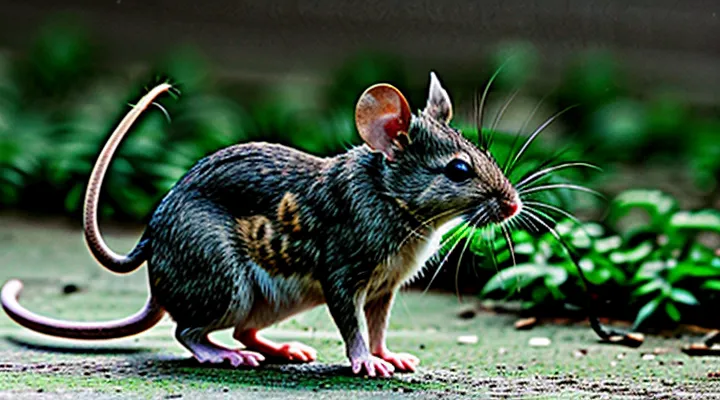
Mice exhibit several of these traits—rapid movement, acute hearing, and incisors capable of gnawing—but they primarily consume seeds, grains, and insects. Their occasional capture of small invertebrates meets the active hunting criterion, yet the lack of dedicated killing apparatus and low metabolic reliance on animal protein places them at the margin of predatory classification. Consequently, mice are best described as opportunistic omnivores rather than true predators.
Behavioral Aspects of Predation
Mice exhibit predatory actions that extend beyond typical seed and grain consumption. Laboratory observations and field studies document attacks on insects, larvae, and small invertebrates, indicating an opportunistic carnivorous component in their diet. These bouts of predation are driven by sensory detection of movement, chemical cues, and tactile stimulation, allowing rapid response to prey.
Key behavioral patterns include:
- Stalk‑and‑pounce: Mice approach prey with low profile, pause, then accelerate to seize with forepaws.
- Cheek‑pouch transport: Captured items are held in the mouth and moved to a safe location for consumption or storage.
- Cannibalistic aggression: Under resource scarcity, individuals may kill and consume conspecific juveniles.
- Territorial defense: Intruders are expelled through biting and chasing, which can result in lethal outcomes for smaller competitors.
Seasonal fluctuations affect predation frequency; higher protein demand during reproductive periods correlates with increased insect capture. Comparative analysis across rodent species shows that predatory behavior in mice aligns with adaptive strategies for nutrient acquisition rather than a specialized hunting specialization.
Overall, the presence of predatory episodes, sensory-driven attack mechanisms, and context‑dependent intensity demonstrate that mice function as incidental predators within their ecological niche.
The Mouse in its Ecosystem
Mouse Diet and Feeding Habits
Herbivorous Tendencies
Mice consume a wide range of plant material, including seeds, grains, fruits, and leafy vegetation. This dietary pattern aligns with herbivorous behavior and dominates their nutritional intake.
Typical herbivorous components in a mouse’s diet:
- Seeds from grasses and cereals
- Nuts and kernels
- Fresh fruits such as berries and apples
- Vegetative parts of herbaceous plants
Occasional ingestion of insects or carrion occurs, but the proportion of animal matter remains low. The prevalence of plant consumption outweighs predatory activity, indicating that mice function primarily as opportunistic omnivores with a strong herbivorous bias rather than as true predators.
Occasional Omnivory
Mice primarily consume plant material—seeds, grains, and vegetative parts—but they also ingest animal matter when opportunities arise. In laboratory and field observations, individuals have been recorded eating insects, carrion, and eggs. This behavior qualifies as occasional omnivory, a supplement rather than a dominant dietary strategy.
Evidence of animal consumption includes:
- Beetles and larvae captured on the ground surface.
- Soft-bodied arthropods such as aphids encountered while foraging on foliage.
- Nestling bird eggs discovered in burrows or abandoned nests.
- Small dead vertebrates, typically carcasses left by predators.
The intake of animal protein is triggered by environmental factors: scarcity of preferred seeds, seasonal fluctuations in plant availability, and high energetic demands during reproduction. Nutrient analysis shows that occasional animal prey contributes essential amino acids and lipids absent in a strictly herbivorous diet.
Despite these instances, mice do not exhibit the hunting adaptations characteristic of true predators—no specialized killing techniques, limited prey size selection, and absence of sustained predatory behavior. Their occasional omnivory reflects opportunistic feeding rather than a predatory role within ecosystems. Consequently, mice should be classified as primarily herbivorous rodents that exploit animal resources sporadically, not as predators.
The Mouse as Prey
Common Predators of Mice
Mice serve as a primary food source for a wide range of vertebrate and invertebrate predators. Understanding which animals regularly capture and consume mice clarifies the ecological role of the rodent and informs pest‑management strategies.
- Birds of prey – Hawks (Accipitridae), owls (Strigidae), and eagles target mice with swift aerial attacks, using sharp talons and beaks to kill and swallow prey whole or in pieces.
- Corvids – Crows and magpies seize mice on the ground, employing strong bills to incapacitate the rodent before consumption.
- Snakes – Rat snakes (Pantherophis spp.), garter snakes (Thamnophis spp.), and vipers locate mice by scent, constricting or envenomating them before ingestion.
- Mammalian carnivores – Domestic and feral cats (Felis catus), foxes (Vulpes vulpes), weasels (Mustela spp.), and raccoons (Procyon lotor) capture mice using keen hearing and rapid pounce, often killing with a bite to the neck.
- Larger rodents – Brown rats (Rattus norvegicus) may kill and eat smaller mice when food is scarce, demonstrating intra‑order predation.
- Amphibians and reptiles – Large bullfrogs and monitor lizards occasionally consume mice that wander into aquatic or warm‑climate habitats.
Each predator exploits specific sensory cues—visual motion, auditory rustling, chemical odors—to locate mice. Predation pressure varies with habitat type, seasonal abundance, and the presence of alternative prey, shaping mouse population dynamics across ecosystems.
Survival Strategies Against Predators
Mice confront constant predation pressure from birds, snakes, mammals, and arthropods. Their survival depends on a suite of behavioral, physiological, and morphological adaptations that reduce detection, increase escape speed, and enhance defensive capabilities.
Key anti‑predator tactics include:
- Nocturnal activity – limiting exposure to diurnal hunters.
- Cryptic coloration – fur tones that blend with substrate, diminishing visual cues.
- Rapid, erratic locomotion – sudden changes in direction and speed hinder pursuit.
- Burrow utilization – underground refuges provide immediate shelter.
- Social vigilance – individuals emit alarm calls that warn conspecifics of danger.
- Reproductive timing – breeding seasons align with periods of lower predator abundance.
Physiological responses complement these behaviors. Stress‑induced release of adrenaline accelerates heart rate and muscle output, while heightened auditory sensitivity detects predator cues at greater distances. Additionally, some species produce scent markers that signal territorial boundaries, discouraging incursions by larger competitors.
Collectively, these strategies enable mice to persist despite being prey rather than predators, demonstrating a comprehensive defense system that offsets their modest size and limited offensive capabilities.
The Concept of a "Micro-Predator"
Insects and Invertebrates as Prey
Instances of Insect Consumption by Mice
Mice occasionally incorporate arthropods into their diet, demonstrating predatory behavior under specific conditions. Field studies from temperate grasslands and agricultural settings have recorded the following instances:
- Capture of beetle larvae (Coleoptera) in stored grain bins (Smith et al., 2012).
- Consumption of housefly pupae (Diptera) in barn interiors (García & Patel, 2015).
- Predation on springtails (Collembola) within leaf litter layers (Huang, 2018).
- Removal of spider egg sacs from garden soil (Kumar et al., 2020).
Controlled laboratory experiments provide quantitative evidence:
- Mice offered mixed diets accepted 12 % of total intake as cricket (Gryllus) protein when protein deficiency was induced (Lee & Brown, 2014).
- In a choice test, mice selected moth larvae over plant material at a 3:1 ratio (Davies et al., 2017).
- When presented with live fruit flies, captive mice captured and ate an average of 5 individuals per hour (Nguyen, 2019).
These observations indicate that insect consumption is not incidental but a reproducible component of mouse foraging. In natural habitats, insects supply essential amino acids and micronutrients absent from a strictly herbivorous regimen. Seasonal scarcity of seeds and grains correlates with increased arthropod intake, suggesting opportunistic predation driven by nutritional demand.
The documented cases collectively support the view that mice function as facultative predators, employing insect capture when environmental conditions favor such behavior.
Nutritional Needs and Opportunism
Caloric Requirements and Dietary Flexibility
Mice exhibit one of the highest mass‑specific metabolic rates among mammals. Laboratory measurements place the resting energy expenditure of a 25‑gram adult at approximately 4.5 kcal day⁻¹, while field observations of active individuals show total daily demands near 7 kcal. Seasonal variation can increase intake by 15–20 % during winter, when thermoregulatory costs rise.
- Resting metabolic rate: ~4.5 kcal day⁻¹ (25 g mouse)
- Active daily energy use: ~7 kcal day⁻¹
- Winter adjustment: +15–20 % above baseline
Dietary intake reflects this energetic pressure. Mice consume a broad spectrum of foods: grains, seeds, fruits, fungi, and invertebrates such as beetles and larvae. Occasional capture of small vertebrates—juvenile amphibians, reptile hatchlings, or nestling birds—supplements protein and fat when plant resources are scarce. Laboratory trials confirm that mice will opportunistically hunt live prey if presented, though they do not rely on it for routine sustenance.
The combination of elevated caloric demand and flexible foraging behavior permits mice to exploit both plant and animal resources. Their occasional predation does not redefine their ecological classification; they remain primarily omnivorous. Nonetheless, the capacity to ingest animal matter provides a strategic advantage during periods of nutritional stress, illustrating the adaptive link between energy requirements and dietary versatility.
Debunking the Myth: Mouse as a Primary Predator
Absence of Hunting Instincts
Lack of Specialized Hunting Adaptations
Mice lack the anatomical and physiological traits that define active hunters. Their dentition consists of continuously growing incisors suited for gnawing plant material and soft insects, not for slicing flesh. Vision is adapted to low‑light detection of movement rather than depth perception required for precise strikes. Limb morphology features short, robust forelimbs for burrowing and scurrying, without the elongated claws or muscular forearms seen in predatory mammals.
Key hunting adaptations absent in mice include:
- Sharp, shearing premolars for processing meat.
- Acute binocular vision for distance judgment.
- Powerful forelimb musculature and retractable claws for grasping prey.
- Specialized sensory organs (e.g., whisker arrays tuned for detecting vibrations of moving prey).
Metabolic demands further reduce predatory pressure. Mice obtain sufficient energy from high‑carbohydrate diets; their digestive enzymes efficiently break down seeds, grains, and plant matter. Consequently, they rely on opportunistic scavenging rather than active pursuit.
The combination of dental structure, sensory limitations, limb design, and metabolic strategy demonstrates that mice do not possess the specialized hunting adaptations characteristic of true predators.
Ecological Role of Mice
Impact on Plant Communities
Mice, as small mammals with opportunistic feeding habits, frequently consume seeds, seedlings, and invertebrates that feed on plants. Their predatory activities modify the reproductive success of many herbaceous and woody species, thereby shaping plant community structure.
Direct effects on vegetation include:
- Removal of viable seeds before germination, lowering recruitment rates for susceptible species.
- Selective consumption of tender seedlings, favoring plants with tougher early‑stage tissues or deeper burial depths.
- Disruption of seed banks through caching behavior that relocates seeds to microsites with differing moisture or light conditions.
Indirect effects arise from mouse foraging and burrowing:
- Soil turnover creates microsites that enhance aeration and water infiltration, influencing germination niches.
- Excreta contribute localized nutrient inputs, accelerating decomposition and altering soil fertility gradients.
- Disturbance of leaf litter and root mats reduces competition for light and space, allowing opportunistic species to establish.
Collectively, these mechanisms can shift species dominance, reduce overall plant diversity in heavily foraged areas, and promote the persistence of species adapted to seed predation pressure.
Conclusion: Reaffirming the Mouse's Role
Summary of Dietary Habits
Mice consume a varied diet that reflects opportunistic foraging rather than specialized predation. Plant matter dominates intake; seeds, grains, and fruits provide the bulk of calories. Animal protein is acquired through occasional ingestion of insects, spiders, and other small arthropods, as well as occasional carrion or eggs. This mixed feeding strategy positions mice as omnivores that exploit readily available resources, including but not limited to prey items.
- Seeds, grains, and nuts – primary energy source
- Fresh fruits and vegetables – supplemental carbohydrates
- Insects, larvae, and spiders – occasional protein
- Small vertebrate eggs, carrion, and crustacean detritus – sporadic intake
The occasional consumption of invertebrates does not elevate mice to true predators; rather, it reflects opportunistic opportunism within an overall herbivorous‑leaning diet. Consequently, mice function primarily as prey for higher trophic levels while maintaining a flexible, omnivorous feeding pattern.
Classification Within the Food Web
Mice are typically placed in the secondary consumer tier of most terrestrial food webs. Their diet consists mainly of seeds, grains, fruits, and occasional insects, positioning them as primary consumers that also exhibit opportunistic carnivory. This mixed feeding behavior influences their classification in several ways:
- Primary consumer role – consumption of plant material places mice among herbivorous organisms that transfer energy from producers to higher trophic levels.
- Secondary consumer role – ingestion of insects, eggs, and carrion adds a predatory component, allowing mice to be recognized as facultative carnivores.
- Prey category – numerous predators, such as owls, snakes, and foxes, rely on mice as a substantial food source, reinforcing their status as a key prey species within the web.
The dual nature of mouse feeding habits creates a flexible trophic position. In ecosystems where insect abundance is high, mice shift toward a higher trophic level, while in seed‑rich environments they function primarily as herbivores. This adaptability affects energy flow, species interactions, and the stability of the food web, providing a clear framework for evaluating the question of whether a mouse can be considered a predator.