
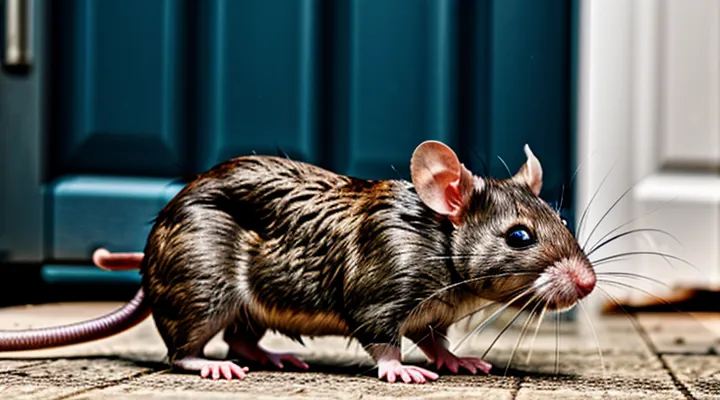
Understanding Rat Sneezing
The Basics of Rat Respiration
Rats possess a compact respiratory system suited to their small size. Air enters through the nostrils, passes the nasal turbinates where moisture and temperature are regulated, then moves down the trachea into two bronchi that branch into a network of alveolar sacs. The diaphragm and intercostal muscles drive inhalation and exhalation, providing rapid gas exchange to meet high metabolic demands.
Ventilation relies on a high respiratory rate, typically 80–150 breaths per minute in resting adults. The thin alveolar walls facilitate diffusion of oxygen into the bloodstream and removal of carbon dioxide. Efficient clearance of particulate matter depends on ciliary action within the nasal passages and bronchial epithelium.
Common triggers for sneezing in rats include:
- Dust or strong odors in the environment
- Allergens such as mold spores or bedding fibers
- Upper respiratory infections caused by bacteria or viruses
When the respiratory tract is irritated, the nasal mucosa contracts, expelling air forcefully to remove the offending particles. Repeated sneezing may indicate inflammation or infection that warrants veterinary assessment.
Key indicators of respiratory distress:
- Labored breathing or audible wheezing
- Nasal discharge that is thick or colored
- Lethargy combined with reduced appetite
Understanding the fundamentals of rat respiration clarifies why sneezing occurs and helps differentiate normal reflexes from signs of pathology.
Normal Causes of Sneezing in Rats
Environmental Factors
Rats frequently sneeze when exposed to irritants in their surroundings. Identifying and controlling these irritants reduces the likelihood of respiratory discomfort and promotes overall health.
Common environmental contributors include:
- Dust and fine particulate matter from bedding, feed, or cage cleaning.
- Strong scents such as tobacco smoke, aerosol sprays, or scented detergents.
- Low humidity, which dries nasal passages and heightens sensitivity to airborne particles.
- High temperatures or rapid temperature fluctuations that stress the respiratory system.
- Poor ventilation, allowing accumulation of stale air and contaminants.
- Mold spores or fungal growth in damp corners of the enclosure.
- Allergens from certain wood types (e.g., cedar) or synthetic cage materials.
Mitigation strategies focus on maintaining a clean, well‑ventilated habitat with stable temperature and humidity. Select low‑dust bedding, avoid scented cleaning agents, and provide regular airflow through filters or open windows. Periodic inspection for mold and replacement of any allergenic cage components further minimizes sneezing triggers.
Dust and Allergens
Rats frequently expel air through the nasal passages when exposed to airborne irritants. Small particles suspended in the environment can contact the delicate mucosa, triggering a reflex that results in a sneeze. The presence of dust in cages, bedding, or surrounding air is a common source of such irritation.
Dust consists of skin flakes, hair, fecal matter, and fragments of bedding material. Particles sized between 10 µm and 100 µm readily settle on the respiratory epithelium, where they may provoke inflammation or obstruct airflow. Persistent exposure can lead to chronic rhinitis, characterized by frequent sneezing and nasal discharge.
Typical allergens found in rodent environments include:
- Protein‑rich urine crystals that become aerosolized during cleaning
- Mite debris originating from parasites that infest bedding
- Mold spores developing in damp corners of cages
- Fragrance compounds from scented bedding or cleaning agents
Mitigation strategies involve regular cage cleaning with dust‑free substrates, maintaining low humidity to prevent mold growth, and avoiding scented products. Air filtration systems that capture particles larger than 5 µm reduce the overall load of irritants, thereby decreasing the frequency of sneezing episodes.
When to Worry: Signs of Illness
Common Respiratory Issues in Rats
Mycoplasma Pulmonis
Mycoplasma pulmonis is a bacterial pathogen that colonises the respiratory tract of rodents, particularly laboratory and pet rats. The organism lacks a cell wall, which renders it resistant to β‑lactam antibiotics and contributes to persistent infections. Clinical presentation commonly includes intermittent sneezing, nasal discharge, and mild to moderate rhinitis. In severe cases, bronchopneumonia develops, leading to cough, dyspnoea, and weight loss.
Transmission occurs through direct contact, aerosols, and contaminated bedding. Carrier animals may appear asymptomatic, facilitating unnoticed spread within colonies. Diagnosis relies on:
- Culture on specialised mycoplasma media, recognising characteristic “fried‑egg” colonies.
- Polymerase chain reaction (PCR) targeting species‑specific DNA sequences.
- Serological testing for antibodies, useful for screening herd health.
Therapeutic options focus on macrolides (e.g., tylosin, tilmicosin) and tetracyclines, administered according to susceptibility testing. Treatment courses typically extend for several weeks to eradicate the organism from the lower respiratory tract. Supportive care, including humidified environments and nutritional support, improves recovery.
Prevention strategies include:
- Quarantine of new arrivals for a minimum of three weeks, with PCR testing before integration.
- Routine health monitoring of breeding colonies.
- Strict hygiene protocols: regular cage cleaning, use of disposable bedding, and minimisation of stressors that compromise immunity.
Understanding the role of Mycoplasma pulmonis clarifies why sneezing episodes occur in rats and informs effective management to maintain respiratory health.
Bacterial Infections
Rats frequently sneeze when the nasal passages are irritated by bacterial pathogens. Common agents include Streptococcus species, Bordetella bronchiseptica, and Pasteurella multocida. These bacteria colonize the upper respiratory tract, produce toxins, and trigger inflammation that forces rapid expulsion of air.
Symptoms accompanying bacterial‑induced sneezing often comprise nasal discharge, crust formation, and ocular tearing. In severe cases, fever, lethargy, and weight loss develop, indicating systemic spread. Early identification relies on observing the pattern of sneezes—persistent, repetitive episodes suggest infection rather than transient irritation.
Management strategies focus on antimicrobial therapy and supportive care. Effective protocols typically involve:
- Administration of a broad‑spectrum antibiotic (e.g., enrofloxacin or doxycycline) after culture‑guided sensitivity testing.
- Isolation of the affected animal to prevent aerosol transmission.
- Environmental sanitation, including regular cleaning of cages, bedding, and ventilation systems.
- Monitoring for secondary complications such as pneumonia, which may require additional respiratory support.
Prevention emphasizes strict biosecurity measures. Regular health screening, vaccination where available, and minimizing stressors reduce the likelihood of bacterial colonization and subsequent sneezing episodes.
Symptoms Accompanying Sneezing
Nasal Discharge
Nasal discharge in rodents appears as fluid emerging from the nostrils, ranging from clear to thick, yellow, or blood‑tinged. When a rat sneezes, the presence of discharge often indicates irritation of the nasal mucosa, but the significance varies with the discharge’s characteristics.
Clear, watery secretion may accompany mild allergic reactions or exposure to dust, and typically resolves without intervention. Thick, mucoid or purulent material suggests bacterial or viral infection, which often coexists with frequent sneezing, nasal crusting, and reduced appetite. Blood‑stained discharge points to trauma or severe inflammation and warrants immediate veterinary assessment.
Key factors to evaluate:
- Consistency: clear vs. mucoid vs. purulent.
- Color: transparent, yellow, green, or blood‑tinged.
- Volume: occasional drips versus continuous flow.
- Accompanying signs: lethargy, weight loss, nasal crusts, eye discharge.
When discharge is persistent, discolored, or coupled with systemic symptoms, professional care is recommended. Diagnostic steps may include physical examination, nasal swab for culture, and imaging to identify underlying sinus disease. Treatment options cover antimicrobial therapy for bacterial infections, antihistamines for allergic responses, and environmental modifications to reduce irritants such as strong scents or excessive bedding dust.
Monitoring the rat’s breathing pattern and overall behavior provides early indication of escalating respiratory issues. Prompt response to abnormal nasal discharge helps prevent progression to more serious conditions, including pneumonia.
Labored Breathing
Labored breathing in a pet rat signals respiratory distress and often accompanies frequent sneezing. The condition manifests as visible effort to inhale or exhale, an elevated respiratory rate, and audible wheezing or clicking sounds.
Typical contributors include:
- Upper‑respiratory infections such as viral or bacterial agents
- Allergic reactions to bedding, dust, or scented products
- Irritation from poor air quality, excessive dryness, or cigarette smoke
- Dental abnormalities that impede normal airway function
- Cardiac insufficiency leading to fluid accumulation in the lungs
Indicators that warrant immediate veterinary assessment are:
- Persistent labored breathing lasting more than a few minutes
- Nasal discharge, especially if colored or foul‑smelling
- Noticeable weight loss or reduced activity levels
- Audible crackles or rattling during respiration
Preventive strategies focus on environmental management and routine health monitoring:
- Maintain cage cleanliness and replace bedding regularly to reduce dust
- Ensure ambient humidity remains within a moderate range (40‑60 %)
- Eliminate exposure to tobacco smoke and strong fragrances
- Conduct periodic health checks for dental overgrowth and general condition
Recognizing labored breathing promptly helps differentiate normal sneezing episodes from serious underlying pathology, enabling timely intervention and preserving the animal’s wellbeing.
Lethargy and Appetite Loss
Sneezing in rats often coincides with reduced activity and diminished food intake. Lethargy indicates that the animal’s energy reserves are being diverted from normal functions to combat an underlying stressor, such as respiratory infection, allergic reaction, or environmental irritant. Appetite loss compounds the problem by limiting nutrient intake, which can accelerate weight loss and weaken immune defenses.
Typical observations include:
- Persistent or frequent sneezes accompanied by slowed movement.
- Decreased consumption of pellets, fresh vegetables, or water.
- Preference for resting in secluded corners rather than exploring the cage.
When these signs appear together, they suggest a systemic response rather than an isolated nasal event. Veterinary evaluation becomes essential if sneezing persists for more than a few days, if lethargy intensifies, or if food intake drops below normal levels. Diagnostic steps often involve physical examination, nasal swab culture, and radiographic imaging to identify bacterial, viral, or fungal agents.
Prompt treatment—antibiotics for bacterial infections, antihistamines for allergic triggers, or environmental adjustments such as improved ventilation—can restore normal activity and feeding behavior. Monitoring the rat’s response to therapy helps determine whether the condition resolves or requires further intervention.
Prevention and Care
Maintaining a Healthy Environment
Cage Hygiene
Sneezing in pet rats often signals irritation of the nasal passages or respiratory tract. Poor cage conditions, such as accumulated dust, mold, or stale bedding, provide common sources of irritants that trigger this reflex.
Regular cleaning minimizes airborne particles and microbial growth. A schedule that includes complete cage emptying, thorough scrubbing of surfaces, and replacement of all substrate reduces the likelihood of respiratory disturbances. Water bottles and food dishes should be rinsed daily to prevent bacterial buildup.
- Remove all bedding, wipe down walls, bars, and accessories with a diluted, pet‑safe disinfectant.
- Rinse and dry completely before adding fresh, low‑dust bedding (e.g., paper‑based or aspen).
- Clean food containers and water bottles each day; replace water daily.
- Inspect cage for signs of mold, urine stains, or droppings that have hardened; address immediately.
- Ensure adequate ventilation by avoiding closed, humid environments and by providing airflow without drafts.
Maintaining these hygiene standards creates a cleaner microenvironment, lowers exposure to allergens, and directly contributes to the reduction of sneezing episodes in laboratory and companion rats.
Air Quality
Air quality directly influences respiratory events in rodents. Poor ventilation, high particulate concentration, and the presence of volatile organic compounds irritate nasal passages, increasing the frequency of sneezing episodes. Dust from bedding, ammonia from urine, and mold spores are common airborne irritants in laboratory and pet environments.
Key air‑quality factors that affect sneezing:
- Particulate matter > 10 µm: deposits in the nasal cavity, triggers mechanoreceptors.
- Ammonia levels > 25 ppm: corrosive to mucosal tissue, accelerates reflex sneezing.
- Humidity outside the 40‑60 % range: dry air desiccates mucosa, while excess moisture promotes fungal growth.
- Chemical fumes: cleaning agents, scented products, and tobacco smoke contain irritants that stimulate nasal reflexes.
Maintaining optimal conditions—regular cage cleaning, adequate airflow, filtration systems, and monitoring of ammonia and humidity—reduces irritant exposure and stabilizes respiratory health in rats.
Dietary Considerations
Dietary factors can affect a rat’s respiratory health and influence the frequency of sneezing. Irritants present in food, such as dust from grain‑based pellets or strong aromas from fresh herbs, may provoke nasal irritation. Moisture content also matters; overly dry kibble can dry nasal passages, while excessively moist foods can promote mold growth, both of which can trigger sneezing episodes.
Key nutritional considerations include:
- Selecting low‑dust, high‑quality pellets that minimize particulate exposure.
- Incorporating fresh vegetables with gentle aromas, avoiding strong‑smelling items like onions or garlic.
- Monitoring for mold on stored food; discard any spoiled portions promptly.
- Providing a balanced diet rich in omega‑3 fatty acids, which support anti‑inflammatory processes in the respiratory tract.
Adequate hydration supports mucosal health, reducing irritation. Fresh water should be available at all times, and water bottles should be cleaned regularly to prevent bacterial buildup.
If sneezing persists despite optimal dietary management, veterinary evaluation is recommended to rule out infections, allergies, or anatomical issues unrelated to nutrition.
When to Seek Veterinary Care
Early Intervention
Sneezing in pet rats often signals an underlying respiratory issue that benefits from prompt assessment. Early detection prevents progression to more severe conditions such as bacterial pneumonia or chronic airway inflammation.
Key indicators that warrant immediate action include:
- Repeated sneezing episodes within a short period.
- Nasal discharge that changes from clear to cloudy or contains blood.
- Labored breathing, wheezing, or audible rattling sounds.
- Reduced activity, loss of appetite, or weight loss.
When these signs appear, the following steps constitute an effective early‑intervention protocol:
- Isolate the affected rat to limit stress and reduce exposure to potential pathogens.
- Observe environmental factors: ensure cage bedding is dust‑free, humidity levels are stable, and ventilation is adequate.
- Provide a warm, draft‑free area to support the animal’s immune response.
- Contact a qualified exotic‑pet veterinarian without delay; request a thorough examination that may include nasal swabs, radiographs, or blood work.
- Follow prescribed treatment plans precisely, administering antibiotics, anti‑inflammatory agents, or supportive fluids as directed.
Prompt veterinary involvement, coupled with optimal husbandry adjustments, markedly improves recovery rates and minimizes the risk of chronic respiratory damage. Early intervention thus serves as a critical component of responsible rat care.
Finding an Exotic Vet
A pet rat that sneezes may indicate respiratory infection, allergic reaction, or environmental irritation. Prompt evaluation by a veterinarian experienced with small mammals ensures accurate diagnosis and appropriate treatment.
Key criteria for selecting an appropriate specialist:
- Certification in exotic animal medicine or board eligibility in wildlife/companion exotic practice.
- Demonstrated experience with rodents, confirmed by case histories or client testimonials.
- Access to diagnostic tools such as otoscopic examination, radiography, and laboratory testing suitable for small mammals.
- Availability of emergency or same‑day appointments for acute respiratory signs.
- Clear communication of treatment plans, medication dosages, and follow‑up care.
Effective methods to locate qualified professionals:
- Search the American College of Zoological Medicine or the Association of Exotic Mammal Veterinarians directories, filtering by location.
- Consult local university veterinary schools; many operate teaching clinics that accept exotic patients.
- Request referrals from reputable pet‑store employees, breeders, or animal‑rights organizations familiar with rodent health.
- Review online reviews on platforms dedicated to pet health, confirming the presence of the above criteria.
Preparation for the veterinary visit:
- Record the frequency, duration, and any accompanying signs (nasal discharge, wheezing, lethargy).
- Gather information on the rat’s diet, housing conditions, and recent environmental changes.
- Bring a sample of any discharge, if safe to collect, to aid laboratory analysis.
- Ensure the rat is safely contained in a well‑ventilated carrier to minimize stress.
By adhering to these guidelines, owners can secure competent care for a sneezing rat, reducing the risk of complications and promoting swift recovery.