
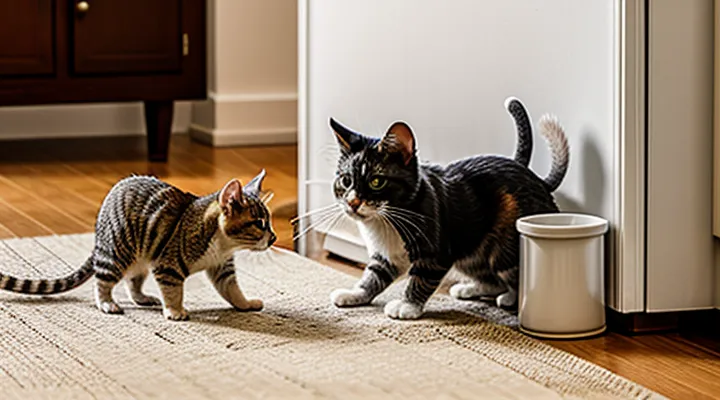
«The Historical Context of Feline-Rodent Dynamics»
«Early Domestication and Pest Control»
Early human settlements required protection of grain stores from rodents. Evidence from Anatolia and Egypt shows that Felis silvestris was attracted to these environments and was intentionally tolerated. Over several millennia, people began to encourage the presence of wild cats, leading to the first steps of domestication.
Archaeological data support this process:
- Cat skeletons discovered alongside grain residues in Neolithic sites (c. 7500 BCE).
- Depictions of felines in Egyptian tombs, dated to the 4th dynasty, emphasizing their role near storage bins.
- Genetic studies tracing a bottleneck in domestic cat lineages to Near Eastern populations associated with agriculture.
The primary benefit observed was reduction of rodent damage. Controlled trials in ancient granaries recorded lower grain loss when cats were present, confirming their effectiveness as biological pest suppressors. This functional relationship reinforced the mutual dependence between humans and felines, shaping early breeding practices that favored predatory aptitude.
Contemporary households retain this legacy. Cats are often retained for their capacity to detect and eliminate mice, a trait that persists despite the availability of mechanical traps and chemical agents. Selective breeding has intensified hunting instincts in certain lines, preserving the original purpose that motivated the initial human‑cat partnership.
«Evolution of Predation Instincts»
The predatory drive that compels domestic felines to chase rodents has deep evolutionary roots. Early ancestors of the house cat, such as Felis silvestris lybica, developed acute visual acuity, rapid limb coordination, and a flexible spine to capture swift prey. These traits persisted through domestication, allowing modern pets to retain instinctual hunting responses even in a human‑occupied environment.
Genetic analyses reveal that selection for small‑prey capture intensified during the Neolithic period, when rodents proliferated around grain stores. Key adaptations include:
- Enlarged auditory bullae for detecting high‑frequency rodent sounds.
- Enhanced motor cortex connectivity enabling precise timing of pounce.
- Specialized dentition that delivers lethal bites to the cervical vertebrae of small mammals.
Behaviorally, the instinct manifests as a sequence of stalking, pouncing, and immobilization. While domestic settings often suppress lethal outcomes through human intervention, the underlying neural circuitry remains largely unchanged, reflecting a conserved predation program.
Consequently, the interaction between indoor cats and mice represents a living illustration of an ancient predator‑prey relationship, preserved through millennia of evolutionary pressure and now observable within the confines of contemporary households.
«Understanding Feline Behavior Towards Rodents»
«Prey Drive vs. Hunger»
«The Play-Hunting Phenomenon»
Cats frequently engage in rapid, intermittent chases of mice that do not result in capture. This behavior, known as play‑hunting, combines predatory instincts with exploratory activity. The cat’s body language—low crouch, focused stare, and sudden sprint—mirrors the sequence observed during genuine hunts, yet the outcome remains non‑lethal. Researchers attribute this pattern to a combination of innate drive, environmental enrichment, and the limited availability of live prey in modern homes.
Mouse reactions during cat play‑hunting differ from those in lethal encounters. Small rodents typically execute erratic, high‑frequency darting motions, seek refuge in concealed spaces, and emit ultrasonic alarm calls. These responses reduce injury risk while preserving the opportunity for repeated interactions, which can condition both species to anticipate future encounters.
Key aspects of the phenomenon include:
- Rapid acceleration followed by abrupt stops, creating a stop‑start rhythm that sustains engagement.
- Use of non‑lethal contact, such as light paw taps, that stimulate sensory feedback without causing harm.
- Repetition over short intervals, allowing cats to practice hunting sequences and mice to refine escape tactics.
Household management strategies focus on minimizing stress while preserving natural behavior. Providing alternative outlets—interactive toys, feather wands, and puzzle feeders—redirects predatory energy away from live rodents. Securing mouse habitats with sealed entry points prevents prolonged exposure, reducing the likelihood of injury. Monitoring interactions ensures that play‑hunting remains a controlled, non‑aggressive activity within the domestic environment.
«Instinctual Responses»
Cats exhibit a predatory cascade triggered by visual motion, high‑contrast silhouettes, and rapid movements. The dorsal lateral geniculate nucleus processes these stimuli, prompting the release of dopamine and norepinephrine that sharpen focus and accelerate muscle contraction. Reflexive pouncing follows a stereotyped sequence: crouch, tail flick, lunging thrust, and claw deployment. This chain operates with minimal cortical oversight, allowing response times measured in milliseconds.
Mice rely on a complementary set of defensive mechanisms. Whisker receptors detect airflow changes caused by a cat’s approach, initiating a startle response mediated by the superior colliculus. Immediate actions include freezing, rapid sprint bursts, and zigzag trajectories designed to evade capture. The release of corticosterone enhances alertness and memory consolidation, improving future avoidance.
The encounter produces a biologically entrenched feedback loop:
- Cat detects motion → surge of catecholamines → predatory strike.
- Mouse senses predator → activation of amygdala → escape or concealment.
- Successful capture reduces mouse’s stress hormones; failed attempts raise vigilance in subsequent encounters.
Domestic environments modify these patterns through confined spaces, limited hiding places, and human‑provided stimuli such as food bowls or toys. Nevertheless, the underlying instinctual circuitry remains consistent with wild counterparts, governing the rapid, automatic behaviors observed whenever feline and rodent species share a household.
«Vocalizations and Body Language During Encounters»
Cats and mice communicate through distinct acoustic and visual signals when they cross paths inside a house. A cat’s hiss, low growl, or rapid chirp signals agitation, territorial warning, or curiosity, depending on pitch and duration. A mouse emits high‑frequency squeaks, ultrasonic clicks, or brief scurrying rustles that convey alarm, submission, or exploratory intent.
Mice display body language that includes tail elevation, ear orientation, and freezing posture. An elevated tail paired with forward‑leaning body indicates readiness to flee, while flattened ears and a crouched stance suggest heightened fear. Cats reveal intent through ear rotation, whisker positioning, and tail movement: ears flattened backward and whiskers stiffened accompany predatory focus; a relaxed tail swish denotes playful curiosity.
Typical encounter patterns can be summarized:
-
Cat vocalizations
- Hiss – immediate threat perception.
- Low growl – sustained agitation.
- Short chirp – investigative interest.
-
Mouse vocalizations
-
Cat body cues
- Ears pinned, whiskers forward – attack preparation.
- Tail twitch, relaxed posture – play or observation.
-
Mouse body cues
- Tail lifted, ears forward – readiness to escape.
- Body frozen, tail lowered – extreme fear.
Understanding these signals enables accurate interpretation of each species’ behavioral state during indoor encounters, reducing misinterpretation and informing humane management strategies.
«Mouse Behavior in the Presence of Cats»
«Avoidance Strategies»
«Nocturnal Activity Patterns»
Cats and mice share the domestic night cycle, yet their temporal strategies differ markedly. Feline hunting instincts peak during the crepuscular and early nocturnal hours, when visual acuity and auditory sensitivity are optimal. Mice, being primarily nocturnal rodents, concentrate foraging, nesting, and social interactions within the same time window, creating a period of heightened predator‑prey overlap.
Key characteristics of their nightly behavior include:
- Peak activity windows: Cats exhibit bursts of movement between dusk and midnight, followed by brief rest periods; mice maintain continuous low‑intensity activity throughout the night, with short peaks at 1‑hour intervals.
- Sensory reliance: Cats depend on whisker‑mediated vibration detection and low‑light vision; mice rely on olfactory cues and whisker‑based tactile exploration.
- Spatial partitioning: Domestic cats often patrol perimeters and elevated surfaces, while mice exploit concealed floor spaces, wall voids, and cupboard interiors.
- Temporal avoidance: Mice may shift activity toward later night hours when cat movement declines, reducing encounter probability.
- Response latency: Upon detecting feline presence, mice exhibit rapid freeze or escape responses within 0.2–0.5 seconds; cats react to mouse motion within 0.1 seconds, initiating pursuit.
Understanding these patterns informs effective pest management and cat welfare strategies. Adjusting feeding schedules, providing secure hiding spots for rodents, and limiting cat access to vulnerable areas during peak mouse activity can modulate the nocturnal dynamic and reduce unwanted encounters.
«Seeking Refuge»
Mice instinctively locate safe zones when a cat is present in the same residence. The primary objective is to minimize exposure to predatory movement and scent. Typical refuge locations include:
- Wall voids and behind baseboard trim, where limited airflow reduces scent diffusion.
- Under furniture with tight clearances, such as sofas or cabinets, offering quick concealment.
- Inside appliance cavities, particularly refrigerators or washing machines, when the door is closed.
- Within stored boxes, paper piles, or fabric bundles that create layered barriers.
The selection of a hideout depends on the mouse’s assessment of predator activity. Evidence shows that rodents favor areas with multiple escape routes, low light, and stable temperatures. When a cat patrols a corridor, mice may shift to alternative chambers, creating a dynamic pattern of refuge use.
Cats adapt to these behaviors by sharpening auditory and visual tracking, often focusing on high-traffic zones. Nevertheless, the structural complexity of a typical home provides mice with a network of microhabitats that remain inaccessible to the feline’s reach. Effective refuge strategies involve rapid entry, minimal movement, and the use of materials that mask odor, thereby reducing detection risk.
«Adaptive Responses to Feline Predators»
Mice living in homes where cats are present exhibit several adaptive strategies that increase survival probability. These strategies arise from continuous exposure to feline hunting behavior and can be classified into behavioral, physiological, and morphological categories.
-
Behavioral adjustments: mice shift activity to periods when cats are less active, typically early morning or late night. They increase use of concealed pathways, such as wall voids and furniture gaps, and reduce exploratory trips outside established safe zones. When confronted, they employ rapid, erratic sprint patterns that exploit cats’ slower turning radius.
-
Physiological changes: chronic stress from predator presence elevates baseline corticosterone levels, prompting heightened alertness and faster sensory processing. Some populations develop enhanced auditory sensitivity to the low‑frequency footfalls of cats, allowing earlier detection of approach.
-
Morphological adaptations: over successive generations, individuals show slight reductions in body size, facilitating movement through narrower crevices. Fur coloration may shift toward darker tones that improve concealment in shadowed household environments.
These adaptations are not uniform across all domestic mouse populations; variation correlates with cat density, indoor space complexity, and availability of alternative shelters. In settings with multiple cats, mice tend to adopt more extreme avoidance tactics, such as constructing nests in ceiling cavities or utilizing elevated platforms inaccessible to felines. Conversely, in homes with a single, less active cat, mice may maintain broader foraging ranges and display less pronounced stress markers.
Overall, the adaptive response spectrum reflects a dynamic equilibrium where mouse survival mechanisms continuously adjust to the predatory pressure exerted by resident cats.
«The Impact of Cats on Rodent Populations in Homes»
«Effectiveness as Pest Control»
«Limitations of Feline Predation»
Cats rarely eliminate all mice from a household. Their hunting efficiency is constrained by several biological and environmental factors.
- Vision relies on motion detection; stationary rodents evade capture.
- Auditory range limits detection of quiet, concealed mice.
- Energy expenditure outweighs caloric gain when prey is small and abundant.
- Domestic cats often receive regular food, reducing motivation to hunt.
- Age, health, and breed affect predatory drive; senior or neutered cats display diminished aggressiveness.
- Structural barriers such as sealed walls, furniture, and trapdoors prevent access to hidden nesting sites.
Scientific observations confirm that even skilled hunters leave a residual mouse population, especially in cluttered or well‑insulated residences. Consequently, reliance on feline predation alone does not guarantee rodent eradication.
«Health Risks Associated with Encounters»
«Disease Transmission»
Domestic cats and house mice share close proximity in many households, creating a pathway for pathogen exchange. The presence of both species in a single environment increases the likelihood of disease transmission, affecting animal health and, occasionally, human occupants.
Key pathogens associated with this exchange include:
- Toxoplasma gondii – mice serve as intermediate hosts; cats acquire infection by hunting or ingesting infected prey, subsequently shedding oocysts in feces.
- Salmonella spp. – rodents can harbor bacteria in their gastrointestinal tract; cats may become infected through consumption of contaminated rodents or environmental contact.
- Bartonella henselae – mice can act as reservoirs; cats acquire the bacterium via flea bites after exposure to infested rodents, leading to feline flea‑borne disease.
- Hantavirus – primarily carried by mice; cats may become incidental carriers after handling infected rodents, posing a zoonotic risk to humans.
- Yersinia pestis – rare but possible; rodents serve as reservoirs, and cats can transmit the bacterium through bites or scratches after exposure.
Transmission mechanisms are direct and indirect. Direct transmission occurs when a cat captures and consumes a mouse, introducing pathogens through oral ingestion. Indirect transmission involves environmental contamination: rodent droppings, urine, and saliva deposit pathogens on surfaces that cats later contact or ingest during grooming. Flea vectors facilitate bacterial spread between rodents and cats, while aerosolized particles from dried rodent excreta can infect both species.
Mitigation strategies focus on controlling rodent populations, maintaining strict hygiene, and ensuring regular veterinary care. Effective measures include:
- Sealing entry points to prevent mouse ingress.
- Using traps or professional pest control to reduce rodent numbers.
- Regularly cleaning areas where rodent droppings are found, employing protective equipment.
- Administering flea preventatives to cats to interrupt vector‑borne cycles.
- Conducting routine veterinary examinations and vaccinating cats against relevant diseases.
Implementing these actions reduces pathogen circulation, safeguards animal welfare, and minimizes health risks for residents sharing the same living space.
«Parasite Exchange»
Domestic cats and house‑dwelling mice share a close ecological niche, creating opportunities for the transfer of ecto‑ and endoparasites. When a cat captures, kills, or contacts a mouse, parasites can move in either direction, influencing the health of both hosts.
Cats acquire rodent‑borne parasites primarily through ingestion of infected prey. Common agents include:
- Toxocara cati larvae, which develop after a mouse carries embryonated eggs.
- Aelurostrongylus abstrusus (cat lungworm) larvae, present in mouse tissues and released during digestion.
- Fleas such as Ctenocephalides felis, which may initially infest mice before colonizing the cat.
Mice can receive parasites from cats via environmental contamination. Fecal deposition by cats introduces oocysts and eggs into the household, where mice may ingest them while foraging. Notable examples are:
- Toxoplasma gondii oocysts, shed in cat feces and capable of establishing chronic infection in rodents.
- Sarcoptes scabiei mites, transferred through direct contact with a cat’s fur or bedding.
The bidirectional flow of parasites influences disease dynamics within the home. Effective control requires integrated measures: regular deworming of cats, flea prevention, and sanitation to limit mouse access to contaminated areas. Monitoring both species for signs of infection enhances early detection and reduces the risk of zoonotic transmission.
«Human Influence on Cat-Mouse Interactions»
«Providing Food and Its Effects»
Providing food inside a residence directly shapes the behavior of both felines and rodents. The presence of a regular feeding schedule for a cat establishes a predictable energy intake, which can alter the animal’s hunting motivation and territorial patrol patterns. Simultaneously, any accessible food source attracts mice, influencing their foraging routes, population density, and exposure to predation.
Cat nutrition can be divided into three categories: dry kibble, wet pâté, and supplemental treats. Dry kibble supplies sustained calories, often reducing the immediate impulse to chase prey. Wet pâté delivers higher moisture content, which may increase short‑term satiety and temporarily diminish hunting activity. Treats, especially those with strong aromas, can stimulate predatory instincts if they mimic the scent of live prey.
Mouse response to food availability follows predictable trends. Open containers of kibble or spilled crumbs create attractive feeding sites, encouraging mice to establish nests nearby. Bait stations designed for rodent control introduce toxicants that reduce mouse numbers but also pose ingestion risks for cats if not securely placed. Uncontrolled food waste fosters rapid reproduction, leading to higher infestation levels and increased encounters with the household cat.
Key effects of food provision:
- Cat satiety: Reduces frequency of active hunting but does not eliminate predatory drive.
- Cat stimulation: Aromatic or protein‑rich treats can heighten predatory readiness.
- Mouse attraction: Accessible food sources increase visitation rates and nesting density.
- Rodent control risk: Improperly secured bait may cause secondary poisoning in cats.
- Population dynamics: Abundant food accelerates mouse reproductive cycles, raising the probability of cat–mouse encounters.
Managing food distribution—securing cat meals, limiting spillages, and using tamper‑proof bait—balances feline health with effective control of rodent activity within the home environment.
«Managing Feline Hunting Behavior»
«Environmental Enrichment»
Environmental enrichment supplies indoor felines with stimuli that satisfy hunting instincts, sensory curiosity, and physical activity requirements. By presenting varied textures, elevated pathways, and interactive toys, cats receive outlets for predatory drives that would otherwise target opportunistic rodents.
When enrichment satisfies chase and pounce behaviors, the frequency of spontaneous mouse encounters declines. Structured play sessions redirect energy toward artificial prey, reducing the likelihood that a cat will hunt a real mouse that enters the residence.
Effective enrichment measures include:
- Rotating puzzle feeders that require problem‑solving to access food.
- Modular climbing structures with multiple levels and hide‑outs.
- Automated laser or feather toys programmed for intermittent bursts.
- Scent trails using cat‑safe herbs (e.g., catnip, valerian) to stimulate exploration without encouraging live‑prey pursuit.
- Scheduled interactive sessions lasting 10–15 minutes, three times daily.
Implementing these elements creates a habitat where feline predatory behavior is expressed safely, diminishing accidental mouse casualties while preserving the cat’s natural drive. The result is a balanced domestic environment that accommodates both species’ needs.
«Bell Collars and Their Efficacy»
Bell collars are frequently marketed as a humane means of reducing predation by indoor felines. The device relies on an audible cue that a moving cat generates, intended to alert small rodents before a strike can be made.
Empirical assessments indicate that collars equipped with small, high‑frequency bells reduce successful captures by approximately 30‑45 % compared to uncollared cats. Studies using motion‑sensing cameras recorded fewer instances of mouse escape behavior when a bell was present, suggesting that the sound interferes with the prey’s ability to remain undetected.
Effectiveness varies with several variables:
- Fit and weight – a loosely attached collar may shift, diminishing sound output; excessive weight can alter the cat’s gait and provoke compensatory hunting tactics.
- Bell dimensions – larger bells produce louder, lower‑frequency tones that travel farther but may be more easily ignored by habituated cats; smaller bells emit higher frequencies that rodents detect more readily.
- Cat hunting style – stealthy stalkers benefit less from auditory warnings than ambush predators that rely on sudden pounce.
- Rodent acclimation – mice exposed repeatedly to bell sounds may develop reduced responsiveness, lowering the collar’s long‑term impact.
For owners seeking to implement bell collars effectively, follow these steps:
- Select a collar sized to the cat’s neck, allowing a two‑finger clearance.
- Attach a bell that produces a clear, high‑frequency chime without exceeding 5 g.
- Inspect the collar daily for loosening, damage, or interference with the cat’s movement.
- Combine the collar with environmental controls such as sealed food containers and mouse‑proof entry points to reinforce deterrence.
When applied correctly, bell collars provide a measurable reduction in indoor predation, though they should be regarded as one component of an integrated pest‑management strategy rather than a standalone solution.