
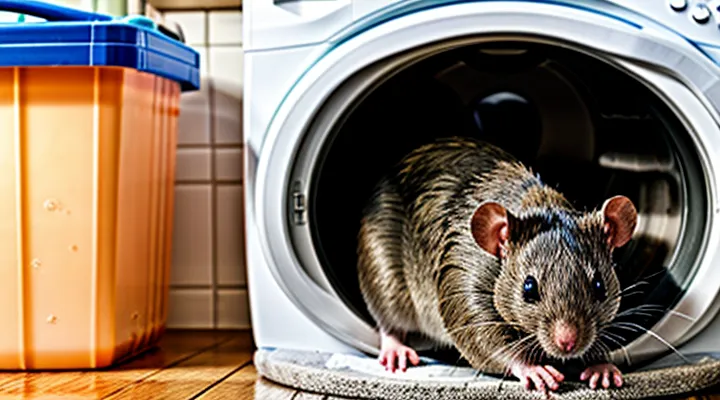
Understanding Rat Hygiene Needs
Do Rats Need Baths?
Self-Grooming Abilities of Rats
Rats devote a substantial portion of their daily activity to self‑grooming, a behavior that maintains coat integrity and reduces pathogen load. Grooming cycles include facial cleaning, body licking, and tail brushing, each targeting specific regions where debris and parasites accumulate.
Key aspects of rat self‑grooming:
- Facial and whisker cleaning: Rats use their forepaws to sweep debris from the eyes, nose, and vibrissae, preventing obstruction of sensory input.
- Body licking: The tongue, equipped with a rough papillae surface, removes loose fur and detritus, distributing natural skin oils that preserve waterproofing.
- Tail grooming: Limited by reach, rats often employ their hind paws to rub the tail against surfaces, assisting in the removal of dust and parasites.
- Reciprocal grooming: In social groups, rats may groom each other, enhancing colony hygiene and facilitating the detection of ectoparasites.
Understanding these innate grooming mechanisms informs safe washing practices. When external cleaning is required, handlers should:
- Observe the rat’s natural grooming pattern to identify areas that may need additional attention.
- Use lukewarm water and a mild, rodent‑safe cleanser, limiting exposure to the duration of a typical self‑grooming session.
- Support the rat’s own grooming motions by allowing it to lick its paws after rinsing, which reinforces natural oil distribution.
By aligning washing procedures with the rat’s self‑grooming capabilities, caretakers achieve effective hygiene while minimizing stress and preserving the animal’s protective coat functions.
When Bathing Becomes Necessary
Bathing a rat is required only under specific health or environmental conditions; routine cleaning through cage maintenance generally eliminates the need for water immersion.
Common scenarios that mandate a bath include:
- Visible soiling of the fur with urine, feces, or food residue that cannot be removed by spot‑cleaning.
- Presence of a strong, lingering odor indicating skin infection or fungal growth.
- Diagnosis of external parasites such as mites or lice, where a medicated wash is part of the treatment protocol.
- Medical procedures that involve applying topical medications needing a clean surface.
- Exposure to toxic substances (e.g., oil, chemicals) that have coated the coat and could be ingested during grooming.
Key indicators that a rat requires a bath are:
- Persistent scratching or excessive grooming that fails to clear debris.
- Red, inflamed, or ulcerated skin patches.
- Wet or clumped fur that dries to a sticky texture.
- Unusual respiratory or digestive symptoms after ingestion of contaminated fur.
Before initiating a bath, prepare a shallow container with lukewarm water (approximately 30 °C), use a rat‑specific, mild shampoo, and limit immersion to 2–3 minutes. Rinse thoroughly, dry with a soft towel, and keep the animal in a warm, draft‑free area until fully dry.
Medical Conditions Requiring Baths
Bathing a pet rat is not a routine activity; it becomes necessary when specific health issues arise. Recognizing these conditions ensures that the animal receives appropriate care while avoiding unnecessary stress.
- Dermatophytosis (ringworm): Fungal infection of the skin; a gentle antiseptic bath helps reduce spore load and accelerates recovery when combined with antifungal treatment.
- Mange caused by Sarcoptes or Psoroptes mites: A medicated soak removes surface debris and facilitates topical acaricide penetration.
- Severe soiling or fecal contamination: Accumulated waste can lead to dermatitis; a warm water bath with a mild, fragrance‑free cleanser restores skin integrity.
- Parasitic infestations requiring topical medication: Bathing creates a clean surface for the application of spot‑on treatments, improving absorption.
- Skin ulcerations with necrotic tissue: Controlled immersion softens necrotic edges, allowing gentle debridement before veterinary intervention.
When bathing rats for medical reasons, follow these parameters: use water at 30‑32 °C (86‑90 °F); limit exposure to 3–5 minutes to prevent hypothermia; employ a hypoallergenic, pH‑balanced cleanser formulated for small mammals; rinse thoroughly to eliminate residue; dry the animal with a low‑heat hair dryer or a warm towel, then keep it in a draft‑free environment until body temperature stabilizes.
Avoid baths in cases of respiratory infection, severe hypothermia, or open surgical wounds unless explicitly directed by a veterinarian. In such situations, topical wipes or targeted spot treatments replace full immersion.
Excessive Soiling and Odor
Excessive soiling and odor indicate that a rat’s coat and living area have accumulated urine, feces, and food residue beyond normal levels. These conditions increase the risk of skin irritation, respiratory problems, and bacterial contamination, making thorough cleaning essential before any washing procedure.
Identify the problem early by inspecting the animal’s fur for clumped dirt and by noting any strong, unpleasant smell emanating from the cage or the rat itself. Persistent odor after a brief rinse suggests deep‑layer contamination that requires targeted treatment.
Effective control consists of three steps:
- Pre‑wash grooming – Use a soft brush to remove loose debris, then trim excess fur around the tail and hindquarters if it is matted.
- Spot cleaning – Apply a dilute enzymatic cleaner (1 part enzyme solution to 10 parts water) to heavily soiled patches. Allow the solution to act for 5‑7 minutes, then wipe with a damp cloth.
- Full immersion – Submerge the rat in lukewarm water (30‑32 °C) containing a mild, pet‑safe detergent. Gently massage the coat for 30‑45 seconds, then rinse thoroughly to eliminate residue.
After washing, dry the animal with a low‑heat hair dryer or a clean towel, and monitor for residual odor. If the smell persists, repeat the spot‑cleaning step and ensure the cage is disinfected with a non‑toxic, odor‑neutralizing spray. Regular cage maintenance—daily removal of waste and weekly deep cleaning—prevents the recurrence of excessive soiling and keeps the environment safe for both rat and handler.
Preparing for a Rat Bath
Gathering Supplies
Appropriate Shampoos and Soaps
Selecting the right cleansing agents is critical for maintaining rat health during bathing. Use products formulated for small mammals, free of harsh detergents, fragrances, and dyes. Acceptable options include:
- Unscented, mild pet shampoos approved for rodents; pH should range from 6.5 to 7.5.
- Diluted baby shampoo (1 part shampoo to 10 parts water) when rodent‑specific formulas are unavailable.
- Veterinary‑prescribed medicated soaps for rats with skin conditions; follow dosage instructions precisely.
Avoid human shampoos containing sulfates, sodium lauryl ether sulfate, or antibacterial agents, as they can disrupt the skin’s natural barrier and cause irritation. Likewise, steer clear of flea powders and dry shampoos that leave residues.
Application guidelines:
- Warm the solution to body temperature (≈37 °C) to prevent shock.
- Wet the fur gently, avoiding the eyes and ears.
- Apply a thin layer of shampoo, lather briefly, then rinse thoroughly with lukewarm water.
- Pat dry with a soft towel; allow the animal to air‑dry in a warm, draft‑free environment before returning it to its cage.
Regular use of appropriate shampoos and soaps, combined with careful rinsing, ensures clean fur without compromising the rat’s delicate skin.
Towels and Drying Tools
Towels and drying equipment are essential components of a safe rat‑washing routine. Proper selection and use minimize stress, prevent skin irritation, and reduce the risk of pathogen spread.
Choose towels that are lint‑free, highly absorbent, and made from non‑abrasive fibers such as microfiber or cotton flannel. Disposable paper towels provide single‑use sterility; reusable towels must be laundered at ≥60 °C and stored in a sealed container. Avoid towels treated with fragrances or chemicals that could affect the animal’s respiratory system.
Drying devices should deliver gentle, warm airflow without exceeding 30 °C. Recommended options include:
- Low‑speed, cool‑setting hair dryers with detachable nozzles
- Adjustable cage fans positioned at a safe distance
- Heated drying cabinets calibrated for small mammals
Always monitor temperature and airflow to prevent overheating or dehydration.
Procedure for drying a washed rat:
- Gently press a clean towel against the animal’s back, head, and limbs to remove excess moisture.
- Rotate the towel as needed, ensuring no hair remains damp.
- Position the drying device at a 15‑20 cm distance; set to low heat and low speed.
- Move the airflow across the body, not directly into the face or ears.
- Observe the rat for signs of discomfort; cease drying if excessive panting occurs.
Maintain towels and tools by laundering reusable towels after each use, disinfecting dryer nozzles with isopropyl alcohol, and inspecting fans for dust buildup. Replace disposable towels according to a schedule that matches the frequency of washes. Consistent hygiene of these items preserves their effectiveness and safeguards animal health.
Bathing Area Setup
A proper bathing area minimizes stress for the animal and protects the caretaker from contamination. Choose a flat, non‑slip surface such as a rubber mat or a sealed tray that can be easily disinfected. Place the setup on a stable table or countertop away from electrical outlets and drafts; a temperature‑controlled room keeps water from cooling too quickly.
The container should be shallow—no deeper than 2 cm—for a small rodent. Use warm water at 30–32 °C, measured with a thermometer, to avoid shock. Add a few drops of a mild, veterinary‑approved cleanser specifically formulated for small mammals; avoid soaps with fragrances or harsh chemicals.
Essential supplies include:
- Soft, lint‑free towels for drying
- Disposable gloves to prevent cross‑contamination
- A small cup or syringe for gentle rinsing
- A disinfectant solution for post‑bath cleaning of the tray and mat
After each session, empty the water, rinse the container with hot water, and apply an approved disinfectant. Allow the area to dry completely before the next use to inhibit bacterial growth. Regular inspection of the surface for cracks or wear ensures the environment remains safe and hygienic.
Creating a Stress-Free Environment
Temperature Control
When cleaning rats, water temperature must be carefully regulated to prevent thermal shock and maintain animal welfare. Use lukewarm water, typically between 30 °C and 35 °C (86 °F–95 °F). Temperatures below this range risk hypothermia; temperatures above may cause burns or stress.
Before immersion, measure water temperature with a calibrated thermometer. Adjust with hot or cold water until the target range is reached. Verify the temperature at the surface and at the depth where the rat will be held, as water can stratify.
Maintain ambient room temperature between 22 °C and 25 °C (72 °F–77 °F). Warm the surrounding area with a heater or heat lamp if the environment is cooler than this range. After washing, dry the rat promptly with a low‑heat hair dryer set to the lowest safe setting, or place the animal in a pre‑warmed enclosure.
Temperature control checklist
- Water temperature: 30 °C–35 °C (86 °F–95 °F)
- Room temperature: 22 °C–25 °C (72 °F–77 °F)
- Use calibrated thermometer for each session
- Adjust water temperature before each rat enters the bath
- Provide immediate gentle warming after rinsing
Adhering to these parameters ensures effective cleaning while safeguarding the rat’s physiological stability.
Minimizing Noise and Distractions
Effective rat cleaning requires a calm environment. Sudden sounds or visual interruptions can startle the animal, causing stress that compromises both the animal’s welfare and the hygiene outcome. Maintaining a quiet workspace reduces the likelihood of rapid movements that could spread contaminants or result in accidental injuries.
Control ambient noise by turning off unnecessary equipment, closing doors, and limiting conversation to essential instructions. Use soft‑close containers for waste and avoid clattering metal trays. Dim lighting or a single focused light source minimizes visual stimuli without impairing visibility.
Practical steps for minimizing distractions:
- Schedule cleaning sessions during low‑traffic periods in the facility.
- Place a “quiet zone” sign at the entrance to the washing area.
- Equip the station with acoustic panels or sound‑absorbing curtains.
- Keep only essential tools within arm’s reach; store secondary items out of sight.
- Assign a single handler to perform the wash, eliminating the need for multiple people in the immediate vicinity.
These measures create a stable environment that supports safe, thorough rat hygiene.
Positive Reinforcement and Treats
Positive reinforcement makes the washing process less stressful for rodents. Offer a small, high‑value treat immediately after each step—such as a piece of fresh fruit, a seed mix, or a commercial rat snack. The reward signals that the activity is safe and encourages the animal to cooperate during future cleanings.
Timing of the reward is critical. Deliver the treat within seconds of the desired behavior, for example right after the rat tolerates gentle handling of its paws or allows the damp cloth to touch its fur. This close pairing strengthens the association between the cleaning action and a pleasant outcome, reducing avoidance and frantic movements.
Consistency reinforces learning. Use the same type of treat for each session and repeat the sequence of actions—wetting the cloth, applying a mild, rodent‑safe cleanser, rinsing, and drying—until the rat anticipates the reward at each stage. Over time the animal will exhibit calmer behavior, facilitating thorough hygiene without force.
Typical treats suitable for reinforcement include:
- Small pieces of apple or banana (no seeds)
- A pinch of sunflower or pumpkin seeds
- Commercial rat biscuits formulated without added sugars
- Tiny portions of cooked egg white
Select treats that are nutritionally appropriate and free of allergens. Rotate flavors occasionally to maintain interest, but keep the quantity low to avoid weight gain. By integrating positive reinforcement and carefully chosen rewards, rat washing becomes a predictable, low‑stress routine that supports both cleanliness and animal welfare.
The Bathing Process
Gentle Handling and Introduction to Water
Acclimating Your Rat
Acclimating your rat before a bath reduces stress and prevents injury. Begin by placing the animal in a shallow container of lukewarm water for a few seconds, allowing it to feel the temperature and surface. Observe its reaction; if it appears uneasy, pause and give a brief rest before proceeding.
Gradual exposure follows these steps:
- Fill a small tub with water no deeper than the rat’s belly; temperature should be 95‑100 °F (35‑38 °C).
- Gently lower the rat, supporting its hindquarters, and let it stand for 10‑15 seconds.
- Offer a familiar scent, such as a dab of its own bedding, to create a calming association.
- Slowly increase the immersion time by 5‑10 seconds each session until the rat remains still for the full wash duration.
Consistent practice over several days builds tolerance, ensuring the animal remains cooperative during the actual hygiene procedure.
Techniques for Holding
When cleaning rats, secure handling prevents stress and injury, ensuring effective hygiene. Use a firm yet gentle grip that supports the animal’s body without restricting breathing.
- Place the rat on a flat, non‑slippery surface. Position one hand under the chest, thumb and forefinger forming a cradle around the ribs. The other hand supports the hindquarters, palm against the hips.
- Apply light pressure to keep the rat immobile; avoid squeezing the abdomen. Maintain the spine in a neutral position to preserve natural posture.
- For larger specimens, wrap the animal in a breathable, lightweight cloth, leaving the head exposed. The cloth distributes pressure evenly and reduces panic.
- When using a restraining device, select a size that fits the rat snugly without compression. Secure the front and back openings with Velcro straps, leaving the tail free for manipulation.
- Practice the grip before beginning the wash. A brief acclimation period lowers cortisol levels, resulting in smoother handling during the cleaning process.
Consistent use of these techniques minimizes escape attempts, protects the caretaker’s hands, and promotes a calm environment for the rat during the washing procedure.
Washing Techniques
Applying Shampoo Safely
Select a shampoo formulated for small mammals or a mild, unscented pet shampoo. Verify that the product contains no harsh detergents, essential oils, or alcohol, which can irritate delicate skin.
Before use, dilute the shampoo according to the label—typically one part shampoo to ten parts lukewarm water. Mix thoroughly to achieve a uniform solution that reduces the risk of concentration‑related burns.
Apply the diluted mixture with a soft, disposable syringe or a gentle squeeze bottle. Target the coat, avoiding direct contact with the eyes, ears, and genital area. Use a steady, controlled flow to prevent excess liquid accumulation.
Rinse promptly with clean, lukewarm water. Ensure all soap residues are removed, as lingering detergent can cause dermatitis. A gentle stream from a cup or a low‑pressure sprayer works best.
Pat the rat dry with a lint‑free paper towel. Do not rub aggressively; a light press removes moisture without stressing the animal. If the environment permits, allow the rodent to air‑dry in a warm, draft‑free area for a few minutes before returning it to its enclosure.
Rinsing Thoroughly
Rinsing a rat after applying soap or a mild detergent removes residual chemicals, prevents skin irritation, and reduces the risk of contaminating the animal’s fur with pathogens. Use lukewarm water (approximately 30‑35 °C) to avoid thermal shock. Hold the rat gently but securely, allowing water to flow over the entire body without submerging the head. Direct the stream from the back toward the tail, ensuring that each segment of fur receives a continuous flow for at least 10 seconds. Pat the animal dry with a clean, lint‑free towel; avoid rubbing, which can damage delicate hair and skin.
Key points for effective rinsing:
- Temperature: lukewarm, not hot or cold.
- Duration: minimum 10 seconds per body region.
- Flow: steady, moderate pressure; avoid high‑velocity jets.
- Position: head above water level, body angled to let water run off.
- Drying: gentle blotting, no vigorous rubbing.
Following these practices ensures a thorough rinse while maintaining the rat’s welfare and minimizing exposure to harmful residues.
Avoiding Sensitive Areas
When cleaning a rat, protect regions that can be easily damaged. Rough handling of the genital area, anal opening, eyes, ears, and tail can cause bleeding, infection, or heightened stress. Maintaining the animal’s welfare depends on keeping these zones untouched throughout the washing process.
To prevent accidental contact, follow a structured approach:
- Secure the rat by gently wrapping it in a soft, damp cloth, leaving the head and tail exposed for observation.
- Use a narrow, lukewarm stream of water aimed at the body’s dorsal surface; avoid directing flow toward the face, ears, or vent.
- Apply a mild, veterinary‑approved cleanser only to the fur on the back, sides, and limbs. Do not rub near the eyes, nostrils, or genital folds.
- Rinse with a cup or sprayer, maintaining a shallow angle that runs down the sides rather than into the animal’s face.
- Pat dry with a clean towel, keeping the head and tail upright to prevent moisture accumulation in sensitive openings.
By isolating the wash to the coat’s exterior and steering water away from delicate structures, the procedure remains safe, reduces the risk of injury, and supports the rat’s overall health.
Post-Bath Care
Drying Your Rat
After rinsing a rat, remove excess water promptly to prevent hypothermia. Gently pat the fur with a soft, lint‑free towel, applying light pressure to avoid skin irritation. Ensure the towel covers the entire body, including the tail and paws, to absorb moisture efficiently.
If the animal remains damp, place it in a warm, draft‑free area. A temperature of 24‑26 °C (75‑79 °F) maintains comfort without risking overheating. Use a low‑intensity heat source, such as a heating pad set on low, covered with a towel to distribute warmth evenly.
Monitor the rat for signs of distress during the drying phase. Signs of excessive shivering, lethargy, or rapid breathing indicate that the drying process is inadequate or the environment is too cold. Adjust temperature or towel coverage accordingly.
Typical drying protocol:
- Towel blotting – 2–3 minutes, focusing on head, ears, and tail.
- Warm enclosure – 5–10 minutes, with ambient temperature controlled.
- Final inspection – verify that fur feels dry to the touch; skin should be warm but not hot.
Complete drying within 15 minutes of washing reduces the risk of respiratory complications and supports rapid recovery.
Keeping Warm
Keeping a rat warm during cleaning prevents hypothermia and reduces stress, which can affect the animal’s recovery and immune response.
Prepare a warm, draft‑free area before beginning. Set the room temperature to at least 22 °C (72 °F). Use a heating pad on low setting, covered with a towel, to create a gentle heat source that will not burn the animal.
During the wash, follow these steps:
- Place the rat on a soft, non‑slipping surface that retains heat.
- Fill a shallow basin with lukewarm water (30‑32 °C, 86‑90 °F); avoid hot water that can cause burns.
- Keep the water level low enough to cover the paws but not submerge the whole body, limiting heat loss.
- After rinsing, quickly dry the rat with a low‑heat hair dryer set to “warm” or a soft cloth, focusing on the head, ears, and tail.
- Return the animal to the heated pad for a few minutes, monitoring body temperature with a rectal thermometer if available.
Maintain ambient warmth until the rat is completely dry and able to move independently. This practice ensures the cleaning process is safe and humane.
Monitoring for Stress or Discomfort
Monitoring stress or discomfort is essential when cleaning rats to prevent injury and ensure reliable results. Observe behavior continuously; sudden freezing, excessive grooming, vocalizations, or attempts to escape indicate acute stress. Record these responses and adjust handling techniques immediately.
Assess physiological signs. Elevated respiration rate, rapid heartbeats, or changes in pupil size provide objective evidence of distress. Use a non‑invasive monitor or a handheld infrared sensor to obtain measurements without additional handling.
Implement a systematic check before, during, and after each wash cycle:
- Pre‑wash assessment: Confirm normal activity levels and appetite; any deviation warrants postponement.
- During wash: Maintain water temperature between 30–35 °C; temperature spikes trigger rapid breathing and should be corrected within seconds.
- Post‑wash observation: Allow a 5‑minute recovery period in a quiet, warm environment; monitor for persistent agitation or loss of coordination.
Document all observations in a logbook, noting time stamps, environmental conditions, and corrective actions taken. Consistent records enable identification of patterns, refinement of protocols, and compliance with animal welfare standards.
Alternatives to Full Baths
Spot Cleaning
Techniques for Targeted Cleaning
Effective targeted cleaning of rats requires a systematic approach that isolates contaminant zones while minimizing stress to the animal. Begin by restraining the rat gently but securely, using a soft grip or a specialized holder that prevents injury. Apply a mild, veterinary‑approved cleanser to a soft cloth or sponge; avoid soaking the animal, as excess moisture can damage the fur and skin.
- Spot decontamination: Identify dirty areas such as the tail base, hindquarters, and ventral surface. Apply cleanser directly to these spots, rubbing in a circular motion for 5–10 seconds before rinsing with lukewarm water.
- Localized rinsing: Use a calibrated syringe or a small spray bottle to deliver a controlled stream of water onto the treated area. Direct the flow away from the face and ears to prevent aspiration.
- Drying procedure: Pat the cleaned region with a lint‑free towel until no moisture remains. For dense fur, follow with a low‑heat hair dryer set to a safe distance (no closer than 10 cm) for 30 seconds.
- Post‑cleaning inspection: Examine the area for residual debris or skin irritation. Apply a veterinary‑approved antiseptic ointment if redness or minor abrasions are observed.
Maintain a clean work surface, replace disposable cloths after each use, and disinfect all tools between animals. This protocol isolates cleaning actions to specific regions, reduces overall water exposure, and supports the rat’s health and hygiene.
When Spot Cleaning is Sufficient
Spot cleaning addresses localized soiling without submerging the entire animal. It is appropriate when the contamination is confined to a specific area, such as a dirty tail, paws, or a small patch of fur, and does not involve systemic exposure to harmful substances.
Spot cleaning is sufficient under these conditions:
- The debris is dry or minimally wet, allowing removal with a damp cloth or cotton swab.
- No chemical agents have been spilled onto the rat’s skin; only organic material (urine, feces, food residue) is present.
- The rat shows no signs of skin irritation, infection, or distress that would require a full bath.
- The affected area can be accessed without restraining the animal for extended periods.
Procedure for effective spot cleaning:
- Prepare a clean, soft cloth or gauze dampened with lukewarm water; add a few drops of a mild, rodent‑safe antiseptic if necessary.
- Gently dab the soiled region, avoiding vigorous rubbing that could damage delicate fur or skin.
- Use a cotton swab for tight spots, such as around the ears or between toes, to lift residue without spreading it.
- Pat the area dry with a separate clean towel; ensure no moisture remains that could foster bacterial growth.
- Observe the rat for a few minutes after cleaning to confirm normal behavior and absence of discomfort.
If any of the above criteria are not met—particularly if the contaminant is a hazardous chemical, if the rat exhibits redness, swelling, or abnormal behavior—escalate to a full, controlled bath following established rat hygiene protocols.
Using Pet Wipes
Safe Product Selection
When cleaning pet rats, product safety determines both animal welfare and handler protection. Choose items specifically formulated for small mammals or for sensitive skin. Avoid human shampoos, detergents, and fragrances that can irritate rodent dermis or be absorbed through the coat.
Key criteria for selecting a washing product:
- Species‑specific formulation – labeled for rats, mice, or small rodents; includes mild, pH‑balanced surfactants.
- Absence of harsh chemicals – no sulfates, parabens, alcohol, or essential oils known to cause dermatitis or respiratory distress.
- Non‑toxic if ingested – rats may groom after a bath; ingredients must be safe for oral exposure in low amounts.
- Hypoallergenic – free of dyes and strong scents; reduces risk of allergic reactions.
- Clear usage instructions – dosage, dilution ratio, and recommended rinsing time specified for rodents.
If a dedicated rodent shampoo is unavailable, a veterinary‑approved, unscented baby wash diluted according to the label can serve as a temporary alternative. Always perform a spot test on a small area of the coat before full application; observe the animal for signs of redness, scratching, or respiratory irritation for at least five minutes.
Water temperature should be lukewarm (around 30‑32 °C). Apply the product gently, massage to create a light lather, then rinse thoroughly to eliminate residue. After drying, inspect the fur and skin for any lingering moisture or irritation, and discard any product that leaves a film.
Document the brand, batch number, and observed reaction after each wash. This record supports consistent product evaluation and aids veterinary consultation if adverse effects appear.
Application Guidelines
Properly washing a pet rat requires clear, repeatable steps that protect the animal’s skin, respiratory system, and overall health while minimizing risk to the caretaker.
Begin by assembling all necessary materials: a shallow, non‑slippery basin; lukewarm water (37‑39 °C); a mild, fragrance‑free laboratory‑grade cleanser formulated for small mammals; soft lint‑free towels; and a pair of disposable gloves. Place the basin on a stable surface away from drafts and direct sunlight. Verify that the water temperature matches the target range with a thermometer; water that is too hot can cause burns, while water that is too cold may induce hypothermia.
The washing process follows a precise sequence:
- Gentle restraint – hold the rat securely but without excessive pressure, supporting the torso and limiting limb movement.
- Initial rinse – dip the animal briefly to wet the fur, avoiding submersion of the head and ears.
- Cleanser application – apply a thin layer of cleanser to the dorsal and ventral surfaces, using a soft cloth to distribute evenly. Do not scrub; the goal is to loosen debris.
- Secondary rinse – pour lukewarm water over the body to remove all soap residues. Ensure that no cleanser remains in the facial area, ears, or eye sockets.
- Drying – pat the rat dry with a towel, then allow it to air‑dry in a warm, low‑humidity environment for several minutes. Do not use hairdryers or direct heat sources.
After the wash, inspect the animal for signs of stress, skin irritation, or respiratory distress. Return the rat to its enclosure only once it is completely dry and its body temperature has normalized. Clean the basin and any reusable tools with a disinfectant approved for laboratory use, then rinse thoroughly.
Maintain these guidelines for every wash session. Deviations increase the likelihood of injury, infection, or behavioral trauma. Consistent application ensures hygienic conditions for both the rat and its owner.
Important Considerations and Warnings
Health and Safety Precautions
Water Temperature
When cleaning rats, water temperature directly affects both animal comfort and the effectiveness of contaminant removal. Cold water (<15 °C/59 °F) can cause stress, hypothermia, and reduced circulation, making it unsuitable for routine washes. Extremely hot water (>38 °C/100 °F) risks burns, skin irritation, and rapid dehydration, compromising the animal’s health.
The optimal temperature range for a safe and efficient wash is 30–35 °C (86–95 °F). Within this span, the water is warm enough to relax muscles and encourage thorough cleaning, yet cool enough to prevent thermal injury. Maintain the temperature with a calibrated thermometer; adjust as needed to stay within the target band throughout the procedure.
Key points for temperature control:
- Use a water bath or temperature‑controlled faucet to achieve 30–35 °C.
- Verify temperature before each session; re‑check if the water cools during extended washes.
- Allow the rat to acclimate for 30–60 seconds after immersion to monitor for signs of distress.
- If the rat shows shivering, rapid breathing, or attempts to escape, lower the temperature immediately.
Consistent adherence to the recommended temperature range ensures humane handling, maximizes pathogen removal, and supports overall hygiene standards for rat care.
Avoiding Inhalation of Water
When cleaning rodents, the risk of water entering the respiratory tract can cause aspiration pneumonia, a serious condition that may be fatal. Preventing inhalation of water requires control of the animal’s head position, choice of washing method, and careful monitoring throughout the procedure.
- Secure the rat in a gentle restraint, such as a soft towel or a specialized cradle, keeping the snout elevated above the water level.
- Use a shallow basin or a sink with a low water depth (no more than 1 cm). The surface tension should be sufficient to wet the fur without submerging the animal.
- Apply lukewarm water with a soft spray or a damp cloth rather than a continuous stream. Direct the flow toward the body, avoiding the face and nostrils.
- Perform brief, targeted washes (10–15 seconds per session). If additional cleaning is needed, pause to allow the animal to breathe normally before resuming.
- Observe the rat’s breathing pattern continuously. Any signs of distress, such as rapid or shallow breaths, warrant immediate cessation of the wash and gentle drying.
After washing, place the rat on a dry, warm surface and use a low‑heat hair dryer or a soft towel to remove excess moisture. Ensure the animal is fully dry before returning it to its enclosure to prevent chill and respiratory complications.
Recognizing Signs of Stress
Recognizing stress in a rat before and during cleaning prevents injury and ensures humane handling. A calm animal tolerates brief immersion and gentle scrubbing; a frightened rat may bite, scratch, or suffer respiratory distress.
- Hunched posture, tail tucked tightly against the body
- Rapid, shallow breathing or audible wheezing
- Excessive grooming or self‑biting of fur
- Vocalizations such as high‑pitched squeaks or chattering
- Attempted escape, frantic running, or freezing in place
- Dilated pupils and glassy eye appearance
When any of these indicators appear, reduce handling intensity, provide a quiet environment, and consider postponing the wash until the rat has recovered. Offer a familiar hideout, soft bedding, and a brief period of acclimation to the water temperature before proceeding. If stress persists, limit the session to spot cleaning with a damp cloth rather than full immersion.
Continuous observation of these behavioral cues safeguards both the animal’s welfare and the effectiveness of the hygiene routine.
When Not to Bathe Your Rat
Illness or Injury
When rats require cleaning, illness or injury must be identified before any hygiene procedure. Visible signs of disease include nasal discharge, coughing, wheezing, lethargy, loss of appetite, and abnormal stool. Physical injuries present as cuts, abrasions, swelling, limping, or tremors. If any of these symptoms appear, postpone washing until a veterinarian evaluates the animal.
A safe response protocol:
- Isolate the rat in a clean cage separate from healthy individuals.
- Wear disposable gloves and a mask to prevent pathogen transmission.
- Conduct a brief health assessment, noting temperature, respiratory rate, and wound condition.
- Contact a qualified veterinarian; follow prescribed treatment before resuming cleaning.
- Disinfect the isolation area with a rat‑safe sanitizer after use.
During the washing process, maintain gentle handling to avoid exacerbating injuries. Use lukewarm water (37‑38 °C) and a mild, animal‑approved cleanser. Limit exposure time to under five minutes. Rinse thoroughly, then dry with a soft towel, applying gentle pressure to prevent skin irritation.
After cleaning, monitor the rat for changes in behavior or physical condition for at least 24 hours. Any deterioration warrants immediate veterinary attention. This approach minimizes health risks while preserving the animal’s welfare during hygiene care.
Extreme Fear or Aggression
Rats that exhibit extreme fear or aggression pose a direct risk during cleaning, increasing the chance of bites, scratches, and stress‑induced injuries. Recognizing and controlling these behaviors is essential for maintaining both animal welfare and handler safety.
Typical indicators include rapid breathing, flattened ears, teeth baring, sudden lunges, and attempts to escape the enclosure. Such responses often intensify when the animal perceives a threat, unfamiliar scents, or sudden movements.
Effective mitigation involves:
- Preparing a calm environment: lower lighting, minimal noise, and a stable temperature reduce startling stimuli.
- Using a gentle restraint method: a soft, appropriately sized cloth or a specialized restraining tube limits movement without causing pain.
- Applying a calming scent: a few drops of a rodent‑safe pheromone spray can lower arousal levels.
- Conducting a brief acclimation period: allow the rat to explore the washing area for several minutes before introducing water.
Handler precautions include wearing puncture‑resistant gloves, eye protection, and long sleeves. Maintain a ready first‑aid kit for immediate treatment of any injuries. After washing, provide a quiet recovery space and monitor the rat for lingering signs of stress before returning it to its home cage.
Consulting a Veterinarian
Consulting a veterinarian before initiating any bathing routine ensures that the procedure aligns with the animal’s health status and species‑specific needs. A professional assessment identifies skin conditions, allergies, or underlying illnesses that could be aggravated by water exposure.
Schedule a veterinary appointment when the rat has never been bathed, shows signs of dermatitis, excessive grooming, or after a change in environment that may introduce pathogens. The clinician can evaluate the animal’s coat, ears, and paws, and determine whether a wash is advisable or if alternative hygiene methods are safer.
During the visit, provide the veterinarian with the following details:
- Age, weight, and breed of the rat
- Recent dietary changes or supplements
- History of skin lesions, infections, or parasites
- Frequency of previous washes, if any, and products used
- Observed behavioral responses to handling or water
Based on this information, the veterinarian may prescribe a specific mild, non‑irritating cleanser, recommend a temperature range (typically 30‑32 °C), and outline a safe handling technique to minimize stress. The professional may also suggest a schedule that balances cleanliness with the rat’s natural grooming behavior, and advise on post‑wash drying methods that prevent hypothermia.
Follow the veterinarian’s guidance precisely, documenting any adverse reactions and reporting them promptly. Consistent professional oversight maintains optimal hygiene while protecting the rat’s welfare.